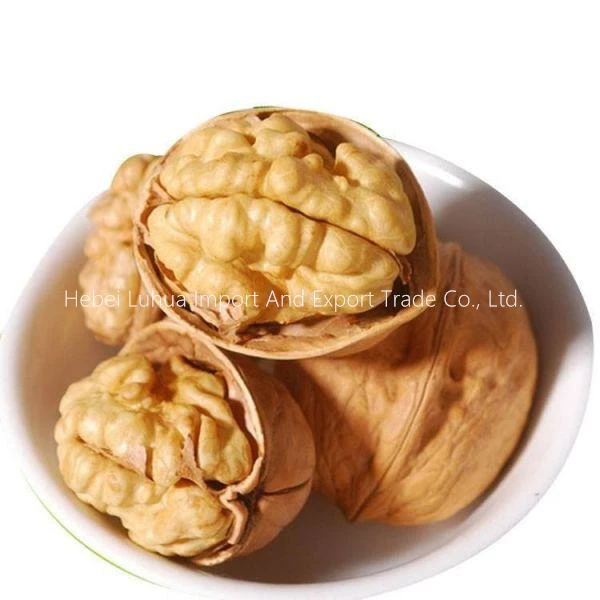
Advanced Nut Processing Solutions for organic dried red dates in Laos

Elevating the agricultural value chain in Laos with precision processing and premium quality standards for global export.

Advanced Nut Processing Solutions for organic dried red dates in Laos

Integrating state-of-the-art drying and shelling technology to bring the finest harvests from the Lao highlands to the international market.

Current Landscape of Nut and Fruit Processing in Laos

Analyzing the intersection of tropical climate and high-value crop processing.

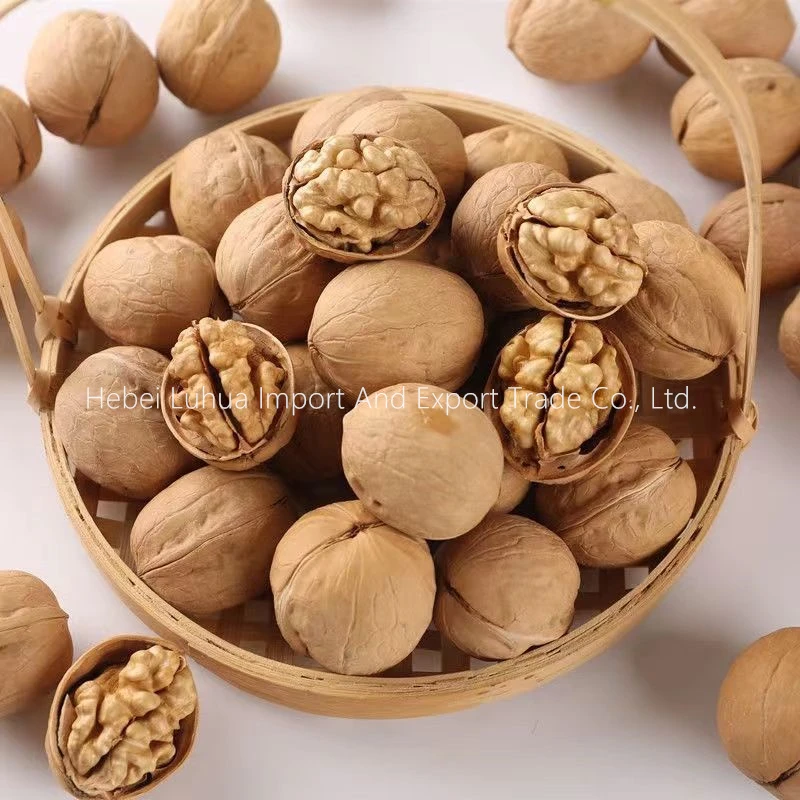
Laos possesses a unique geographical advantage with diverse altitudinal zones that are ideal for specialized crops. However, the local processing industry for premium walnut kernels has historically struggled with high humidity levels during the monsoon season, leading to challenges in moisture control and shelf-life stability.

The market is currently transitioning from artisanal, small-scale drying to industrial-grade dehydration. There is a growing demand for fresh red date preservation techniques that can maintain nutritional integrity while meeting the strict phytosanitary requirements of neighboring trade partners in ASEAN.

Economic shifts toward sustainable agriculture have put a spotlight on itty bitty jujube and other small-caliber dried fruits. The primary bottleneck remains the lack of automated sorting and grading machinery, which often results in inconsistent product sizing for the export market.

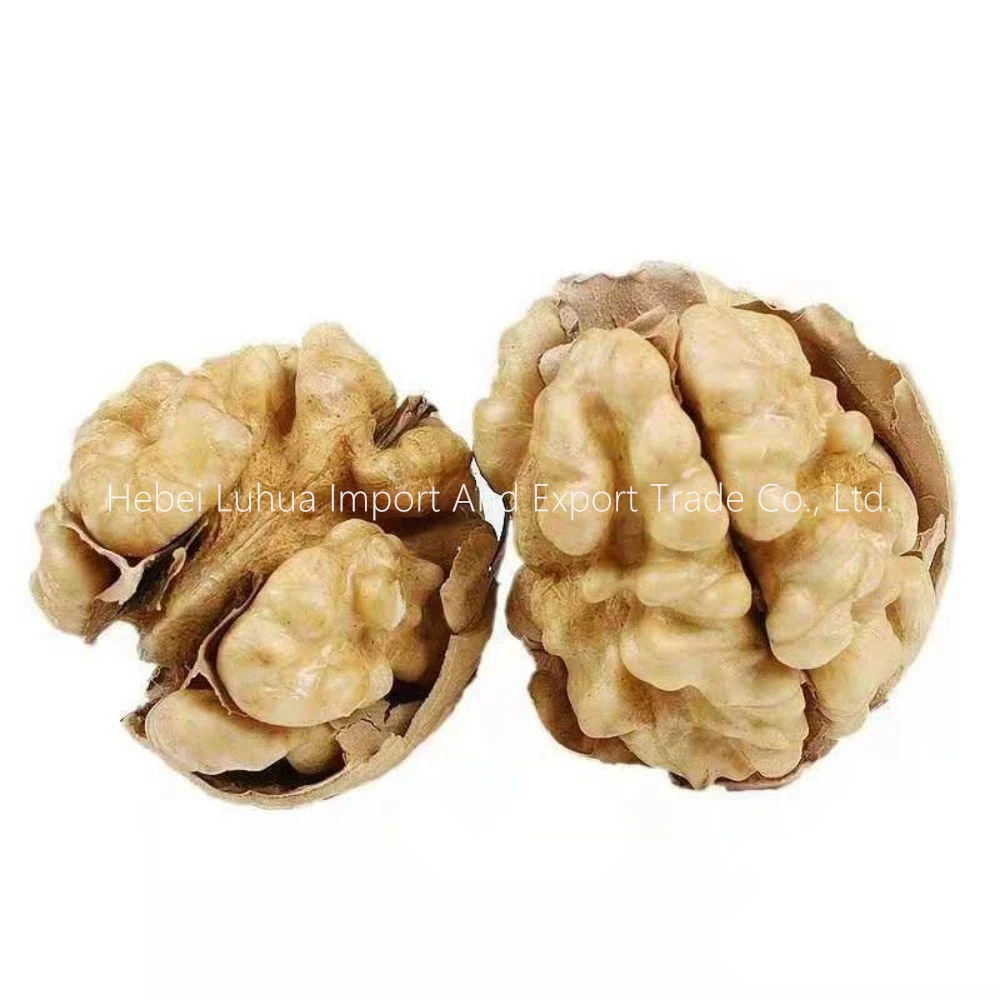
Technological Evolution and Development Path

From traditional sun-drying to intelligent automated processing.

Market Development History

Between 2000 and 2010, the industry relied almost exclusively on traditional open-air drying. This period was characterized by high post-harvest losses and a lack of standardized grading for products like recipe ready walnut kernels, limiting them to local village consumption.

From 2011 to 2020, the introduction of basic electric tunnel dryers and mechanical shellers marked the first wave of industrialization. This era saw the rise of "semi-processed" exports, where basic cleaning and drying were implemented to increase the value of the raw harvest.

Since 2021, the focus has shifted toward "Smart Processing." The integration of NIR (Near-Infrared) sorting and vacuum-freeze drying has allowed producers to achieve the high-purity standards required for organic certifications and premium retail packaging.

Future Development Trends

AI-Driven Quality Grading

Integration of computer vision to automatically sort by size and color, ensuring that every pack of kernels meets exact commercial specifications.

Eco-Friendly Cold Chain Integration

Implementing solar-powered cold storage to stabilize the temperature of sensitive fruits immediately after harvest to prevent oxidation.

Precision Moisture Management

Adopting IoT sensors to monitor the internal humidity of dried fruits in real-time, reducing spoilage during transit through the humid Lao corridors.

Future Trends and Strategic Outlook

Navigating the next five years of agri-processing innovation in Asia.


Automation Integration
Replacing manual peeling with automated precision machinery to minimize kernel breakage.

Sustainable Packaging
Shift toward biodegradable, vacuum-sealed films to protect lipids in walnuts from oxidation.

Traceability Systems
Blockchain implementation to track the journey from Lao farms to global consumers.

Zero-Waste Processing
Converting walnut shells and date pits into bio-fuel for the processing plants.

Industry Outlook

Google search trends indicate a sharp rise in demand for "clean label" and "organic certified" nuts in the Southeast Asian market. For Laos, this means the transition from bulk raw export to branded, processed retail units will be the primary driver of GDP growth in the agricultural sector.

The integration of the China-Laos Railway will further accelerate this trend by reducing transport time, allowing for "just-in-time" delivery of fresh produce and faster export of processed goods, effectively bridging the gap between Lao farms and high-end Asian supermarkets.

Localized Application Scenarios in Laos

Real-world implementations of high-efficiency processing in the Lao market.

1. High-End Bakery Supply Chain

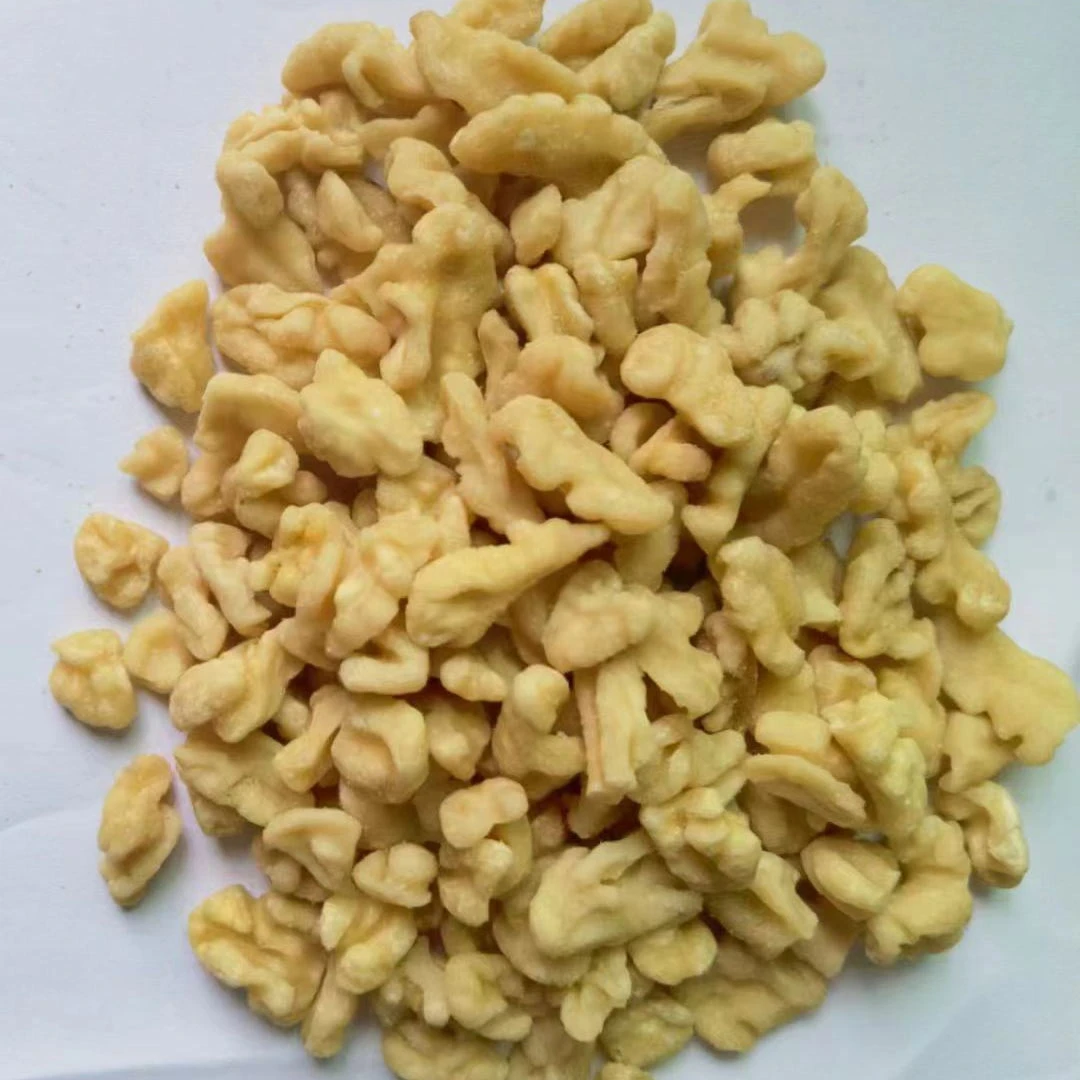
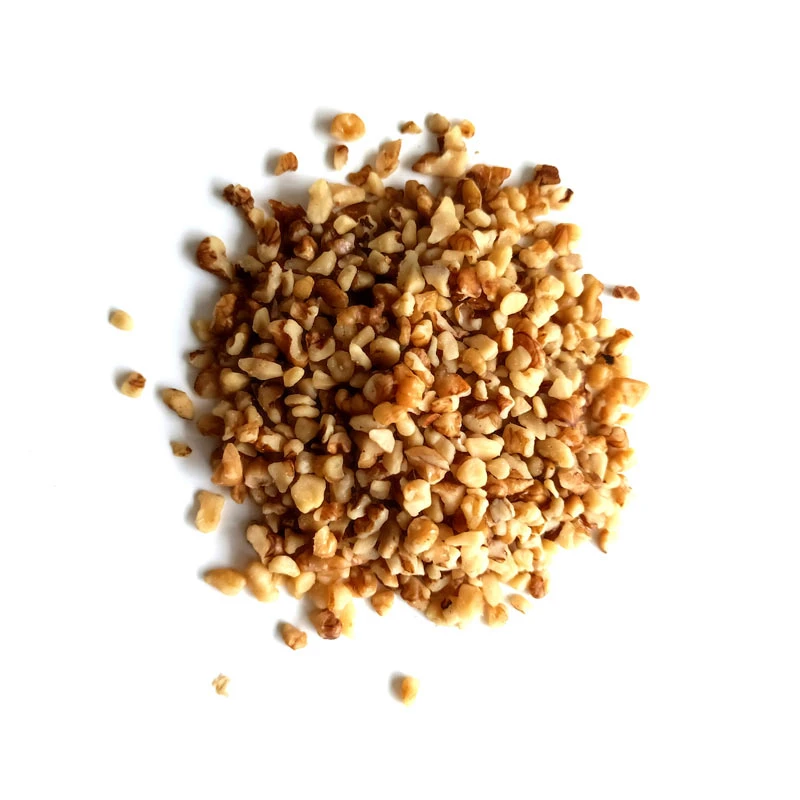
Providing recipe ready walnut kernels to premium cafes in Vientiane, eliminating the need for in-house shelling and reducing waste for local bakers.

2. Organic Health Store Distribution

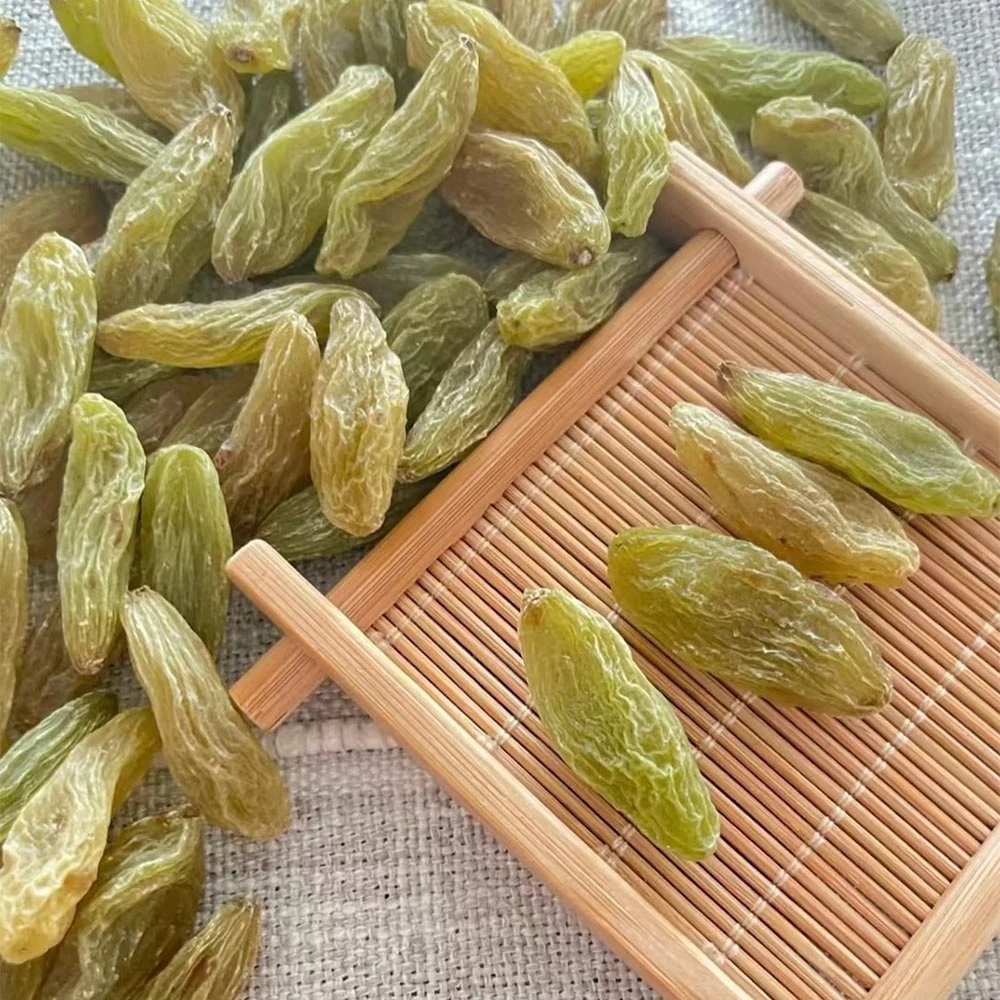
Supplying organic dried red dates to wellness boutiques, focusing on sulfur-free drying processes that appeal to health-conscious urban consumers.

3. Traditional Medicine Integration

Packaging itty bitty jujube for use in traditional Lao herbal tonics, ensuring uniform size for precise dosage and preparation.

4. Export-Grade Bulk Packaging

Utilizing modified atmosphere packaging (MAP) for premium walnut kernels intended for the Thai and Chinese markets, extending shelf life without preservatives.

5. Seasonal Fresh Fruit Preservation

Implementing rapid-cooling and flash-drying for fresh red date harvests during the peak season to prevent fermentation and color loss.

Brand Story

Global Development Journey of Hebei Luhu Export Trade Co., Ltd.

Foundations of Excellence

Started with a commitment to bridge the gap between high-quality nut orchards and global demand, focusing on rigorous selection and sorting.

Technological Breakthroughs

Invested in advanced dehydration and vacuum-packaging technology to solve the problem of lipid oxidation in premium nuts.

Global Reach Expansion

Established strategic trade corridors across Asia, optimizing logistics for fragile dried fruits and nuts.

Sustainability Pivot

Adopted organic certification standards and eco-friendly processing to meet the evolving demands of the global health market.

Vision for the Future

Aiming to empower local farmers in regions like Laos with processing expertise, creating a sustainable and fair-trade ecosystem.

Comprehensive Product Portfolio for the Lao Market

A curated selection of processed nuts and fruits tailored for regional preferences and export standards.

Common Questions for Nut Processing in Laos

Expert answers to the most pressing technical and commercial queries.

How to maintain the quality of premium walnut kernels in humid climates like Laos?

The key is using vacuum-sealed packaging combined with moisture-absorbent liners and temperature-controlled storage to prevent mold and rancidity.

What is the difference between standard and recipe ready walnut kernels?

Recipe ready kernels are pre-sorted for size and skin-consistency, ensuring uniform baking and cooking results for professional kitchens.

Are organic dried red dates more stable for long-distance export?

Yes, when processed with sulfur-free drying and vacuum packing, organic dates maintain their flavor and texture longer without chemical preservatives.

Why choose itty bitty jujube for commercial health products?

Their small, uniform size makes them ideal for encapsulation, tea blending, and precise nutritional dosing in supplements.

How does the processing of fresh red date differ for local vs export markets?

Export markets require stringent phytosanitary certification and precise water-activity levels (aw) to pass customs and ensure long shelf life.

What technology is best for scaling nut processing in Southeast Asia?

Modular automated lines that include cleaning, shelling, and NIR sorting provide the best balance of scalability and quality control.

Partner With Us Today

Ready to elevate your agri-processing capabilities in Laos? Contact our expert team for a customized solution.

Contact Us Now

If you are interested in our products, you can choose to leave your information here, and we will be in touch with you shortly.