When analyzing the global nut trade, the metric of walnut per kg serves as the primary benchmark for quality control and pricing strategies. As demand for plant-based proteins and omega-3 fatty acids rises, understanding the cost-to-value ratio per kilogram allows wholesalers and retailers to maintain competitive edges while ensuring consumers receive premium, nutrient-dense kernels.
The volatility of the agricultural market means that the price of walnut per kg is influenced by a complex interplay of harvest yields, climate shifts, and international trade policies. For procurement managers, tracking these fluctuations is not just about cost-saving, but about securing a stable supply chain for products ranging from stripped walnut kernels to whole in-shell nuts.
Ultimately, evaluating walnut per kg requires a deep dive into grading standards, where factors like color, size, and moisture content dictate the final market value. By shifting the focus from simple pricing to a holistic "value per kilogram" approach, the industry can move toward more sustainable sourcing and transparent trading practices.
Global Market Dynamics of Walnut per kg
The global trade of walnuts is a sophisticated network where the price of walnut per kg is dictated by regional production hubs in the USA, China, and Central Asia. According to FAO statistics, the shift toward healthier dietary patterns has led to a steady increase in the consumption of walnuts, putting pressure on the per-kilogram supply chain and driving innovation in harvesting technologies.
Market volatility is often triggered by climate anomalies, such as unexpected frosts or droughts, which directly impact the yield and thus the cost of walnut per kg. To mitigate these risks, large-scale processors are increasingly diversifying their sourcing origins, ensuring that they can maintain a consistent volume of stripped walnut kernels regardless of localized crop failures.
Understanding Pricing Benchmarks for Walnut per kg
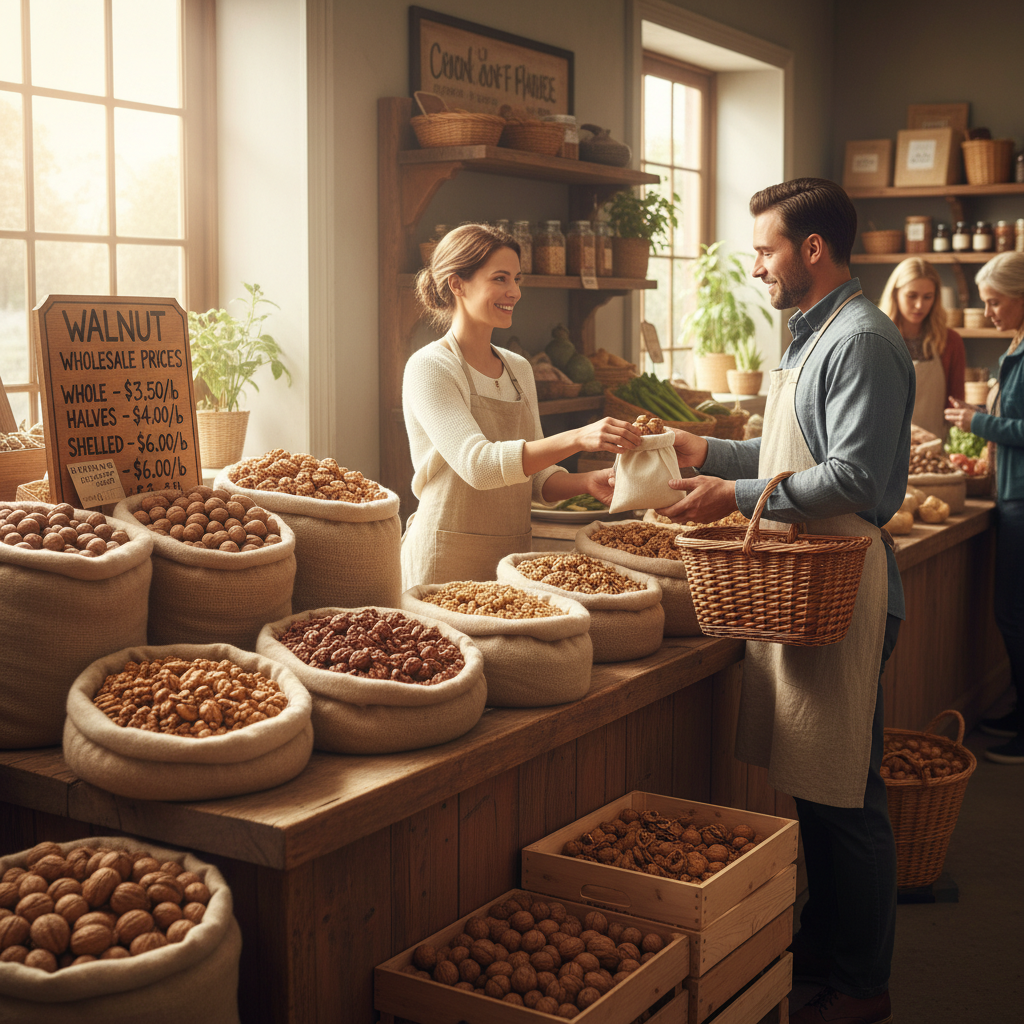
Determining the fair market value of walnut per kg is not a one-size-fits-all calculation. It involves analyzing the "shell-to-kernel" ratio, as the weight of the shell significantly affects the cost when buying in-shell walnuts versus stripped kernels. Professional buyers focus on the net weight of the edible portion to determine the true economic value.
Beyond raw weight, the pricing of walnut per kg is influenced by certifications such as Organic, Fair Trade, or ISO standards. These certifications add a premium to the per-kg price but offer long-term value in terms of brand trust and access to high-end European and North American markets where traceability is mandatory.
Furthermore, the seasonality of the harvest creates a cyclical pricing pattern. Buying walnut per kg during the peak harvest window typically yields the lowest costs, but requires significant storage infrastructure to maintain freshness and prevent rancidity of the oils throughout the year.
Quality Grading Standards and Value per kg
The perceived value of walnut per kg is intrinsically linked to the grade of the kernel. Grade A kernels, characterized by their light color and whole structure, command the highest price per kg due to their aesthetic appeal in confectionery and high-end snacking.
In contrast, "halves and pieces" offer a different value proposition for walnut per kg. While they are cheaper per kilogram, they are highly efficient for industrial bakery use where the whole shape is less critical than the flavor and nutritional profile of the nut.
Strict adherence to moisture content limits (usually below 5%) is critical for maintaining the stability of the walnut per kg weight. Excess moisture not only inflates the weight artificially but also increases the risk of mold, which can lead to the total loss of a shipment.
Cost-Efficiency in Bulk Walnut Procurement
Achieving cost-efficiency when sourcing walnut per kg requires a strategic balance between volume discounts and quality assurance. Bulk purchasing reduces the unit cost per kg, but only if the supplier can guarantee consistency across different batches to avoid production delays in the processing plant.
Many procurement experts utilize "forward contracts" to lock in a specific price for walnut per kg months in advance. This strategy protects the buyer from sudden price spikes caused by geopolitical instability or crop pests, ensuring a predictable cost structure for the fiscal year.
Comparative Value Analysis of Walnut per kg Types
Industrial Applications of Processed Walnuts
The versatility of walnut per kg extends beyond direct consumption. In the food processing industry, walnuts are integrated into protein bars, vegan cheeses, and specialty pastries, where the precise measurement of weight per kilogram is essential for recipe standardization and margin calculation.
Beyond the food sector, walnut shells (a byproduct of the stripping process) are valued per kg for industrial abrasive blasting and filtration systems. This creates a circular economy where every single gram of the walnut per kg purchase contributes to revenue, whether as a premium food product or an industrial raw material.
Sustainability and Sourcing Trends
Modern consumers are increasingly concerned with the ethical footprint of their walnut per kg. This has led to a rise in "Regenerative Agriculture" practices, where soil health is prioritized to ensure that the land can produce high-quality walnuts for generations to come, reducing the reliance on chemical fertilizers.
Digital transformation is also playing a role in the walnut trade. Blockchain technology is being used to track a specific batch of walnut per kg from the orchard to the final consumer, providing immutable proof of origin, harvest date, and quality certifications, which in turn justifies a higher price point.
Furthermore, the industry is moving toward energy-efficient drying and cracking processes. By reducing the carbon footprint associated with producing walnut per kg, companies can appeal to the environmentally conscious "green" market, adding intangible value to the physical product.
Logistics and Storage Optimization for Weight Stability
Effective logistics for walnut per kg involve strict climate control to prevent "weight loss" through dehydration or "weight gain" through moisture absorption. Vacuum packaging and nitrogen flushing are standard practices for premium kernels to ensure the weight remains constant from the factory to the end-user.
Cold chain management is essential for maintaining the integrity of the oils within the nut. When walnut per kg is stored at improper temperatures, oxidation occurs, leading to rancidity. This not only degrades the taste but also reduces the commercial value of the product per kilogram.
Optimizing palletization and shipping containers also reduces the "landed cost" of walnut per kg. By maximizing the volume of the shipping vessel while minimizing the weight of the packaging materials, exporters can lower the overall cost per kg delivered to the international buyer.
Comparative Analysis of Walnut Logistics and Quality Maintenance
| Storage Method |
Weight Stability |
Shelf Life (Months) |
Cost Impact per kg |
| Ambient Bulk Storage |
Low |
3-6 |
Low Cost |
| Vacuum Sealed |
High |
12-18 |
Moderate |
| Cold Storage (4°C) |
Medium |
24+ |
High Cost |
| Nitrogen Flushed |
Very High |
18-24 |
Moderate |
| Modified Atmosphere |
High |
12-15 |
High Cost |
| Traditional Sacks |
Very Low |
2-4 |
Minimum Cost |
FAQS
The wholesale price of walnut per kg is determined by several factors: the kernel grade (whole vs. pieces), the origin of the crop, and current market demand. Additionally, the "outturn" (the percentage of kernels recovered from the shell) plays a massive role in pricing in-shell walnuts. Global commodity trends and harvest yields in major producing regions like California or Xinjiang also cause daily fluctuations in the per-kg rate.
Yes, walnuts can experience weight fluctuation. In low-humidity environments, they may lose weight due to moisture evaporation. Conversely, in humid conditions, they can absorb moisture, which increases the weight but risks mold growth. This is why professional suppliers use vacuum packaging to lock in the walnut per kg weight and ensure the consumer receives exactly what they paid for.
For industrial baking, "Walnut Pieces" or "Halves" typically offer the best value per kg. Since these are often used in mixtures or as toppings where a perfect whole nut isn't required, they provide the same flavor and nutritional profile as premium whole kernels but at a significantly lower cost per kilogram, thereby increasing the profit margin for the bakery.
Quality verification involves a sampling process where a random portion of the shipment is checked for color (lighter is usually better), moisture content (should be below 5%), and the absence of defects like shriveling or mold. Comparing the actual kernel yield against the promised walnut per kg specification ensures that the supplier hasn't included excessive shell fragments or low-grade filler.
Typically, organic walnut per kg carries a premium of 20% to 50% over conventional walnuts. This is due to the lower yields associated with organic farming and the higher cost of labor-intensive pest and weed management. However, this cost is often offset by the higher retail price consumers are willing to pay for chemical-free, sustainable products.
The ideal method is using refrigerated containers (reefers) with controlled humidity. This prevents the oils in the walnut per kg from oxidizing and ensures the product arrives fresh. Using moisture-barrier liners inside the containers further protects the nuts from salt air and humidity during sea transit, maintaining the integrity of the weight and quality.
Conclusion
Navigating the complexities of walnut per kg requires a comprehensive understanding of quality grading, market volatility, and logistics optimization. From the initial harvest to the final retail shelf, the value of the product is not merely a number on a scale, but a reflection of the agricultural expertise, processing precision, and supply chain efficiency invested in every kilogram of kernels.
As the global food industry pivots toward sustainable and transparent sourcing, the focus will shift from merely seeking the lowest walnut per kg price to investing in long-term, ethical partnerships. By prioritizing quality certifications and innovative storage solutions, businesses can ensure they deliver a premium product that meets the growing health demands of the modern consumer. For more professional sourcing and wholesale inquiries, visit our website: www.luhuawalnut.com