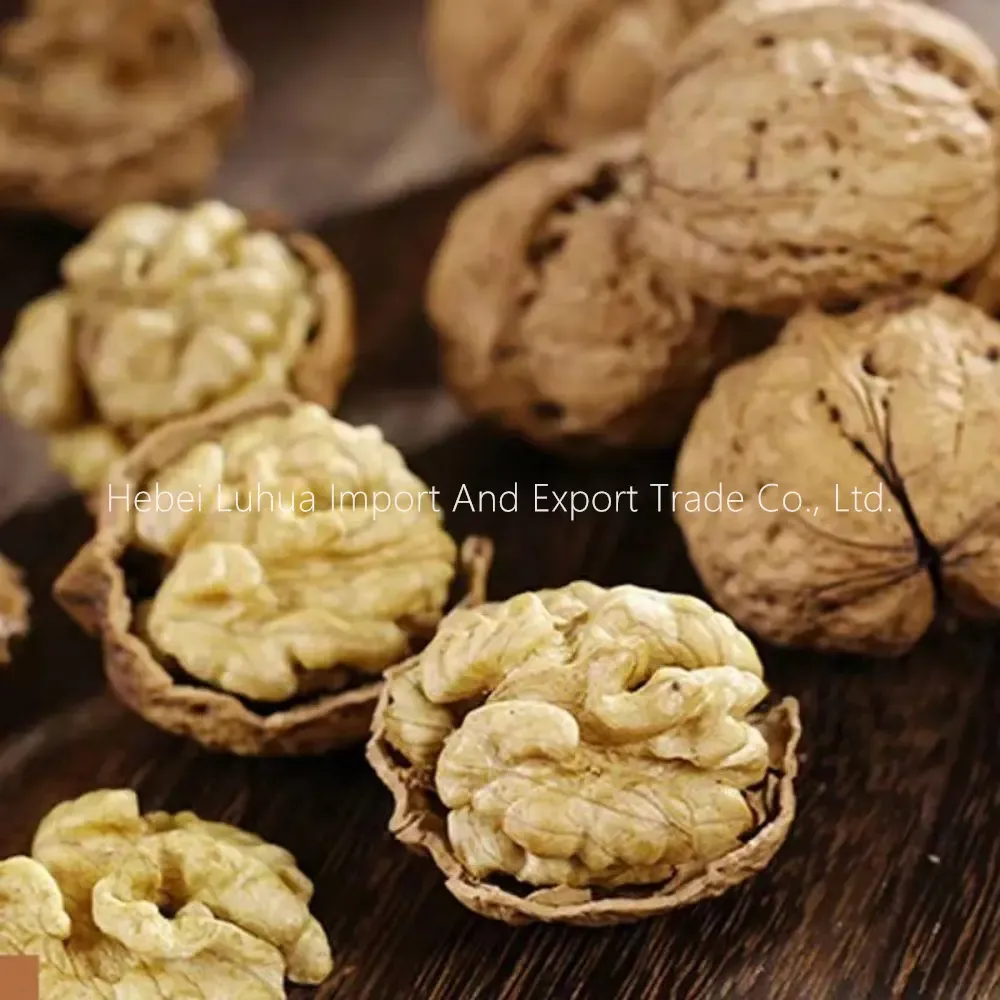
Shelled walnuts are a highly valued ingredient in the global food industry, known for their rich flavor, nutritional benefits, and versatility. However, not all walnut kernels are the same. They are carefully classified into different grades based on size, color, integrity, and quality. Understanding the grades of shelled walnuts is essential for importers, wholesalers, food manufacturers, and even retailers who want to ensure consistent product quality and meet specific application needs.
In this guide, we’ll explore the main grading standards, types of walnut kernels, and how to choose the right grade for your business.
What Are Shelled Walnut Grades?
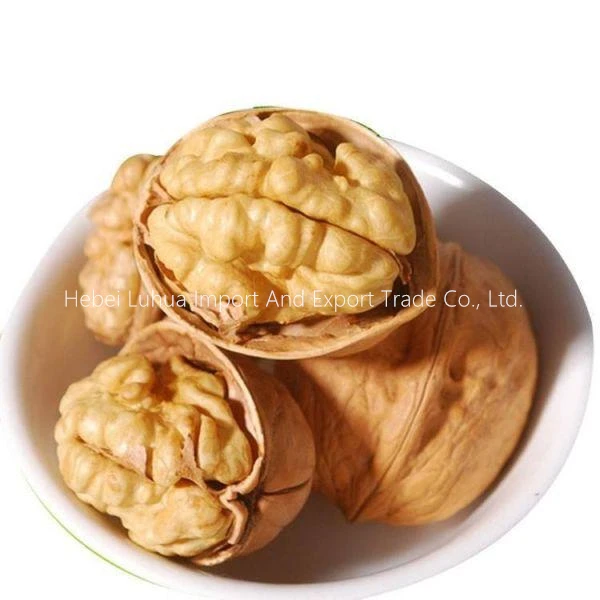
Shelled walnut grades refer to the classification system used to evaluate walnut kernels after the shell has been removed. These grades are typically determined based on several key factors:
- Kernel size
- Colore
- Percentage of whole vs. broken pieces
- Cleanliness and defects
Grading ensures uniformity in packaging and helps buyers clearly understand what they are purchasing. International markets, especially in the U.S., Europe, and the Middle East, rely heavily on standardized walnut grading systems.
Main Types of Shelled Walnut Grades
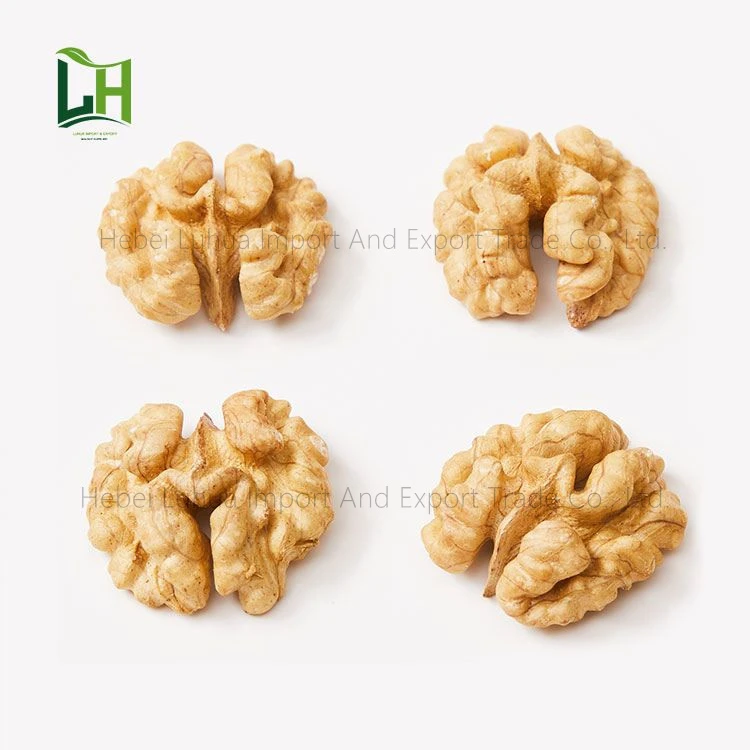
1. Walnut Halves
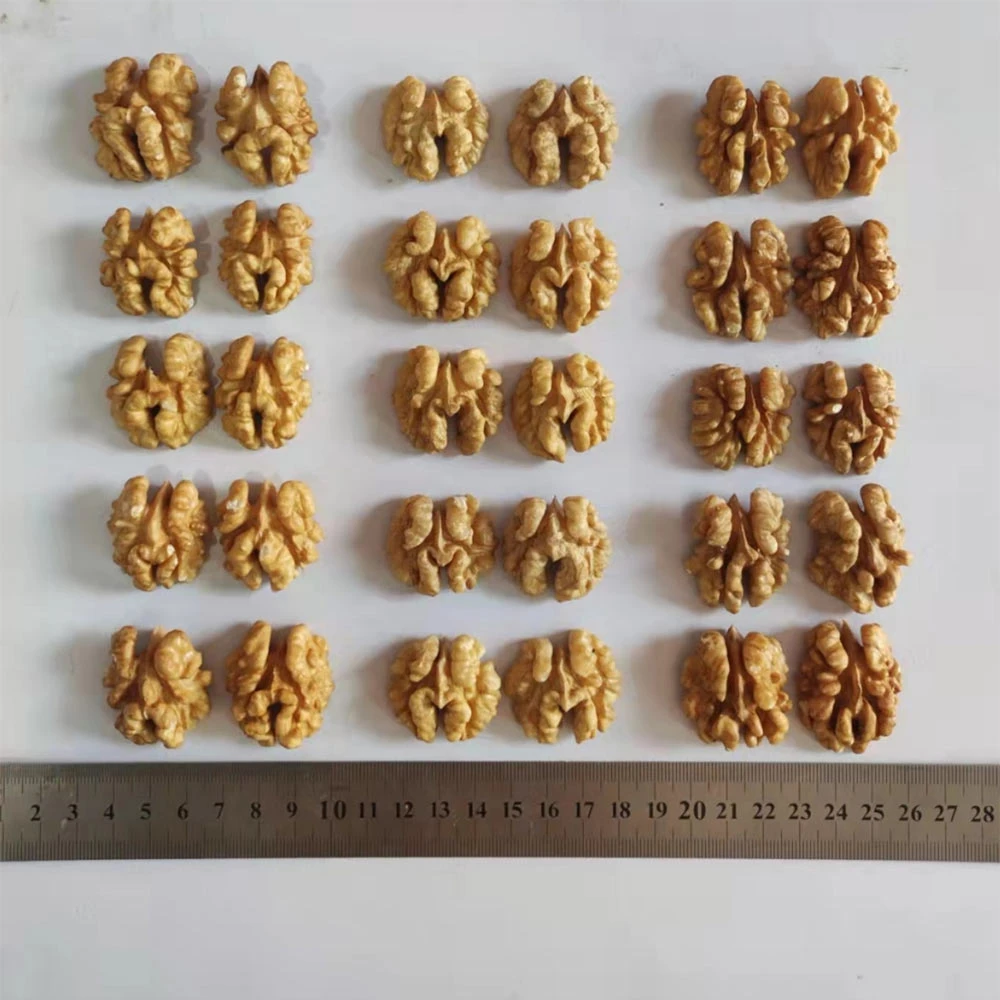
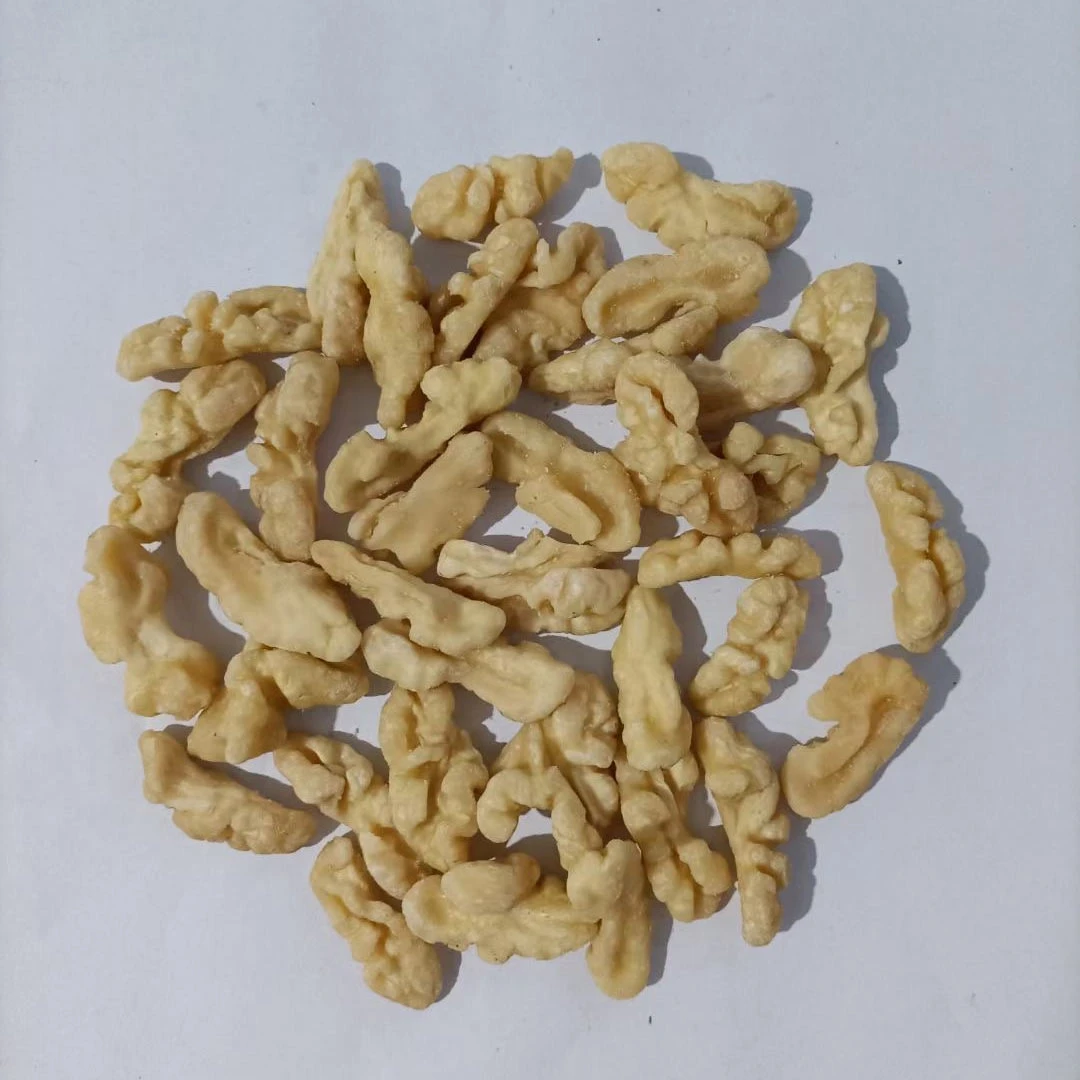
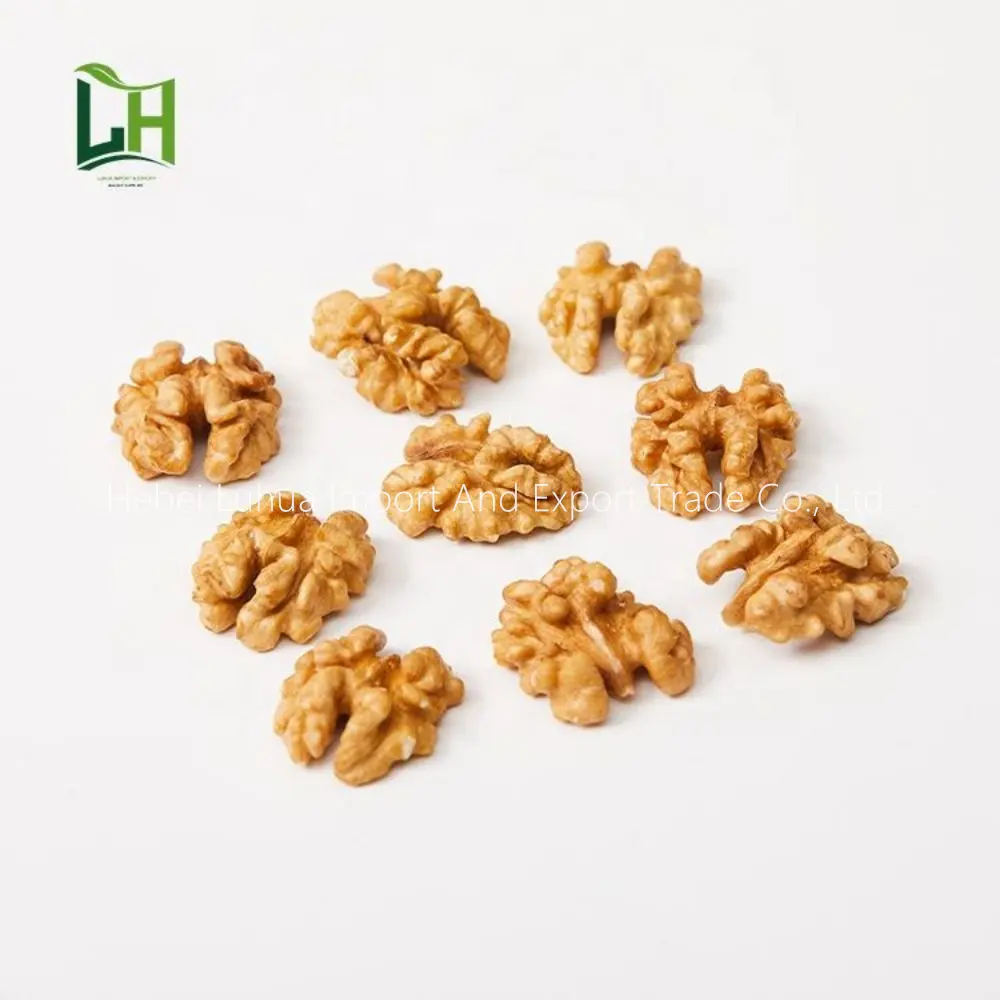
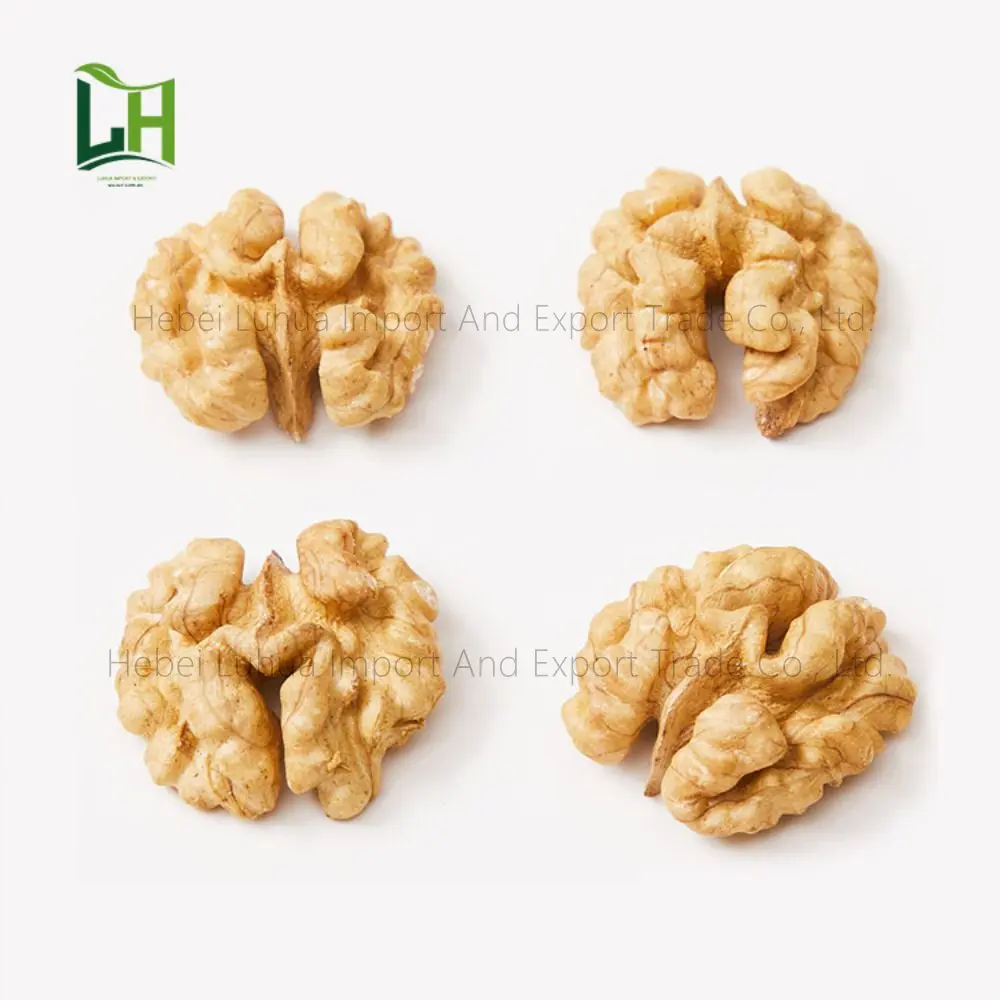
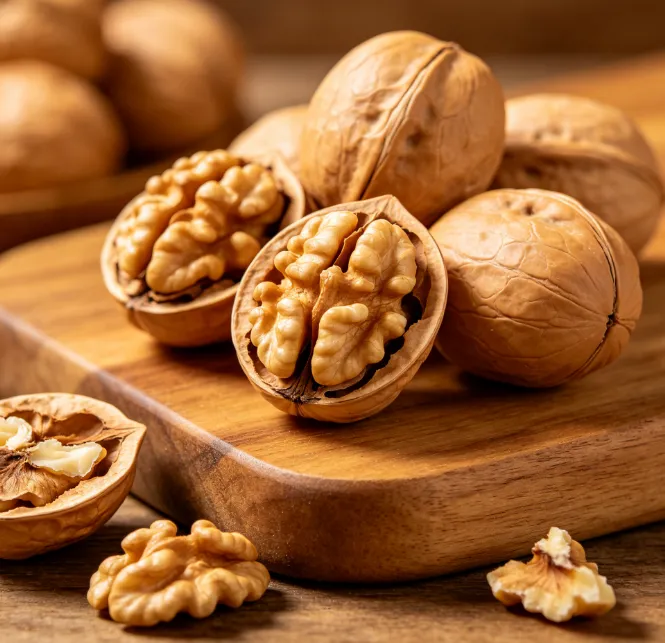
Walnut halves are considered the premium grade among shelled walnuts. These are intact kernels that have been removed from the shell without breaking.
Key features:
- Large, complete halves
- Attractive appearance
- Light color (often preferred)
- Minimal damage or defects
Applications:
- Bakery decoration
- Retail packaging
- High-end snacks
- Gift boxes
Because of their visual appeal, walnut halves usually command the highest price in the market.
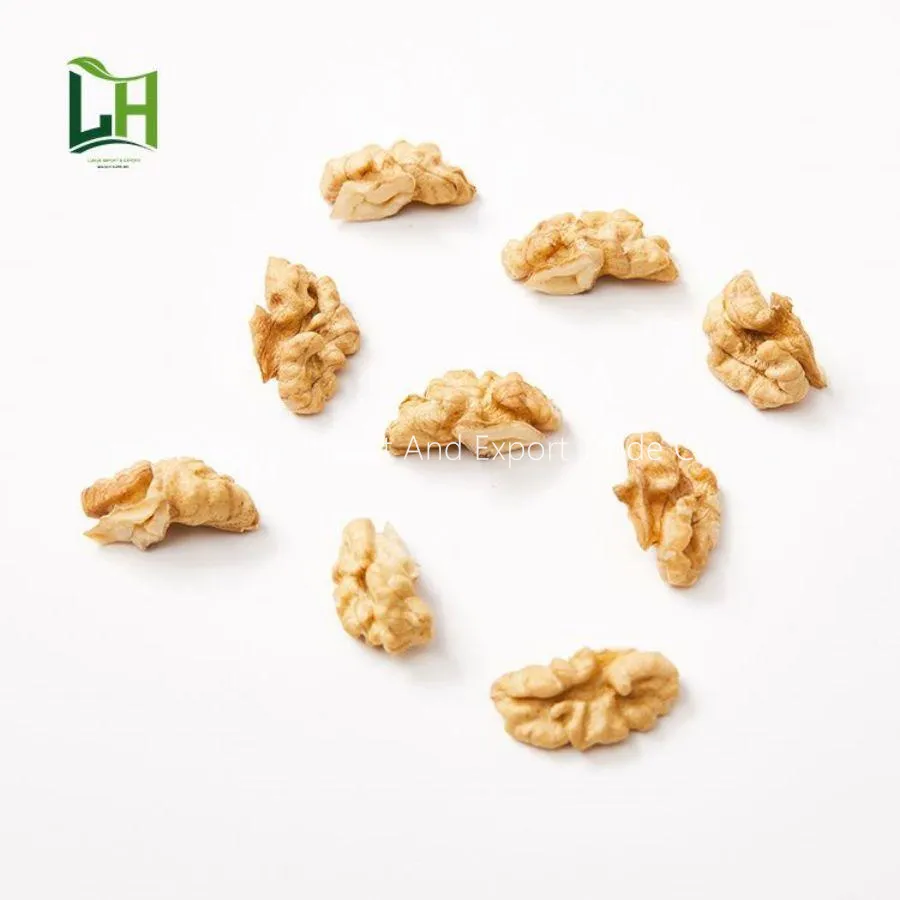
2. Walnut Pieces
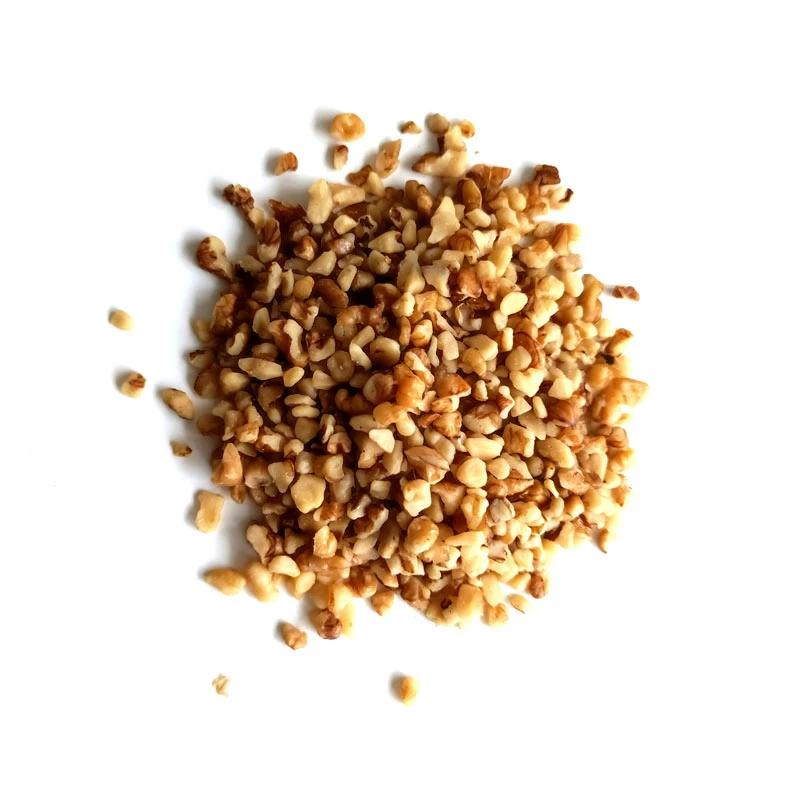
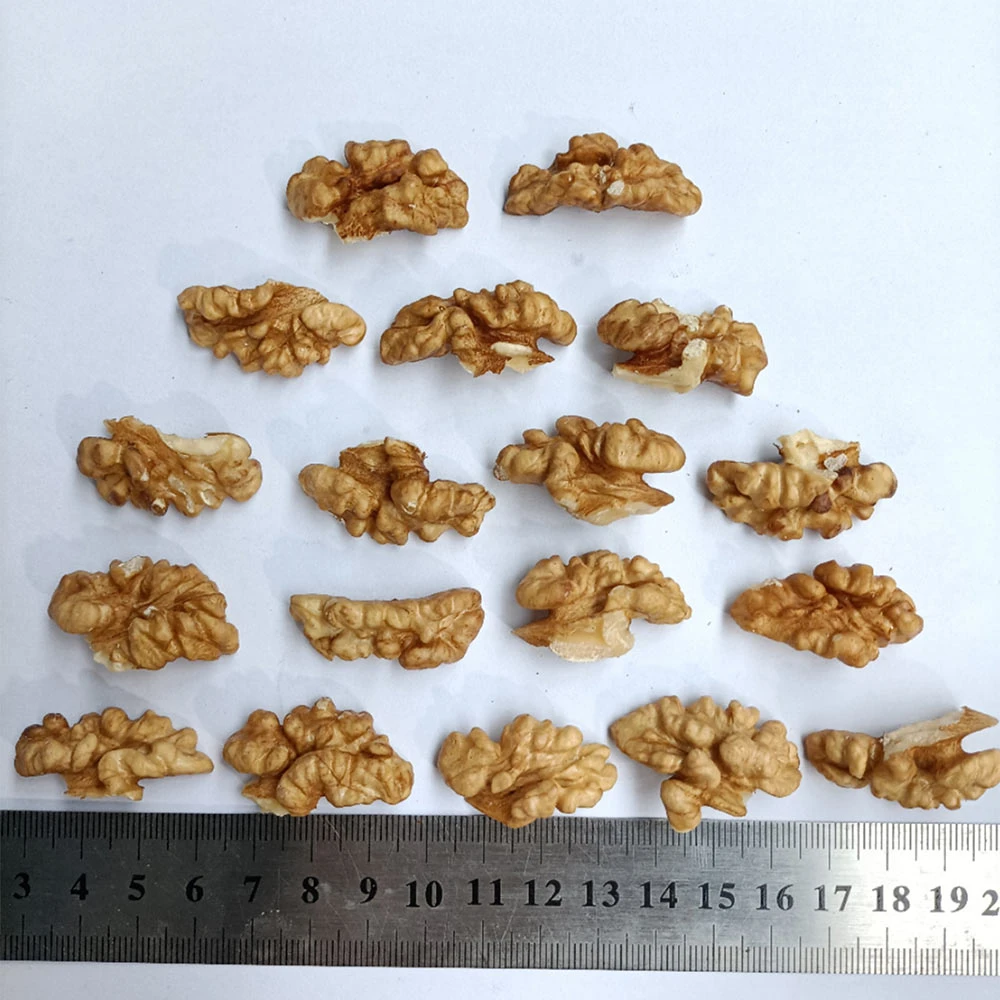
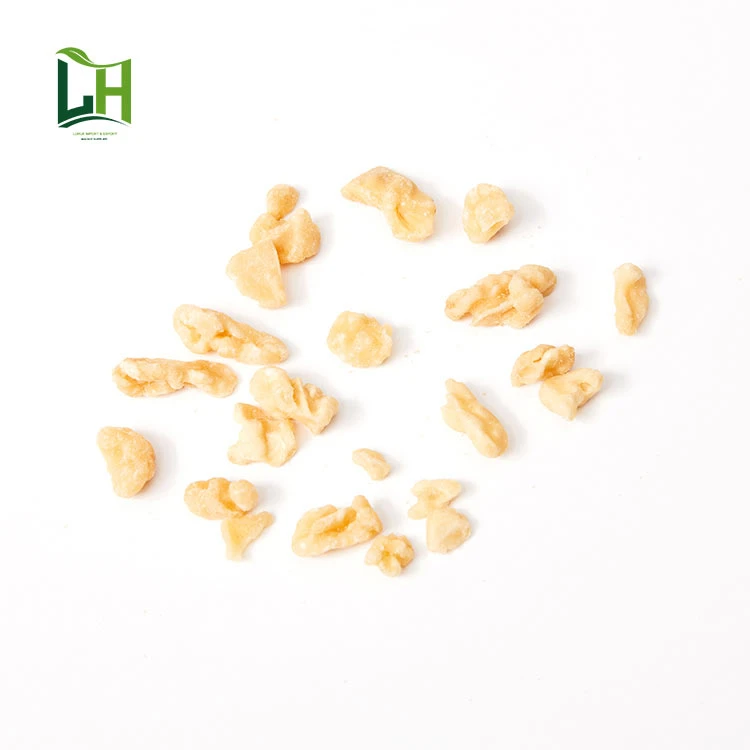
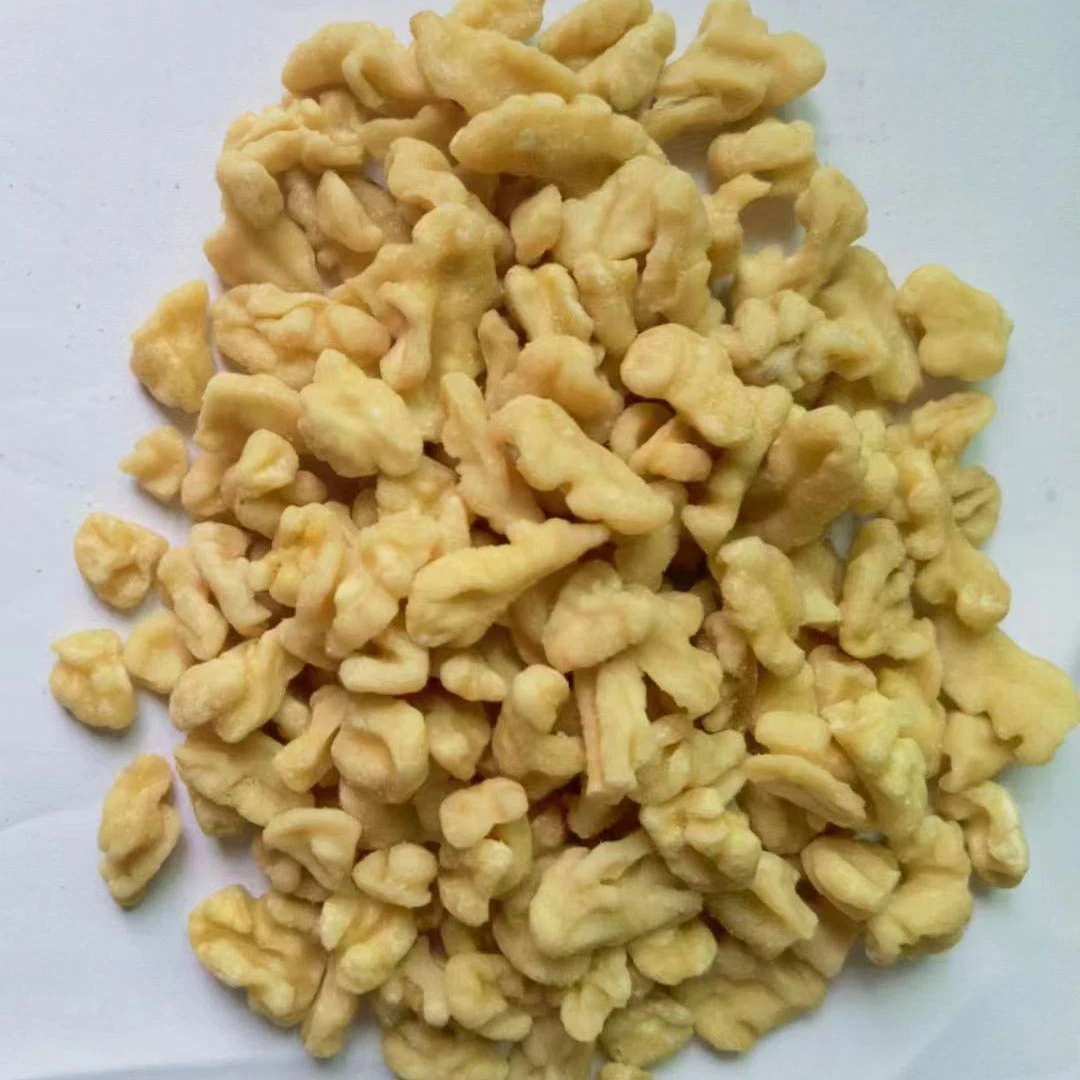
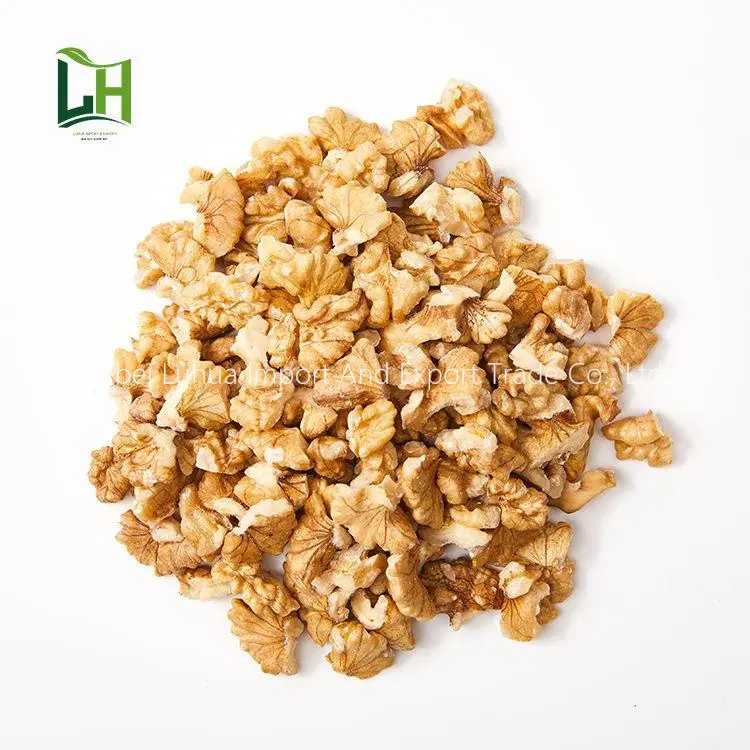
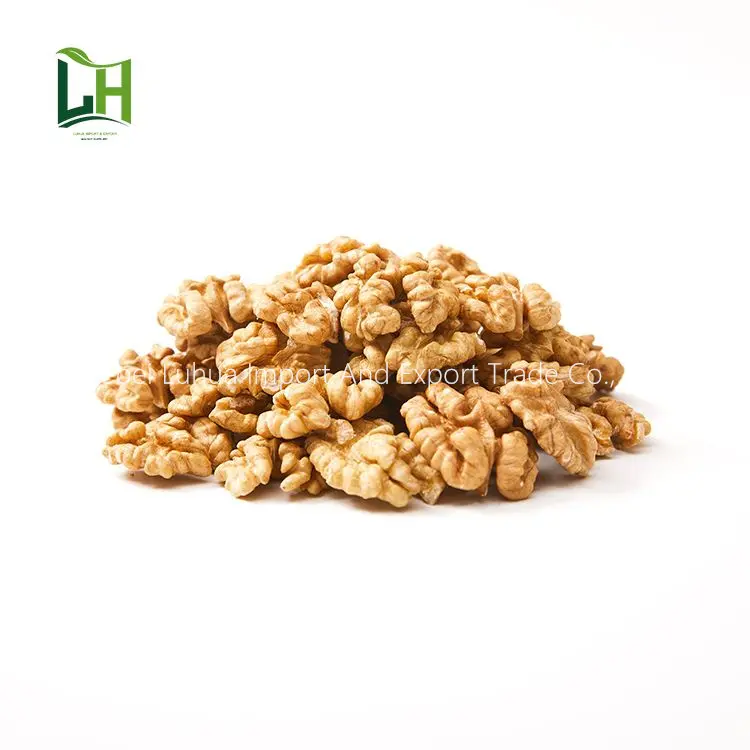
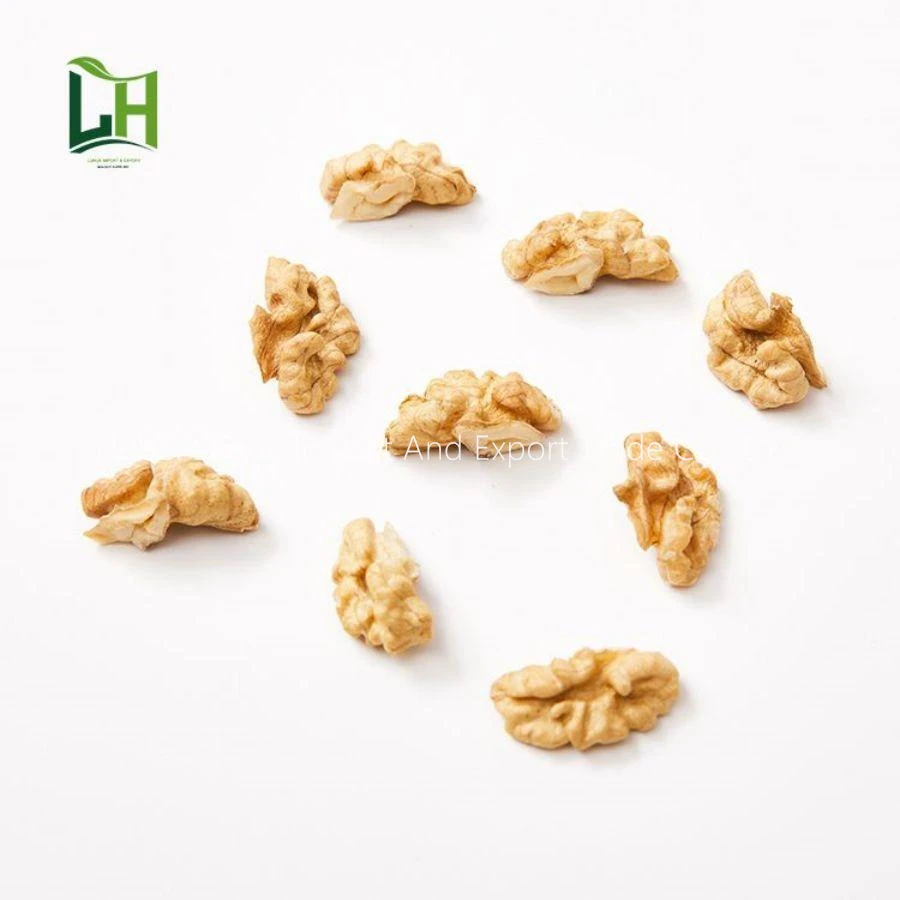
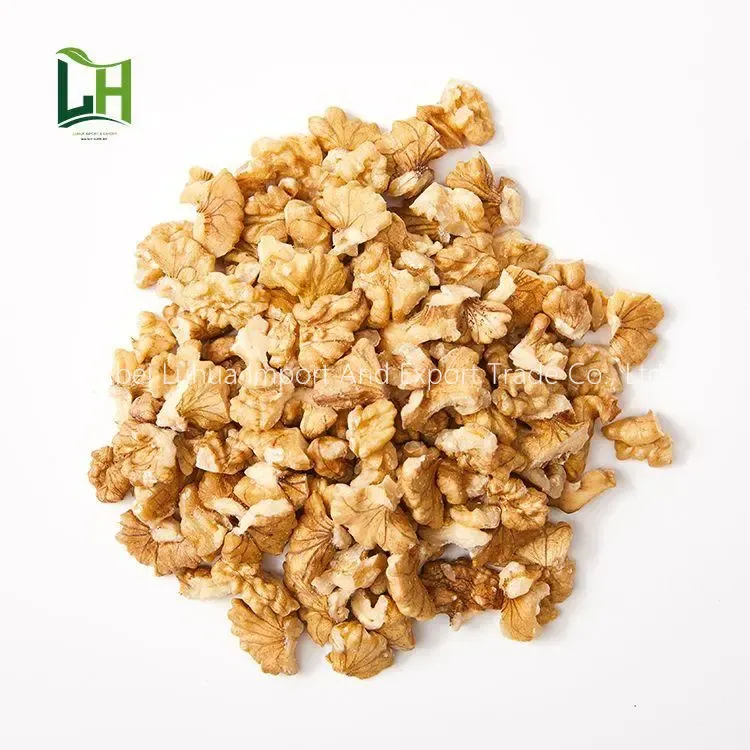
Walnut pieces are broken kernels that come in various sizes. Although they are not whole, they are still widely used in food processing.
Common subcategories include:
- Large pieces
- Medium pieces
- Small pieces
- Walnut granules
Applications:
- Baking (cookies, cakes, brownies)
- Ice cream and dairy products
- Cereals and granola
- Sauces and fillings
Walnut pieces are more cost-effective than halves and are ideal for industrial use where appearance is less critical.
3. Light vs. Dark Walnut Grades
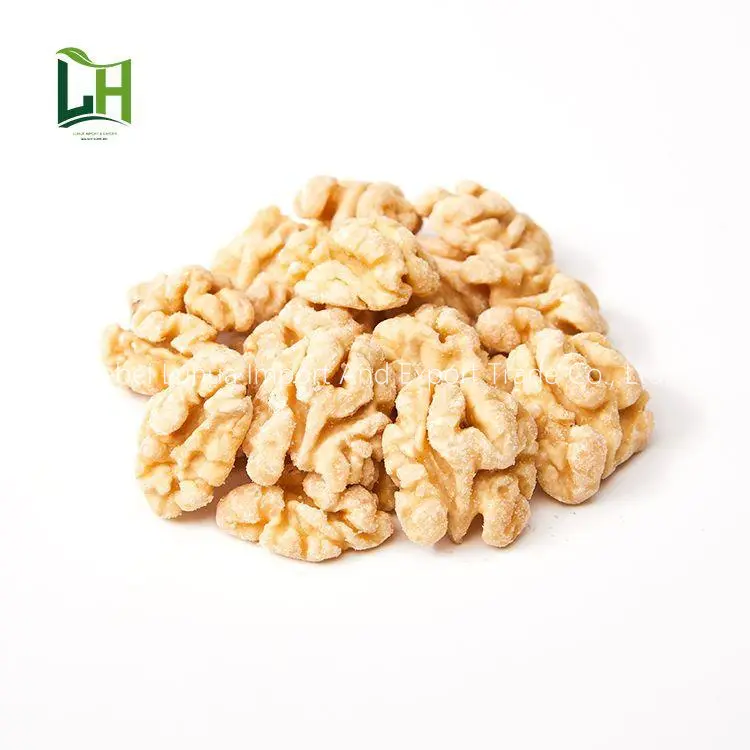
Color is another important grading factor in shelled walnuts. The lighter the kernel, the higher the grade.
Color classifications include:
- Extra leggero
- Leggero
- Ambra chiara
- Ambra
Why color matters:
- Lighter walnuts have a milder, sweeter flavor
- Darker walnuts may have a slightly bitter taste
- Light-colored kernels are more visually appealing for retail
Most premium markets prefer Extra leggero and Leggero grades, especially for direct consumption.
4. Combination Grades
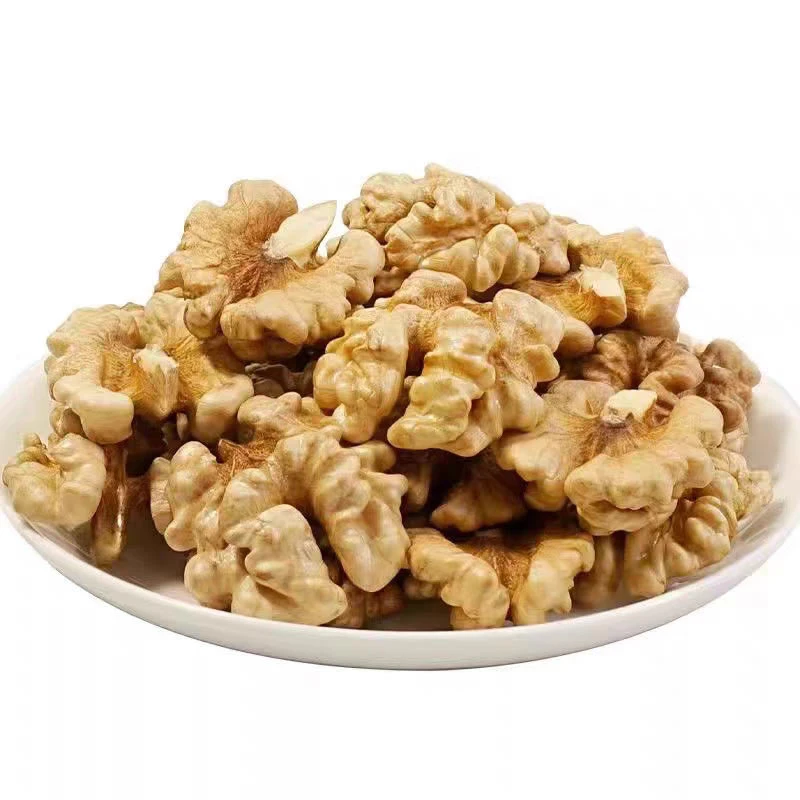
In commercial trade, walnuts are often sold in combination grades, which include a mix of halves and pieces.
Examples:
- Halves & Pieces (H&P)
- Large Pieces & Halves mix
Benefits:
- Balanced pricing
- Suitable for both visual appeal and functionality
- Popular among bulk buyers
Combination grades are widely used in food service and large-scale manufacturing.
Grading Standards in the Walnut Industry
Different countries may have slightly different grading standards, but many follow similar principles.
U.S. Walnut Grades
The United States, one of the largest walnut producers, uses strict grading standards defined by the USDA. These include:
- U.S. No. 1
- U.S. Commercial
- U.S. Baker’s Grade
Each grade specifies requirements for color, defects, and kernel integrity.
International Trade Standards
Exporters often align with global buyer expectations, focusing on:
- Moisture content (usually below 5%)
- Defect tolerance
- Kernel size consistency
- Food safety compliance
Understanding these standards helps buyers avoid quality disputes and ensures smooth international transactions.
Factors That Affect Walnut Grading
Several factors influence how walnuts are graded after shelling:
1. Harvesting and Handling
Improper harvesting can lead to damaged kernels, reducing the percentage of halves and lowering the overall grade.
2. Shelling Process
Advanced shelling technology helps maintain kernel integrity, producing more halves and fewer broken pieces.
3. Drying and Storage
Incorrect drying can affect color and taste. Overexposure to heat may darken kernels, while poor storage can lead to rancidity.
4. Sorting Technology
Modern optical sorting machines are used to separate kernels by color and size, ensuring consistent grading.
Choosing the Right Walnut Grade for Your Needs
Selecting the right grade depends on your specific application and budget.
For Retail and Premium Markets
- Choose walnut halves (Extra Light or Light)
- Focus on appearance and uniformity
- Ideal for packaging and direct consumption
For Food Manufacturing
- Opt for walnut pieces or combination grades
- Prioritize cost efficiency
- Suitable for mixing into recipes
For Bakery and Confectionery
- Use medium or large pieces
- Ensure consistent size for even distribution
For Industrial Processing
- Small pieces or granules are sufficient
- Focus on volume and price
Making the right choice can significantly impact product quality and profitability.
Nutritional Value Across Walnut Grades
Regardless of grade, all shelled walnuts offer impressive nutritional benefits:
- Rich in omega-3 fatty acids
- High in antioxidants
- Good source of protein and fiber
- Contains essential vitamins and minerals
This means even lower grades (like pieces) still provide excellent health benefits, making them valuable across all market segments.
Packaging and Storage Considerations
Proper packaging is crucial to maintain walnut quality after grading.
Common packaging options:
- Vacuum-sealed bags
- Bulk cartons (5kg, 10kg, 25kg)
- Retail-ready pouches
Storage tips:
- Keep in a cool, dry place
- Avoid direct sunlight
- Refrigeration recommended for long-term storage
Maintaining freshness helps preserve flavor, color, and nutritional value.
Trends in the Global Walnut Market
The demand for shelled walnuts continues to grow worldwide due to increasing awareness of healthy eating.
Key trends include:
- Rising demand for plant-based foods
- Growth in snack and bakery industries
- Preference for light-colored kernels
- Increased use in functional foods
As a result, high-grade walnut halves and consistent-quality pieces are becoming more valuable in global trade.
FAQs About Grades of Shelled Walnuts
1. What is the highest grade of shelled walnuts?
The highest grade is typically Extra Light Walnut Halves, known for their bright color, large size, and minimal defects.
2. Are walnut pieces lower in quality than halves?
Not necessarily. Walnut pieces are simply broken kernels and still maintain the same nutritional value. They are just less visually appealing.
3. Why are lighter walnuts more expensive?
Lighter walnuts are preferred for their mild flavor and attractive appearance, making them more desirable in premium markets.
4. What grade is best for baking?
Walnut pieces (medium or large) are ideal for baking because they are cost-effective and easy to mix into recipes.
5. How are walnut grades determined?
Grades are based on kernel size, color, integrity (whole vs. broken), and the presence of defects or impurities.
Conclusion
Understanding the grades of noci sgusciate is essential for making informed purchasing decisions. Whether you are sourcing premium walnut halves for retail or cost-effective walnut pieces for food production, each grade serves a specific purpose.
By paying attention to factors such as color, size, and application, buyers can maximize both quality and value. As global demand continues to rise, selecting the right walnut grade will remain a key factor in staying competitive in the food industry.
Post time:Apr . 24, 2026 09:36