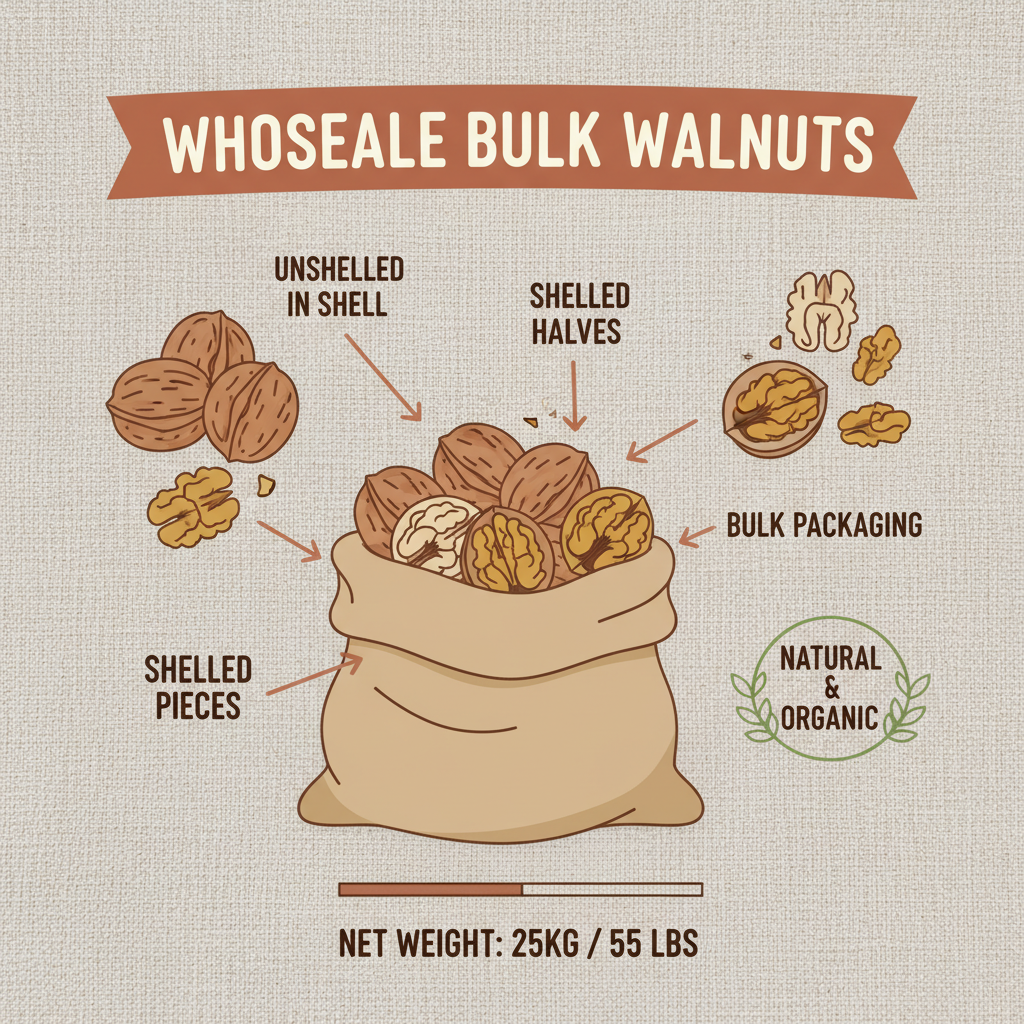
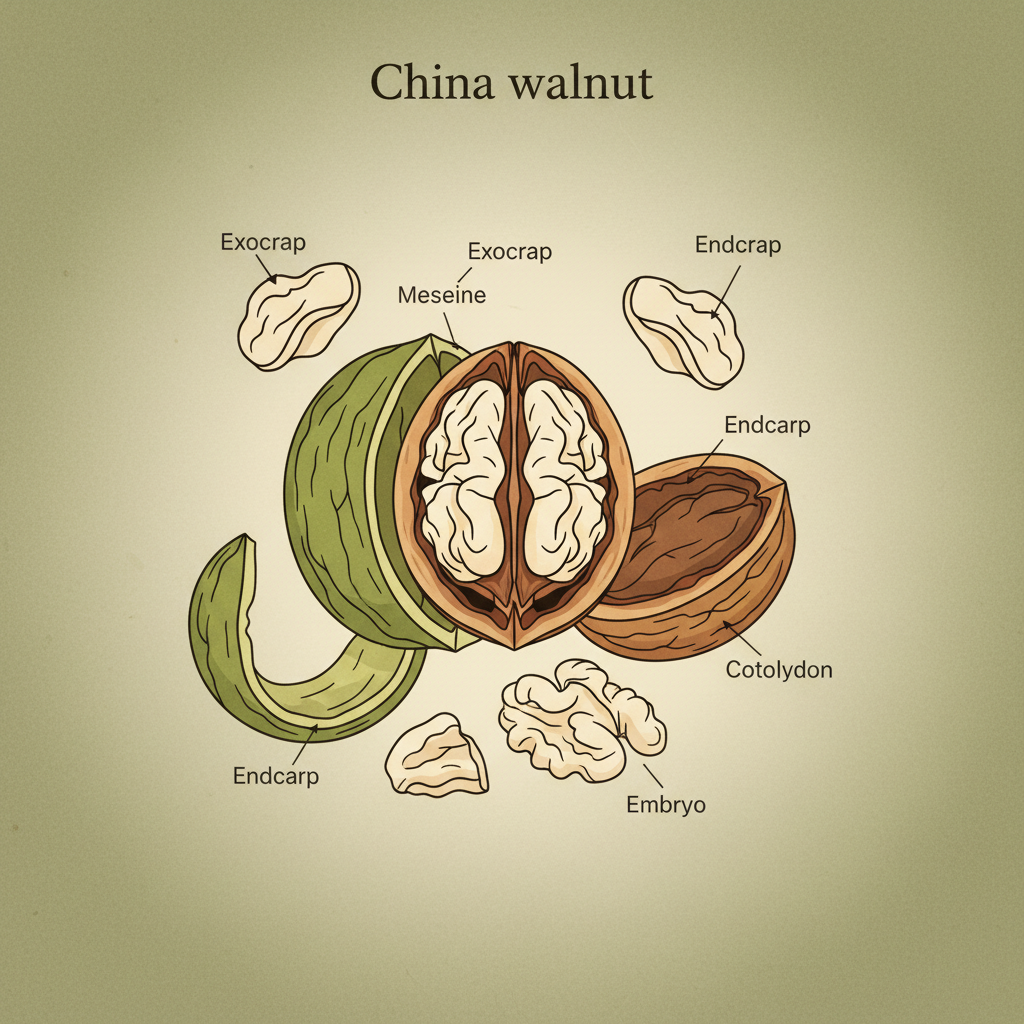
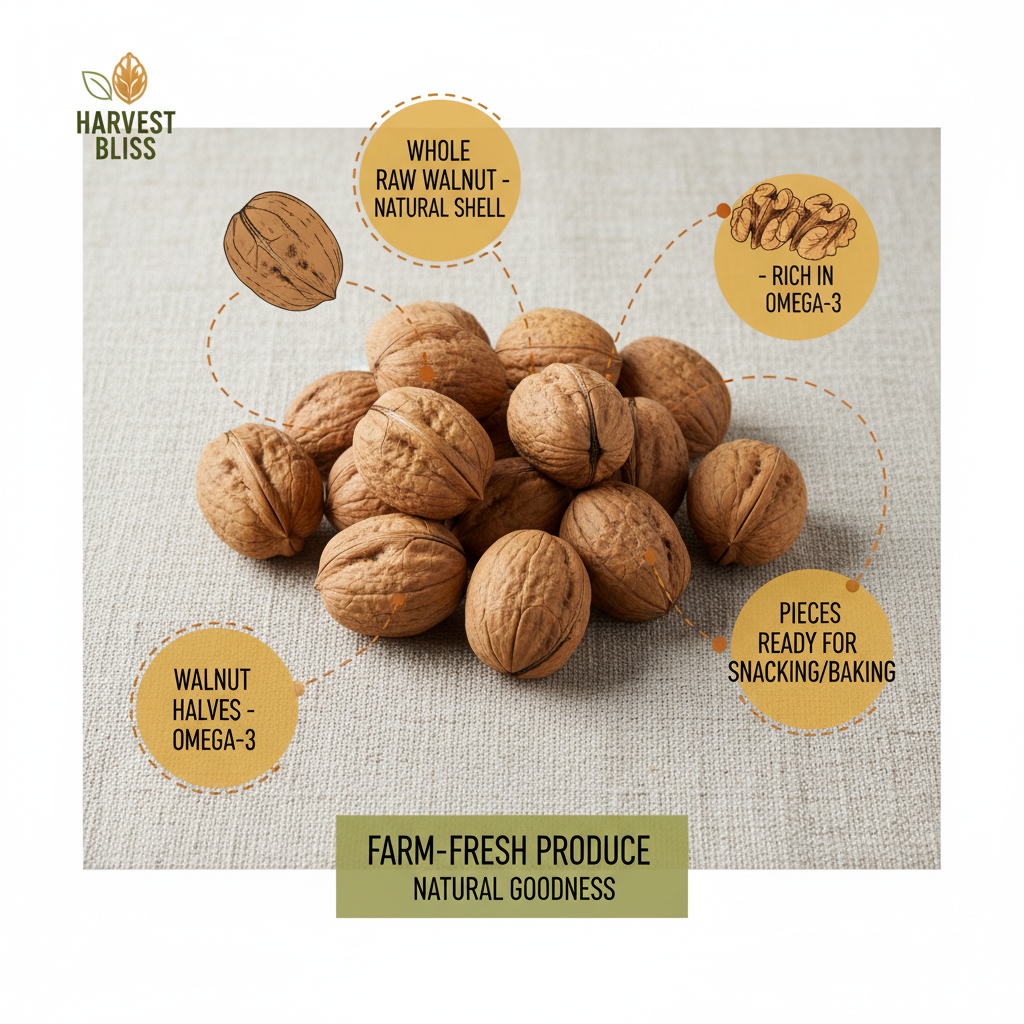
Walnuts in shell bulk represent a significant commodity in the global food market, increasingly vital for both direct consumption and industrial applications. The demand for natural, unprocessed foods, coupled with the growing recognition of walnuts' health benefits, drives the escalating trade in walnuts in shell bulk. Understanding the intricacies of sourcing, handling, and distributing these walnuts is crucial for businesses involved in the agricultural sector and beyond. The efficiency and cost-effectiveness of dealing with walnuts in shell bulk makes them a preferred choice for many processors and consumers alike.
The global walnut market is experiencing substantial growth, fueled by rising incomes and changing dietary preferences in emerging economies. According to data from the Food and Agriculture Organization of the United Nations (FAO), walnut production has consistently increased over the past decade, with major producing countries including China, the United States, Turkey, and Iran. However, this growth also presents challenges related to supply chain logistics, quality control, and sustainable farming practices. Ensuring a reliable and high-quality supply of walnuts in shell bulk is paramount for meeting the increasing global demand.
This increased demand highlights a critical need for optimized handling and transportation of walnuts in shell bulk. Issues like spoilage during transit, maintaining shell integrity, and ensuring traceability are central concerns. Addressing these issues efficiently requires a comprehensive understanding of best practices in post-harvest handling, storage, and distribution, ultimately affecting both economic viability and consumer satisfaction.
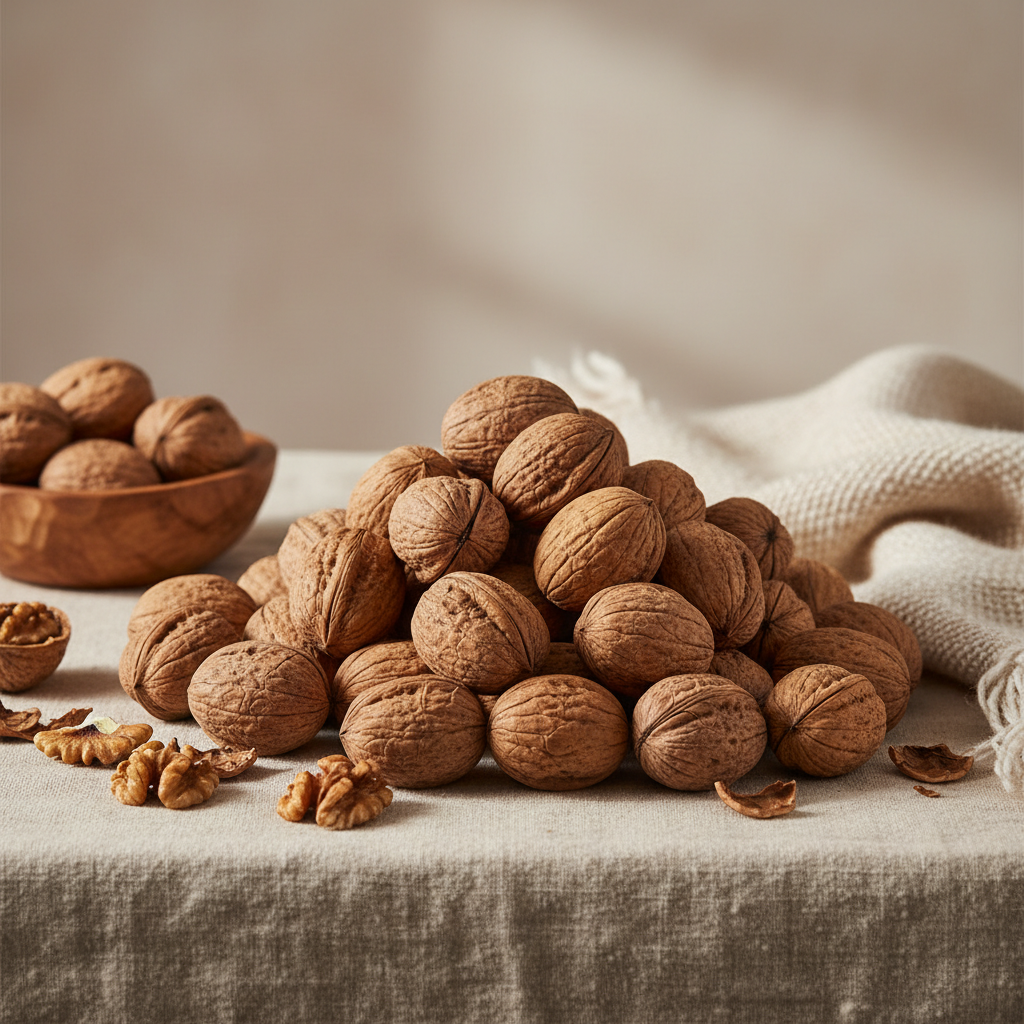
The Significance of Walnuts in Shell Bulk
The sourcing of walnuts in shell bulk is a cornerstone of the global walnut industry. Handling them in this form allows for greater cost efficiency in transportation and storage compared to shelled walnuts, particularly for large-scale processors. This is because the shell provides natural protection, reducing damage and extending shelf life, and simplifies logistics.
Furthermore, the increasing consumer preference for 'natural' products often favors walnuts in shell bulk, as it represents a less processed state. This demand is driving innovation in sorting and grading technologies specifically designed for handling walnuts in shell bulk, ensuring quality and consistency for end-users.
FAQS
Purchasing walnuts in shell bulk offers significant cost savings due to reduced processing and packaging expenses. The shell provides natural protection, extending shelf life and minimizing damage during transportation. Additionally, many consumers perceive walnuts in shell as a more natural and less processed product, increasing their appeal for health-conscious buyers. This form also allows for greater flexibility in processing, catering to diverse industrial applications.
Walnuts in shell bulk should be stored in a cool, dry, and well-ventilated area, ideally at temperatures below 15°C (59°F) and with a relative humidity between 65% and 75%. Avoid direct sunlight and strong odors, as walnuts can absorb them. Proper storage minimizes the risk of mold growth, insect infestations, and rancidity, preserving the walnuts' flavor and nutritional value. Regular inspection for any signs of damage or contamination is also recommended.
Lead times for walnuts in shell bulk vary depending on the origin, quantity, and shipping destination. Generally, orders can take between 4 to 12 weeks for delivery. Factors influencing lead times include harvest season, processing capacity, customs clearance procedures, and transportation logistics. It’s advisable to place orders well in advance, especially during peak demand periods, to ensure timely delivery and avoid potential disruptions to your supply chain.
Reputable suppliers of walnuts in shell bulk employ rigorous quality control measures throughout the entire process, from harvesting to shipping. These measures typically include visual inspection for defects, shell damage, and foreign matter; moisture content analysis to prevent mold growth; and testing for pesticide residues and aflatoxins to ensure food safety. Certifications like ISO 22000 and HACCP demonstrate adherence to internationally recognized quality standards.
Import regulations for walnuts in shell bulk vary significantly by country. Typically, importers must comply with phytosanitary regulations to prevent the introduction of pests and diseases. They may also be required to provide certificates of origin, import permits, and undergo inspections by customs authorities. It’s crucial to research and comply with the specific import requirements of the destination country to avoid delays or penalties.
Ensuring sustainability involves sourcing walnuts from growers who employ environmentally responsible farming practices, such as water conservation, reduced pesticide use, and soil health management. Look for suppliers with certifications like organic or Fair Trade. Additionally, prioritize suppliers who demonstrate ethical labor practices and support local communities. Minimizing transportation distances and utilizing eco-friendly packaging can further reduce your environmental footprint.
Conclusion
In conclusion, walnuts in shell bulk represent a cornerstone of the global walnut industry, offering a cost-effective, versatile, and increasingly sustainable option for processors and consumers alike. Understanding the key factors influencing quality, the diverse applications, and the emerging trends is vital for navigating this dynamic market. The benefits extend beyond economic advantages to encompass environmental responsibility and consumer preferences for natural, minimally processed foods.
Looking ahead, continued innovation in agricultural practices, processing technologies, and supply chain management will be crucial for ensuring the long-term viability of the walnuts in shell bulk trade. By embracing sustainable sourcing, investing in quality control, and fostering collaboration throughout the supply chain, we can unlock the full potential of this valuable resource and meet the growing global demand for healthy and nutritious walnuts. For more information and to explore our range of walnuts in shell bulk, visit our website: walnuts in shell bulk.