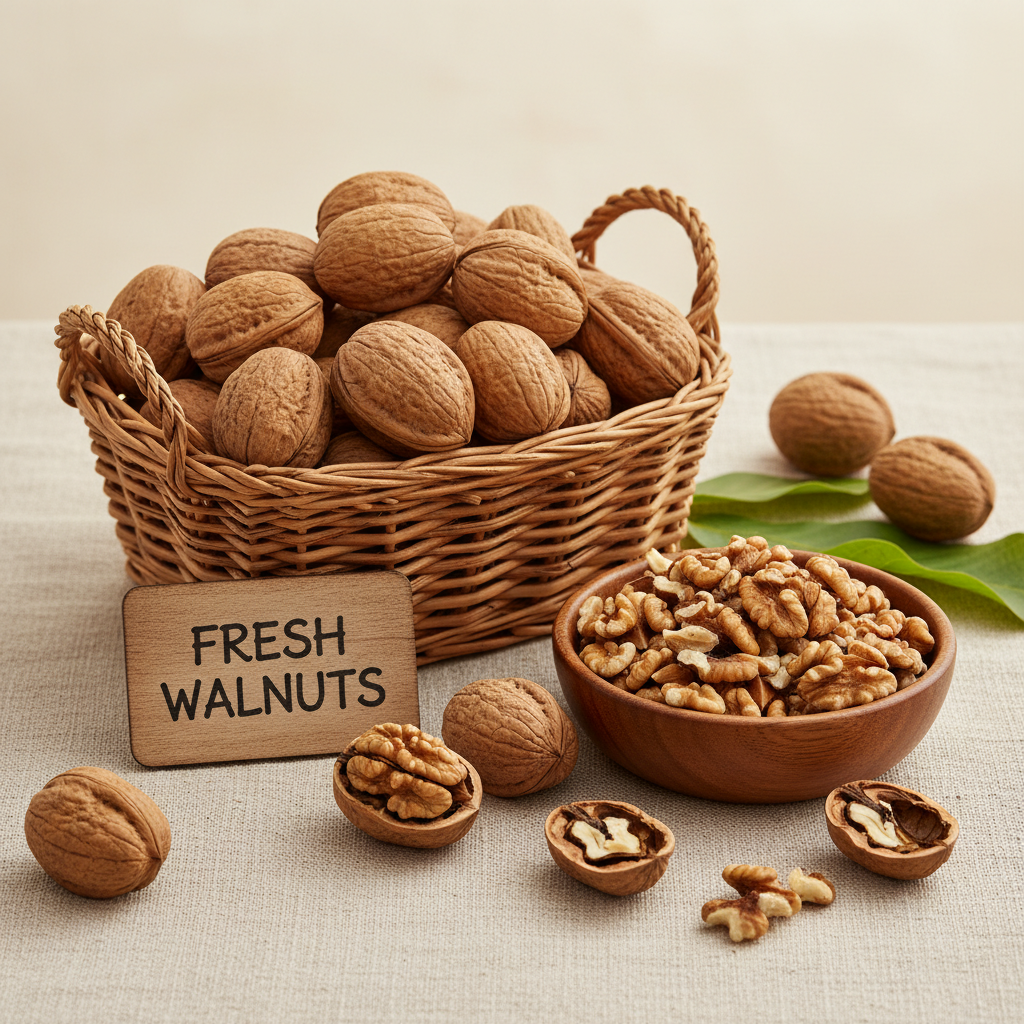
Bulk walnuts in shell represent a fascinating and increasingly important commodity in the global food and agricultural landscape. From traditional culinary uses to emerging applications in industrial processes, understanding the nuances of sourcing, processing, and utilizing these walnuts is crucial for businesses and consumers alike. The demand for natural, minimally processed foods is driving significant growth in this sector, necessitating a comprehensive understanding of its intricacies.
The global market for nuts, particularly walnuts, is experiencing robust expansion, fueled by growing health consciousness and changing dietary preferences. The unique characteristics of walnuts – rich in omega-3 fatty acids, antioxidants, and essential nutrients – contribute to their rising popularity. However, maintaining a consistent and reliable supply of high-quality bulk walnuts in shell poses logistical and operational challenges that require innovative solutions.
This exploration delves into the world of bulk walnuts in shell, examining their definition, key characteristics, global applications, and future trends. We will address the advantages of utilizing this form of walnut and discuss challenges related to sourcing and maintaining quality, ultimately providing a comprehensive overview for stakeholders across the supply chain.
Defining Bulk Walnuts in Shell
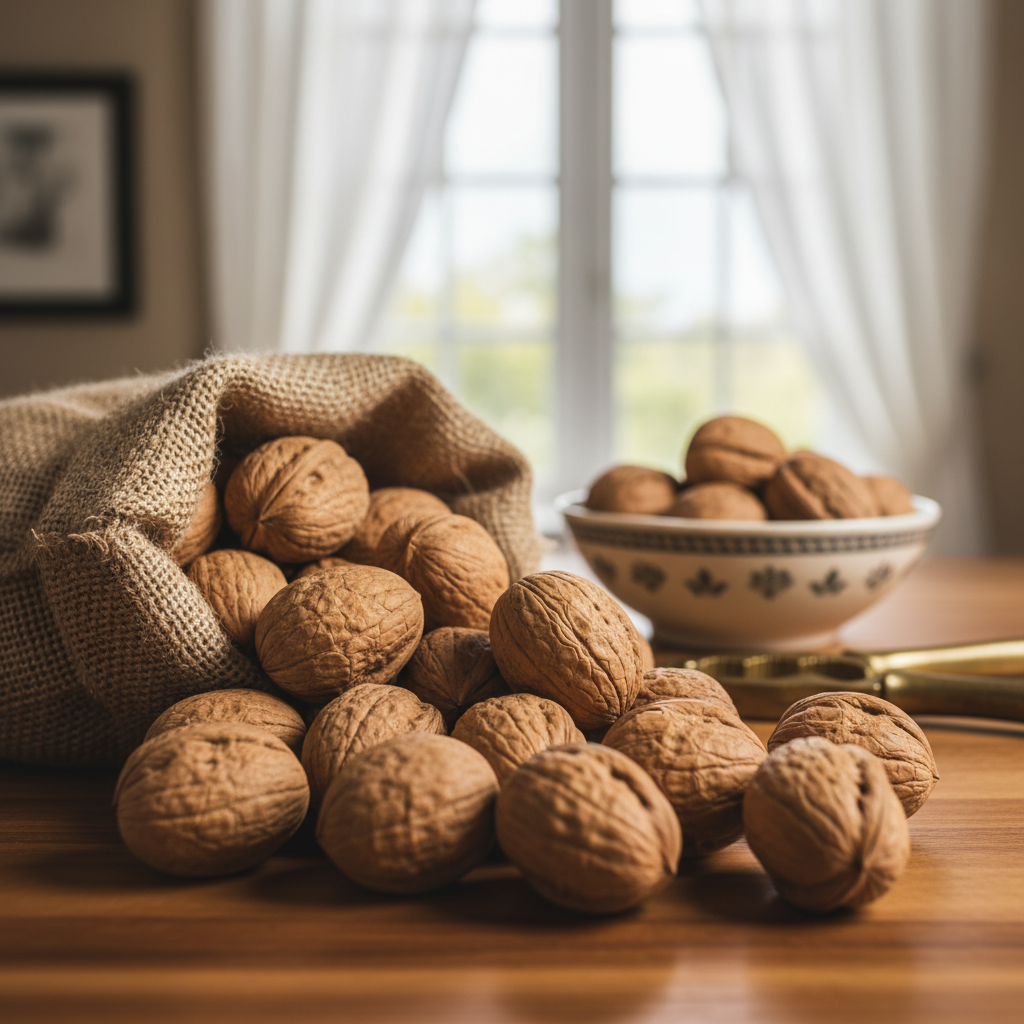
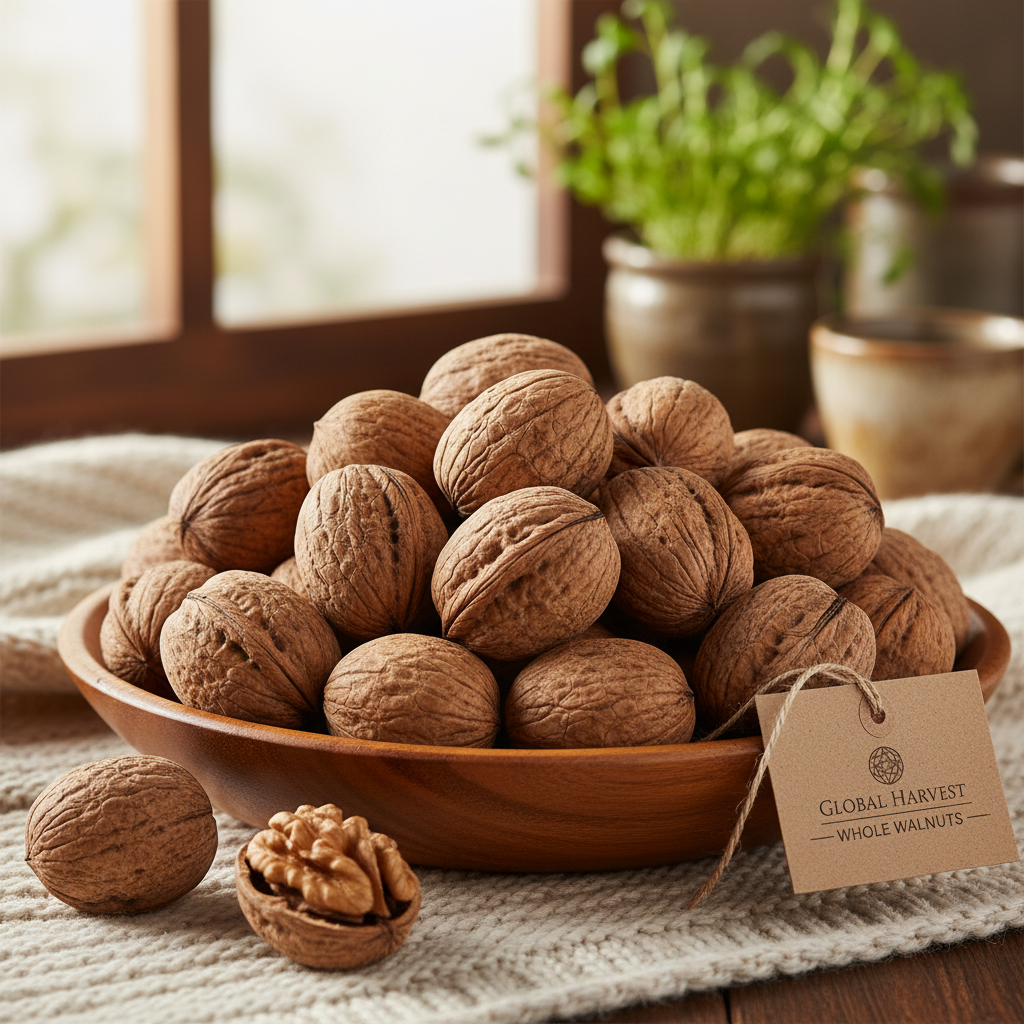
Bulk walnuts in shell refers to the sale and distribution of walnuts directly from the farm or processing facility, maintaining their natural outer shell. This contrasts with shelled walnuts, which have been removed from their protective casing. The practice appeals to consumers seeking a more natural product experience, and also serves a variety of industrial purposes. bulk walnuts in shell often represent a more cost-effective solution for large-scale buyers.
The preservation of the shell contributes to longer shelf life and reduces the risk of oxidation, preserving the quality and nutritional value of the walnut kernel. This makes bulk walnuts in shell a preferred option for businesses requiring a reliable, long-lasting ingredient source.
Global Relevance and Market Dynamics
The global walnut market is a multi-billion dollar industry, with key producing regions including China, the United States, Turkey, and Iran. According to data from the FAO (Food and Agriculture Organization of the United Nations), walnut production has been steadily increasing over the past decade, driven by rising demand and expanding cultivation areas. The US, in particular, has become a dominant player in the export market, supplying a significant portion of global demand.
However, the industry faces challenges related to climate change, pest infestations, and fluctuating exchange rates. These factors can impact yield, quality, and ultimately, price. The increasing demand for organic and sustainably sourced walnuts adds another layer of complexity to the supply chain. The availability of bulk walnuts in shell from reliable sources is therefore increasingly important.
The COVID-19 pandemic also highlighted the fragility of global supply chains, causing disruptions in logistics and impacting the availability of walnuts in certain regions. This underscored the need for diversification of sourcing and investment in resilient supply chain infrastructure.
Understanding Bulk Walnuts in Shell: A Detailed Definition
Bulk walnuts in shell are essentially the whole walnut fruit, harvested, cleaned, and graded for sale without the shells being removed. This differs significantly from processed walnut pieces or kernels, which undergo further processing and are typically packaged for retail sale. The ‘bulk’ aspect refers to the quantity typically sold – often measured in tons or pallets – to businesses rather than individual consumers.
The significance of this form extends beyond simple consumer preference. Many industrial applications, such as the production of walnut shell flour for abrasive blasting or cosmetic exfoliation, require the walnuts to remain in their shells. Furthermore, the shells themselves represent a valuable byproduct with numerous industrial uses. This highlights the circular economy potential inherent in utilizing bulk walnuts in shell.
The grading of bulk walnuts in shell considers factors like size, shape, shell integrity, and the percentage of kernel fill. Higher grades generally command premium prices due to their superior quality and suitability for more demanding applications.
Key Factors Influencing Quality and Sourcing
Several critical factors impact the quality of bulk walnuts in shell, starting with the growing conditions. Soil quality, climate, and irrigation practices all play a role in determining the size, flavor, and nutritional content of the walnuts. Sourcing from regions with a proven track record of producing high-quality walnuts is essential.
Post-harvest handling is also crucial. Proper drying, cleaning, and storage are necessary to prevent mold growth, insect infestation, and maintain kernel quality. The use of appropriate storage facilities with controlled temperature and humidity is paramount.
Walnut Quality Assessment Criteria
Applications Across Industries
Beyond food consumption, bulk walnuts in shell find applications in diverse industries. The walnut shell itself is a valuable abrasive material used in blast cleaning, polishing compounds, and even cosmetics for exfoliation. The oil extracted from walnuts is utilized in paints, varnishes, and as a biodiesel feedstock.
The demand for bulk walnuts in shell for these applications is increasing as businesses seek sustainable and environmentally friendly alternatives to traditional materials.
The Advantages of Choosing Bulk Walnuts in Shell
Purchasing bulk walnuts in shell offers several distinct advantages. Cost savings are a primary benefit, as buying in large quantities typically results in lower per-unit prices. Extended shelf life is another key advantage, reducing waste and providing greater flexibility in inventory management.
Furthermore, the natural protection afforded by the shell preserves the integrity and nutritional value of the walnut kernel, making it a preferred choice for health-conscious consumers and food manufacturers.
Future Trends and Sustainable Practices
The future of the bulk walnut industry will be shaped by several emerging trends. Increased demand for organic and sustainably sourced walnuts will drive innovation in agricultural practices. Technological advancements in sorting and grading will improve quality control and efficiency.
Greater emphasis will be placed on reducing food waste and maximizing the utilization of all parts of the walnut, including the shells. The development of new and innovative applications for walnut shell flour and oil will further enhance the sustainability of the industry.
Precision agriculture, utilizing data analytics and sensor technology, will play a key role in optimizing walnut production and minimizing environmental impact.
Key Sustainability Considerations for Bulk Walnut Sourcing
| Water Usage Efficiency |
Pesticide & Fertilizer Application |
Waste Management (Shells) |
Carbon Footprint (Transportation) |
| High (Drip Irrigation) |
Integrated Pest Management (IPM) |
Utilized for abrasive materials |
Minimized through local sourcing |
| Medium (Flood Irrigation) |
Conventional Application |
Landfilled |
High (Long-Distance Transport) |
| Low (Rain-Fed) |
Organic Certification |
Composted for soil enrichment |
Moderate (Regional Transport) |
| High (Water Recycling) |
Biodynamic Farming |
Used for biofuel production |
Low (Direct from Farm) |
| Medium (Efficient Irrigation) |
Reduced Chemical Inputs |
Sold as a byproduct |
Moderate (Optimized Routes) |
| Low (Limited Irrigation) |
No Synthetic Chemicals |
Used for animal bedding |
High (Air Freight) |
FAQS
When stored properly in a cool, dry, and well-ventilated environment, bulk walnuts in shell can maintain their quality for up to 12-18 months. The shell provides a natural barrier against moisture and oxidation, significantly extending their shelf life compared to shelled walnuts. However, it's crucial to inspect for any signs of mold or insect infestation periodically.
Initially, bulk walnuts in shell may appear less expensive per pound due to reduced processing costs. However, you need to factor in the labor and time required to shell them yourself. For large-scale operations needing shelled walnuts, the overall cost, including shelling, might be comparable or even lower with purchasing already shelled product.
Walnut shells have a wide variety of industrial applications. They are commonly used as an abrasive in blast cleaning, a polishing agent, as a filler in plastics, and as a component in cosmetic exfoliants. They can also be used as a renewable energy source through combustion or gasification.
Look for suppliers with a strong reputation and quality control processes. Ask for samples to inspect for shell integrity, kernel fill rate, and the absence of mold or insect damage. A good supplier will also provide documentation regarding origin and grading standards.
Store bulk walnuts in shell in a cool, dry, and well-ventilated area, away from direct sunlight and strong odors. An ideal temperature is between 32°F and 50°F (0°C and 10°C). Avoid storing them in plastic bags, as this can trap moisture. Breathable containers, such as burlap sacks or wooden pallets, are recommended.
Certifications like organic (USDA Organic, EU Organic), Fair Trade, and sustainability certifications can provide assurance of responsible sourcing and production practices. These certifications indicate that the walnuts have been grown and processed according to specific standards that prioritize environmental and social responsibility.
Conclusion
Bulk walnuts in shell represent a versatile and increasingly valuable commodity, offering benefits across a spectrum of industries, from food processing to industrial manufacturing. Their inherent qualities – extended shelf life, natural protection, and diverse applications – position them as a sustainable and cost-effective solution for businesses worldwide. Understanding the nuances of sourcing, quality control, and emerging trends is crucial for maximizing the potential of this remarkable resource.
Looking ahead, a continued focus on sustainable agricultural practices, technological innovation, and efficient supply chain management will be essential to meet the growing global demand for bulk walnuts in shell. By embracing these advancements, we can ensure a reliable and environmentally responsible supply of this nutritional and industrially important resource for generations to come.