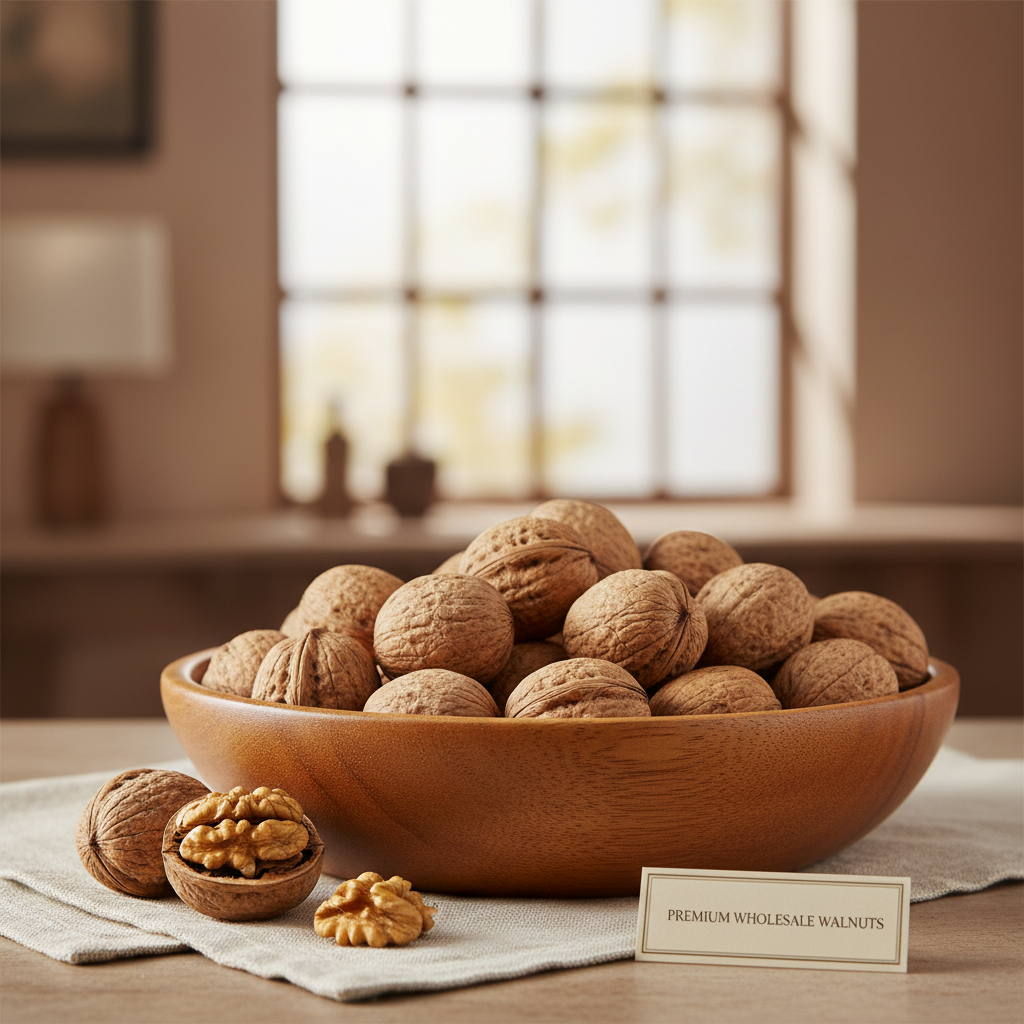
Walnuts, revered for centuries, represent more than just a nutritious snack; they encompass a diverse array of types, each with unique characteristics impacting culinary applications, nutritional profiles, and global trade. Understanding these walnuts types is crucial for consumers, chefs, and industries alike, fostering informed choices and unlocking the full potential of this versatile nut. The study of walnuts types is increasingly relevant in a world focused on specialized nutrition and sustainable agriculture.
The global walnut market is experiencing significant growth, driven by rising health consciousness and increasing demand in emerging economies. According to the FAO, global walnut production has consistently increased over the past decade, with key producing regions including China, the United States, and Turkey. The challenge lies in differentiating between the various walnuts types, ensuring quality control, and optimizing supply chains to meet growing consumer needs. Effectively categorizing and understanding these distinctions is essential for navigating the complexities of the international market.
The term "walnuts types" refers to the distinct varieties of walnuts cultivated globally, differentiated by factors such as shell characteristics, kernel quality, oil content, and growth habits. These variations are not merely academic; they directly influence the suitability of each type for specific purposes, from creating delicate pastries to producing high-quality walnut oil. A deep dive into walnuts types allows for optimized resource allocation and informed market strategies within the nut industry.

Introduction to Walnuts Types

The world of walnuts extends far beyond the commonly known English walnut. Numerous varieties, cultivated across diverse geographical regions, contribute to the global supply of this nutritious nut. These walnuts types differ significantly in shell thickness, kernel size, oil content, and even flavor profiles, influencing their suitability for various applications.
Recognizing these distinctions is vital for optimizing walnut cultivation, processing, and consumption. Understanding the nuances of walnuts types enables producers to select varieties best suited to their climate and market demands, while empowering consumers to choose nuts that align with their specific preferences and nutritional needs.
FAQS
English walnuts (Juglans regia) are known for their smoother shell, lighter color, and milder flavor, making them ideal for everyday consumption. Black walnuts (Juglans nigra), on the other hand, possess a significantly harder shell, darker kernel, and a robust, earthy flavor. Black walnuts contain a higher concentration of antioxidants but require more effort to process. These distinct characteristics influence their culinary applications and market appeal.
Shell thickness impacts processing costs and kernel recovery rates. Thicker shells require more energy and labor to crack, increasing production expenses. Varieties with thinner shells and easier kernel removal typically command higher prices due to reduced processing costs. However, thicker shells can provide better protection against pests and damage during storage and transportation, potentially offsetting some of the increased processing costs.
While all walnuts are rich in omega-3 fatty acids, antioxidants, and other beneficial nutrients, the specific composition can vary between types. Black walnuts, for example, contain higher levels of juglone, a compound with antioxidant and potential anti-cancer properties. The oil content and fatty acid profile also differ, impacting the cardiovascular benefits associated with each type. Further research is ongoing to fully elucidate the health benefits of different walnuts types.
Yes, extensive breeding programs are underway worldwide to develop new walnut varieties with improved traits. Current research focuses on enhancing disease resistance (particularly to walnut twig gall wasp), increasing kernel size and yield, improving shell sealing ability, and adapting varieties to different climatic conditions. Genetic engineering and marker-assisted selection are also being utilized to accelerate the breeding process.
Walnut growth is significantly influenced by climate, particularly temperature, rainfall, and sunlight. Some walnuts types are better adapted to colder climates with distinct winters, while others thrive in warmer, Mediterranean-like environments. Adequate chill hours (periods of low temperature) are crucial for proper bud break and flowering. Climate change is posing challenges to walnut production, necessitating the development of climate-resilient varieties.
Proper storage is essential for preserving the freshness and quality of walnuts. In-shell walnuts generally have a longer shelf life than shelled kernels. Storing walnuts in a cool, dry, and dark place is crucial. For long-term storage, refrigeration or freezing is recommended. Vacuum sealing can also help prevent oxidation and maintain flavor. Different walnuts types may have slightly varying storage requirements based on their oil content and shell characteristics.
Conclusion
In conclusion, understanding walnuts types is crucial for all stakeholders within the industry – from growers and processors to consumers and researchers. The diverse characteristics of these varieties impact everything from cultivation practices and processing efficiency to nutritional value and culinary applications. Recognizing these nuances unlocks opportunities for optimizing production, enhancing product quality, and promoting sustainable agriculture.
The future of walnuts types lies in continued innovation, with ongoing research focused on developing climate-resilient varieties, improving disease resistance, and maximizing nutritional benefits. By embracing advancements in breeding techniques and precision agriculture, we can ensure a thriving and sustainable walnut industry for generations to come. For more information on specific walnuts types and their applications, visit our website at www.luhuawalnut.com.