Walnuts, prized for their nutritional value and distinct flavor, boast a fascinating diversity in varieties. From the robust Chandler to the delicate English walnut, the world of walnuts is far more nuanced than many realize. Understanding these different walnuts varieties is crucial for growers, consumers, and food processors alike, impacting everything from yield and storage to culinary applications. The global walnut industry is a multi-billion dollar market, with production concentrated in regions like the United States, China, Turkey, and Iran, each focusing on specific cultivars suited to their climate.
The increasing demand for walnuts, driven by health awareness and versatile culinary uses, necessitates a deeper appreciation for the unique characteristics of each variety. Factors like kernel size, oil content, shell thickness, and disease resistance differentiate these walnuts, influencing their suitability for various purposes. Consumers are also becoming more discerning, seeking specific flavors and textures, further fueling the need for specialized walnuts varieties. This trend is prompting innovation in breeding programs aimed at developing superior cultivars.
Ultimately, a comprehensive understanding of walnuts varieties unlocks opportunities for optimizing production, enhancing product quality, and catering to evolving market demands. This knowledge benefits everyone involved in the supply chain, from orchard owners to those enjoying a handful of these nutritious nuts.
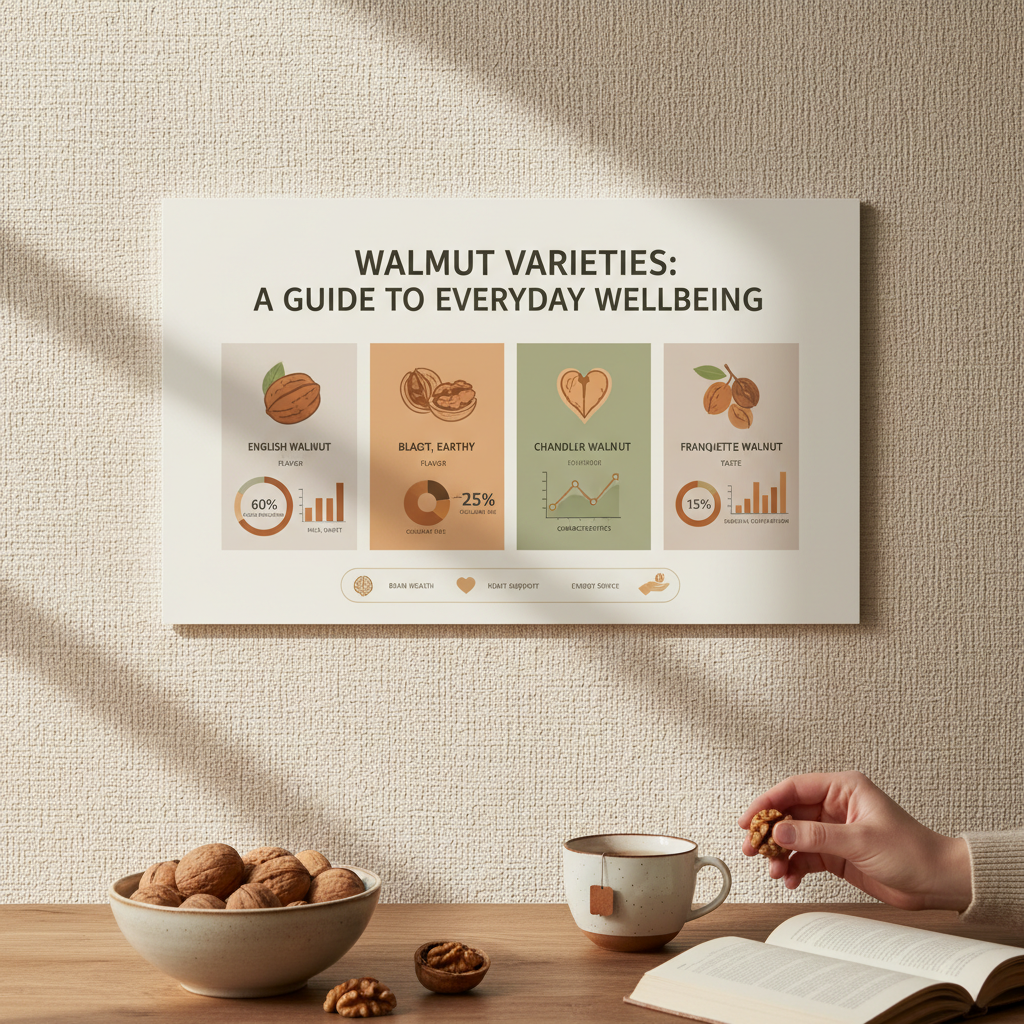
The Significance of Walnuts Varieties
The diverse range of walnuts varieties is not merely a matter of preference; it’s a cornerstone of the global nut industry. Each variety offers a unique combination of traits—kernel size, oil content, shell characteristics, and adaptation to specific climates—that impacts its market value and usability. Selecting the right walnuts varieties for a particular region or application is therefore crucial for maximizing profitability and ensuring sustainable production.
Understanding the nuances between these varieties also enables targeted breeding programs, leading to the development of cultivars with enhanced disease resistance, improved yields, and desirable consumer qualities. This constant innovation is essential for adapting to changing environmental conditions and meeting evolving market demands.
FAQS
For snacking, Chandler and Nonpareil are frequently favored due to their large kernel size and relatively mild flavor. Howard is also popular, offering a good balance of size and taste. The best choice ultimately depends on personal preference, as some consumers prefer a bolder, more robust flavor profile often found in slightly different walnuts varieties.
Climate plays a critical role. Varieties like Chandler require warm summers and mild winters, making them ideal for California's Central Valley. Other walnuts varieties exhibit greater cold hardiness and are better suited to regions with harsher winters. Choosing a variety that's well-adapted to the local climate is essential for maximizing yields and minimizing the risk of crop failure.
Shelf life varies depending on the variety and storage conditions. Generally, varieties with higher oil content tend to have a shorter shelf life. Proper storage in a cool, dry, and dark place is crucial for maximizing freshness. Vacuum sealing or refrigeration can further extend the shelf life of walnuts varieties.
Yes, many walnuts varieties can be grown organically, although it requires careful management to prevent pests and diseases without the use of synthetic pesticides. Certified organic walnuts are becoming increasingly popular among health-conscious consumers, driving demand for sustainable farming practices.
Disease-resistant walnuts varieties significantly reduce the need for pesticide applications, lowering production costs and minimizing environmental impact. They also contribute to more stable yields and a higher quality product, ultimately benefitting both growers and consumers.
New walnuts varieties are developed through traditional breeding techniques, as well as modern methods like genetic engineering and marker-assisted selection. These techniques allow breeders to identify and combine desirable traits, creating cultivars that are more productive, disease-resistant, and adaptable to changing environmental conditions.
Conclusion
In conclusion, understanding the nuances of walnuts varieties is essential for optimizing production, enhancing product quality, and catering to evolving consumer demands. From the careful selection of cultivars suited to specific climates to the application of innovative breeding techniques, a deep appreciation for the diversity within the walnut world unlocks opportunities for sustainability and profitability. The varying characteristics of each variety – kernel size, oil content, disease resistance, and more – all contribute to the richness and complexity of this globally significant nut.
Looking ahead, continued research and development will undoubtedly lead to even more advanced walnuts varieties, capable of thriving in a changing world. Investing in these innovations is crucial for ensuring a resilient and sustainable supply of this nutritious and versatile food source for generations to come. Visit our website at www.luhuawalnut.com to learn more about our diverse selection of walnuts and our commitment to quality.
Related Posts
-

Discover the Benefits of Buying Walnuts in Shell for Optimal Freshness
-
Navigating Wholesale Bulk Walnuts for Project Management and Industrial Applications
-

Understanding the Dynamics of the Price of Shelled Walnuts Globally
-

Comprehensive Guide to Walnuts in Shell Wholesale Market Trends and Global Supply