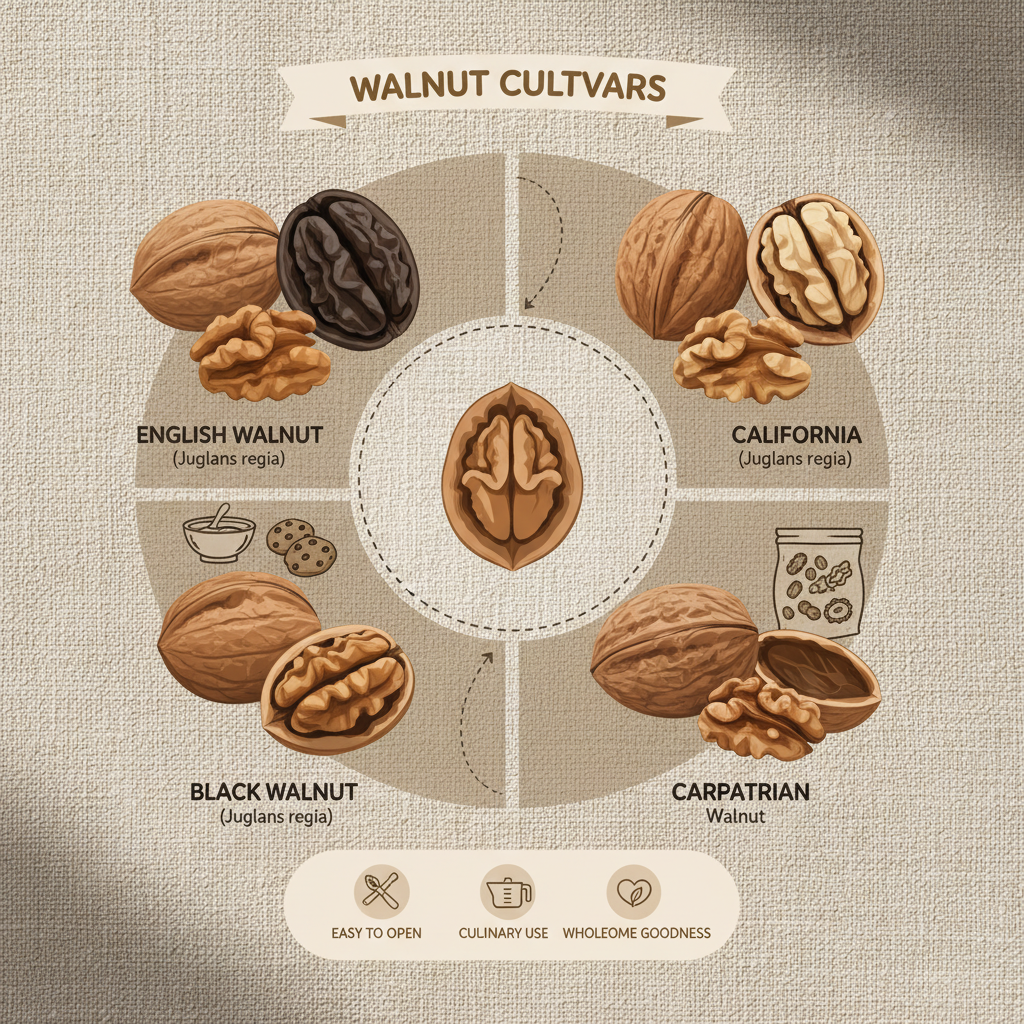
Different types of walnuts represent more than just a tasty snack; they are a globally significant agricultural product with a rich history and diverse applications. From the common English walnut to the lesser-known Black walnut, each variety offers unique characteristics influencing its culinary uses, nutritional profile, and economic value. Understanding these nuances is crucial for farmers, food producers, and consumers alike, driving innovation and sustainable practices within the industry.
The global walnut market is experiencing consistent growth, driven by increasing health consciousness and demand for plant-based proteins. According to the UN’s Food and Agriculture Organization, walnut production has increased steadily over the past decade, with major producers including the United States, China, Turkey, and Iran. This growth highlights the economic importance of different types of walnuts, impacting international trade and local economies.
Navigating the world of walnuts can be complex. This guide aims to demystify the various types, outlining their key characteristics, applications, and future potential. By examining everything from shell durability to oil content, we can unlock the full value of these remarkable nuts and contribute to a more informed and sustainable food system.
Defining the Spectrum of different types of walnuts
The term “walnut” encompasses numerous species within the Juglans genus. The most commercially important is the English walnut (Juglans regia), known for its relatively smooth shell and mild flavor. However, the Black walnut (Juglans nigra) boasts a bolder, earthier taste and a significantly harder shell. Beyond these two, lesser-known varieties such as the California walnut, Carpathian walnut, and Heartnut offer unique characteristics and localized popularity.
Understanding the nuances between these types is crucial for selecting the appropriate walnut for specific applications. For instance, Black walnuts are favored in baking due to their intense flavor, while English walnuts are often preferred for snacking and confectionery. Further research into regional cultivars continues to reveal exciting new possibilities for diversifying the walnut industry.
The Nutritional Composition of different types of walnuts
All types of walnuts are nutritional powerhouses, rich in polyunsaturated fatty acids (PUFAs), particularly omega-3 fatty acids. These essential fats contribute to heart health and brain function. However, the specific fatty acid profile can vary slightly between varieties. Black walnuts, for example, tend to have a higher concentration of omega-3s compared to English walnuts.
Beyond healthy fats, walnuts are excellent sources of vitamins, minerals, and antioxidants. They provide significant amounts of Vitamin E, magnesium, and manganese. The antioxidant content, including polyphenols, helps protect against cellular damage. The nutritional value of different types of walnuts makes them a valuable addition to a balanced diet.
Moreover, the bioavailability of nutrients can also differ. Research suggests that certain processing methods, like blanching or roasting, may impact the absorption of some nutrients in different types of walnuts. This underscores the importance of considering preparation methods alongside the inherent nutritional content of each variety.
Shell Characteristics and Harvesting of different types of walnuts
The shell of a walnut is a defining characteristic, varying greatly in thickness, texture, and ease of cracking. English walnuts generally have smoother, thinner shells compared to the rugged, heavily ridged shells of Black walnuts. This difference significantly impacts harvesting techniques and processing efficiency.
Different types of walnuts are typically harvested in the fall when the hulls begin to split. Mechanical shakers are often used to dislodge the nuts from the trees, followed by windrowing and collection. The hardness of the shell influences the type of cracking equipment used, with Black walnuts requiring more robust machinery.
Sustainable harvesting practices are becoming increasingly important. This includes minimizing damage to the trees, optimizing resource utilization, and reducing waste. The difficulty of cracking certain types of walnuts can lead to significant shell fragments, requiring efficient separation and disposal methods. Research is ongoing to develop methods for utilizing walnut shells as a valuable byproduct, such as in biofuel production or as an abrasive material.
The timing of harvest also impacts walnut quality. Premature harvesting can result in underdeveloped kernels, while delayed harvesting increases the risk of pest damage and mold growth. Producers carefully monitor hull split and kernel moisture content to determine the optimal time for harvesting different types of walnuts.
Oil Content and Processing Techniques for different types of walnuts
Walnuts are prized for their high oil content, typically ranging from 50-70% depending on the variety. This oil contributes significantly to their flavor, texture, and nutritional value. English walnuts generally have a slightly lower oil content than Black walnuts.
Walnut oil is extracted through various methods, including cold-pressing and solvent extraction. Cold-pressing is preferred for retaining the oil’s delicate flavor and nutritional properties. The resulting oil is used in cooking, salad dressings, and cosmetic products. The processing techniques employed can influence the oil’s color, aroma, and stability.
Oil Content Comparison of different types of walnuts
Global Cultivation Regions of different types of walnuts
Walnut cultivation is concentrated in specific regions with favorable climates and soil conditions. The United States, particularly California, is the world’s leading producer of English walnuts, benefiting from a Mediterranean climate. China is also a major player, with significant production in the northern and central provinces.
Turkey and Iran are historically important walnut-growing regions, renowned for their high-quality nuts. Other notable producers include Chile, Mexico, and Ukraine. Black walnuts are primarily native to North America, with significant wild populations and increasingly cultivated orchards in the Eastern United States.
Culinary Applications and Market Trends of different types of walnuts
Different types of walnuts find diverse applications in the culinary world. English walnuts are widely used in baking, confectionery, and as a snack. They add texture and flavor to cookies, cakes, and salads. Black walnuts, with their robust flavor, are often used in baking, particularly in pecan pies and brownies.
Walnut oil is highly sought after for its delicate flavor and health benefits, used in salad dressings, marinades, and finishing oils. Increasingly, walnuts are being incorporated into innovative food products, such as plant-based cheeses and meat alternatives.
The market for walnuts is driven by growing health consciousness, rising disposable incomes, and a demand for nutritious and convenient foods. The trend towards plant-based diets is further fueling demand for walnuts as a source of protein and healthy fats.
Comparative Analysis of different types of walnuts Varieties
A comprehensive understanding of different types of walnuts requires a comparative analysis of key characteristics. This allows producers and consumers to make informed decisions based on specific needs and preferences.
Factors such as shell hardness, oil content, flavor profile, and growth requirements all play a crucial role in determining the suitability of a particular walnut variety for a given application. Continuous research and development are leading to the identification of new and improved cultivars with enhanced traits.
The table below summarizes a comparison of common walnut varieties, highlighting their key differences.
Summary of Key Differences Between Common Walnut Varieties
| Variety |
Shell Hardness (1-10) |
Oil Content (%) |
Flavor Profile |
| English Walnut |
4 |
62 |
Mild, slightly sweet |
| Black Walnut |
9 |
68 |
Bold, earthy |
| California Walnut |
5 |
65 |
Mild, buttery |
| Carpathian Walnut |
6 |
60 |
Rich, aromatic |
| Heartnut |
3 |
58 |
Delicate, sweet |
| Franquette Walnut |
4 |
63 |
Slightly tangy, delicate |
FAQS
While both are incredibly nutritious, Black walnuts generally contain a slightly higher concentration of omega-3 fatty acids and antioxidants compared to English walnuts. English walnuts are still an excellent source of these nutrients, but Black walnuts offer a bit more potency. Furthermore, they differ in their polyphenol composition which may contribute to varied health benefits.
The harder the shell, the more energy and specialized equipment are required to crack it efficiently. Black walnuts, with their exceptionally hard shells, typically incur higher processing costs compared to English walnuts. This is a significant consideration for producers and influences the final price of the nut. Automated cracking systems are improving efficiency, but Black walnuts still present a challenge.
Walnut allergies are common, and generally, the allergenic proteins are similar across different walnut varieties. However, some individuals may exhibit varying sensitivities. Cross-reactivity with other tree nuts is also possible. If you have a known tree nut allergy, it's best to exercise caution and consult with a healthcare professional before consuming any type of walnut.
Walnuts have a relatively high oil content, making them prone to rancidity. In-shell walnuts typically have a longer shelf life (up to 2 years) than shelled walnuts (6-12 months). Proper storage is crucial: keep them in an airtight container in a cool, dark, and dry place, or even in the refrigerator or freezer to extend their freshness.
Generally, English walnuts are preferred for making walnut oil due to their higher yield and milder flavor. However, Black walnut oil is also produced, resulting in a more robust and intensely flavored oil. The choice depends on the desired flavor profile and application of the oil.
Yes, many walnut growers are adopting sustainable practices such as water conservation, integrated pest management, and soil health improvement. Cover cropping, reduced tillage, and the use of beneficial insects are becoming increasingly common. These practices aim to minimize environmental impact and ensure the long-term viability of walnut production.
Conclusion
From the mild English walnut to the bold Black walnut, the world of walnuts is surprisingly diverse. Understanding the nuances in shell characteristics, nutritional composition, oil content, and cultivation regions is vital for maximizing the potential of this valuable crop. Investing in research and sustainable practices will be key to ensuring a thriving walnut industry that benefits both producers and consumers.
The future of walnuts looks bright, driven by increasing health consciousness and a growing demand for plant-based foods. Continued innovation in cultivation techniques, processing methods, and product development will unlock even more possibilities for these remarkable nuts. To learn more about our range of high-quality walnuts and sustainable farming practices, visit our website: www.luhuawalnut.com.