The global demand for high-quality walnut seed has seen a significant surge as consumers shift toward nutrient-dense, plant-based diets. As a powerhouse of omega-3 fatty acids and antioxidants, this versatile nut has transitioned from a simple dietary staple to a critical commodity in the health-food and pharmaceutical industries. Understanding the nuances of its cultivation, processing, and grading is essential for wholesalers and retailers aiming to maintain a competitive edge in the international market.
From a commercial perspective, the walnut seed represents more than just a food product; it is a complex agricultural asset that requires precise handling to prevent oxidation and rancidity. The global supply chain, spanning from the orchards of Central Asia to the processing plants in North America, relies on strict ISO standards to ensure that every kernel delivered to the end-user retains its natural flavor and nutritional integrity.
Whether integrated into gourmet confectionery or sold as a raw superfood, the value of the walnut seed lies in its purity and origin. By exploring the technical aspects of its production—from shell hardness to oil content—industry professionals can better appreciate the journey from a raw seed to a premium, stripped walnut kernel ready for global distribution.
Global Market Dynamics of Walnut Seed
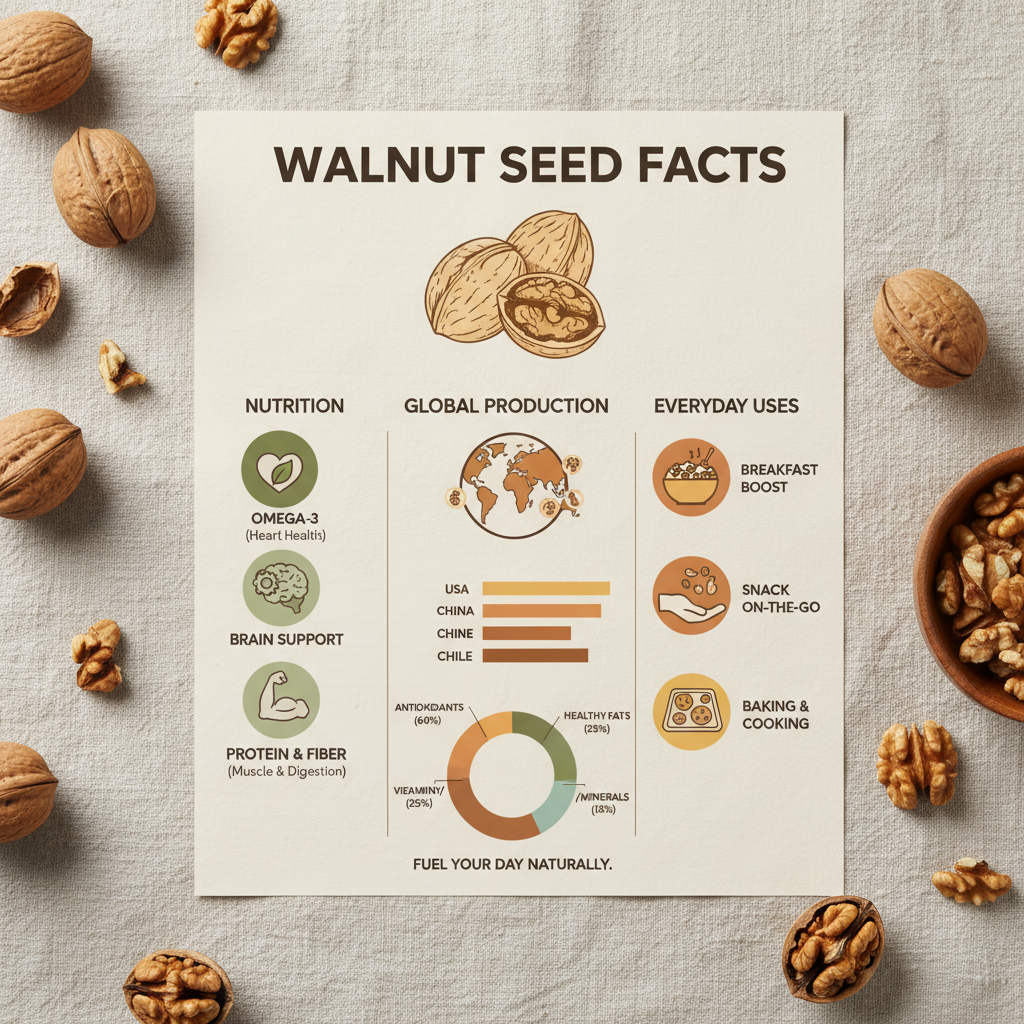
The global trade of walnut seed is currently shaped by a growing awareness of cardiovascular health and the rising popularity of vegan diets. According to recent agricultural trade data, the demand for high-oleic varieties has increased, as these provide a longer shelf life and better oxidative stability. This shift has pushed producers to optimize their harvesting techniques to ensure that the seed remains intact and uncontaminated from the field to the factory.
However, the industry faces challenges such as climate volatility and fluctuating shipping costs. To mitigate these risks, many processors are investing in advanced climate-controlled warehousing. By maintaining a precise balance of humidity and temperature, exporters can ensure that the walnut seed retains its creamy color and characteristic crunch, which are the primary benchmarks for premium pricing in European and North American markets.
Defining the Standards of Premium Walnut Seed
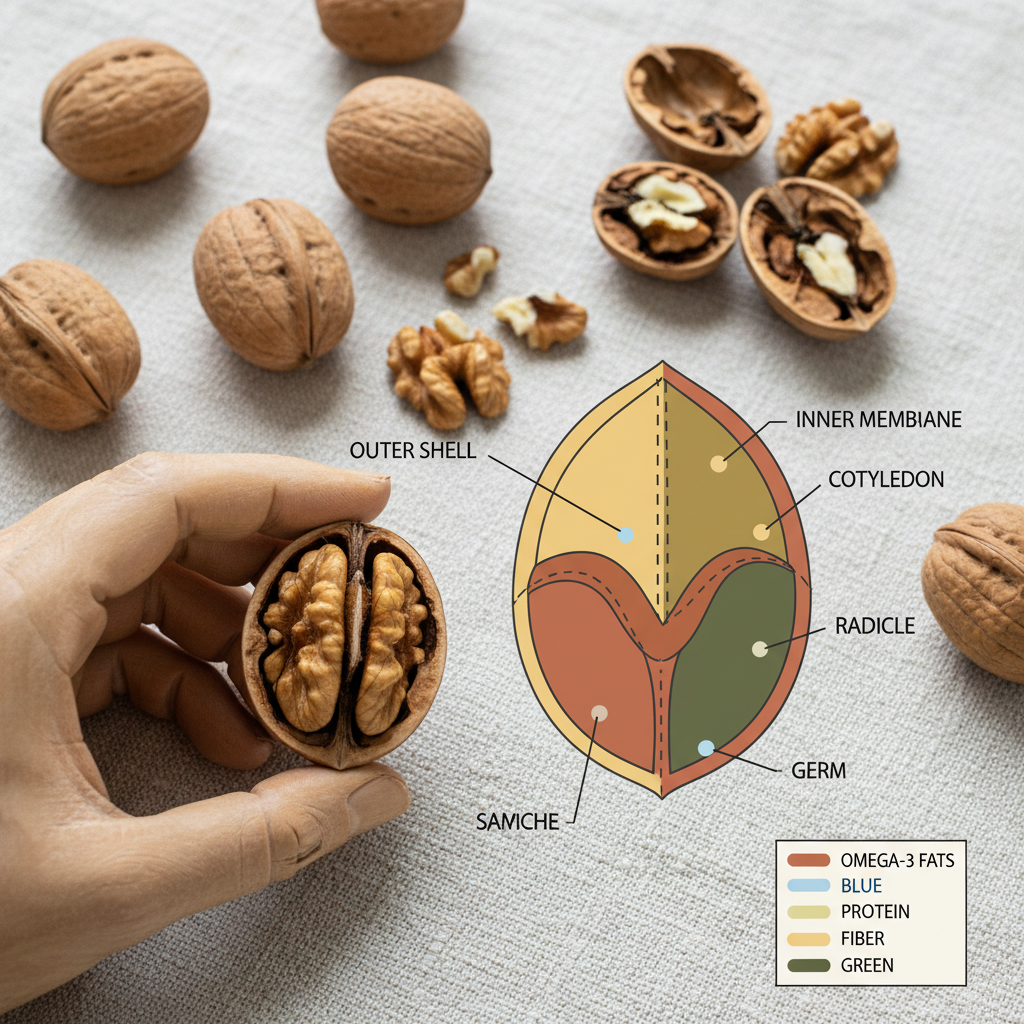
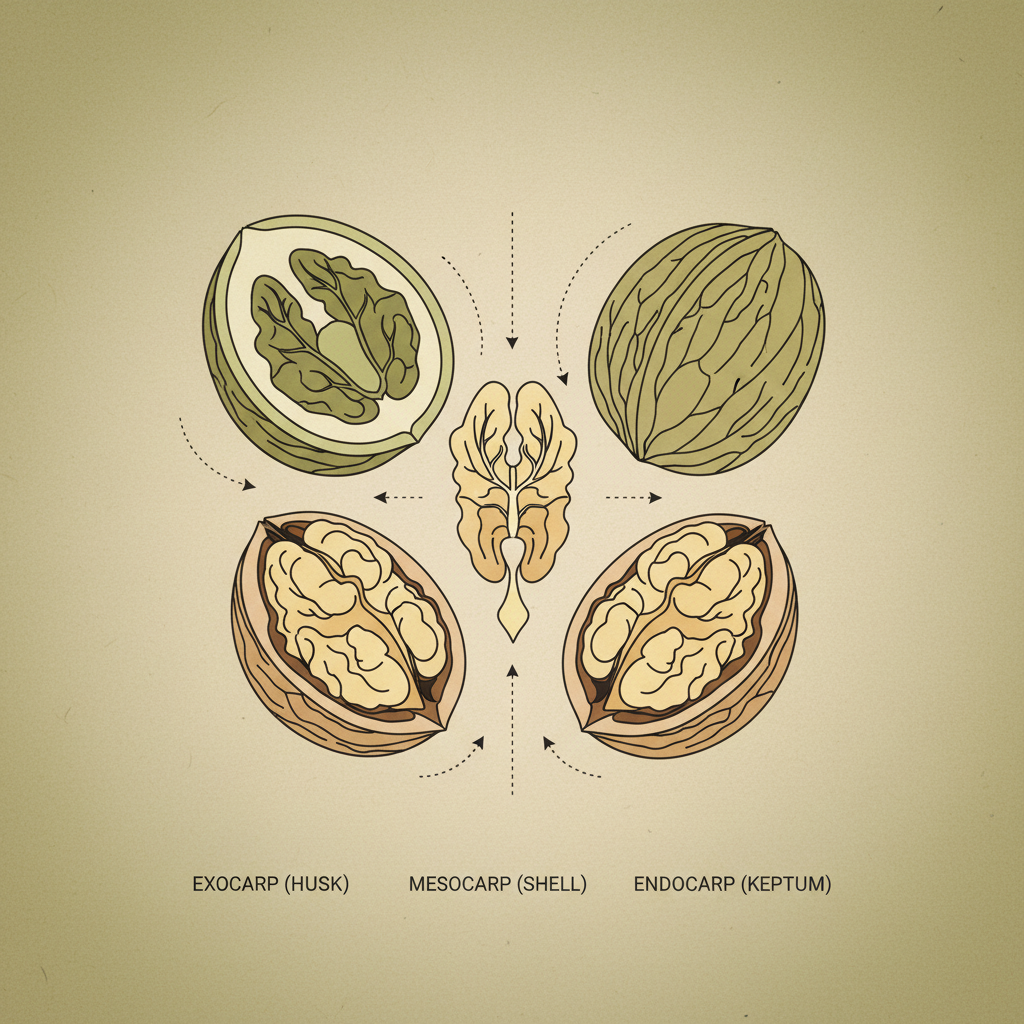
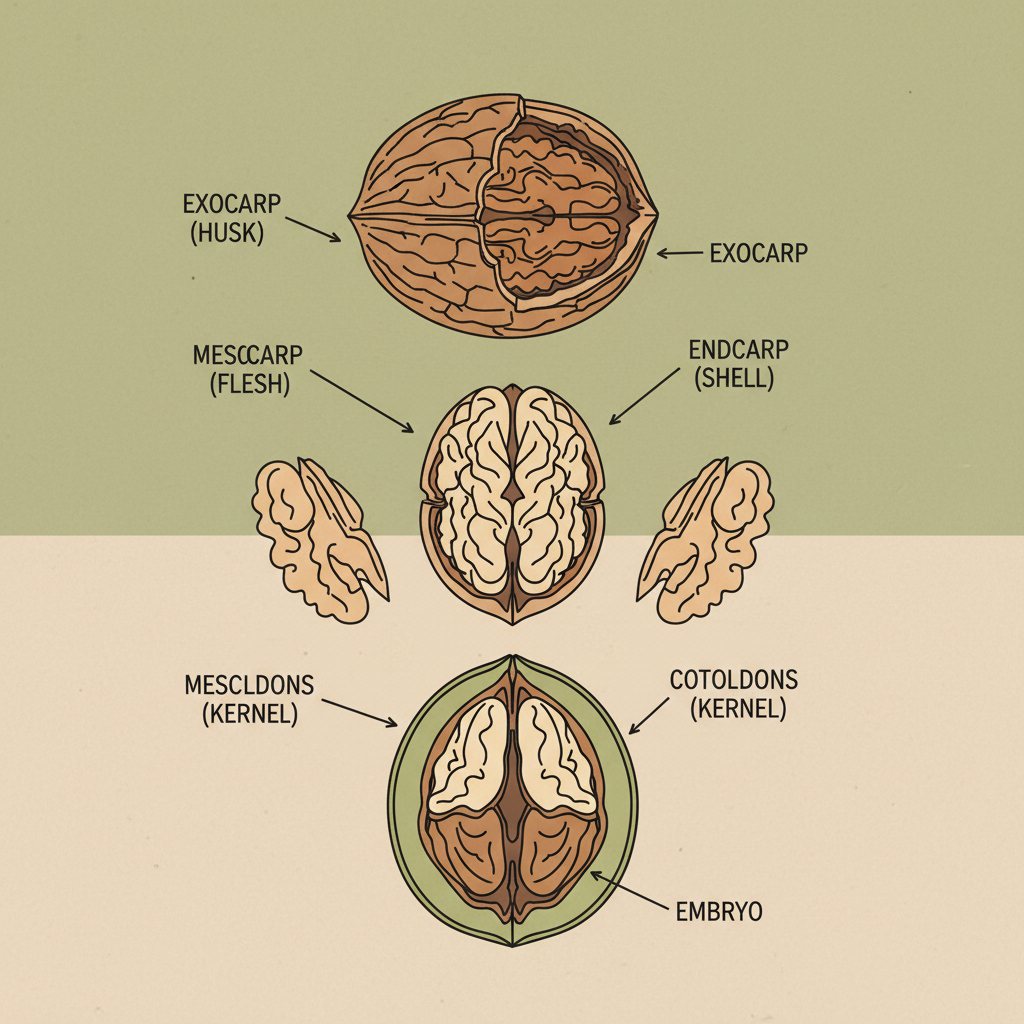
In simple terms, a walnut seed is the edible kernel found within the hard shell of the walnut fruit. While it may seem straightforward, "premium" grade refers to seeds that exhibit a specific set of characteristics: a light, uniform color (absence of dark specks), a high percentage of whole kernels versus broken pieces, and a low peroxide value, which indicates freshness.
Modern industry standards have evolved to bridge the gap between raw agriculture and humanitarian nutrition. For instance, in regions facing food insecurity, the nutrient-dense nature of the walnut seed makes it an ideal candidate for fortified food programs. Its high caloric density and essential fats provide critical brain-building nutrients for children in developing areas, linking industrial processing to global health initiatives.
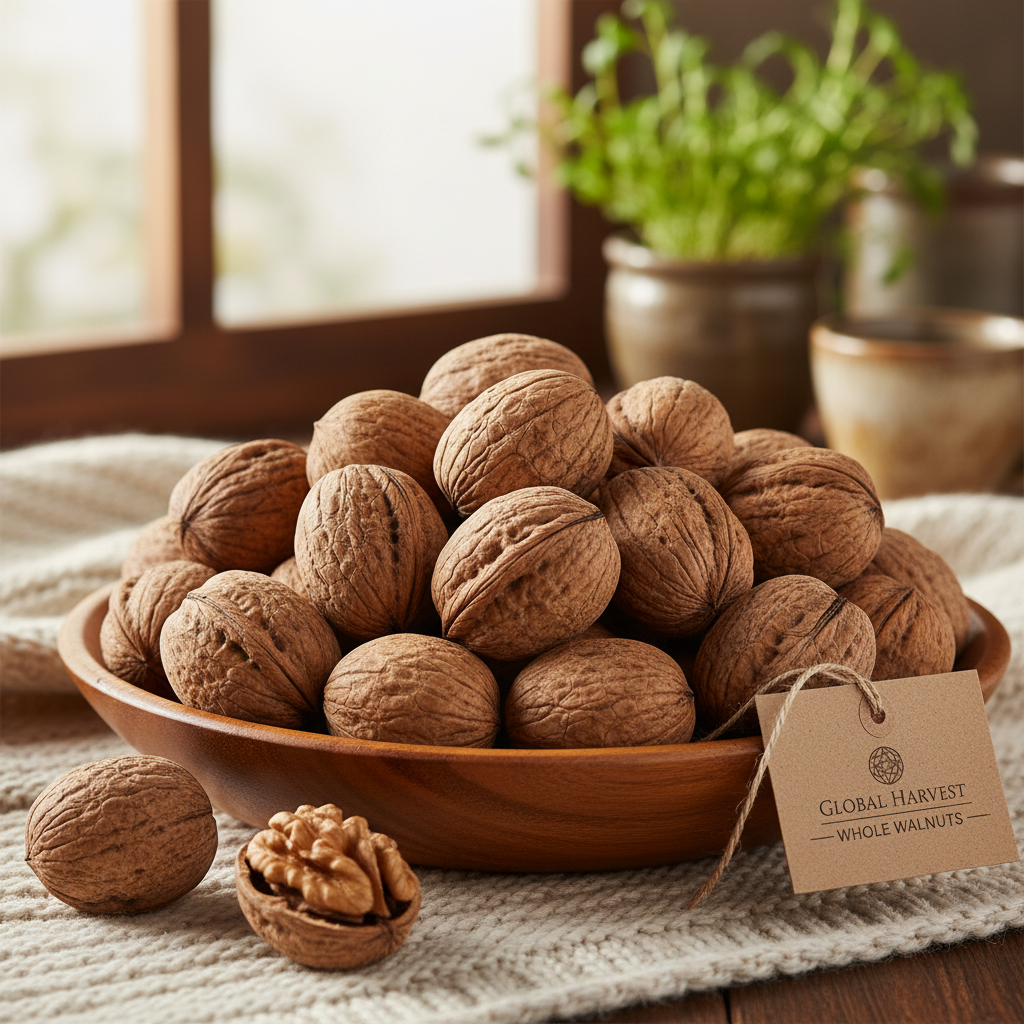
Furthermore, the distinction between "in-shell" and "stripped" kernels is vital for commercial logistics. Stripped walnut seed allows for immediate integration into baking and confectionery lines, reducing labor costs for the end-manufacturer but increasing the need for vacuum-sealed packaging to prevent the delicate oils from reacting with oxygen.
Core Components of Seed Quality
The first critical factor in evaluating a walnut seed is its Lipid Profile. The balance of Alpha-Linolenic Acid (ALA) determines not only the health benefits for the consumer but also the stability of the product during storage. High-quality seeds maintain a ratio that prevents rapid rancidity while maximizing the anti-inflammatory properties.
Scalability in production is the second pillar. For a walnut seed to be commercially viable on a global scale, the processing facility must utilize automated shelling and sorting technology. This ensures that the seeds are sorted by size and color consistently, allowing buyers to purchase specific grades (e.g., Grade A halves) with absolute certainty.
Finally, Cost Efficiency and Purity are paramount. The removal of foreign materials—such as shell fragments or dust—must be achieved without damaging the fragile walnut seed. Advanced optical sorters are now the industry standard, using high-speed cameras to eject any kernel that does not meet the strict color and shape parameters required for luxury retail.
Industrial Processing Efficiency
The transition from a raw walnut seed to a retail-ready product involves a series of highly technical steps. Efficiency is measured by the "recovery rate"—the percentage of whole kernels extracted versus the total weight of the in-shell nuts. Innovations in precision cracking have significantly reduced the number of broken pieces, thereby increasing the market value of the final yield.
Beyond cracking, the drying process is essential. Over-drying can lead to a loss of weight and texture, while under-drying can encourage mold growth. The industry now employs intelligent sensors that monitor the moisture levels of the walnut seed in real-time, ensuring that the final product hits the "sweet spot" of 4-6% moisture for optimal preservation.
Comparison of Walnut Seed Processing Methods
Global Applications and Use Cases
The application of the walnut seed extends far beyond simple snacking. In the high-end culinary arts of France and Italy, walnut kernels are utilized as a base for luxury sauces and pestos, where the specific oil content of the seed determines the creaminess and flavor profile of the dish. In the cosmetics industry, oils extracted from the walnut seed are prized for their moisturizing properties and are often found in premium skin creams and serums.
Furthermore, in specialized industrial zones, walnut shell powder (a byproduct of seed extraction) is used as a gentle abrasive for precision cleaning in aerospace and automotive engine components. This demonstrates the circular economy of the walnut seed industry, where every part of the fruit—from the nutrient-rich kernel to the hard outer shell—provides economic value across diverse sectors.
Long-Term Economic and Health Value
From a logical standpoint, investing in high-grade walnut seed is a move toward sustainability. Because walnuts are perennial crops with long life cycles, establishing high-yield orchards contributes to long-term carbon sequestration and local rural development. The reliability of a steady supply of these seeds supports thousands of small-scale farmers globally, creating a stable economic ecosystem.
On an emotional and wellness level, the consumption of the walnut seed is linked to cognitive longevity. The "brain-like" appearance of the kernel is poetically mirrored by its function; the high concentration of DHA-precursors supports brain health, reducing the risk of age-related cognitive decline. This provides consumers with a sense of security and trust in their long-term health investments.
Ultimately, the value of the walnut seed is found in its intersection of luxury and necessity. It is a product that offers the dignity of high-quality nutrition while driving innovation in agricultural logistics and food science, ensuring that "nature's brain food" remains accessible and pure for future generations.
Future Innovations in Walnut Seed Technology
The future of the walnut seed industry is being rewritten by digital transformation. We are seeing the emergence of "Smart Orchards" where IoT sensors monitor soil nitrogen levels and water stress in real-time, ensuring that each walnut seed develops with the ideal nutrient balance. This precision agriculture reduces water waste and eliminates the need for excessive chemical fertilizers.
Additionally, blockchain technology is being integrated into the supply chain to provide "Farm-to-Fork" traceability. A consumer in New York can now scan a QR code on a package of walnut seed and see exactly which orchard it came from, the date it was harvested, and the temperature logs from the shipping container. This transparency builds unprecedented trust and justifies the premium price of organic certifications.
Lastly, advancements in modified atmosphere packaging (MAP) are extending the shelf life of raw kernels without the need for artificial preservatives. By replacing oxygen with an inert gas mixture, the industry can prevent the oxidation of the walnut seed, allowing for longer international transit times and reducing food waste in the retail sector.
Comparative Analysis of Walnut Seed Quality Grades
|
Grade Level
|
Visual Appearance
|
Oil Stability (1-10)
|
Market Application
|
|
Extra Premium
|
Light gold, whole halves
|
9.8
|
Luxury Retail / Gifting
|
|
Grade A
|
Pale cream, minimal breaks
|
8.5
|
Health Food Stores
|
|
Grade B
|
Mixed colors, some pieces
|
7.0
|
Bakery Ingredients
|
|
Industrial Grade
|
Darker hue, small fragments
|
5.5
|
Oil Extraction / Nut Butters
|
|
Organic Certified
|
Natural variation, chemical-free
|
9.0
|
Specialty Organic Markets
|
|
Culinary Grade
|
Uniform size, consistent taste
|
8.0
|
Restaurant Supply
|
FAQS
The most reliable way to identify a rancid walnut seed is through smell and taste. Fresh kernels have a mild, buttery aroma. If the seed smells like paint thinner, old cardboard, or has a bitter, sharp aftertaste, the omega-3 oils have oxidized. Visually, rancid seeds may appear slightly darker or have a shriveled texture compared to fresh, plump kernels.
Stripped kernels are the edible seeds already removed from the shell, offering convenience and immediate use for food production. In-shell seeds are the whole fruit; they provide a natural protective barrier that significantly extends shelf life and protects the walnut seed from oxygen and light, making them preferable for long-term bulk storage and shipping.
Yes, high-oleic varieties are highly preferred in the industry because they contain a higher percentage of oleic acid, which is more stable. This means the walnut seed is less likely to oxidize and develop off-flavors during transit or while sitting on a retail shelf, reducing waste and ensuring a consistent quality experience for the end customer.
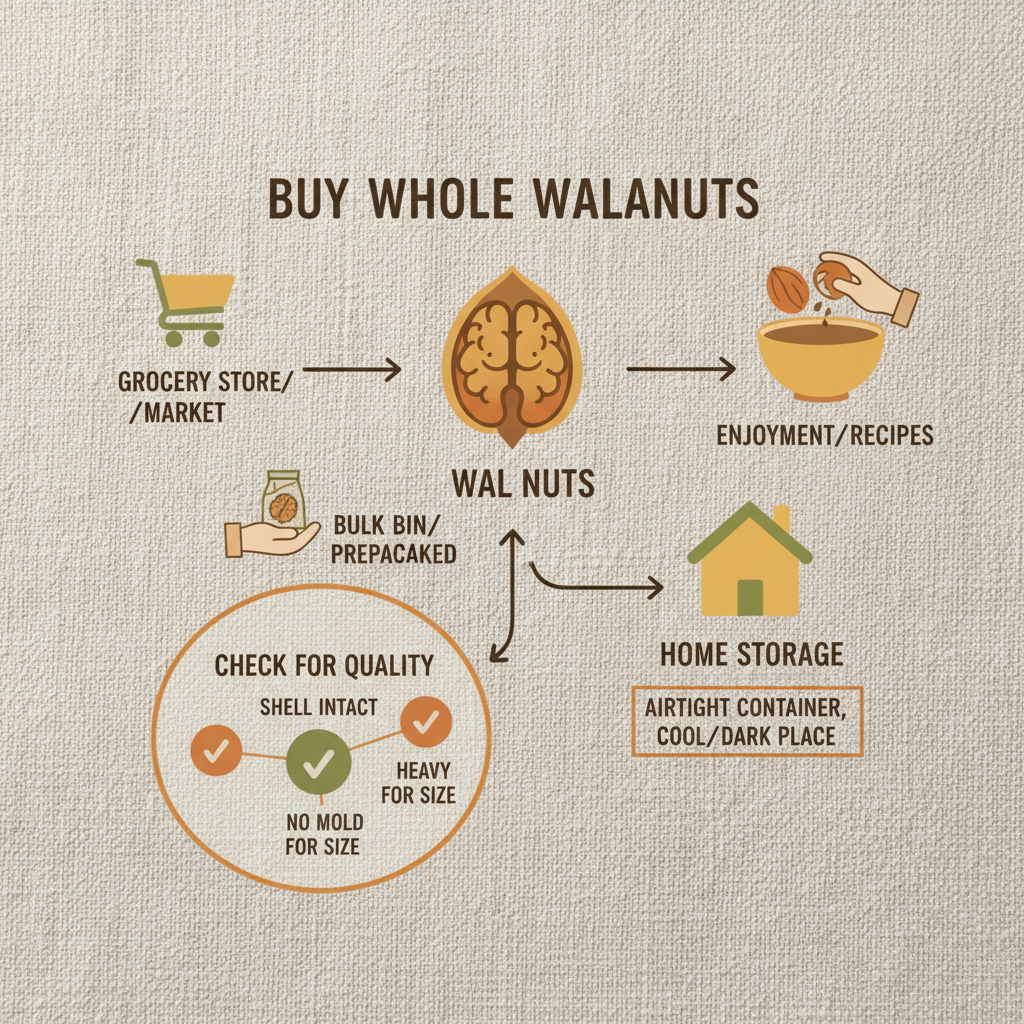
To maximize the life of a walnut seed, store it in an airtight container in a cool, dark place. For long-term preservation (over 6 months), refrigeration or freezing is recommended. Freezing slows down the oxidation of the delicate polyunsaturated fats, keeping the kernels fresh and tasting "just-harvested" for up to two years.
Absolutely. While the seed itself is primarily for nutrition, the byproduct of processing—the shell—is used as a biodegradable abrasive for sandblasting and cleaning precision parts in the automotive and aerospace industries. Additionally, walnut oil extracted from the seed is widely used in the fine arts as a medium for oil painting due to its low yellowing properties.
Importing requires ensuring the supplier complies with phytosanitary certificates and ISO standards. Look for suppliers who provide detailed lab reports on peroxide values and moisture content. Using a partner like Luhu Walnut ensures that the walnut seed is processed in a certified facility and shipped in vacuum-sealed or nitrogen-flushed packaging to maintain quality across borders.
Conclusion
The journey of the walnut seed from the orchard to the consumer is a testament to the blend of natural brilliance and industrial precision. By focusing on lipid stability, processing efficiency, and rigorous grading standards, the industry has successfully transformed a rustic crop into a global health commodity. From its role in cardiovascular health to its surprising utility in aerospace cleaning, the versatility of this nut ensures its continued relevance in both the kitchen and the factory.
As we look toward a future defined by sustainable agriculture and digital transparency, the walnut seed remains a beacon of nutritional value and economic opportunity. For businesses and consumers alike, the key to success lies in prioritizing purity and provenance. We invite you to explore our premium selection and experience the gold standard of nut processing. Visit our website: www.luhuawalnut.com