The walnut stands as one of the most nutrient-dense contributions to the global agricultural trade, bridging the gap between traditional farming and modern functional nutrition. As the demand for plant-based omega-3 fatty acids rises, understanding the intricacies of walnut production—from the orchard to the processed kernel—becomes essential for wholesalers and health-conscious consumers alike.
Across the globe, the cultivation and processing of this premium nut have evolved into a sophisticated industrial chain. The ability to maintain the delicate balance of natural oils while ensuring a long shelf life is the primary challenge facing the industry today, making advanced processing techniques more critical than ever for maintaining quality standards.
Whether viewed as a staple in the culinary arts or a strategic commodity in the health food sector, the walnut offers unparalleled economic and biological value. By exploring the global context of its production and the technical standards of its processing, we can better appreciate why it remains a cornerstone of the nut and dried fruit industry.
Global Market Dynamics of Walnut Production
The global walnut market has seen a significant shift toward high-efficiency cultivation and standardized processing. According to international trade data, the shift toward "healthy snacking" has propelled the demand for stripped kernels, forcing producers to invest in automated cracking and sorting technologies to meet the stringent requirements of the EU and North American markets.
However, this growth is not without its hurdles. Climate volatility and the risk of pest infestations often disrupt yield stability, creating price fluctuations that affect everything from small-scale farmers to large international distributors. Establishing a resilient supply chain that prioritizes sustainable harvesting is now the primary focus of the industry.
Understanding Walnut: Definition and Industrial Role
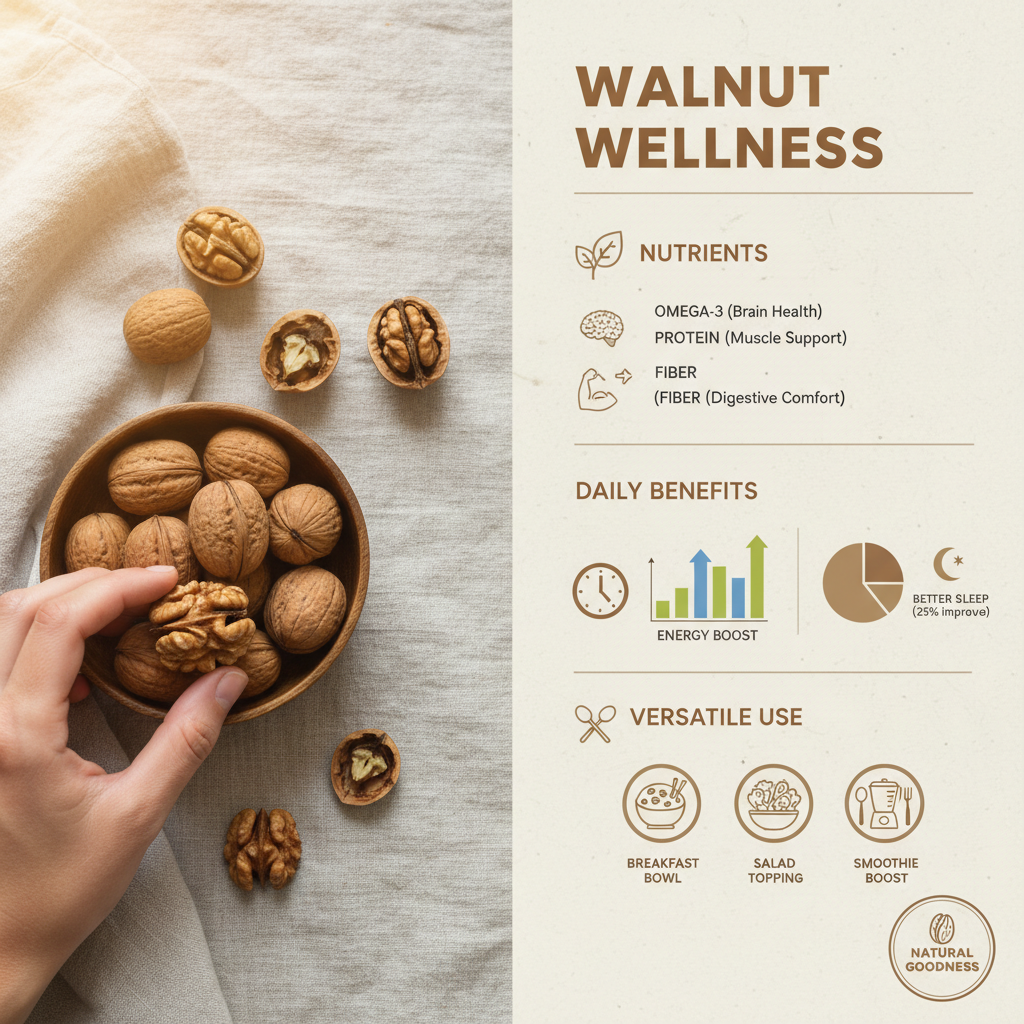
In simple botanical terms, the walnut is the seed of a drupe, characterized by a hard shell that protects a nutrient-rich kernel. From an industrial perspective, it is categorized as a high-value oleaginous seed, prized for its high concentration of alpha-linolenic acid (ALA), which makes it indispensable in the production of health supplements and premium food products.
Modern industry utilizes the walnut not only as a direct food product but also as a raw material for cosmetic oils and pharmaceutical extracts. The ability to extract pure oil without compromising the chemical integrity of the fatty acids is a benchmark of technical proficiency in the food processing sector.
Beyond the economy, these nuts address a critical humanitarian need for calorie-dense, shelf-stable nutrition in food-insecure regions. Because they provide essential minerals and fats in a compact form, they are often integrated into fortified food programs to combat malnutrition globally.
Core Components of Premium Walnut Quality
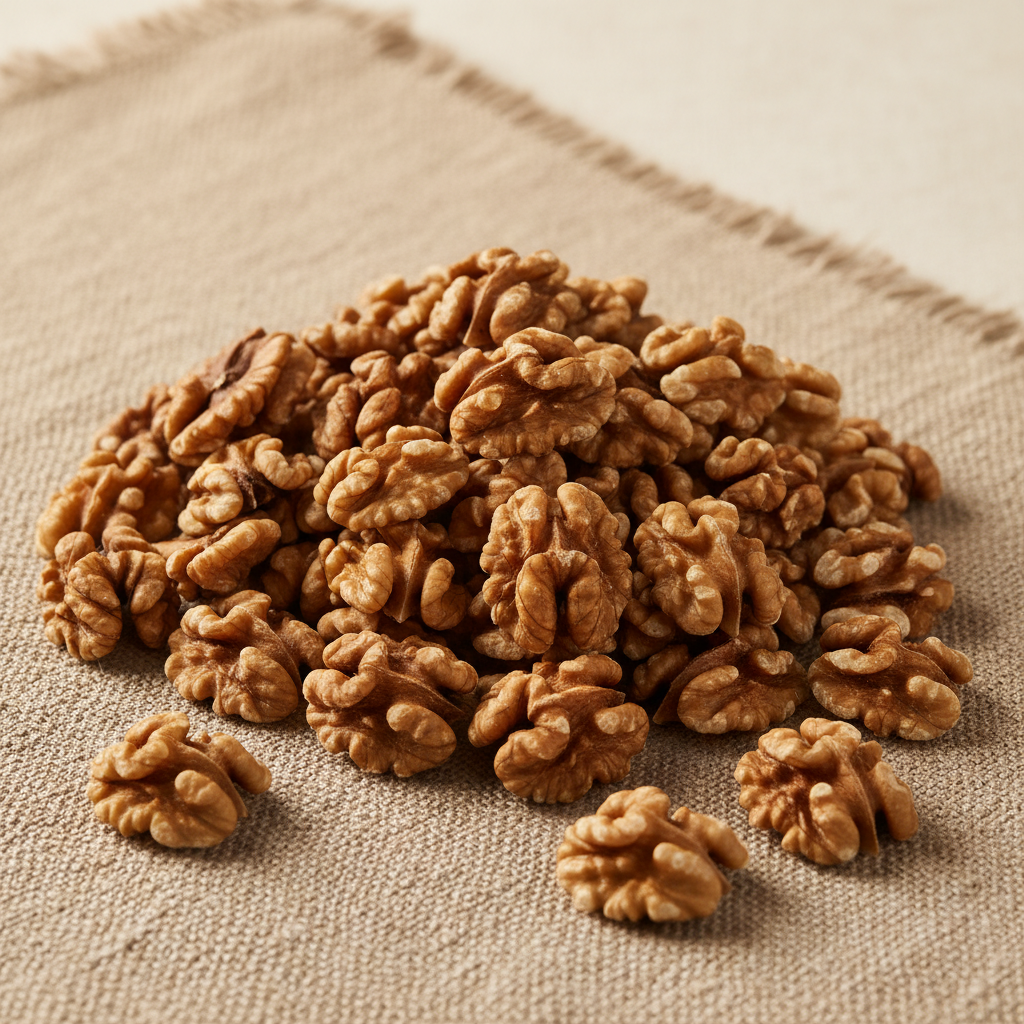
When assessing the quality of a walnut, "Color Integrity" is the first metric of evaluation. A bright, creamy-white kernel indicates fresh processing and minimal oxidation, whereas dark tints often signal age or poor storage conditions that lead to rancidity.
"Oxidative Stability" is perhaps the most critical technical component. Because the walnut contains high levels of polyunsaturated fats, it is highly susceptible to oxygen. Implementing vacuum packaging and nitrogen flushing is essential to prevent the degradation of these healthy fats during transit.
Finally, "Kernel Completeness" determines the commercial grade. Whole halves command a premium price in the retail market due to their aesthetic appeal, while broken pieces are typically diverted to the industrial baking and confectionery sectors, highlighting the importance of precision cracking machinery.
Practical Applications of Walnut in Global Trade
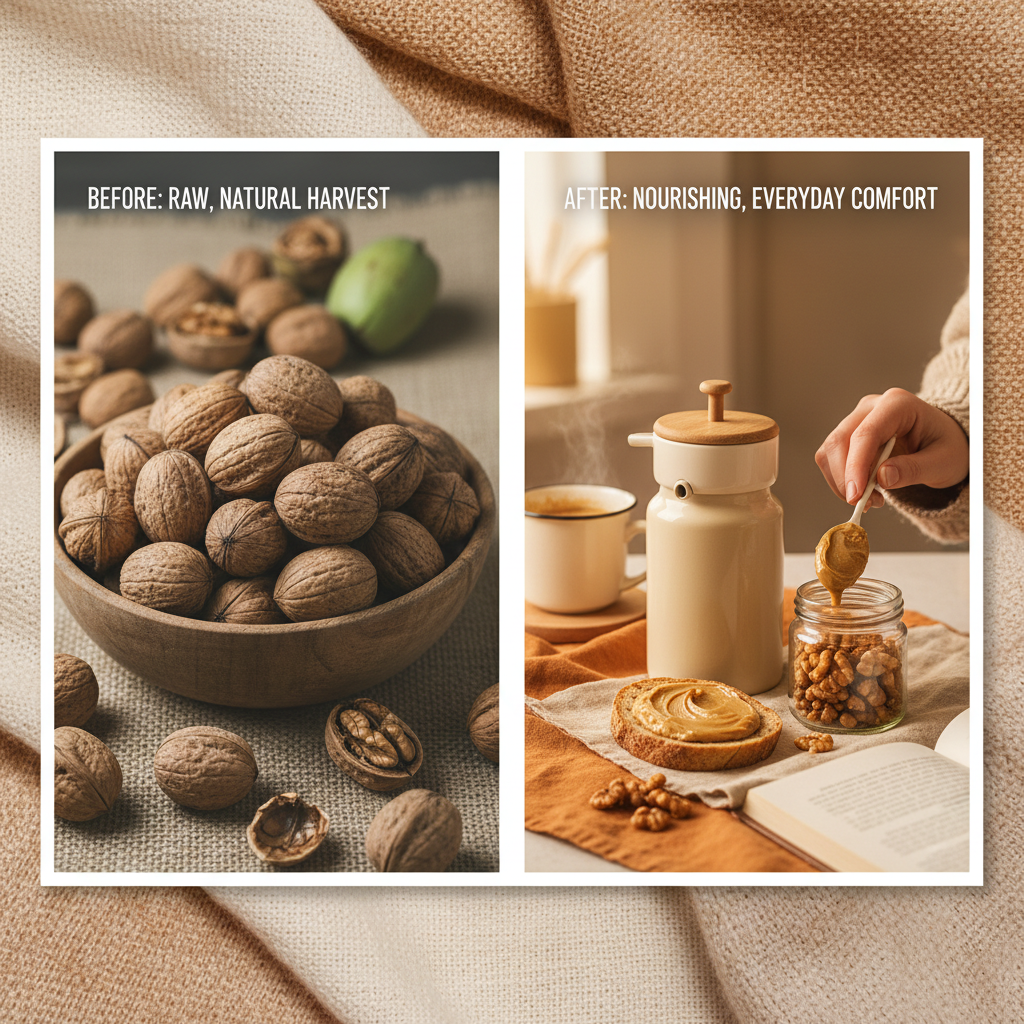
The application of walnut kernels extends far beyond simple consumption. In the high-end culinary industry of Europe and Asia, they are used as a base for vegan cheeses and gourmet spreads. In industrial zones, the shells are repurposed as an eco-friendly abrasive for sandblasting and cleaning sensitive machinery.
In diverse regions, from the orchards of California to the groves of China, the walnut acts as a catalyst for rural economic development. For example, in remote mountainous areas, the transition from traditional farming to standardized walnut export has significantly increased the per-capita income of local farming cooperatives.
Processing Method Efficiency Comparison
Economic Advantages and Long-Term Value
The long-term value of investing in walnut production lies in its sustainability and diversifying income streams. Unlike annual crops, walnut trees provide a multi-decadal harvest, offering a stable return on investment once the grove reaches maturity. Furthermore, the growing trend of "clean label" foods ensures a steady demand for minimally processed kernels.
From a social impact perspective, the walnut industry fosters innovation in agricultural tech. The shift toward precision irrigation and AI-driven harvest scheduling not only reduces water waste but also increases the reliability of the supply chain, building trust between the grower and the global importer.
Future Innovations in Walnut Processing
The future of the walnut industry is being shaped by the digital transformation of the supply chain. Blockchain technology is now being implemented to provide "farm-to-table" traceability, allowing consumers to verify the organic certification and origin of their nuts with a simple QR code scan.
In terms of processing, we are seeing a move toward "Cold-Pressing" and "Low-Temperature Dehydration." These methods prevent the thermal degradation of the walnut's sensitive oils, preserving the natural flavor profile and maximizing the nutritional bio-availability for the end consumer.
Furthermore, automation is expanding into the sorting phase. Hyperspectral imaging is now capable of detecting internal mold or aflatoxin contamination that is invisible to the human eye, ensuring that only the safest and highest-quality kernels reach the international market.
Challenges and Expert Solutions in Walnut Supply
One of the most persistent challenges in the walnut trade is the "Rancidity Window." Due to their high oil content, kernels can spoil rapidly if exposed to heat and oxygen. The expert solution involves the adoption of Modified Atmosphere Packaging (MAP) and strict cold-chain logistics to extend shelf life from months to years.
Another limitation is the inconsistency of kernel size and shape, which complicates automated packaging. To overcome this, producers are adopting genetic selection and precision pruning techniques to ensure a more uniform fruit size, which in turn optimizes the efficiency of cracking machinery.
Lastly, the industry faces increasing pressure to reduce its carbon footprint. By integrating solar-powered drying facilities and composting shell waste back into the soil as organic mulch, walnut processors are transforming their operations into a circular economy model.
Comparative Analysis of Walnut Quality Standards by Market
| Market Region |
Primary Quality Metric |
Acceptable Defect Rate |
Packaging Requirement |
| European Union |
Aflatoxin Levels |
< 0.5% |
Vacuum Sealed |
| North America |
Kernel Color/Whiteness |
< 2.0% |
Nitrogen Flushed |
| East Asia |
Size & Completeness |
< 3.0% |
Retail-Ready Packs |
| Middle East |
Flavor Intensity |
< 5.0% |
Bulk Industrial |
| Southeast Asia |
Moisture Content |
< 4.0% |
Poly-Bagging |
| South America |
Shell Thickness |
< 6.0% |
Standard Jute |
FAQS
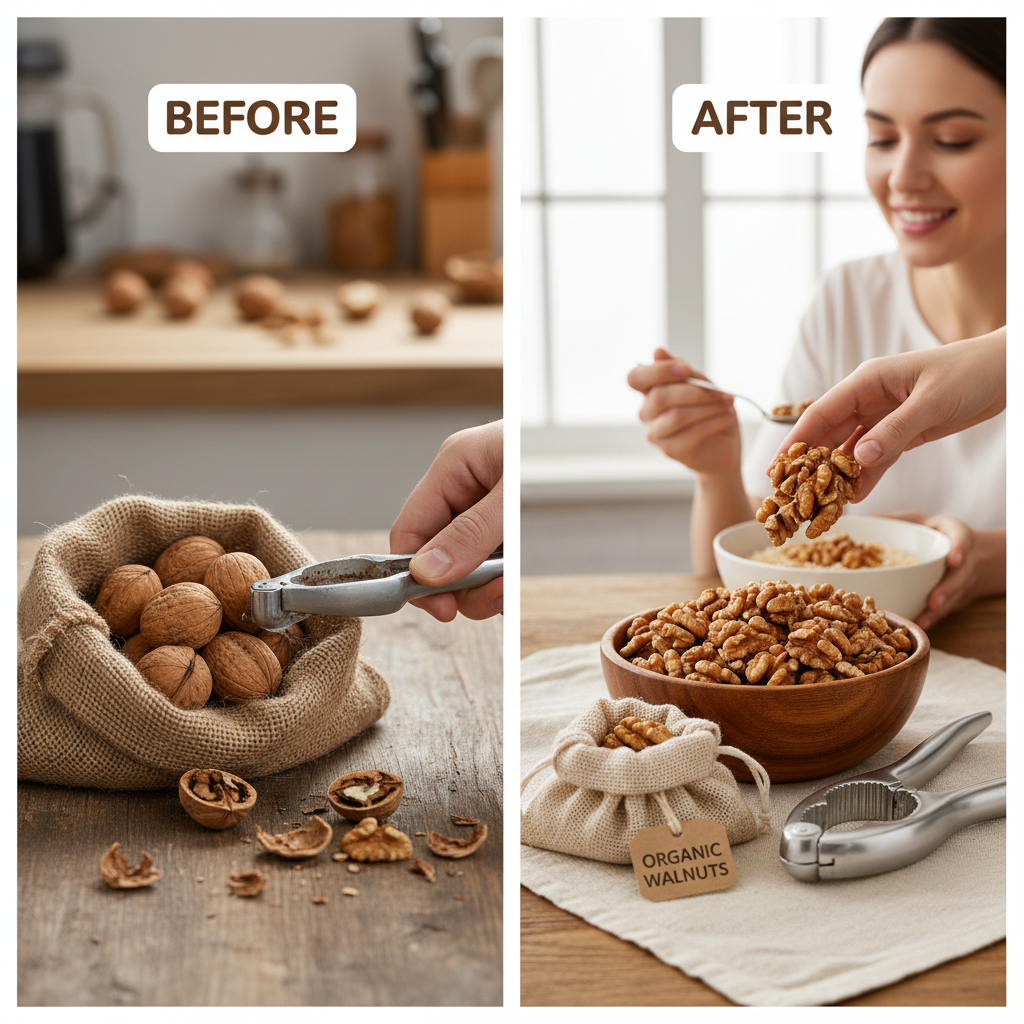
Stripped kernels are the edible seeds removed from the shell, offering convenience and direct use in baking or snacking. In-shell walnuts provide a natural protective barrier, which significantly extends the shelf life by limiting oxygen exposure, making them ideal for long-term storage and bulk transport before final processing.
Rancidity in walnuts is primarily caused by the oxidation of polyunsaturated fats. You can identify this through a sharp, paint-like or bitter smell and a slightly acrid taste. Visually, extremely dark kernels may be a sign of age, though the smell is the most reliable indicator of quality degradation.
Yes, vacuum packaging is superior for walnut kernels because it removes the oxygen that triggers oxidation. This preserves the delicate omega-3 fatty acids and maintains the creamy color and fresh flavor for a much longer period compared to standard plastic bags, which allow air seepage over time.
For bulk storage, we recommend a cool, dry environment—ideally refrigerated at 4°C (40°F) or frozen for long-term holding. Keeping them in airtight containers away from direct sunlight prevents the oils from oxidizing and protects the kernels from absorbing odors from other foods.
Aflatoxin prevention starts with proper drying immediately after harvest to reduce moisture levels. In processing, we use optical sorting and random laboratory sampling to test batches against ISO and EU safety standards, ensuring that any contaminated nuts are removed before shipping.
Absolutely. Most high-grade walnut suppliers provide phytosanitary certificates and certificates of analysis (COA) to comply with international import laws. We recommend sourcing from producers who utilize nitrogen flushing and vacuum sealing to ensure the product arrives in peak condition.
Conclusion
The walnut is far more than a simple agricultural product; it is a complex commodity that requires a synergy of biological understanding and industrial precision. From managing the delicate chemistry of its omega-3 oils to implementing state-of-the-art optical sorting and vacuum packaging, the path from the grove to the consumer is one of continuous innovation and quality control.
As global health trends continue to favor nutrient-dense, plant-based fats, the significance of the walnut industry will only grow. By prioritizing sustainable farming practices and investing in cold-chain logistics, producers can ensure that this "brain food" remains a reliable, healthy, and economically viable staple for generations to come. For premium sourcing and industry insights, visit our website: www.luhuawalnut.com