Understanding the market dynamics of the akhrot per kg price is essential for wholesalers and health-conscious consumers alike. As a nutrient-dense superfood, the valuation of walnuts is influenced by global harvest yields, processing standards, and the demand for premium stripped kernels.
The global trade of walnuts has evolved into a sophisticated supply chain where quality certifications, such as BRC, play a pivotal role in determining the final market value. When analyzing the akhrot per kg price, one must consider the distinction between raw in-shell nuts and the high-value processed kernels that offer immediate convenience.
For those seeking the best value, Hebei Luhua Import and Export Trade Co., Ltd provides a transparent window into the akhrot per kg price, ensuring that industrial buyers receive factory-direct pricing without compromising on the rigorous food safety standards required for international export.
Global Market Drivers of Akhrot Pricing
The fluctuations in the global akhrot per kg price are primarily driven by agricultural output and climatic conditions in major producing regions like China. As a professional export factory, Hebei Luhua monitors these trends closely, utilizing its own planting bases to stabilize supply and mitigate the volatility often seen in the open market.
Furthermore, international trade policies and logistics costs significantly impact the landed cost for buyers in Europe, North America, and Asia. By integrating factory production with direct trade, the gap between the harvest price and the retail akhrot per kg price is narrowed, offering a more competitive edge to wholesale partners.
The Impact of Processing on Value
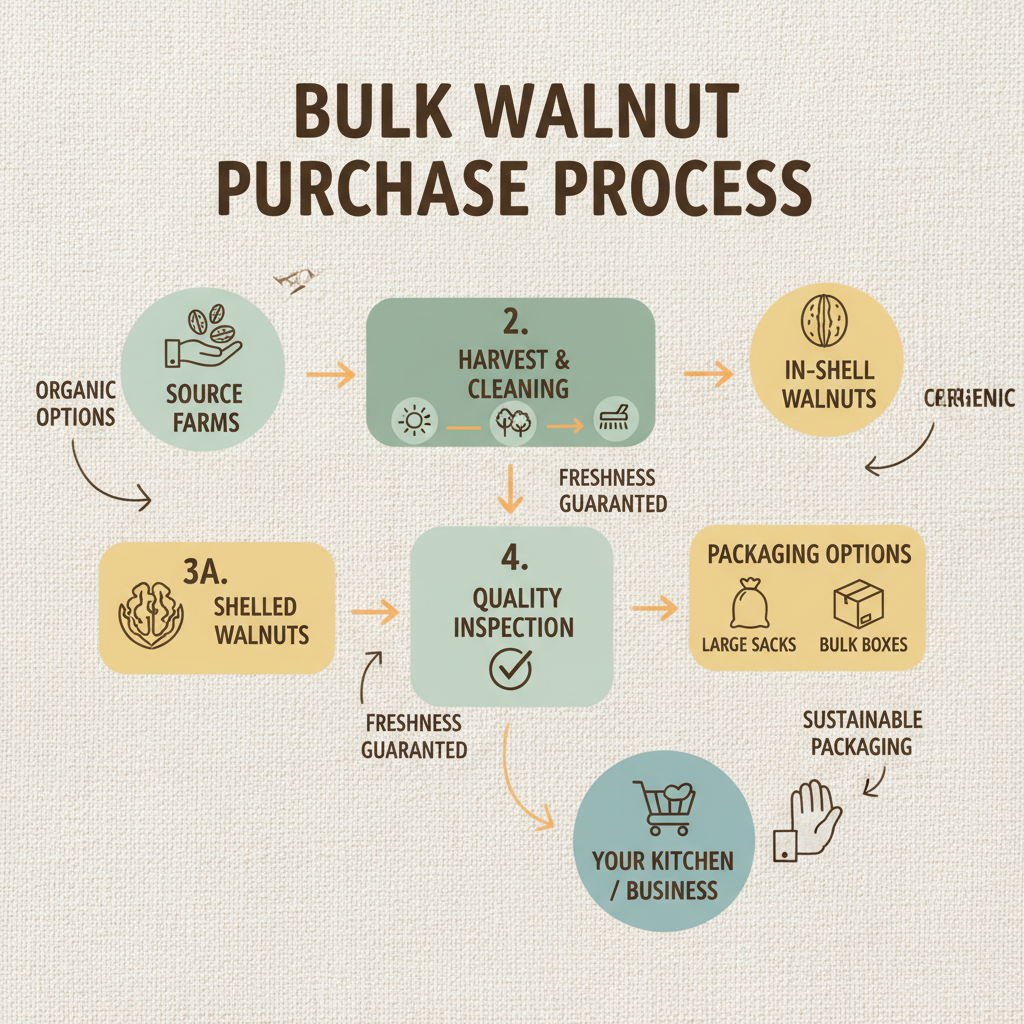
The transition from raw walnuts to stripped kernels involves a series of value-adding steps that directly influence the akhrot per kg price. The removal of the outer skin through a specialized physical process ensures that the kernels are not bitter, which significantly increases their appeal for the baking and confectionery industries.
Low-temperature roasting technology is another critical factor. By carefully controlling the heat, the nutritional value and natural sweetness are preserved, preventing the oxidation of healthy fats. This technological investment justifies a premium in the pricing structure compared to raw, unprocessed nuts.
Ultimately, the convenience of shelled walnuts creates a different market segment. While in-shell walnuts offer a longer shelf life due to natural protection, stripped kernels command a higher akhrot per kg price because of the labor, machinery, and quality control involved in the stripping and grading process.
Understanding Kernel Grade Specifications
When negotiating the akhrot per kg price, buyers must understand that not all kernels are created equal. Grading is based on color and size, ranging from "Extra Light Halves" to "Amber Pieces." Extra Light Halves are typically the most prized for their visual appeal and mild taste, often fetching the highest price per kilogram.
The mid-tier grades, including Light Halves and Light Quarters, provide a balance between aesthetics and cost, making them ideal for general food production. In these categories, the akhrot per kg price is more stable and suitable for high-volume usage in bread and pastry manufacturing.
At the other end of the spectrum, Amber pieces and mixed crumbs are highly efficient for industrial fillers or ground nut pastes. While these have a lower akhrot per kg price, they maintain the same nutritional integrity as the halves, providing a cost-effective solution for large-scale food processors.
Cost Efficiency in Bulk Procurement
Achieving cost efficiency in procurement requires a strategic approach to order volume and packaging. For instance, choosing between 10kg, 12.5kg, or vacuum-packed 2x5kg options can influence the shipping density and, consequently, the total akhrot per kg price when calculating landed costs.
By partnering with a source factory that possesses year-round inventory, buyers can avoid the seasonal price spikes that typically plague the nut industry. This stability ensures that a consistent akhrot per kg price can be maintained throughout the production cycle of the end-product.
Comparative Value Analysis of Kernel Grades
Global Applications and Industrial Use Cases
The versatility of stripped walnut kernels makes them a staple in various global industries. In the European bakery sector, high-grade halves are integrated into artisanal breads, where the aesthetic value justifies the higher akhrot per kg price. Meanwhile, in North American snack manufacturing, quarters and pieces are used in granola and energy bars for a balanced crunch and flavor.
Beyond food, the oil extraction industry utilizes lower-grade amber kernels to produce high-quality walnut oil. In these industrial zones, the focus shifts from visual grade to oil content, allowing processors to optimize their procurement by targeting a lower akhrot per kg price while still obtaining the necessary omega-3 fatty acids.
Long-term Value of BRC Certified Sourcing
For international buyers, the BRC (British Retail Consortium) quality system certification is more than just a label; it is a guarantee of safety and consistency. When a factory is BRC certified, it ensures that the akhrot per kg price reflects a product that has undergone rigorous food safety checks, reducing the risk of costly recalls or quality disputes.
This certification provides a layer of trust that is indispensable for OEM and ODM partners. Whether customizing labels or packaging, knowing that the source factory follows a scientific quality management system ensures that the value proposition of the akhrot per kg price is backed by global standards.
Furthermore, the ability to provide free samples and maintain mass production capabilities allows wholesalers to test quality before committing to large shipments. This transparency reduces the financial risk associated with fluctuating market prices and ensures a reliable supply chain.
Future Trends in Walnut Trade and Pricing
The future of the walnut industry is leaning heavily toward sustainable farming and digital transformation. Automation in the stripping and grading process is expected to lower operational costs, potentially stabilizing the akhrot per kg price for end-consumers while increasing the precision of grade sorting.
There is also a growing demand for organic and traceable products. As consumers become more aware of the origin of their food, factories that can prove their planting base's sustainability will be able to command a premium akhrot per kg price, shifting the market from commodity-based pricing to value-based pricing.
Finally, the integration of smart logistics and vacuum packaging technologies will extend the shelf life of stripped kernels further, reducing waste and optimizing the global distribution of Chinese walnuts.
Comparative Analysis of Walnut Kernel Grades and Market Positioning
| Kernel Grade |
Visual Quality |
Primary Application |
Price Index (1-10) |
| Extra Light Halves |
Premium White |
Luxury Confectionery |
10 |
| Light Halves |
Pale Yellow |
Artisan Bakery |
8 |
| Light Quarters |
Standard Light |
Granola & Bars |
7 |
| Light Amber Halves |
Golden Hue |
General Snacks |
6 |
| Amber Pieces |
Deep Amber |
Industrial Fillers |
5 |
| Mixed Crumbs |
Varied |
Oil & Pastes |
4 |
FAQS
The price is primarily influenced by the kernel grade (color and size), the processing method (stripped vs. raw), and the certification level of the factory. High-grade Extra Light Halves from BRC-certified factories generally command a higher price due to their superior appearance and guaranteed food safety standards.
Yes, stripped kernels have a higher price per kg because they remove the weight of the shell and add the cost of mechanical processing and grading. While in-shell walnuts are cheaper per kg, shelled kernels offer immediate convenience and higher efficiency for industrial bakers.
BRC certification ensures that the product meets international food safety standards. This reduces risk for importers regarding contamination or quality inconsistency, justifying a stable and premium akhrot per kg price compared to non-certified source factories.
Absolutely. Purchasing directly from a source factory like Hebei Luhua allows you to bypass middlemen. Bulk orders of 10kg or 12.5kg packaging typically offer a more competitive price per kilogram than smaller retail quantities.
For high-end pastries, Extra Light Halves are best. However, for general baking (like walnut bread), Light Halves or Light Quarters offer the best balance between a reasonable akhrot per kg price and high visual quality.
Our stripped walnut kernels have a shelf life of 24 months when stored properly. Using vacuum packaging can further help maintain the freshness and nutritional value, ensuring the value of your investment per kilogram is preserved over time.
Conclusion
Navigating the complexities of the akhrot per kg price requires a deep understanding of grade specifications, processing technologies, and quality certifications. From the premium appeal of Extra Light Halves to the industrial efficiency of Mixed Crumbs, the value of walnut kernels is determined by their intended application and the rigor of the production process. By sourcing from BRC-certified factories with integrated planting bases, buyers can secure consistent quality and competitive pricing.
As the global market shifts toward transparency and sustainability, partnering with experienced exporters who offer OEM/ODM customization and direct factory pricing is the most strategic way to optimize procurement costs. Whether you are a wholesaler or an industrial food producer, focusing on quality standards and supply chain stability will ensure the best long-term value. Visit our website for a quote: www.luhuawalnut.com