Walnuts bulk represent a cornerstone of the global nut and dried fruit industry, increasingly vital for both direct consumption and as a crucial ingredient in food manufacturing. The demand for high-quality, consistently sourced walnuts is skyrocketing, driven by growing health consciousness and the versatile application of walnuts across culinary landscapes. This increase in demand necessitates a deeper understanding of sourcing, processing, and logistical considerations when procuring walnuts bulk.
The importance of reliable walnut bulk supply chains extends beyond simply meeting consumer demand. It impacts everything from confectionery production to the creation of plant-based alternatives, influencing product quality and pricing structures worldwide. Fluctuations in global weather patterns and geopolitical landscapes can significantly impact walnut harvests, making strategic bulk purchasing a critical component of business continuity for many food producers.
Understanding the nuances of walnuts bulk, including grading, shelling, and storage requirements, is paramount. Proper handling ensures product integrity and minimizes waste, contributing to both economic efficiency and sustainability within the industry. Investing in robust sourcing and quality control measures for your walnuts bulk supply is therefore an investment in your company’s long-term success.
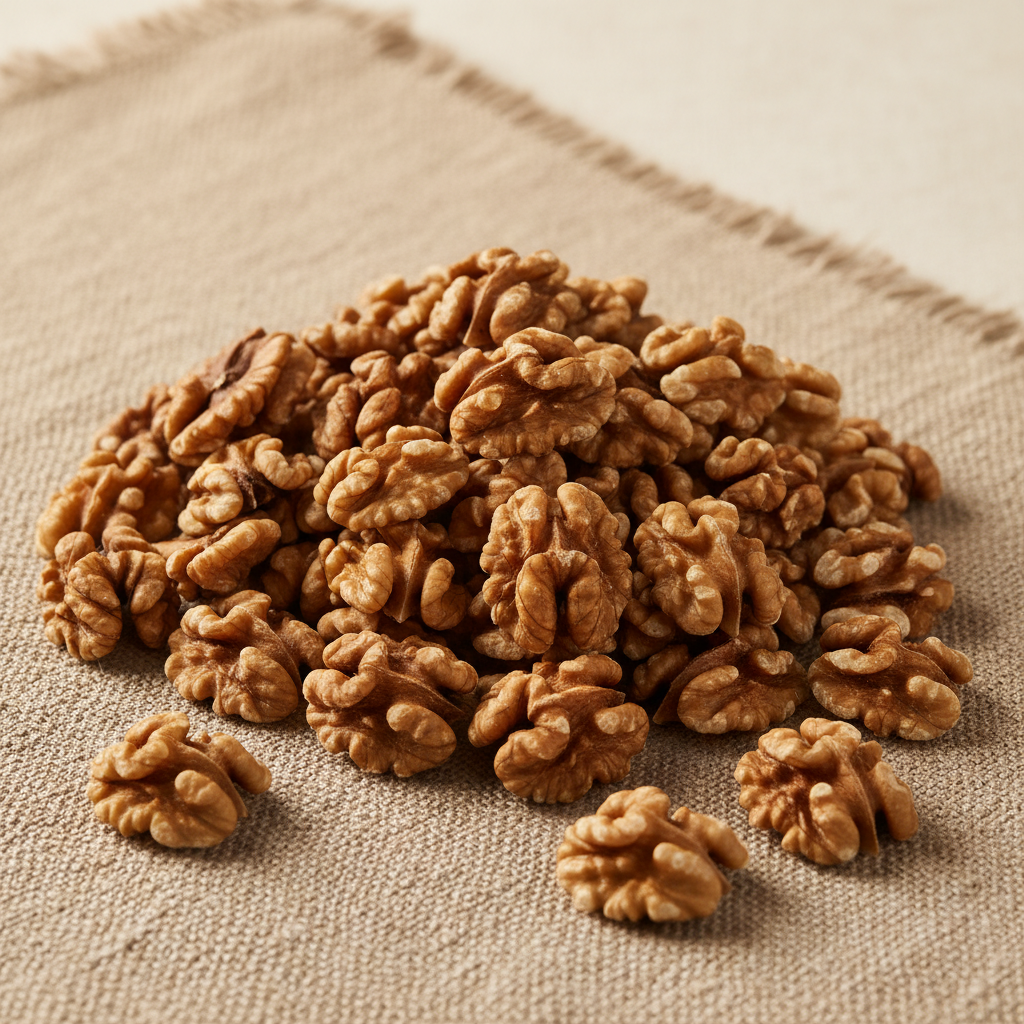
The Global Significance of Walnuts Bulk
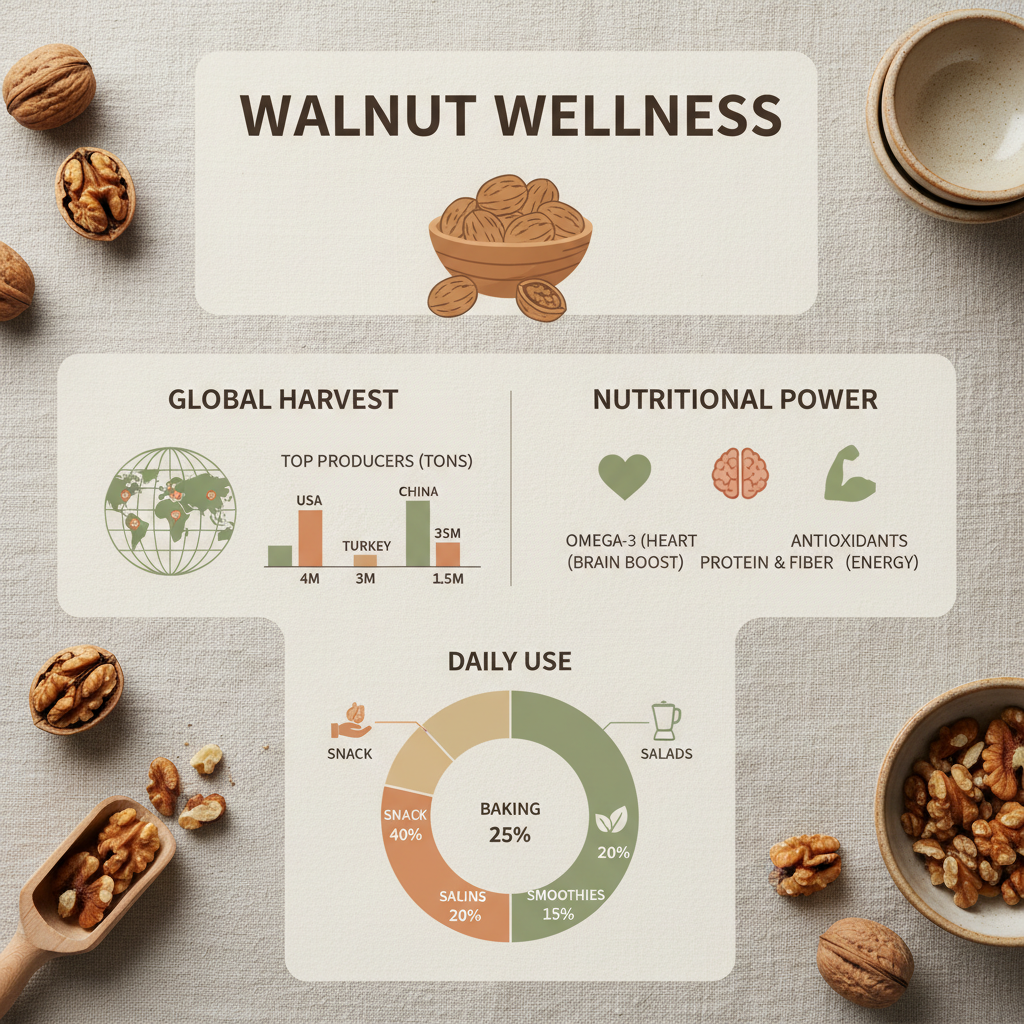
The global walnuts bulk market is a multi-billion dollar industry, with key producing regions concentrated in the United States, China, Turkey, and Iran. According to FAOSTAT data, global walnut production has increased by over 30% in the last decade, reflecting growing demand. This demand is fueled by increasing awareness of the health benefits associated with walnuts, including their high omega-3 fatty acid content and antioxidant properties. Procuring walnuts bulk requires a nuanced understanding of these geographical factors and market dynamics.
A significant challenge within the industry is maintaining consistent quality and traceability. The complex supply chains involved in getting walnuts bulk from farm to factory create opportunities for adulteration or quality degradation. Organizations like the International Nut and Dried Fruit Foundation (INC) are working to establish industry standards, but due diligence on the part of the buyer remains critical.
FAQS
When sourcing walnuts bulk, it’s crucial to assess parameters such as moisture content (typically below 8%), the presence of aflatoxins (regulated by international standards), kernel color, size, and the percentage of broken or damaged kernels. Effective quality control starts with a clear understanding of these specifications and implementing a robust testing process. Proper storage is also vital to maintain quality after receiving walnuts bulk.
Ensuring traceability requires working with suppliers who can provide detailed information about the origin of the walnuts, including the farm, harvest date, and processing facilities involved. Increasingly, companies are adopting blockchain technology to create an immutable record of the entire supply chain, enhancing transparency and accountability. Regular audits of supplier facilities are also essential.
Walnuts bulk should be stored in a cool, dry, and well-ventilated area, away from direct sunlight and strong odors. Ideal storage temperatures are between 32°F and 40°F (0°C and 4°C). Proper ventilation prevents moisture buildup and the growth of mold. Long-term storage may require controlled atmosphere storage to extend shelf life and maintain quality.
Walnuts bulk are typically packaged in large burlap sacks, polypropylene woven bags, or wooden crates. The choice of packaging depends on the quantity, shipping method, and storage conditions. Vacuum packaging or modified atmosphere packaging (MAP) can be used to extend shelf life and preserve freshness. Sustainable packaging options are also gaining popularity.
Climate change poses a significant threat to walnut production due to increased frequency of extreme weather events such as droughts, heat waves, and frost. These events can reduce yields, damage crops, and disrupt supply chains. Diversifying sourcing regions and investing in climate-resilient farming practices are essential for mitigating these risks and securing a reliable supply of walnuts bulk.
Relevant certifications include organic certification (USDA Organic, EU Organic), fair trade certification, and food safety certifications (HACCP, BRC). These certifications demonstrate a commitment to sustainable practices, ethical sourcing, and food safety standards. Confirming the validity of these certifications with the issuing body is recommended.
Conclusion
In conclusion, the strategic procurement of walnuts bulk is critical for businesses across numerous industries. A deep understanding of sourcing, quality control, logistical considerations, and emerging trends is vital for ensuring a consistent supply of this valuable ingredient. Prioritizing sustainability, traceability, and strong supplier relationships is not merely a best practice, but a necessity for long-term success.
Looking ahead, embracing innovative technologies like blockchain and investing in climate-resilient farming practices will be crucial for navigating the challenges of a rapidly changing global landscape. By proactively addressing these issues and forging collaborative partnerships, businesses can unlock the full potential of walnuts bulk, ensuring a secure and sustainable supply for generations to come. Visit our website to learn more: www.luhuawalnut.com
Related Posts
-

Comprehensive Guide to Walnuts in Shell Wholesale Market Trends and Global Supply
-

Exploring the Versatility and Reliability of Bulk Raw Walnuts for Diverse Applications
-
Understanding Walnut Kernels Wholesale Price Trends and Market Dynamics
-
Secure Your Supply with a Premier Walnut Halves Supplier for Quality and Reliability