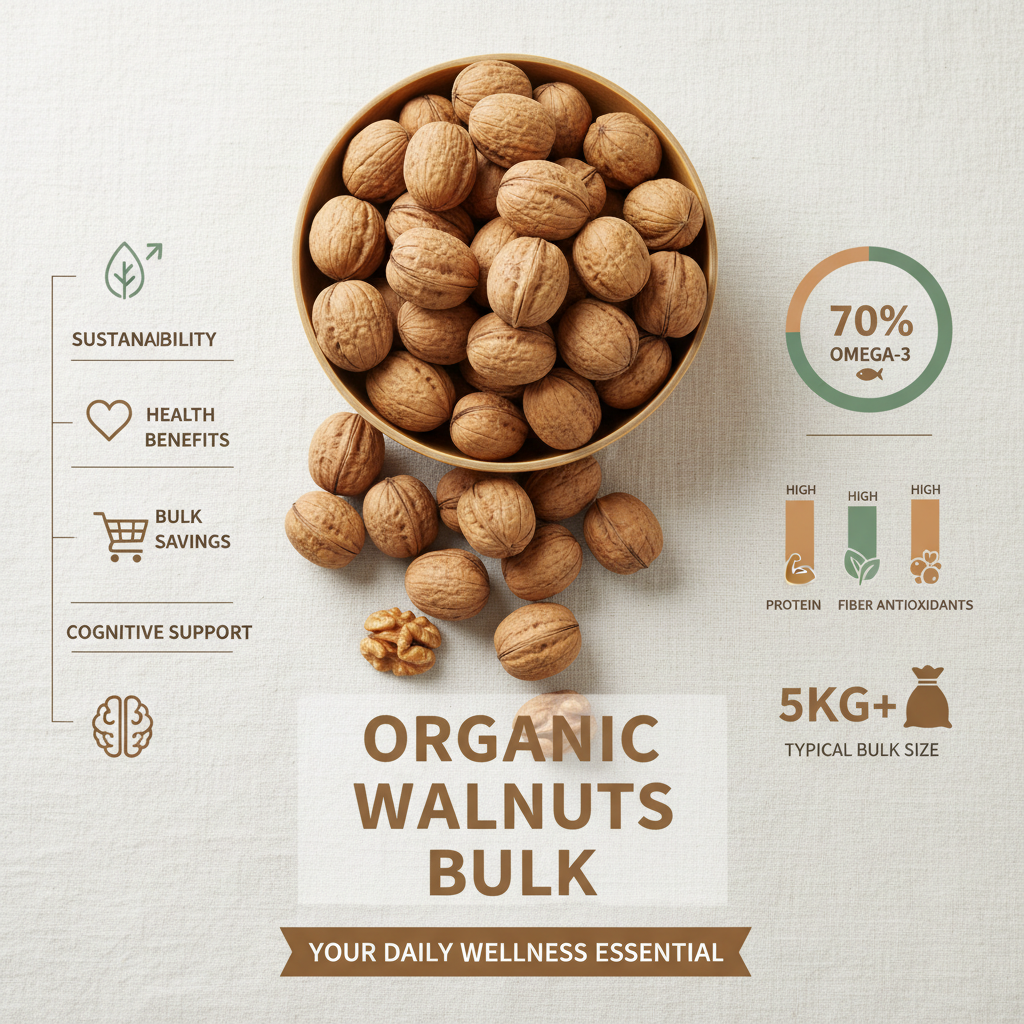
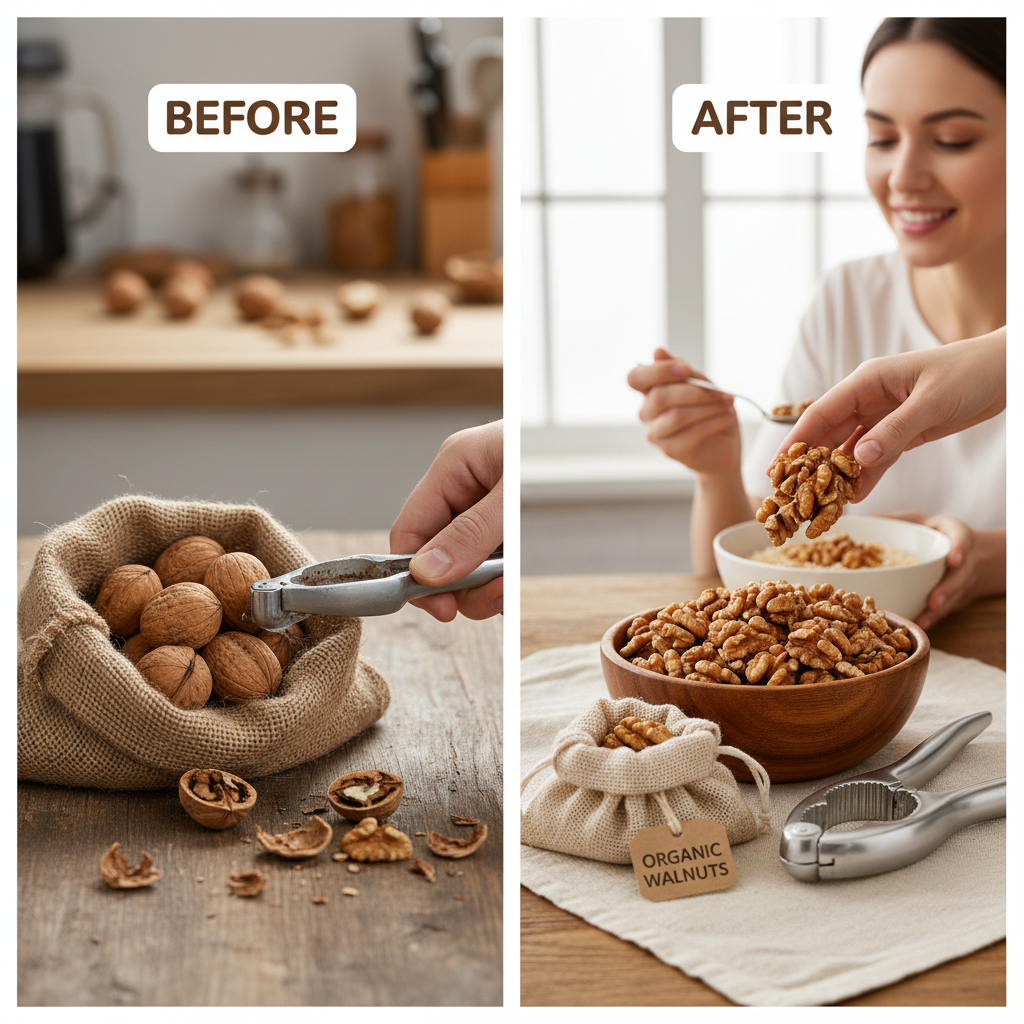
Organic walnuts bulk – it’s more than just a health food trend, it’s a logistical puzzle, a quality control headache, and a surprisingly impactful part of global trade. I've spent years on construction sites, dealing with concrete, steel, and timber, and honestly, handling large quantities of organic walnuts has some similar challenges. You need to know your supply chain, you need to know your storage, and you need to trust the people involved. The demand is growing, driven by health-conscious consumers and increasing awareness of sustainable agriculture, but that growth is only possible with efficient and reliable bulk handling. We’re seeing everything from small-scale farms collaborating to meet demand to large agricultural companies streamlining their processes.
The biggest issue I see is maintaining organic integrity at scale. It's easy to say "organic," but proving it, tracing it back to the source, and preventing contamination during storage and transport - that's where the real work begins. And it’s not just about the walnuts themselves; it's about the packaging, the palletizing, the temperature control during shipping, and ensuring everything adheres to strict organic standards. It's not just about selling a product; it's about selling a promise of quality and sustainability.
The market for organic walnuts bulk isn’t just about direct-to-consumer sales anymore. A huge driver is the food manufacturing industry, snack producers, bakeries, and even cosmetic companies. They need consistent quality and reliable supply. That means standardized grading, transparent sourcing, and a commitment to building long-term relationships with suppliers. This is where understanding the nuances of organic certification and global trade regulations becomes absolutely critical.
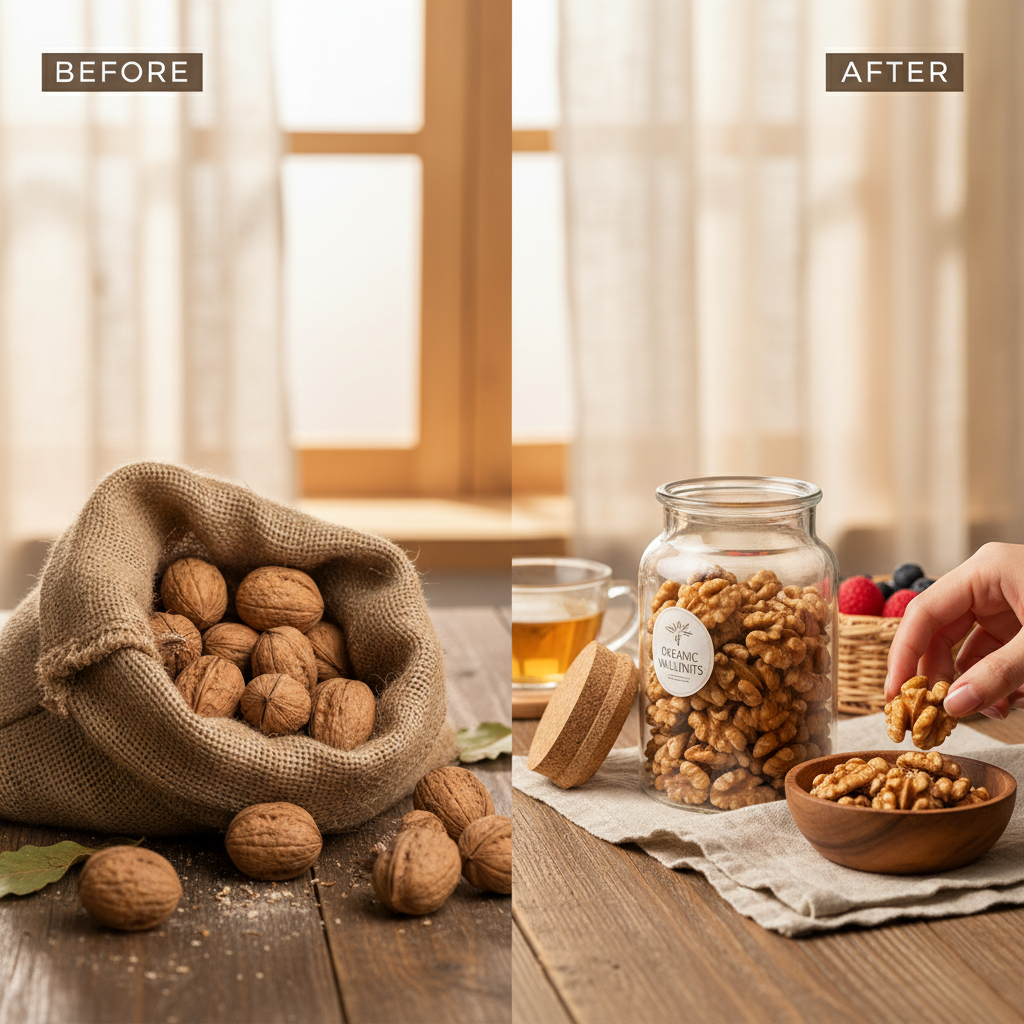
The rise in demand for organic walnuts bulk isn’t just a food fad; it's a reflection of broader consumer trends toward health, sustainability, and ethical sourcing. Globally, the organic food market is booming, with walnuts being a key driver due to their nutritional benefits. According to recent reports from the USDA, organic walnut acreage continues to expand, but meeting the escalating demand requires efficient bulk handling and distribution networks. It’s a challenge because organic farming practices often result in lower yields compared to conventional methods, making consistent supply a major concern.
From my perspective, spending time on farms and in processing facilities, the biggest impact isn’t just about getting the walnuts to the customer, it’s about ensuring traceability and maintaining the integrity of the organic certification throughout the entire process. We’re talking about meticulous record-keeping, strict adherence to organic standards, and robust quality control measures at every stage.
Organic walnuts bulk refers to the wholesale supply of walnuts that have been grown and processed according to certified organic agricultural standards. These standards, typically defined by bodies like the USDA National Organic Program or the EU organic regulations, prohibit the use of synthetic pesticides, herbicides, and fertilizers. Crucially, it extends beyond just the farming practices; it encompasses the entire supply chain, including processing, handling, and storage.
What separates true “bulk” organic walnuts from smaller packaged quantities is the sheer scale. We’re talking about tons at a time, often delivered in large containers or super sacks. This necessitates specialized handling equipment, storage facilities with strict temperature and humidity control, and a robust logistics network. The challenge isn’t just having the organic walnuts, it’s getting them to the manufacturer or distributor without compromising their organic status.
This isn't just relevant to the food industry. We're seeing organic walnut shell granules used in abrasive blasting for eco-friendly cleaning, organic walnut oil for cosmetics, and even organic walnut meal as a sustainable animal feed ingredient. This expanding range of applications underlines the importance of reliable organic walnuts bulk supply.
Several key factors underpin a successful organic walnuts bulk supply chain. First, sourcing is paramount. You need to work with certified organic growers who prioritize soil health, water conservation, and biodiversity. Second, processing must be conducted in facilities that are dedicated to organic handling and prevent cross-contamination with non-organic products. This means separate equipment, thorough cleaning protocols, and diligent record-keeping.
Third, storage is critical. Walnuts are susceptible to spoilage and insect infestation, so controlled temperature and humidity are essential. Fourth, transportation needs to maintain the integrity of the organic certification – ensuring that containers are clean, sealed, and transported in a manner that prevents contamination. Finally, traceability systems are non-negotiable. You need to be able to track each batch of walnuts back to its origin, verifying the organic status at every step.
I've seen too many shipments rejected because of inadequate documentation or compromised storage conditions. The cost of a recall due to non-compliance can be devastating. It's far better to invest in robust systems upfront than to deal with the consequences of a breach in organic integrity.
The applications of organic walnuts bulk are surprisingly diverse. The largest market segment remains the food industry, with significant demand coming from snack food manufacturers, bakeries (walnut breads and pastries are hugely popular), and health food companies producing granola, trail mixes, and vegan alternatives. North America and Europe are currently the largest consumers, but demand is growing rapidly in Asia, particularly in China and Japan.
Beyond food, we’re seeing increasing use of organic walnut shells as an eco-friendly abrasive for industrial cleaning, replacing traditional plastic-based media. This is driven by growing environmental regulations and a demand for sustainable cleaning solutions. Organic walnut oil is also a key ingredient in the cosmetics industry, valued for its moisturizing and antioxidant properties.
Interestingly, organic walnut meal is gaining traction as a sustainable animal feed ingredient, offering a high-protein, nutritious alternative to soy-based feeds. We're even seeing research into using walnut shells as a biofuel source. This diversification of applications helps to stabilize the market and reduce reliance on a single consumer base.
The benefits of opting for organic walnuts bulk extend beyond simply meeting consumer demand. From a sustainability perspective, organic farming practices promote soil health, reduce pesticide use, and support biodiversity. This resonates with increasingly environmentally conscious consumers and brands. Economically, while organic walnuts often command a premium price, the long-term benefits of soil health and reduced input costs can lead to greater farm profitability.
From a logistical standpoint, working with reputable organic walnut suppliers who offer bulk quantities can streamline your supply chain and reduce costs. Secure long-term contracts can guarantee consistent quality and reliable supply, essential for manufacturers with large-scale production needs. The trust and transparency built through strong supplier relationships are invaluable.
I anticipate several key trends shaping the future of the organic walnut industry. Precision agriculture, utilizing data analytics and sensor technology to optimize irrigation, fertilization, and pest control, will become increasingly prevalent. This allows farmers to maximize yields while minimizing environmental impact. Blockchain technology will also play a growing role in enhancing traceability and verifying organic certification.
We’ll also see continued innovation in packaging materials, with a shift toward biodegradable and compostable options. Consumers are demanding more sustainable packaging solutions, and walnut suppliers will need to adapt to meet those expectations. Finally, investment in research and development will be crucial to developing new walnut varieties that are more resilient to climate change and offer improved yields.
Automation within processing facilities will also ramp up, but the challenge will be maintaining organic integrity while increasing efficiency. It’s a delicate balance, but one that needs to be addressed to meet growing demand.
Despite the growth potential, the organic walnuts bulk sector faces several challenges. Maintaining organic integrity throughout the supply chain remains the biggest hurdle, particularly given the complexities of global trade. Climate change poses another threat, with increasing frequency of droughts, floods, and extreme temperatures impacting walnut yields.
One solution is to invest in climate-smart agriculture practices, such as drought-resistant rootstocks and water conservation technologies. Strengthening traceability systems through blockchain can enhance transparency and build consumer trust. Collaboration between growers, processors, and distributors is also critical to address these challenges collectively.
Furthermore, developing standardized organic certification protocols across different countries can streamline international trade and reduce the risk of non-compliance. It’s about creating a level playing field and ensuring that consumers worldwide have access to authentic, high-quality organic walnuts.
| Challenge | Impact Level (1-10) | Proposed Solution | Implementation Cost (Estimate) |
|---|---|---|---|
| Maintaining Organic Integrity | 9 | Blockchain Traceability | $50,000 - $150,000 |
| Climate Change Impacts | 8 | Climate-Smart Agriculture | $20,000 - $80,000 |
| Supply Chain Disruptions | 7 | Diversified Sourcing | $10,000 - $30,000 |
| Packaging Sustainability | 6 | Biodegradable Materials | $5,000 - $20,000 |
| Quality Control Consistency | 7 | Automated Inspection Systems | $30,000 - $100,000 |
| Harmonizing Organic Standards | 5 | Industry Collaboration | $10,000 - $50,000 |
The primary difference lies in the farming practices. Organic walnuts are grown without synthetic pesticides, herbicides, or fertilizers, relying instead on natural methods like composting, crop rotation, and biological pest control. This results in a product that's not only healthier for consumers but also more environmentally sustainable. Organic certification ensures adherence to strict standards throughout the entire process, from farm to table. This includes detailed record-keeping and independent audits.
Properly stored, bulk organic walnuts can maintain good quality for up to 12-18 months. The key is to keep them in a cool, dry, and dark environment – ideally between 32-40°F (0-4°C). Humidity control is also crucial, aiming for around 65-70%. Vacuum sealing or modified atmosphere packaging can further extend shelf life by reducing oxygen exposure. Regular monitoring for signs of rancidity or insect infestation is recommended.
The most important certifications are USDA Organic (for US markets) and EU Organic (for European markets). These certifications verify that the walnuts have been grown and processed according to strict organic standards. Look for certifications from reputable accreditation bodies like CCOF, QAI, or Oregon Tilth. Additionally, certifications like Global G.A.P. can demonstrate adherence to good agricultural practices and food safety standards.
Lead times can vary significantly depending on the quantity, origin, and seasonality. Generally, expect a minimum of 4-8 weeks for a standard bulk order. During peak harvest season (fall), lead times may be shorter. For custom orders or specific walnut varieties, longer lead times may be required. It's always best to plan well in advance and communicate your needs to your supplier as early as possible.
Common packaging options include multi-wall paper bags, polypropylene woven bags, and flexible intermediate bulk containers (FIBCs) – also known as “tote bags”. We’re also seeing a growing demand for more sustainable packaging materials, such as biodegradable or compostable bags. The choice of packaging depends on the quantity, storage conditions, and transportation requirements. Always ensure the packaging is food-grade and protects the walnuts from moisture, pests, and contamination.
Request copies of the supplier's organic certificates from a reputable accreditation body. Verify the certificate's validity on the accreditation body's website. Ask for detailed traceability information, including the origin of the walnuts and the processing history. Consider conducting an on-site audit of the supplier's facilities to ensure compliance with organic standards. Look for suppliers who are transparent and willing to provide documentation and answer your questions.
Organic walnuts bulk represent a significant opportunity for businesses looking to capitalize on the growing demand for healthy, sustainable, and ethically sourced food ingredients. However, success in this market requires a deep understanding of the complexities of organic certification, supply chain management, and quality control. From ensuring traceability to mitigating climate change impacts, the challenges are real, but the rewards – both economic and environmental – are substantial.
Looking ahead, investing in innovative technologies like blockchain and precision agriculture will be crucial for enhancing transparency and efficiency. Collaboration between growers, processors, and distributors will be essential to address the challenges collectively and unlock the full potential of the organic walnut industry. To learn more about sourcing high-quality organic walnuts bulk, visit our website: organic walnuts bulk.