0%

Table of Contents

Walnut halves bulk represent a significant component of the global nut and dried fruit trade, playing a crucial role in both direct consumption and as a valuable ingredient in various food industries. The demand for these halves is steadily increasing worldwide, driven by growing health consciousness and the recognition of walnuts as a superfood rich in omega-3 fatty acids, antioxidants, and essential minerals. Understanding the nuances of sourcing, processing, and distributing walnut halves bulk is essential for businesses seeking to capitalize on this expanding market.

The global walnut market is characterized by a complex interplay of production regions, import/export dynamics, and consumer preferences. Major producing countries include the United States, China, Turkey, and Iran, each contributing unique qualities and volumes to the global supply. Fluctuations in weather patterns, geopolitical factors, and trade agreements significantly impact the availability and pricing of walnut halves bulk, creating both opportunities and challenges for stakeholders across the supply chain.

Efficient management of walnut halves bulk logistics, adherence to stringent quality control standards, and a deep understanding of market trends are paramount for success in this competitive landscape. This comprehensive guide will explore the key aspects of walnut halves bulk, providing valuable insights for businesses involved in trading, processing, and utilizing this versatile and nutritious product.
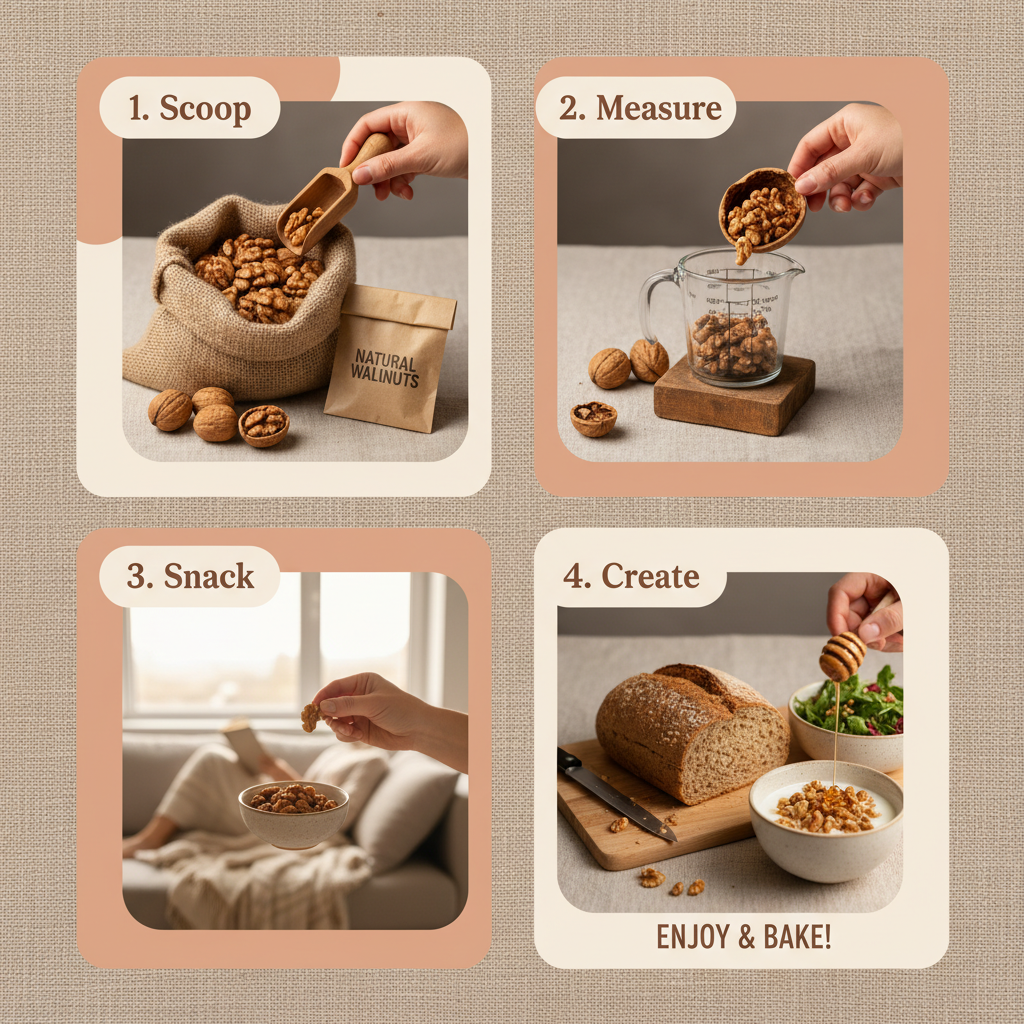
Exploring Walnut Halves Bulk Sourcing Trade and Market Trends

The Significance of Walnut Halves Bulk in Global Trade
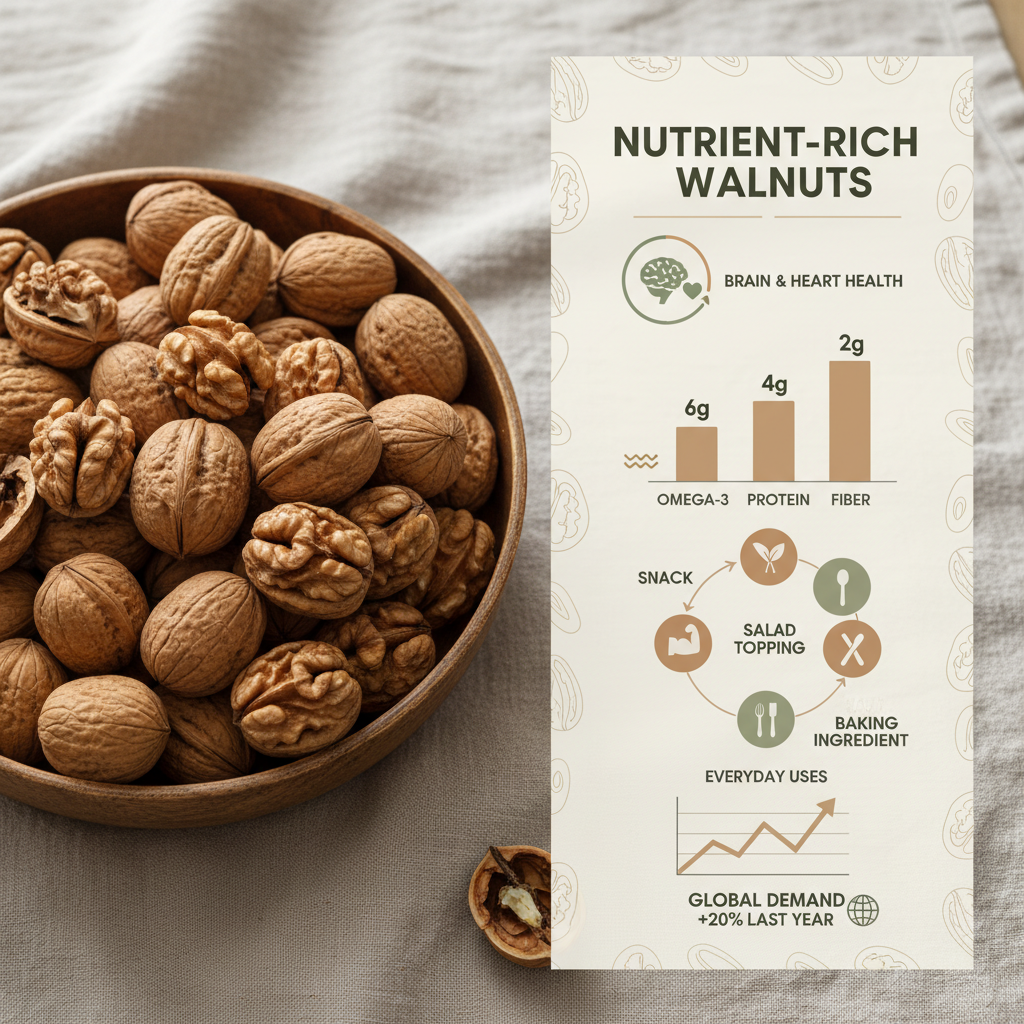
Exploring Walnut Halves Bulk Sourcing Trade and Market Trends

Walnut halves bulk contribute significantly to international trade, representing a substantial portion of the global nut market. According to the FAO, walnut production has been steadily increasing, with global output reaching approximately 2.0 million tonnes in 2022. This growth is driven by rising consumer demand, particularly in Asia and Europe, where walnuts are prized for their nutritional benefits and culinary versatility. The value of this trade is estimated to be billions of dollars annually, impacting economies from producers to processors.

The trade of walnut halves bulk is complex, involving multiple intermediaries and stringent quality control measures. Demand is strongly influenced by factors like harvest yields in key producing regions, fluctuating exchange rates, and transportation costs. Understanding these dynamics is critical for businesses engaged in the import and export of walnut halves bulk to effectively manage risk and capitalize on opportunities.

Defining Walnut Halves Bulk: Quality and Specifications

Walnut halves bulk refers to shelled walnuts that are broken into two pieces or more, sold in large quantities – typically measured in metric tons. These halves differ from walnut kernel pieces, which are smaller, fragmented portions. The quality of walnut halves bulk is assessed based on several criteria, including size, color, moisture content, and the absence of defects like rancidity or insect damage. International standards, such as those set by the USDA and ISO, define grading systems to ensure consistent quality across the supply chain.

Key specifications for walnut halves bulk often include parameters like kernel recovery rate (the percentage of kernel weight relative to the total in-shell weight), foreign matter content, and the percentage of broken or damaged halves. These specifications are crucial for determining the price and suitability of the product for different applications, ranging from direct consumption to industrial food processing.

Understanding the different grades and specifications is vital for buyers to ensure they are receiving a product that meets their specific requirements and quality expectations. This understanding also allows for informed price negotiations and reduces the risk of receiving substandard goods.

Key Factors Influencing Walnut Halves Bulk Pricing

The price of walnut halves bulk is influenced by a multitude of factors, starting with the annual harvest yield in major producing countries. Weather conditions, such as droughts, frosts, or excessive rainfall, can significantly impact crop size and, consequently, prices. Supply chain disruptions, including transportation bottlenecks and labor shortages, also contribute to price volatility.

Demand plays a crucial role, with increased consumption in emerging markets like China and India driving prices upward. Currency exchange rates between the producing countries and importing nations also exert a significant influence. The cost of processing, including shelling, drying, and sorting, adds to the final price. Furthermore, premiums are often applied for specific quality characteristics, such as large kernel size, light color, and low moisture content.

Market speculation and future contract trading can also introduce price fluctuations. Political and economic instability in producing regions can further complicate the pricing landscape. Accurate market intelligence and a thorough understanding of these factors are essential for making informed purchasing decisions regarding walnut halves bulk.

Global Applications and Market Segments for Walnut Halves Bulk

Walnut halves bulk find widespread application across diverse industries. The largest segment remains direct human consumption, with walnuts enjoyed as a healthy snack, added to salads, or incorporated into breakfast cereals. The growing health and wellness trend is driving increased demand in this sector.

Another significant market is the confectionery industry, where walnut halves bulk are used in chocolates, baked goods, and desserts. The food processing industry utilizes walnuts in various products, including sauces, pesto, and spreads. The cosmetic industry also benefits from walnut shells, used as a natural exfoliant.

Walnut Halves Bulk Market Share by Application


Advantages of Sourcing Walnut Halves Bulk Directly

Sourcing walnut halves bulk directly from producers or established wholesalers offers several advantages. This often translates to lower costs, as intermediaries are eliminated, leading to improved profit margins. Direct sourcing also provides greater control over quality, allowing buyers to establish specific requirements and monitor compliance throughout the process.

Building direct relationships with suppliers fosters trust and facilitates better communication, enabling efficient problem-solving and customized solutions. This direct access can also provide valuable market insights, helping buyers stay ahead of trends and anticipate price fluctuations.

Future Trends in the Walnut Halves Bulk Market

The walnut halves bulk market is poised for continued growth, driven by evolving consumer preferences and technological advancements. The demand for organic and sustainably sourced walnuts is expected to rise significantly, as consumers become more conscious of environmental and ethical considerations.

Innovations in processing and packaging technologies are likely to improve efficiency, reduce waste, and extend shelf life. The adoption of blockchain technology could enhance traceability and transparency throughout the supply chain. Furthermore, the development of new walnut-based food products and applications will contribute to market expansion.

Personalized nutrition and the growing interest in plant-based diets will also fuel demand for walnuts. The market is expected to see a greater focus on value-added products, such as pre-portioned snack packs and flavored walnut halves.

Challenges and Solutions in Walnut Halves Bulk Supply Chains

Walnut halves bulk supply chains face several challenges, including climate change-related risks to production, logistical complexities, and maintaining consistent quality. Climate variability, such as prolonged droughts or unseasonal frosts, can significantly impact harvest yields, leading to price volatility and supply shortages.

Transportation costs and potential delays can also disrupt the supply chain, particularly for long-distance shipments. Maintaining consistent quality throughout the entire process, from harvest to delivery, requires rigorous quality control measures and adherence to industry standards.

Solutions include investing in climate-resilient farming practices, diversifying sourcing regions, and implementing advanced supply chain management systems. Utilizing technologies like blockchain can enhance traceability and transparency, while collaborative partnerships between producers, processors, and distributors can improve efficiency and resilience.

Summary of Challenges and Solutions in Walnut Halves Bulk Supply Chains

Challenge Impact on Walnut Halves Bulk Proposed Solution Implementation Cost (1-10)
Climate Change Reduced yields, increased price volatility Climate-resilient farming techniques 7
Logistical Disruptions Delivery delays, increased transport costs Diversified transport options, improved route planning 5
Quality Control Issues Substandard product, customer dissatisfaction Enhanced quality inspection protocols 6
Supply Chain Transparency Difficulty tracking product origin, potential for fraud Blockchain implementation 8
Market Price Fluctuations Reduced profit margins, difficulty forecasting Forward contracts, hedging strategies 4
Lack of Supplier Collaboration Inefficient communication, missed opportunities Establishment of strategic partnerships 3

FAQS

What is the typical shelf life of walnut halves bulk, and how should they be stored?

Properly stored, walnut halves bulk can maintain optimal quality for up to 12 months. It’s crucial to keep them in a cool, dry, and dark location, ideally between 60-70°F (15-21°C). Exposure to heat, light, and moisture can cause rancidity. Storing them in airtight containers or vacuum-sealed bags is recommended to prevent oxidation and preserve freshness. Regularly monitoring for any signs of mold or off-odors is also advisable.

What are the key quality indicators to look for when purchasing walnut halves bulk?

When assessing walnut halves bulk, prioritize several quality factors. Kernel color should be light and uniform. Moisture content should be between 6-8% to prevent mold growth. Check for the absence of insect damage, shell fragments, or foreign matter. Evaluate the size and shape of the halves, and ensure they exhibit a fresh, characteristic walnut aroma. A low percentage of damaged or broken pieces also indicates high quality.

How does the origin of walnut halves bulk affect their flavor and quality?

The origin of walnuts significantly influences their flavor profile and quality characteristics. California walnuts are known for their mild, delicate flavor and consistent quality. Walnuts from Turkey often possess a slightly bolder taste and can vary in size. Chilean walnuts tend to be darker in color. Soil conditions, climate, and cultivation practices all contribute to these differences. Understanding the origin is essential for selecting walnuts that align with specific culinary applications.

What are the common packaging options for walnut halves bulk shipments?

Walnut halves bulk are typically packaged in a variety of options depending on the quantity and transportation needs. Common packaging includes multi-wall paper bags (typically 25kg or 50kg), woven polypropylene bags, or vacuum-sealed bags. For larger shipments, these bags are often palletized and shrink-wrapped to ensure stability during transit. The packaging material should be food-grade and protect the walnuts from moisture, light, and contamination.

What import/export regulations should be considered when trading walnut halves bulk internationally?

International trade of walnut halves bulk is subject to various import/export regulations. These include phytosanitary certificates to ensure the product is free from pests and diseases, adherence to food safety standards (such as HACCP), and compliance with labeling requirements. Import duties and tariffs may also apply, varying depending on the destination country. It's crucial to consult with customs brokers and regulatory experts to ensure full compliance with all applicable regulations.

Are there sustainable sourcing options available for walnut halves bulk?

Yes, increasingly, sustainable sourcing options are available for walnut halves bulk. Look for suppliers who practice responsible farming methods, such as water conservation, integrated pest management, and soil health management. Certifications like Organic and Fair Trade can provide assurance of sustainable practices. Supporting suppliers committed to environmental stewardship and social responsibility contributes to a more sustainable walnut industry.

Conclusion

Walnut halves bulk represent a vital component of the global food and nutrition landscape, offering both culinary versatility and significant health benefits. Understanding the intricacies of sourcing, quality control, and market dynamics is essential for businesses seeking to succeed in this competitive sector. From navigating supply chain challenges to anticipating future trends, proactive engagement and informed decision-making are key to maximizing opportunities.

The future of the walnut halves bulk market hinges on embracing sustainable practices, leveraging technological innovations, and fostering collaborative partnerships. By prioritizing quality, transparency, and responsible sourcing, stakeholders can ensure the continued growth and prosperity of this valuable commodity. Visit our website at walnut halves bulk to learn more about our products and services.

Brian Wilson

Brian Wilson

Brian Wilson is the Production Manager at Luhua Walnut's Hebei facility. He’s a seasoned operations professional with over 20 years of experience in food processing. Brian leads a team of over 500 workers, overseeing the entire production process from raw walnut intake to final product packaging. He focuses on optimizing
Previous Optimizing Walnuts Bulk Sourcing for Global Food and Industrial Needs
Next Navigating the Complexities of Organic Walnuts Bulk Supply and Global Trade