0%

Table of Contents

Walnut kernels represent one of the most nutrient-dense components of the global agricultural trade, serving as a cornerstone for both the health-food industry and gourmet culinary applications. As the edible heart of the walnut fruit, these kernels are prized for their rich concentration of omega-3 fatty acids, antioxidants, and essential minerals, making them a vital commodity in the transition toward plant-based diets worldwide.

The global demand for high-quality walnut kernels has surged as consumers become more aware of the link between dietary fats and cardiovascular health. From industrial bakery chains to organic health stores, the ability to source consistent, clean, and flavorful kernels is a primary challenge for procurement managers who must balance cost-efficiency with stringent food safety standards.

Understanding the complexities of walnut kernel processing—from the precision of the cracking phase to the nuances of vacuum packaging—is essential for ensuring product longevity and flavor retention. By focusing on the intersection of traditional harvesting and modern agricultural technology, the industry can provide a sustainable supply of this powerhouse superfood to an ever-growing global population.

Premium Walnut Kernels Industrial Guide and Global Market Trends

Global Industry Context of Walnut Kernels

Premium Walnut Kernels Industrial Guide and Global Market Trends

The international market for walnut kernels is characterized by a complex supply chain that spans from the orchards of California and Chile to the processing hubs of China. According to trade data, the shift toward "ready-to-eat" formats has driven the demand for shelled kernels over in-shell walnuts, as modern consumers prioritize convenience and speed in their nutritional intake.

However, this growth brings significant logistical hurdles, particularly regarding the prevention of oxidation. Because the kernels contain high levels of unsaturated fats, they are susceptible to rancidity if not handled with precision, requiring a sophisticated cold-chain infrastructure to maintain the sensory properties expected by high-end markets.

Definition and Industrial Significance

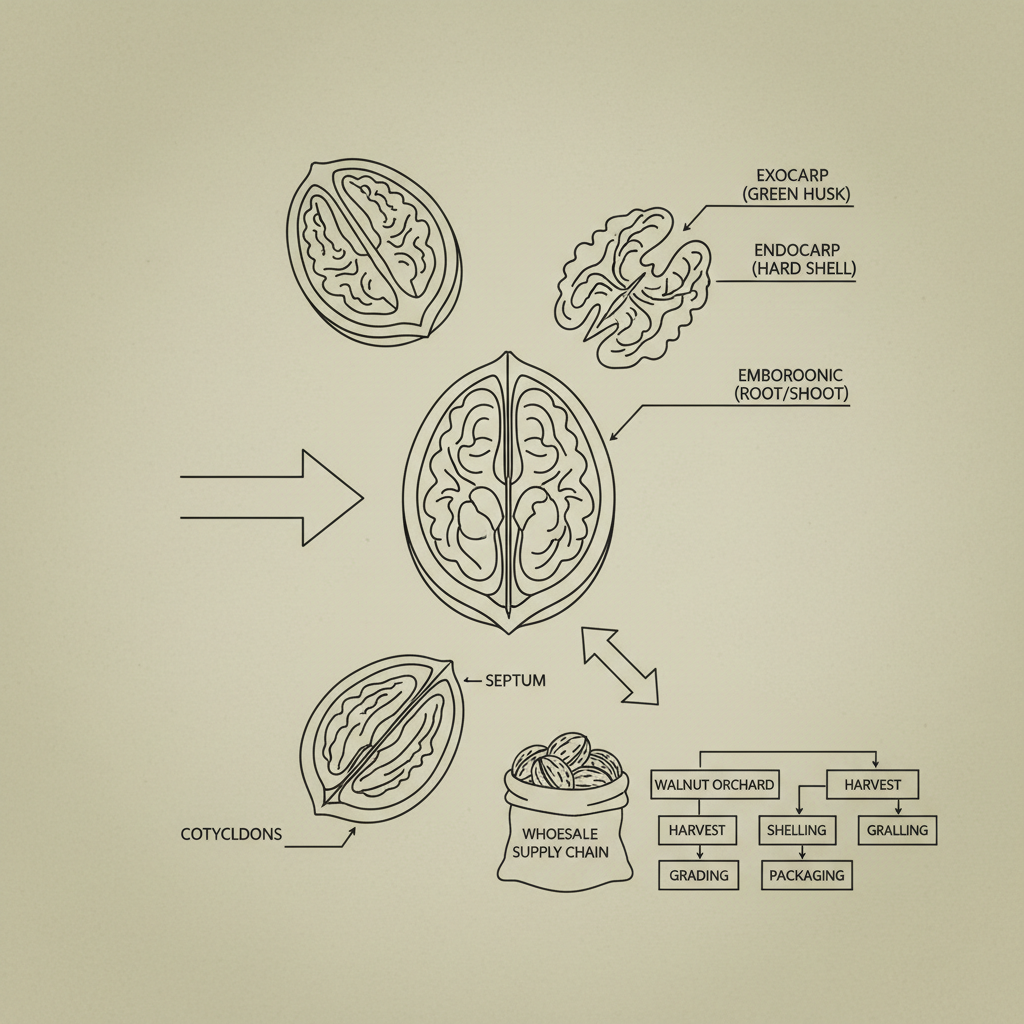
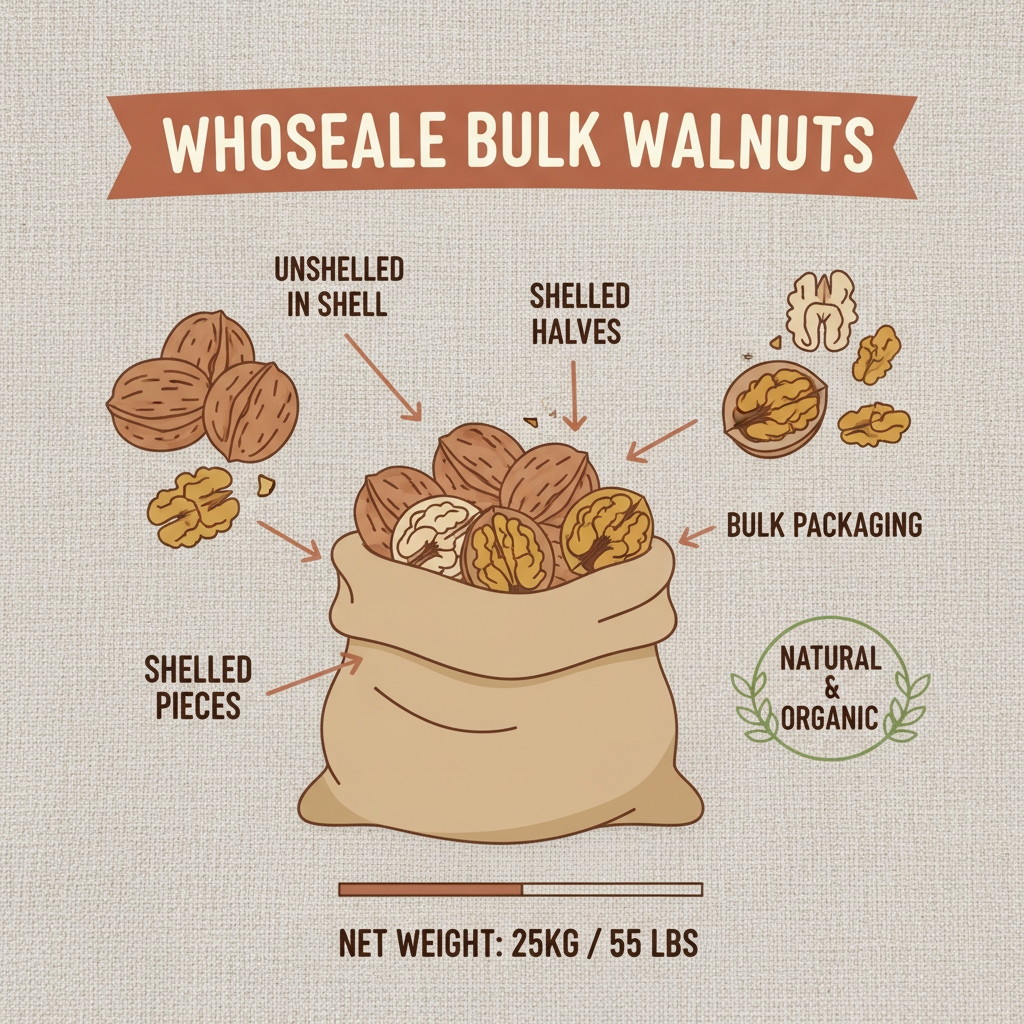
In technical terms, walnut kernels are the seed embryos of the Juglans regia tree, extracted from the hard woody endocarp. Unlike whole walnuts, the kernels are the pure, edible portion, categorized by their appearance (halves, pieces, or powder) and their color (light, extra-light, or amber), which dictates their commercial value in the food processing sector.

From an industrial perspective, the production of walnut kernels is a critical link in the agricultural value chain. It transforms a raw farm product into a versatile ingredient capable of being integrated into pharmaceuticals, cosmetics (via walnut oil), and a vast array of food products, thereby increasing the economic yield per acre of walnut groves.

Furthermore, the significance of these kernels extends to humanitarian and nutritional security. As a dense source of energy and essential fats, they provide a high-calorie, shelf-stable nutrition source that is increasingly utilized in fortified food programs in regions struggling with protein deficiency.

Core Factors of Kernel Quality

The first critical factor in assessing walnut kernels is "Color Uniformity." In the commercial market, "Extra Light" kernels command the highest premium because they are visually appealing in confectionery and bakery products, indicating a precise drying and curing process during the initial harvest.

"Texture and Integrity" serve as the second pillar of quality. The industry distinguishes between "Halves" and "Pieces"; intact halves are required for premium snacking and decorative plating, while fragments are redirected toward grinding into nut butters or flour, ensuring that no part of the harvest is wasted.

Lastly, "Oxidative Stability" is the most technical component. The peroxide value of the kernels must be kept low through controlled storage temperatures and nitrogen-flushing techniques, as any rise in oxidation leads to the bitter taste of rancidity, rendering the product unsellable in the premium export market.

Global Applications and Use Cases

The versatility of walnut kernels allows them to penetrate diverse market segments. In Europe and North America, they are staples in the "Healthy Snacking" category, often paired with dried fruits like raisins or red dates to create balanced energy mixes. In the industrial baking sector, they provide the essential "crunch" and earthy flavor profile for premium cakes and artisanal breads.

Beyond the kitchen, these kernels are utilized in specialized industrial zones for the extraction of high-purity oils used in organic skincare. In some pharmaceutical applications, the omega-3 components of the kernels are isolated to create supplements that support cognitive function and reduce inflammation in elderly populations.

Industrial Performance of Various Walnut Kernel Grades


Long-Term Value and Sustainability

The investment in high-quality walnut kernels offers significant long-term value through the lens of sustainability. Walnut trees are perennial crops that contribute to carbon sequestration, and the processing of kernels has evolved to include "zero-waste" initiatives, where the shells are repurposed as organic mulch or biomass fuel.

From a social impact perspective, the stability of the kernel market provides consistent livelihoods for thousands of farmers across varying geographic regions. By prioritizing fair trade and sustainable farming practices, the industry ensures that the production of these kernels supports both the ecological health of the land and the economic dignity of the growers.

Future Trends and Technical Innovations

The future of the walnut kernels industry is being shaped by the digital transformation of the supply chain. Blockchain technology is now being integrated to provide "Farm-to-Table" traceability, allowing consumers to scan a QR code and see the exact orchard and harvest date of their kernels, thereby enhancing trust and transparency.

Automation is also revolutionizing the cracking and sorting process. AI-driven optical sorters can now detect minute blemishes or mold on a single kernel in milliseconds, ensuring that only the highest grade of product reaches the final packaging stage. This reduces human error and significantly increases the throughput of processing plants.

Moreover, green packaging innovations, such as biodegradable vacuum seals, are reducing the plastic footprint of the industry. These new materials maintain the oxygen barrier necessary to keep the kernels fresh while aligning with the global push toward a circular economy.

Challenges and Expert Solutions

One of the most persistent challenges in the production of walnut kernels is the management of aflatoxins and other fungal contaminants. These occur naturally in humid environments and can pose serious health risks if not monitored. The expert solution involves the implementation of strict moisture control during the drying phase and the use of rapid-test ELISA kits for batch screening.

Another hurdle is the volatility of global prices due to climate change, which affects crop yields. To mitigate this, industry leaders are adopting "Precision Agriculture," using satellite imagery and soil sensors to optimize irrigation and fertilization, ensuring a more stable and predictable harvest regardless of weather fluctuations.

Finally, the "bitterness" associated with some kernel varieties can be a deterrent for certain consumer segments. Through selective breeding and optimized curing processes, processors are now able to produce kernels with a creamier, milder flavor profile that appeals to a wider global audience.

Comparative Analysis of Walnut Kernel Processing Standards

Processing Metric Standard Grade Premium Grade Impact on Value
Color Profile Amber/Brown Extra Light High (+20% Price)
Kernel Shape Mixed Pieces Whole Halves Very High
Moisture Content 4% - 6% 3% - 4% Shelf-life Extension
Purity Level 98% Pure 99.9% Pure Safety Compliance
Oxidation Rate Moderate Ultra-Low Flavor Retention
Certification Basic ISO Organic/FairTrade Market Expansion

FAQS

What is the difference between walnut kernels and whole walnuts?

Walnut kernels are the edible seeds that have been removed from the hard outer shell. While whole walnuts are often preferred for long-term storage (as the shell acts as a natural protector), kernels are preferred for immediate consumption and industrial use because they are ready to eat and easier to transport in bulk without the weight of the shells.

How should walnut kernels be stored to prevent rancidity?

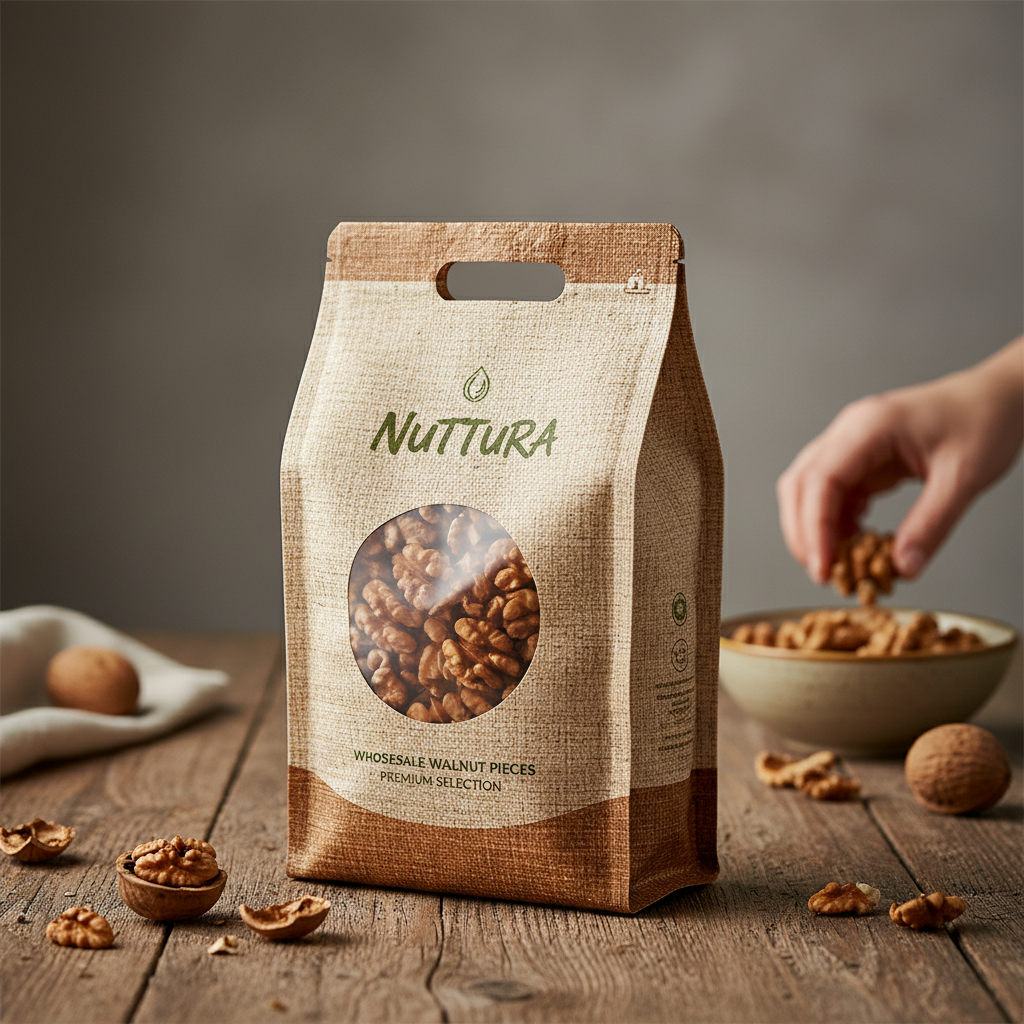
To maintain freshness, walnut kernels should be stored in airtight containers in a cool, dark place. For long-term preservation, refrigeration or freezing is highly recommended, as the low temperatures slow down the oxidation of the unsaturated fats. Vacuum packaging with nitrogen flushing is the professional industrial standard for extending shelf life.

What are "Extra Light" walnut kernels?

"Extra Light" refers to the color grade of the kernels. They have a pale, creamy appearance, which is achieved through specific growing conditions and careful curing. These are highly sought after in the confectionery and bakery industries because they do not discolor the final product and are often perceived as having a milder, sweeter taste.

Are walnut kernels suitable for all dietary needs?

Yes, walnut kernels are naturally vegan, gluten-free, and keto-friendly. They are an excellent source of plant-based protein and Omega-3 fatty acids. However, as they are tree nuts, they are not suitable for individuals with nut allergies. Always check for certification labels if you require organic or non-GMO options.

How can I verify the quality of a bulk shipment of kernels?

Quality verification should involve a three-step process: first, a visual inspection for color uniformity and percentage of halves versus pieces; second, an olfactory test to ensure there is no rancid smell; and third, a laboratory analysis of the peroxide value and moisture content to ensure they meet international food safety standards.

Why are walnut kernels more expensive than other nut kernels?

The price is driven by the labor-intensive nature of the harvesting and shelling process, as well as the high nutritional value of the product. Additionally, the strict climate requirements for growing premium walnuts and the necessity for cold-chain logistics to prevent spoilage add to the overall cost compared to more stable nuts.

Conclusion

In summary, walnut kernels are much more than a simple snack; they are a sophisticated agricultural product that bridges the gap between traditional farming and modern health science. From the critical importance of color grading and oxidative stability to the implementation of AI-driven sorting and blockchain traceability, the industry is constantly evolving to meet the highest standards of quality and sustainability.

Looking forward, the continued integration of precision agriculture and green packaging will ensure that the global supply of walnut kernels remains resilient against climate challenges. For businesses and consumers alike, investing in premium, ethically sourced kernels is not only a choice for better health but a commitment to a more sustainable and transparent food system. Visit our website: www.luhuawalnut.com

Michael Thompson

Michael Thompson

Michael Thompson is Luhua Walnut’s Quality Control Supervisor. With a background in food science and a meticulous attention to detail, Michael oversees all quality assurance processes, from shell breaking to final packaging. He ensures that every batch of walnut kernels meets Luhua's stringent quality standards and BRC certifications. Michael is
Previous Premium Nature Walnut Nut Processing
Next Exploring the Essential Benefits of Walnuts Health and Wellness