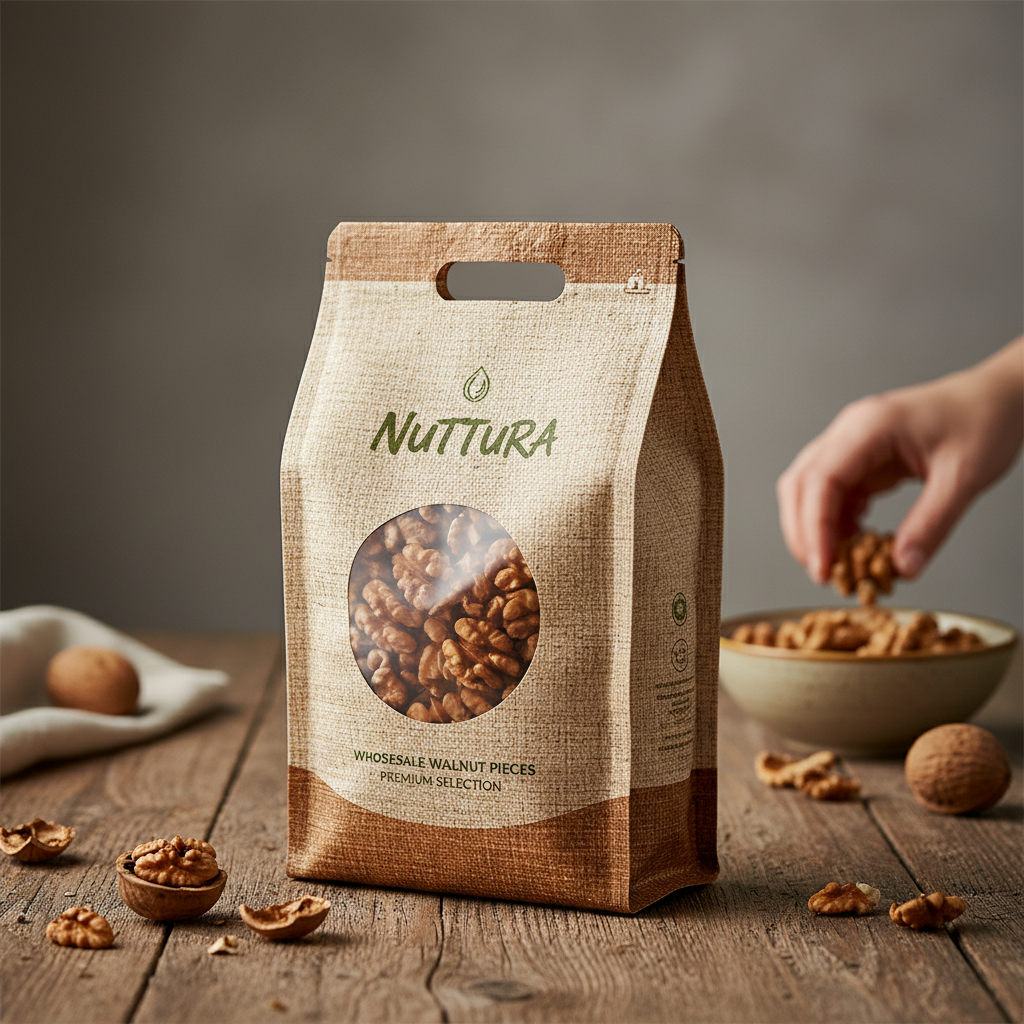
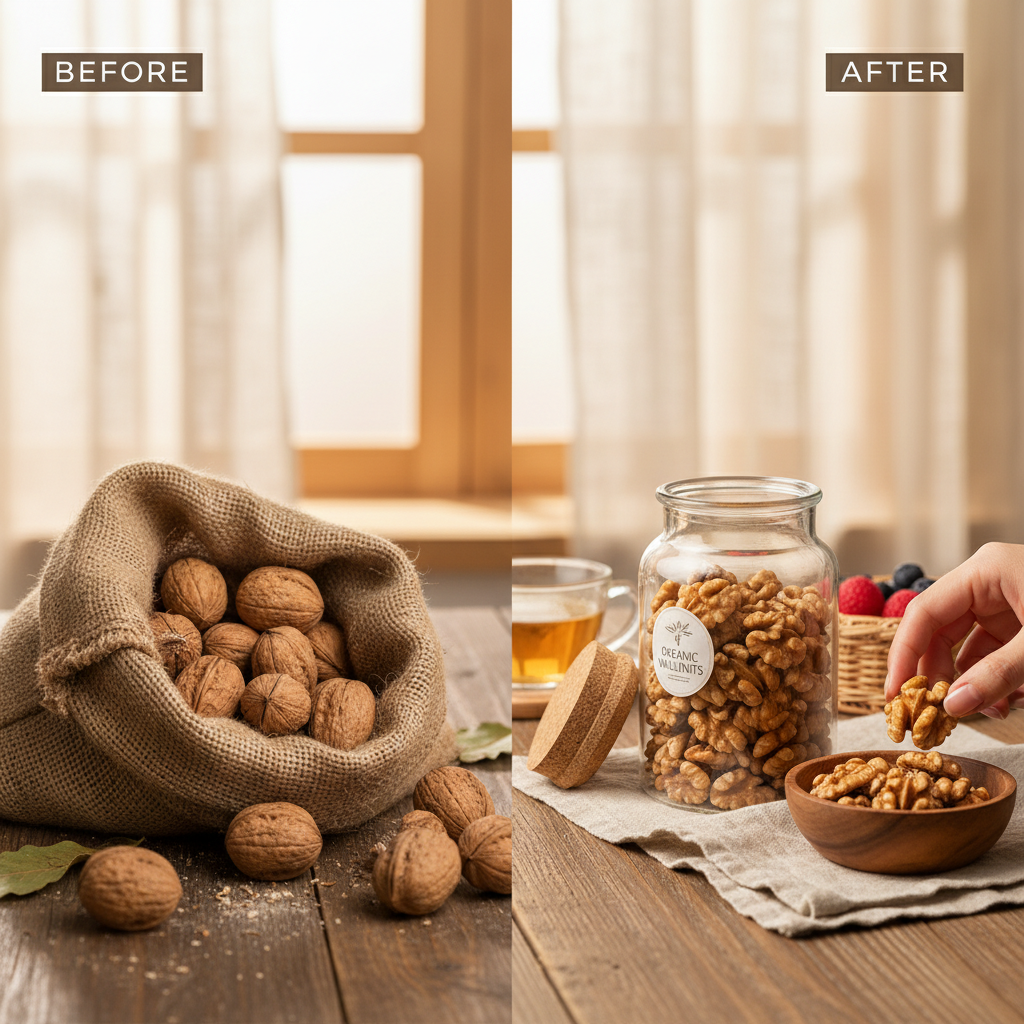
The global demand for nutrient-dense superfoods has propelled the nut industry into a new era of precision and quality. Among these, walnuts stand out as a powerhouse of omega-3 fatty acids and antioxidants, making them a staple for health-conscious consumers worldwide. Understanding the nuances of sourcing and processing is essential for businesses and consumers who seek the highest standards of purity and taste.
From the fertile regions of Xinjiang to the global markets of Europe and America, the journey of a walnut from the grove to the table involves rigorous quality control. The industry now focuses on optimizing yield, reducing moisture levels, and ensuring shell integrity to preserve the delicate oils within the kernel. This commitment to excellence ensures that every batch meets the rigorous expectations of modern food safety and nutritional standards.
Whether you are a wholesaler looking for reliable supply chains or a health enthusiast seeking brain-boosting snacks, opting for premium quality walnuts ensures a superior experience in both flavor and health benefits. By integrating professional production lines with scientific management, the industry is now able to deliver consistent, high-grade products to over 100 countries.
Global Relevance of High-Grade Walnuts
The global nut market has seen a significant shift toward "clean label" and high-nutrition products. With the rise of plant-based diets and an increasing awareness of cardiovascular health, walnuts have become a strategic commodity. International trade data suggests that consumers in the Middle East, Europe, and North America are increasingly prioritizing origin and certification, such as the BRC quality system, to ensure the safety of their food supply.
For export factories, the challenge lies in maintaining consistency across massive shipments. The integration of factory-trade models allows for tighter control over the supply chain, from the planting base to the final vacuum-sealed package. This ensures that the nutritional integrity of the nuts remains intact during long-distance transit, solving the common problem of oxidation and rancidity found in lower-grade imports.
Defining Premium Quality Walnuts
In professional industry terms, premium quality walnuts are characterized by a combination of physical dimensions, shell thickness, and kernel purity. A "premium" designation typically refers to nuts with a thin shell that can be easily opened, a high yield percentage (often between 48% to 65%), and a moisture content strictly below 5% to prevent mold growth and extend shelf life.
Beyond the physical specs, quality is defined by the visual and sensory experience. This includes a "top white kernel" appearance, a smooth shell surface, and a taste profile that is rich and buttery without the bitterness associated with poor storage or low-grade cultivars. Such standards are critical for meeting the demands of gourmet food producers and health-conscious retail markets.
Modern industry needs have evolved to require more than just a good nut; they require traceability. A truly premium product is backed by scientific quality management systems and professional production lines that can remove non-compliant items through machine screening and manual re-checking, ensuring that only the finest specimens reach the consumer.
Core Components of Walnut Excellence
The first pillar of excellence is the Shell-to-Kernel Ratio. In the world of premium quality walnuts, the yield percentage is a critical metric. For instance, Xinjiang Paper Shell walnuts can reach a yield of 60%-65%, meaning more edible product per kilogram, which significantly reduces waste and lowers costs for the end processor.
Another core component is Moisture Control. Maintaining moisture levels below 5% is non-negotiable for premium quality walnuts. This prevents the growth of aflatoxins and preserves the omega-3 fatty acids, ensuring the product remains healthy and delicious throughout its shipping and storage cycle.
Finally, Size Consistency and Visual Appeal play a major role. Whether it is the 30mm+ size of Thin-shell walnuts or the 37mm+ of specialized varieties, consistency allows for automated packaging and provides a luxury feel to the retail consumer, marking the difference between industrial grade and premium quality walnuts.
Practical Applications and Use Cases
Walnuts are incredibly versatile, finding their way into both the culinary and industrial sectors. In the food industry, they are essential for gourmet baking, salads, and vegan dairy alternatives. High-grade kernels are specifically sought after for confectionery and luxury desserts where the white color and crisp texture of the nut are visually paramount.
Beyond the kitchen, the utility of the walnut extends to health-specific diets. For instance, they are an ideal snack for diabetics due to their low glycemic index and ability to improve insulin sensitivity. Additionally, walnut oil is prized in gourmet dressings for its rich flavor, while the shells are repurposed as natural abrasives in the cosmetics industry.
Nutritional and Quality Ratings for Various Walnut Grades
Long-Term Value and Nutritional Advantages
The long-term value of investing in high-grade walnuts lies in their profound impact on human health. Rich in alpha-linolenic acid (ALA), they actively support brain function and reduce inflammation. For those managing chronic conditions like diabetes or heart disease, the consistent inclusion of these nuts in a daily diet helps lower bad cholesterol and stabilize blood sugar levels.
From a business perspective, the reliability of a source factory with nearly 30 years of experience provides an emotional and logical safety net. Knowing that a product has passed BRC certification and comes from a controlled planting base ensures that the brand reputation of the importer is protected, fostering trust and long-term loyalty among global consumers.
Future Trends in Nut Processing
The future of the walnut industry is being shaped by automation and digital transformation. We are seeing a move toward AI-driven sorting machines that can detect internal kernel defects using X-ray technology, ensuring that every single nut in a "premium" batch is flawless. This reduces the reliance on manual labor and increases the precision of size grading.
Sustainability is another driving force. There is an increasing trend toward "green" packaging and carbon-neutral farming practices in planting bases. By optimizing water usage and reducing chemical fertilizers, factories are not only improving the organic profile of the nuts but also meeting the strict environmental regulations of the EU and North American markets.
Furthermore, the rise of customized OEM/ODM services allows brands to tailor the walnut experience. From bespoke label designs to specialized vacuum-sealed packaging for different climate zones, the industry is shifting from selling a commodity to providing a comprehensive, branded wellness solution.
Overcoming Industry Challenges
One of the primary challenges in the nut export business is the volatility of crop yields and the risk of contamination. To solve this, leading factories implement a "scientific quality management system" that includes machine blowing to remove empty shells and rigorous manual re-checking. This multi-layered approach ensures that non-compliant items are purged before the sealing process.
Logistics and timeliness often pose hurdles for international trade. By maintaining year-round inventory and establishing mature logistics channels, professional factories can mitigate the risks of seasonal shortages. This ensures a steady supply chain for global partners, allowing them to maintain their own retail schedules without interruption.
Lastly, the gap between industrial production and consumer health needs is bridged through educational marketing. By highlighting the specific benefits of walnuts for diabetics and heart health, producers are moving beyond price-wars and instead competing on the basis of nutritional value and verified quality certifications.
Analysis of Walnut Product Specifications and Quality Metrics
| Walnut Variety |
Yield Percentage |
Size Range |
Key Characteristic |
| Xinjiang Paper Shell |
60%-65% |
30mm+/32mm+ |
One-hand opening |
| Thin-shell Walnut (Xin 2) |
52%-55% |
30mm+/32mm+ |
Best taste profile |
| Thin-shell (Visual Grade) |
48%-51% |
31mm+/37mm+ |
Superior appearance |
| Xinfeng Thin-shell |
47%-50% |
32mm-37mm |
Competitive pricing |
| Xinfeng Walnut in Shell |
51%-53% |
30mm+/32mm+ |
Top white kernel |
| Custom OEM Grade |
Variable |
Tailored |
Custom Packaging |
FAQS
Premium quality is defined by a combination of a high yield percentage (up to 65%), low moisture content (below 5%), and a specific size grade (typically 30mm+). Additionally, a "top white kernel" and a thin shell that allows for easy opening are hallmarks of high-grade walnuts. Certification from quality systems like BRC also ensures that the product meets international safety and hygiene standards.
Yes, walnuts are an excellent choice for diabetics. They have a low glycemic index, meaning they do not cause rapid spikes in blood sugar. Furthermore, their high content of omega-3 fatty acids helps reduce inflammation and improve heart health, which is a common concern for those managing diabetes. The fiber and protein also help in controlling appetite and maintaining stable glucose levels.
We employ a strict moisture control process to keep levels below 5%, which is critical for preventing oxidation. Our professional production lines use machine blowing and screening to remove defective shells, and we use automatic sealing technology to create an airtight environment. Combined with mature logistics channels and year-round inventory management, we ensure the nuts arrive fresh in over 100 countries.
Absolutely. As a professional export factory, we provide comprehensive OEM and ODM customization services. This includes label customization, packaging design, and weight adjustments to meet the specific market requirements of your region. We integrate factory trade to offer these services directly from the source, ensuring cost-efficiency and quality control.
Xinjiang Paper Shell walnuts are prized for their exceptionally high yield (60%-65%) and very thin shells that can often be opened with one hand. Xinfeng walnuts are highly regarded for their unique quality, superior nutritional content, and "top white kernels," making them very popular in Middle Eastern and Asian markets for their specific taste and appearance.
Yes, we offer free sample services to ensure our products meet your exact specifications. Given our 30 years of experience in the industry and our scientific quality management system, we encourage potential partners to verify the size, yield, and taste of our walnuts before committing to mass production, ensuring a reliable partnership for global business expansion.
Conclusion
In summary, the pursuit of premium quality walnuts is a blend of agricultural excellence and industrial precision. By focusing on critical metrics such as yield percentage, moisture control, and size consistency, and by leveraging certifications like BRC, factories can deliver a product that is not only a culinary delight but a genuine health asset. From supporting heart and brain health to providing versatile ingredients for the gourmet food industry, the value of high-grade walnuts extends far beyond their price point.
Looking forward, the integration of automation and sustainable farming will continue to elevate the standards of the nut industry. For businesses seeking to expand their global footprint, partnering with a source factory that integrates production, trade, and professional quality control is the most reliable path to success. We invite you to experience the difference that 30 years of expertise makes. Visit our website: www.luhuawalnut.com