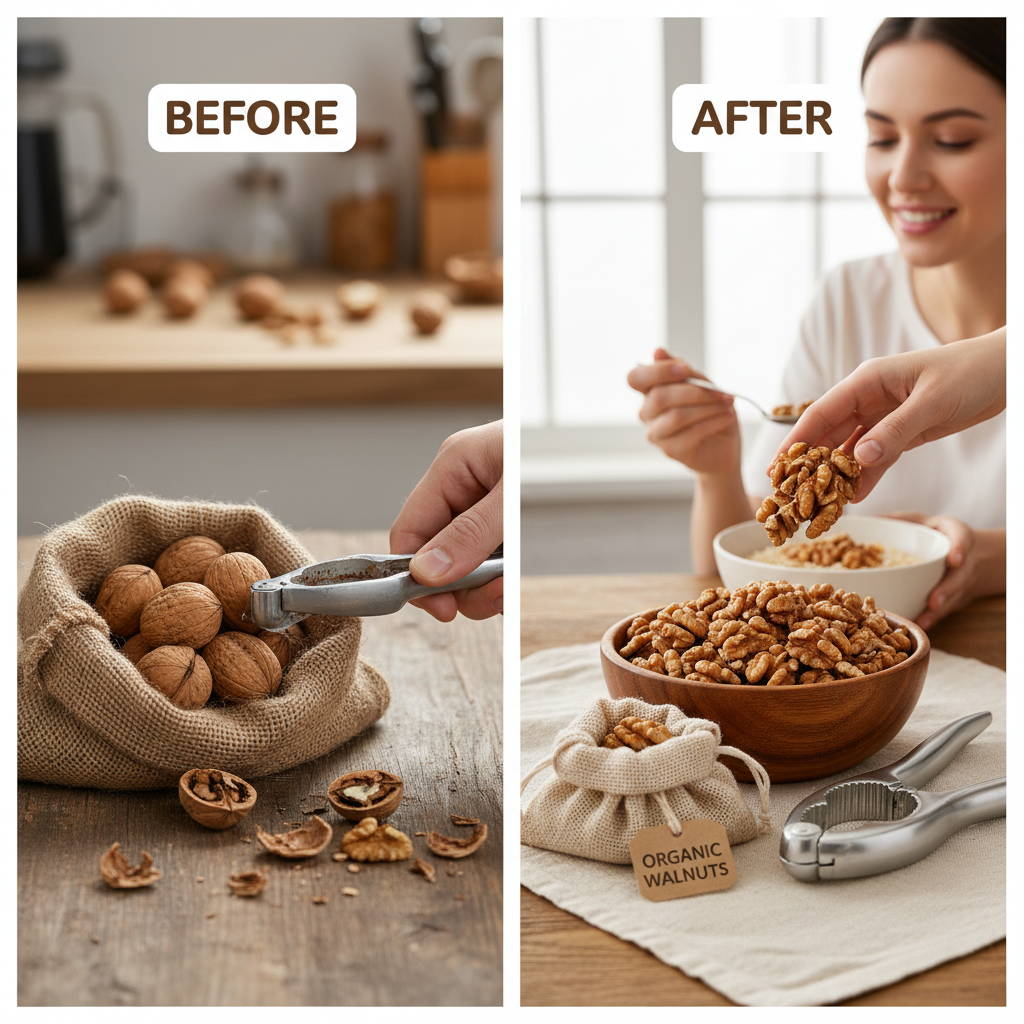
In the global landscape of nutritious snacks and industrial food ingredients, high quality walnuts stand as a pinnacle of health and versatility. From their rich concentration of omega-3 fatty acids to their distinct textures, these nuts are more than just a commodity; they are essential components in the pursuit of cognitive wellness and cardiovascular health. For B2B buyers and health-conscious consumers alike, understanding the nuances of walnut grading is the first step toward maximizing both nutritional value and economic ROI.
The demand for premium nut kernels has surged as global dietary trends shift toward plant-based proteins and functional foods. High quality walnuts are defined not only by their taste and color but by the rigorous processing standards—such as BRC certification—that ensure food safety and consistency. Whether they appear as pristine halves for retail luxury or as cost-effective broken pieces for industrial baking, the integrity of the raw material remains the most critical factor in the final product's success.
Navigating the complexities of the walnut market requires a balance between aesthetic appeal and functional application. By exploring the different specifications, from Extra Light Halves to Mixed Crumbs, businesses can optimize their supply chains to meet specific culinary needs while maintaining a commitment to excellence. This guide delves into the global context, industrial applications, and health benefits of these premium kernels, providing a comprehensive blueprint for sourcing and utilizing high quality walnuts.
Global Relevance of High Quality Walnuts
On a global scale, the appetite for high quality walnuts is driven by an increasing awareness of "brain foods" and heart-healthy fats. As international health organizations emphasize the reduction of saturated fats, the alpha-linolenic acid (ALA) found in premium walnuts has become a key target for nutritionists and food manufacturers. This has transformed the walnut from a simple agricultural product into a high-value functional ingredient used across Europe, North America, and Asia.
However, the global supply chain faces challenges in maintaining consistency. Variations in color, size, and oil content can significantly affect the taste profile and shelf life of a product. This is where the role of professional export factories becomes crucial; by implementing scientific quality management systems and provincial BRC certifications, producers can bridge the gap between raw harvest and the stringent requirements of the international market.
Defining High Quality Walnuts and Industry Standards
In simple terms, high quality walnuts are kernels that exhibit a light, appealing color, a crisp texture, and a fresh, nutty aroma, free from rancidity or defects. In the professional industry, quality is categorized by specific grades such as Extra Light Halves (ELH), Light Halves (LH), and various pieces or crumbs. These designations allow buyers to select the exact visual and physical properties required for their specific end-use, ensuring that a luxury gift set receives intact halves while a bakery receives efficient crumbs.
Modern industry standards have evolved beyond basic appearance. Today, quality is tied to certifications like the BRC (British Retail Consortium) quality system, which ensures that the entire production line—from the planting base to the vacuum packaging—meets global hygiene and safety benchmarks. This systematic approach eliminates contaminants and ensures that the nutrient profile of the walnut is preserved through optimized delivery times and controlled storage environments.
Furthermore, the connection to modern humanitarian and health needs is evident in the focus on cognitive support. By providing a reliable source of polyphenols and Vitamin E, the industry addresses the growing need for natural supplements that combat oxidative stress and inflammation. Thus, "high quality" is not just an aesthetic label but a promise of nutritional potency and safety.
Core Components of Premium Walnut Grading
Visual appeal is the primary component of grading high quality walnuts. The color spectrum—ranging from Extra Light to Amber—directly influences the market price and perceived value. Light-colored kernels are highly prized in the retail sector for their "clean" look, whereas amber kernels are often preferred in heavy baking where the nut's color is masked by other ingredients.
Structural integrity is the second core factor. This is divided into Halves, Quarters, and Broken grades (such as Light Pieces or Mixed Crumbs). While halves are the "gold standard" for aesthetics, broken kernels offer immense cost-efficiency for industrial processing. The ability to provide a wide range of specifications allows a factory to serve both the luxury retail market and the mass-production confectionery industry.
Finally, freshness and shelf-life are non-negotiable components. High quality walnuts must be processed using advanced techniques to prevent the oxidation of delicate omega-3 fats. Vacuum packaging in 10kg, 12.5kg, or customized 2x5kg formats ensures that the kernels remain fresh for up to 24 months, providing the stability required for international shipping and long-term inventory management.
Industrial Applications and Use Cases
The application of high quality walnuts varies significantly across different commercial sectors. In high-end retail, whole halves are used for luxury gift sets and premium salad toppings where visual perfection is paramount. Conversely, in the industrial baking sector, "Light Pieces (LP)" and "Mixed Crumbs (SMALLEST)" are the preferred choice. These chopped walnuts serve as ideal raw materials for bread, cookies, and pastries, adding a rich nutty flavor and crispy texture without the need for further on-site processing.
In the health food industry, these kernels are integrated into cereals, granola bars, and nutrient-dense snacks. For example, in the confectionery sector, broken walnut kernels are used as fillings for chocolates and ice creams, offering a cost-effective way to boost the nutritional profile of the product. By utilizing a mix of grades, manufacturers can balance their cost of goods sold (COGS) while maintaining a high-quality taste experience for the end consumer.
Commercial Value Analysis of High Quality Walnuts
Long-Term Value and Sustainability
Investing in high quality walnuts provides tangible long-term value through increased consumer trust and brand loyalty. For a business, sourcing from a factory that integrates its own planting base ensures a stable supply chain and consistent quality. This vertical integration reduces the risks associated with middlemen and ensures that sustainability practices—such as soil management and eco-friendly harvesting—are strictly followed.
From a nutritional standpoint, the long-term value lies in the prevention of cognitive decline. Regular consumption of premium walnuts, rich in alpha-linolenic acid (ALA) and polyphenols, is linked to improved memory and brain health. By offering these products, brands not only sell a snack but promote a lifestyle of wellness and longevity, creating an emotional bond with health-conscious customers who value purity and transparency.
Innovations in Walnut Processing Technology
The evolution of high quality walnuts is closely tied to advancements in processing technology. Modern factories now employ automated sorting systems that use optical sensors to categorize kernels by color and size with precision that far exceeds human capability. This ensures that an "Extra Light" order contains zero amber pieces, maintaining the strict aesthetic standards required for high-end export markets.
Packaging innovation has also played a pivotal role. The transition to advanced vacuum sealing and modified atmosphere packaging (MAP) has significantly extended the shelf life of walnut kernels to 24 months without the need for artificial preservatives. This allows for mass production and year-round inventory, ensuring that global clients receive fresh products regardless of the harvest season.
Furthermore, the industry is moving toward "smart farming" in its planting bases. By utilizing data-driven irrigation and nutrient management, producers can enhance the oil content and flavor profile of the walnuts before they even reach the factory. This synergy between agricultural technology and industrial processing is what defines the next generation of premium nut production.
Strategic Sourcing Challenges and Solutions
One of the primary challenges in sourcing high quality walnuts is the volatility of raw material quality. Weather patterns can affect the color and size of the harvest, leading to inconsistencies in supply. The solution lies in partnering with a professional export factory that maintains a year-round inventory and operates its own planting base, which buffers the impact of seasonal fluctuations and ensures timely delivery.
Another common hurdle is the trade-off between cost and appearance. Many B2B buyers struggle to decide between whole halves and broken kernels. The expert solution is a hybrid inventory strategy: using premium halves for visible garnishes and retail packaging, while utilizing broken kernels for "hidden" ingredients in fillings and batters. This approach optimizes the ROI without compromising the perceived quality of the final product.
Finally, logistics and oxidation remain constant threats to quality. To overcome this, utilizing mature logistics channels and strict vacuum-packing protocols is essential. By ensuring a delivery time of 7-15 days and using airtight, food-grade packaging, factories can guarantee that the high-quality fats and antioxidants remain intact until they reach the customer's facility.
Comparative Analysis of Walnut Kernel Grades for Business Strategy
|
Kernel Grade
|
Visual Appeal Score (1-10)
|
Cost Efficiency
|
Primary Application
|
| Extra Light Halves |
10 |
Low |
Luxury Retail/Gifts |
| Light Halves |
9 |
Medium |
Premium Snacks |
| Light Quarters |
7 |
High |
Bakery/Cereals |
| Light Pieces (LP) |
6 |
Very High |
Pastry Fillings |
| Mixed Crumbs |
5 |
Maximum |
Industrial Processing |
| Amber Halves |
8 |
Medium |
Heavy Baking |
FAQS
In the B2B sector, high quality walnuts are defined by a combination of color consistency (e.g., Extra Light), structural integrity (minimal breakage for retail grades), and strict adherence to food safety certifications like BRC. Additionally, a low rate of oxidation and a long shelf life—achieved through vacuum packaging—are critical markers of quality that ensure the product maintains its taste and nutritional value during international transit.
No, broken walnut kernels offer the exact same nutritional benefits as whole halves. They contain the same levels of alpha-linolenic acid (ALA), omega-3 fatty acids, antioxidants, and minerals. The only difference is the physical form, which makes broken kernels more cost-effective and easier to integrate into industrial food production, such as baking and confectionery, without sacrificing the health benefits for the end consumer.
To prevent the oxidation of natural oils, high quality walnuts should be stored in a cool, dry place away from direct sunlight. For bulk industrial storage, keeping the product in its original vacuum packaging is recommended. If the seal is broken, transfer the kernels to airtight containers and store them in a refrigerator or freezer to extend their shelf life and preserve the delicate nutty flavor and nutrient profile.
For industrial bakeries, "Light Pieces (LP)" and "Mixed Crumbs (SMALLEST)" are generally the best choices. These grades provide a uniform particle size that integrates seamlessly into doughs, batters, and fillings. They offer a superior ROI because they eliminate the labor and equipment costs associated with chopping whole kernels, while still providing the rich aroma and texture associated with premium Chinese walnuts.
Yes, walnuts are rich in alpha-linolenic acid (ALA), a plant-based omega-3 fatty acid that is scientifically recognized for its ability to support heart health. Regular consumption of high quality walnuts can help reduce blood triglyceride levels and improve overall cholesterol profiles. Incorporating a small handful of walnut pieces into a daily diet is a natural and effective way to support cardiovascular function.
A real factory typically integrates its own planting base and processing lines, allowing for OEM/ODM customization and direct quality control. Look for certifications like the provincial BRC quality system and the ability to provide free samples. Furthermore, a genuine factory will have a transparent production process, offering various packaging options (like 10kg or 12.5kg vacuum bags) and the capacity for mass production with stable delivery times.
Conclusion
Throughout this analysis, we have seen that high quality walnuts are more than just a commodity; they are a strategic asset for both the health-conscious consumer and the industrial food manufacturer. By understanding the critical distinctions between grades—from the aesthetic luxury of Extra Light Halves to the operational efficiency of Mixed Crumbs—businesses can optimize their product offerings and maximize profitability. The combination of BRC-certified processing, vacuum-sealed preservation, and vertical integration from planting base to export ensures that these nutritional powerhouses deliver consistent value on a global scale.
Looking forward, the walnut industry will continue to be shaped by the intersection of health science and processing innovation. As the demand for omega-3 rich, plant-based ingredients grows, the importance of sourcing from transparent, factory-direct suppliers will only increase. Whether you are aiming to enhance the cognitive health of your customers or the efficiency of your production line, investing in premium walnut kernels is a decision that yields long-term dividends in quality, safety, and trust. Visit our website for professional sourcing: www.luhuawalnut.com