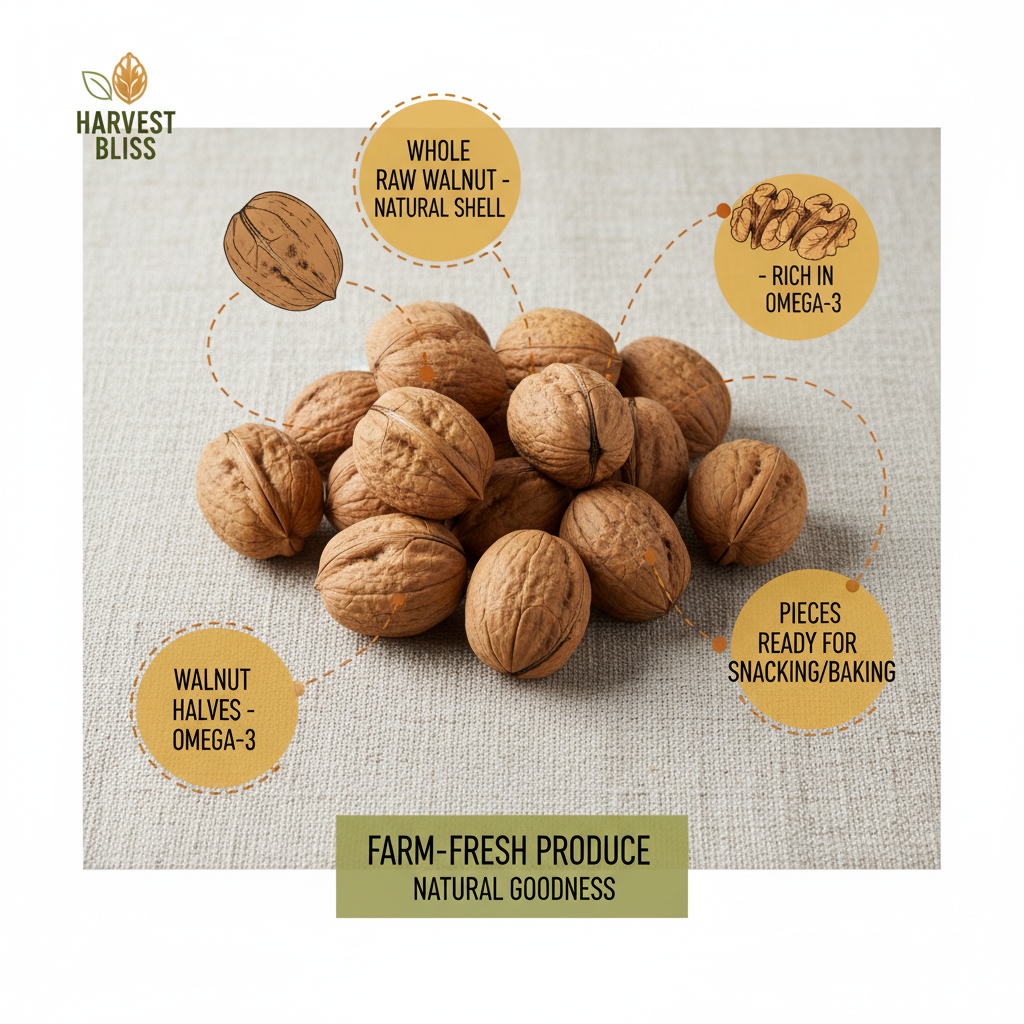
Understanding the peeled walnuts price is crucial in today’s global market, impacting everything from consumer costs to industrial supply chains. Walnuts, a nutritious and versatile food source, experience price fluctuations influenced by a complex interplay of factors, including harvest yields, global demand, import/export regulations, and processing costs. Tracking these variations allows businesses and consumers to make informed decisions, plan effectively, and mitigate potential financial risks.
The relevance of monitoring peeled walnuts price extends beyond simple food economics. As a key ingredient in various industries – from confectionery and baking to cosmetics and pharmaceuticals – consistent pricing helps maintain product stability and affordability. Disruptions in the walnut market can ripple through these sectors, impacting manufacturing processes and ultimately affecting the end consumer. Global organizations like the FAO (Food and Agriculture Organization) closely monitor nut markets, recognizing their importance to food security and economic development.
Moreover, access to accurate and timely peeled walnuts price information empowers both producers and consumers. Farmers can optimize their sales strategies, while businesses can manage inventory effectively. For consumers, it provides transparency and allows them to budget accordingly. In a world increasingly focused on sustainable sourcing and fair trade, understanding the price dynamics of commodities like walnuts is paramount.
Introduction: Global Context of peeled walnuts price
The global market for walnuts, and consequently the peeled walnuts price, is experiencing significant growth. According to recent data from the USDA, global walnut production has increased steadily over the past decade, with the United States and China being the leading producers. However, factors like climate change and shifting trade policies continue to introduce volatility. Understanding these dynamics is vital for stakeholders across the supply chain.
The demand for walnuts is driven by their nutritional value and diverse applications. From a culinary standpoint, they are used in a vast array of dishes, from salads and baked goods to sauces and snacks. Beyond food, the health benefits associated with walnuts – rich in omega-3 fatty acids and antioxidants – contribute to their popularity in dietary supplements and health food products. This multifaceted demand directly impacts the peeled walnuts price.
Defining peeled walnuts price
Peeled walnuts price refers to the cost per unit weight (typically kilograms or pounds) of walnuts that have had their outer shells removed, making them ready for direct consumption or further processing. This price is influenced by a multitude of factors beyond the raw walnut cost, including the labor involved in shelling, quality control measures, packaging, and transportation.
Distinguishing between in-shell and peeled walnut prices is crucial. In-shell walnuts are generally less expensive due to reduced processing costs. However, the convenience of peeled walnuts often justifies a higher price point for consumers and industrial buyers. The peeled walnuts price is thus a more direct indicator of the value placed on convenience and readiness for use.
In modern industry, tracking the peeled walnuts price provides invaluable data for supply chain management, cost analysis, and pricing strategies. Businesses use this information to optimize their production processes, ensure profitability, and respond effectively to market fluctuations. It directly impacts the final cost of numerous consumer products.
Key Factors Influencing peeled walnuts price
Several core factors dictate the peeled walnuts price. These include the annual harvest yield, which is susceptible to weather conditions, pests, and diseases. A poor harvest typically leads to increased prices, while a bountiful harvest can drive prices down. Geographic origin also plays a role, as different regions have varying production costs and quality standards.
Another significant factor is the demand from major importing countries like Germany, Italy, and Turkey. Increased demand coupled with limited supply invariably leads to higher peeled walnuts price. Exchange rate fluctuations can also impact prices, as walnuts are traded internationally and priced in various currencies. Processing and packaging costs, alongside transportation and logistics, represent a considerable portion of the final price.
Finally, quality grades significantly impact the peeled walnuts price. Walnuts are categorized based on size, color, and the presence of defects. Higher-grade walnuts command a premium price due to their superior quality and aesthetic appeal. The implementation of sustainable farming practices and certifications, like organic labeling, can also add to the cost.
Global Applications & Use Cases of peeled walnuts price
The peeled walnuts price has far-reaching implications across various industries. In the food processing sector, it’s a critical component in the cost of producing snacks, confectionery, baked goods, and nut butters. Food manufacturers carefully monitor these prices to manage their production budgets and maintain competitive pricing.
Beyond food, walnuts are utilized in the cosmetics industry for their emollient and antioxidant properties, influencing the peeled walnuts price’s impact on skincare product costs. The pharmaceutical industry utilizes walnut oil in certain formulations, also contributing to demand and price sensitivity. In regions like the Mediterranean and Middle East, walnuts are a traditional ingredient in many culinary dishes, driving consistent demand.
In post-disaster relief operations, providing nutritious, shelf-stable foods like walnuts can be crucial. Accurate peeled walnuts price information assists aid organizations in efficiently allocating resources. Furthermore, in remote industrial zones where fresh food access is limited, walnuts serve as a valuable source of healthy fats and proteins.
Factors Affecting peeled walnuts price
Advantages & Long-Term Value related to peeled walnuts price
Monitoring peeled walnuts price offers significant advantages. For businesses, accurate price forecasting facilitates better inventory management, reduces waste, and optimizes profitability. Understanding price trends allows for strategic purchasing decisions, potentially securing lower costs and boosting margins.
From a sustainability perspective, tracking walnut prices incentivizes responsible farming practices. Farmers who prioritize quality and sustainable production methods can command higher prices for their walnuts, creating a virtuous cycle. This contributes to long-term ecological health and ensures a reliable supply of this valuable commodity. The transparency fostered by accurate price information builds trust within the supply chain.
Future Trends & Innovations in peeled walnuts price
Technological advancements in agricultural practices, such as precision farming and improved irrigation techniques, are poised to impact future peeled walnuts price. Automation in harvesting and processing could lower labor costs and increase efficiency. The development of new walnut varieties with higher yields and improved resistance to pests and diseases could also stabilize supply and influence prices.
Digital transformation, through the use of blockchain technology, can enhance traceability and transparency within the walnut supply chain, further reducing price volatility and building consumer confidence. Furthermore, a growing consumer focus on health and wellness is likely to drive continued demand for walnuts, potentially leading to price increases.
Challenges & Solutions for peeled walnuts price
A major challenge in accurately predicting peeled walnuts price is the unpredictable nature of weather patterns, which can significantly impact harvests. Climate change is exacerbating this issue, leading to more frequent and severe weather events. Another challenge is the potential for trade disputes and tariffs, which can disrupt global supply chains and create price volatility.
Solutions include investing in climate-resilient farming practices, diversifying sourcing regions, and utilizing advanced forecasting models that incorporate weather data and geopolitical factors. Implementing transparent pricing mechanisms and promoting fair trade practices can also help mitigate price fluctuations and ensure a more stable market.
Expert insights suggest that collaborating across the supply chain – from farmers to processors to retailers – is crucial for effectively addressing these challenges and ensuring a sustainable future for the walnut industry.
Summary Table of Key Challenges and Solutions Related to peeled walnuts price
| Challenge |
Impact on peeled walnuts price |
Proposed Solution |
Implementation Cost (1-10) |
| Climate Change |
Reduced yields, increased price volatility |
Climate-resilient farming, crop diversification |
7 |
| Trade Disputes/Tariffs |
Disrupted supply chains, increased costs |
Diversified sourcing, negotiation of trade agreements |
8 |
| Pest and Disease Outbreaks |
Reduced yields, quality degradation |
Integrated pest management, disease-resistant varieties |
6 |
| Supply Chain Inefficiencies |
Increased transportation costs, delays |
Improved logistics, optimized routing |
5 |
| Lack of Transparency |
Price manipulation, unfair practices |
Blockchain technology, verifiable sourcing |
9 |
| Fluctuating Exchange Rates |
Increased import/export costs |
Hedging strategies, local currency agreements |
4 |
FAQS
Several key factors significantly influence the peeled walnuts price, most notably the annual harvest yield affected by weather conditions, global demand – particularly from major importing nations like Germany and Italy, and fluctuations in transportation costs. Political factors, such as trade tariffs and geopolitical instability, can also contribute to price volatility. Ultimately, the balance between supply and demand sets the market price.
Businesses can employ several strategies to mitigate risks associated with fluctuating peeled walnuts price. Diversifying sourcing regions reduces reliance on a single supplier and geographic area. Implementing long-term contracts with suppliers can lock in favorable prices, while utilizing hedging strategies can protect against currency fluctuations. Effective inventory management and accurate demand forecasting are also crucial.
In-shell walnuts generally have a lower peeled walnuts price due to the reduced processing costs involved. Peeled walnuts, having undergone shelling and quality control, command a higher price reflecting the added labor and convenience. Understanding this difference is crucial for businesses determining their cost structure and for consumers weighing price versus convenience.
Sustainability initiatives, such as organic farming and responsible water management, can positively impact the peeled walnuts price, albeit typically increasing it. Consumers are increasingly willing to pay a premium for sustainably sourced products, allowing farmers and suppliers who invest in environmentally friendly practices to command higher prices. Certification programs, like organic labeling, further validate these practices.
Yes, several technological advancements are poised to impact the peeled walnuts price landscape. Automation in harvesting and shelling processes can reduce labor costs. Precision farming techniques optimize yields and resource utilization. Blockchain technology can enhance supply chain transparency and traceability, leading to greater efficiency and trust.
Reliable information on peeled walnuts price trends can be found through several sources, including the USDA (United States Department of Agriculture) reports, the FAO (Food and Agriculture Organization) statistics, industry-specific market research firms, and reputable agricultural commodity trading platforms. Regularly monitoring these sources provides valuable insights into market dynamics.
Conclusion
In conclusion, understanding the peeled walnuts price is critical for a wide range of stakeholders, from farmers and processors to retailers and consumers. The price is influenced by a complex interplay of factors – harvest yields, global demand, trade policies, and sustainability initiatives – requiring continuous monitoring and strategic adaptation. Transparent pricing and sustainable practices are essential for a stable and equitable market.
Looking ahead, leveraging technological advancements, embracing sustainable farming methods, and fostering collaboration across the supply chain will be crucial for navigating future challenges and ensuring the long-term availability and affordability of this valuable commodity. For more information on peeled walnuts price and our high-quality products, visit our website today.