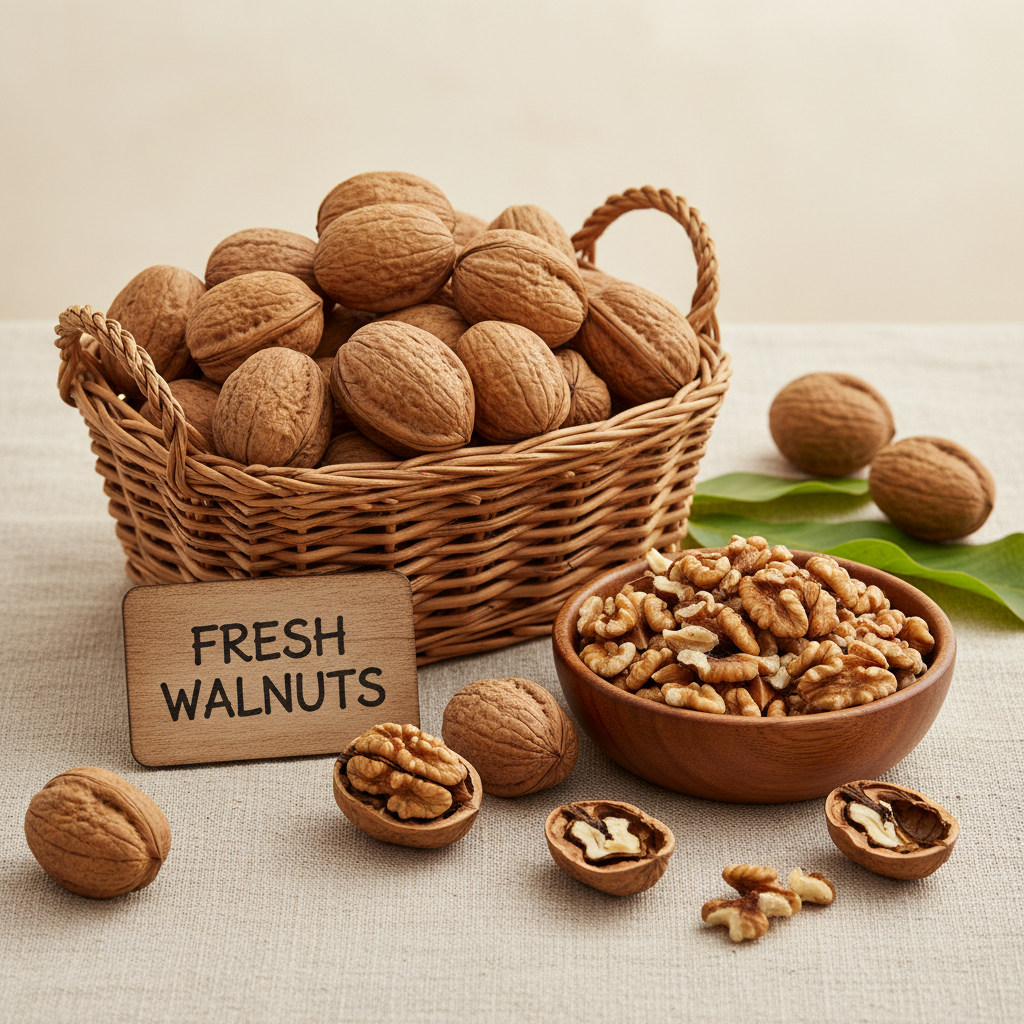
Understanding the dynamics of the walnut 250g price is essential for both health-conscious consumers and bulk buyers looking for high-quality nut supplies. In the global market, the 250g packaging has become a standard benchmark for evaluating the accessibility and affordability of premium kernels, bridging the gap between small-scale retail and wholesale procurement.
From a nutritional standpoint, the value provided by a 250g portion exceeds its mere cost, offering a concentrated source of omega-3 fatty acids and antioxidants. As global demand for plant-based proteins rises, the stability of the walnut 250g price reflects broader agricultural trends, including harvest yields in key regions and the efficiency of modern processing lines.
For those seeking a balance between quality and economy, monitoring the walnut 250g price allows for smarter purchasing decisions. Whether you are sourcing for a wellness journey or integrating these nuts into a commercial product line, understanding price drivers ensures you receive the best value for your investment.
Global Market Dynamics of Walnut 250g Price
The global trade of walnuts is influenced by a complex web of environmental and economic factors, where the walnut 250g price serves as a critical retail indicator. According to agricultural trade data, the shift toward smaller, vacuum-sealed portions has increased the demand for precise processing and packaging, ensuring that the nutritional integrity of the kernels is maintained from the factory to the consumer.
Challenges such as fluctuating climate patterns and shipping costs often create volatility in pricing. However, by leveraging advanced processing lines and strict quality control, manufacturers can stabilize the cost of these portions, providing a reliable supply chain for international markets and ensuring that health-conscious consumers have consistent access to premium nuts.
Defining the Value of the 250g Packaging Standard
In simple terms, the walnut 250g price refers to the market cost of a standard quarter-kilogram unit of walnut kernels. This specific weight is widely adopted because it represents a manageable quantity for individual consumption while remaining economically viable for distributors to ship in bulk. It transforms a raw agricultural commodity into a consumer-ready product.
From an industry perspective, this standardization is crucial for humanitarian aid and nutritional programs. By utilizing a fixed weight, organizations can accurately calculate the caloric and mineral intake per person, making the 250g unit an essential tool for combatting malnutrition in remote industrial zones or disaster-stricken areas.
Furthermore, this packaging standard aligns with modern lifestyle needs. As consumers move toward "snackable" health foods, the 250g format provides the ideal balance between freshness and quantity, preventing the oxidation that often occurs in larger, open containers and thus preserving the premium quality associated with the price point.
Core Factors Influencing Walnut 250g Price
The primary driver of the walnut 250g price is the grade of the kernel. Premium "extra-light" or "light" kernels, which are prized for their mild flavor and aesthetic appeal, typically command a higher price than amber-colored kernels. The sorting process, utilizing optical sensors to remove defects, adds a layer of value to the final packaged product.
Packaging materials also play a significant role in the walnut 250g price. The use of nitrogen-flushed, vacuum-sealed pouches extends shelf life and prevents rancidity, which allows the product to be exported globally without losing its nutritional profile. This investment in technology ensures that the buyer receives a product that is fresh and safe.
Finally, economies of scale in the factory setting directly impact the cost. Large-scale production facilities that integrate stripping, sorting, and packaging into a single automated line can significantly reduce overhead. This efficiency is what allows the walnut 250g price to remain competitive even as raw material costs fluctuate due to seasonal harvests.
Scalability and Cost Efficiency in Nut Processing
Achieving a stable walnut 250g price requires a seamless transition from raw harvest to final packaging. Scalability is achieved by employing high-capacity stripping machines that can process tons of walnuts per hour with minimal kernel breakage. This reduction in "fines" or broken pieces increases the percentage of whole kernels per 250g pack, enhancing the perceived value for the end-user.
Cost efficiency is further optimized through digital transformation in the warehouse. Automated inventory management systems track the moisture levels and temperature of bulk storage, ensuring that only the highest quality batches are selected for the 250g retail lines, thereby reducing waste and maximizing the return on investment for the processor.
Processing Efficiency and Walnut 250g Price Value
Real-World Applications of Standardized Packaging
The application of the 250g standard is evident in the health and wellness sector, where nutritionists recommend specific daily portions of nuts to manage cholesterol and heart health. By offering a consistent walnut 250g price, brands enable consumers to budget their monthly nutritional needs accurately, making premium superfoods accessible to a wider demographic.
In the B2B sector, these standardized packs are frequently used as components in "health hampers" or corporate gift baskets. The uniformity in size and weight ensures that logistics providers can optimize shipping containers, reducing the carbon footprint per unit and ensuring that the final delivery cost does not inflate the base walnut 250g price.
Long-Term Value and Sustainability Benefits
Investing in high-quality walnuts at a fair walnut 250g price provides long-term health dividends. The high concentration of alpha-linolenic acid (ALA) supports cognitive function and reduces inflammation, meaning the cost of the product is effectively an investment in preventative healthcare. This logical angle shifts the consumer's focus from the immediate price to the long-term wellness benefit.
From a sustainability perspective, the 250g packaging is increasingly moving toward biodegradable or recyclable materials. By optimizing the volume of the pouch to fit the product perfectly, manufacturers reduce plastic waste. This commitment to green packaging adds emotional value, as modern consumers are more likely to trust brands that align their pricing with environmental responsibility.
Reliability in supply is the ultimate long-term value. When a factory can guarantee a stable walnut 250g price regardless of seasonal spikes, it builds deep trust with global distributors. This reliability ensures that retail shelves remain stocked and that the end-consumer is never forced to turn to inferior, lower-grade substitutes.
Future Innovations in Nut Pricing and Logistics
The future of the walnut 250g price will be shaped by the integration of AI and blockchain technology. Blockchain allows for "farm-to-table" traceability, where a consumer can scan a QR code on a 250g pack to see the exact harvest date and origin. This transparency justifies a premium price point by proving the authenticity and organic nature of the product.
Automation in the "last-mile" delivery process is also expected to lower the effective cost for the consumer. As autonomous drones and electric delivery fleets become standard, the logistics overhead that typically inflates the retail walnut 250g price will decrease, making high-grade nuts more affordable in urban centers.
Furthermore, the rise of "precision nutrition" may lead to customized 250g blends, where walnuts are paired with other superfoods based on a user's health profile. This shift from a generic commodity to a functional food product will redefine how value is calculated, moving the focus from weight-based pricing to benefit-based pricing.
Analysis of Future Pricing and Logistics Trends for Walnut 250g Units
| Innovation Driver |
Impact on Cost |
Consumer Value |
Implementation Speed |
| Blockchain Tracking |
Slight Increase |
High Trust |
Moderate |
| AI Sorting |
Decrease |
Consistent Quality |
Fast |
| Bio-Degradable Packs |
Neutral |
Eco-Conscious |
Fast |
| Direct-to-Consumer |
Significant Decrease |
Better Pricing |
Moderate |
| Precision Blending |
Increase |
Personalized Health |
Slow |
| Cold-Chain Automation |
Decrease |
Maximum Freshness |
Moderate |
FAQS
The price is primarily influenced by seasonal harvest yields, the grade of the walnut kernels (light vs. amber), and global shipping costs. Environmental factors like drought in key growing regions can reduce supply, leading to a temporary increase in the retail cost of 250g packs.
Yes, generally, purchasing multiple 250g units or larger bulk quantities reduces the per-gram cost. This is due to lower packaging overhead and reduced shipping fees per unit, allowing B2B buyers to secure a more competitive price compared to single-unit retail purchases.
Vacuum packaging slightly increases the production cost but adds significant value by extending the shelf life and preventing oxidation. This ensures that the consumer receives a fresh product, justifying a slightly higher price point than non-vacuum alternatives.
Check the kernel grade, the expiration date, and the packaging type. A fair price should reflect the quality of the nuts—whole, light-colored kernels in airtight packaging typically command a premium over broken or darker kernels.
Yes, smaller packs like the 250g size are often better for freshness because they are opened and consumed more quickly. This reduces the amount of time the nuts are exposed to air, which helps maintain the delicate omega-3 oils and overall taste.
Absolutely. Organic certification requires stricter farming practices and more rigorous auditing, which increases production costs. Consequently, organic walnut 250g packs typically have a higher price than conventionally grown walnuts.
Conclusion
The analysis of the walnut 250g price reveals that it is far more than a simple retail figure; it is a reflection of agricultural efficiency, packaging innovation, and global health trends. By balancing high-grade kernel selection with automated processing and sustainable logistics, the industry can provide a product that is both affordable and nutritionally dense, ensuring that the benefits of walnuts are accessible to all.
As we look toward a future of personalized nutrition and transparent supply chains, the value of the 250g standard will only grow. We encourage buyers and health enthusiasts to prioritize quality and traceability over the lowest possible cost to ensure long-term wellness. Visit our website for premium sourcing: www.luhuawalnut.com