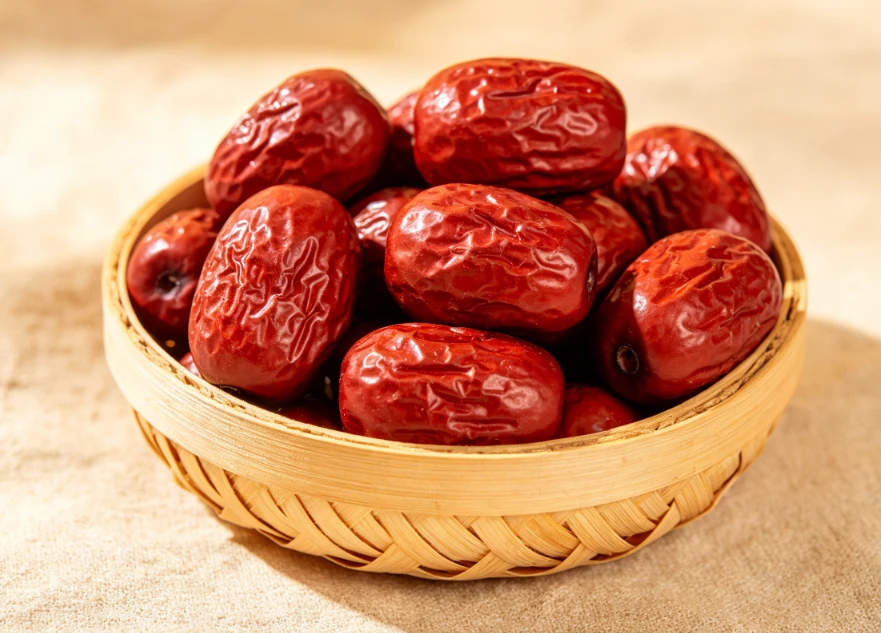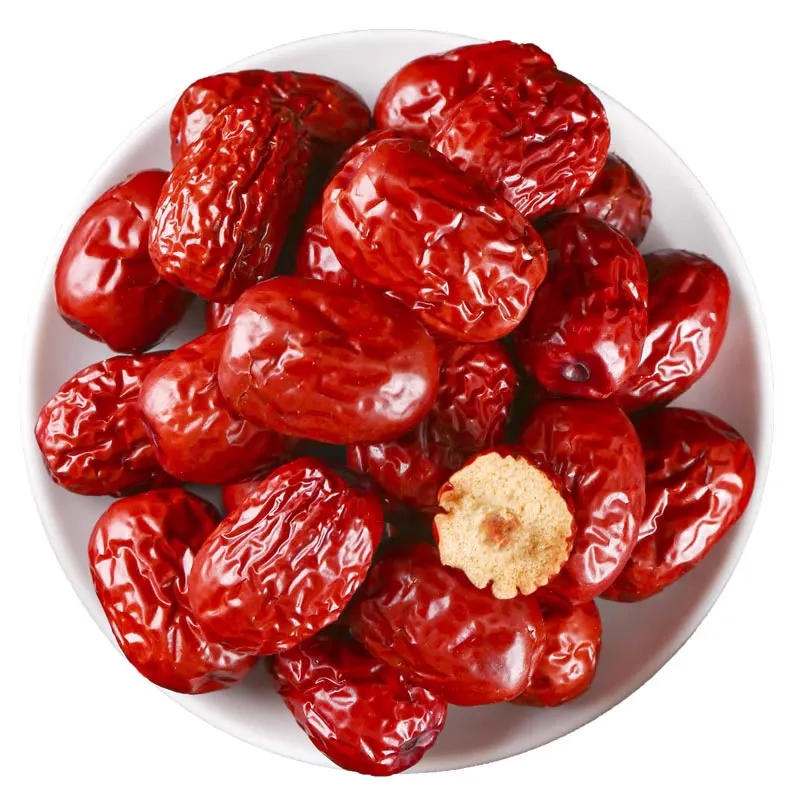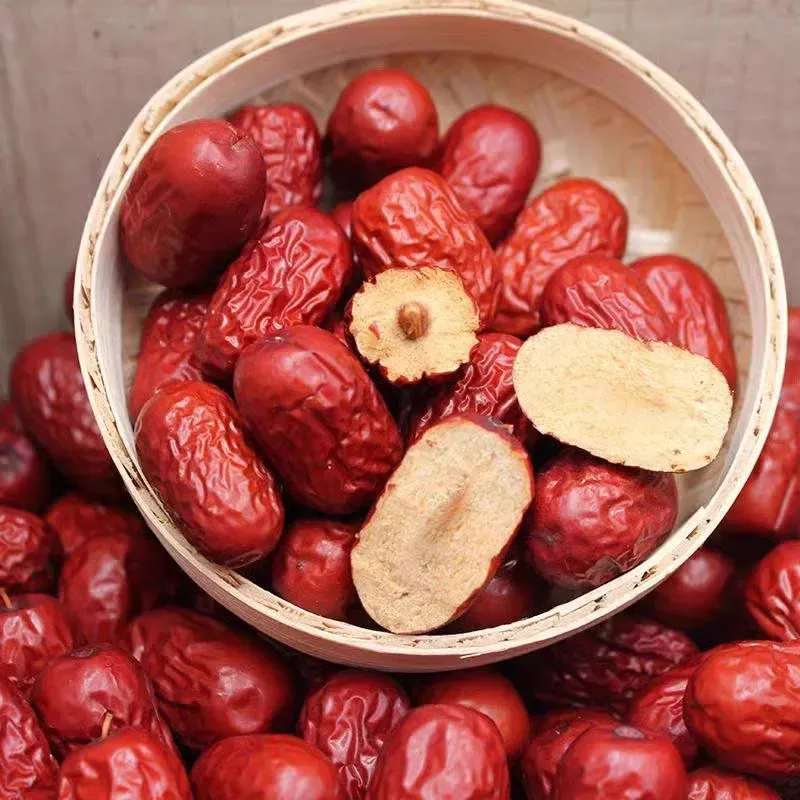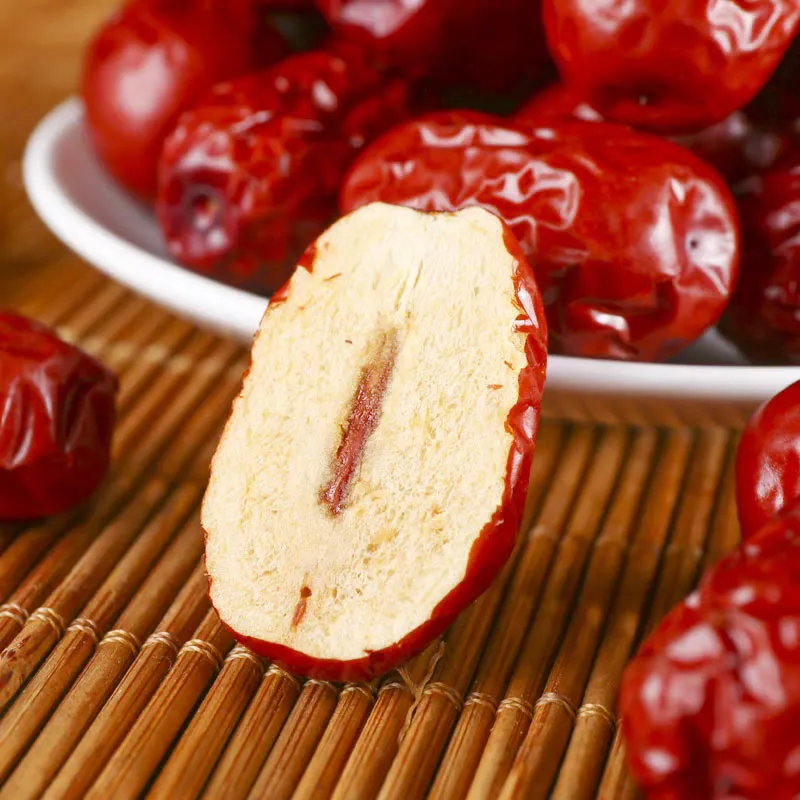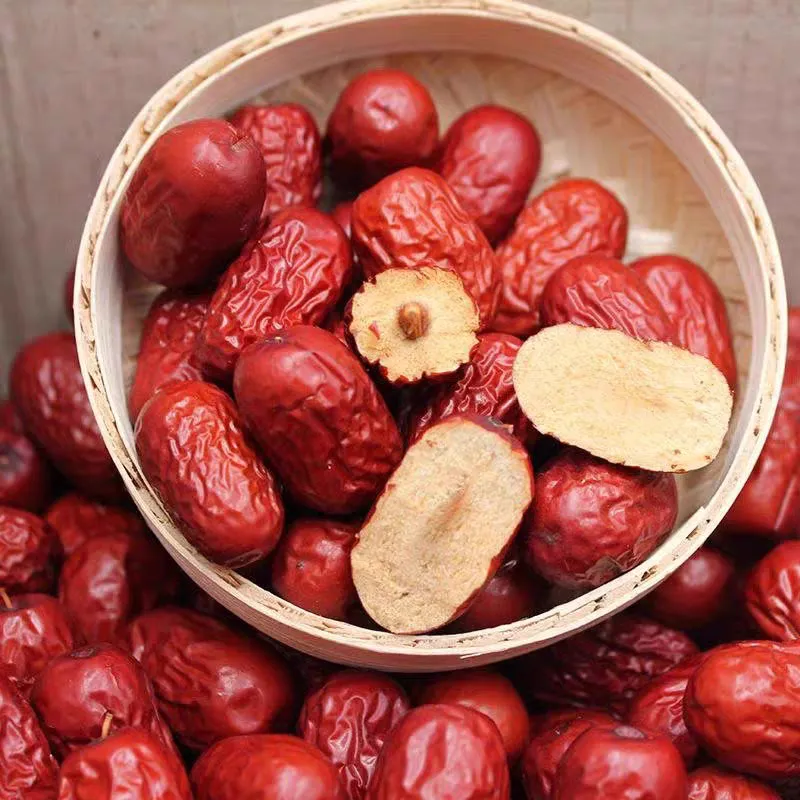
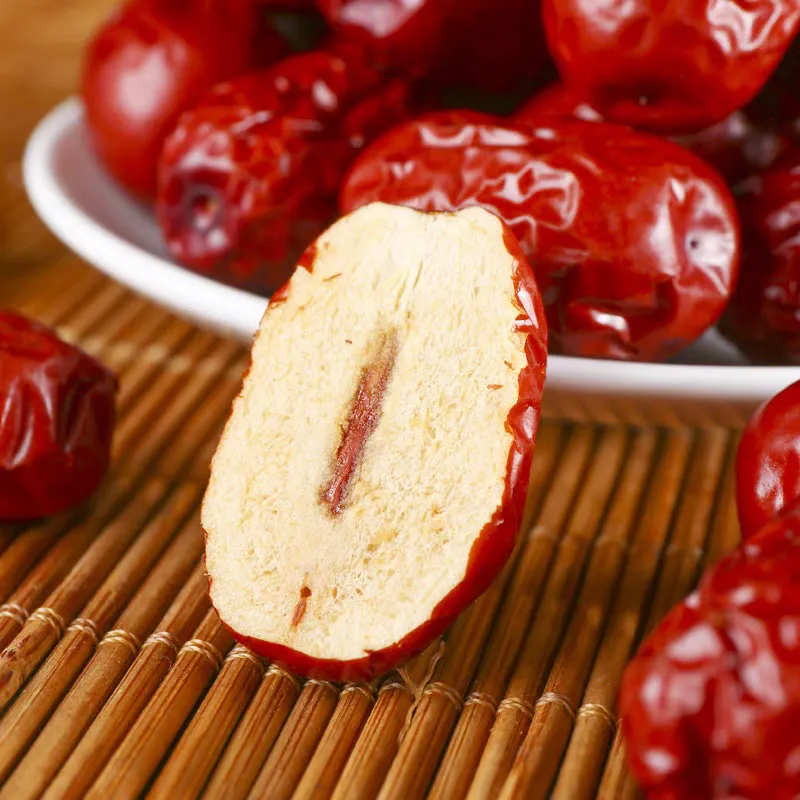
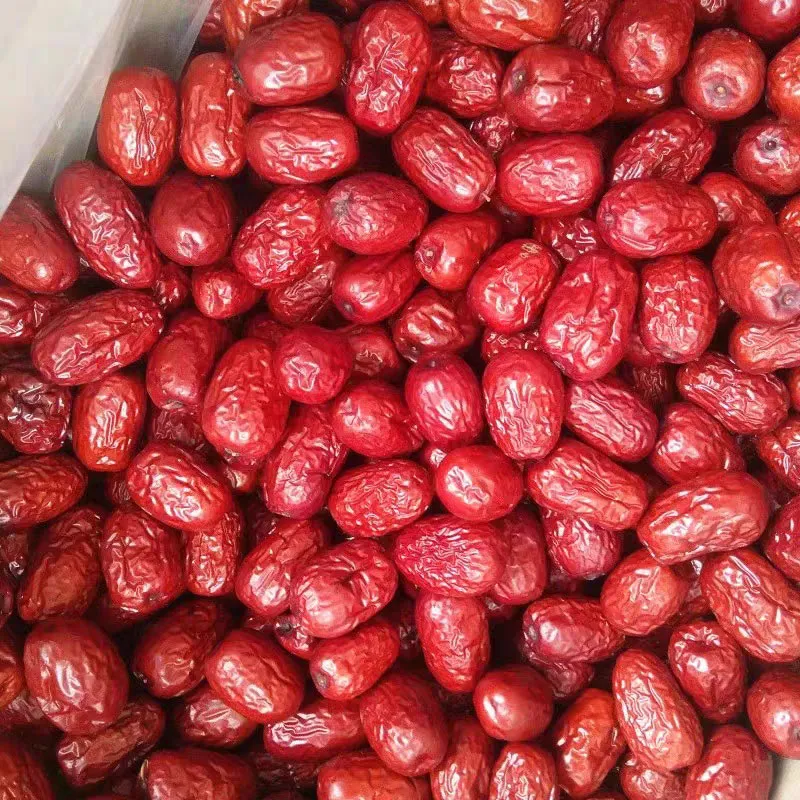
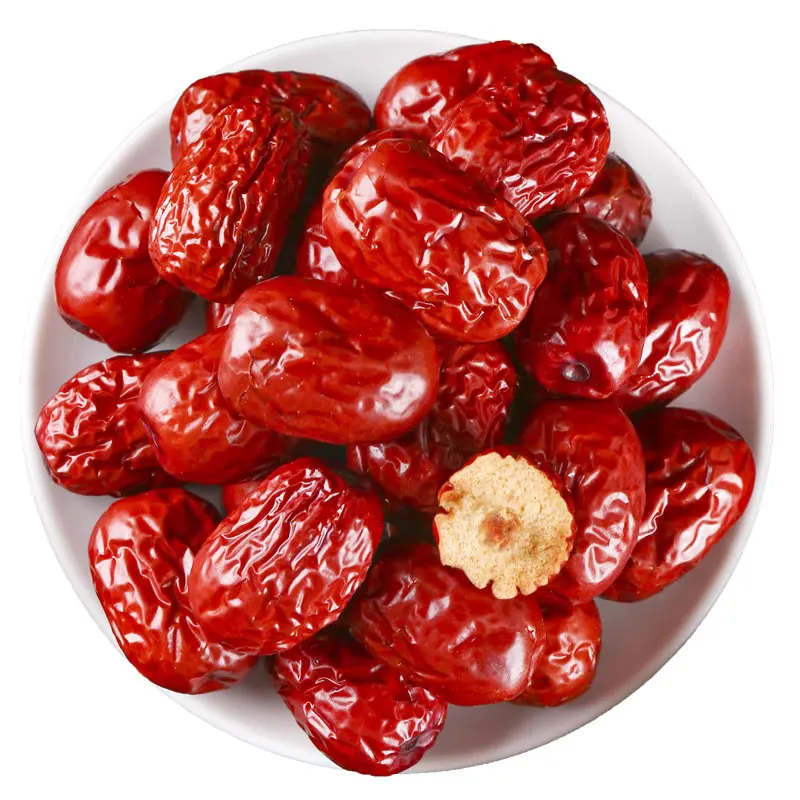
Chinese Dried Red Dates (Jujube)
Productiedetails
Our Chinese red dates for sale are carefully selected and naturally dried to preserve their full nutritional value. Grown in pristine environments and harvested at peak ripeness, these fruits are free from artificial additives, making them a clean, healthy food choice for modern lifestyles.
Belangrijkste voordelen
100% biologisch en non-GMO: geteeld zonder pesticiden of synthetische chemicaliën.
Natuurlijk zoet en taai: geen toegevoegde suiker of conserveringsmiddelen.
Rijk aan voedingsstoffen: Bevat ijzer, antioxidanten en essentiële vitaminen.
Multifunctioneel: eet direct uit het zakje of voeg toe aan thee, soepen en desserts.
Veganistisch en glutenvrij: Geschikt voor een breed scala aan dieetbehoeften.
Deze gezonde Chinese rode dadels zijn perfect om zo uit de zak te eten of als gezonde aanvulling op je dagelijkse maaltijden. Voeg ze toe aan kruidenthee, pap, soepen of gebak voor een boost van natuurlijke zoetheid en voedingswaarde. Ze combineren ook uitstekend met gojibessen, walnoten en andere traditionele Chinese kruiden voor een krachtige, gezonde mix.
Of u nu op weg bent naar een gezonder leven, een druk leven leidt of gewoon op zoek bent naar een meer natuurlijke manier om uw lichaam te voeden, onze Chinese rode dadels zijn een uitstekende keuze.
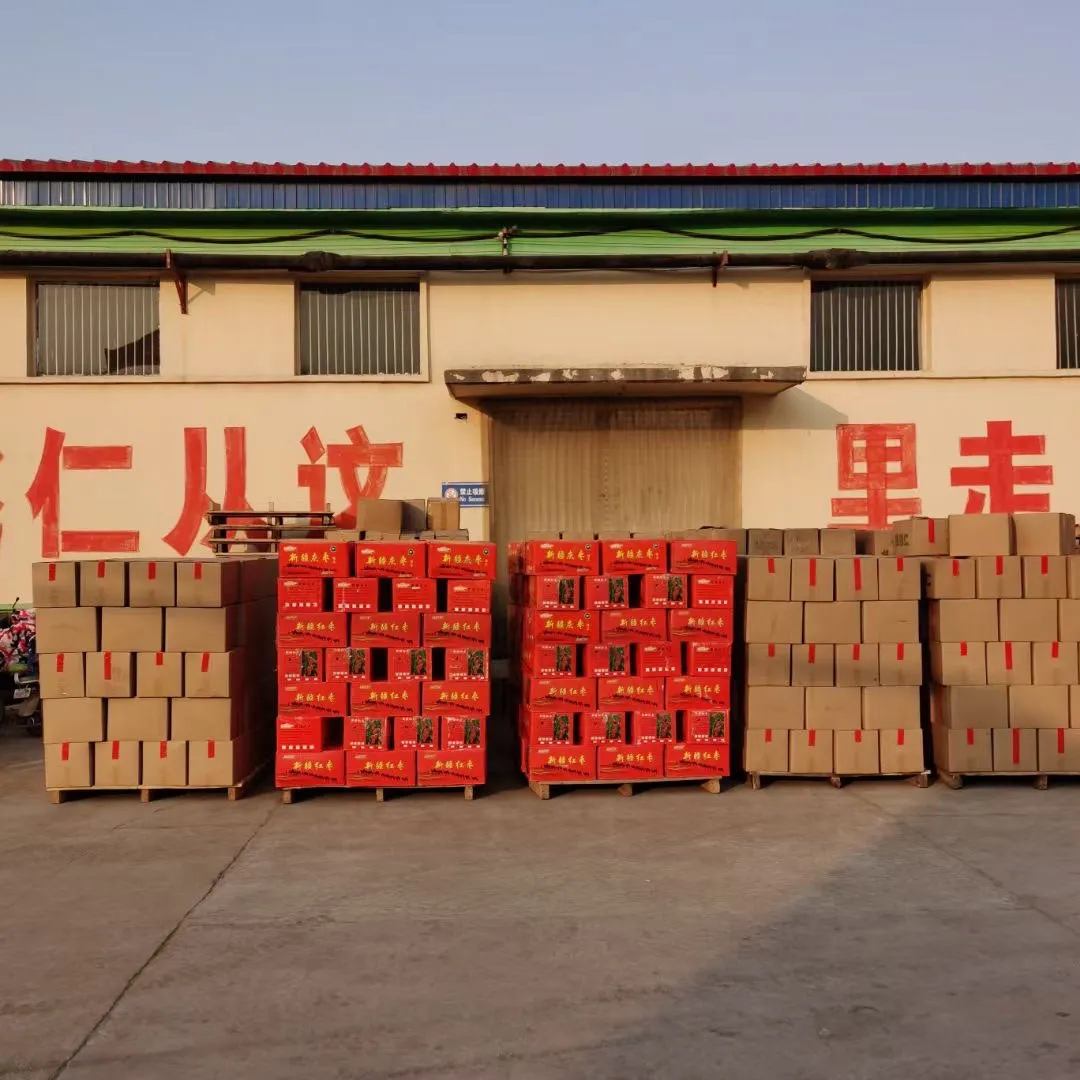
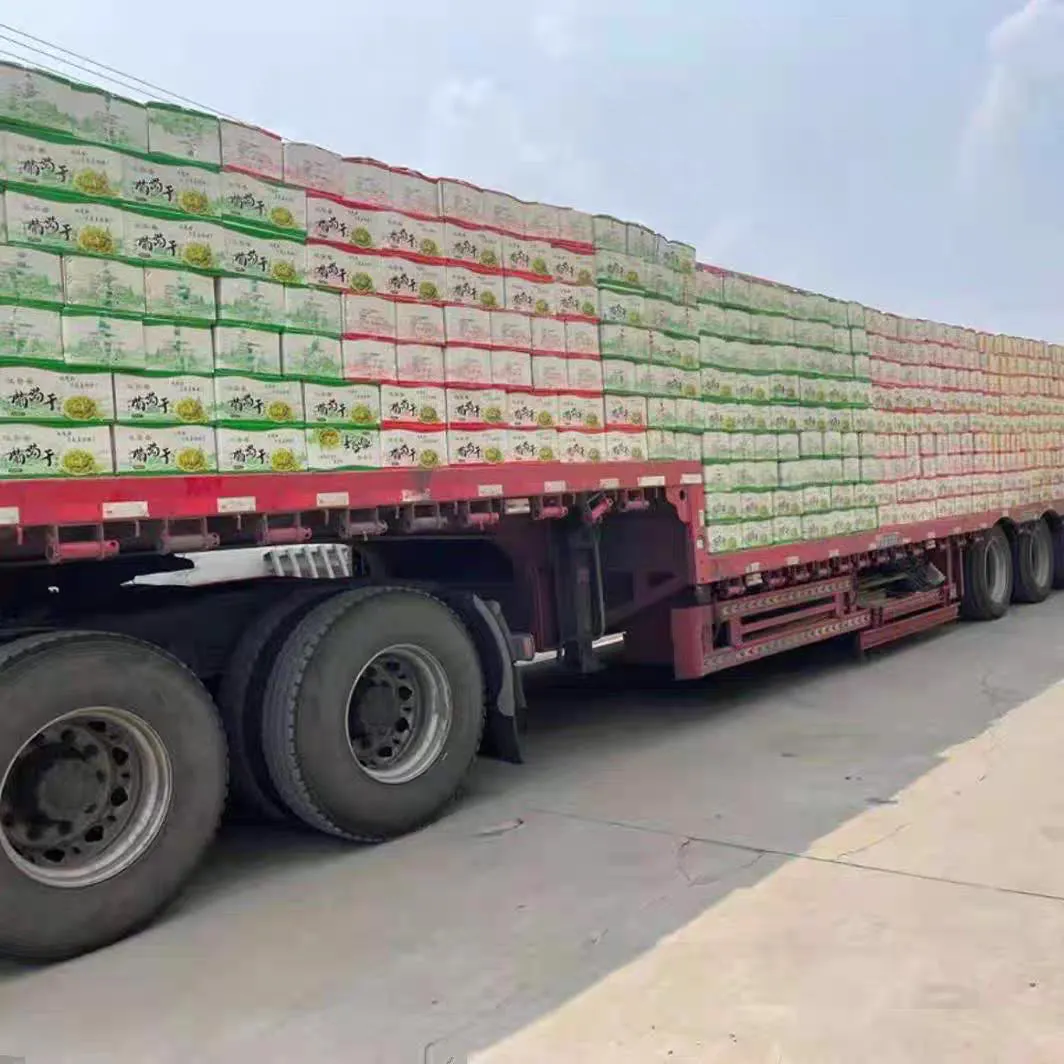
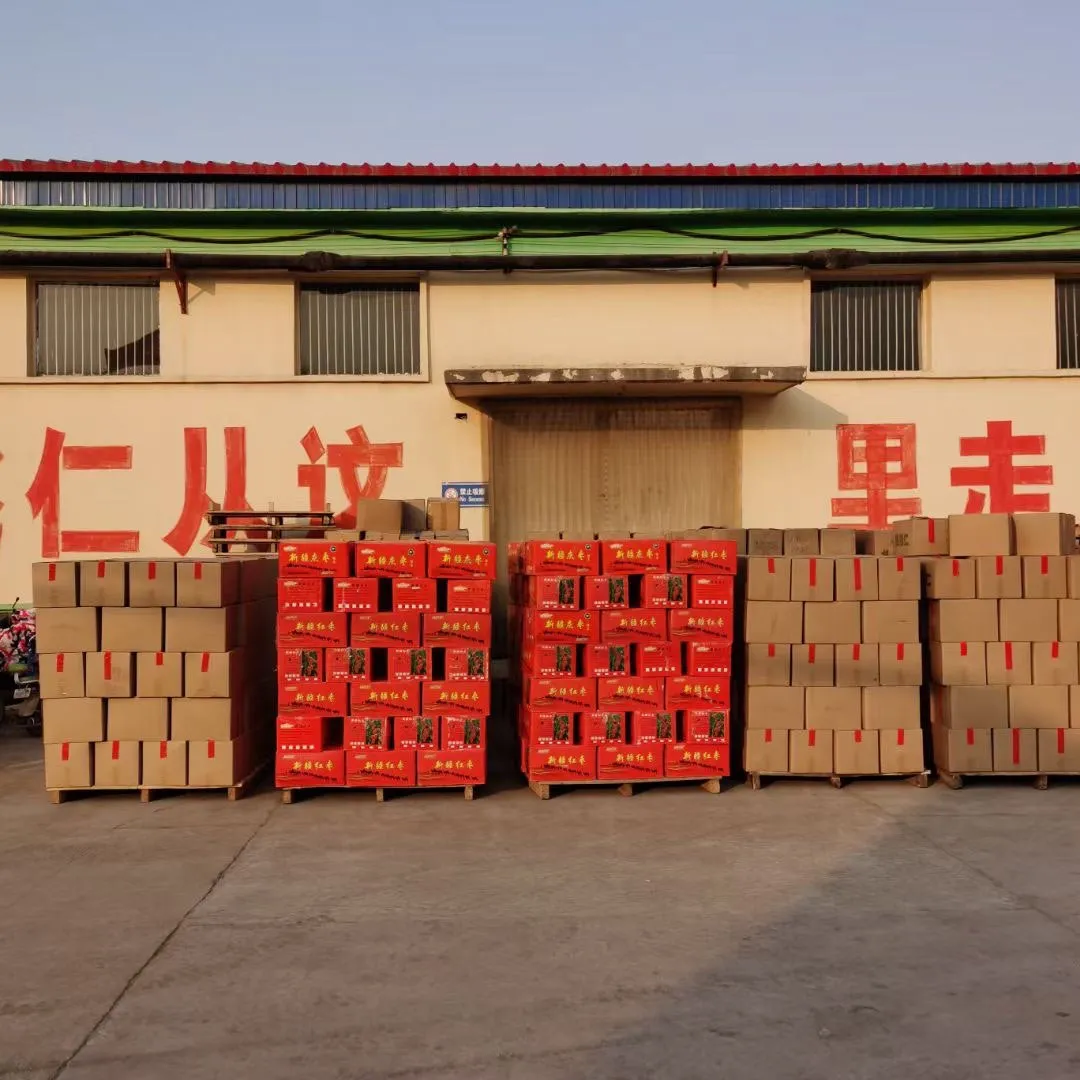
Our factory specializes in the large-scale production of high-quality red dates (jujubes). With advanced processing lines and strict quality control, we ensure a stable, bulk supply to meet global demand. Fresh, nutritious, and ready for export.
Benefits of Chinese Red Dates
Chinese red dates, also known as jujubes, have been valued in traditional nutrition for centuries due to their rich nutrient profile and gentle, nourishing properties. Today, many health-conscious consumers are rediscovering the benefit of Chinese red dates, especially for daily wellness and specific life stages such as pregnancy. Naturally sweet and easy to incorporate into meals, red dates offer a balance of taste and function that fits both traditional and modern diets.
From a general health perspective, Chinese red dates are packed with natural sugars, dietary fiber, vitamins, and essential minerals. They are particularly known for supporting digestion, boosting energy levels, and helping the body recover from fatigue. Regular consumption may aid in improving sleep quality and supporting immune function, making red dates a popular ingredient in herbal teas, soups, and nourishing snacks. These broad health benefits explain why red dates are often recommended as a long-term, food-based wellness option rather than a short-term supplement.
One frequently discussed topic is jujube for pregnancy. During pregnancy, nutritional balance is especially important, and red dates are often viewed as a gentle food choice. Many believe that jujube pregnancy diets can help support blood nourishment and provide mild energy support, which may be beneficial during periods of tiredness. Because red dates contain iron and vitamin C, they are commonly associated with supporting healthy blood circulation and nutrient absorption when eaten in moderation as part of a balanced diet.
It is also common to hear people ask whether red dates are good for pregnancy. In traditional dietary practices, red dates are often combined with other mild ingredients to create warm, comforting meals for expectant mothers. While they are not a medical treatment, red dates are generally appreciated for being easy to digest and naturally sweet, which can help satisfy cravings without heavily processed sugars. As with any food during pregnancy, moderation and individual dietary needs are key.
Overall, the benefit of Chinese red dates lies in their versatility, nutritional value, and long-standing role in wellness-focused diets. Whether enjoyed for general health or thoughtfully included in a pregnancy-supportive meal plan, red dates continue to be a trusted, natural ingredient across cultures.
What Is the Difference Between Red Dates and Normal Dates?
Red dates and normal dates are often grouped together because they share the same English name, but in reality, they refer to different fruits with distinct origins, tastes, and uses. Understanding the difference between red dates and normal dates can help buyers, consumers, and food businesses choose the right product for their needs.
Red dates, also known as jujube dates or Chinese red dates, come from the Ziziphus jujuba tree. They are widely used in Asian cuisines and traditional herbal practices. Fresh red dates have a crisp, apple-like texture, while dried red dates are chewy and mildly sweet. Their flavor is subtle rather than sugary, making them ideal for soups, teas, herbal remedies, and health-focused snacks. Nutritionally, red dates are valued for their vitamin C, antioxidants, and minerals, and they are commonly associated with immune support and blood nourishment in traditional Chinese culture.
Normal dates, on the other hand, usually refer to Middle Eastern dates such as Medjool, Deglet Noor, Ajwa, or Zahidi dates. These dates grow on the Phoenix dactylifera palm tree and are known for their high natural sugar content and rich caramel-like sweetness. Normal dates are soft, sticky, and dense, especially when fully ripe. Because of their intense sweetness, they are commonly eaten as snacks, used as natural sweeteners, or incorporated into desserts, energy bars, and baked goods.
Another key difference between red dates and normal dates lies in usage and shelf form. Red dates are often consumed dried for long-term storage and functional benefits, while normal dates are sold fresh, semi-dried, or fully dried depending on the variety and market demand.
In summary, the difference between red dates and normal dates comes down to plant origin, sweetness level, texture, nutritional focus, and culinary application. Red dates are mild, functional, and health-oriented, while normal dates are sweet, energy-dense, and dessert-friendly. Choosing the right one depends on whether you prioritize wellness benefits or natural sweetness.
What Does Chinese Jujube Taste Like?
Chinese jujube, also known as red date, has a flavor that often surprises first-time tasters because it changes noticeably depending on its ripeness and form. When eaten fresh, Chinese jujube has a crisp, juicy bite similar to an apple, with a light sweetness and a very mild acidity. The taste is clean and refreshing rather than sugary, making fresh jujube an easy snack even for people who don’t enjoy overly sweet fruits.
As the fruit ripens further and begins to dry, the flavor becomes deeper, warmer, and more concentrated. Dried Chinese jujube tastes much sweeter than the fresh version, often compared to dates with a hint of caramel or honey. At this stage, the flesh turns chewy, and the natural sugars develop a comforting, almost toffee-like richness. This is the taste most people associate with Chinese jujube in teas, soups, and traditional dishes.
When used in cooking, Chinese jujube adds a subtle sweetness rather than a dominant flavor. In herbal teas, it gives a gentle, rounded sweetness that balances stronger ingredients like ginger or goji berries. In slow-cooked soups and stews, the jujube absorbs surrounding flavors while contributing a faint fruity note that softens the overall taste profile.
Compared with common dates, Chinese jujube is less sticky and less intensely sweet, which makes it versatile in both sweet and savory recipes. Whether crisp and refreshing when fresh or soft and honey-like when dried, the taste of Chinese jujube is mild, comforting, and naturally sweet—one of the reasons it has remained a staple in Chinese cuisine and traditional food culture for centuries.
Jujube Benefits in Pregnancy: Nutritional Support for Expecting Mothers
Jujube for pregnancy has long been valued in traditional diets due to its rich nutritional profile. Red dates, also known as jujube, contain vitamin C, iron, potassium, and natural antioxidants that support maternal wellness during pregnancy.
Iron plays a crucial role in preventing pregnancy-related anemia, a common concern among expecting mothers. Regular and moderate consumption of jujube for pregnancy may help support healthy blood circulation and maintain stable energy levels. The natural sugars found in jujube provide gentle energy without causing extreme spikes when consumed in balanced amounts.
Vitamin C in jujube supports immune function and may contribute to better iron absorption, which is especially important during pregnancy. Additionally, antioxidants help protect cells from oxidative stress, which naturally increases during pregnancy.
Because of its mild sweetness and soft texture, jujube for pregnancy is often included in soups, teas, and porridge, making it easy to incorporate into daily nutrition plans.
How to Eat Jujube for Pregnancy: Best Ways to Include It in Your Diet
There are several safe and enjoyable ways to consume jujube for pregnancy. The most common forms include dried red dates, fresh jujube fruit, and jujube tea.
Dried jujube for pregnancy is often added to warm soups, herbal teas, or cooked with grains such as rice and millet. Boiling red dates in water helps release their nutrients while softening the texture for easier digestion.
Fresh jujube fruit can be eaten directly after washing, though dried varieties are more commonly used in pregnancy diets due to their concentrated nutrients and longer shelf life.
To maintain balanced nutrition, most nutrition experts recommend moderate consumption — typically a small handful per day — unless otherwise advised by a healthcare provider.
Jujube Tea and Pregnancy: A Traditional and Gentle Option
Jujube tea is one of the most popular ways to consume jujube for pregnancy. By simmering dried red dates in hot water, the nutrients are gradually released into a mild, naturally sweet beverage.
Jujube tea for pregnancy is often appreciated for its warming properties and soothing effect. It may help support relaxation and hydration, both important during pregnancy. Because it is caffeine-free, it can serve as a gentle alternative to other beverages.
When preparing jujube tea, it is advisable to rinse the dried fruit thoroughly and avoid adding excessive sugar. Drinking in moderation ensures the benefits of jujube for pregnancy without unnecessary calorie intake.
As with any dietary addition during pregnancy, it is wise to consult a healthcare provider if there are underlying health conditions.
How Many Chinese Red Dates Per Day for Maximum Health?
Finding the ideal daily intake of Chinese dried red dates (Jujubes) is a common question for health-conscious consumers and B2B buyers alike. In Traditional Chinese Medicine (TCM), there is a famous proverb: "Three red dates a day keep you young forever." While this ancient wisdom highlights their anti-aging reputation, modern nutritional science provides a more nuanced guideline based on your specific health goals.
The Standard Daily Recommendation
For most healthy adults, consuming 3 to 5 Chinese dried red dates per day is considered the optimal "sweet spot." This portion size provides a significant boost of Vitamin C, fiber, and iron without overwhelming your daily caloric or sugar intake.
The "Rule of Three": Eating just three large dates provides enough antioxidants to help combat oxidative stress and support skin elasticity.
For Energy & Digestion: Increasing to five pieces can aid in better digestion due to their high soluble fiber content, making them an excellent natural snack for those with active lifestyles.
Factors That Influence Your Intake
While Chinese dried red dates are a nutrient-dense superfood, certain individuals should adjust their consumption:
Diabetes & Blood Sugar: Because drying concentrates the natural sugars, those monitoring blood glucose should limit intake to 1–2 dates or consult a nutritionist.
Digestive Sensitivity: Red dates have a relatively thick skin. If you have a sensitive stomach, it is often better to simmer them in tea or soup rather than eating them raw to soften the fiber.
Iron & Blood Support: Women looking to support blood health—especially during postpartum recovery or menstrual cycles—may benefit from the higher end of the 5-date limit.
Pro Tip for Freshness
To ensure you are getting the full vitamin potency, always source high-quality Chinese dried red dates that are plump and deep red. Much like bulk walnuts in shell, storing your dates in a cool, airtight environment preserves their essential minerals and prevents them from becoming overly dry or losing their natural sweetness.
The Nutritional Profile of Chinese Dried Red Dates
In the world of functional foods, chinese dried red dates (also known as jujubes or Hong Zao) stand out as one of the most nutrient-dense fruits available. For centuries, they have been a staple in traditional wellness practices, but modern nutritional science is finally catching up to explain why these "red diamonds" are so beneficial. Unlike many other dried fruits that are loaded with added sugars, the sweetness of chinese dried red dates is entirely natural, accompanied by a complex matrix of vitamins and minerals.
A Concentrated Source of Vitamin C and Antioxidants
One of the most striking features of chinese dried red dates is their high Vitamin C content. While the drying process typically reduces heat-sensitive vitamins, premium jujubes retain a significant amount of ascorbic acid—often multiple times more than apples or grapes.
Immune Support: Vitamin C is vital for collagen synthesis and immune function.
Polyphenols: These dates are rich in flavonoids and triterpenic acids, which act as powerful antioxidants. These compounds help neutralize free radicals, potentially reducing oxidative stress and lowering the risk of chronic inflammation.
Essential Minerals for Blood and Bone Health
For those looking to supplement their mineral intake naturally, chinese dried red dates are an excellent choice. They are particularly noted for their iron and phosphorus content.
Iron: Vital for the production of red blood cells and preventing fatigue.
Potassium: Helps regulate blood pressure and supports cardiovascular health by balancing sodium levels in the body.
Magnesium: Supports over 300 enzymatic reactions, including muscle and nerve function.
Dietary Fiber and Energy Density
Because they are fiber-rich, chinese dried red dates promote healthy digestion and help prevent blood sugar spikes. The combination of complex carbohydrates and fiber provides a sustained energy release, making them an ideal snack for athletes or busy professionals. Whether eaten raw, brewed into a tea, or added to soups, the nutritional integrity of these dates remains remarkably stable, offering a convenient way to boost your daily nutrient intake.
Chinese Red Dates vs. Other Jujube Varieties: What Makes Them Special?
When exploring the global market for functional superfoods, the distinction between Chinese dried red dates (Ziziphus jujuba) and other jujube varieties is significant. While jujubes grow in various climates—from the Mediterranean to the Middle East—the authentic Chinese dried red dates, particularly those sourced from high-altitude regions like Xinjiang, are widely considered the gold standard for both nutritional density and culinary versatility.
Distinctive Flavor Profile and Texture
Unlike the Indian jujube (Ziziphus mauritiana), which is often consumed fresh and possesses a tart, apple-like crispness, Chinese dried red dates are prized for their deep, caramel-like sweetness when dried. The drying process concentrates their natural sugars, resulting in a spongy, fiber-rich texture that absorbs flavors beautifully in soups and teas. Other varieties can often be smaller, more acidic, or have a thinner flesh-to-stone ratio, making them less ideal for industrial food processing or traditional medicinal applications.
Superior Nutritional and Medicinal Value
In the realm of traditional wellness, Chinese dried red dates stand alone. They are renowned for having a significantly higher concentration of cyclic adenosine monophosphate (cAMP), a compound involved in cellular energy regulation. When compared to Western or Southeast Asian varieties, the Chinese "Hong Zao" typically contains:
Higher Vitamin C Content: Often containing 70 to 80 times more Vitamin C than grapes or apples.
Potent Amino Acids: A more complex profile of essential amino acids that support blood health and immune function.
Selection and Quality Grading
The "specialness" of the Chinese variety also stems from rigorous grading standards. Whether you are sourcing for retail or bulk manufacturing, Chinese dried red dates are categorized by size and moisture content—ranging from Premier to Grade C. This level of standardization ensures that businesses can achieve consistent results in flavor and nutritional labeling, a level of predictability that wild or uncultivated jujube varieties from other regions often lack. By choosing authentic red dates, you are investing in a heritage superfood backed by centuries of documented health benefits and modern quality control.
jujube
rode dadels
rode dadels te koop