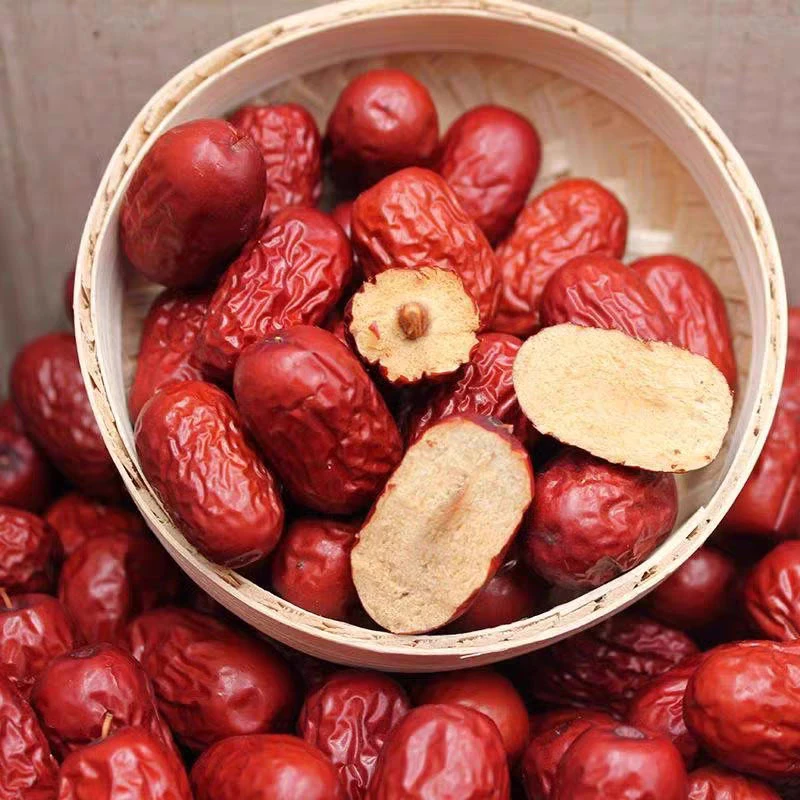
Jujube dates, often called red dates or Chinese dates, have been cultivated and consumed for thousands of years, especially in East Asian countries. Known for their sweet, chewy taste and vibrant red color, jujube dates are more than just a flavorful snack—they are a powerhouse of nutrition. But are jujube dates really good for you? Let’s explore their health benefits, nutritional profile, and best ways to incorporate them into your diet.
What Are Jujube Dates?
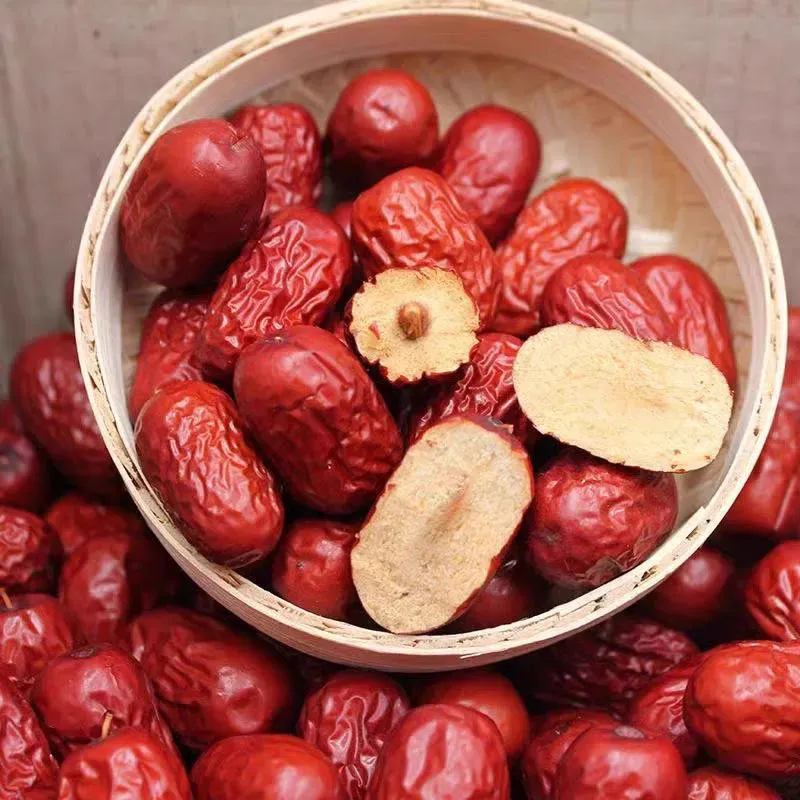
Jujube dates come from the Ziziphus jujuba tree, which is native to China. The fruits are small, round, and turn bright red when fully ripe. While they resemble common dates in appearance, jujubes have a lighter, crisp texture when fresh and a chewy consistency when dried. They are commonly used in traditional Chinese medicine, teas, desserts, and even soups due to their natural sweetness and medicinal properties.
Unlike regular dates, which are sticky and intensely sweet, jujube dates offer a more subtle sweetness, making them versatile for both culinary and health purposes. They can be eaten raw, dried, or boiled in water to create a soothing herbal drink.
Nutritional Benefits of Jujube Dates
Jujube dates are highly nutritious, containing essential vitamins, minerals, and antioxidants. A 100-gram serving of dried jujube dates provides:
-
Calories: ~79 kcal
-
Carbohydrates: ~20 g
-
Fiber: ~3 g
-
Vitamin C: 69 mg (more than 100% of the daily recommended intake)
-
Potassium: ~250 mg
-
Iron: 0.5 mg
These nutrients support overall health. Vitamin C helps strengthen the immune system, improve skin health, and fight free radicals, while potassium contributes to healthy blood pressure levels. The fiber content aids digestion, promotes gut health, and can even help regulate blood sugar levels.
Jujube Dates and Heart Health
One of the major health benefits of jujube dates is their positive effect on heart health. The fruit contains antioxidants such as flavonoids and phenolic acids that reduce inflammation and oxidative stress, two factors linked to heart disease.
Additionally, the potassium content in jujube dates helps regulate blood pressure by balancing sodium levels in the body. This combination of antioxidants and minerals makes jujube dates a heart-friendly food that can be easily included in a balanced diet.
Boosting Immunity and Energy Levels
Jujube dates are widely used in traditional medicine to boost immunity and overall vitality. They are rich in vitamin C and polysaccharides, which strengthen the immune system and improve the body’s ability to fight infections.
Eating jujube dates can also provide a natural energy boost. The natural sugars in the fruit—primarily glucose and fructose—are quickly absorbed by the body, providing instant energy without the crash often associated with refined sugars. This makes them an excellent snack for students, athletes, or anyone needing a quick pick-me-up during the day.
Benefits for Sleep and Mental Health
Jujube dates have long been associated with promoting better sleep and mental well-being. Studies suggest that certain compounds in jujube, such as saponins and flavonoids, may have a calming effect on the nervous system. Regular consumption of jujube dates is believed to help reduce anxiety, improve sleep quality, and support overall mental health.
For those struggling with insomnia or stress-related sleep issues, drinking jujube tea or adding dried jujube dates to evening meals can be a natural, soothing remedy.
How to Include Jujube Dates in Your Diet
There are many ways to enjoy jujube dates, whether fresh or dried. Here are some simple ideas:
-
Snacking: Eat dried jujube dates as-is for a healthy, sweet treat.
-
Teas and Infusions: Boil dried jujube dates in water to make a warm, calming tea.
-
Cooking and Baking: Add chopped jujube dates to porridge, desserts, or baked goods for natural sweetness.
-
Soups and Stews: Incorporate jujube dates into soups or stews for added flavor and nutrients.
It’s important to note that moderation is key, especially with dried jujube dates, as their sugar content is higher than fresh ones. A small handful per day is generally sufficient to enjoy the benefits without overconsuming calories.
Potential Considerations
While jujube dates are generally safe for most people, a few considerations are worth noting:
-
Blood sugar: Although jujube dates have a moderate glycemic index, individuals with diabetes should monitor portion sizes.
-
Allergies: Rarely, some people may experience allergic reactions to jujube. Stop consumption if you notice itching, swelling, or digestive issues.
-
Digestive sensitivity: Eating large amounts of dried jujube may cause bloating or mild diarrhea due to high fiber content.
Overall, jujube dates are a healthy addition to most diets, offering natural sweetness and a wide range of nutrients that support heart health, immunity, and overall wellness.
Conclusion
So, are jujube dates good for you? The answer is a resounding yes. With their rich nutritional profile, antioxidant content, and versatile culinary uses, jujube dates are more than just a sweet snack—they are a natural health booster. By including them in moderation in your diet, you can enjoy improved immunity, better heart health, enhanced energy, and even support for sleep and mental well-being. Whether eaten fresh, dried, or as a soothing tea, dried red dates truly offer a delicious way to nurture your body and mind.
Post time:lut . 10, 2026 17:34