Red dates, also known as jujube fruit, have been valued for centuries in traditional diets and herbal practices. Today, the benefits of red dates are gaining worldwide recognition as more consumers seek natural, nutrient-rich foods. Whether eaten fresh, dried, or brewed as tea, red dates offer a unique combination of flavor and health-supporting properties.
What Is a Red Date?
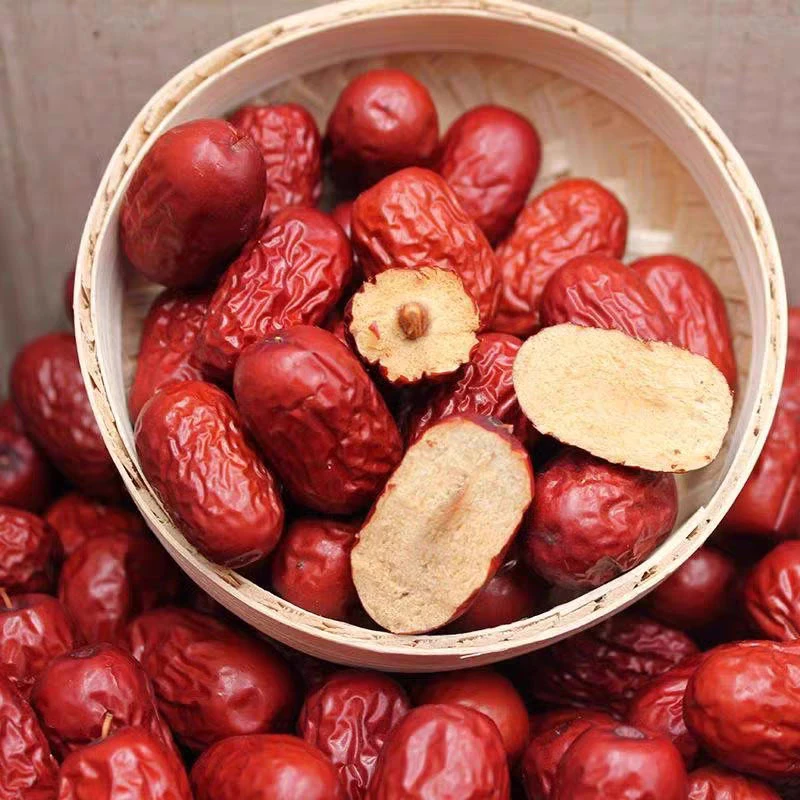
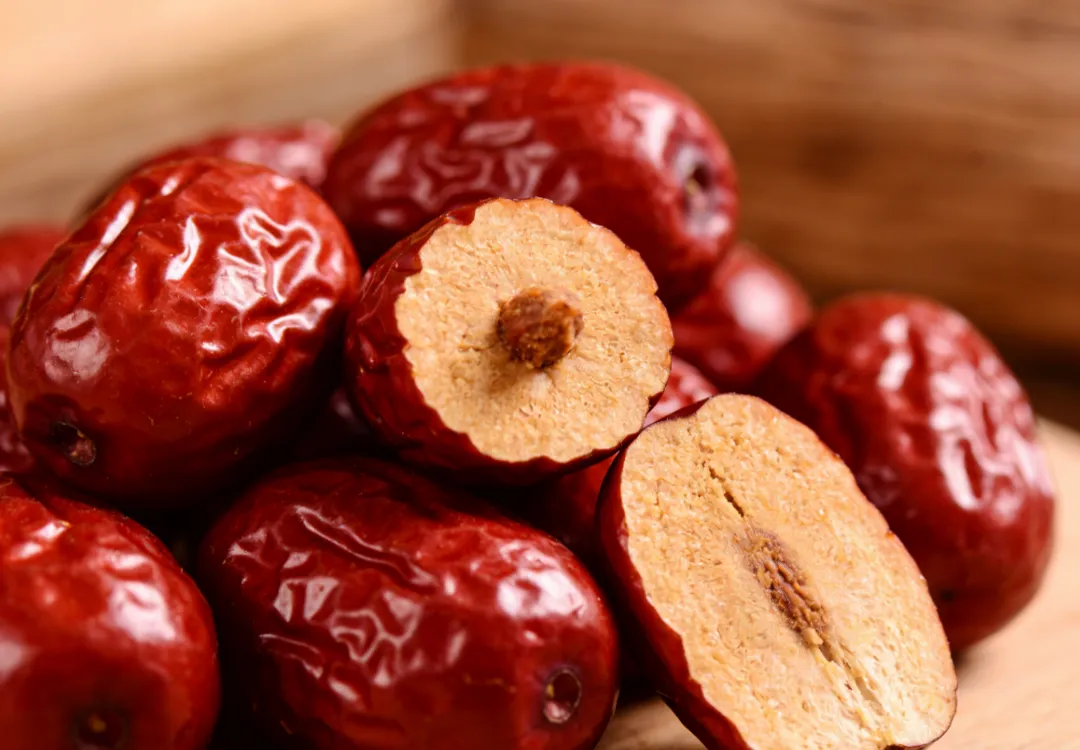
Red date, commonly known as jujube, is a small fruit that turns deep red when fully ripe. It has a slightly chewy texture when dried and a sweet, caramel-like flavor. In many Asian cultures, especially in China, red dates are a staple ingredient in soups, teas, desserts, and herbal tonics.
There are two common forms available in the market:
Fresh red dates (crisp like apples)
Dried red dates (wrinkled skin, concentrated sweetness)
The dried version is especially popular due to its longer shelf life and stronger nutritional density.
Nutritional Value: The Foundation of the Benefits of Red Date
One of the biggest advantages behind the benefit of red date lies in its impressive nutritional profile. Red dates contain:
Vitamin C
Dietary fiber
Potassium
Iron
Antioxidants
Natural sugars for energy
Vitamin C plays a key role in immune system support and skin health. Red dates are also rich in plant compounds such as flavonoids and polysaccharides, which contribute to antioxidant protection.
Because dried red dates have reduced water content, their nutrients are more concentrated, making them an excellent natural energy snack.
Immune System Support
A well-known benefit of red date is its role in supporting immune health. Thanks to its high vitamin C content and antioxidant compounds, red dates may help the body fight oxidative stress and maintain immune balance.
Antioxidants help neutralize free radicals, which can damage cells over time. Regular consumption of red dates, as part of a balanced diet, may contribute to better overall wellness, especially during seasonal changes.
Red date tea is commonly consumed during colder months as a natural warming beverage that supports the body’s defense system.
Digestive Health Benefits
Another important benefit of red date is improved digestive function. Red dates contain dietary fiber, which supports healthy bowel movement and gut balance.
The natural fiber content helps:
Promote regular digestion
Support beneficial gut bacteria
Reduce occasional constipation
In traditional diets, red dates are often added to soups or boiled with ginger to create gentle digestive tonics.
Because they are naturally sweet and easy to digest, red dates are suitable for many age groups when consumed in moderation.
Natural Energy and Blood Support
Red dates are widely recognized as a natural energy booster. Their combination of natural sugars, iron, and carbohydrates provides quick and sustained energy without artificial stimulants.
Iron contributes to normal red blood cell production, which supports oxygen transport throughout the body. This is one reason why the benefit of red date is often associated with vitality and reduced fatigue.
Athletes and busy professionals sometimes choose dried red dates as a convenient snack to maintain energy levels during long workdays.
Skin and Anti-Aging Support
The antioxidant content in red dates contributes to skin health. Antioxidants help reduce oxidative stress, which is one of the factors linked to premature aging.
Vitamin C in red dates supports collagen production, which is essential for maintaining skin elasticity. While red dates are not a medical treatment, incorporating antioxidant-rich foods into your diet may help maintain a healthy complexion.
This growing awareness of natural beauty from within has increased global demand for red date products.
Heart Health and Blood Circulation
Potassium is another key nutrient found in red dates. It plays an important role in maintaining normal blood pressure levels. Diets that include potassium-rich foods can support cardiovascular health.
Additionally, the fiber content may help maintain balanced cholesterol levels when combined with a healthy lifestyle. This makes the benefit of red date particularly attractive for consumers seeking heart-friendly snacks.
As global health trends move toward plant-based and functional foods, red dates are becoming a valuable ingredient in health-focused diets.
How to Consume Red Dates

Red dates are extremely versatile and can be consumed in many ways:
Brewed into red date tea
Added to soups and herbal broths
Mixed into porridge or rice dishes
Eaten as a natural snack
Used in baked goods
For tea, simply soak 3–5 dried red dates in hot water for 10–15 minutes. Some people slice them open to release more flavor.
Moderation is important, as dried red dates contain natural sugars. A small daily portion is generally sufficient to enjoy the nutritional benefits.
Red Date in the Global Market
With the rise of functional foods, the benefits of red date is gaining international attention. Consumers in Europe, North America, and Southeast Asia are increasingly exploring traditional superfoods.
Export-quality red dates are carefully selected, cleaned, and dried to preserve nutrients and flavor. High-quality red dates typically feature:
-
Uniform size
-
Deep red color
-
Low moisture content
-
Natural sweetness
This growing demand makes red dates a promising product for wholesalers and retailers in the health food sector.
Conclusion: Why the Benefit of Red Date Matters Today
The benefit of red date goes beyond its sweet taste. From immune support and digestive health to natural energy and antioxidant protection, red dates offer a wide range of nutritional advantages.
As consumers increasingly seek natural, plant-based wellness solutions, red dates stand out as a time-tested fruit with modern appeal. Whether enjoyed as tea, a snack, or an ingredient in daily meals, red dates provide a simple yet powerful addition to a balanced diet.
Their combination of tradition, nutrition, and versatility explains why red dates continue to grow in popularity across global markets.
Post time:мар . 03, 2026 16:37