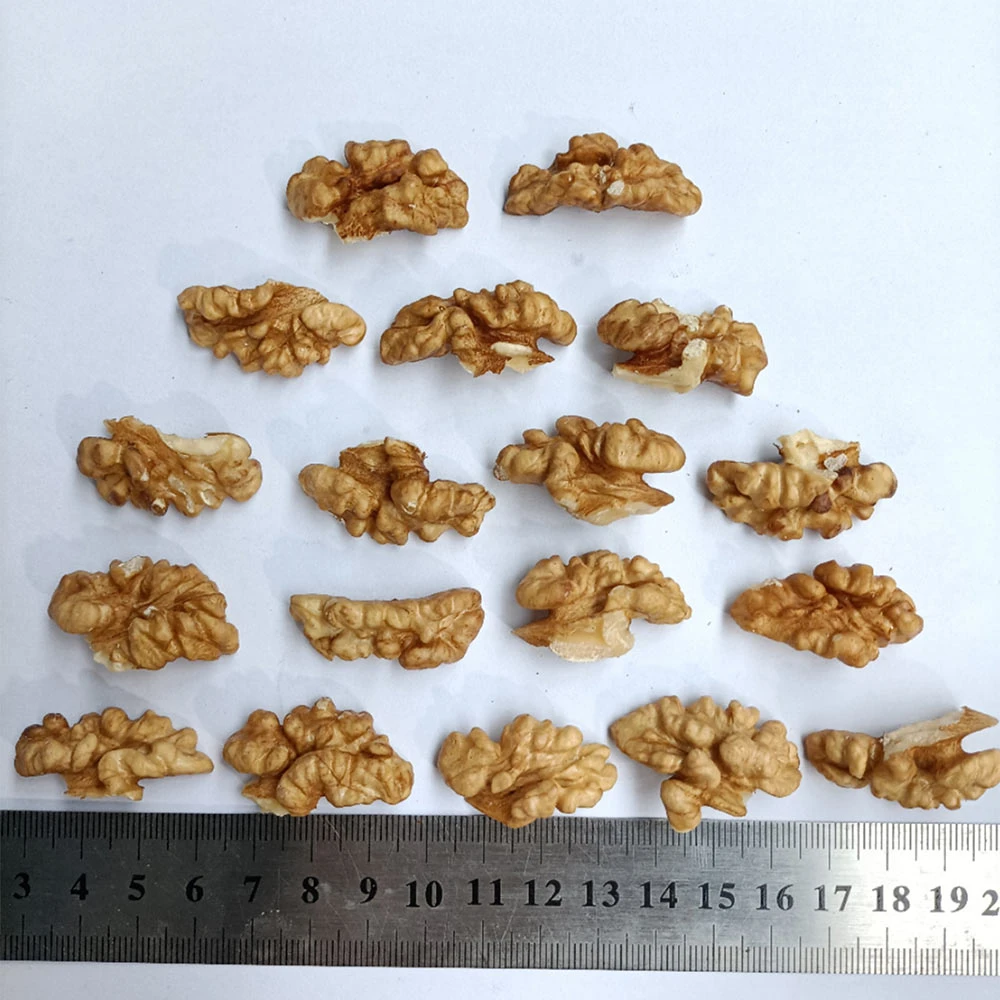
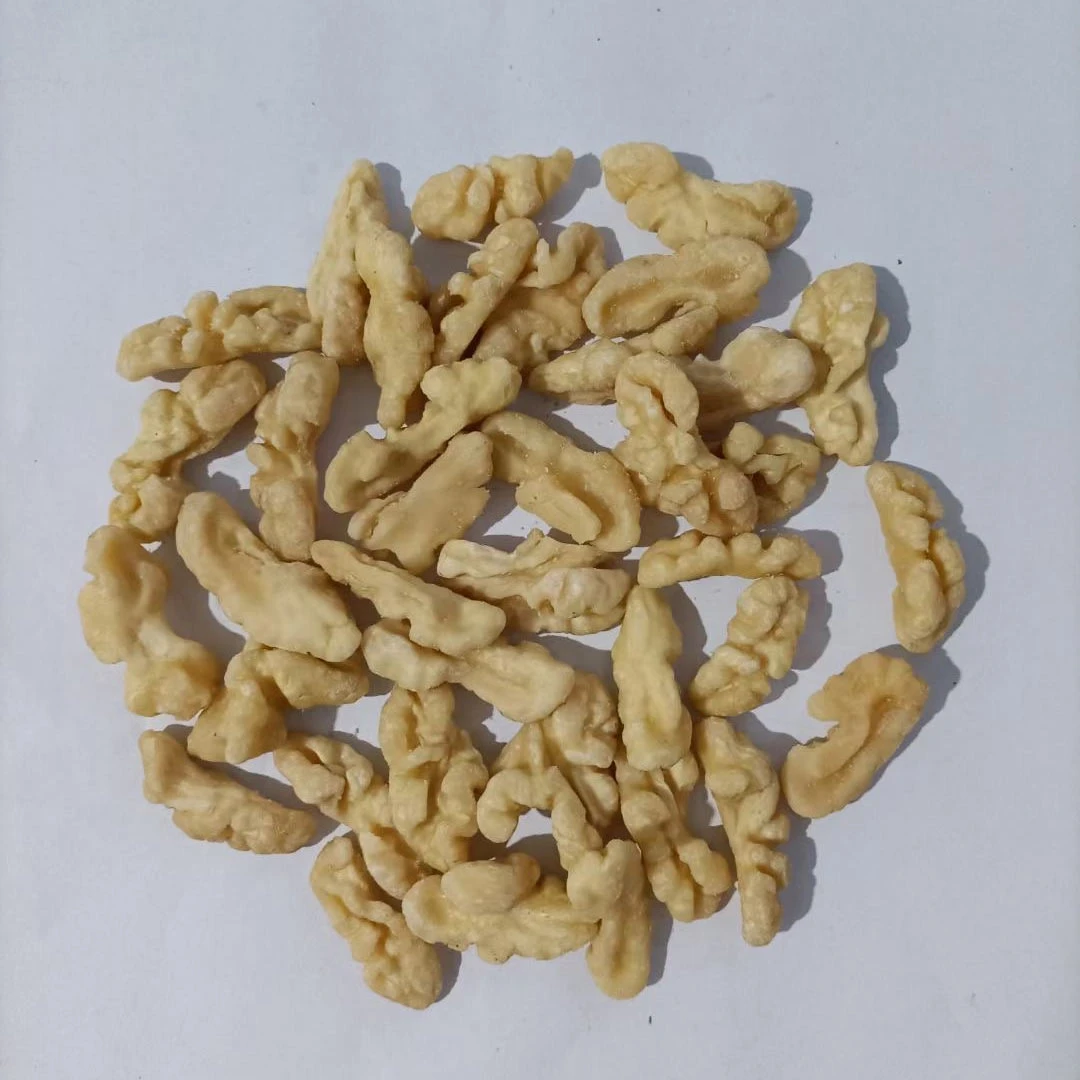
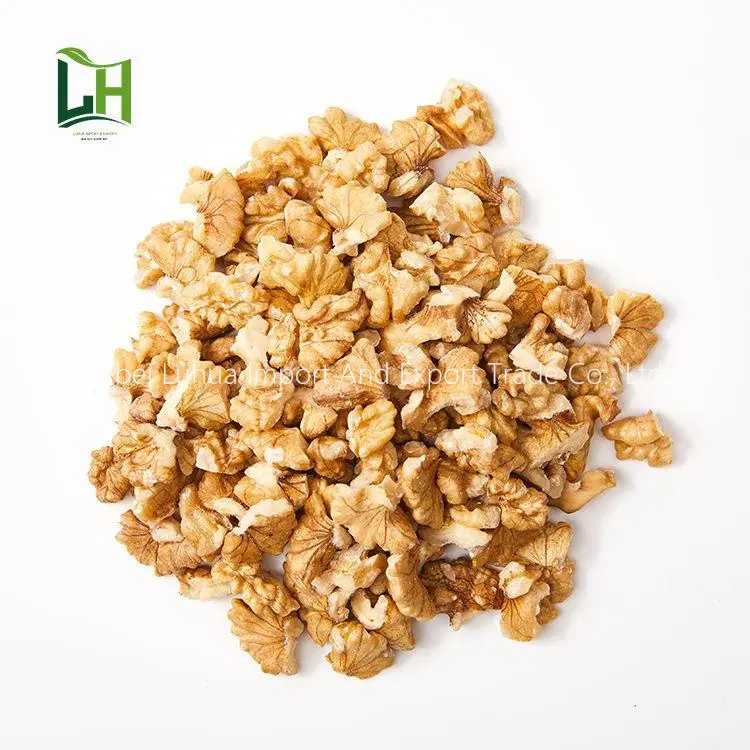
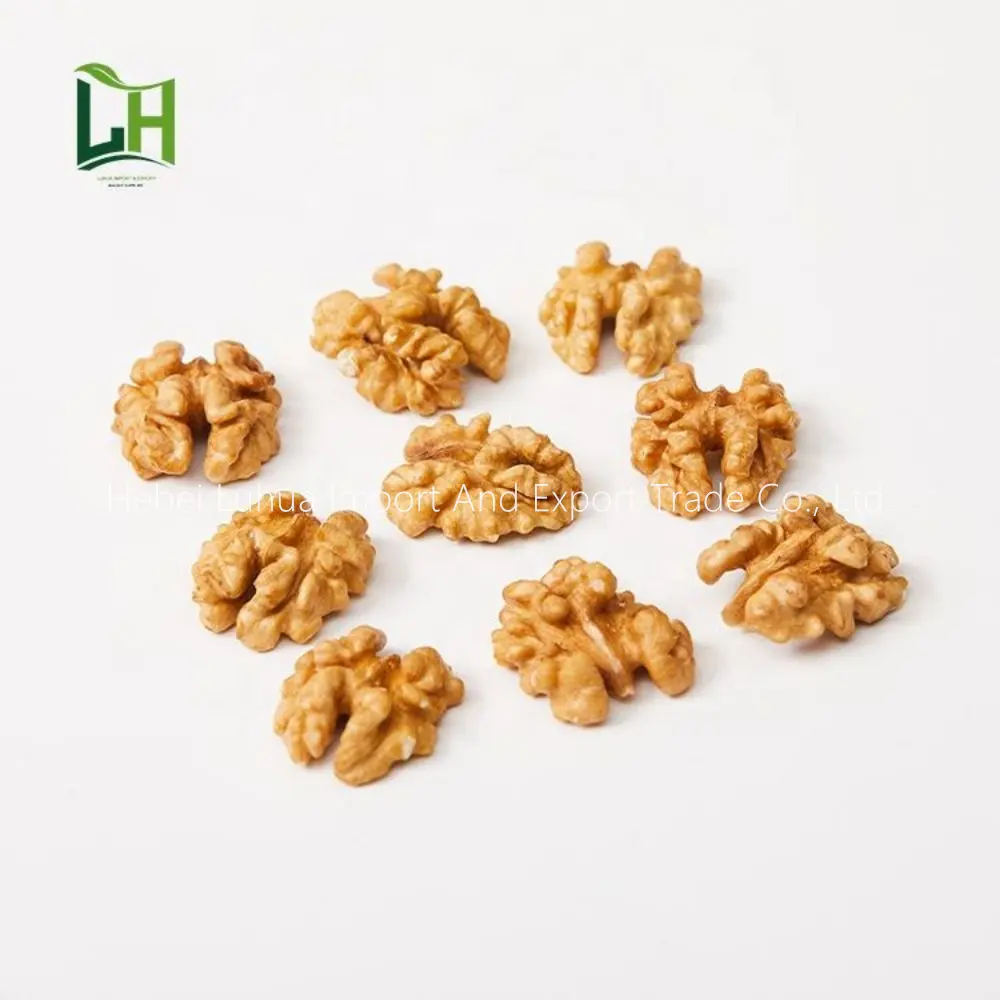
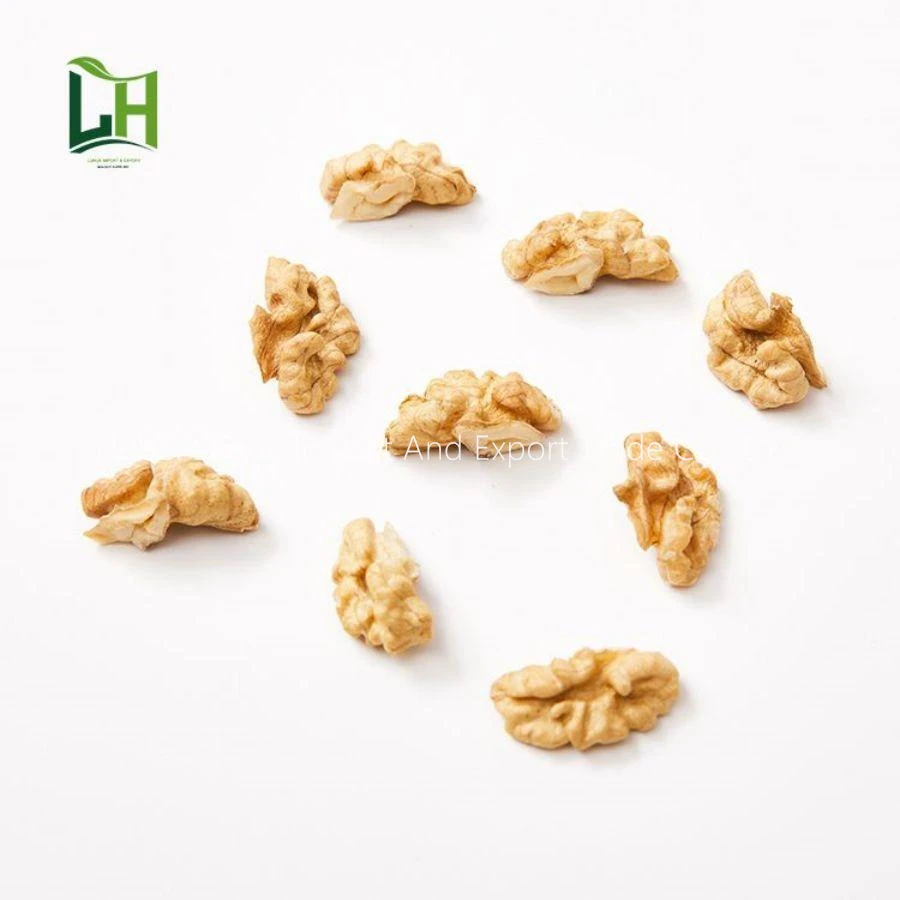
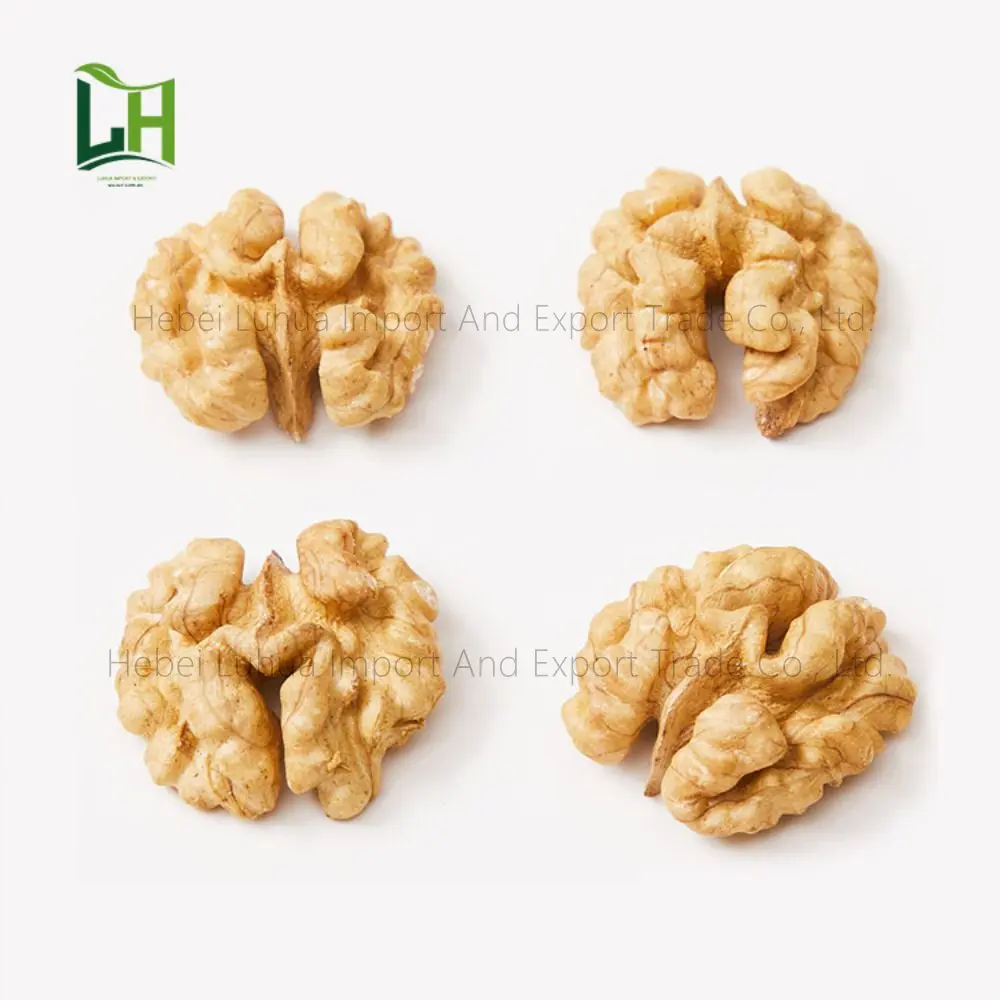
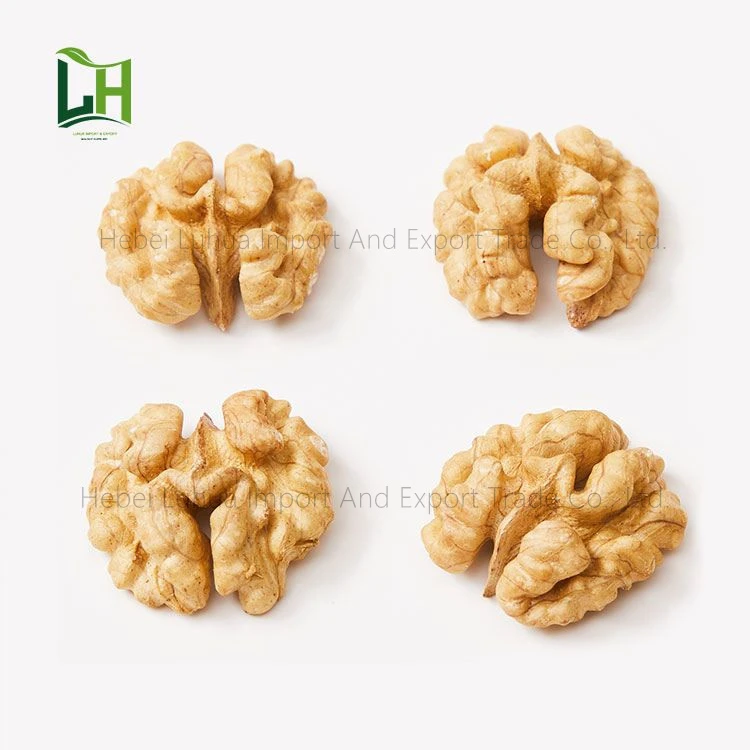
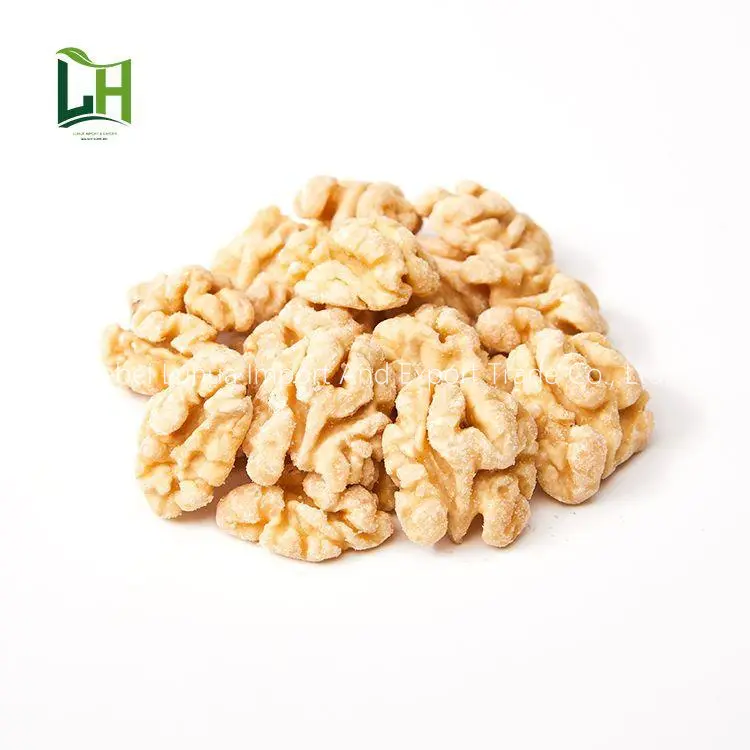
Walnuts have long been celebrated as a “brain food,” and for good reason. Packed with essential nutrients, antioxidants, and healthy fats, walnuts are not just a tasty snack—they can play a crucial role in supporting brain development and cognitive function. From improving memory to enhancing focus, incorporating walnuts into your daily diet may have lasting benefits for both children and adults.
Why Walnuts Are Known as Brain Food
Walnuts are unique among nuts due to their high content of alpha-linolenic acid (ALA), a plant-based omega-3 fatty acid. Omega-3 fatty acids are essential for brain health, playing a vital role in the structure and function of brain cells. They help form cell membranes in the brain, facilitate communication between neurons, and reduce inflammation, which can impair cognitive function.
In addition to ALA, walnuts contain antioxidants such as vitamin E, polyphenols, and melatonin. These compounds help protect brain cells from oxidative stress, a process linked to aging and neurodegenerative conditions. Research suggests that regular walnut consumption may improve memory, learning ability, and overall mental clarity, making walnuts a natural ally in brain development.
Walnuts and Child Brain Development
For growing children, brain development is a priority, and nutrition plays a central role. Including walnuts in a child’s diet can support cognitive growth due to their rich profile of healthy fats, protein, and essential micronutrients. Walnuts provide key compounds such as folate, magnesium, and vitamin B6, all of which are important for neurotransmitter production and optimal brain function.
Studies have shown that children who consume a diet rich in omega-3 fatty acids tend to perform better in tasks involving memory, attention, and problem-solving. By introducing walnut kernels as part of snacks, cereals, or baked goods, parents can help ensure their children receive these brain-boosting nutrients in a delicious and convenient form.
Benefits of Walnuts for Adult Cognitive Function
Walnuts are not just for children—they are equally beneficial for adults seeking to maintain cognitive health. As people age, brain function naturally declines, but consuming nutrient-dense foods like walnuts can slow this process. Regular walnut consumption has been linked to improved memory, attention, and executive function in adults.
The antioxidants and anti-inflammatory compounds in walnuts help protect neurons and support healthy blood flow to the brain. This combination is especially beneficial in reducing the risk of age-related cognitive decline and conditions such as Alzheimer’s disease. Adding a handful of walnuts to your daily diet can serve as a simple yet effective strategy to maintain mental sharpness over time.
How to Incorporate Walnuts into Your Diet
Incorporating walnuts into your daily routine is easy and versatile. They can be eaten raw as a snack, toasted for enhanced flavor, or added to meals for a nutritional boost. Common ways to enjoy walnuts include:
-
Breakfast: Sprinkle chopped walnuts over oatmeal, yogurt, or smoothies.
-
Baking: Add walnut kernels to muffins, cakes, or homemade granola bars.
-
Salads and Main Dishes: Toss walnuts into salads, roasted vegetables, pasta, or stir-fries.
-
Nut Butter and Milk: Make walnut butter or walnut milk for a healthy alternative to dairy or traditional spreads.
To maximize benefits, it is recommended to consume a small handful (about 1 ounce or 28 grams) of walnuts daily. Lightly toasting them can enhance taste without significantly reducing their nutritional value.
Research Supporting Walnuts and Brain Health
Multiple studies have confirmed the positive effects of walnuts on cognitive function. Clinical trials suggest that regular walnut consumption improves memory performance and attention in adults, while observational studies indicate that higher walnut intake is associated with better cognitive scores in older populations.
Animal studies also support these findings, showing that diets enriched with walnuts enhance learning ability, memory retention, and synaptic plasticity—the ability of the brain to form new neural connections. While more research is ongoing, current evidence strongly supports including walnuts as part of a brain-healthy diet.
Additional Nutritional Benefits of Walnuts
Beyond brain health, walnuts offer a host of other nutritional advantages. They are rich in protein, fiber, and healthy monounsaturated and polyunsaturated fats. Walnuts support heart health by improving cholesterol levels and reducing inflammation, aid in weight management by promoting satiety, and provide essential minerals such as magnesium, copper, and manganese.
This combination of benefits makes walnuts a truly multifunctional food—supporting both cognitive health and overall wellness.
Conclusion
Walnuts are more than just a tasty snack—they are a natural, nutrient-dense food that supports brain development and cognitive function across all ages. Rich in omega-3 fatty acids, antioxidants, and essential vitamins and minerals, walnuts help protect brain cells, enhance memory, and improve focus.
Whether incorporated into children’s snacks, adult meals, or as part of a daily wellness routine, China walnuts offer a simple and delicious way to nurture brain health naturally. By making walnut kernels a regular part of your diet, you can enjoy their rich flavor while supporting long-term cognitive development and overall well-being.

Post time:феб . 10, 2026 17:44