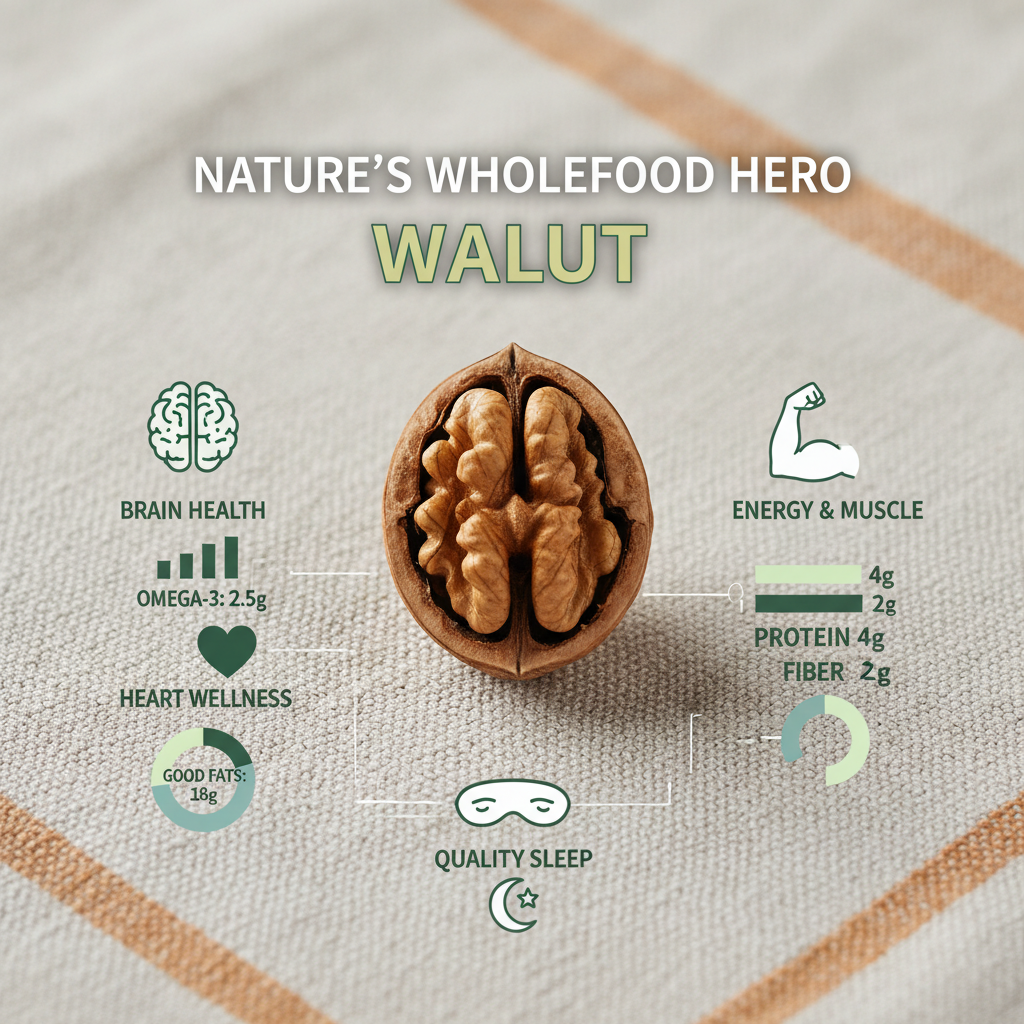
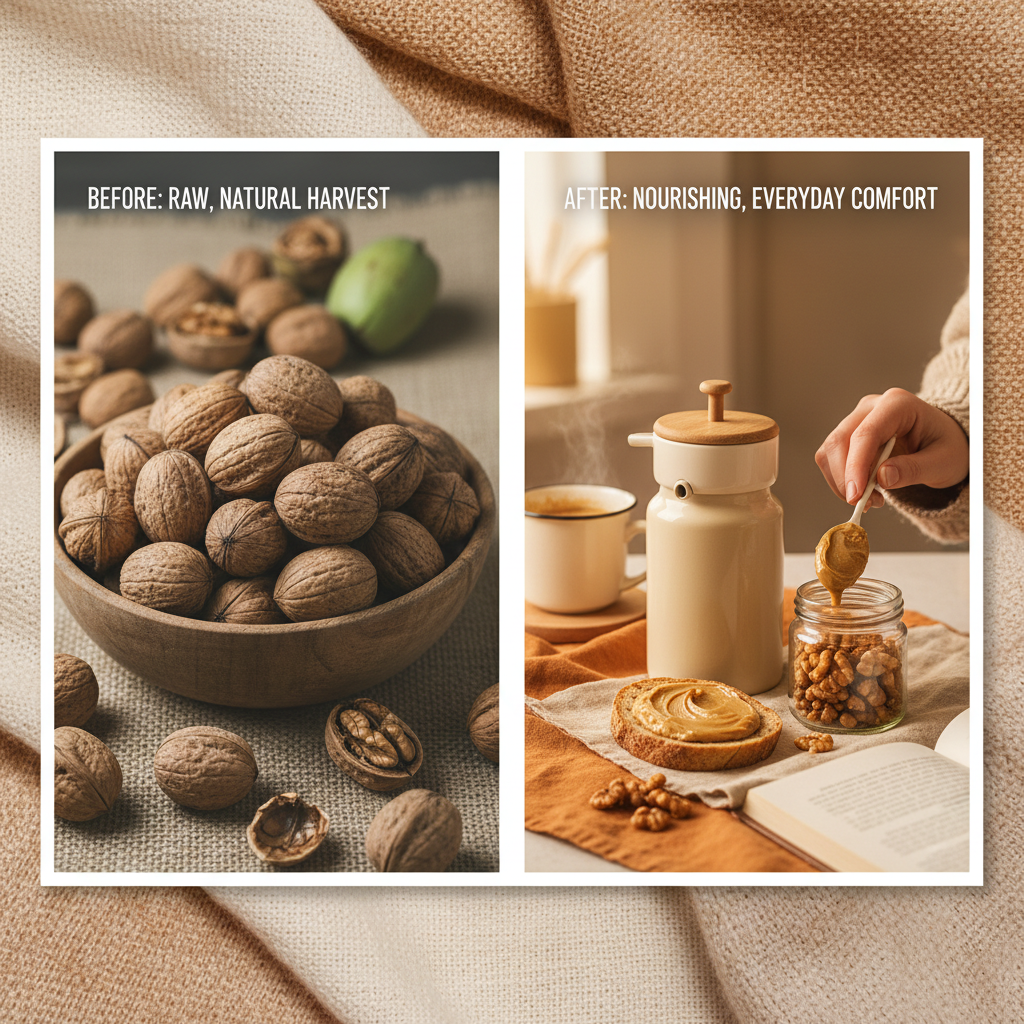
In the diverse world of nutrient-dense superfoods, a walnut stands as a testament to nature's efficiency, packing a powerhouse of omega-3 fatty acids and antioxidants into a single, rugged shell. For global consumers and industrial processors alike, understanding the nuances of this nut is key to unlocking its full commercial and nutritional potential.
From an industrial perspective, the processing of walnut kernels requires a delicate balance of mechanical precision and biological preservation. As the demand for healthy snacking grows worldwide, the ability to source and refine a walnut while maintaining its organic integrity has become a competitive edge for top-tier processors.
Whether you are a wholesaler looking for premium stripped walnut kernels or a health-conscious consumer, recognizing the quality markers of a walnut ensures both safety and satisfaction. This guide explores the journey of the walnut from the orchard to the final packaged product.
Global Market Dynamics of a Walnut
The global trade of a walnut has seen exponential growth, driven by a shift toward plant-based diets and the recognition of brain-healthy fats. According to international trade data, the demand for high-quality walnut kernels in Asia and Europe has forced producers to standardize their grading systems to ensure consistency across borders.
However, this surge in demand brings the challenge of supply chain stability. Factors such as climate volatility and fluctuating crop yields mean that industrial buyers must seek diversified sourcing strategies to ensure a steady flow of premium walnuts for the confectionery and health-food sectors.
Botanical Definition and Industrial Meaning
In simple botanical terms, a walnut is the seed of a drupe, characterized by a hard woody shell that protects the nutrient-rich kernel inside. Unlike soft-shelled nuts, the architecture of a walnut requires specialized cracking and stripping equipment to extract the kernel without causing fragmentation.
In the modern industrial context, a walnut is more than just a food item; it is a raw material for the pharmaceutical and cosmetic industries. The oils extracted from the kernel are prized for their emollient properties and high concentrations of alpha-linolenic acid, bridging the gap between agriculture and biotechnology.
Understanding the distinction between "in-shell" and "stripped" kernels is vital for procurement. While in-shell walnuts offer longer shelf life, stripped kernels provide the convenience required for large-scale food manufacturing, making the efficiency of the stripping process a key economic driver.
Core Components of Quality Kernels
The first indicator of a high-quality walnut is its color. A bright, creamy white or light gold kernel suggests fresh harvesting and proper drying, whereas dark discolorations often indicate oxidation or poor storage conditions.
The second critical component is the oil content and stability. Because a walnut is rich in polyunsaturated fats, it is susceptible to rancidity. Industrial-grade walnuts are often vacuum-packed or nitrogen-flushed to prevent oxygen from degrading these sensitive lipids.
Finally, the structural integrity, or "wholeness," of the kernel determines its market value. Whole halves are preferred for premium retail packaging, while broken pieces are typically diverted to the flour or oil-pressing industries.
Processing Efficiency and Scalability
Scaling the production of a walnut requires an integration of automated sorting and precision cracking. The goal is to maximize the yield of whole kernels while minimizing the waste of the outer shell, which can then be repurposed for biomass fuel.
Efficiency is measured not just by speed, but by the reduction of "fines" (tiny fragments). By implementing AI-driven optical sorting, processors can categorize kernels by color and size in real-time, ensuring that only the highest grade of walnut reaches the consumer.
Comparative Efficiency of Walnut Processing Methods
Global Applications and Use Cases
In the culinary world, a walnut is a versatile ingredient used in everything from traditional pestos to high-end vegan cheeses. Its earthy flavor profile and creamy texture when blended make it an ideal substitute for dairy in plant-based industrial food production.
Beyond food, the application of walnut shells in industrial abrasive blasting is a key use case. Because the shells are hard yet biodegradable, they are used to clean delicate machinery and aircraft parts without damaging the underlying metal, offering an eco-friendly alternative to plastic beads.
Long-Term Value and Sustainability
Investing in the sustainable cultivation of a walnut provides long-term ecological benefits. Walnut trees are known for their longevity and ability to sequester significant amounts of carbon, making them a viable component of regenerative agricultural landscapes.
From a social impact perspective, the walnut industry supports thousands of small-scale farmers globally. By establishing fair-trade certifications and direct-to-processor pipelines, the industry can ensure that the economic value of the crop is distributed more equitably.
Furthermore, the reliability of walnut kernels as a nutrient source makes them essential for food security initiatives in remote regions, where shelf-stable, high-calorie, and heart-healthy foods are in high demand.
Future Trends in Nut Processing
The future of processing a walnut lies in the integration of "Industry 4.0" technologies. We are seeing a move toward fully autonomous warehouses where IoT sensors monitor the humidity and temperature of stored walnuts to prevent spoilage before it happens.
Additionally, green energy is transforming the factory floor. Modern processing plants are now using the waste shells from the walnut to power their own boilers, creating a circular economy that reduces the carbon footprint of the final product.
We also anticipate a rise in functionalized walnut products, such as micronized walnut powders for the nutraceutical market, which will allow for easier absorption of omega-3s in specialized dietary supplements.
Analysis of Modern Walnut Processing Standards
| Processing Dimension |
Traditional Method |
Modern AI Method |
Sustainability Impact |
| Kernel Extraction |
Mechanical Pressure |
Precision Laser-Cut |
Low Waste |
| Quality Grading |
Manual Inspection |
Hyperspectral Imaging |
High Accuracy |
| Preservation |
Cold Storage |
Modified Atmosphere |
Reduced Energy |
| Shell Disposal |
Landfill/Discard |
Biomass Conversion |
Carbon Neutral |
| Packaging |
Plastic Bags |
Biodegradable Films |
Eco-Friendly |
| Logistics |
Batch Shipping |
Just-in-Time (JIT) |
Lower Emissions |
FAQS
Stripped walnut kernels have had the hard outer shell removed through industrial processing, making them ready for immediate consumption or use in recipes. In-shell walnuts remain in their protective casing, which naturally preserves the oils and extends the shelf life, making them better for long-term storage before cracking.
The most reliable way to detect rancidity in a walnut is through smell and taste. Rancid walnuts often have a sharp, paint-like, or bitter smell due to the oxidation of polyunsaturated fats. If the kernel tastes sour or overly bitter compared to its usual earthy sweetness, it should be discarded.
Nutritionally, they are nearly identical. However, whole halves have less surface area exposed to oxygen, which means they typically stay fresh longer and are less likely to oxidize. From a commercial standpoint, whole halves command a higher price due to their aesthetic appeal in retail packaging.
For bulk storage, it is recommended to keep walnut kernels in airtight containers, preferably vacuum-sealed or stored in a cool, dark environment such as a refrigerator or freezer. This minimizes exposure to heat and light, which are the primary catalysts for oil oxidation and flavor degradation.
Yes, walnut shells are highly valuable. In industry, they are ground into grit for use as a gentle abrasive in sandblasting. They are also widely used as a fuel source for biomass boilers or as a soil amendment in organic farming to improve drainage and aeration.
Sourcing requires looking for suppliers with ISO or HACCP certifications to ensure food safety. It is critical to request samples for oil stability tests (peroxide value) and to verify the grading standards (e.g., size and color) to ensure the product meets the specific regulatory requirements of the destination country.
Conclusion
In summary, a walnut is far more than a simple snack; it is a complex biological product that requires precision engineering to process and strategic management to trade. From the importance of omega-3 preservation to the innovative use of shells in green energy, the walnut industry exemplifies the intersection of traditional agriculture and modern industrial efficiency.
Looking ahead, the shift toward automation and sustainable sourcing will define the next era of the nut processing industry. By prioritizing quality control and ecological responsibility, producers can continue to provide the world with a nutrient-dense superfood that supports both human health and planetary well-being. Visit our website for premium sourcing: www.luhuawalnut.com