Sourcing walnuts in bulk cheap is a critical strategic move for food manufacturers, wholesalers, and health-conscious distributors worldwide. As the global demand for plant-based proteins and omega-3 fatty acids surges, the ability to secure high-quality walnut kernels at a competitive price point determines the profit margins and market viability of countless confectionery and bakery businesses.
The complexity of the global nut supply chain often creates price volatility, making it challenging for buyers to find a reliable balance between cost and quality. By understanding the dynamics of bulk procurement, businesses can bypass unnecessary intermediaries and leverage direct-from-source logistics to ensure a steady flow of premium walnuts without inflating their operational overheads.
Whether you are integrating stripped walnut kernels into a mass-market snack line or supplying organic wholesalers, the quest for walnuts in bulk cheap is not just about the lowest price, but about optimizing the total cost of ownership through quality assurance, efficient shipping, and sustainable sourcing practices.
Global Market Dynamics of Bulk Walnuts
The global trade of walnuts is governed by a complex interplay of agricultural yield and international trade policies. With major producing regions in China, the USA, and Chile, the availability of walnuts in bulk cheap often fluctuates based on seasonal harvests and climatic shifts. According to FAO data, the increasing preference for heart-healthy diets has pushed the demand for bulk walnuts to unprecedented levels, forcing suppliers to innovate in processing and storage.
For industrial buyers, navigating this market requires a deep understanding of "harvest windows." Buying during peak production periods typically allows companies to secure the most competitive rates. However, the challenge lies in maintaining a consistent quality standard when purchasing massive quantities, as moisture content and oil stability can vary significantly between different growing regions.
Defining Value in Cheap Bulk Procurement
When industry professionals search for walnuts in bulk cheap, the term "cheap" should be interpreted as "optimal value" rather than "low quality." In the context of professional food processing, value is defined by the ratio of the purity of the walnut kernels to the cost per metric ton. This includes the absence of shell fragments, low peroxide values to prevent rancidity, and consistent sizing.
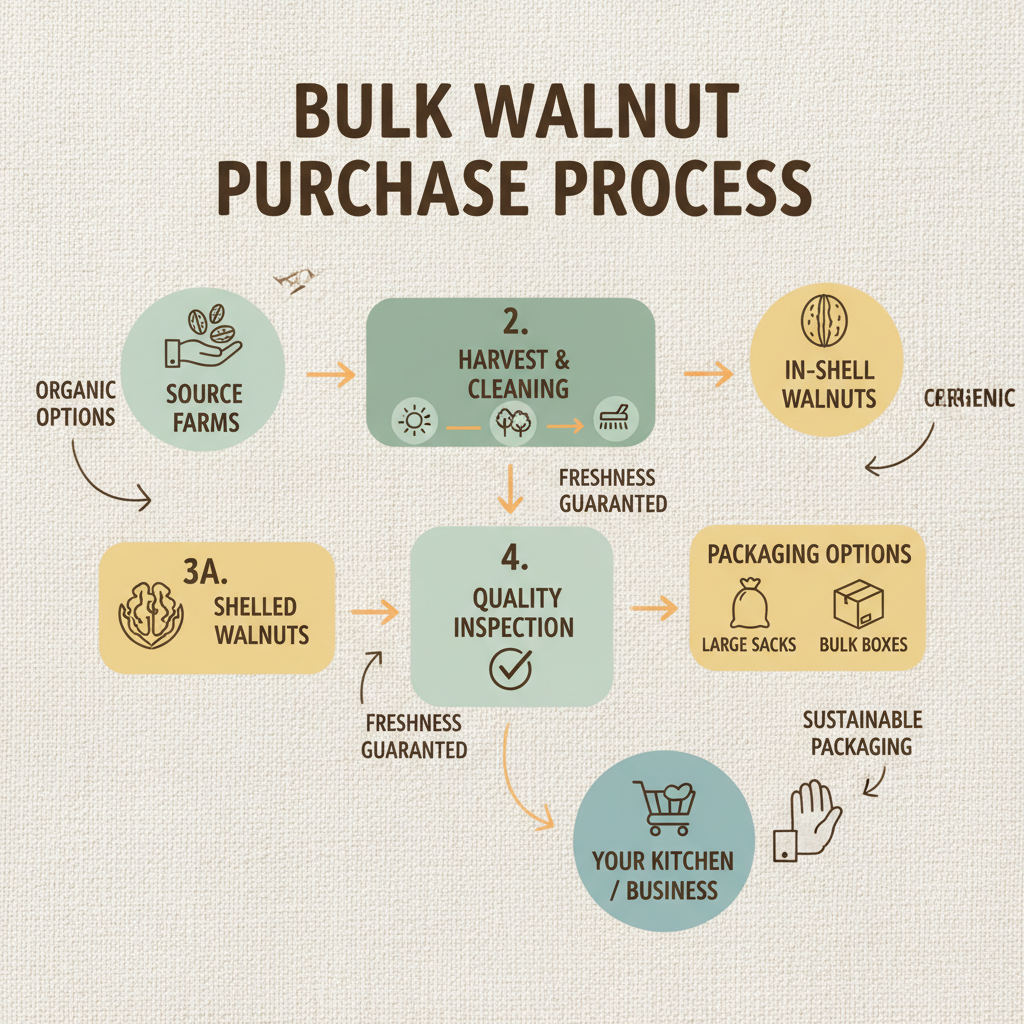
Modern industry requirements demand that bulk nuts meet strict ISO and HACCP certifications. A truly cost-effective procurement strategy involves sourcing from facilities that integrate automated sorting and vacuum packaging, which reduces waste and extends shelf life. This prevents the hidden costs associated with spoilage and product recalls, which can far outweigh the initial savings of a low-priced offer.
Furthermore, the connection between bulk procurement and humanitarian aid is noteworthy. NGOs and global food programs often require nutrient-dense, shelf-stable foods to combat malnutrition in remote areas. Providing high-quality walnuts in bulk allows these organizations to deliver essential calories and fats to vulnerable populations at a scalable and affordable cost.
Core Factors Affecting Bulk Walnut Pricing
One of the primary drivers for those seeking walnuts in bulk cheap is the grade of the kernel. "Light" kernels typically command a premium, while "amber" or "darker" kernels are more affordable and ideal for baking or grinding into pastes where color is less critical. Understanding these grading systems allows buyers to optimize their budgets based on the end-use of the product.
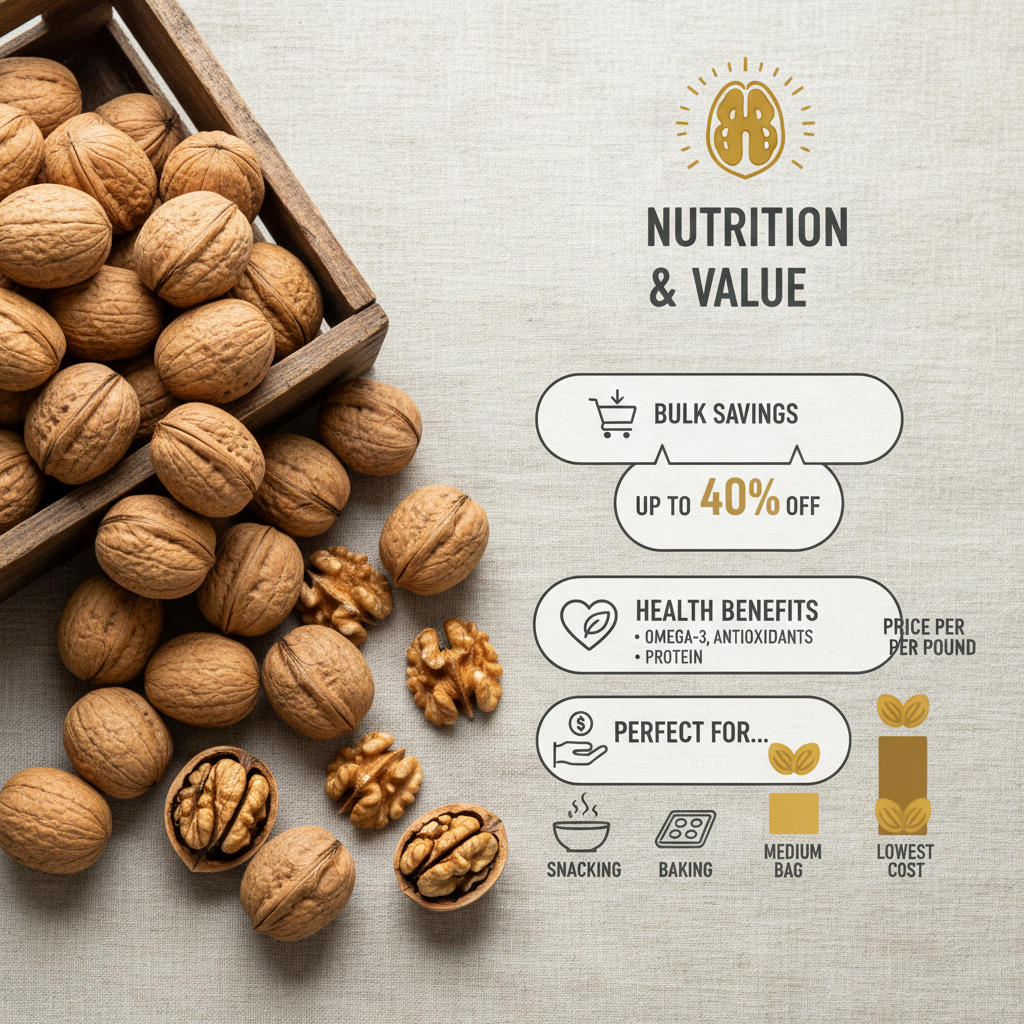
Packaging scalability also plays a massive role in cost reduction. Transitioning from small retail bags to 10kg or 25kg vacuum-sealed bulk packs significantly lowers the cost per unit. By reducing the amount of plastic waste and labor required for packing, suppliers can offer walnuts in bulk cheap without compromising the integrity of the nut.
Finally, the logistics of the "cold chain" influence the final price. Walnuts are rich in polyunsaturated fats, which are prone to oxidation. Sourcing from suppliers who utilize temperature-controlled warehousing prevents the degradation of the product. Investing in slightly better storage at the source ensures that the bulk purchase remains fresh throughout its transit, ensuring a higher return on investment.
Industrial Applications and Cost Efficiency
The application of bulk walnut sourcing extends across multiple sectors. In the confectionery industry, large-scale producers of pralines and nut-bars rely on a consistent supply of walnuts in bulk cheap to keep retail prices stable. By utilizing stripped walnut kernels, they eliminate the labor cost of shelling in-house, streamlining their production lines.
Similarly, the health supplement industry uses bulk walnut powder as a base for omega-3 boosters. The ability to source tons of raw material at a low cost allows these companies to invest more into R&D and sustainable packaging, creating a product that is both affordable for the consumer and profitable for the manufacturer.
Cost-Benefit Analysis of Bulk Walnut Procurement Methods
Strategic Advantages of Direct Sourcing
One of the most significant advantages of bypassing middlemen to find walnuts in bulk cheap is the transparency of the supply chain. Direct sourcing allows the buyer to verify the farming practices, ensure that no prohibited pesticides are used, and confirm that the workers are treated fairly. This traceability is increasingly important for brands that market themselves as "ethical" or "organic."
Furthermore, direct partnerships with processing plants allow for customized specifications. For instance, a bakery might require specifically halved kernels rather than whole ones. When ordering in bulk, these customizations can be integrated into the processing phase at the factory, reducing the need for secondary processing at the buyer's facility and further lowering the overall cost.
Future Trends in Nut Supply Chain Automation
The future of obtaining walnuts in bulk cheap is being reshaped by AI-driven demand forecasting. By analyzing weather patterns and historical consumption data, suppliers can now predict yield shortages before they happen, allowing bulk buyers to lock in prices through forward contracts. This digital transformation minimizes the risk of price spikes.
Automation in the sorting process is also reaching new heights. Optical sorting technology can now detect minute defects or foreign materials with 99.9% accuracy. This means that "cheap" bulk lots are now of a higher quality than "premium" lots from a decade ago, as machine precision eliminates human error in grading.
Sustainability is the final frontier. We are seeing a shift toward "green logistics," where bulk shipments are transported using carbon-neutral shipping lanes. Companies that adopt these sustainable methods not only reduce their environmental footprint but also benefit from government tax incentives, which effectively lowers the net cost of their bulk walnut imports.
Overcoming Logistics Challenges in Bulk Shipping
Shipping massive quantities of walnuts presents a unique set of challenges, primarily regarding moisture and temperature. To keep walnuts in bulk cheap while maintaining quality, the use of desiccants and nitrogen-flushed packaging is essential. This prevents the growth of mold and slows down the oxidation of the oils during long sea voyages.
Another critical hurdle is the "last-mile" delivery from the port to the warehouse. Many companies lose their cost advantage by using inefficient local transport. Integrating a 3PL (Third Party Logistics) provider that specializes in food-grade transport can optimize routes and reduce the time the product spends in non-climate-controlled environments.
Ultimately, the solution to logistical bottlenecks lies in strategic warehousing. By establishing regional hubs, wholesalers can buy walnuts in massive bulk during the harvest season and distribute them locally throughout the year. This strategy hedges against price volatility and ensures that the end-user always has access to affordable, high-quality kernels.
Comparative Analysis of Bulk Walnut Logistics and Quality Control
| Logistics Method |
Cost Impact |
Quality Preservation |
Risk Level |
| Standard Sea Freight |
Lowest |
Moderate |
High (Moisture) |
| Refrigerated Containers |
Medium |
Highest |
Low |
| Air Freight (Express) |
Highest |
High |
Very Low |
| Vacuum Bulk Packing |
Low-Medium |
Very High |
Low (Oxidation) |
| Regional Hub Storage |
Medium |
High |
Moderate |
| Direct Trucking |
Medium |
Moderate |
Medium |
FAQS
The key is to request a Certificate of Analysis (CoA) and third-party inspection reports (like SGS). Look for parameters such as peroxide value, moisture content, and aflatoxin levels. Always request a pre-shipment sample to verify the grade and color of the kernels before finalizing a large-scale purchase.
Walnuts should be stored in a cool, dry environment, ideally between 0°C and 5°C. For bulk quantities, vacuum-sealed packaging or nitrogen-flushed bags are highly recommended to remove oxygen. If stored in a warehouse, ensure the nuts are kept off the floor on pallets to allow for proper air circulation.
Yes, stripped walnut kernels are typically more expensive per pound because the labor and machinery cost of shelling is already covered. However, for industrial users, they are more "cost-effective" because they eliminate waste and processing time in the factory. Buying in bulk kernels is the fastest way to scale production.
Prices usually drop immediately following a successful harvest in the primary producing regions. However, if there is a drought or frost, supply drops and prices spike. To secure walnuts in bulk cheap, we recommend signing annual contracts with fixed prices to hedge against these seasonal fluctuations.
Most professional suppliers offer customizable bulk packaging, ranging from 10kg vacuum bags to 500kg super-sacks. Customizing the packaging to fit your automated hopper or mixing system can further reduce labor costs and prevent product breakage during the unloading process.
You should prioritize suppliers with ISO 22000, HACCP, and BRCGS certifications. If you are targeting the organic market, USDA Organic or EU Organic certifications are essential. These certifications ensure that the bulk walnuts are processed in a hygienic environment and meet international food safety standards.
Conclusion
Securing walnuts in bulk cheap requires a strategic blend of market timing, quality verification, and logistical optimization. By focusing on direct sourcing and understanding the nuances of kernel grading and storage, businesses can significantly reduce their raw material costs while maintaining the high standards required by modern consumers. The integration of AI and sustainable logistics further ensures that bulk procurement is not only affordable but also future-proof.
As the global demand for nutrient-dense foods continues to climb, the ability to manage a scalable and efficient supply chain will be the primary competitive advantage for food processors. We encourage procurement managers to move beyond spot-market buying and toward long-term, transparent partnerships with certified producers. Visit our website for professional sourcing solutions: www.luhuawalnut.com