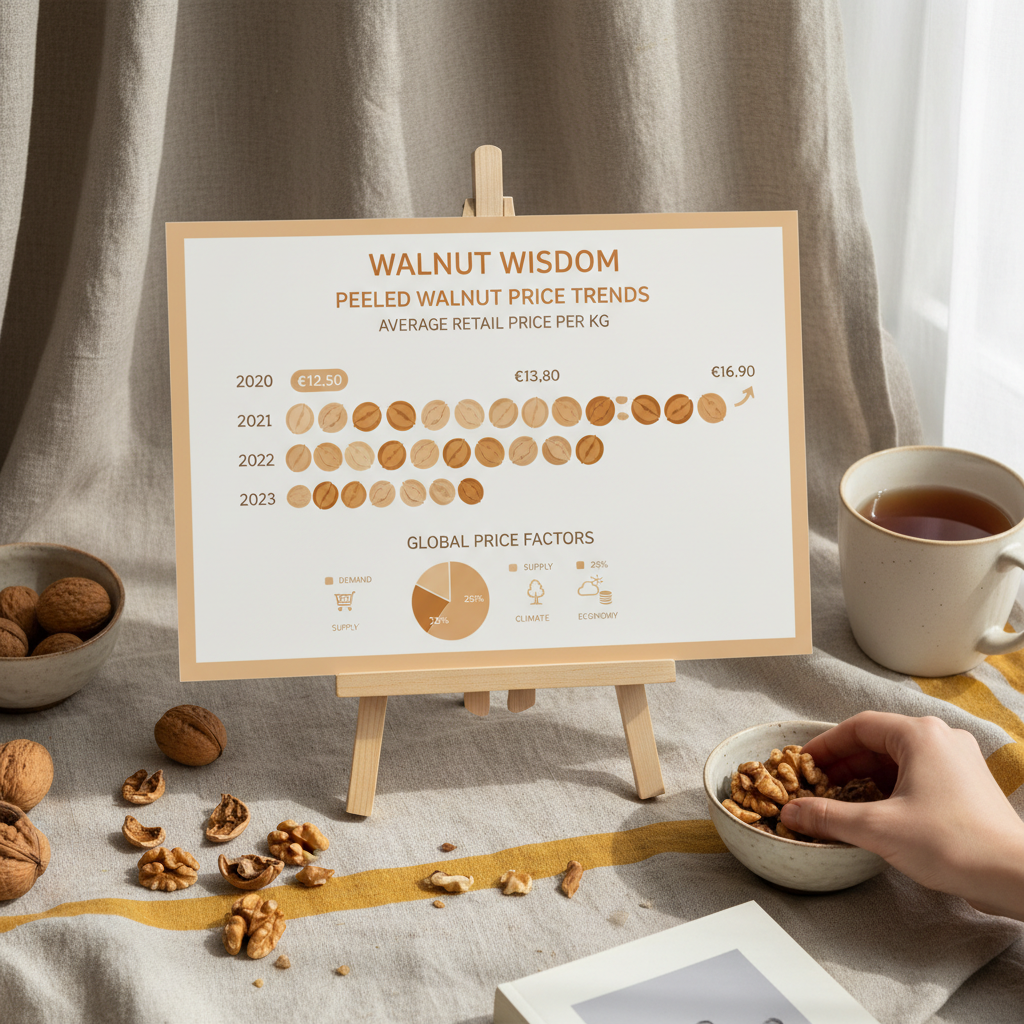
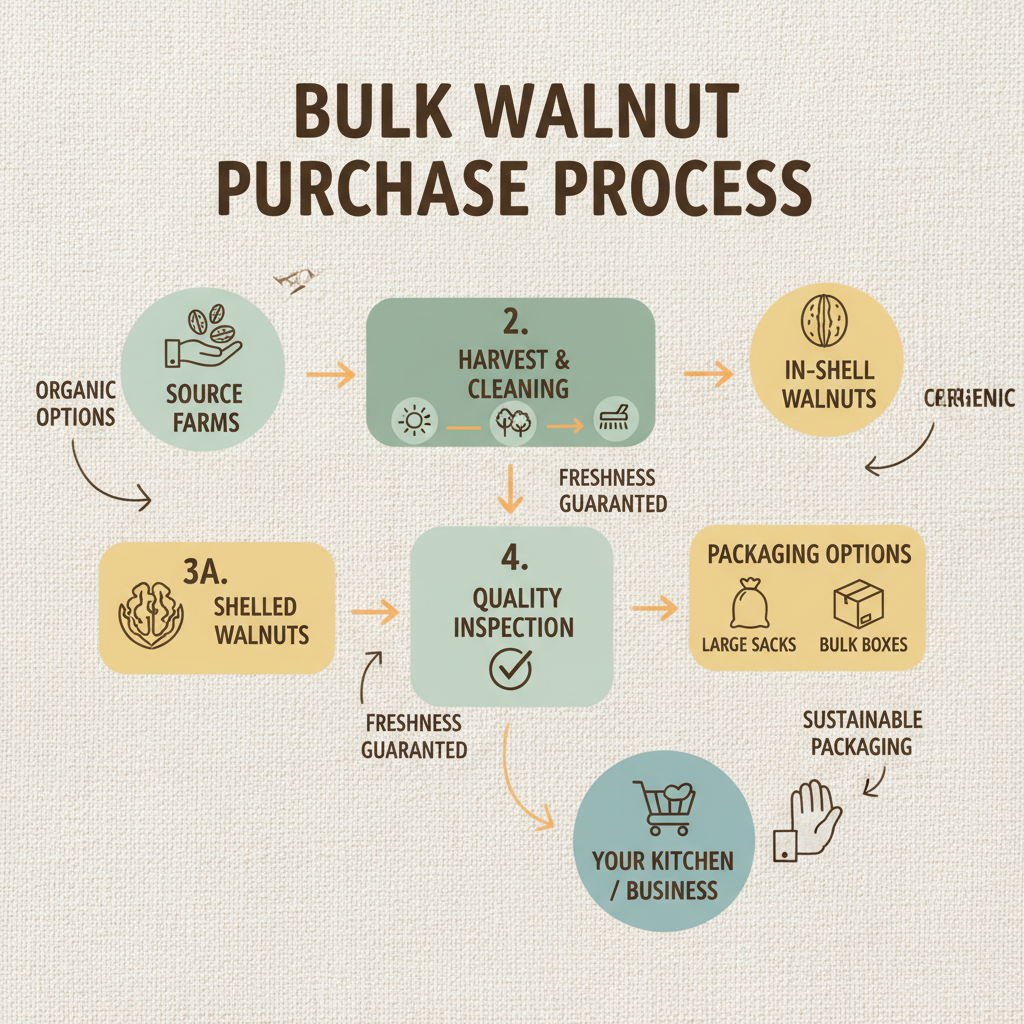
Understanding the variables that influence the walnut cost per kg is essential for wholesalers, retailers, and health-conscious consumers globally. As a nutrient-dense superfood, the pricing of walnuts is not merely a reflection of market demand but a complex interplay of agricultural yield, shell thickness, and processing precision. For businesses looking to scale, mastering these cost drivers ensures a sustainable supply chain and competitive pricing in the global nut market.
The global trade of walnuts has seen significant shifts as demand for heart-healthy and brain-boosting snacks increases. From the orchards of Xinjiang to the markets of Europe and America, the financial metrics surrounding the walnut cost per kg are determined by quality certifications like BRC and the ability of a factory to integrate planting with mass production. Efficient logistics and scientific quality management are now the primary tools used to stabilize these costs against seasonal volatility.
Whether you are sourcing premium 185 walnuts or stripped kernels, calculating the walnut cost per kg requires a deep dive into the yield percentage and moisture levels of the product. By prioritizing source factories that offer OEM/ODM customization, buyers can optimize their procurement costs while maintaining the high nutritional standards required for international export.
Factors Influencing the Walnut Cost per kg
The fundamental determination of the walnut cost per kg begins with the raw agricultural output and the geographical origin of the crop. In regions like Xinjiang, the unique climate and soil composition contribute to the production of thin-shell walnuts, which are highly prized in the international market. Factors such as moisture content—which must be kept below 5% for premium grades—directly impact the shelf life and, consequently, the market value of the product.
Beyond the farm, the integration of factory trade plays a pivotal role in reducing overhead. When a company manages its own planting base and professional production lines, it eliminates multiple middlemen, allowing for a more transparent and competitive walnut cost per kg. This vertical integration ensures that mass production can be scaled without compromising the scientific quality management systems required for BRC certification.
Impact of Shell Quality on Pricing Metrics
Shell characteristics are a primary driver of value in the nut industry. For instance, the Xinjiang Paper Shell 185 Walnut is distinguished by its thinnest shell, which allows it to be opened by one hand. This convenience increases its desirability for end-consumers, which in turn raises the premium associated with its walnut cost per kg compared to thicker-shelled varieties.
The aesthetic appeal of the shell also contributes to the pricing strategy. Varieties like the Xin 2 Thin-shell Walnut feature white and smooth shells, which are often required for high-end retail packaging. The process of machine screening to remove non-compliant items and blowing out empty shells ensures that the buyer is paying for actual nut weight rather than waste, optimizing the actual value of the walnut cost per kg.
Ultimately, the balance between shell thickness and kernel quality defines the commercial grade. Top-tier white kernels found in 185 Thin-shell walnuts command a higher price point because they offer a superior sensory experience and higher nutritional density, making the higher walnut cost per kg a justifiable investment for premium health-food brands.
The Role of Yield Percentage in Cost Analysis
Yield percentage is perhaps the most critical technical metric when calculating the real walnut cost per kg. Yield refers to the ratio of the edible kernel to the total weight of the nut in the shell. A higher yield percentage means less waste and more usable product, which significantly lowers the effective cost for processors who strip the kernels for further use.
For example, the Xinjiang Paper Shell 185 Walnut boasts a yield of 60%-65%, whereas Xinfeng Thin-shell Walnuts range between 47%-50%. When analyzing the walnut cost per kg, a buyer must realize that a cheaper price per kg for a low-yield nut may actually be more expensive in terms of the final kernel weight obtained.
By focusing on high-yield varieties, companies can optimize their production lines and reduce the cost of waste disposal. This strategic focus on yield allows exporters to provide competitive pricing while ensuring that the walnut cost per kg remains aligned with the actual nutritional value delivered to the consumer.
Global Market Applications and Pricing
The application of walnuts varies significantly across global regions, influencing the regional walnut cost per kg. In the Middle East and Asia, there is a high demand for whole, thin-shell walnuts for traditional confectionery and snacking. In contrast, North American and European markets often prioritize stripped walnut kernels for use in bakery products and health supplements, shifting the cost focus toward kernel purity and size.
Industrial use cases also differ; for instance, in large-scale food manufacturing, the consistency of the nut size (such as 30mm+ or 32mm+) is vital for automated packaging. This need for uniformity means that sorted, high-grade walnuts may have a higher walnut cost per kg, but they reduce downtime and waste in the production line, providing better overall operational efficiency.
Comparison of Value Metrics by Walnut Variety
Long-term Value of Sourcing from Certified Factories
Sourcing from a professional factory like Hebei Luhua Import and Export Trade Co., Ltd. provides long-term financial stability that far outweighs the initial walnut cost per kg. With BRC quality system certification, buyers are guaranteed a product that meets international food safety standards, reducing the risk of costly shipments being rejected at customs or failing quality audits.
Furthermore, the ability to access OEM/ODM customization—including label and packaging customization—allows brands to add value to the raw product. By transforming a raw commodity into a branded health product, businesses can shift their focus from the basic walnut cost per kg to a higher-margin retail price, leveraging the professional production lines and year-round inventory of a source factory.
Innovations in Walnut Processing Efficiency
Modern automation is drastically altering the walnut cost per kg by increasing precision and reducing manual labor. The implementation of machine screening to remove non-compliant items and automatic weighing systems ensures that every kilogram sold is accurate and high-quality. This technological shift minimizes the "human error" factor in quality control, which previously led to significant waste in the supply chain.
Advanced blowing techniques are now used to screen out empty shells and remove fruits that are not full. By ensuring that only full, high-quality nuts reach the packaging stage, factories can offer a more honest and reliable walnut cost per kg. This commitment to scientific quality management not only improves the product but also enhances the trust between the manufacturer and the global importer.
Moreover, the integration of professional logistics channels ensures that the timing of delivery is optimized. Because walnuts are sensitive to environmental conditions, mature logistics prevent spoilage and moisture increase, thereby protecting the investment made in the walnut cost per kg and ensuring the end-consumer receives a fresh, nutritious product.
Comparative Analysis of Walnut Varieties
Choosing the right variety is a balancing act between nutritional requirements and budget constraints. For those prioritizing brain development and heart health, the high omega-3 content in all these varieties is a constant, but the ease of access (shell thickness) and appearance (kernel color) can vary. This means the walnut cost per kg is often a reflection of the "user experience" of the nut.
The 185 Thin-shell walnut stands out as a top-tier choice due to its unique combination of a very thin shell and a top-white kernel. While it may have a higher walnut cost per kg than the Xinfeng variety, its superior yield (51%-53%) and aesthetic appeal make it a favorite for export markets in Europe and America.
In contrast, the Xinfeng Thin-shell Walnut is positioned as a "competitive price" option. With a yield of 47%-50% and a larger size (32mm-37mm), it serves a different market segment where bulk volume and size are more critical than shell thinness, providing a different perspective on the walnut cost per kg.
Core Specifications and Value Analysis of Walnut Varieties
| Variety Name |
Yield Percentage |
Size Range |
Cost-Value Score |
| Xinjiang Paper Shell 185 |
60%-65% |
30mm+/32mm+ |
9.8 |
| Xin 2 Thin-shell |
52%-55% |
30mm+/32mm+ |
8.5 |
| 33 Thin-shell |
48%-51% |
31mm+/37mm+ |
7.2 |
| Xinfeng Thin-shell |
47%-50% |
32mm-37mm |
6.5 |
| 185 Thin-shell |
51%-53% |
30mm+/32mm+ |
8.9 |
| Stripped Kernels (Avg) |
100% |
N/A |
9.2 |
FAQS
Yield percentage determines how much edible kernel you get from the total weight. A variety with a 65% yield is significantly more cost-effective than one with a 47% yield, even if the initial walnut cost per kg is higher, because you waste less money on shells and receive more actual food product per shipment.
The higher price is due to the "Paper Shell" characteristic, making them extremely easy to open, and their superior yield percentages. These features, combined with a high-white kernel quality, make them a premium product that justifies a higher walnut cost per kg in the global market.
Yes, sourcing directly from a factory that integrates planting and trade reduces middlemen costs. Furthermore, factories offering mass production and year-round inventory can provide more stable and competitive pricing for large-scale OEM/ODM orders compared to trading companies.
Moisture content below 5% is the industry standard for premium exports. Higher moisture increases the risk of mold and rancidity, which lowers the value. Therefore, a guaranteed low-moisture product commands a more stable walnut cost per kg due to its increased shelf life and safety.
Nutritionally, all high-quality walnuts provide omega-3 fatty acids and antioxidants. However, the walnut cost per kg for thin-shell varieties is higher primarily because of the convenience of access and the typical correlation between thin shells and high-quality kernels.
Look for BRC quality system certification and request free samples. A professional factory will provide detailed specifications on yield, size, and moisture. Verifying these parameters ensures that the price you pay per kg aligns with the physical quality of the nuts.
Conclusion
Navigating the complexities of the walnut cost per kg requires a comprehensive understanding of yield percentages, shell quality, and factory certifications. By shifting the focus from the lowest possible price to the highest possible value—defined by low moisture, high yield, and BRC-certified processing—businesses can secure a supply chain that supports both profitability and consumer health. The integration of professional production and scientific quality management is the only way to ensure that the cost paid reflects the true value of the product.
Looking forward, the global demand for superfoods will continue to drive innovation in walnut processing and logistics. As automation further reduces waste and enhances sorting precision, the transparency of the walnut cost per kg will improve, allowing for more fair and efficient trade. We encourage wholesalers and distributors to partner with source factories that prioritize quality and sustainability to ensure long-term growth in the competitive nut industry. Visit our website: www.luhuawalnut.com