Understanding the cost of walnut per kg is essential for food processors, wholesalers, and health-conscious consumers who seek a balance between premium quality and budgetary efficiency. As a globally traded commodity, the pricing of walnut kernels is influenced by origin, grade, and the complex logistics of the agricultural supply chain.
From an industrial perspective, the fluctuation in the cost of walnut per kg can significantly impact the profit margins of pastry manufacturers and snack retailers. Ensuring a stable supply of high-quality kernels from trusted sources is the only way to mitigate the risks associated with market volatility and seasonal shortages.
For those sourcing from professional factories, the cost of walnut per kg is not just a number, but a reflection of the product's grade, such as Extra Light Halves or Amber Pieces, and the rigorous quality certifications like BRC that ensure food safety.
Global Market Dynamics of Walnut Pricing
The global market for walnuts is characterized by significant regional variations, with major producing areas like Xinjiang in China setting benchmarks for quality and supply volume. The movement of the cost of walnut per kg is often dictated by harvest yields, weather patterns, and the shifting demands of the international food processing industry.
As professional exporters, Hebei Luhua Import and Export Trade Co., Ltd leverages its own planting bases and advanced production lines to stabilize supply. By integrating factory trade, we ensure that the cost of walnut per kg remains competitive while adhering to strict BRC quality system certifications.
Defining the Valuation of Walnut Kernels
In simple commercial terms, the cost of walnut per kg refers to the unit price of processed walnut kernels, stripped of their shells and graded by color and size. This valuation is a critical metric for B2B buyers, as it determines the feasibility of large-scale production for confectionery, baking, and healthy snack lines.
Beyond the raw price, this cost encompasses the value of the processing technology used to maintain the kernel's integrity. For instance, vacuum packaging in 10kg or 12.5kg increments helps preserve the omega-3 fatty acids and antioxidants, effectively lowering the "true cost" by reducing waste and spoilage over a 24-month shelf life.
Modern industry requirements demand a transparent breakdown of this cost, linking it directly to the kernel specification. Whether it is Extra Light Halves (ELH) for premium snacking or Amber Pieces (AP) for industrial baking, the cost of walnut per kg varies based on the aesthetic and aromatic profile of the product.
Core Factors Influencing Quality and Cost
The most prominent factor affecting the cost of walnut per kg is the color grading of the kernels. Light-colored kernels, particularly Extra Light Halves, are generally priced higher due to their visual appeal and crisp taste, making them highly sought after for direct consumption and high-end desserts.
Another critical component is the origin and variety. Xinjiang walnuts are globally renowned for their unique taste and high nutritional density. When calculating the cost of walnut per kg, buyers must consider that these premium origins provide a superior sensory experience and better health benefits, such as higher concentrations of polyphenols.
Finally, processing specifications—such as halves, quarters, or pieces—play a vital role. While Light Halves (LH) offer a richer aroma ideal for cooking, the cost of walnut per kg for pieces or crumbs is typically lower, providing a cost-effective solution for food processors who blend walnuts into pastes or batters.
Industrial Applications and Economic Impact
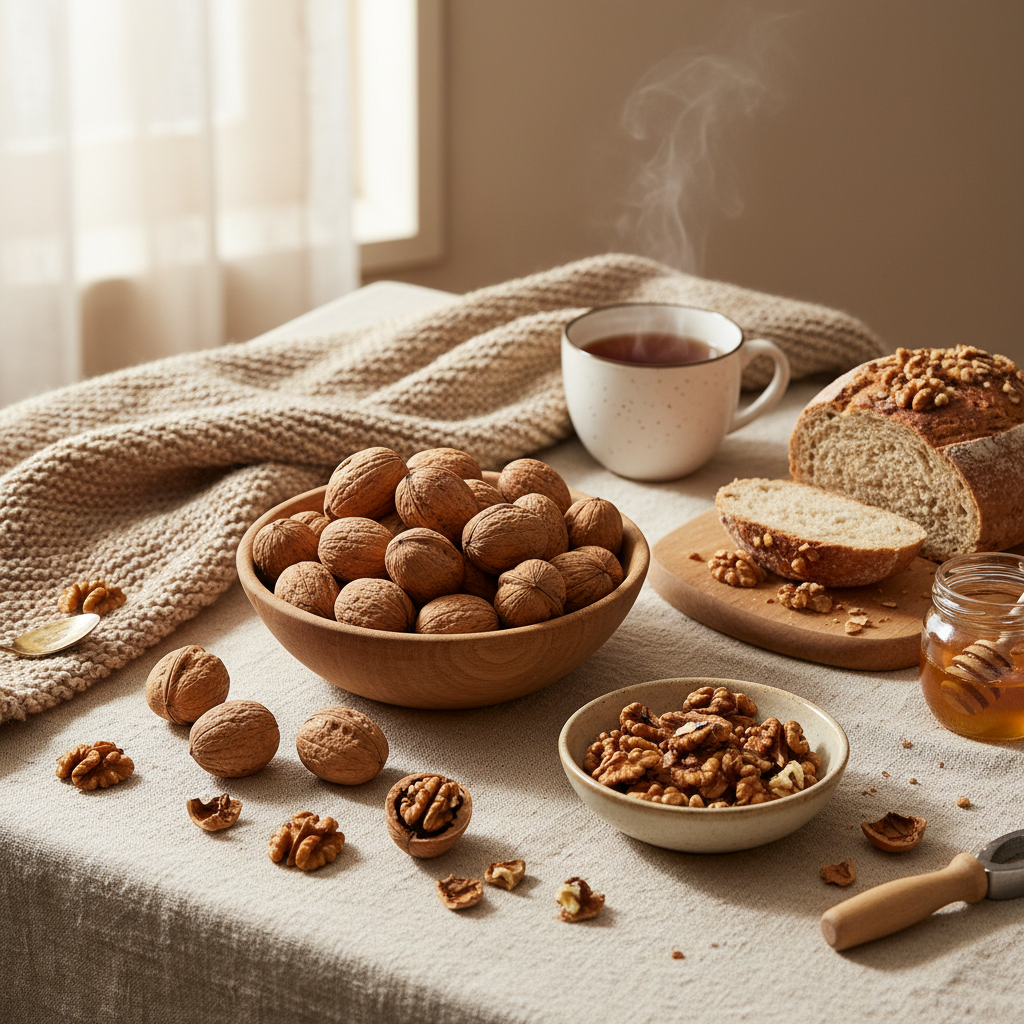
The application of walnut kernels spans multiple sectors, from retail snacks to complex food manufacturing. For a pastry chef, the cost of walnut per kg influences the pricing of a signature walnut banana bread, while for a health food brand, the cost of omega-3 rich kernels determines the accessibility of their nutritional supplements.
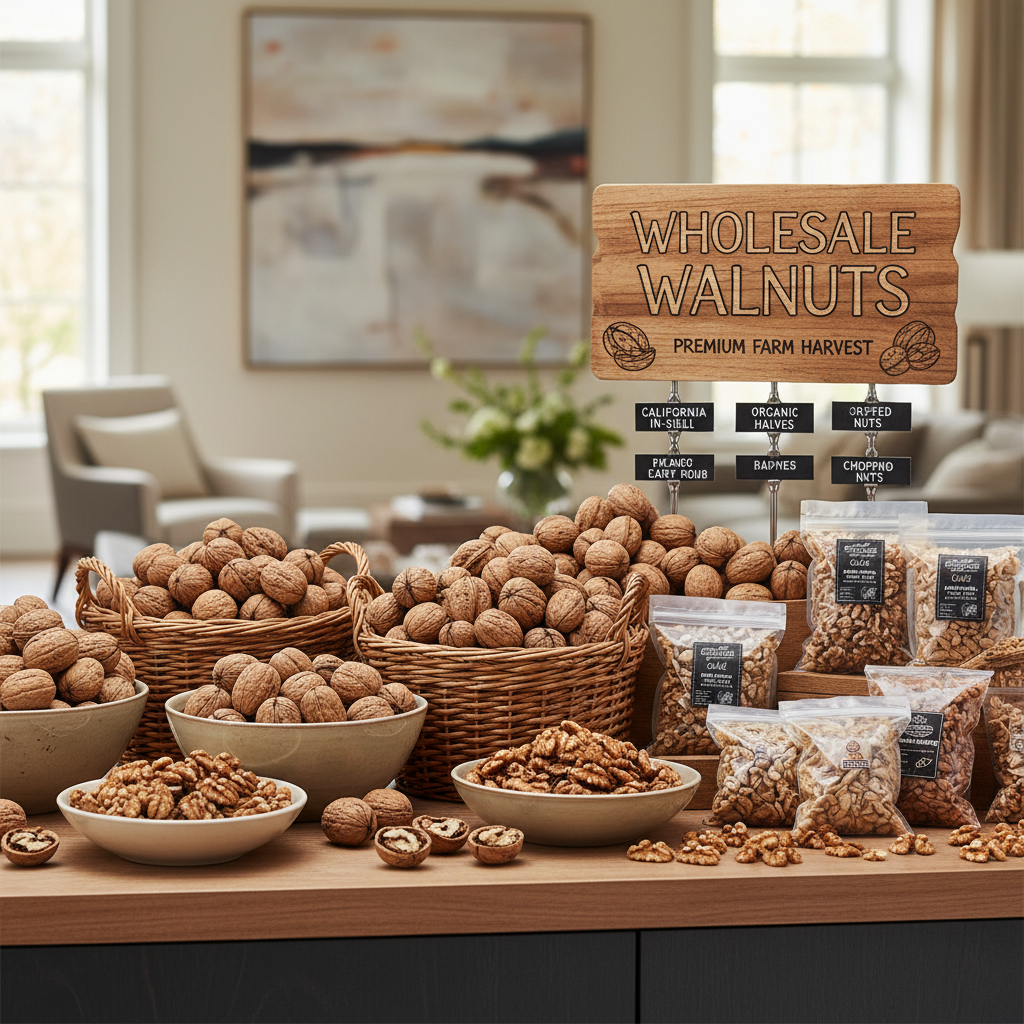
In large-scale industrial zones, the efficiency of sourcing directly from a factory that can provide 8,000 tons annually reduces the logistical overhead. This direct-from-source model ensures that the cost of walnut per kg is not inflated by unnecessary intermediaries, allowing for more competitive retail pricing.
Comparison of Value-to-Cost Ratio by Kernel Grade
Long-Term Value of Premium Sourcing
Investing in premium walnut kernels provides long-term reliability and brand trust. When a company prioritizes a source with a complete scientific quality management system, the initial cost of walnut per kg is offset by the elimination of quality disputes and the assurance of food safety standards.
Furthermore, the nutritional density of high-grade kernels—rich in magnesium, phosphorus, and vitamin E—adds an emotional value of "health and wellness" to the end product. This allows retailers to position their products in the premium segment, effectively increasing the ROI on the cost of walnut per kg.
Future Innovations in Walnut Processing
The industry is moving toward greater automation and digital transformation to optimize the cost of walnut per kg. Advanced sorting technologies now allow for more precise color grading, ensuring that Extra Light Halves are perfectly separated from Light Halves, reducing waste and maximizing the value of every harvest.
Sustainability is also becoming a core driver of value. The transition toward eco-friendly planting bases and energy-efficient processing lines not only reduces the environmental footprint but also protects the long-term stability of the cost of walnut per kg by ensuring soil health and crop resilience.
We are also seeing a rise in OEM/ODM customization, where packaging is tailored to the specific needs of the client. By optimizing packaging sizes and vacuum-sealing techniques, factories can further refine the shipping cost per kg, making the overall procurement process more efficient.
Strategic Solutions for Cost Optimization
To optimize the cost of walnut per kg, buyers should adopt a strategic procurement approach. This includes ordering in bulk during peak harvest seasons and utilizing year-round inventory services provided by factories to avoid the price spikes associated with off-season shortages.
Diversifying the mix of kernel specifications is another effective strategy. By using Extra Light Halves for visual toppers and Light Amber Pieces for internal fillings, manufacturers can maintain a high-quality product while reducing the average cost of walnut per kg across their entire production line.
Collaborating with a source factory that offers free sample services and label customization allows for a seamless transition from product development to mass production. This synergy reduces R&D costs and ensures that the final cost of walnut per kg is aligned with the target market's price point.
Analysis of Walnut Kernel Specifications and Cost-Efficiency
| Kernel Specification |
Primary Application |
Cost Impact Level |
Value Rating (1-10) |
| Extra Light Halves (ELH) |
Premium Snacking / Garnish |
Highest |
10 |
| Light Halves (LH) |
Baking / Cooking |
Medium-High |
8 |
| Light Quarters (LQ) |
Dessert Fillings |
Medium |
7 |
| Light Pieces (LP) |
Granola / Cereal |
Low-Medium |
6 |
| Amber Halves (LAH) |
Industrial Food Processing |
Medium |
7 |
| Mixed Crumbs |
Nut Butters / Pastes |
Lowest |
5 |
FAQS
The cost of walnut per kg is primarily driven by the kernel's color grade (Extra Light being the most expensive), the physical size (halves vs. pieces), and the origin. Additionally, certifications like BRC and advanced vacuum packaging increase the value by ensuring food safety and extending shelf life to 24 months.
Industrial bakers can optimize costs by using Light Amber Pieces (LAP) or Light Pieces (LP) instead of full halves. These specifications offer the same nutritional profile and rich aroma but at a significantly lower price point, making them ideal for mixing into doughs and batters.
Yes, Xinjiang walnuts are often valued higher due to their global reputation for superior taste and quality. While the cost of walnut per kg may be slightly higher, the increase is justified by the unique flavor profile and high concentration of healthy omega-3 fatty acids.
Absolutely. Sourcing in bulk packages like 10kg or 12.5kg vacuum bags reduces packaging waste and shipping overhead. When calculating the total cost of walnut per kg, bulk procurement from a factory is always more economical than buying smaller, retail-ready quantities.
Check for quality certifications and request a sample. A fair price should reflect the BRC certification, the color grade (e.g., ELH), and the supply capacity. A professional factory that integrates production and trade typically offers a more transparent and fair cost structure.
Yes, most professional exporters provide customized quotations based on the specific grade, quantity, and packaging requirements. By specifying whether you need Extra Light Halves or Amber Pieces, the factory can provide a precise cost of walnut per kg tailored to your business needs.
Conclusion
In summary, the cost of walnut per kg is a multifaceted metric that balances raw agricultural value with the precision of industrial processing. By understanding the distinctions between grades—from the premium Extra Light Halves to the cost-effective Amber Pieces—businesses can strategically manage their procurement to ensure both high product quality and sustainable profit margins.
As the global demand for healthy, omega-3 rich nuts continues to grow, partnering with a BRC-certified factory that controls the entire supply chain from planting to export is the most effective way to secure a stable cost of walnut per kg. We invite you to explore our professional range of walnut kernels and discover how our supply capacity can support your growth. Visit our website: www.luhuawalnut.com