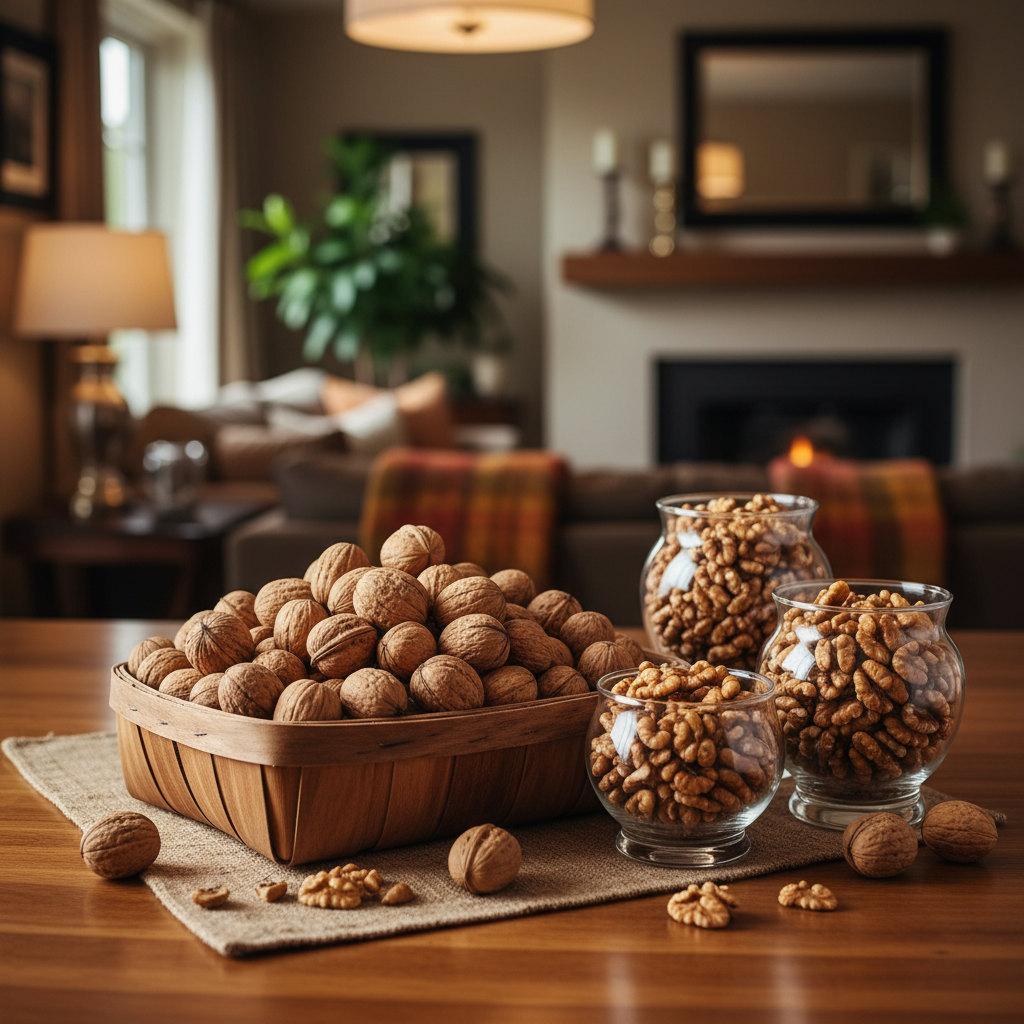
The global demand for premium nuts has surged as consumers increasingly prioritize heart-healthy diets and nutrient-dense snacking options. Among these, walnuts stand out for their exceptional profile of omega-3 fatty acids and antioxidants, making the decision to source high-quality kernels a priority for both health-conscious individuals and industrial food manufacturers.
For businesses in the baking, confectionery, and health food sectors, the ability to reliably buy walnuts that meet strict quality certifications is essential for maintaining product consistency and consumer trust. The transition from raw agricultural produce to a refined industrial ingredient requires a sophisticated supply chain that ensures freshness, hygiene, and precise grading.
Whether you are looking for intact halves for premium retail or cost-effective crumbs for mass production, knowing where to buy walnuts can significantly impact your operational efficiency and final product quality.
Global Standards for Sourcing Walnut Kernels
When companies decide to buy walnuts on an international scale, they must navigate a complex landscape of quality standards and origin specifications. Chinese walnuts, particularly from professional export factories, have gained global recognition for their rich flavor and high yield, providing a reliable alternative to traditional Western varieties.
The standard for high-quality kernels is defined not just by taste, but by color—ranging from Extra Light to Amber—and the integrity of the kernel's shape. Ensuring that the supplier integrates factory trade allows buyers to bypass middlemen, securing a more direct line to the source and ensuring that the products are handled according to international safety protocols.
Understanding Walnut Grading and Specifications
The process of grading is critical for any professional who intends to buy walnuts for commercial use. Grading is primarily based on the visual appearance (color) and the size of the pieces. Extra Light Halves (ELH) represent the premium tier, prized for their bright color and intact shape, making them ideal for luxury retail and direct consumption.
Moving down the scale, Light Halves (LH) and Quarters (LQ) offer a balance between aesthetic appeal and cost. These are frequently used in salads or as decorative toppings where the kernel needs to be recognizable but doesn't require the "extra light" premium. Light Pieces (LP) and Mixed Crumbs are the most versatile for industrial blending.
For those who buy walnuts for baking, the "Mixed Crumbs" or "Smallest" grade is often the most practical. These finely chopped pieces integrate seamlessly into batters and fillings, providing a consistent nutty flavor without altering the structural integrity of the pastry or bread.
Industrial Applications of Different Walnut Cuts
The choice of kernel cut depends entirely on the final application of the product. When manufacturers buy walnuts for high-end confectionery, the visual integrity of halves is paramount, as they signal premium quality to the end consumer.
In contrast, for large-scale bread and pastry production, it is more efficient to buy walnuts in the form of Light Pieces (LP) or Mixed Crumbs. These forms are already "processed," meaning the bakery saves on labor and equipment costs associated with chopping whole kernels.
Furthermore, the food industry utilizes these different grades to optimize margins. By using broken kernels for "hidden" ingredients like fillings and halves for visible garnishes, businesses can effectively manage their costs while maintaining a premium brand image.
Cost-Efficiency in Bulk Procurement
From a B2B perspective, the strategic decision to buy walnuts in broken forms rather than whole halves can significantly reduce the cost of goods sold (COGS). Broken kernels are a natural byproduct of the shelling process and are priced lower despite containing the exact same nutritional value and flavor as the whole counterparts.
For commercial bakeries and snack bar producers, the ROI on broken kernels is substantially higher because they eliminate the need for further mechanical processing. Vacuum packaging in 10kg or 12.5kg units further enhances this efficiency by extending shelf life and reducing oxidation during transit.
Comparative Value Analysis when you buy walnuts
Nutritional Impact and Brain Health Benefits
The primary driver for many consumers to buy walnuts is the significant health benefit, particularly regarding cognitive function. Walnuts are rich in alpha-linolenic acid (ALA), a plant-based omega-3 fatty acid that supports brain cell structure and improves communication between neurons.
Consuming roughly 7 to 10 walnut halves daily is recommended for maintaining memory and focus. These nuts also provide essential magnesium and antioxidants like Vitamin E, which protect the brain from oxidative stress and inflammation, making them an indispensable part of a longevity-focused diet.
Quality Management and BRC Certification
When you buy walnuts from a professional manufacturer, the presence of certifications like BRC (British Retail Consortium) is non-negotiable. BRC certification ensures that the factory adheres to the highest global standards for food safety, hygiene, and quality management, which is critical for exporters shipping to European and North American markets.
A comprehensive quality system involves everything from the management of the planting base to the scientific control of the production line. This ensures that the kernels are free from contaminants and that the vacuum packaging is airtight, preventing the delicate omega-3 oils from becoming rancid.
Furthermore, a factory that integrates trade can offer OEM/ODM services, allowing B2B clients to customize labels and packaging. This vertical integration ensures a stable supply chain and timely delivery, typically within 7-15 days for international orders.
Strategic Sourcing for B2B Buyers
Strategic sourcing is the difference between a profitable product line and a struggling one. Smart procurement managers do not just buy walnuts based on price; they evaluate the supplier's production capacity, their ability to provide free samples, and their after-sales service.
The ability to maintain a year-round inventory is a key advantage of working with a source factory. This eliminates seasonal price volatility and ensures that production schedules in bakeries or confectionery plants are never interrupted by raw material shortages.
Ultimately, the goal is to find a partner who can provide a range of grades—from ELH to Mixed Crumbs—under one roof. This allows a business to scale its product offerings from "Economy" to "Premium" without having to manage multiple vendor relationships.
Comparison of Walnut Kernel Grades for Commercial Sourcing
| Kernel Grade |
Visual Appeal |
Primary Use Case |
Cost Efficiency |
| Extra Light Halves |
Premium / Bright |
Luxury Retail / Gifts |
Low (High Cost) |
| Light Halves |
High / Uniform |
Salad Toppings / Snacks |
Medium |
| Light Quarters |
Moderate / Split |
Cereals / Baked Goods |
High |
| Light Pieces (LP) |
Functional / Small |
Pastry Fillings |
Very High |
| Mixed Crumbs |
Minimal / Finely Cut |
Industrial Processing |
Maximum |
| Amber Pieces |
Darker / Rich |
Chocolate / Dark Breads |
High |
FAQS
The primary difference is form and price. Halves are intact and visually appealing, making them ideal for retail packaging and gourmet garnishes. Broken kernels (quarters or pieces) are naturally split during shelling. They offer the same nutritional value and flavor but are more cost-effective and easier to incorporate into industrial baking and food processing.
Yes, absolutely. The nutritional profile—including omega-3 fatty acids (ALA), magnesium, and antioxidants—remains identical regardless of whether the kernel is a whole half or a small piece. The breaking process does not affect the core vitamins or minerals, making broken kernels a smart choice for health-focused industrial use.
Walnuts contain high levels of natural oils that can oxidize if exposed to heat and air. To maximize shelf life, store them in airtight containers in a cool, dry place. For long-term storage, refrigeration or freezing is recommended to prevent rancidity and preserve the delicate omega-3 fats.
BRC (British Retail Consortium) certification is a global standard for food safety. For a supplier, it means their factory has passed rigorous audits regarding hygiene, quality control, and risk management. When you buy walnuts from a BRC-certified factory, you can be confident in the product's safety and consistency.
General nutritional guidelines recommend a small handful, approximately 7 to 10 walnut halves per day. This amount provides a balanced intake of ALA and polyphenols to support cognitive function and memory without adding excessive calories to your daily diet.
Yes, professional export factories typically offer OEM and ODM services. This includes customization of packaging sizes (such as 10kg, 12.5kg, or 2x5kg vacuum packs) and label design to align with your brand's requirements, ensuring the product is ready for your specific market.
Conclusion
In summary, the decision to buy walnuts for commercial or personal use requires a clear understanding of grading, nutritional benefits, and quality certifications. From the premium appeal of Extra Light Halves to the industrial efficiency of Mixed Crumbs, each grade serves a specific purpose in the global food supply chain. By prioritizing BRC-certified source factories, businesses can ensure a stable supply of high-quality, heart-healthy Chinese walnuts that meet international safety standards.
As the global trend toward plant-based nutrition and cognitive health continues to grow, the strategic sourcing of premium walnut kernels will remain a key competitive advantage for food manufacturers. We recommend partnering with integrated factory-trade companies to maximize ROI and ensure product freshness. For premium quality and reliable bulk supply, visit our website: www.luhuawalnut.com