The global shift toward mindful eating and sustainable sourcing has catapulted organic shelled walnuts from a niche health food to a cornerstone of the modern plant-based diet. These premium kernels, stripped of their shells through precise mechanical or manual processes, offer a convenient way to access essential omega-3 fatty acids and antioxidants without the hassle of cracking. As consumers increasingly prioritize "clean label" products, the demand for organically grown, chemically untreated walnuts continues to rise across Europe, North America, and Asia.
Understanding the intricacies of organic shelled walnuts is not merely about nutrition; it is about appreciating the entire value chain—from the soil health of the orchard to the vacuum-sealed packaging that preserves freshness. The industry now faces the challenge of balancing mass production with organic integrity, ensuring that the high standards of BRC and other quality certifications are maintained. For wholesalers and retailers, sourcing these kernels involves a deep dive into color grades, from "Extra Light" to "Amber," which dictate both the aesthetic appeal and the market value.
Ultimately, the significance of organic shelled walnuts lies in their ability to bridge the gap between gourmet culinary versatility and rigorous health requirements. Whether used in high-end confectionery, pharmaceutical supplements, or daily snacking, they represent a commitment to environmental stewardship and human wellness. By exploring the technical standards and global trade dynamics of this superfood, businesses can better navigate the complexities of the nut processing industry.
Global Market Dynamics of Organic Shelled Walnuts
The global trade of organic shelled walnuts is shaped by a complex interplay of agricultural policy, climate change, and evolving consumer preferences. According to international trade data and ISO standards, there has been a marked increase in the export of processed kernels over whole nuts, as the "convenience economy" drives demand for ready-to-use ingredients. Regions such as China and California dominate the supply chain, utilizing advanced planting bases to ensure a steady flow of organic raw materials that meet stringent EU and USDA organic certifications.
However, the industry faces significant challenges, particularly regarding the volatility of crop yields and the rigorous requirements of organic certification. Maintaining a chemical-free environment while preventing pests and diseases requires a sophisticated integration of traditional farming and modern ecological science. For exporters, the ability to provide a year-round inventory of consistent quality is the primary competitive advantage in a market where seasonal fluctuations can lead to drastic price swings.
Defining Standards for Organic Shelled Walnuts
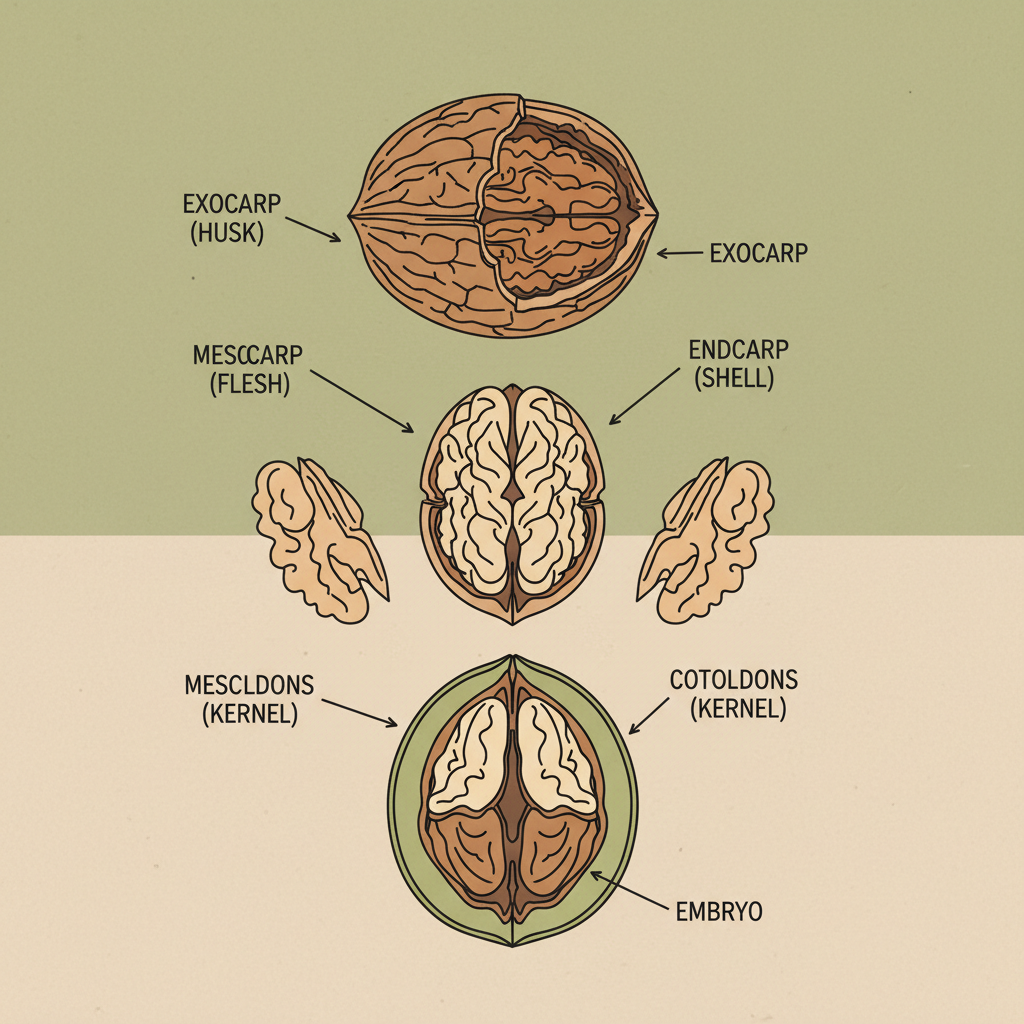
In simple terms, organic shelled walnuts are the edible kernels extracted from walnuts grown without the use of synthetic pesticides, herbicides, or genetically modified organisms (GMOs). Unlike conventional walnuts, the organic process emphasizes soil regeneration and biological pest control. The "shelled" aspect refers to the industrial removal of the hard outer shell, resulting in "kernels" that are graded by color and integrity, such as halves, quarters, or pieces.
From an industry perspective, these walnuts are more than just food; they are a response to the global humanitarian need for nutrient-dense, sustainable proteins. As the world moves away from intensive livestock farming, the demand for plant-based omega-3 sources has made organic walnut kernels a vital component of food security and public health strategies. This shift is supported by the BRC quality system, which ensures that the transition from the grove to the vacuum pack is hygienic and traceable.
The connection to modern industry is further strengthened by the versatility of the product. Whether they are processed into walnut oils, integrated into organic baby foods, or sold as premium snacks, the defining characteristic remains the absence of chemical residues. This "clean" profile allows manufacturers to target health-conscious demographics who are willing to pay a premium for the peace of mind that comes with organic certification.
Core Quality Determinants of Premium Kernels
The first pillar of quality for organic shelled walnuts is visual uniformity and color grading. In the professional trade, color is a primary indicator of freshness and oxidation levels. "Extra Light Halves" (ELH) are the most coveted, representing the peak of freshness and a mild, sweet flavor profile, whereas "Amber" kernels, while still nutritious, may have a deeper taste and different aesthetic utility in baking.
Texture and aroma serve as the second critical determinant. A high-quality organic kernel must be firm and crisp to the touch, avoiding any rubbery consistency that suggests moisture infiltration. The aroma should be clean and slightly buttery; any hint of rancidity indicates that the natural oils have oxidized, often due to poor storage or a lack of vacuum sealing. This is why professional factories employ strict temperature and humidity controls.
Lastly, the integrity of the kernel—whether it remains as a whole half or is broken into pieces—determines its commercial application. Whole halves are preferred for premium confectionery and salads, while pieces and crumbs are utilized in the pharmaceutical and flour industries. Ensuring a high percentage of halves through careful mechanical shelling is a hallmark of a sophisticated production line, reducing waste and maximizing the value per kilogram.
Industrial Processing and Efficiency Metrics
The transition from raw organic walnuts to a market-ready product involves a sequence of precise steps: cleaning, drying, shelling, grading, and packaging. Modern facilities integrate automated screening technology to remove impurities and ensure that only kernels meeting specific color and size criteria reach the final packaging stage. The efficiency of this process is measured by the "recovery rate"—the percentage of whole kernels obtained relative to the total weight of the raw nuts.
To maintain organic integrity, these production lines must avoid cross-contamination with conventional products. This requires dedicated equipment or rigorous cleaning protocols between batches. Vacuum packaging is the gold standard for the final stage, as it removes oxygen and prevents the delicate omega-3 oils from oxidizing, thereby extending the shelf life to 24 months without the need for artificial preservatives.
Quality Comparison of Organic Shelled Walnuts Processing Methods
Global Applications and Culinary Use Cases
In the culinary world, organic shelled walnuts are prized for their versatility. In Europe, they are frequently integrated into high-end pastries and organic salads, where their mild flavor complements fresh greens and artisanal cheeses. In North America, there is a growing trend of using walnut kernels in plant-based meat alternatives, utilizing their rich fat content to replicate the mouthfeel of animal proteins.
Beyond gourmet food, these kernels are essential in the nutraceutical industry. Because they are organic, they are often used as a base for brain-health supplements and omega-3 capsules. In some remote industrial zones or health-focused corporate cafeterias, pre-portioned organic walnut snacks are implemented as "brain food" to improve cognitive function and employee productivity, demonstrating the product's utility beyond the kitchen.
Long-term Value and Sustainability Benefits
The long-term value of investing in organic shelled walnuts extends far beyond the immediate profit margin. From an environmental perspective, organic walnut farming promotes biodiversity and prevents the runoff of nitrogen-based fertilizers into local waterways. This sustainable approach ensures that the land remains fertile for future generations, reducing the reliance on chemical inputs that deplete soil health over time.
Economically, the transition to organic production creates a "trust premium." When a brand can guarantee BRC certification and organic origin, it builds an emotional bond with the consumer based on safety and transparency. This reliability reduces the risk of product recalls associated with pesticide residues and positions the company as a leader in the ethical food movement.
Socially, the industry supports a shift toward healthier lifestyles. By providing a convenient, shelled format, organic walnuts become accessible to a wider demographic, including children and the elderly, who may struggle with the physical act of cracking shells. This promotes a culture of wellness and dignity, where high-quality nutrition is available to all without barriers.
Future Innovations in Walnut Processing
The future of organic shelled walnuts is being shaped by digital transformation and green technology. We are seeing the introduction of AI-driven optical sorters that can detect internal defects or mold in kernels that are invisible to the human eye, ensuring that only 100% perfect kernels reach the consumer. This automation reduces waste and increases the scalability of organic production.
Furthermore, the industry is exploring biodegradable packaging materials to replace traditional plastics in vacuum sealing. The goal is to create a completely "circular" product—from organic soil to compostable packaging—minimizing the carbon footprint of the logistics chain. Integration with blockchain technology is also emerging, allowing consumers to scan a QR code and trace their bag of walnuts back to the specific orchard where they were grown.
Finally, automation in the shelling process is becoming more refined, with the goal of achieving "near-zero breakage." New precision-pressure cracking machines are being developed to ensure that even the most fragile organic walnuts are shelled as whole halves, increasing the market value of the final yield and reducing the volume of "crumbs" produced during processing.
Comparison of Organic Shelled Walnuts Quality Grades and Market Applications
| Grade Specification |
Color Profile |
Primary Use Case |
Market Value Score (1-10) |
| Extra Light Halves |
Pale Golden |
Premium Confectionery |
10 |
| Light Halves |
Light Cream |
Retail Snack Packs |
8 |
| Light Quarters |
Light Cream |
Organic Baking |
7 |
| Light Amber Halves |
Golden Brown |
Industrial Food Prep |
6 |
| Amber Pieces |
Deep Brown |
Nut Butters/Pastes |
5 |
| Mixed Crumbs |
Varied |
Flour/Supplements |
4 |
FAQS
Organic shelled walnuts are grown without synthetic pesticides and fertilizers, ensuring a cleaner product free from chemical residues. This not only benefits the consumer's health but also protects the ecosystem. Furthermore, organic farming often focuses on soil health, which can enhance the nutrient density and natural flavor profile of the kernels compared to mass-produced conventional nuts.
Because of their high omega-3 content, organic shelled walnuts are sensitive to heat, light, and oxygen. The best way to store them is in an airtight container, preferably vacuum-sealed, and kept in a cool, dry place or refrigerated. For long-term storage (up to 24 months), freezing is recommended to lock in freshness and prevent the oils from oxidizing.
These terms refer to the color of the kernel. "Extra Light" indicates a pale, golden color, which is a sign of high freshness and a mild taste, commanding the highest market price. "Amber" refers to a deeper brown color. While still nutritious, amber walnuts have a more intense flavor and are typically used in cooked applications where the color is less critical than the taste.
Yes, they are highly suitable. Many organic food manufacturers use them as a premium ingredient to meet "clean label" requirements. By sourcing various specifications—from whole halves for aesthetics to crumbs for texture—industrial bakers and confectionery makers can optimize their recipes while maintaining organic certification for their finished products.
Verification is done through traceability documents and certification logos on the packaging. A reputable supplier will provide a Certificate of Analysis (COA) and BRC (British Retail Consortium) certification papers. You can also trace the batch number back to the planting base to ensure the organic standards were maintained throughout the cultivation and processing phases.
Vacuum packaging removes the air from the bag, significantly reducing the amount of oxygen that comes into contact with the walnut kernels. Since oxygen is the primary catalyst for oil oxidation (which causes the rancid smell and taste), vacuum sealing is the most effective non-chemical way to extend shelf life while preserving the natural antioxidants and healthy fats.
Conclusion
In summary, organic shelled walnuts represent the perfect intersection of agricultural sustainability, industrial precision, and nutritional excellence. From the strict color grading of Extra Light Halves to the rigorous BRC certification of processing facilities, every step in the value chain is designed to deliver a pure, high-value superfood. By focusing on chemical-free cultivation and advanced vacuum packaging, the industry ensures that the heart-healthy benefits of omega-3s are delivered to consumers globally without compromise.
Looking forward, the integration of AI sorting and biodegradable packaging will further elevate the standards of the walnut industry. For businesses and consumers alike, choosing organic shelled walnuts is an investment in a healthier future and a more sustainable planet. We encourage you to prioritize traceability and quality certifications to ensure you are receiving the best the earth has to offer. Visit our website for premium sourcing: www.luhuawalnut.com