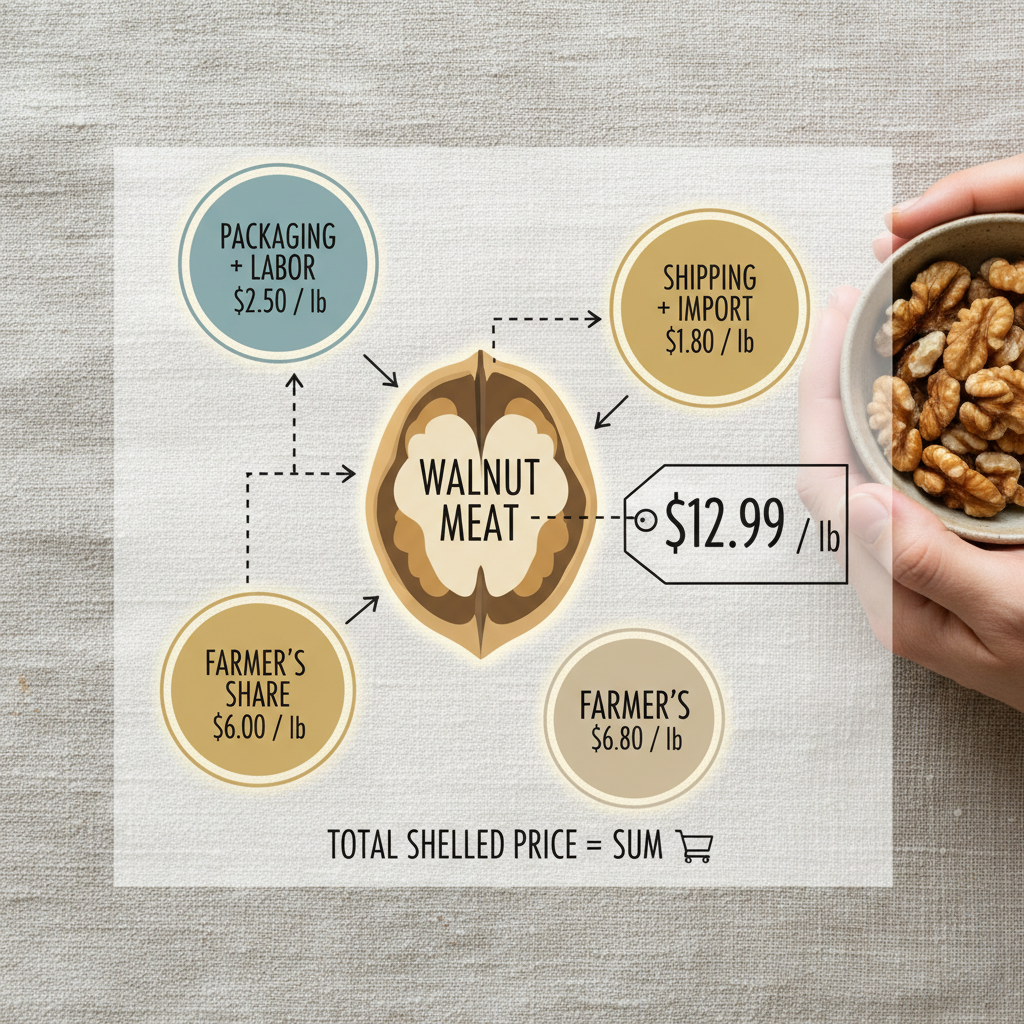
The global demand for nutrient-dense superfoods has placed raw walnuts in shell at the forefront of the agricultural trade. These natural powerhouses, preserved in their original protective husks, offer a level of freshness and nutritional integrity that pre-shelled alternatives often lack, making them a preferred choice for health-conscious consumers and industrial food processors alike.
Understanding the nuances of sourcing and grading raw walnuts in shell is critical for ensuring consistent quality across international supply chains. From the precise moisture levels required to prevent mold to the structural integrity of the shell which protects the delicate omega-3 fatty acids inside, the journey from the orchard to the consumer involves a sophisticated blend of traditional farming and modern quality control.
Whether utilized in artisanal baking, pharmaceutical supplements, or as a direct-to-consumer healthy snack, the value of raw walnuts in shell lies in their purity. By maintaining the kernel within its natural casing, the industry ensures a longer shelf life and a superior flavor profile, bridging the gap between sustainable agriculture and high-end commercial nutrition.
Global Market Context of Raw Walnuts in Shell
The international trade of raw walnuts in shell has seen a significant surge, driven by an increasing global awareness of cardiovascular health and cognitive function. According to data aligned with ISO standards for nuts and dried fruits, the shift toward "whole-food" consumption has made the in-shell variety more attractive than processed kernels, as consumers perceive the shell as a natural seal of authenticity and freshness.
However, the industry faces a persistent challenge: the volatility of crop yields due to climate instability. Ensuring a steady supply of high-grade raw walnuts in shell requires a strategic approach to sourcing, where diversification of planting bases—particularly in Northern regions—helps mitigate the risk of regional crop failure and stabilizes market pricing.
Defining the Standards of Raw Walnuts in Shell
In the simplest terms, raw walnuts in shell are the harvested seeds of the Juglans regia tree, maintained in their hard, woody endocarps. Unlike shelled kernels, which are exposed to oxygen and light, the in-shell format acts as a biological vacuum, preserving the delicate oils and preventing the rancidity that often plagues processed nuts.
From an industrial perspective, these are not merely agricultural products but raw materials for a vast secondary market. The definition of "premium" raw walnuts in shell involves a strict set of criteria: shell uniformity, a low percentage of "blanks" (empty shells), and a clean, light-colored kernel inside that meets specific grade specifications like Extra Light Halves (ELH).
This distinction is vital for humanitarian and large-scale food security programs. Because raw walnuts in shell have a significantly longer natural shelf life without the need for chemical preservatives, they are an ideal high-calorie, nutrient-dense food source for remote regions or long-term storage in food banks.
Core Components of Quality Assurance
The primary factor in evaluating raw walnuts in shell is shell integrity. A crack-free shell is the only guarantee that the kernel remains protected from oxidation and pest infestation, ensuring that the internal fats remain stable during transit.
Moisture control is the second critical pillar. For raw walnuts in shell to be export-grade, the moisture content must be precisely calibrated; too high, and the risk of aflatoxin and mold increases; too low, and the kernels may shrink and lose their characteristic "plump" texture.
Finally, the grading of the internal kernel color—ranging from Extra Light to Amber—determines the commercial value. This color consistency is a direct reflection of the harvesting time and the drying process used, which directly impacts the taste profile and marketability of the product.
Practical Applications and Industrial Use Cases
In real-world commercial contexts, raw walnuts in shell serve various roles beyond simple snacking. In the luxury confectionery industry, they are often used as a visual and textural centerpiece for gourmet desserts, where the act of cracking the shell adds an experiential element for the consumer.
Furthermore, in industrial zones specializing in plant-based proteins, raw walnuts in shell are processed in bulk to create high-value walnut oils and nut butters. By starting with the in-shell product, manufacturers can control the exact timing of the shelling process, ensuring that the oils are extracted at the peak of freshness.
Comparison of Raw Walnuts in Shell Processing Methods
Long-Term Value and Sustainability Benefits
Investing in raw walnuts in shell provides a tangible sustainability advantage. Because the shell acts as the primary packaging, the need for plastic films and synthetic wraps is drastically reduced during the initial stages of the supply chain, aligning with global goals to reduce single-use plastics.
Moreover, the long-term value extends to the biological utility of the byproduct. The shells of raw walnuts are not waste; they are highly sought after in the industrial abrasive and filtration industries. This creates a circular economy where every part of the walnut—from the nutrient-rich kernel to the hard outer shell—is utilized, maximizing profit and minimizing environmental impact.
Future Innovations in Walnut Processing
The future of raw walnuts in shell is being shaped by digital transformation. AI-driven optical sorting systems are now capable of detecting internal defects and "blanks" through X-ray and infrared technology without breaking the shell, ensuring that buyers receive 100% full kernels.
Additionally, the move toward "Smart Orchards" involves the use of IoT sensors to monitor the precise moment of harvest. This ensures that raw walnuts in shell are picked at the absolute peak of their oil content, maximizing the health benefits and flavor profile for the end consumer.
Sustainability innovations are also focusing on carbon-neutral drying techniques. By replacing traditional gas-fired dryers with solar-thermal energy, the industry is reducing the carbon footprint associated with preparing raw walnuts in shell for export, making the product even more attractive to the eco-conscious European and North American markets.
Overcoming Supply Chain Challenges
One of the most significant hurdles in the trade of raw walnuts in shell is the risk of contamination during long-haul shipping. Moisture ingress in shipping containers can lead to fungal growth, which not only ruins the batch but can pose health risks. The solution lies in the adoption of advanced vacuum-sealed bulk bags and climate-controlled containers.
Another challenge is the inconsistency in grading between different regions. To solve this, the industry is moving toward a unified global grading standard, where "Light" and "Extra Light" are defined by spectrophotometer readings rather than human sight, eliminating subjectivity and building trust between buyers and sellers.
Finally, the "last mile" of the supply chain often sees a drop in quality. By implementing blockchain tracking, buyers can now trace a bag of raw walnuts in shell back to the specific planting base and harvest date, ensuring total transparency and accountability in the quality management system.
Analysis of Raw Walnuts in Shell Quality Metrics and Market Value
| Grade Category |
Kernel Color Score (1-10) |
Shell Integrity % |
Market Demand Level |
| Extra Light Halves (ELH) |
10 |
98% |
Very High |
| Light Halves (LH) |
8 |
95% |
High |
| Light Amber |
6 |
92% |
Moderate |
| Amber Pieces |
4 |
88% |
Stable |
| Mixed Crumbs |
3 |
N/A (Shelled) |
Industrial Use |
| Standard Grade |
5 |
90% |
General Market |
FAQS
Freshness in raw walnuts in shell is primarily determined by the smell and the shell's condition. A fresh walnut should have a mild, nutty aroma without any hint of bitterness or "paint-like" smells, which indicate rancidity. Additionally, the shell should be firm and free of visible mold or significant cracks, as the shell's integrity is the primary barrier against oxidation.
The grading refers to the color of the kernel inside the shell. "Extra Light" kernels are the most prized, appearing white or yellowish, which is often associated with superior processing and a more delicate flavor. "Amber" kernels are darker brown. While both are nutritionally similar, Extra Light grades command a higher market price due to their aesthetic appeal and preferred taste profile in high-end confectionery.
To maintain the quality of raw walnuts in shell, they should be stored in a cool, dry, and well-ventilated area. The ideal temperature is between 5°C and 10°C with a relative humidity of around 60%. Avoid storing them in plastic bags that trap moisture; instead, use breathable jute bags or vacuum-sealed industrial packaging to prevent mold growth and maintain the internal oil stability.
Yes, for long-term storage and purity, raw walnuts in shell are superior. The shell acts as a natural protective barrier that prevents the polyunsaturated fats from reacting with oxygen. This significantly extends the shelf life and preserves the natural flavor. While shelled kernels are more convenient, they oxidize much faster and often require refrigeration or chemical preservatives to stay fresh.
Generally, no. Because raw walnuts in shell are agricultural products, most countries require a phytosanitary certificate to ensure the shipment is free from pests and diseases. When sourcing from a professional factory, ensure that all documentation—including BRC certifications and origin certificates—is provided to facilitate smooth customs clearance and comply with international food safety laws.
A "blank" refers to a walnut shell that is empty or contains a shriveled, underdeveloped kernel. Blanks occur due to poor pollination, pest attacks, or extreme weather during the growth cycle. In commercial grading of raw walnuts in shell, the percentage of blanks is a key quality metric; a lower percentage of blanks indicates a higher grade of product and better overall crop management.
Conclusion
In summary, raw walnuts in shell represent the perfect intersection of natural preservation and commercial viability. By focusing on shell integrity, moisture control, and precise grading, the industry ensures that the potent health benefits of the walnut kernel are delivered to the consumer without compromise. From the sustainability of the shell byproduct to the implementation of AI-driven sorting, the value chain of in-shell walnuts continues to evolve toward greater efficiency and purity.
As the global appetite for healthy, minimally processed foods grows, sourcing high-quality raw walnuts in shell becomes a strategic advantage for distributors and retailers. We recommend partnering with certified factories that integrate their own planting bases with scientific quality management to ensure a stable, premium supply. To explore our professional grading and wholesale options, visit our website: www.luhuawalnut.com.