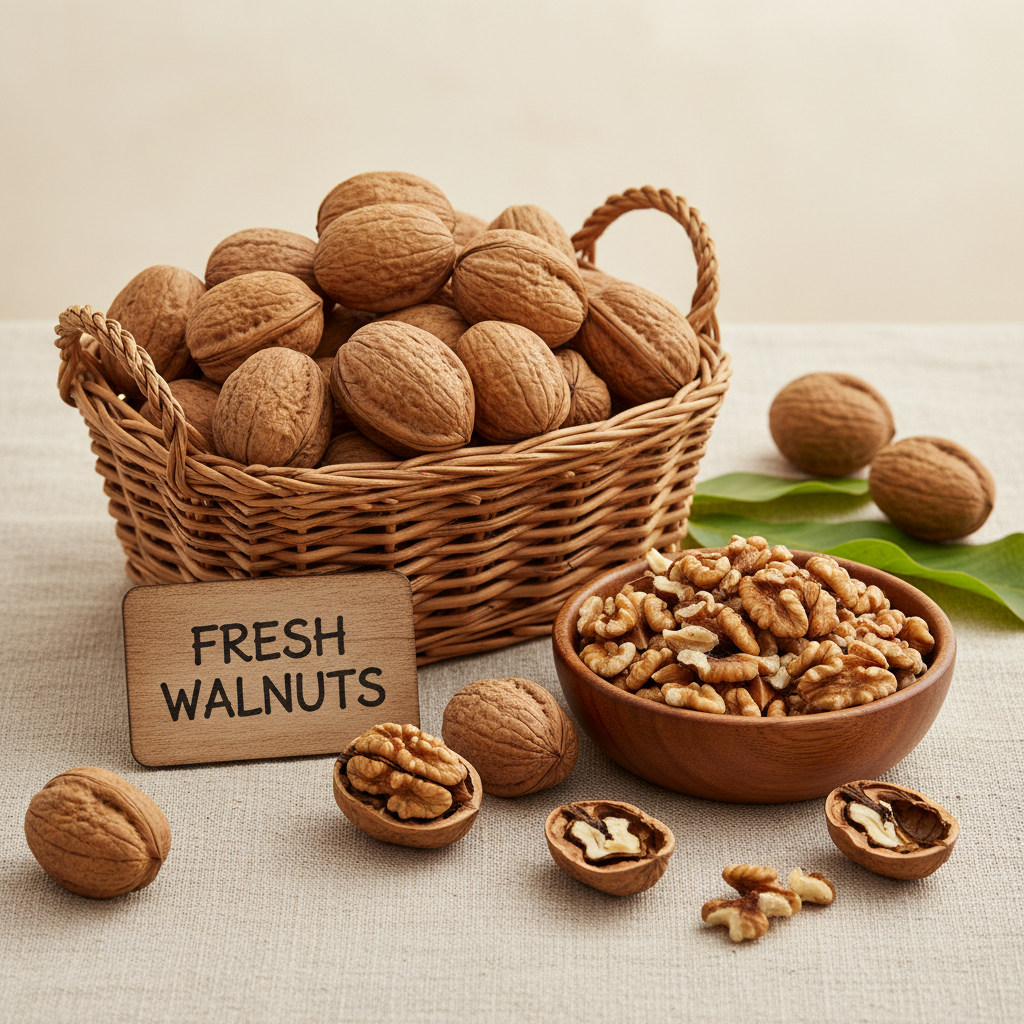
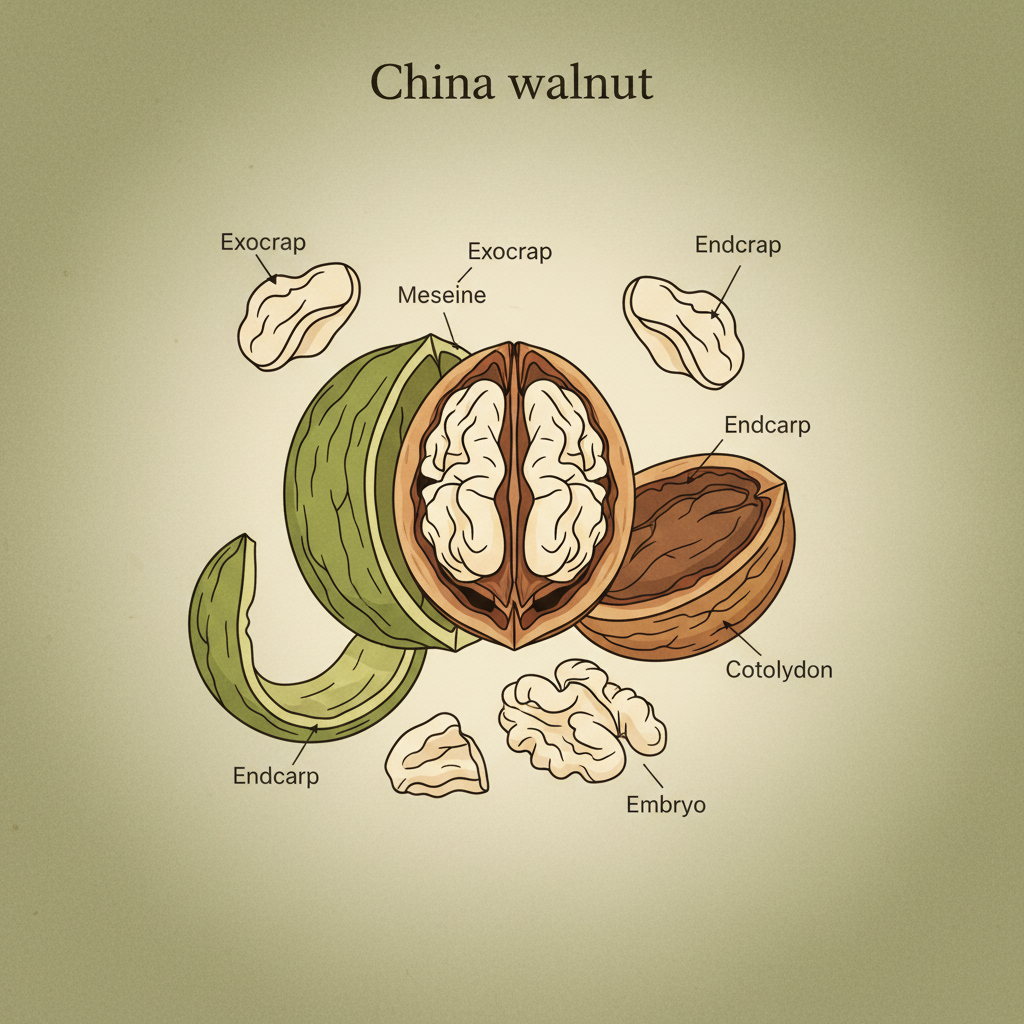
The global demand for premium nuts has seen a significant surge as consumers pivot toward nutrient-dense, plant-based diets. Among these, shell walnuts whole stand out as a cornerstone of healthy snacking, valued not only for their rich flavor but for their protective natural packaging that preserves freshness and essential oils.
Understanding the nuances of sourcing high-quality walnuts—ranging from the thin-shelled Xinjiang varieties to the robust kernels of Hebei—is crucial for wholesalers and retailers. The integrity of the shell ensures that the delicate omega-3 fatty acids remain stable, making the "whole shell" format the gold standard for long-term storage and international transport.
By integrating scientific quality management with traditional cultivation, the industry is now able to provide standardized specifications in shell walnuts whole, ensuring that every batch meets strict moisture levels and size requirements to satisfy the diverse needs of the global market.
Global Market Relevance of Shell Walnuts Whole
The international trade of shell walnuts whole is driven by a growing global awareness of cardiovascular health. As data from health organizations indicate a rise in the consumption of omega-3 rich foods, China has emerged as a pivotal supplier, with regions like Xinjiang and Hebei providing diverse grades that cater to both the Middle Eastern and Western markets.
One of the primary challenges in this industry is maintaining the "whole" integrity of the shell during mass transit. Any crack in the shell can lead to oxidation of the kernel, reducing the shelf life and nutritional value. This has led to the development of specialized packaging and logistics channels that ensure these premium nuts arrive in pristine condition across over 100 countries.
Defining Quality Standards for Whole Shell Walnuts
When we define shell walnuts whole, we are looking at more than just an intact shell. Quality is measured by a combination of the "Yield percentage"—the ratio of kernel to shell—and the physical dimensions. For instance, premium 185 walnuts are characterized by an exceptionally thin shell and a high kernel yield, often ranging between 51% and 65%, which makes them highly desirable for the end consumer.
Another critical parameter is moisture content. To prevent mold and ensure a crisp texture, moisture levels must be kept strictly below 5%. This technical requirement is achieved through scientific drying processes and climate-controlled storage, ensuring that the product remains stable during its journey from the plantation to the consumer's table.
Furthermore, the aesthetic appeal—such as the smoothness and whiteness of the shell—plays a significant role in market valuation. High-grade "Thin-shell Walnuts" are screened using machine blowing and manual re-checking to remove empty shells or underdeveloped fruits, ensuring that only the most symmetrical and full walnuts are exported.
Core Components of Premium Walnut Production
The production of shell walnuts whole begins with the selection of the planting base. Soil quality and climate in regions like Xinjiang directly influence the thinness of the shell and the oil content of the kernel, establishing the foundational quality of the crop.
The processing phase is where technology meets craftsmanship. Advanced machine screening removes non-compliant items, while automatic weighing and sealing systems ensure precision. This rigorous quality management system, often certified by standards like BRC, guarantees that every batch of shell walnuts whole is consistent in size and quality.
Finally, the integration of OEM/ODM services allows factories to customize labels and packaging for different regional markets. This flexibility ensures that the product is not only high in quality but also presented in a way that resonates with local consumer preferences, whether it be for bulk industrial use or luxury retail.
Practical Applications and Industrial Use Cases
In the commercial sector, shell walnuts whole are utilized across various industries. In the food processing industry, they serve as a raw material for premium confectionery and bakery products. Because the shell protects the kernel, they are often sold as a "natural snack" in supermarkets, where consumers value the experience of cracking a fresh nut.
Beyond direct consumption, these walnuts are essential in health-focused dietary plans. In educational and childcare settings, they are promoted for brain development due to their high ALA (alpha-linolenic acid) content, which is critical for building brain cells and improving cognitive function in young adults.
Comparative Performance of Shell Walnuts Whole Varieties
Long-term Value and Health Advantages
The long-term value of incorporating shell walnuts whole into a daily diet is rooted in their status as a "superfood." They are exceptionally rich in omega-3 fatty acids, which are proven to lower bad cholesterol and reduce inflammation, thereby significantly decreasing the risk of heart disease and improving overall cardiovascular function.
Beyond the heart, these walnuts provide an essential boost to brain health. The presence of antioxidants like vitamin E and polyphenols protects brain cells from oxidative stress, which is vital for preventing age-related cognitive decline. For individuals managing diabetes, the high fiber and protein content helps maintain stable blood sugar levels and improves insulin sensitivity.
Future Trends in Nut Processing Automation
The future of shell walnuts whole production is moving toward complete digitalization. AI-driven optical sorting is replacing manual inspection, allowing for the detection of microscopic shell cracks and internal defects that the human eye might miss. This ensures a near 100% consistency in the exported batches.
Sustainability is also becoming a core pillar. Factories are implementing "green" drying technologies that reduce energy consumption while maintaining the critical moisture threshold of below 5%. Moreover, the focus is shifting toward traceable supply chains, where blockchain can prove the origin of the walnuts from the planting base to the final package.
Automation in packaging is further evolving to include modified atmosphere packaging (MAP), which replaces the oxygen inside the bag with inert gases. This innovation will extend the freshness of shell walnuts whole even further, allowing them to reach distant markets without the need for chemical preservatives.
Overcoming Challenges in Global Distribution
Distributing shell walnuts whole globally involves navigating complex phytosanitary regulations. Different countries have varying requirements for moisture and purity. To overcome this, professional export factories employ comprehensive quality management systems and provide detailed certification to ensure seamless customs clearance.
Logistical delays can often lead to quality degradation. The solution lies in maintaining year-round inventory and utilizing mature logistics channels that offer temperature-controlled shipping. This strategic approach ensures that the "on-time and timely delivery" promise is kept, regardless of the destination's geographical distance.
Finally, price volatility in the nut market can be a challenge for importers. By partnering with "source factories" that integrate planting, processing, and trade, buyers can secure competitive pricing and stable supplies, mitigating the risks associated with middleman markups and market fluctuations.
Comparative Analysis of Whole Shell Walnut Specifications
| Variety Name |
Kernel Yield % |
Max Size (mm) |
Shell Characteristic |
| Xinjiang Paper Shell |
60%-65% |
32mm+ |
Thinnest, one-hand open |
| Xin 2 Thin-shell |
52%-55% |
32mm+ |
White and smooth shell |
| 33 Thin-shell |
48%-51% |
37mm+ |
Best outward appearance |
| Xinfeng Thin-shell |
47%-50% |
32-37mm |
Large size, competitive price |
| 185 Thin-shell |
51%-53% |
32mm+ |
Unique shell, top kernel |
| Standard Export |
50%-55% |
30mm+ |
Consistent market grade |
FAQS
Paper shell walnuts, particularly from Xinjiang, are the most premium grade of shell walnuts whole. They feature an extremely thin shell that can often be opened by hand, resulting in the highest kernel yield (up to 65%). Thin-shell walnuts are also high quality but may have slightly thicker walls and different yield percentages (usually 47%-55%) depending on the specific variety like Xinfeng or 185.
We utilize a combination of scientific drying processes and automatic sealing technology. By removing excess moisture before packaging and using high-barrier materials, we prevent moisture re-absorption. Furthermore, our mature logistics channels include climate-controlled environments to ensure that shell walnuts whole remain dry and fresh throughout the global transit process.
Yes, as a professional export factory, we provide comprehensive OEM and ODM customization services. This includes label design, packaging material selection, and specific weight requirements. Whether you need retail-ready bags for supermarkets or bulk packaging for industrial use, we can tailor our shell walnuts whole production to match your brand identity.
The natural shell of shell walnuts whole acts as a biological barrier against oxygen, light, and moisture. Since walnuts are rich in omega-3 fatty acids, they are prone to oxidation (rancidity) once exposed to air. Keeping the walnut in its shell preserves the internal oils and nutritional integrity far longer than stripped kernels.
Our factory has passed the provincial BRC quality system certification. This ensures that every step of our production—from the planting base to the automatic sealing line—follows strict global food safety and quality management standards. This certification is crucial for our partners importing shell walnuts whole into Europe, America, and Asia.
While all varieties of shell walnuts whole contain essential omega-3s, the 185 and Xinjiang Paper Shell varieties are often favored for their high-quality, white kernels rich in alpha-linolenic acid (ALA). Regular consumption of these nutrients supports the building of brain cells and enhances cognitive function and memory in children and young adults.
Conclusion
In summary, the selection of premium shell walnuts whole requires a deep understanding of kernel yield, moisture control, and shell integrity. By combining the natural advantages of regions like Xinjiang and Hebei with BRC-certified industrial processing, it is possible to deliver a product that is not only commercially viable but also nutritionally superior. The shift toward automation and sustainable sourcing ensures that the global supply chain can meet the rising demand for heart and brain-healthy superfoods.
As the industry evolves, the focus will continue to move toward higher transparency and precision in grading. For businesses looking to expand their global footprint in the healthy snack market, partnering with a source factory that integrates planting and trade is the most effective way to ensure reliability and quality. We invite you to explore the superior taste and nutritional value of our products. Visit our website: www.luhuawalnut.com