When evaluating the market for premium nuts, the 250 grams walnuts price often serves as a critical benchmark for both retail consumers and wholesale procurement officers. This specific packaging size represents a balance between household consumption and bulk value, reflecting the intricate relationship between kernel quality, origin, and logistics costs.
Determining the fair value of a 250g portion requires looking beyond the sticker price to understand the "yield percentage"—the actual weight of the edible kernel relative to the shell. In the global trade of thin-shell varieties, such as those from Xinjiang or Yunnan, the value is driven by oil content, kernel color, and the ease of opening.
For professional buyers, understanding the price drivers of smaller retail units helps in optimizing SKU strategies and ensuring that the product delivered to the end-user justifies the premium associated with high-grade Chinese walnuts.

Decoding the Factors Influencing Retail Walnut Pricing

The cost of a 250g walnut pack is not a static figure but a result of several industrial variables. Primary among these is the origin; walnuts from the Xinjiang region, for instance, are often priced higher due to the unique continental climate that produces a thinner shell and a more nutrient-dense kernel.
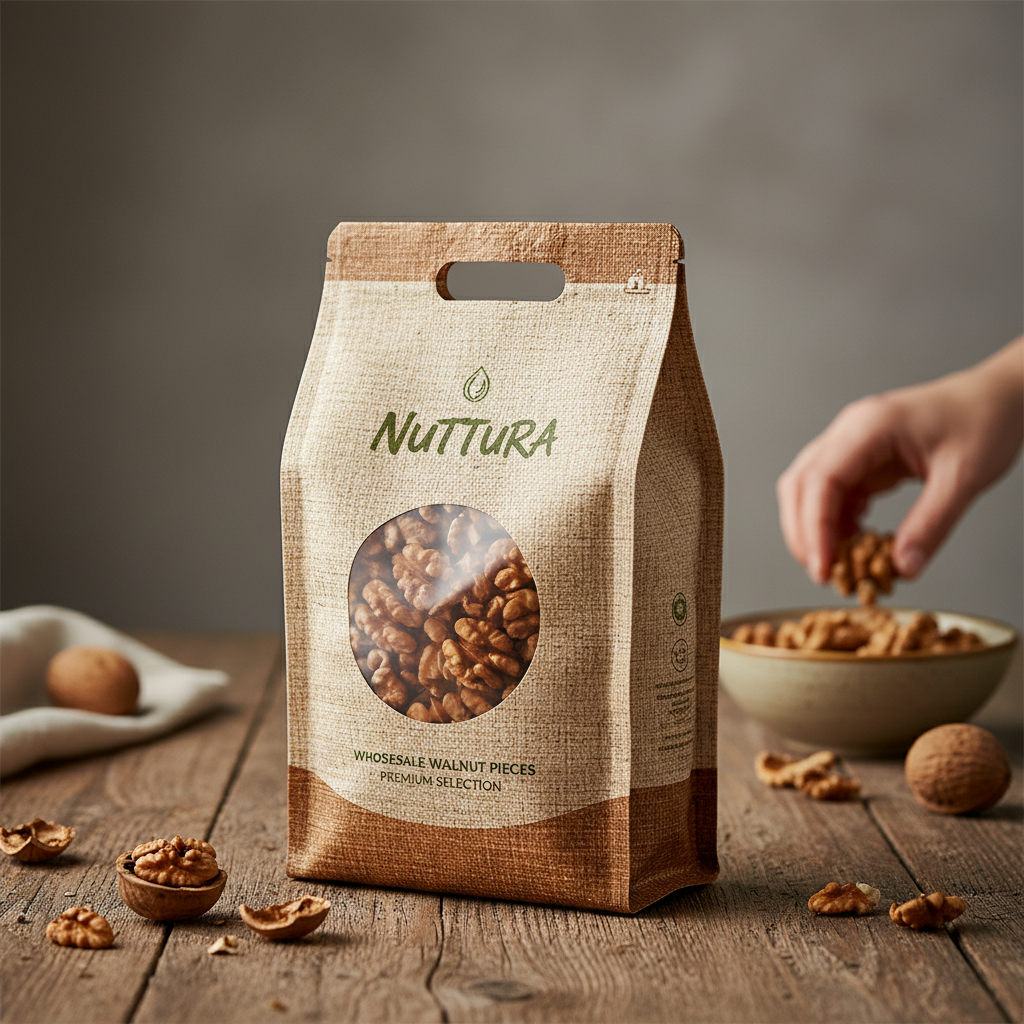
Logistics and packaging also play a significant role. Moving from bulk export containers to 250g retail-ready pouches adds costs associated with automated weighing and sealing. However, this added value is recovered through higher retail margins and the convenience offered to the health-conscious consumer.
Furthermore, the grade of the walnut—ranging from standard commercial to premium thin-shell—creates distinct price tiers. A "one-hand open" walnut, such as the 185 variety, commands a premium because it eliminates the need for heavy tools, enhancing the user experience.
Critical Quality Indicators for Premium Walnut Selection
To justify a premium price, walnuts must meet strict physical and nutritional benchmarks. The first indicator is the shell appearance; a clean, light-brown surface without cracks or mold indicates proper drying and storage, which is essential for maintaining the stability of omega-3 fatty acids.
Kernel color is another deciding factor. A light-colored, plump kernel is generally preferred in international markets, as it suggests a fresher product with lower oxidation levels. This is often achieved through advanced infrared and X-ray separation equipment that removes malignant impurities.
Lastly, moisture content must be kept below 5%. Excessive moisture not only reduces the shelf life but also increases the risk of aflatoxin development, making rigorous quality control a non-negotiable requirement for export-grade walnuts.
Market Applications for 250g Packaged Walnuts
The 250g format is strategically designed for specific consumption scenarios. In the health-food sector, this size is ideal for weekly meal-prepping, providing a controlled amount of plant-based protein and healthy fats without risking spoilage from over-exposure.
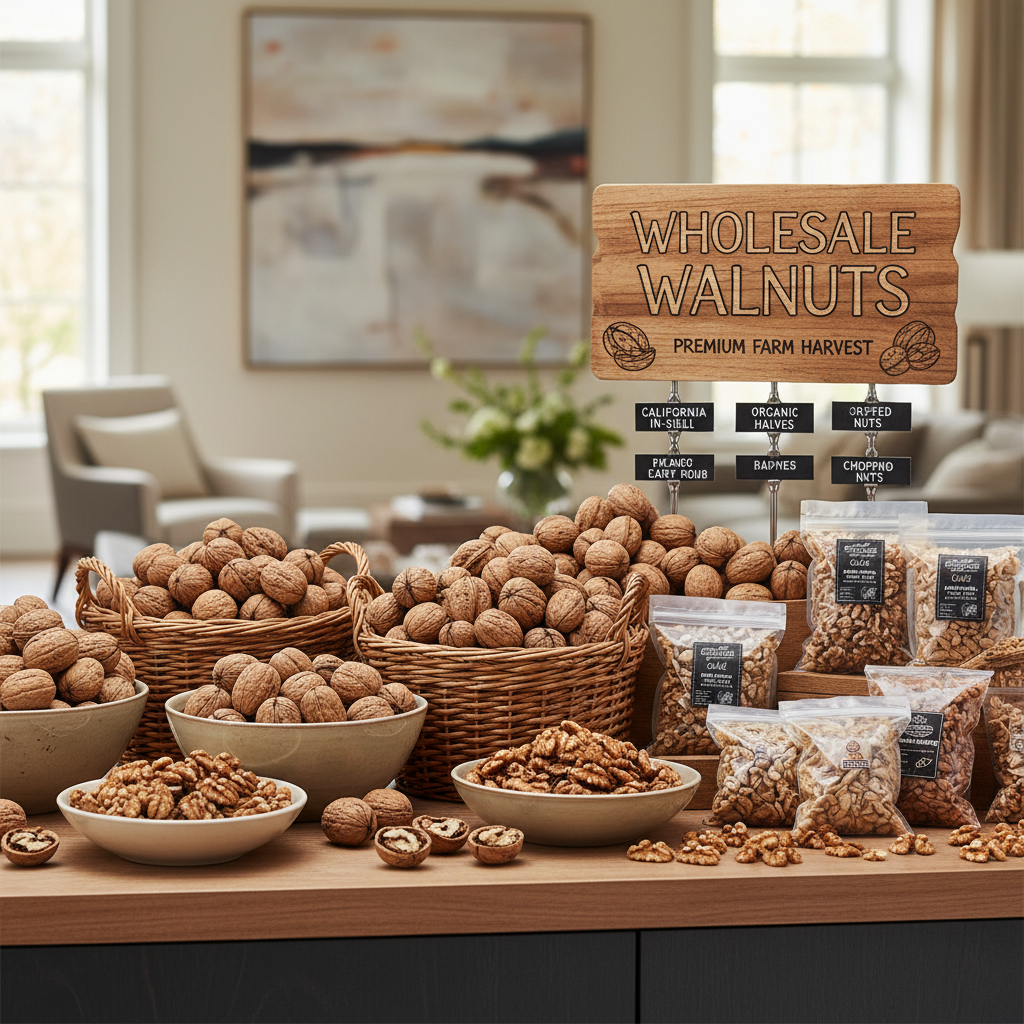
From a commercial perspective, these packs are frequently used as high-end gift components or as part of "healthy snack bundles" in supermarkets. The compact size allows for attractive branding and label customization, which is a key service provided by integrated factory-trade companies to help brands penetrate new markets.
Additionally, this size is preferred by culinary hobbyists who require high-quality kernels for baking or specialty dishes but do not need the volume of a wholesale bag, thus bridging the gap between industrial supply and retail demand.
Analyzing Kernel Yield and Price Correlation
The financial efficiency of a walnut purchase is measured by its yield. If a walnut has a 60% yield, the buyer is paying for 150g of edible nut and 100g of shell in a 250g pack. This makes high-yield varieties like the Xinjiang 185 significantly more cost-effective than thicker-shelled options.
When comparing industry benchmarks, the correlation between shell thickness and the final retail price becomes evident. Thin-shell varieties reduce the waste per unit, allowing retailers to market a "higher value" product to the consumer.
250 grams walnuts price Performance Metrics
As demonstrated in the data, varieties with superior kernel percentages not only offer better nutritional density but also provide a more stable ROI for importers who are managing narrow margins in the competitive global nut trade.
Procurement Strategies for Wholesale Nut Importers
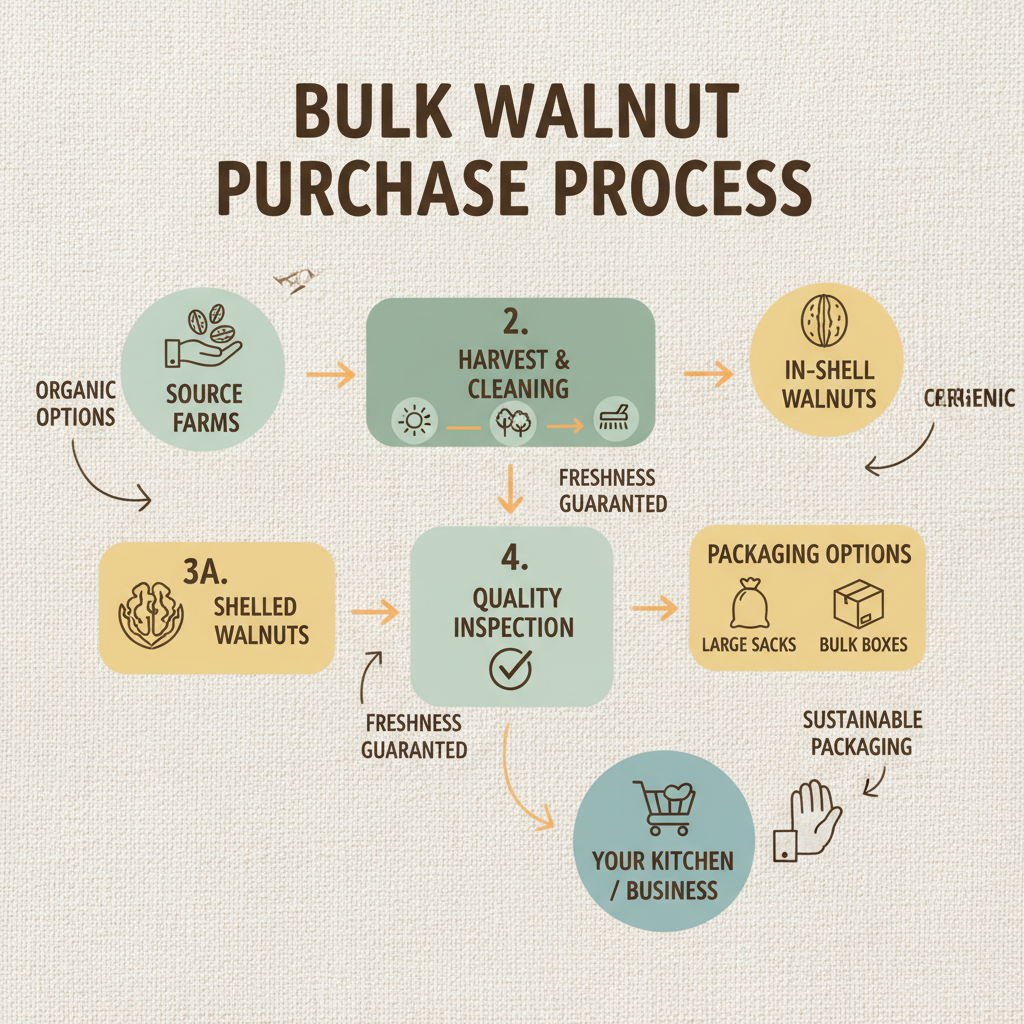
Professional procurement involves a rigorous evaluation of the supplier's integrated capabilities. An importer should prioritize factories that control the entire chain—from planting bases in Xinjiang or Yunnan to BRC-certified processing workshops—to ensure consistent quality across shipments.
Evaluating the technical infrastructure of a supplier is equally important. The use of color separators, infrared light machines, and X-ray equipment ensures that the 250g packs are free from impurities and diseased nuts, which prevents costly recalls and protects brand reputation.
Finally, importers must consider the stability of the supply chain. A factory with large-scale cold storage (e.g., 1000-ton capacity) can provide year-round inventory, mitigating the price volatility associated with seasonal harvests.
Future Outlook for High-Oil Walnut Varieties
The global demand for omega-3 rich foods is likely to drive a shift toward more specialized walnut varieties. We may see an increase in the valuation of thin-shell cultivars that offer a superior balance of flavor and ease of access, particularly in Middle Eastern and European markets.
Technological advancements in automatic weighing and vacuum sealing could further optimize the 250g retail format, extending shelf life without the need for chemical preservatives. This trend aligns with the growing consumer preference for "clean label" products.
Moreover, the integration of traceability systems may allow buyers to track their 250g pack back to the specific planting base, adding a layer of transparency that justifies a higher price point through verified origin and organic practices.
Comparative Analysis of Major Chinese Walnut Varieties
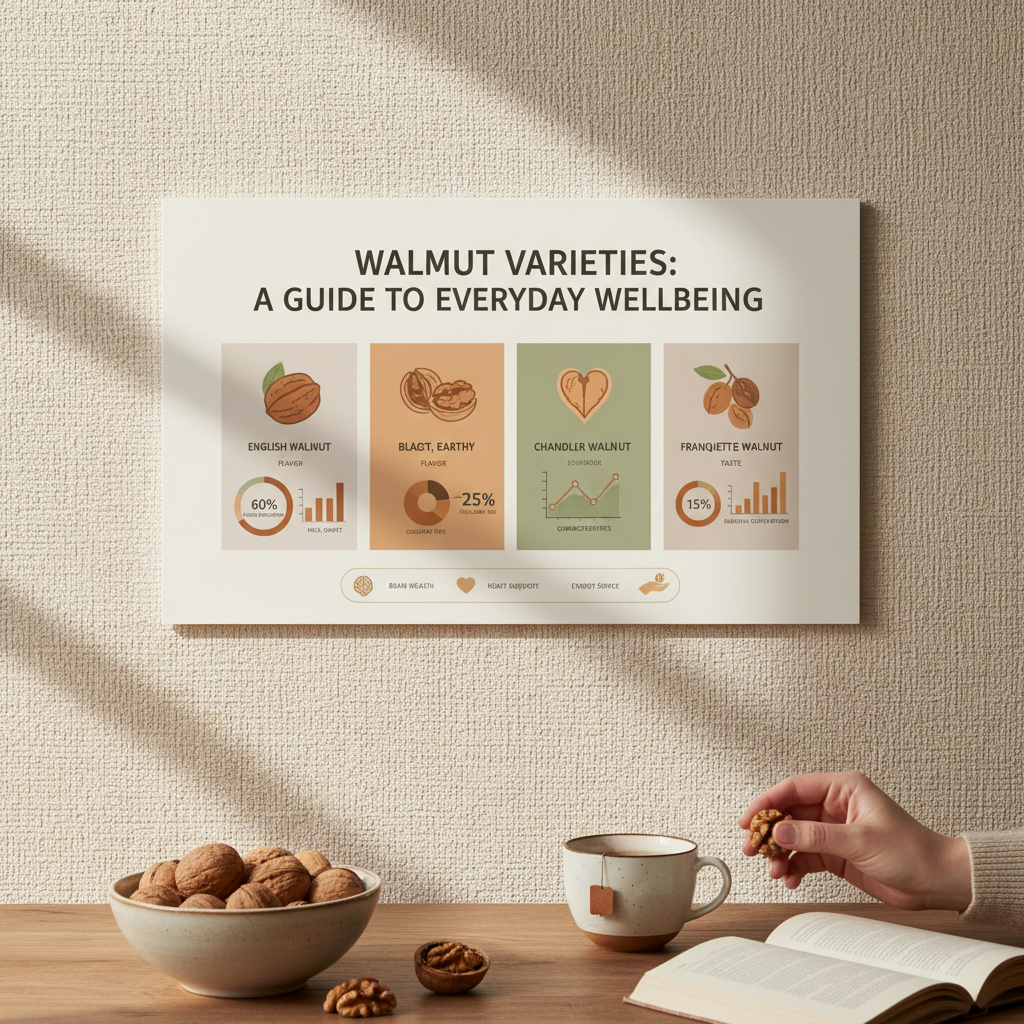
Choosing the right variety depends on the target market's priorities. While some buyers prioritize size for gift packaging, others focus on the kernel yield to maximize profit margins. The following analysis breaks down the primary thin-shell varieties available.
By comparing these specifications, procurement officers can determine which variety best fits their pricing strategy for 250g retail units.
| Variety Name | Kernel Yield % | Primary Feature | Market Positioning |
|---|---|---|---|
| Xinjiang 185 | 60%-65% | Thin shell, one-hand open | Premium Global Export |
| Xin 2 | 52%-55% | Smooth white shell, best taste | High-End Retail |
| 33 Thin-shell | 48%-51% | Superior visual appearance | Gift & Luxury Market |
| Xinfeng | 47%-50% | Competitive bulk pricing | Commercial Mass Market |
| Yunnan Thin-shell | 51%-53% | Unique oil profile, white kernel | Specialty Health Stores |
| Standard Grade | 40%-45% | Thicker shell, standard flavor | Budget Processing |
Ultimately, the selection of a variety should be based on the intended end-use, whether it is for raw consumption, gourmet baking, or industrial oil extraction.
Frequently Asked Questions
Conclusion
Analyzing the 250 grams walnuts price reveals that true value is found at the intersection of high kernel yield and rigorous quality control. For the consumer, the convenience of the 250g format is a key draw, but for the professional buyer, the focus remains on the technical specifications—moisture levels, shell thickness, and kernel purity.
By partnering with integrated producers who manage the process from the planting base to the final seal, businesses can ensure they deliver a product that is not only healthy and delicious but also economically viable. Readers evaluating these metrics can review the relevant product and company information available through www.luhuawalnut.com.