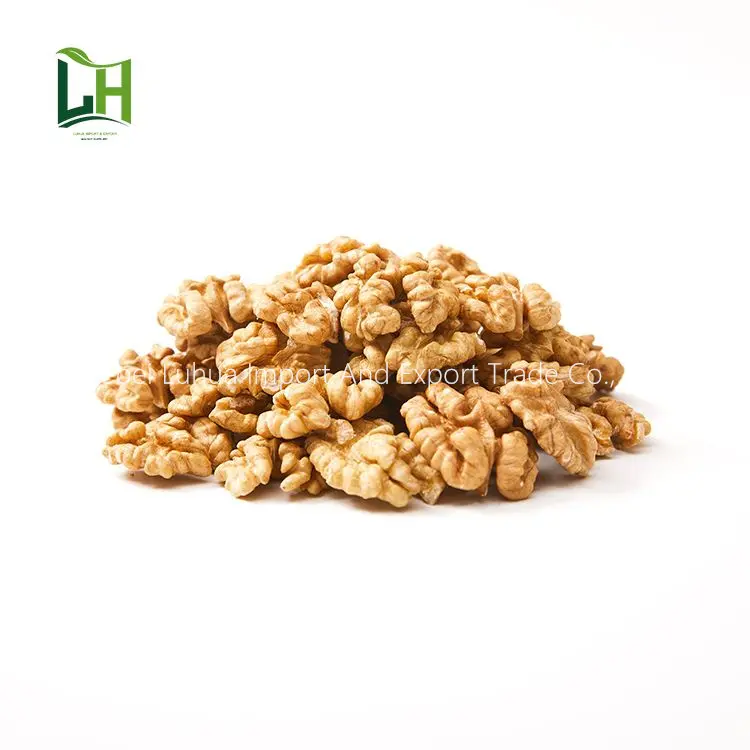
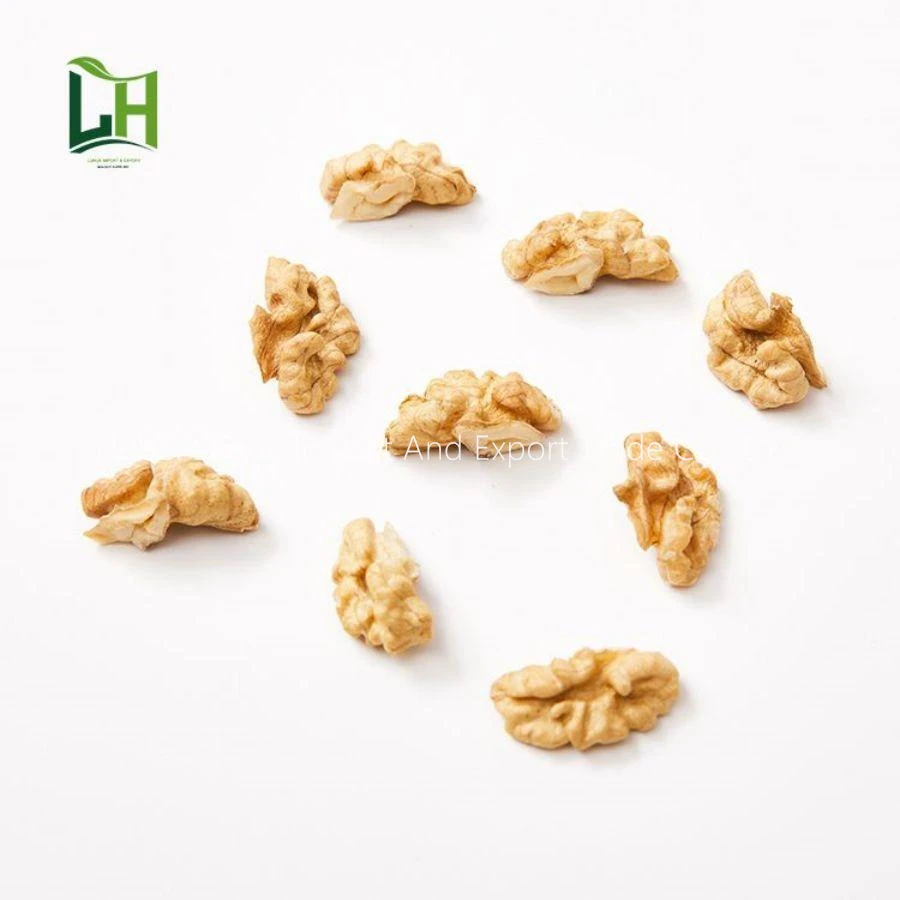
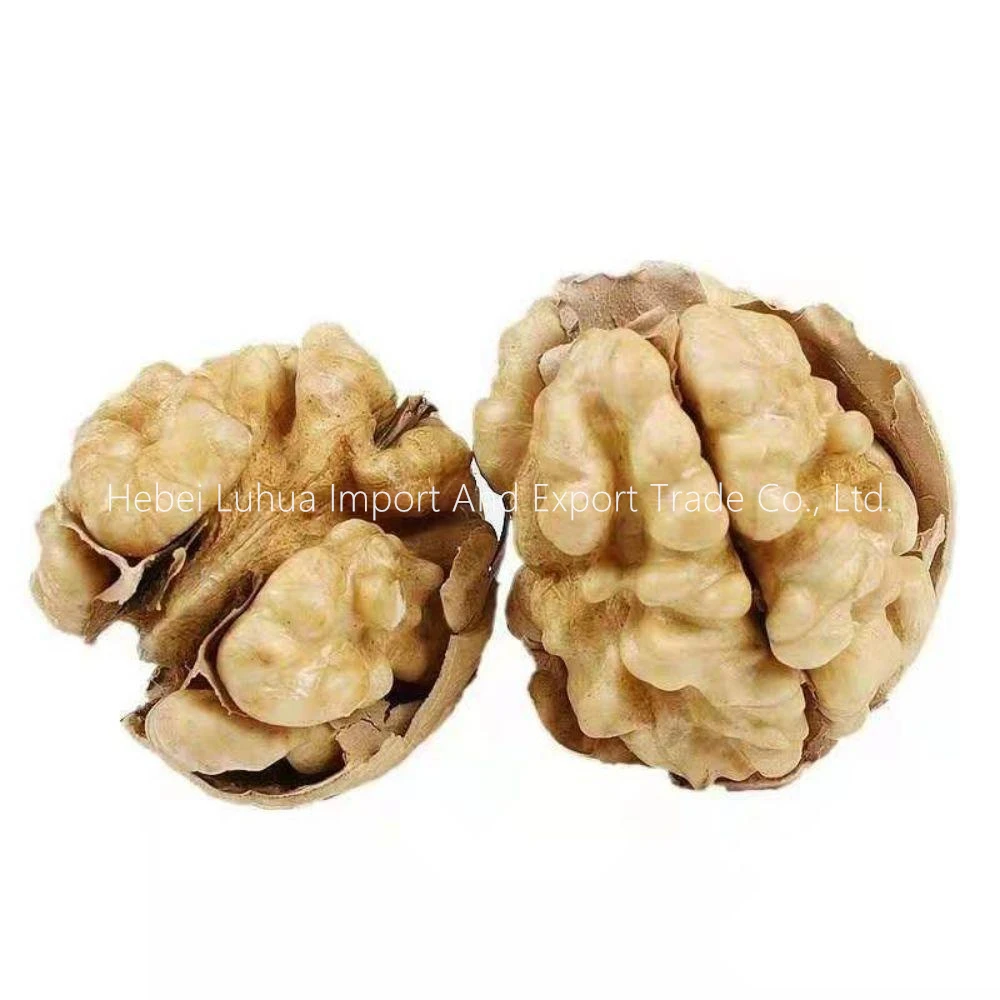
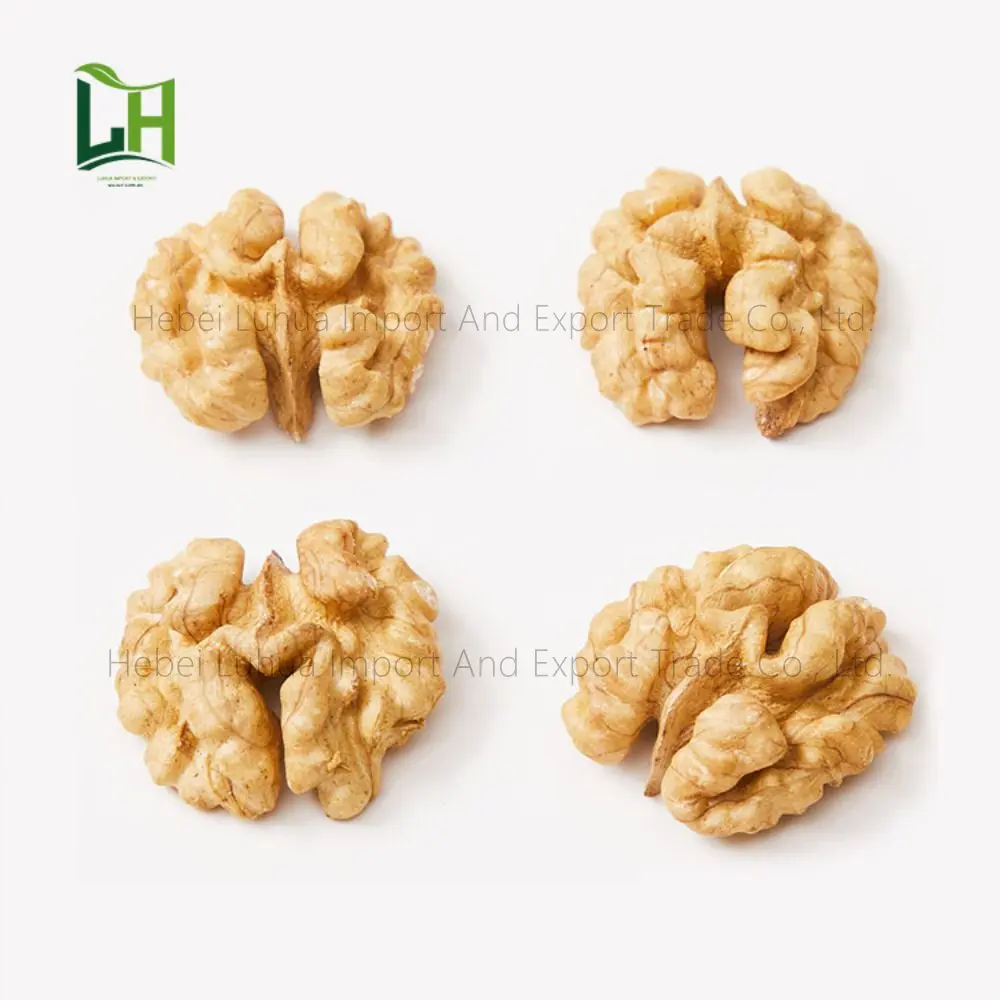
When global buyers search for walnuts in shell, two origins dominate the conversation: Chinese walnuts and California walnuts. Both play critical roles in the international nut trade, yet they differ significantly in shell appearance, kernel characteristics, taste profile, grading standards, and pricing structure.
Understanding the key differences between walnuts in shell from China and those from California helps importers, wholesalers, food manufacturers, and private-label brands make informed sourcing decisions.
1. Origin and Production Scale
Chinese Walnuts in Shell
China is the world’s largest walnut producer. Major growing regions include Xinjiang, Yunnan, and Shaanxi, where favorable continental climates support high-yield orchards. Chinese walnuts are widely exported in both in-shell and kernel formats.
Chinese walnut production emphasizes:
-
Large-scale farming
-
Competitive pricing
-
Diverse varieties (185, 33, Xin 2, etc.)
-
Strong supply chain flexibility
Because of its vast acreage, China supplies a broad spectrum of grades suited for retail, processing, and industrial applications.
California Walnuts
California is the leading walnut-producing region in the United States. Backed by advanced agricultural technology and strict regulatory standards, California walnuts are often positioned as premium-grade products in international markets.
The industry is supported by organizations such as the California Walnut Board, which promotes quality control, research, and global marketing.
California walnuts are known for:
-
Uniform quality
-
Strong brand recognition
-
Strict grading systems
-
High food safety standards
2. Shell Appearance and Size Differences
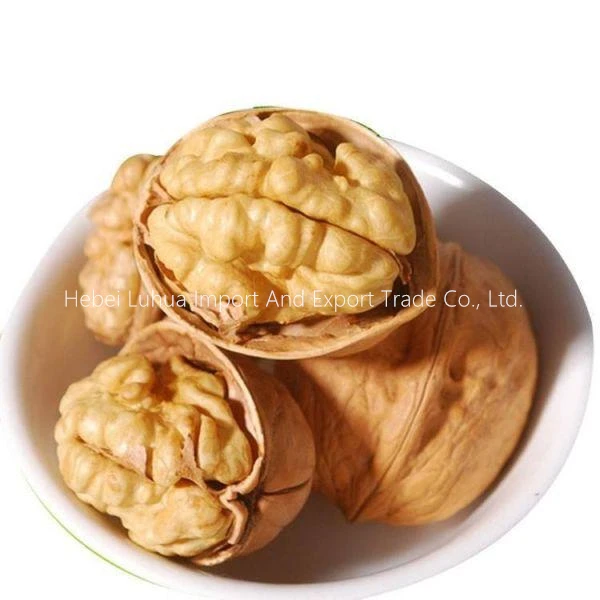
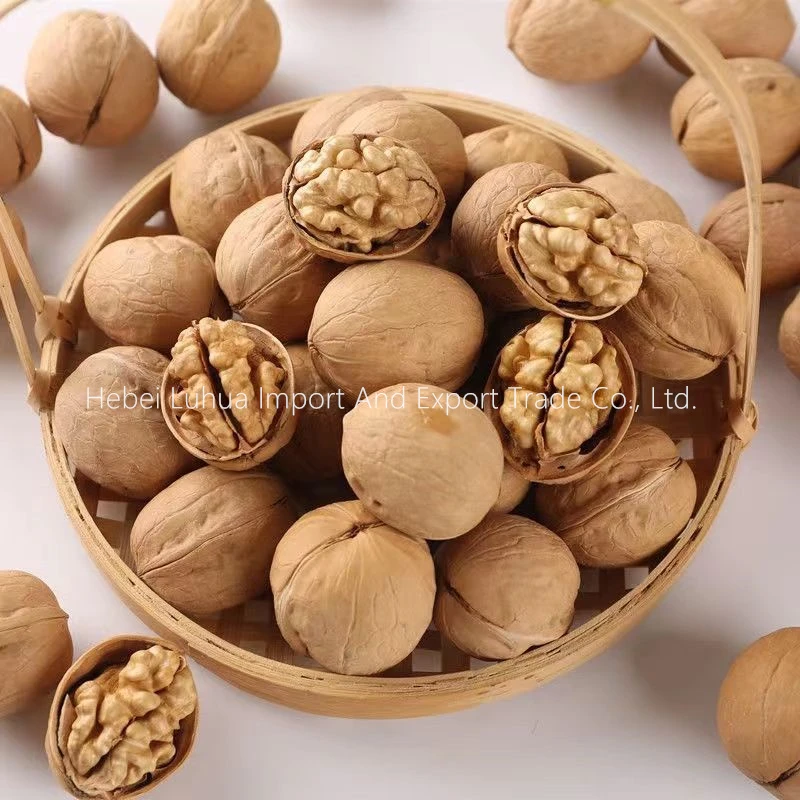
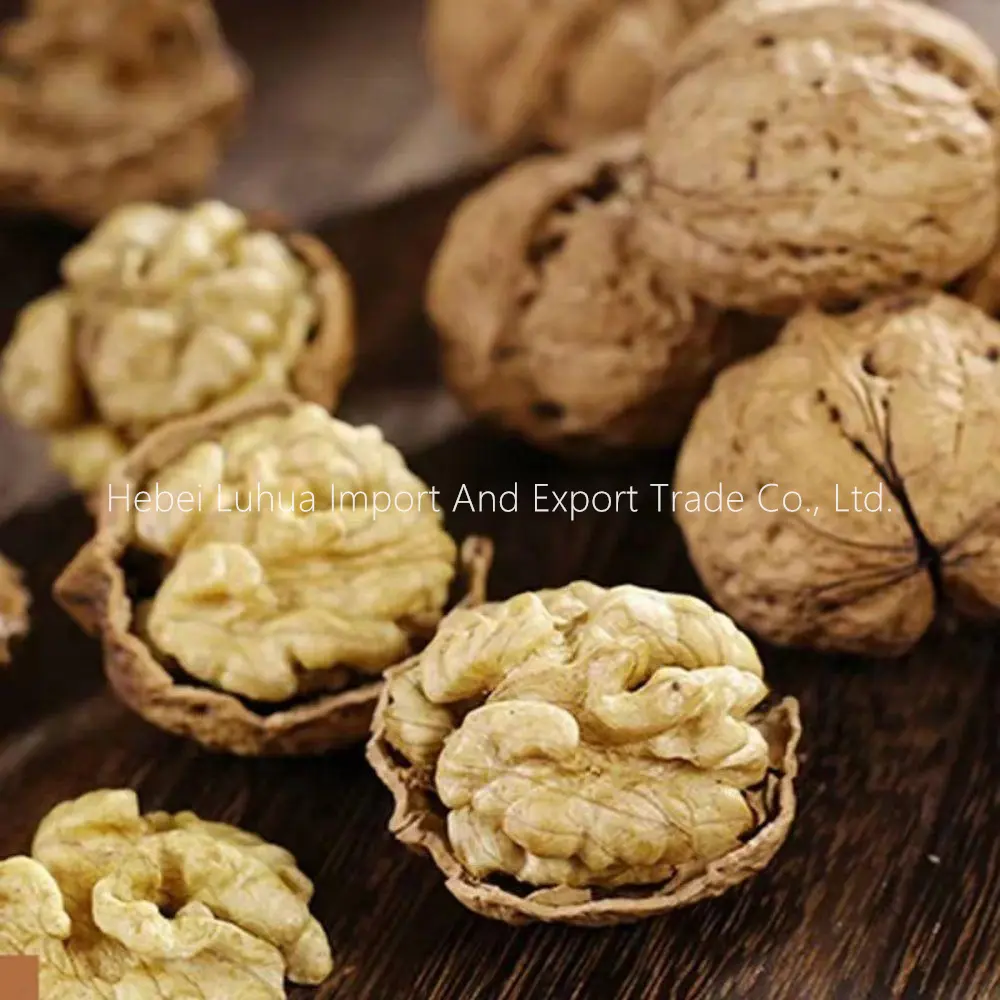
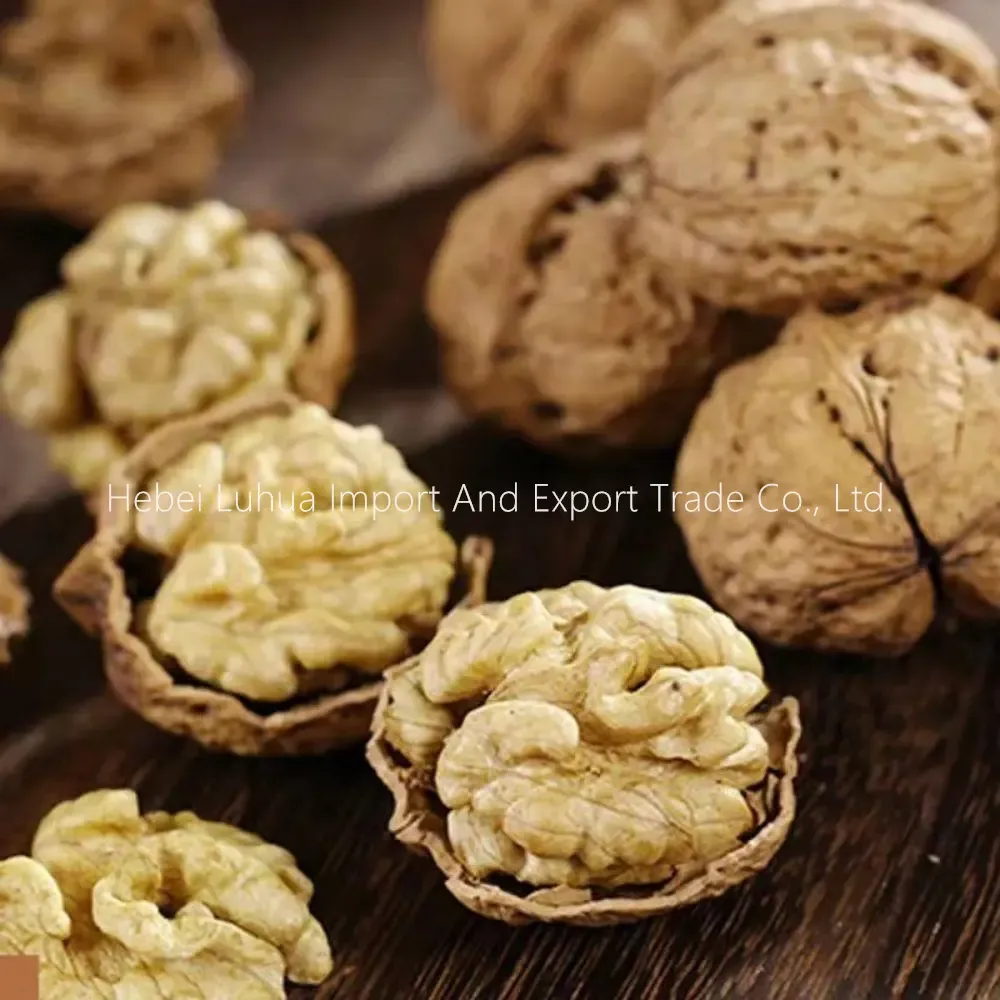
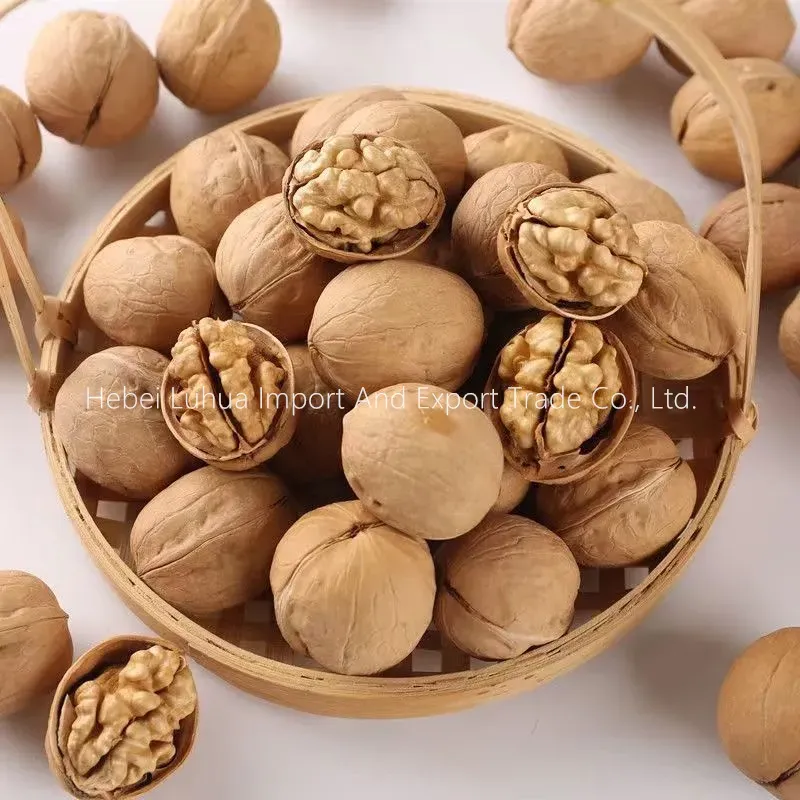
One of the most visible differences between Chinese walnuts in shell and California walnuts is the shell itself.
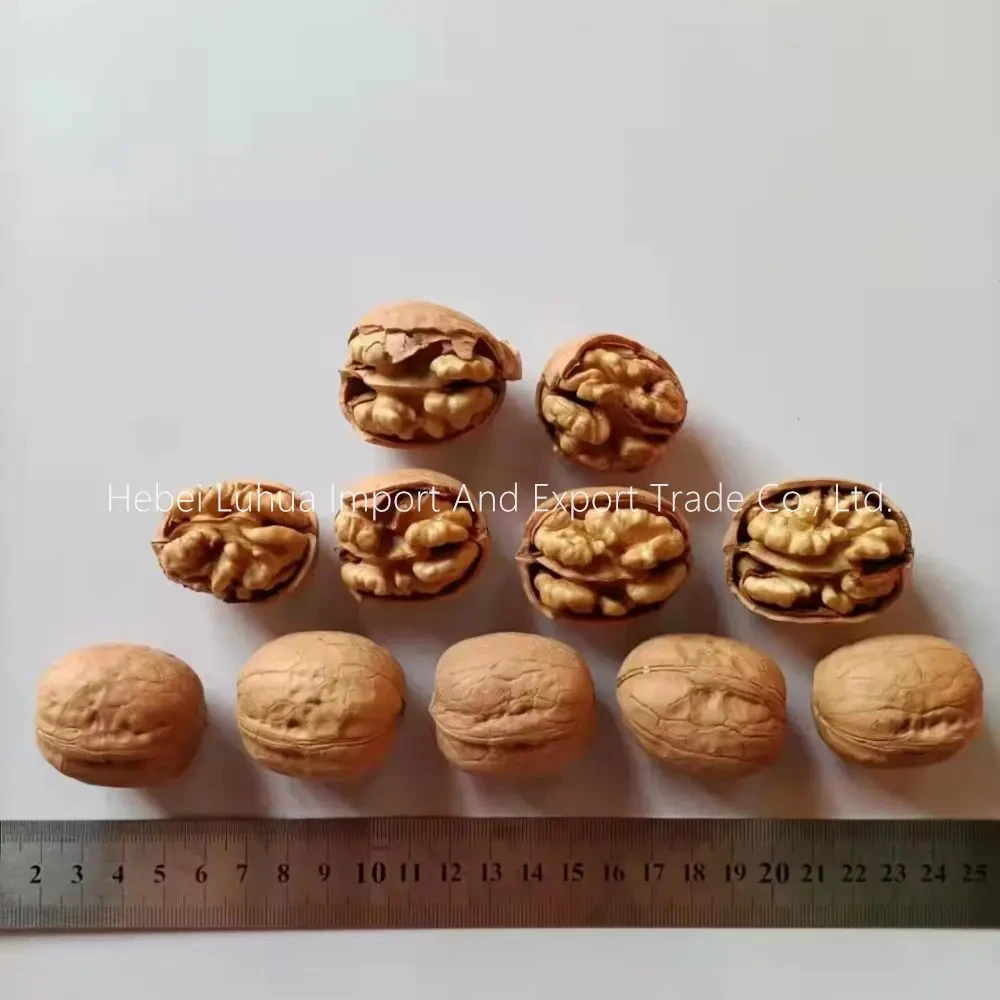
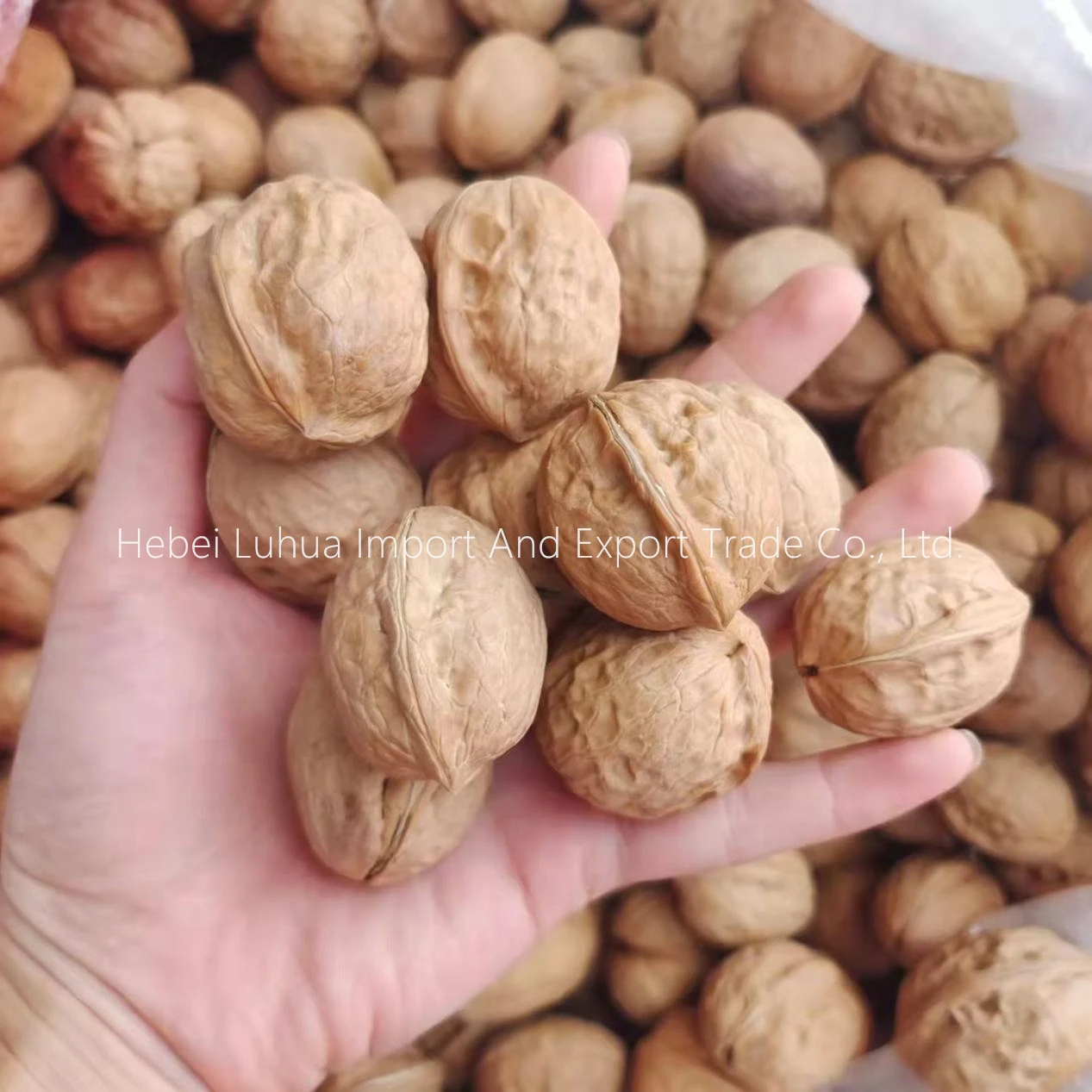
Chinese Walnuts in Shell
-
Shell color: Light to medium brown
-
Shell thickness: Medium to relatively thick
-
Shape: More oval or round
-
Surface: Slightly rough texture
Chinese varieties often have thicker shells, which can offer better protection during long-distance transport. This makes them suitable for bulk export markets.
California Walnuts in Shell
-
Shell color: Lighter, smoother finish
-
Shell thickness: Generally thinner
-
Shape: More uniform and symmetrical
-
Appearance: Cleaner presentation
California walnuts are often preferred in premium retail packaging because of their visual consistency.
3. Kernel Color and Grade Standards
Kernel color is a major factor affecting international walnut pricing.
Chinese Walnut Kernels
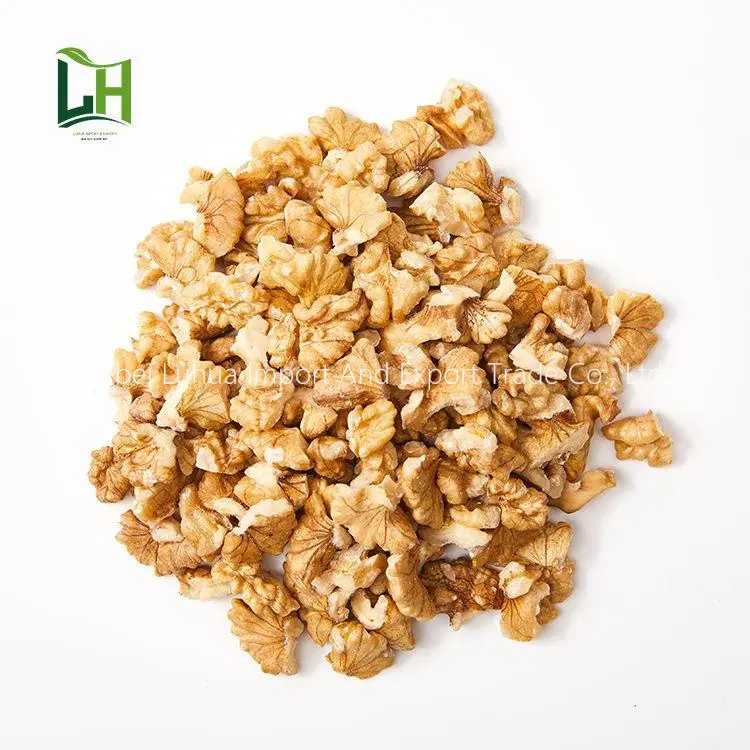
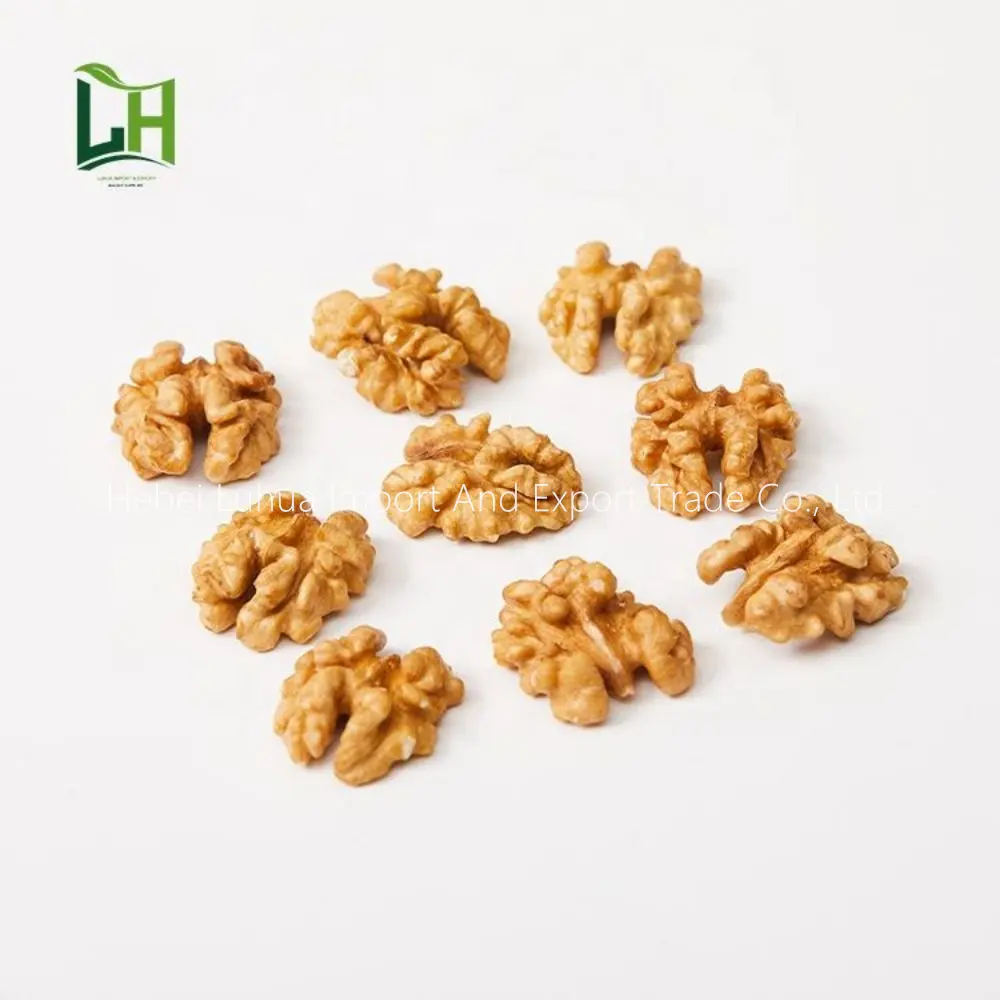
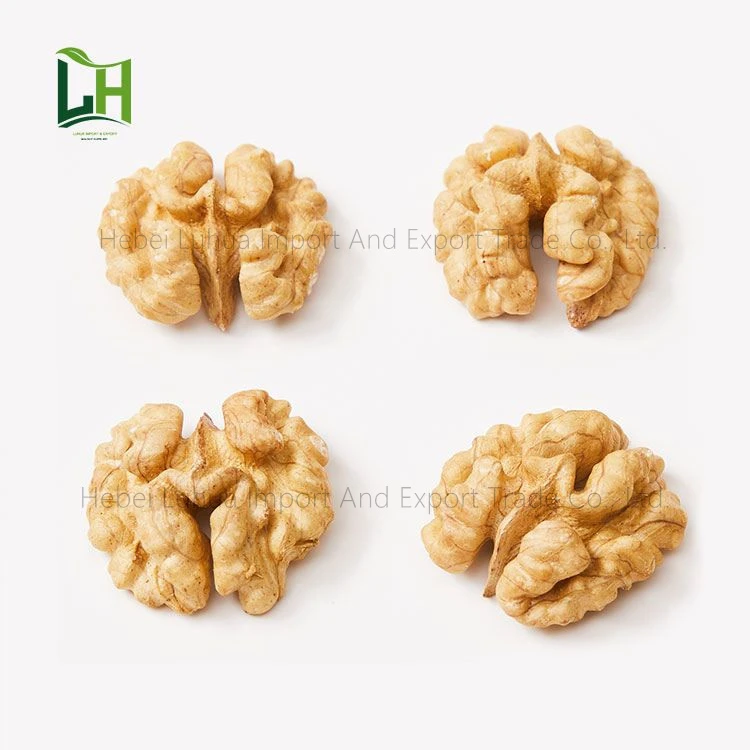
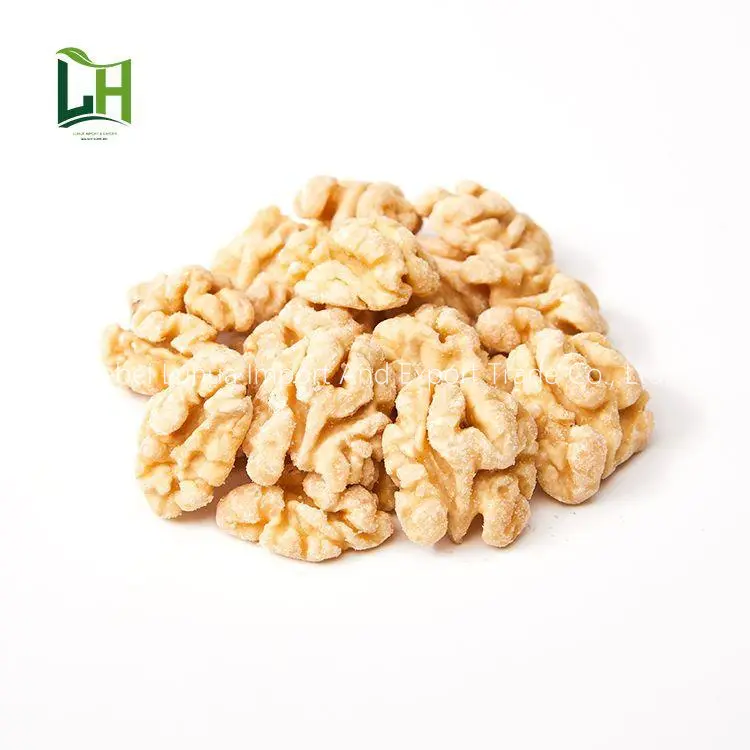
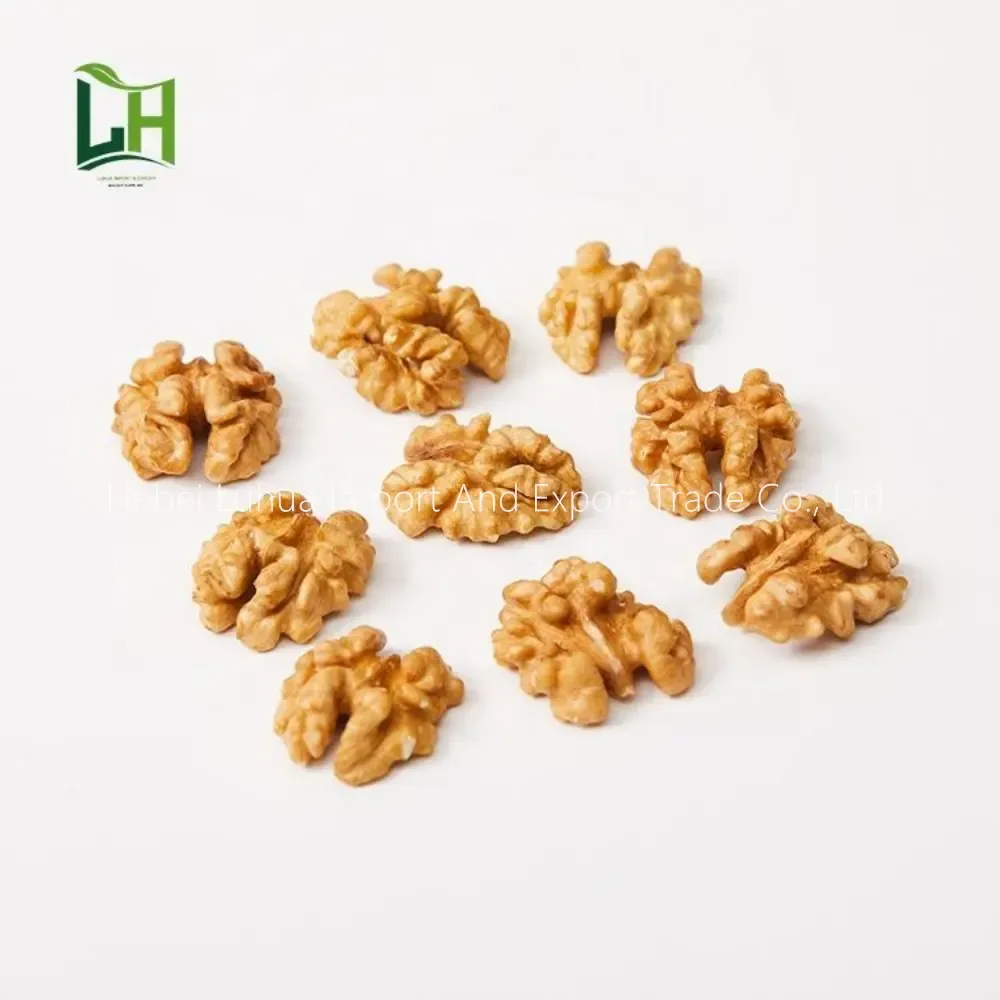
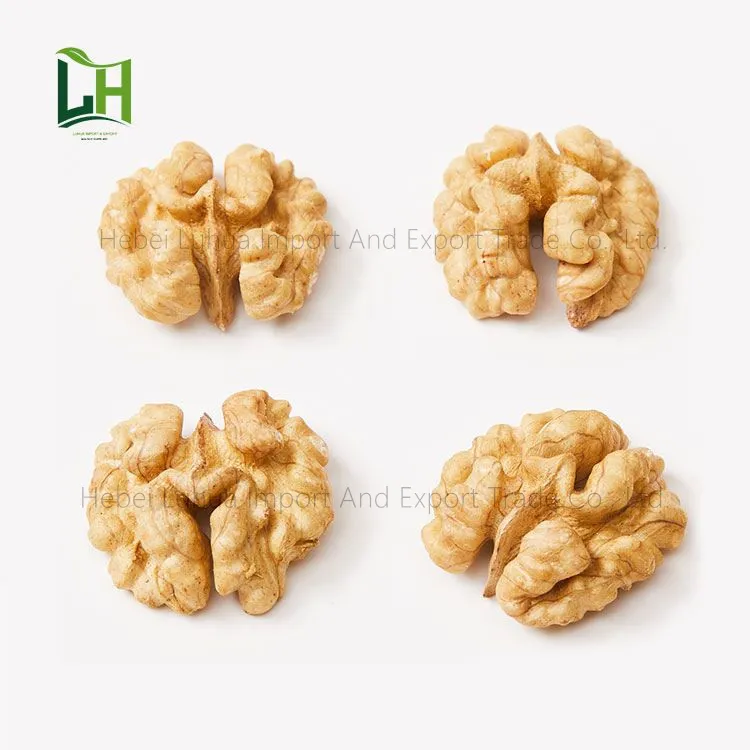
Chinese walnut kernels range from:
-
Licht
-
Light amber
-
Amber
-
Dark amber
While China produces high-quality light kernels, there is broader variability in grading compared to U.S. standards. However, modern Chinese processing facilities now use advanced color sorting systems to improve uniformity.
Chinese walnuts are widely used in:
-
Bakery products
-
Confectionery
-
Walnut oil production
-
Food processing industries
California Walnut Kernels
California walnut grading follows USDA standards, which emphasize:
-
Extra licht
-
Licht
-
Licht amberkleurig
-
Amber
California walnuts are especially known for producing a higher percentage of light-colored kernels, which command premium prices in snack and retail markets.
For buyers targeting high-end supermarket chains, California origin may offer stronger marketing value.
4. Taste and Texture Profile
Taste preference often depends on consumer market expectations.
Chinese Walnuts
-
Flavor: Rich, slightly earthy
-
Oil content: High
-
Texture: Firm, sometimes denser
Chinese walnuts are often appreciated in Asian markets where stronger nut flavor is preferred. Their high oil content makes them suitable for roasting and oil extraction.
California Walnuts
-
Flavor: Mild, slightly sweet
-
Texture: Softer and buttery
-
Aftertaste: Cleaner finish
California walnuts are widely used in:
-
Snack packs
-
Breakfast cereals
-
Premium baking
Western consumers often prefer the milder flavor profile.
5. Price Comparison and Market Positioning
Price remains a critical decision factor for bulk walnut buyers.
Chinese Walnuts in Shell Pricing
Chinese walnuts are generally:
-
More competitively priced
-
Suitable for large-volume procurement
-
Attractive for emerging markets
The China walnut price cost advantage is influenced by lower labor costs, larger production volumes, and diversified supply chains.
California Walnuts Pricing
California walnuts typically command:
-
Higher export prices
-
Premium positioning
-
Stronger brand leverage
Higher production costs, labor expenses, and strict regulatory compliance contribute to the pricing structure.
For private-label brands targeting mid-range retail, Chinese walnuts may provide better margin flexibility. For luxury or health-focused branding, California walnuts may strengthen perceived value.
6. Processing Technology and Food Safety Standards
Both origins have made significant advancements in processing technology.
Chinese Processing Standards
Modern Chinese walnut exporters use:
-
Automated cracking lines
-
Optical color sorting
-
Metal detection systems
-
Vacuum packaging technology
Many factories comply with:
-
HACCP
-
ISO certification
-
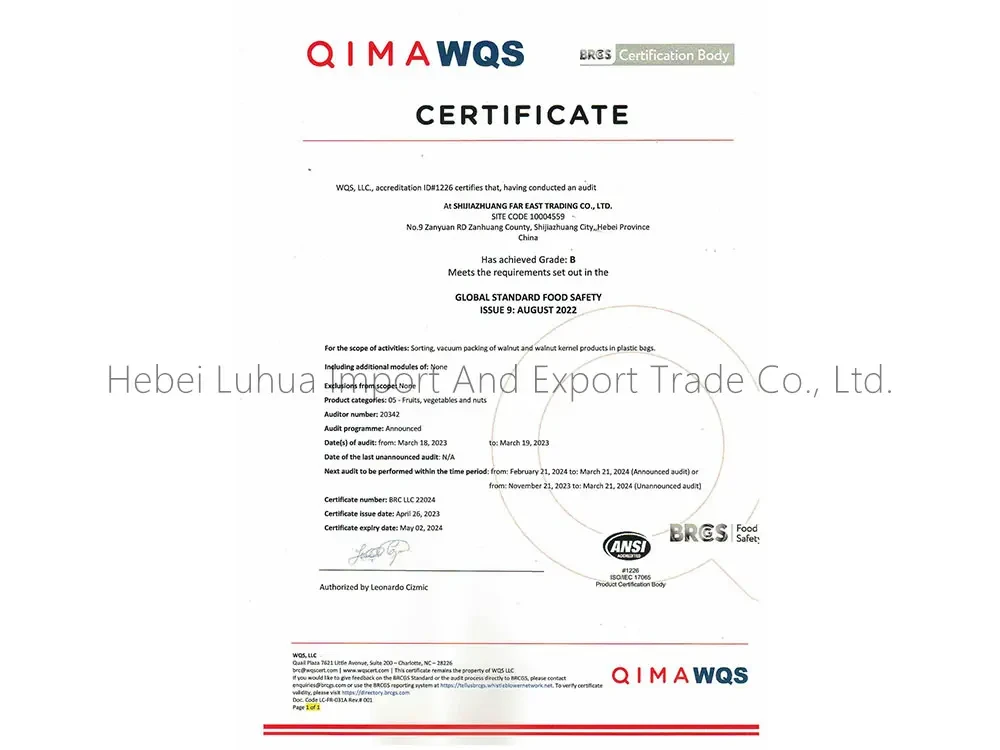
BRC (for export markets)
China’s export-oriented walnut processors have significantly improved food safety standards in recent years.
California Processing Standards
The U.S. walnut industry operates under:
-
USDA inspection
-
FDA regulations
-
Strict aflatoxin monitoring
-
Full traceability systems
This high level of regulatory oversight contributes to international buyer confidence.
7. Export Markets and Global Demand Trends
Chinese Walnut Export Markets
Chinese walnuts in shell are widely exported to:
-
Middle East
-
Southeast Asia
-
Europe
-
Russia
They are particularly popular in regions where consumers buy whole walnuts for cracking at home.
California Walnut Export Markets
California walnuts are heavily exported to:
-
European Union
-
Japan
-
South Korea
-
Canada
They maintain strong positioning in developed markets where food safety, branding, and certification are critical.
8. Which One Should You Choose?
The choice between Chinese walnuts in shell and California walnuts depends on:
| Factor | Chinese Walnuts | California Walnuts |
|---|---|---|
| Price | More competitive | Premium pricing |
| Kernel uniformity | Moderate to high | Very high |
| Brand recognition | Growing | Strong |
| Supply volume | Very large | Large |
| Retail premium appeal | Moderate | High |
Choose Chinese walnuts if:
-
You prioritize cost efficiency
-
You require large shipment volumes
-
You target price-sensitive markets
Choose California walnuts if:
-
You supply premium retail chains
-
You require strong marketing positioning
-
You prioritize strict regulatory branding
Final Thoughts
Both Chinese walnuts in shell and California walnuts offer strong advantages in the global walnut trade. Chinese walnuts stand out for scalability and price competitiveness, while California walnuts are recognized for uniformity, branding, and premium perception.
For international buyers, the optimal choice depends on your target market, pricing strategy, and product positioning. Many global distributors even diversify sourcing—combining Chinese walnuts for processing lines and California walnuts for retail packaging.
As global demand for healthy plant-based ingredients continues to grow, both origins will remain essential pillars of the international walnut supply chain.
If you are evaluating walnut sourcing options, comparing specifications, kernel grades, and long-term supply stability is the smartest next step.
Post time:feb . 24, 2026 11:39