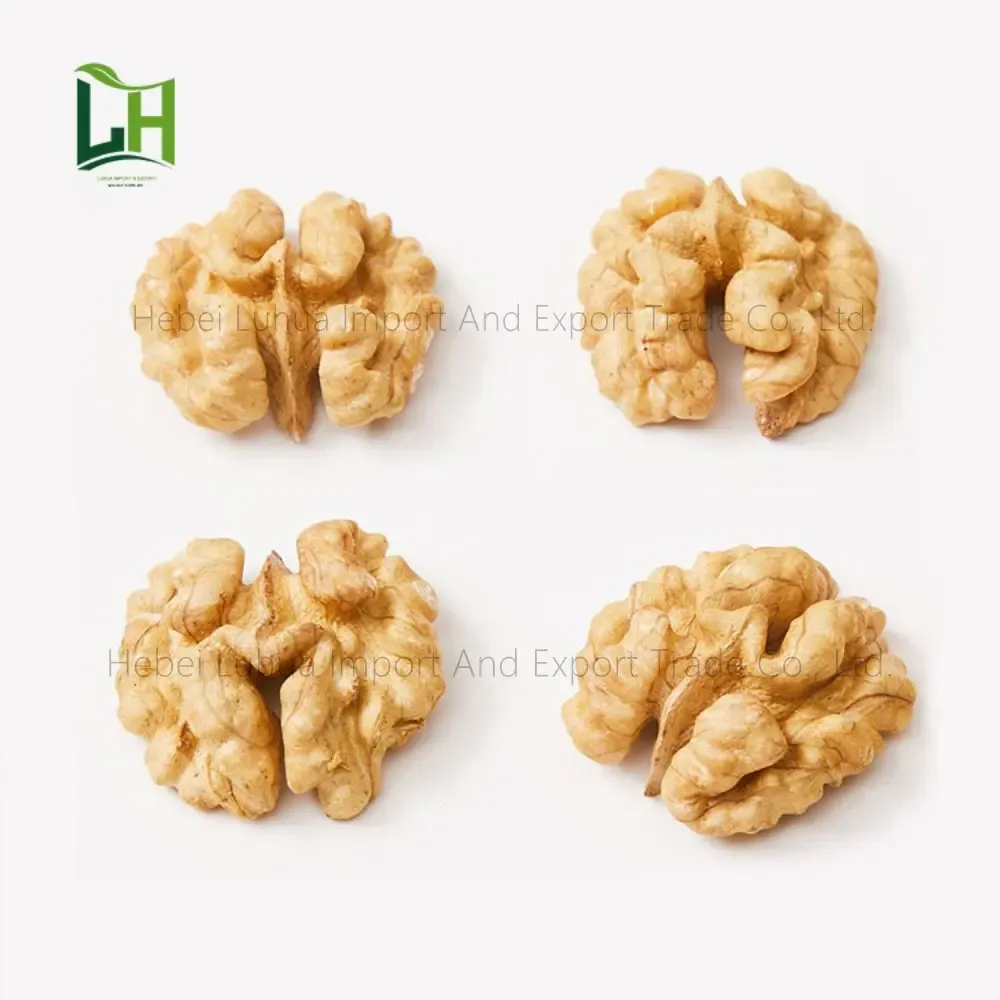
Walnuts are one of the most popular tree nuts worldwide, valued for their rich flavor, crunchy texture, and impressive nutritional profile. However, not all walnuts are the same. In the global market, buyers often compare thin shell walnut varieties with regular walnuts to determine which option better suits their needs. Understanding the differences between these two types is essential for wholesalers, retailers, food manufacturers, and consumers alike.
This guide explores the key distinctions between thin shell walnut and regular walnut in terms of shell structure, kernel quality, taste, nutritional value, processing efficiency, and market value.
1. Shell Thickness and Cracking Performance
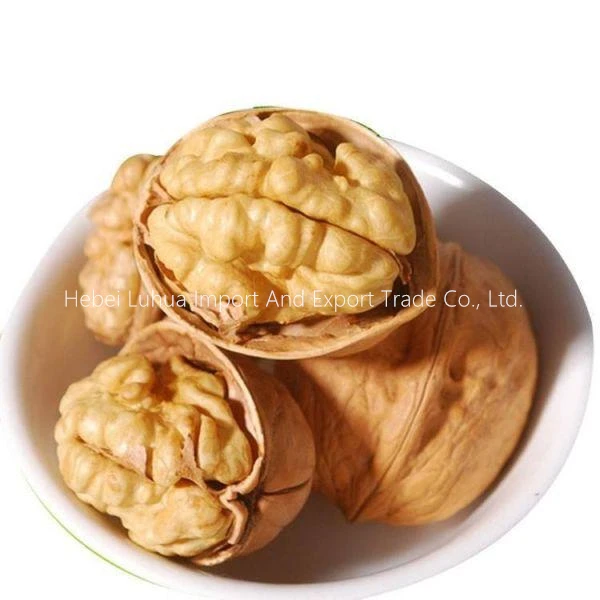
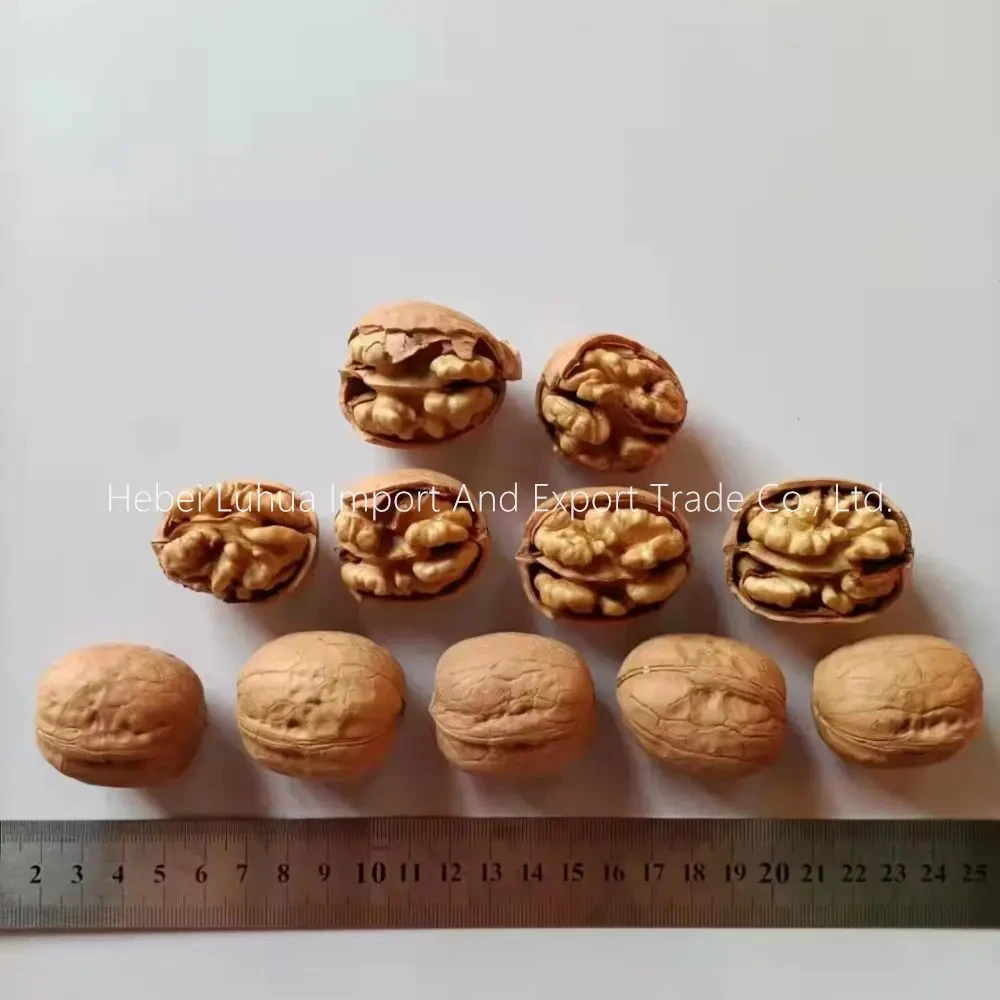
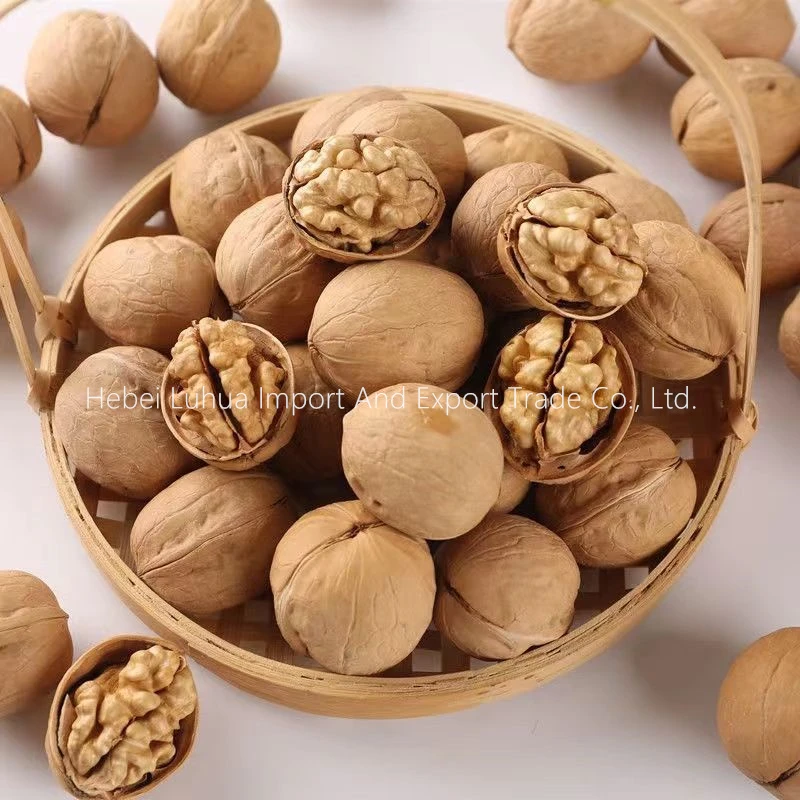
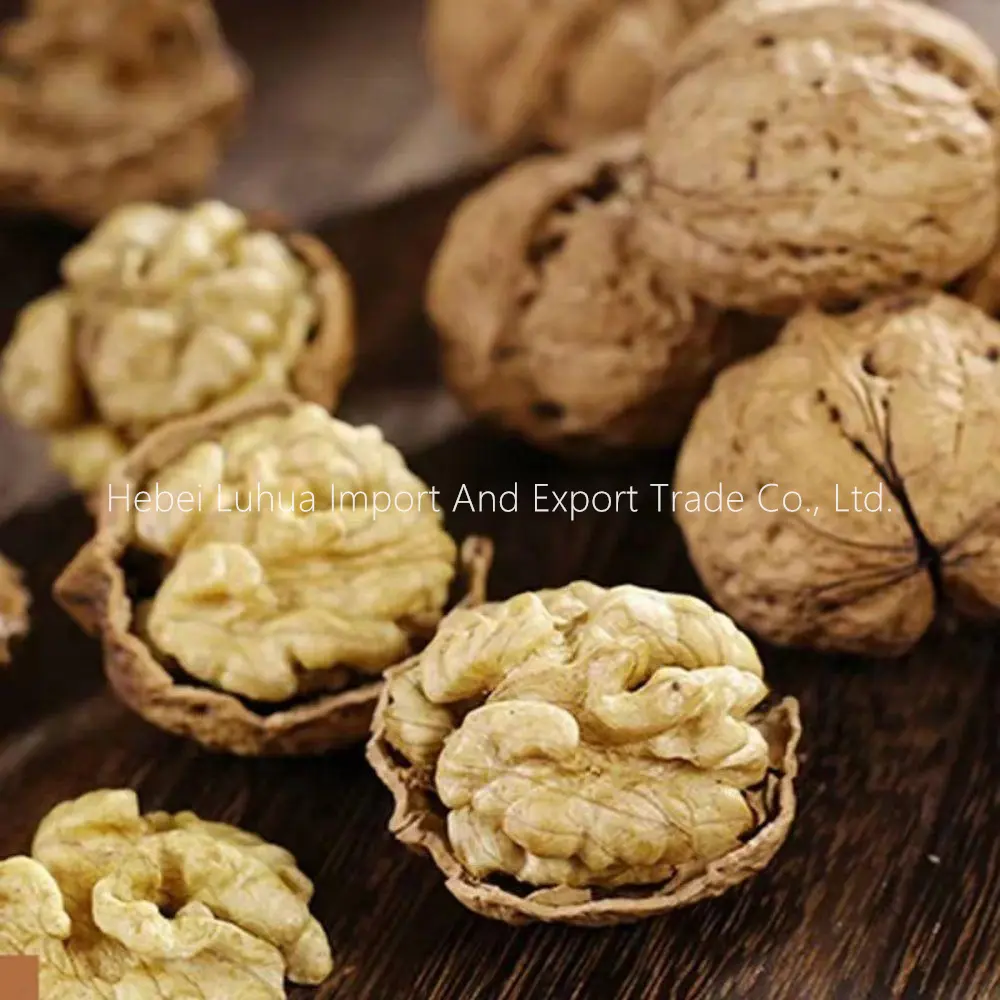
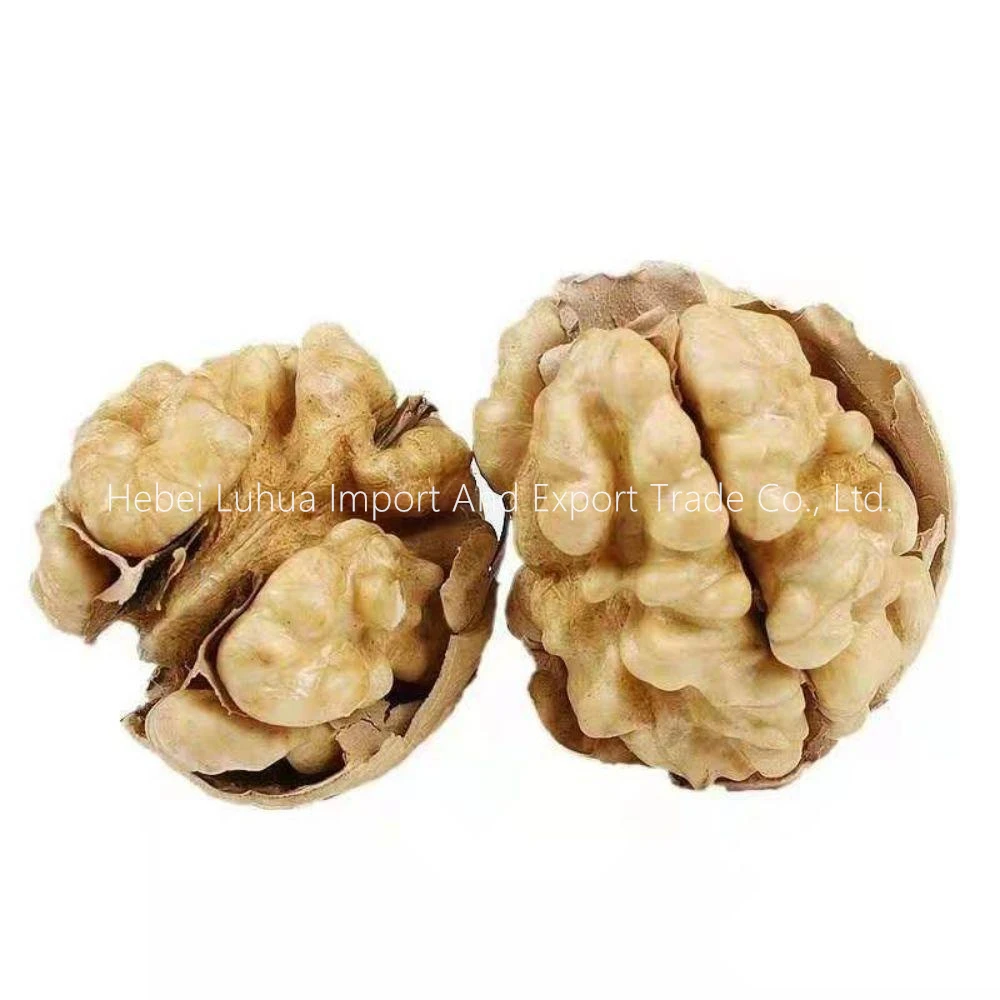
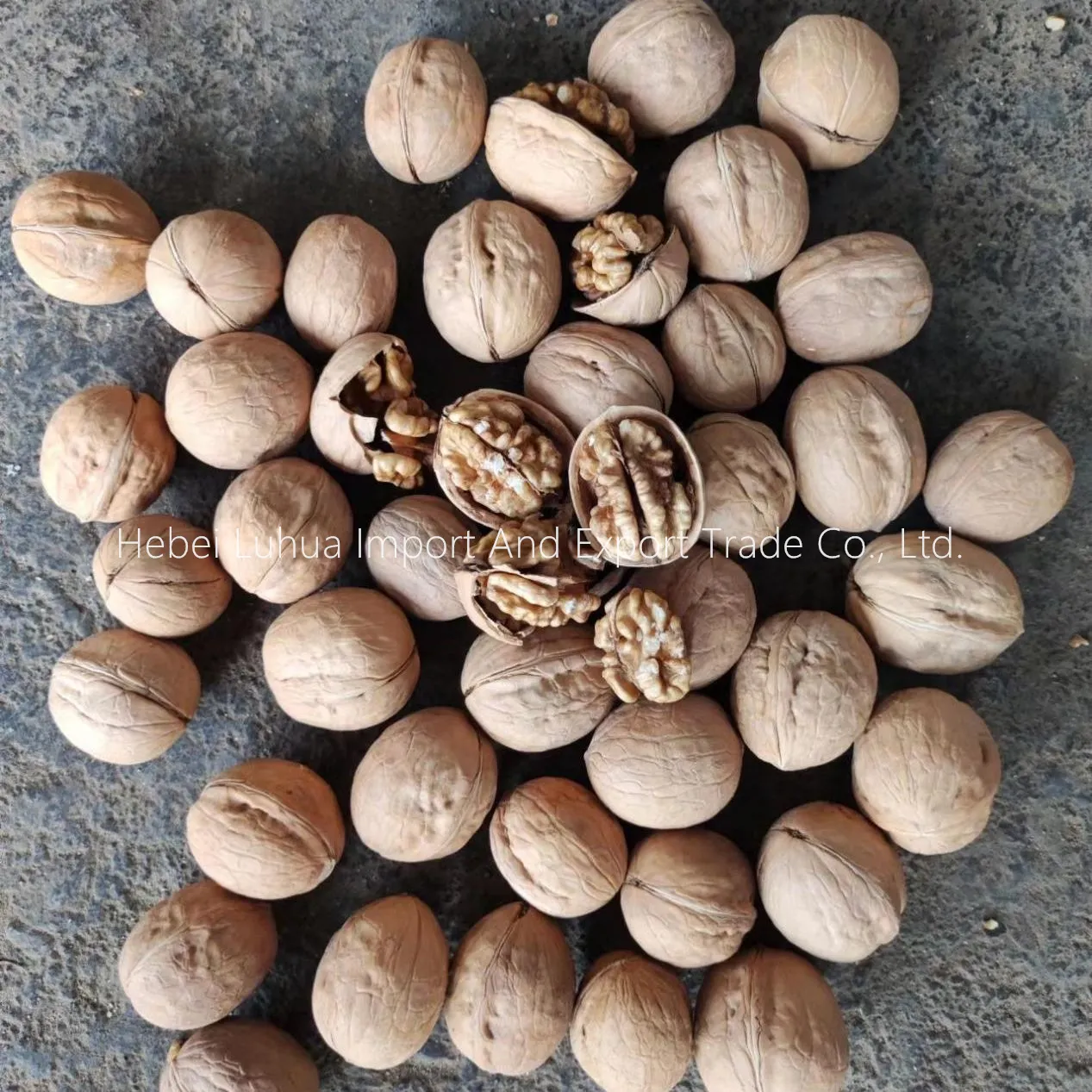
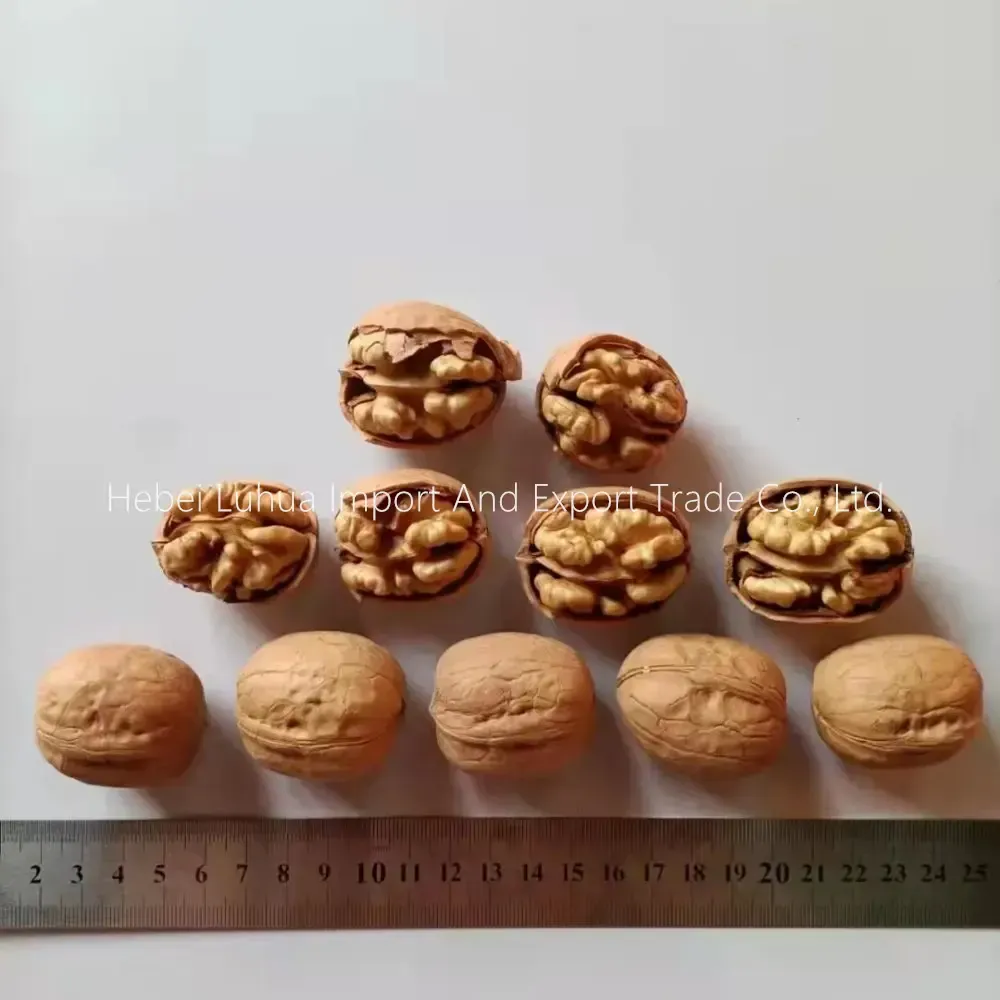
The most obvious difference between a thin-shell walnut and a regular walnut lies in the shell structure. As the name suggests, thin shell walnuts have a comparatively thinner and more fragile shell, making them easier to crack by hand or with minimal pressure using a nutcracker.
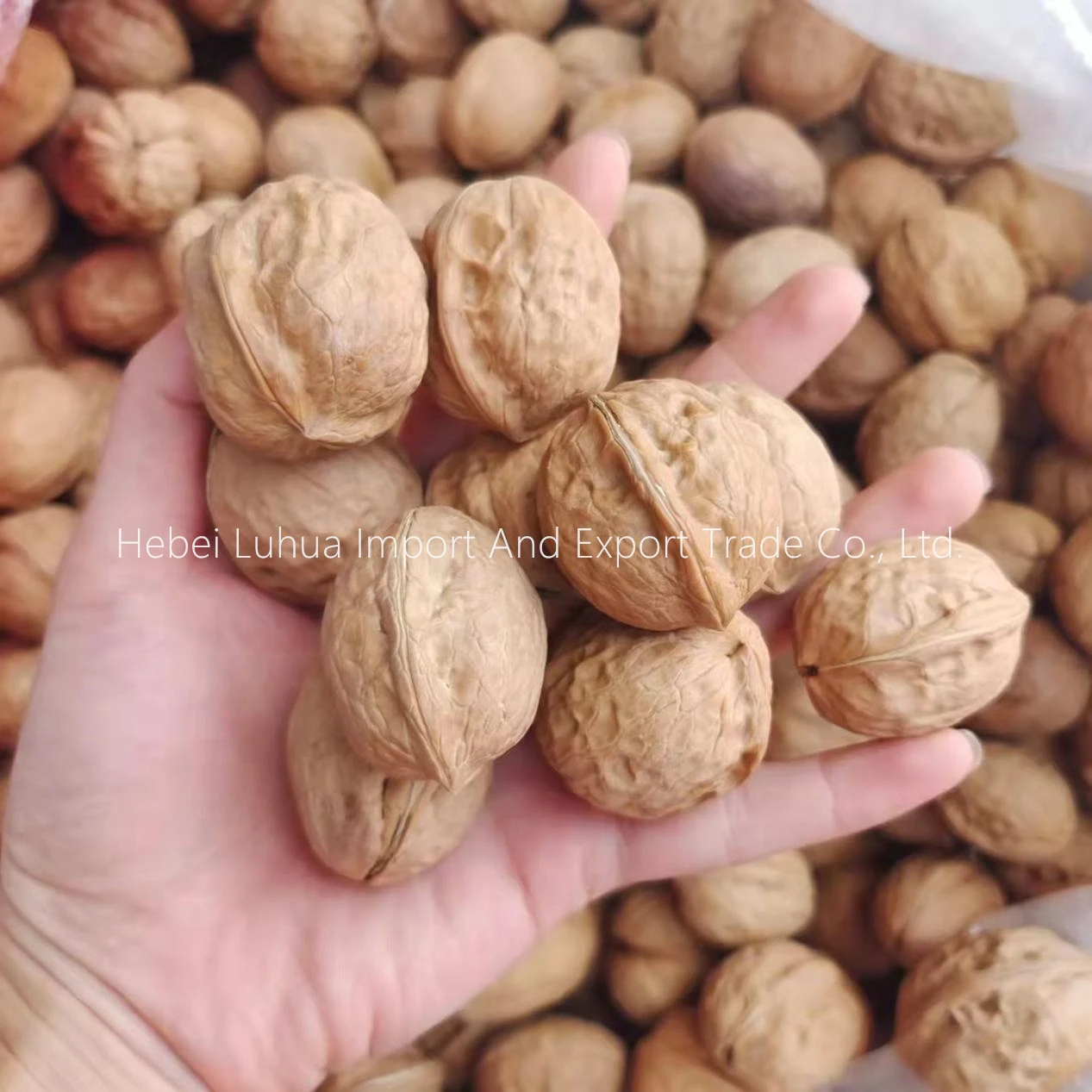
Regular walnuts, on the other hand, typically have thicker and harder shells. While this may provide slightly stronger natural protection during growth, it often requires more effort to open and may lead to broken kernels during cracking.
For consumers, thin shell varieties offer convenience and a better user experience. For processors and food manufacturers, easier shell removal means higher whole-kernel rates and improved production efficiency. This directly impacts commercial profitability, especially in large-scale walnut processing operations.
2. Kernel Yield and Whole-Kernel Rate
Kernel yield is a critical factor in determining the economic value of walnut in shell products. Thin shell walnuts generally provide a higher kernel-to-shell ratio. Because the shell occupies less volume and weight, more of the walnut consists of edible kernel.
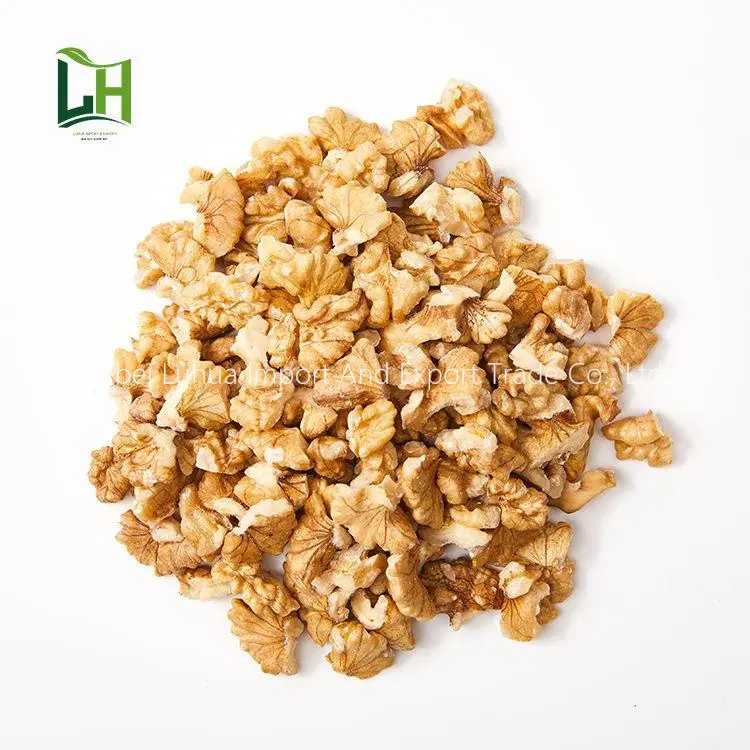
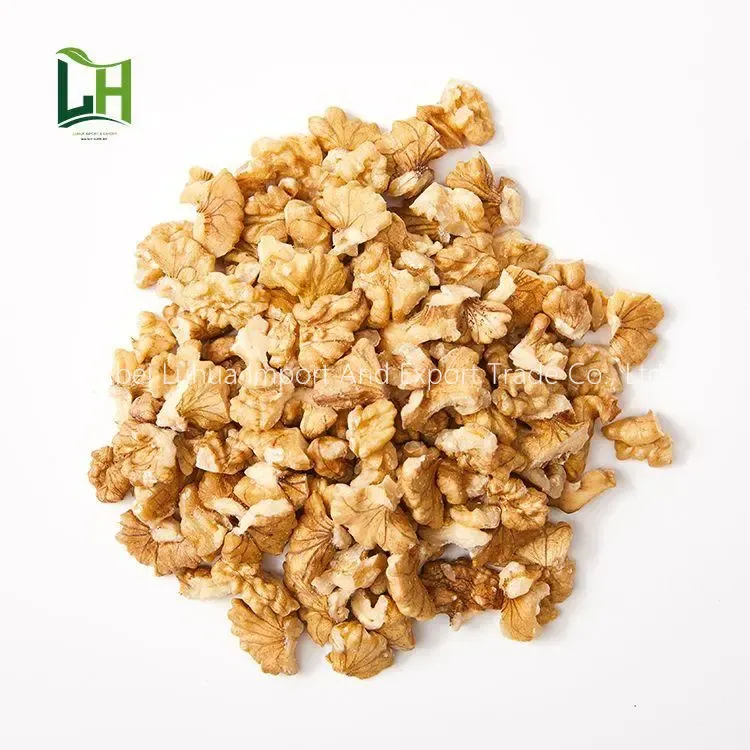
Regular walnuts with thicker shells often have a slightly lower edible yield per unit weight. Additionally, when cracking thicker shells, kernels are more likely to break into smaller pieces.
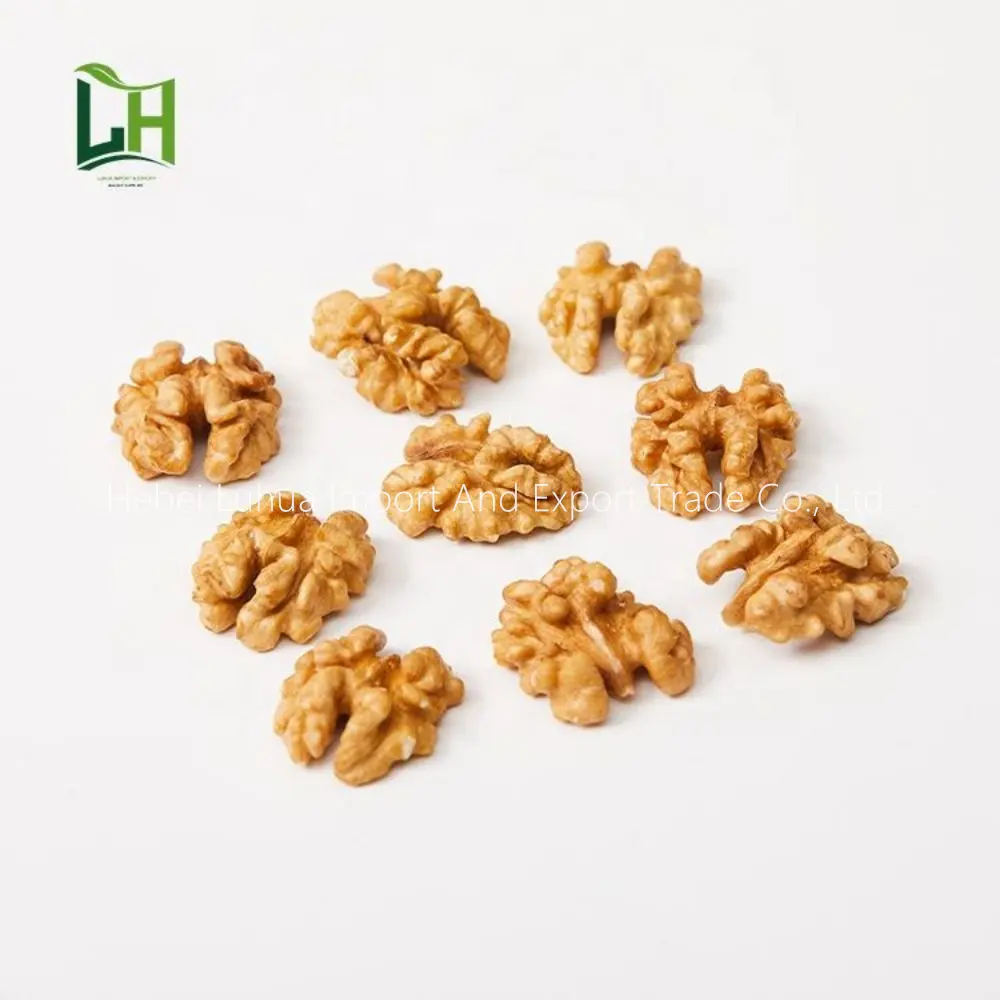
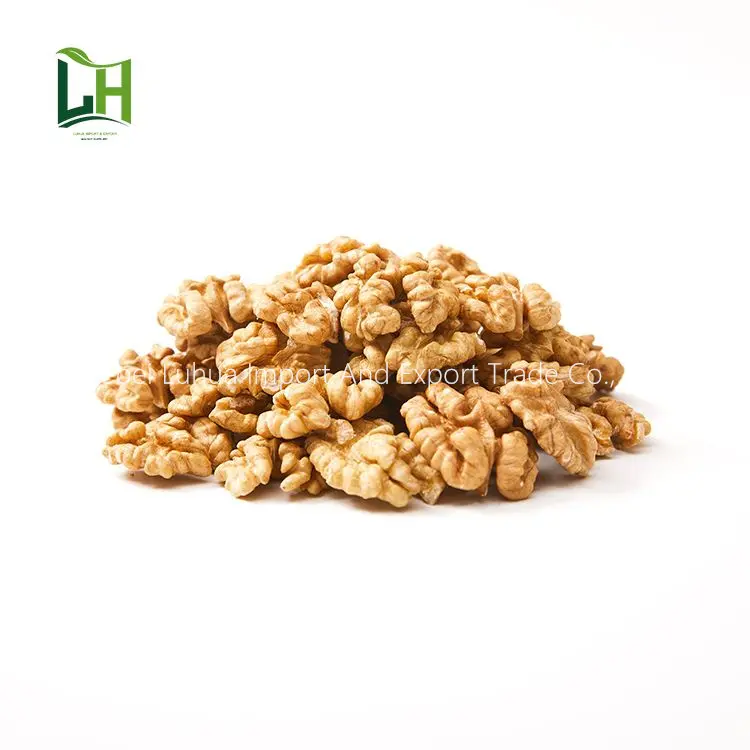
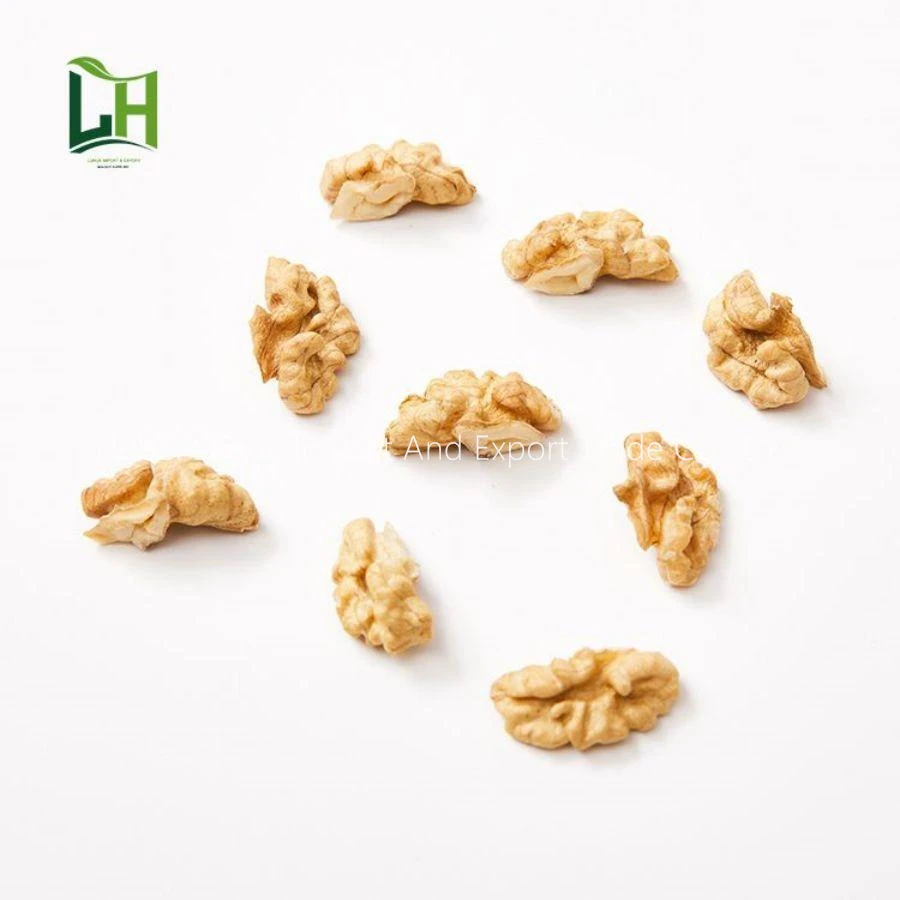
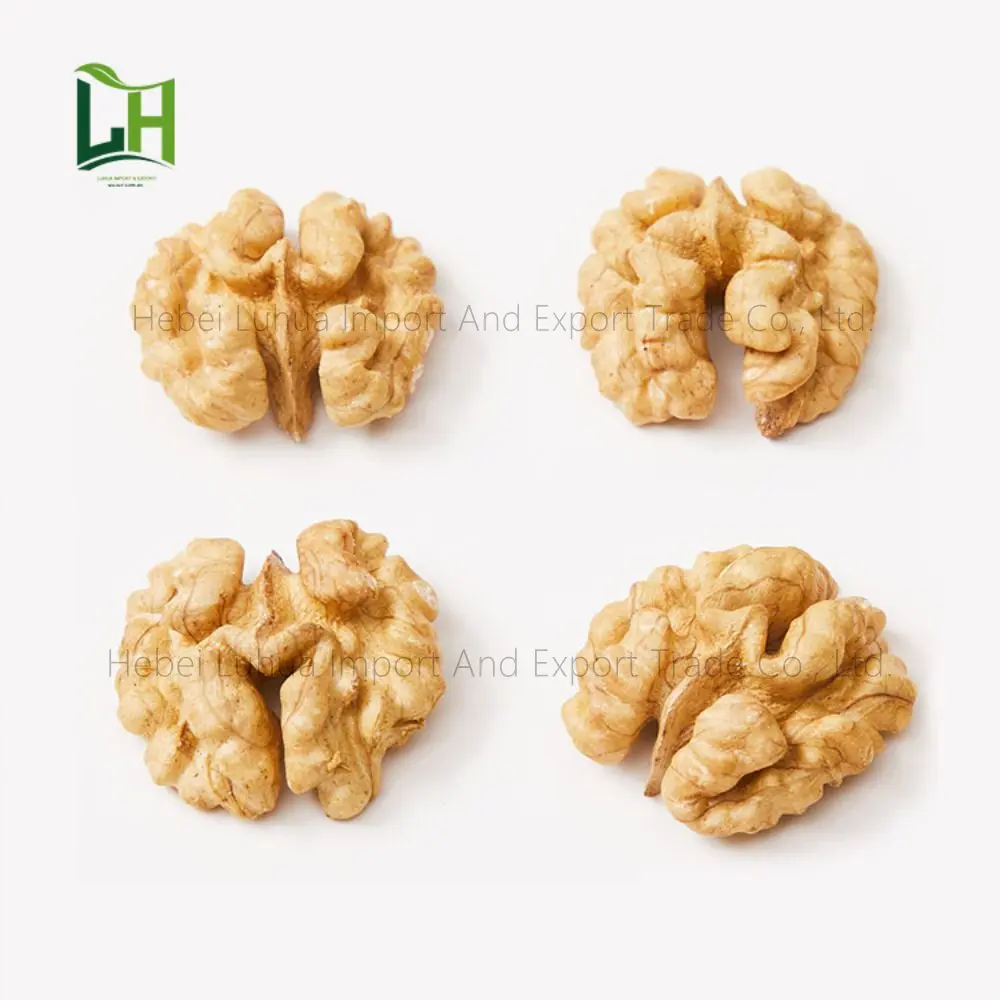
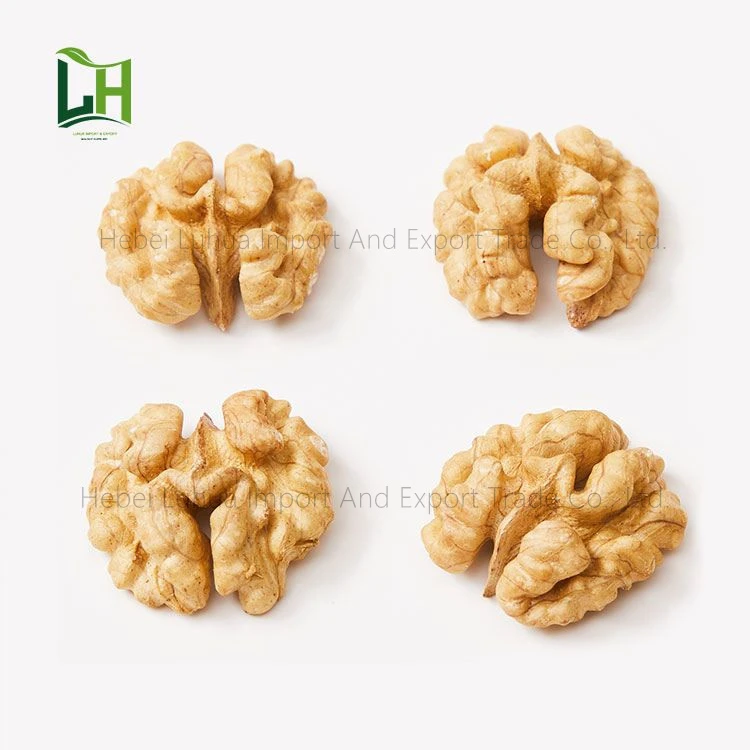
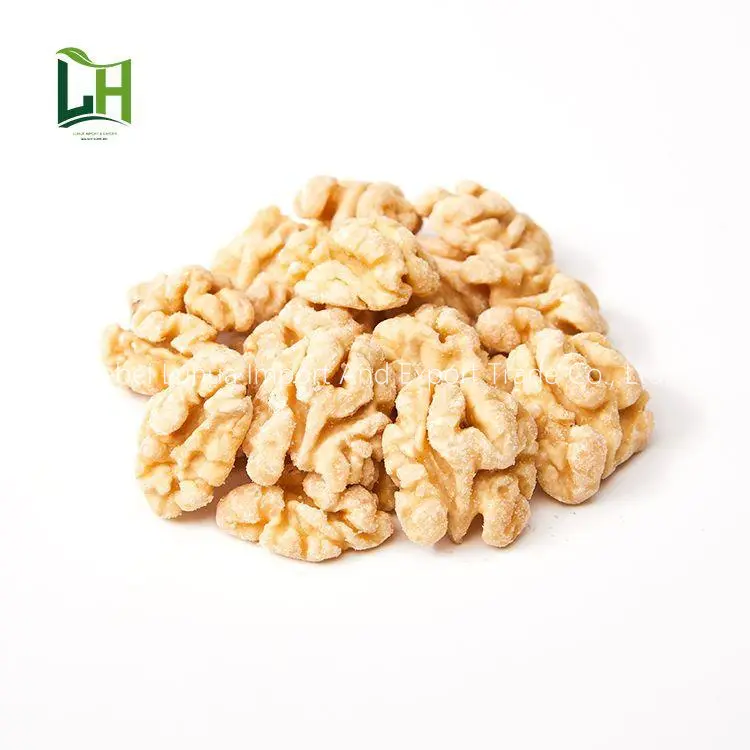
For export markets and premium retail packaging, whole-kernel appearance is extremely important. A higher whole-kernel rate enhances product presentation and allows suppliers to achieve better pricing. This is one reason why thin shell walnut varieties are highly favored in international trade.
3. Taste and Oil Content
Both thin shell and regular walnuts are nutritious, but subtle differences may exist in flavor and oil concentration depending on the growing region and variety.
Many thin shell walnut varieties, especially those grown in ideal climates such as regions with large day-night temperature differences, develop higher natural oil content. This often results in a richer aroma and slightly sweeter taste.
Regular walnuts can also offer excellent flavor, but some thicker-shell varieties may have slightly firmer kernels and milder taste profiles. Ultimately, flavor is influenced not only by shell type but also by cultivation practices, harvest timing, and storage conditions.
From a sensory perspective, thin shell walnuts are frequently associated with premium quality because of their smooth cracking experience and plump, oil-rich kernels.
4. Nutritional Value Comparison
Nutritionally, there is no major difference between thin shell and regular walnuts if they belong to similar species. Both types are rich in:
Healthy fats, particularly omega-3 fatty acids
Plant-based protein
Dietary fiber
Vitamins such as vitamin E
Essential minerals including magnesium and phosphorus
However, because thin shell walnut products often maintain better kernel integrity and freshness (due to careful grading and handling), they are sometimes perceived as higher quality in the retail market.
The key nutritional distinction comes more from growing conditions and post-harvest handling rather than shell thickness alone. Proper moisture control and storage play a larger role in preserving nutrients than shell structure.
5. Storage and Shelf Life
Shell thickness can influence storage stability to some extent. Regular walnuts with thicker shells may offer slightly stronger natural protection against physical damage. However, both types provide good protection for the kernel when stored properly.
In fact, thin shell walnuts still maintain excellent shelf life when kept in cool, dry, and well-ventilated environments. Because the shell acts as a natural barrier against oxygen and moisture, walnut in shell products generally last longer than shelled kernels.
The most important factors affecting shelf life include moisture level at harvest, drying processes, and storage conditions rather than simply shell thickness.
6. Processing Efficiency and Commercial Advantages
For commercial buyers, the difference between thin shell and regular walnuts becomes more significant during processing.
Thin shell walnuts:
-
Require less force to crack
-
Reduce machine wear in industrial shelling
-
Produce higher whole-kernel yields
-
Improve overall processing efficiency
Regular walnuts:
-
May require stronger mechanical cracking
-
Can result in more fragmented kernels
-
Potentially increase processing time and cost
Because of these operational advantages, thin shell walnut varieties are often preferred by food processors, snack brands, and confectionery manufacturers.
7. Market Value and Consumer Preference
In the global walnut market, thin shell varieties often command premium pricing. The reasons include:
Higher kernel yield
Easier cracking
Attractive appearance
Strong consumer preference
Retail customers typically appreciate walnuts that are easy to open and contain full, plump kernels. For gift packaging and high-end markets, thin shell walnuts are especially popular due to their convenience and visual appeal.
Regular walnuts still hold strong market demand, particularly in regions where durability during long transportation is a primary concern. However, as consumer expectations evolve toward convenience and quality, thin shell walnuts continue to gain market share.
8. Which One Should You Choose?
Choosing between thin shell walnut and regular walnut depends on your intended use:
-
For retail snack sales and premium packaging: Thin shell walnuts are usually the better choice.
-
For industrial processing: Thin shell varieties offer higher efficiency and better kernel recovery.
-
For long-distance bulk trade: Both types can perform well if properly graded and packaged.
Ultimately, quality grading, origin, moisture control, and supplier reliability are just as important as shell thickness.
Conclusion
The key differences between thin shell walnut and regular walnut primarily relate to shell thickness, cracking convenience, kernel yield, and commercial value. Thin shell walnuts provide easier opening, higher whole-kernel rates, and often stronger consumer appeal. Regular walnuts, while sometimes more durable in structure, may require more effort to process.
For wholesalers, retailers, and food manufacturers, understanding these differences helps optimize purchasing decisions and improve product positioning. As global demand for convenient, nutritious snacks continues to grow, thin shell walnuts are increasingly recognized as a premium choice in the competitive walnut industry.
Post time:mrt . 03, 2026 17:03