Walnuts are one of the most popular nutrient-dense nuts in the global food market, valued for their rich flavor, versatility, and impressive health benefits. However, when sourcing or purchasing, many buyers face a practical question: should you choose walnut kernels or whole walnuts?
At first glance, the difference seems simple—one is shelled, the other is not. But in reality, the choice affects cost, storage, processing, usage, and even business efficiency. In this guide, we break down everything you need to know so you can make the right decision based on your needs.
What Are Walnut Kernels? (Shelled Walnut Benefits Explained)
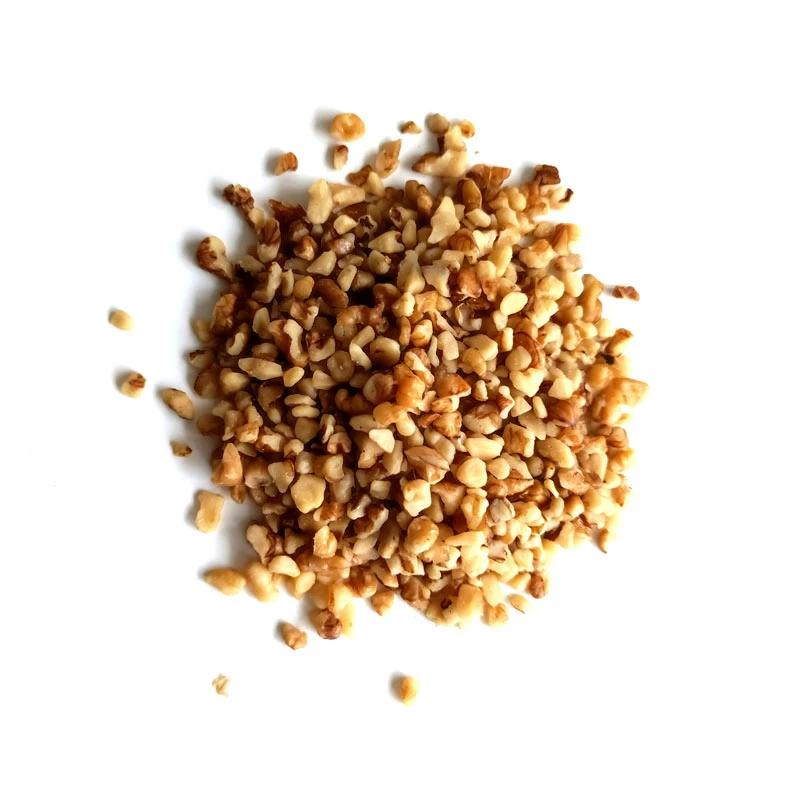
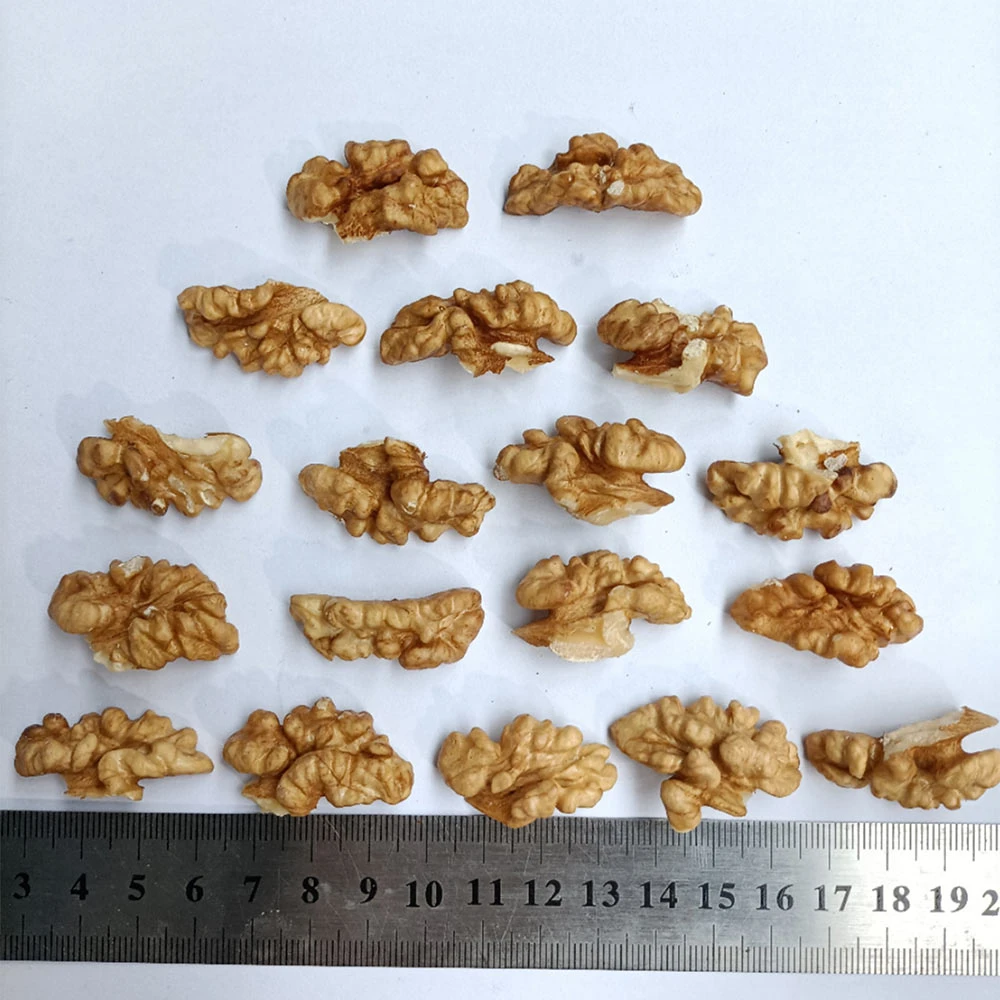
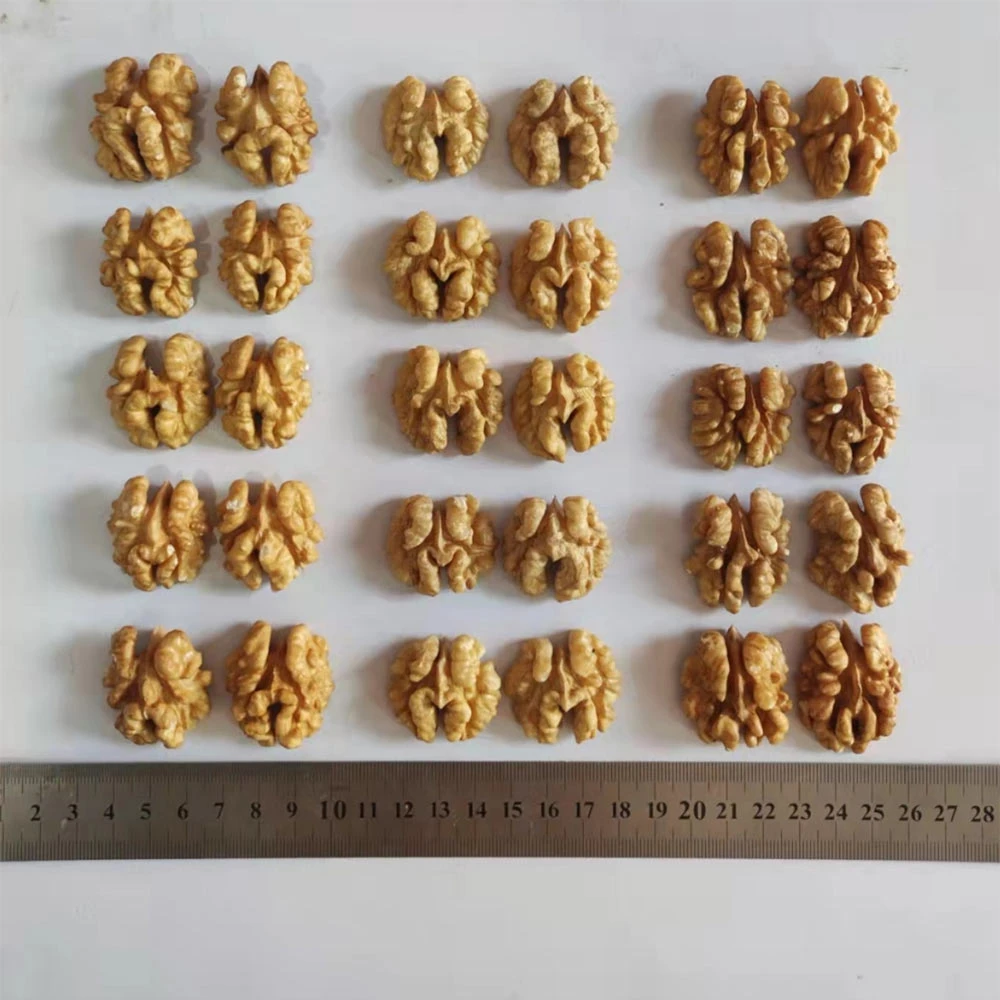
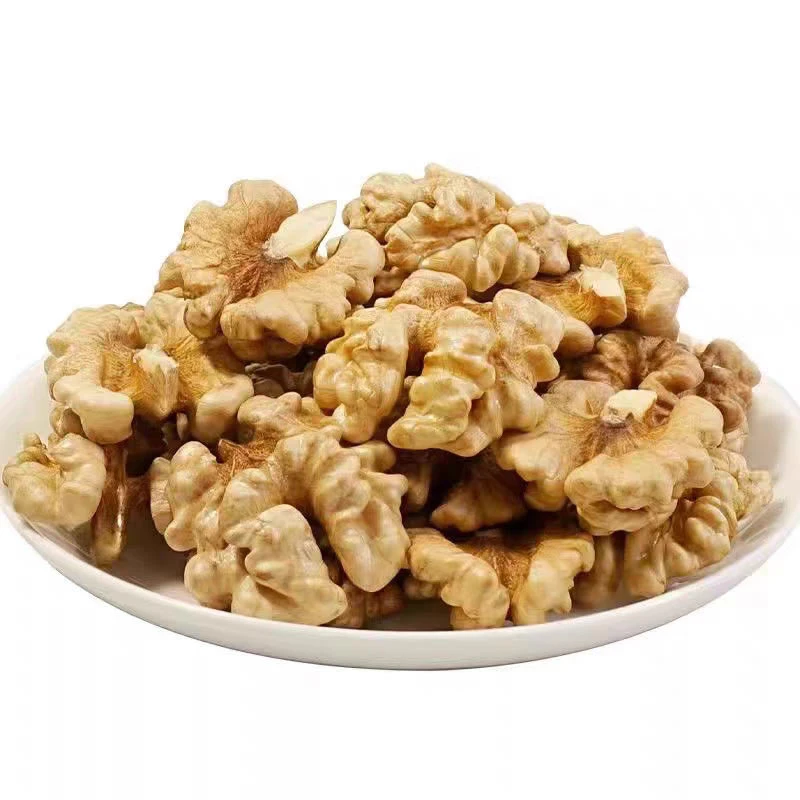
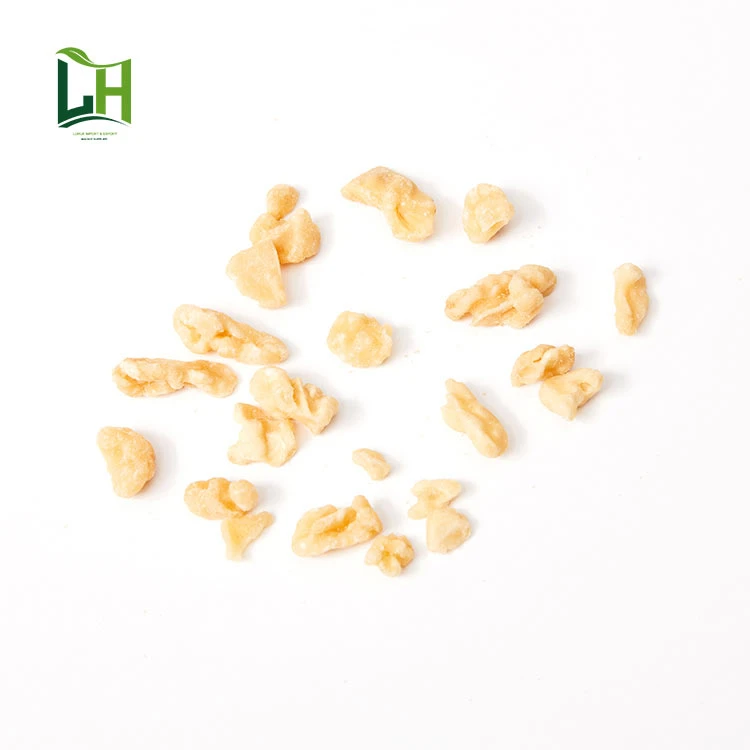
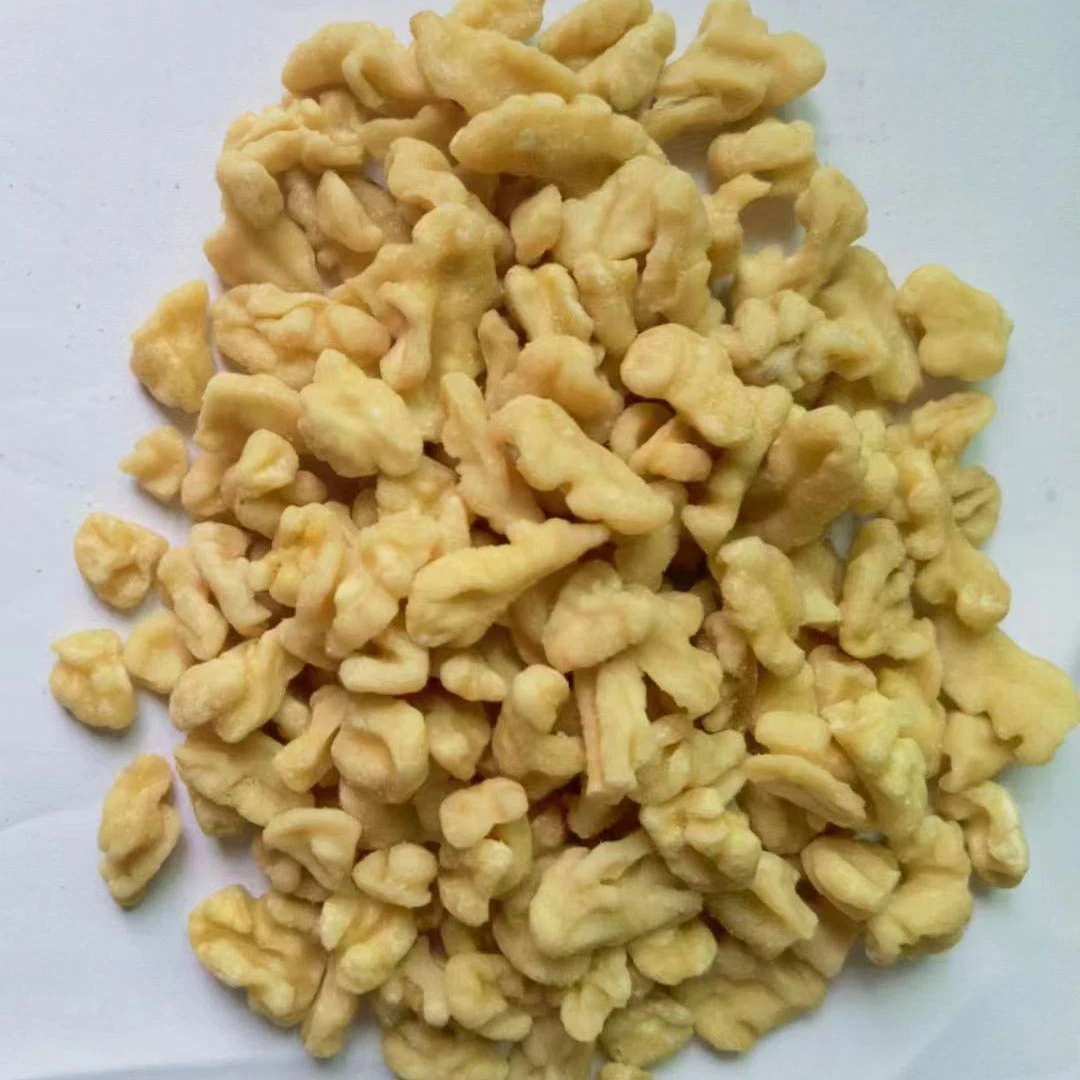
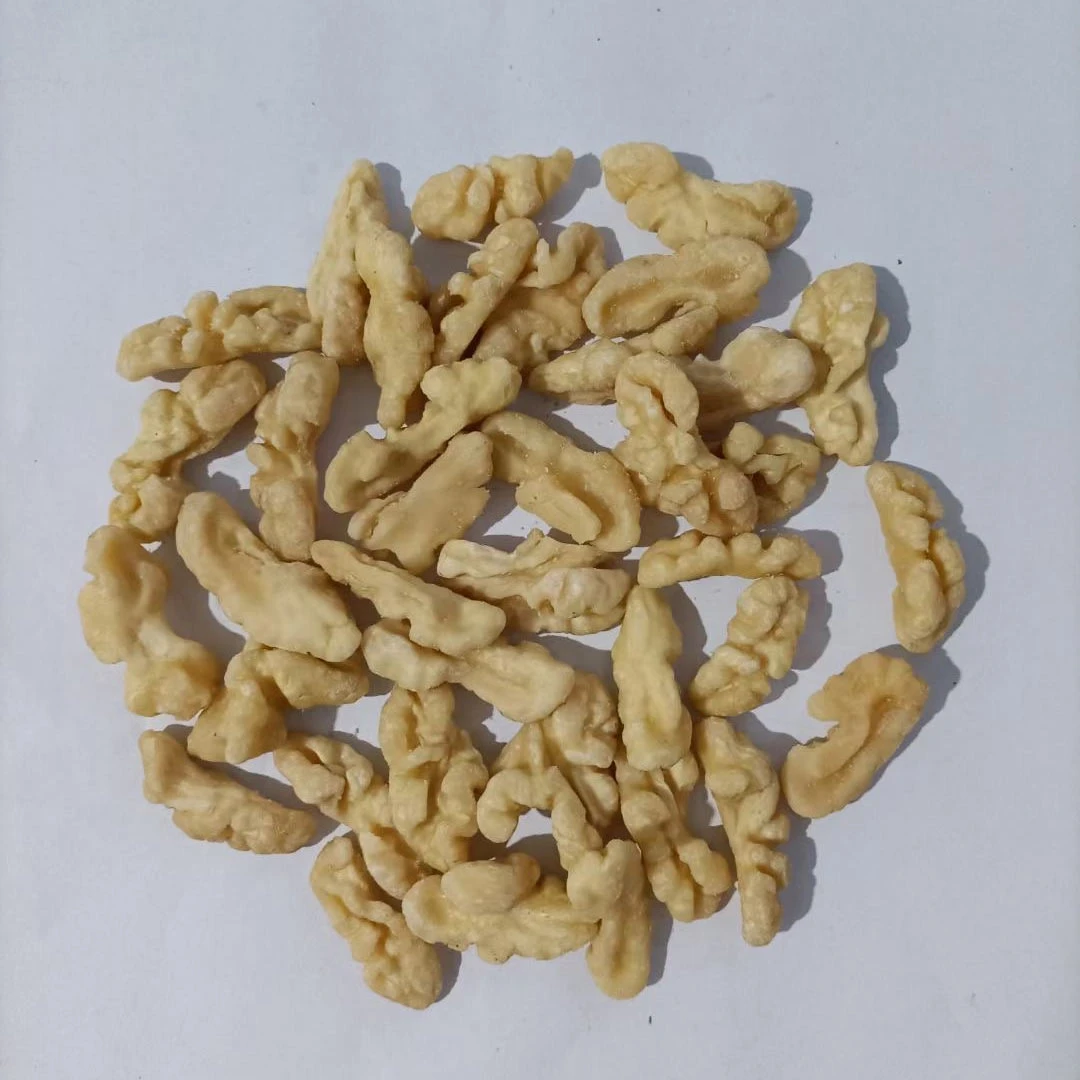
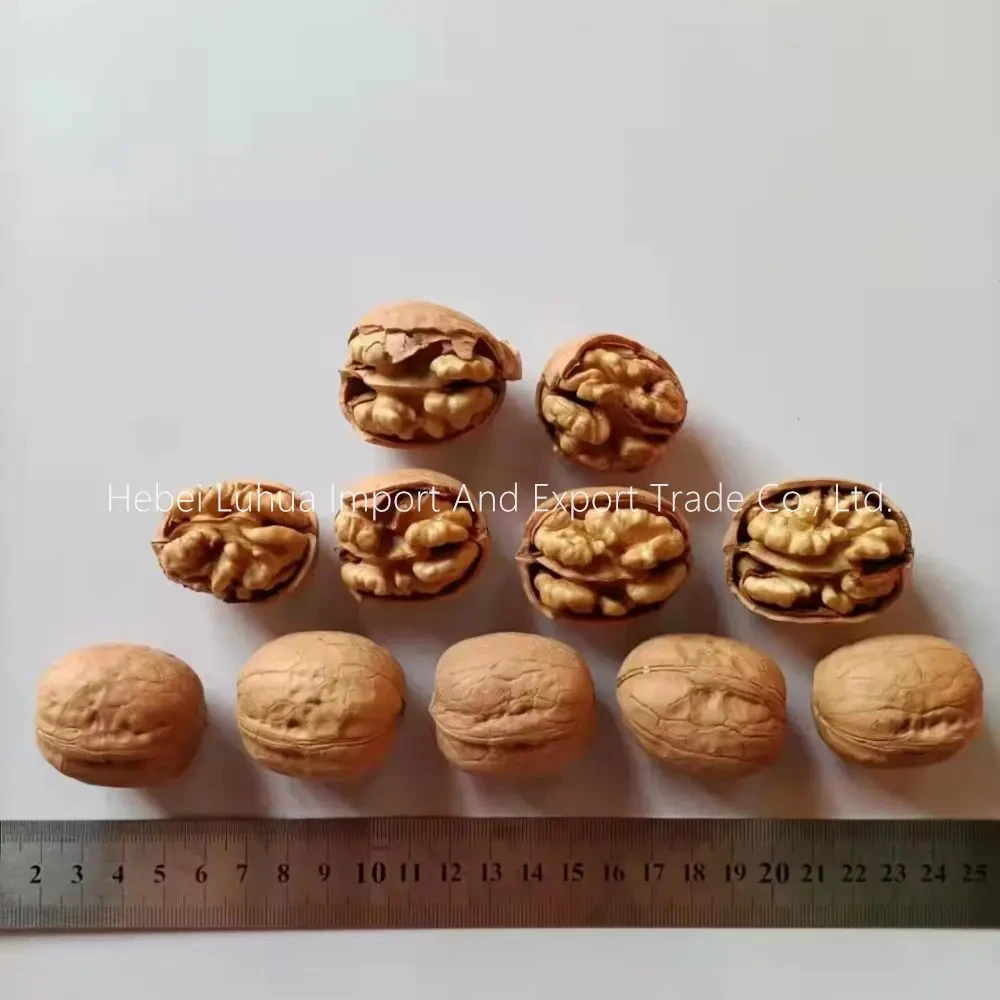
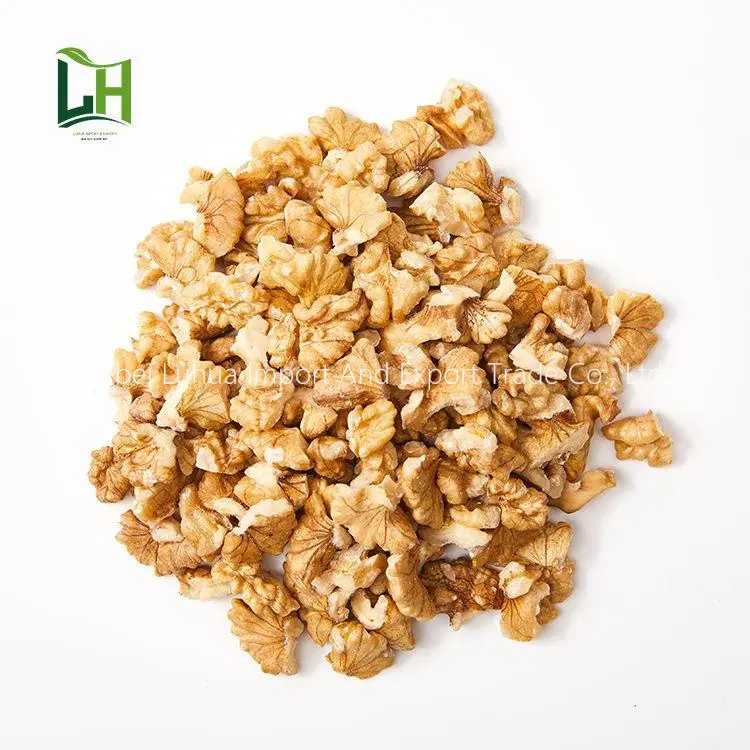
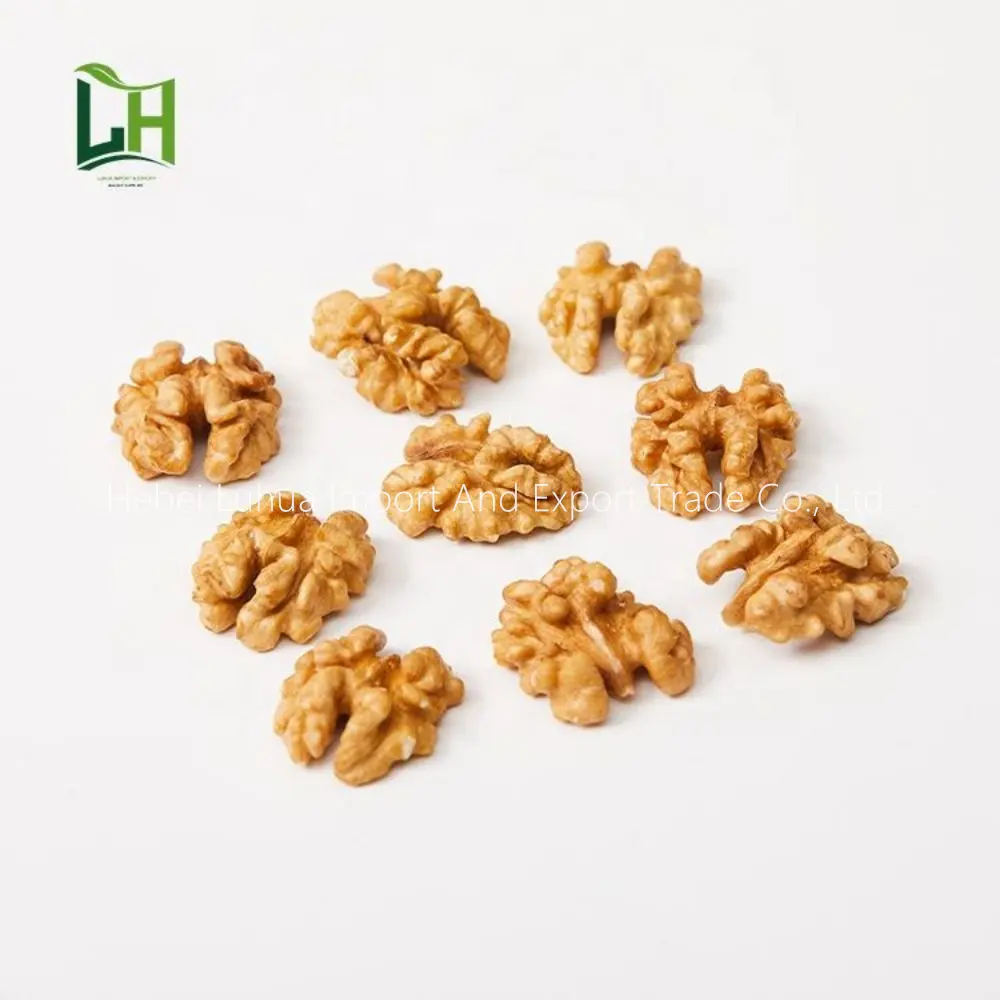
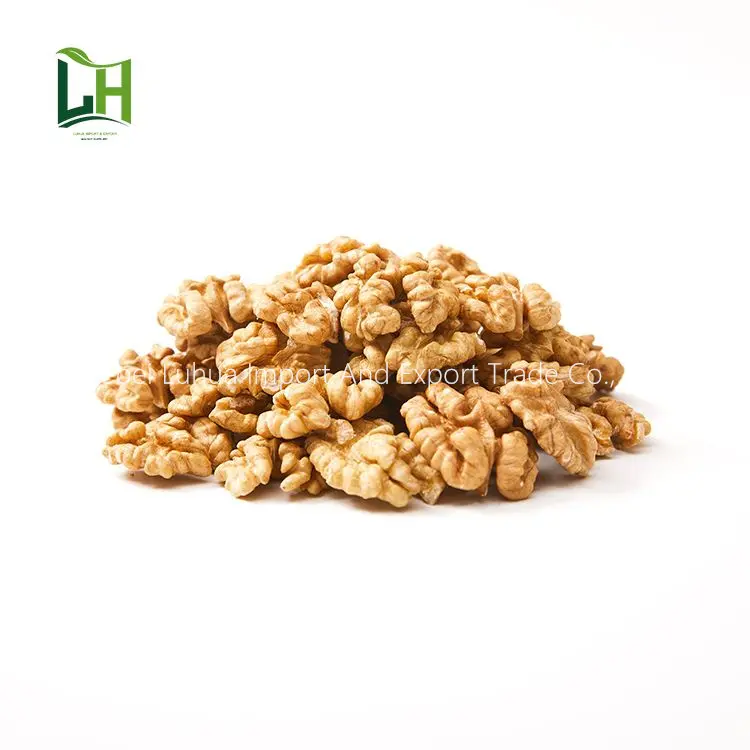
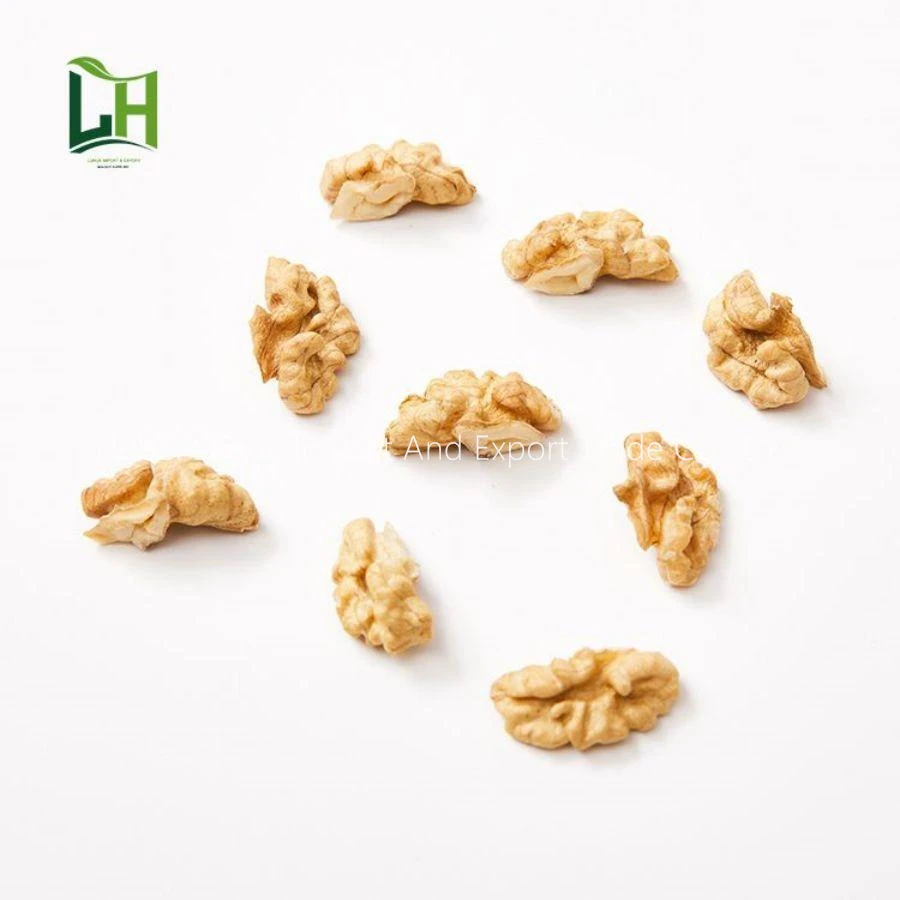
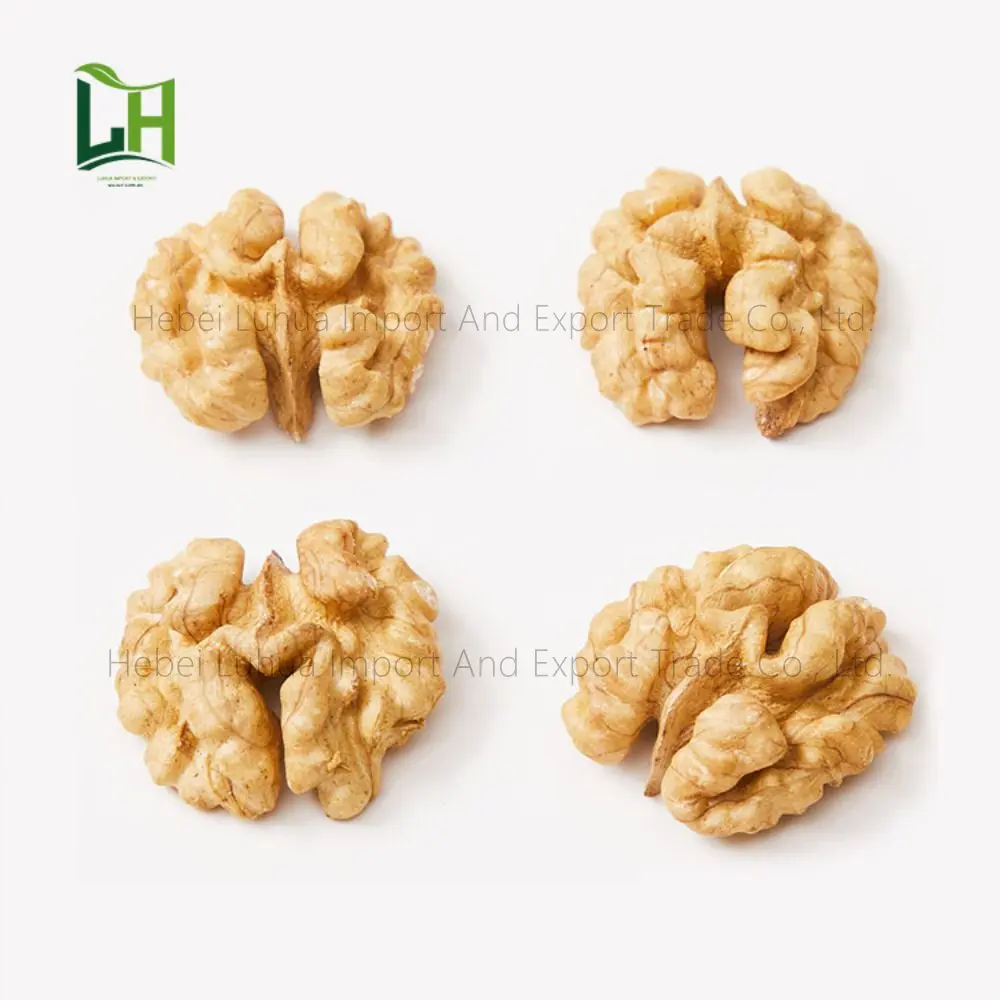
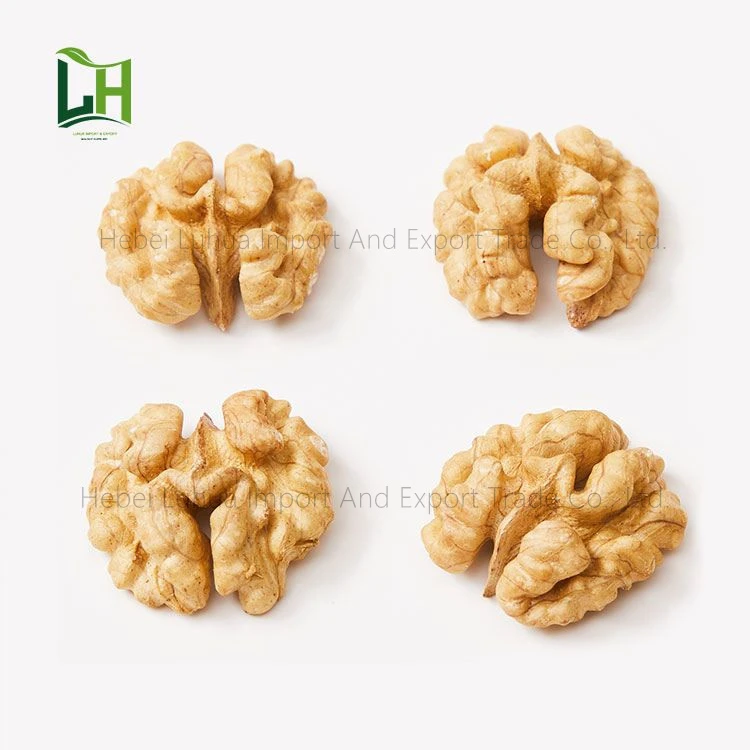
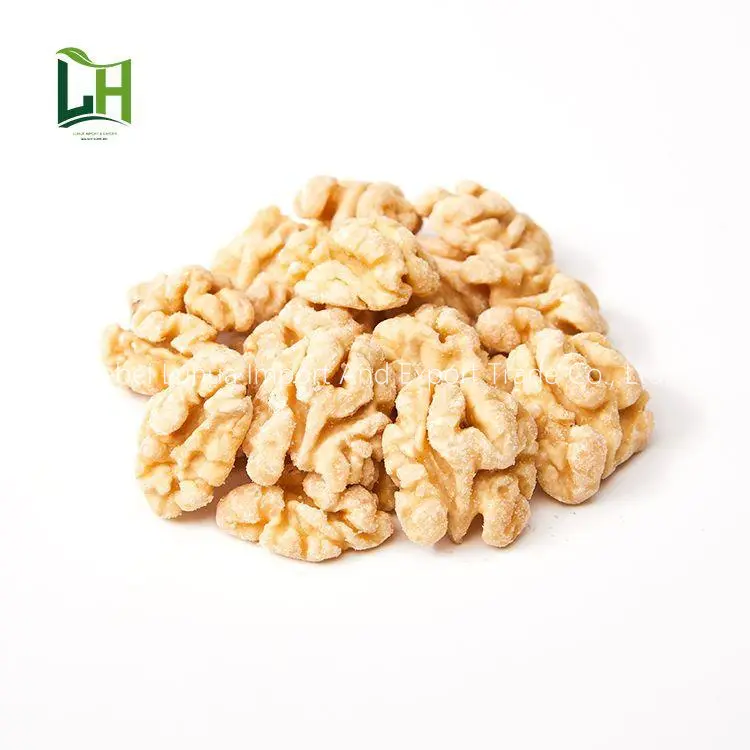
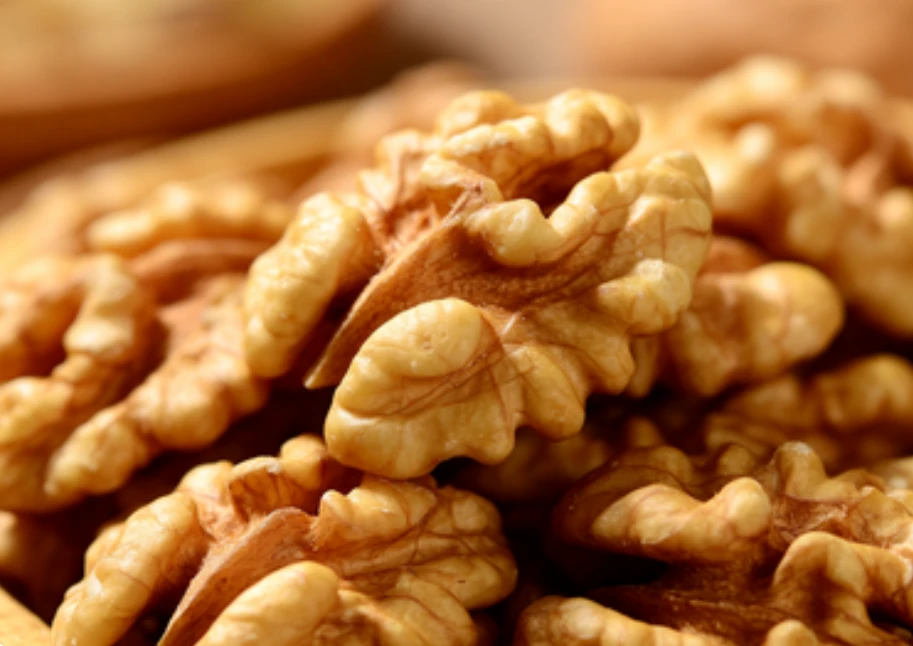
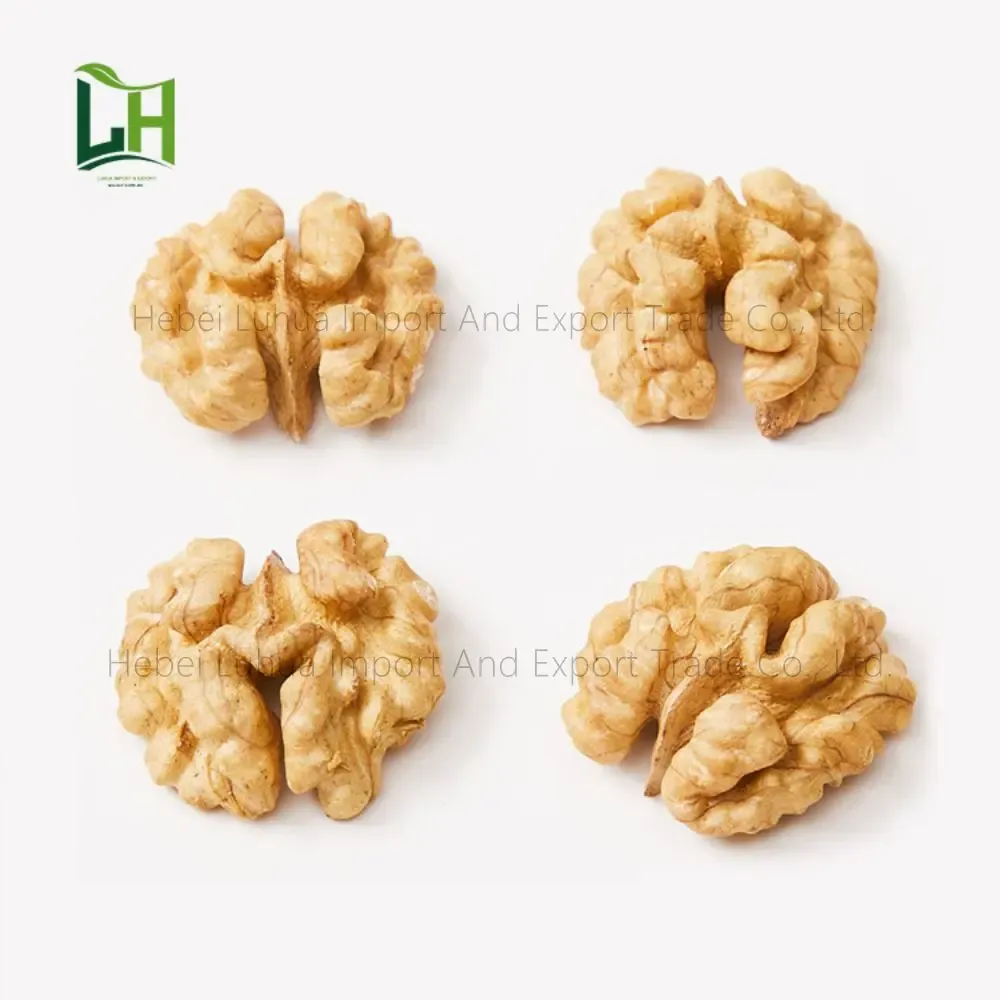
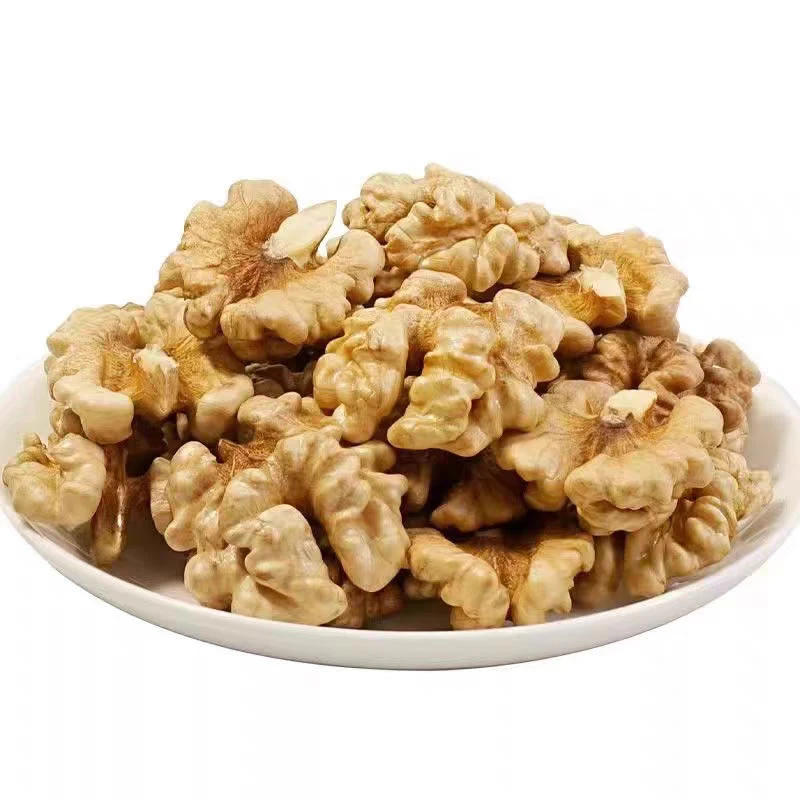
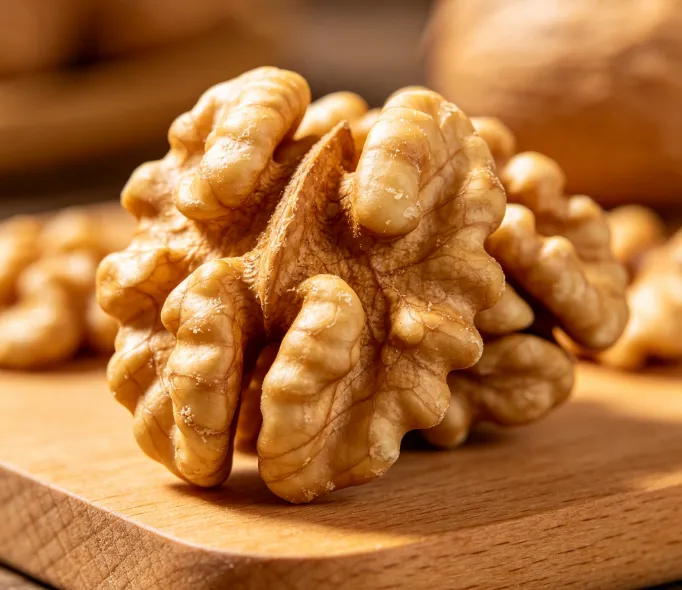
Walnut kernels are the edible portion of the walnut after the hard outer shell has been removed. They are typically sold as halves, pieces, or broken grades and are ready for immediate use.
From a usability perspective, walnut kernels are all about convenience and efficiency. They eliminate the need for cracking and sorting, making them ideal for modern lifestyles and commercial food production.
Key Advantages of Walnut Kernels:
- Ready to eat and process instantly
- Saves labor and preparation time
- Ideal for baking, cooking, and direct consumption
- Easy to measure and portion
They are widely used in:
- Bakery products (cakes, cookies, brownies)
- Dairy and cereals (yogurt, oatmeal)
- Healthy snacks and energy bars
- Food manufacturing and catering
Because kernels are pre-processed, they are especially popular in B2B food supply chains, where time and consistency are critical.
What Are Whole Walnuts? (In-Shell Walnut Characteristics)
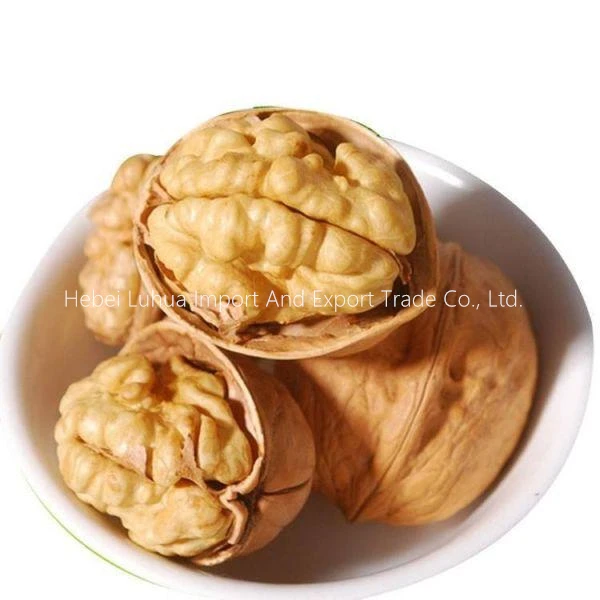
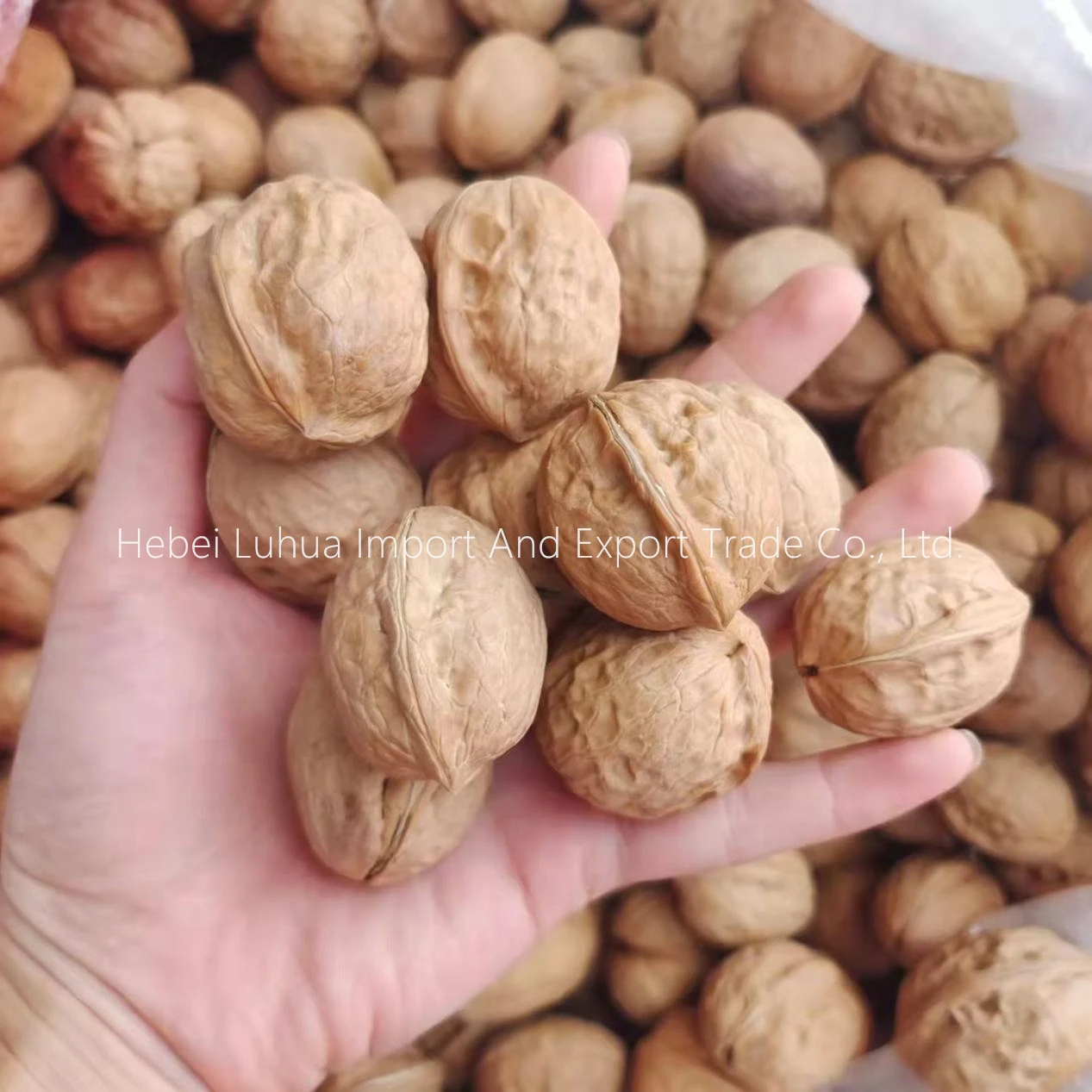
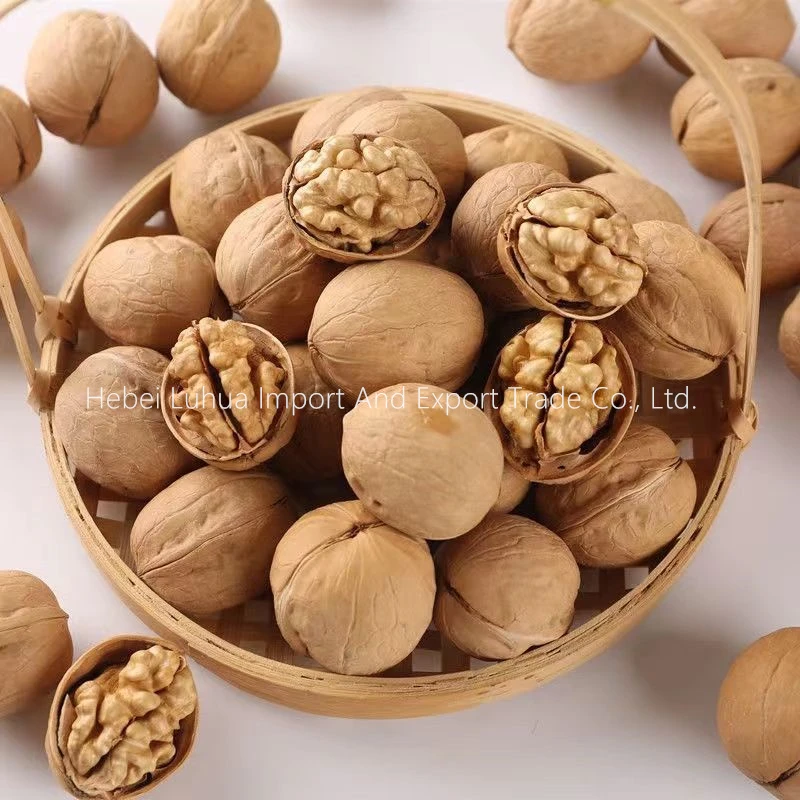
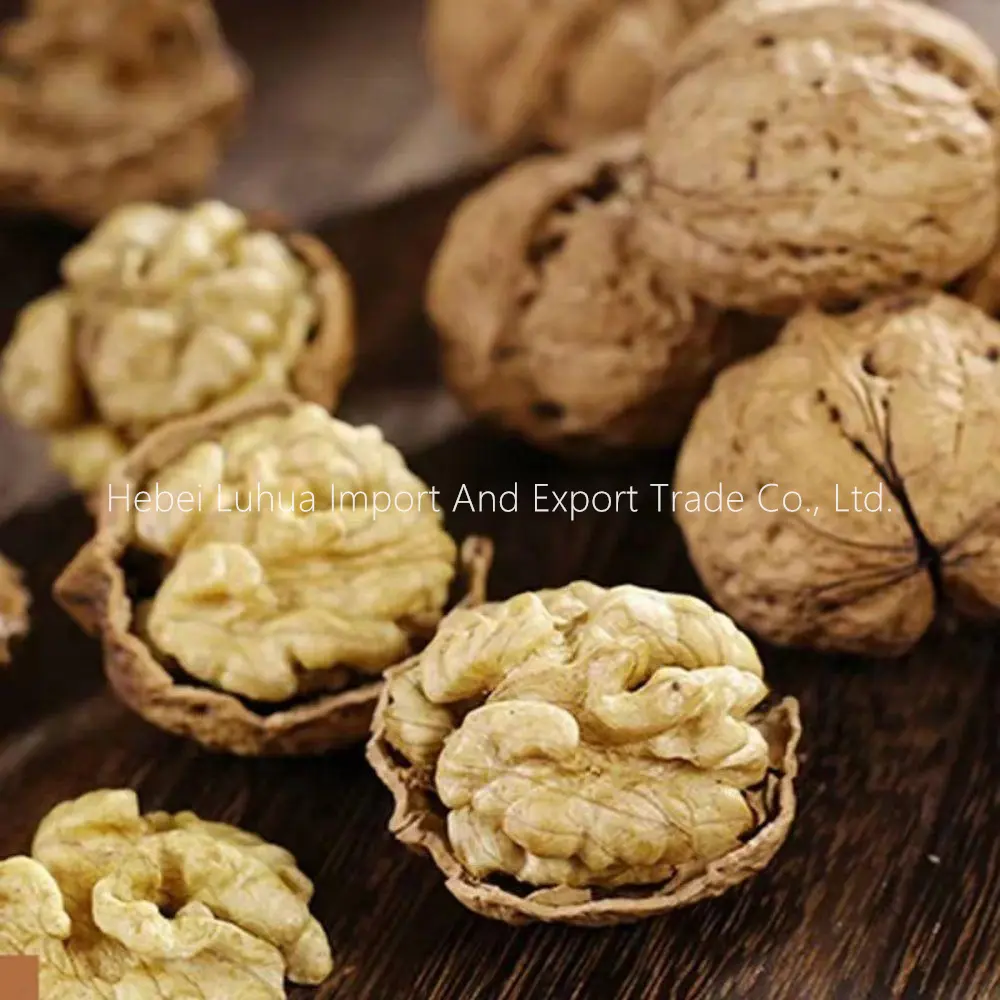
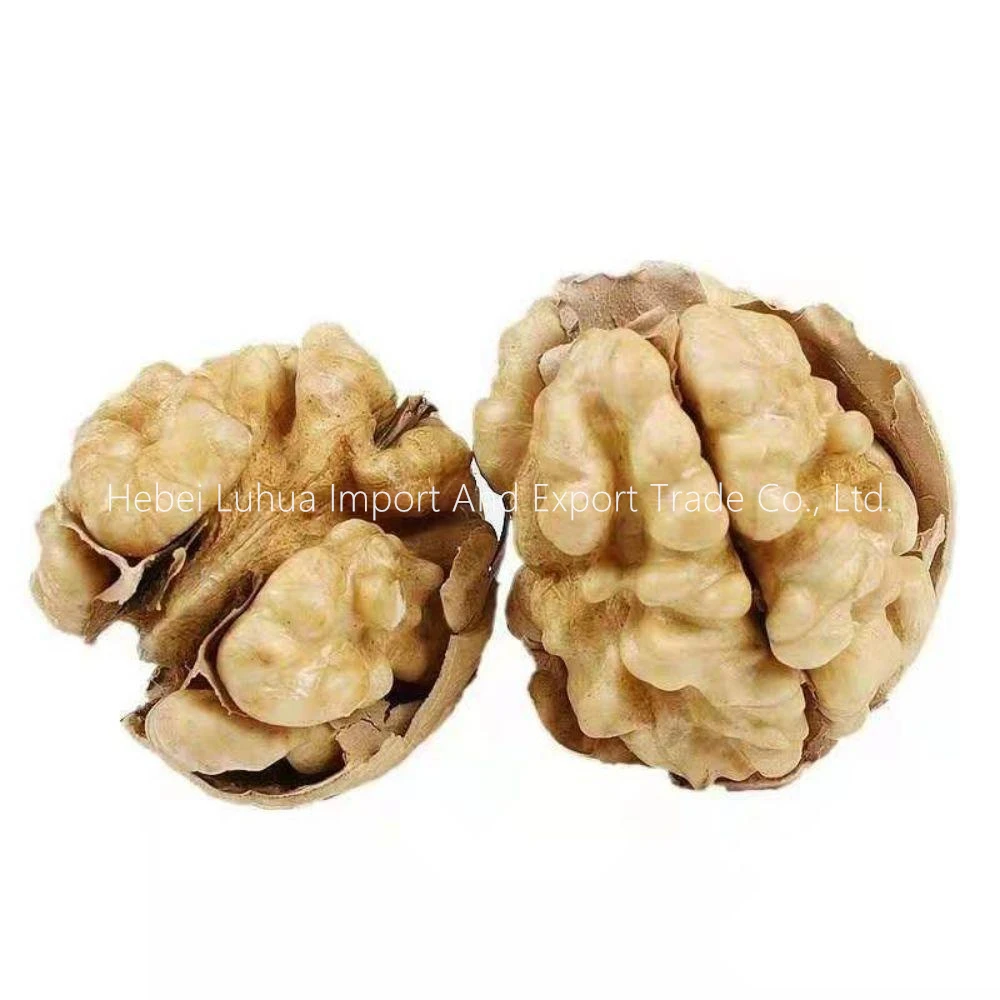
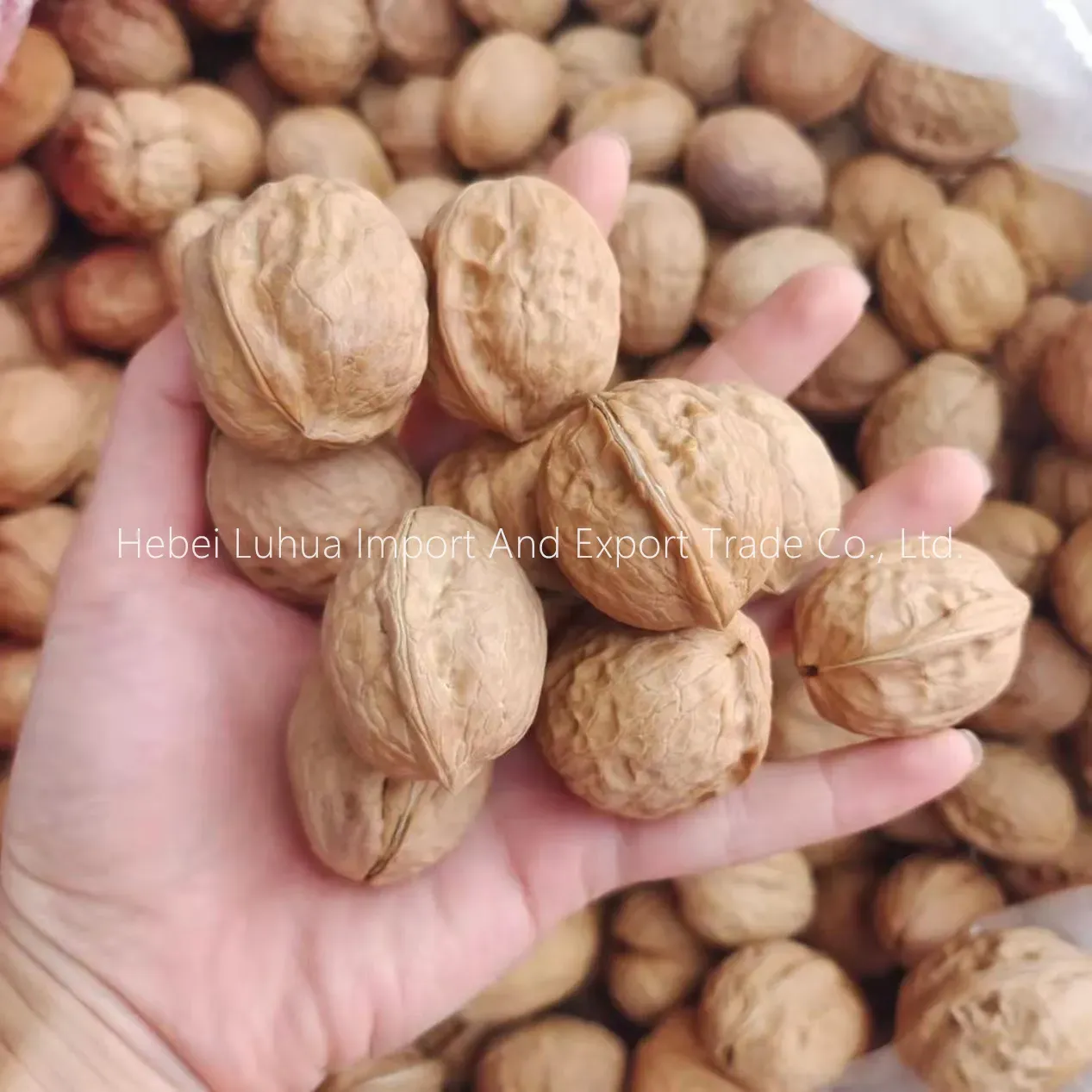
Whole walnuts are sold with their natural hard shell intact. Before consumption, the shell must be cracked to extract the kernel.
Although less convenient, whole walnuts offer a more traditional and natural form of storage, often preferred in bulk buying and long-term use.
Key Advantages of Whole Walnuts:
- Natural shell protection preserves freshness
- Longer shelf life compared to kernels
- Lower cost due to minimal processing
- Ideal for storage, gifting, and wholesale
According to industry comparisons, whole walnuts are often chosen for bulk storage or export markets, while kernels dominate ready-to-use consumption channels .
Nutritional Comparison: Walnut Kernels vs Whole Walnuts
One of the most common concerns is whether removing the shell affects nutrition.
The answer is straightforward: there is no nutritional difference between walnut kernels and whole walnuts. The shell is inedible and does not contribute to the nutrient profile.
Walnuts—whether shelled or not—are rich in:
- Omega-3 fatty acids (especially ALA)
- Protein and dietary fiber
- Antioxidants and vitamin E
- Minerals like magnesium and phosphorus
Scientific data confirms that the nutritional composition depends on the nut itself, not its physical form .
Key Insight:
- Choose based on practical factors, not nutrition—both forms deliver the same health benefits.
Price Difference: Why Walnut Kernels Cost More
If you've compared prices, you've likely noticed that walnut kernels are more expensive than whole walnuts. This difference comes down to processing and value addition.
Why Walnut Kernels Are Pricier:
- Shelling requires labor or machinery
- Additional cleaning, sorting, and grading
- Higher quality control standards
- Reduced weight after removing shells
Why Whole Walnuts Are Cheaper:
- Minimal processing
- Lower production cost
- Sold in raw, natural form
In simple terms:
👉 You pay more for convenience and ready-to-use value.
👉 You save money with whole walnuts but invest time in processing .
Shelf Life & Storage: Which One Lasts Longer?
Shelf life is a critical factor, especially for wholesalers, exporters, and long-term buyers.
Whole Walnuts:
- Shell acts as a natural barrier against air and moisture
- Slower oxidation process
- Can be stored for months under proper conditions
Walnut Kernels:
- More exposed to air → higher risk of rancidity
- Require airtight packaging or refrigeration
- Shorter shelf life compared to in-shell walnuts
This is why whole walnuts are often preferred for long-distance shipping and bulk storage, while kernels are better for fast turnover and immediate use.
Usage Comparison: Cooking, Snacking, and Business Applications
Your intended use is one of the most important deciding factors.
Choose Walnut Kernels If You:
- Run a bakery or food production business
- Need ready-to-use ingredients
- Prioritize speed and efficiency
- Use walnuts daily in recipes
Choose Whole Walnuts If You:
- Buy in bulk for long-term storage
- Sell raw agricultural products
- Prefer fresh cracking before eating
- Need walnuts for gifting or traditional markets
In commercial environments, walnut kernels are often the preferred option because they streamline production workflows and reduce labor costs.
Quality & Freshness: Which Option Is Better?
There is a common perception that whole walnuts are fresher—and in many cases, that’s true.
The shell acts as a natural protective layer, helping preserve:
- Flavor
- Texture
- Nutritional quality
However, high-quality walnut kernels can be just as fresh if:
- Properly vacuum-packed
- Stored in cool conditions
- Sourced from reliable suppliers
On the other hand, poorly stored kernels may lose quality faster due to oxidation.
Pro Tip:
For kernels, always check:
- Color (light golden is best)
- Smell (avoid rancid odor)
- Packaging integrity
Walnut Kernels vs Whole Walnuts: Quick Comparison Table
| Functie | Walnotenpitten | Whole Walnuts |
|---|---|---|
| Form | Shelled | In-shell |
| Convenience | High (ready to use) | Low (requires cracking) |
| Price | Higher | Lower |
| Shelf Life | Shorter | Longer |
| Storage | Airtight/refrigerated | Cool, dry place |
| Best For | Cooking, baking, snacking | Bulk storage, gifting |
| Nutrition | Same | Same |
Which Should You Choose? (Final Buying Guide)
There’s no one-size-fits-all answer—your choice depends entirely on your needs.
Choose Walnut Kernels if:
- You value time, convenience, and efficiency
- You’re in the food processing or retail business
- You want ready-to-eat snacks or ingredients
Choose Whole Walnuts if:
- You prioritize cost savings and longer shelf life
- You are buying for storage, export, or resale
- You prefer freshly cracked nuts
Conclusion: Convenience vs Longevity
The decision between walnut kernels and whole walnuts ultimately comes down to a simple trade-off:
- Walnut kernels = convenience, speed, and usability
- Whole walnuts = durability, freshness, and cost-effectiveness
Both forms offer identical nutrition and health benefits, so your choice should align with your usage scenario, budget, and storage capacity.
For modern consumers and food businesses, walnut kernels are often the practical choice. But for traditional markets and bulk buyers, whole walnuts still hold strong value.
FAQs: Walnut Kernels vs Whole Walnuts
1. Are walnut kernels healthier than whole walnuts?
No. Both have the same nutritional value since the kernel is the edible part.
2. Why do walnut kernels spoil faster?
Because they are exposed to air, which accelerates oxidation and rancidity.
3. Are whole walnuts better for storage?
Yes. The shell naturally protects the nut, extending shelf life.
4. Can I use whole walnuts for baking?
Yes, but you’ll need to crack and extract the kernels first.
5. Which is better for business use?
Walnut kernels are better for food production, while whole walnuts are ideal for bulk trading and storage.
Post time:apr . 24, 2026 09:55