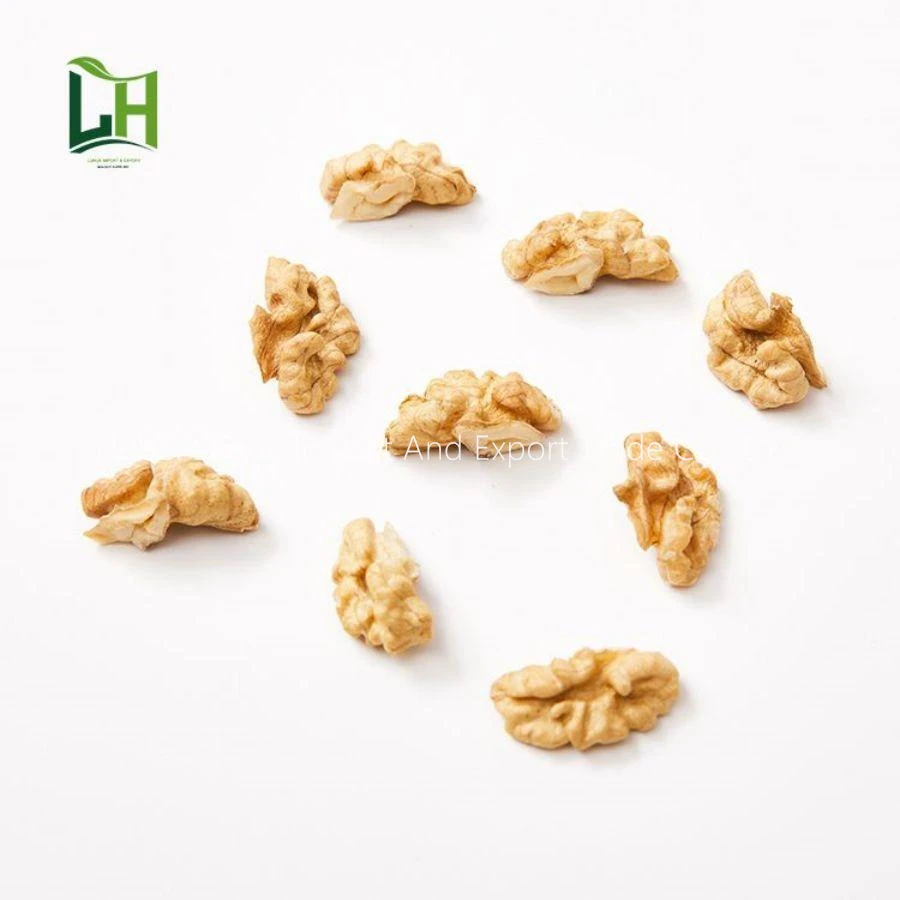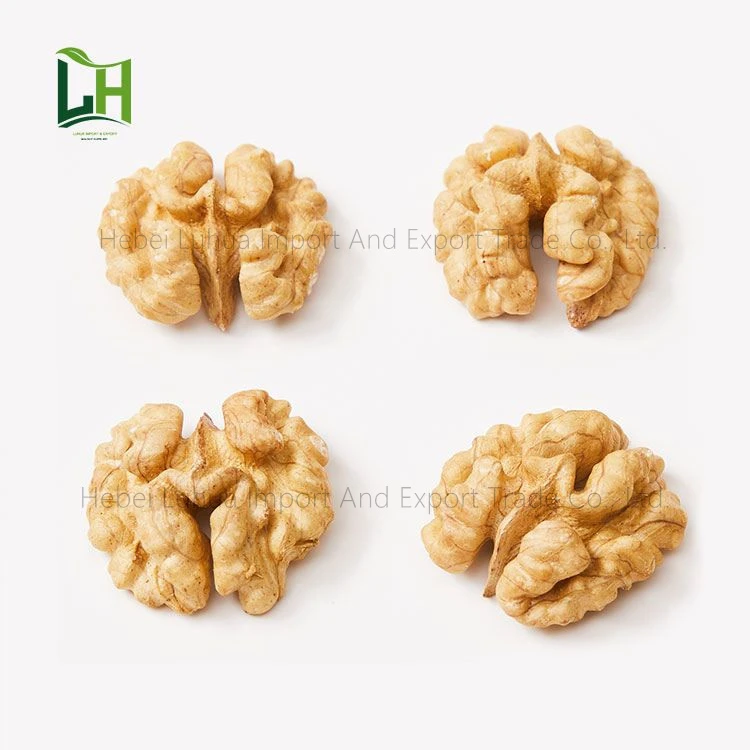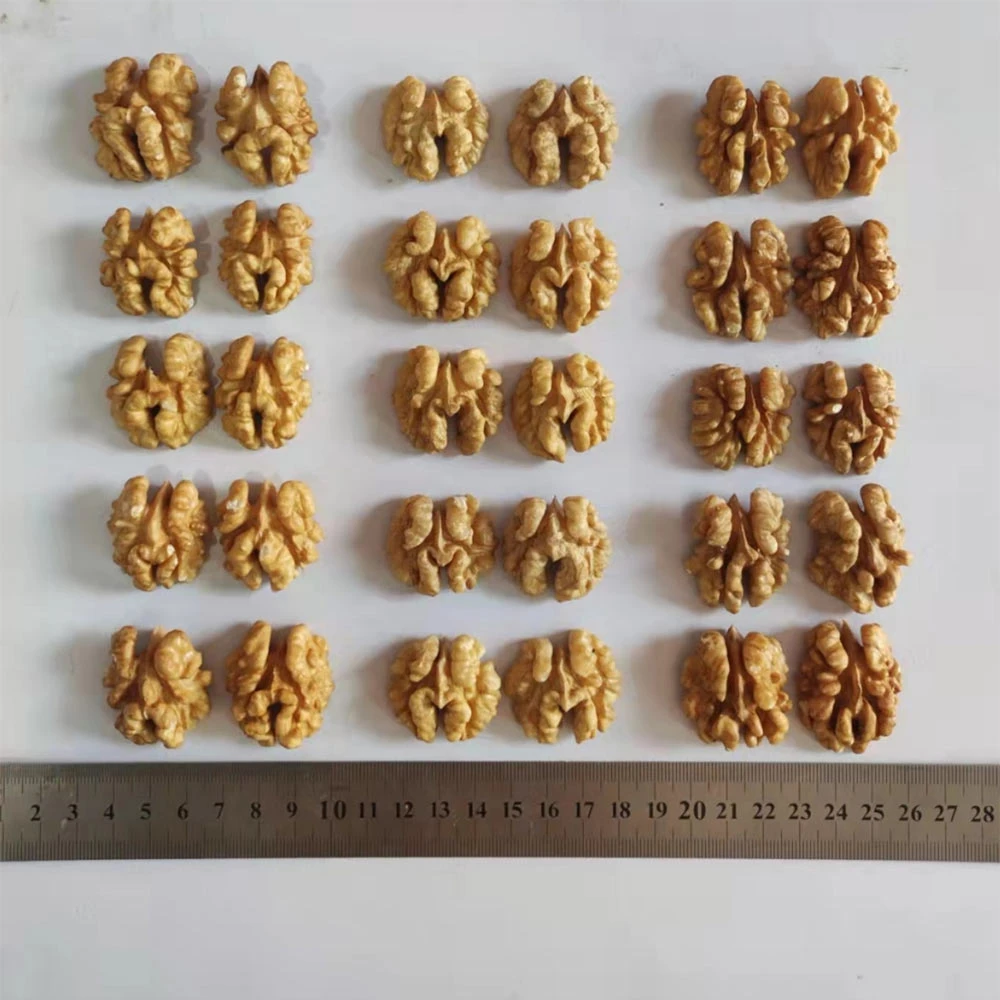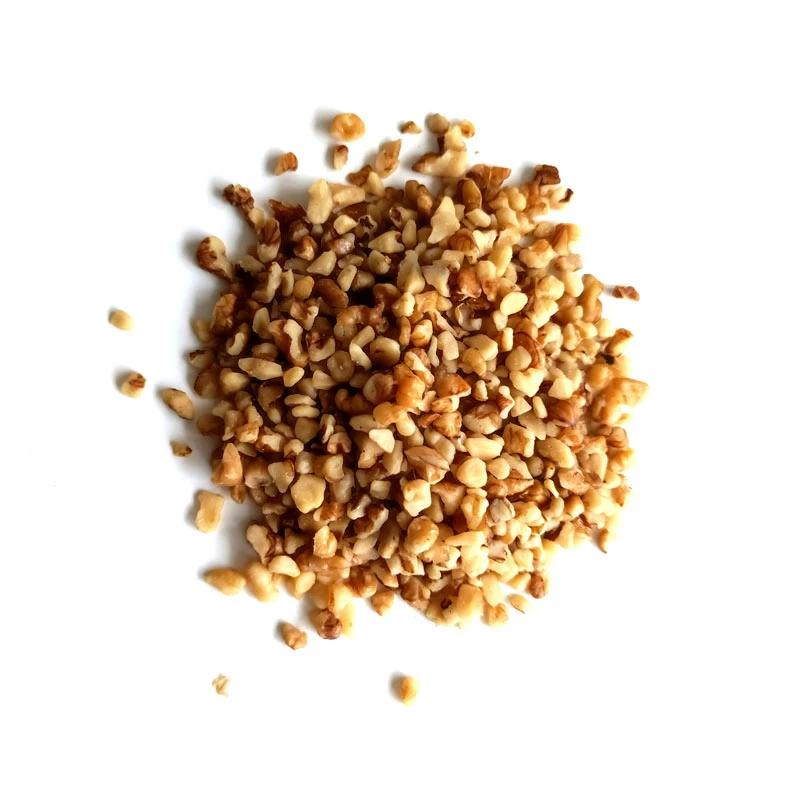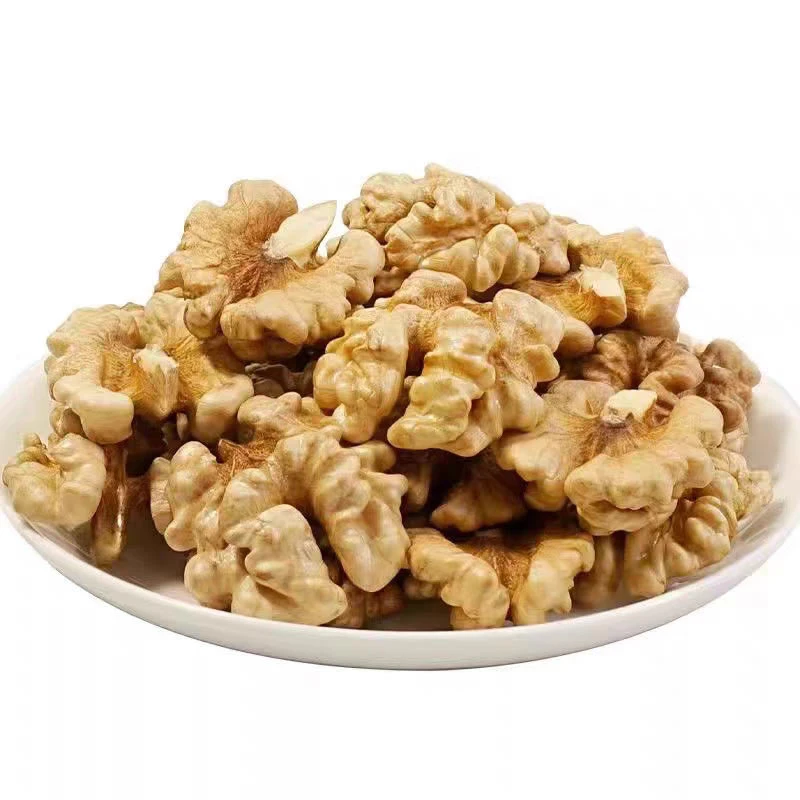

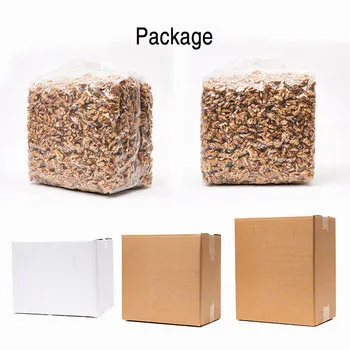
Chinese Walnut Kernels Pieces Walnut Kernels LP
| Prouduct Name | Walnut Kernel | |
| Color | Light Color | |
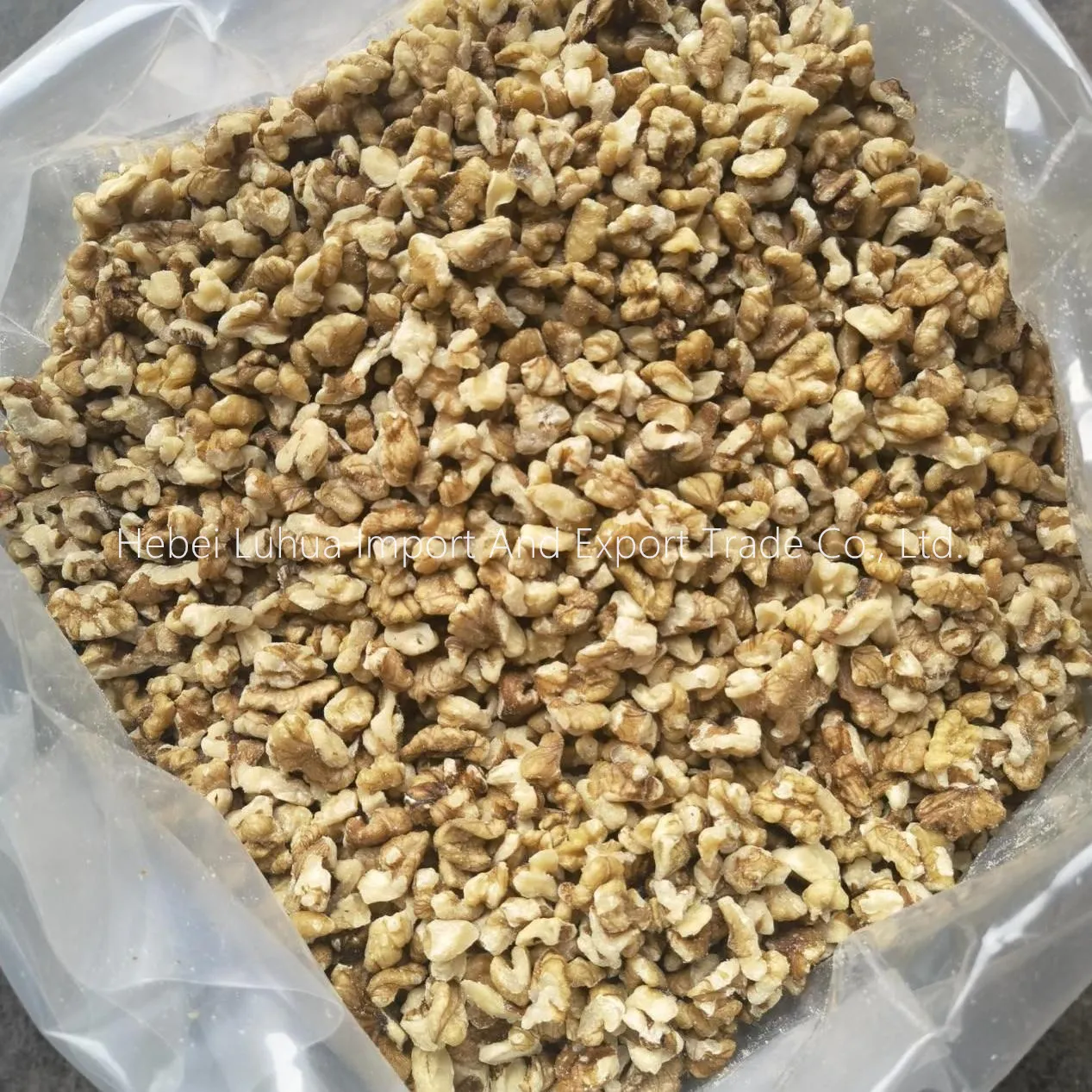
| package | 10kg/12.5kg/2x5kg(vacuum,Customize as needed) | |
| origin | China | |
| delivery time | 7-15days | |
| shelf life | 24 months | |
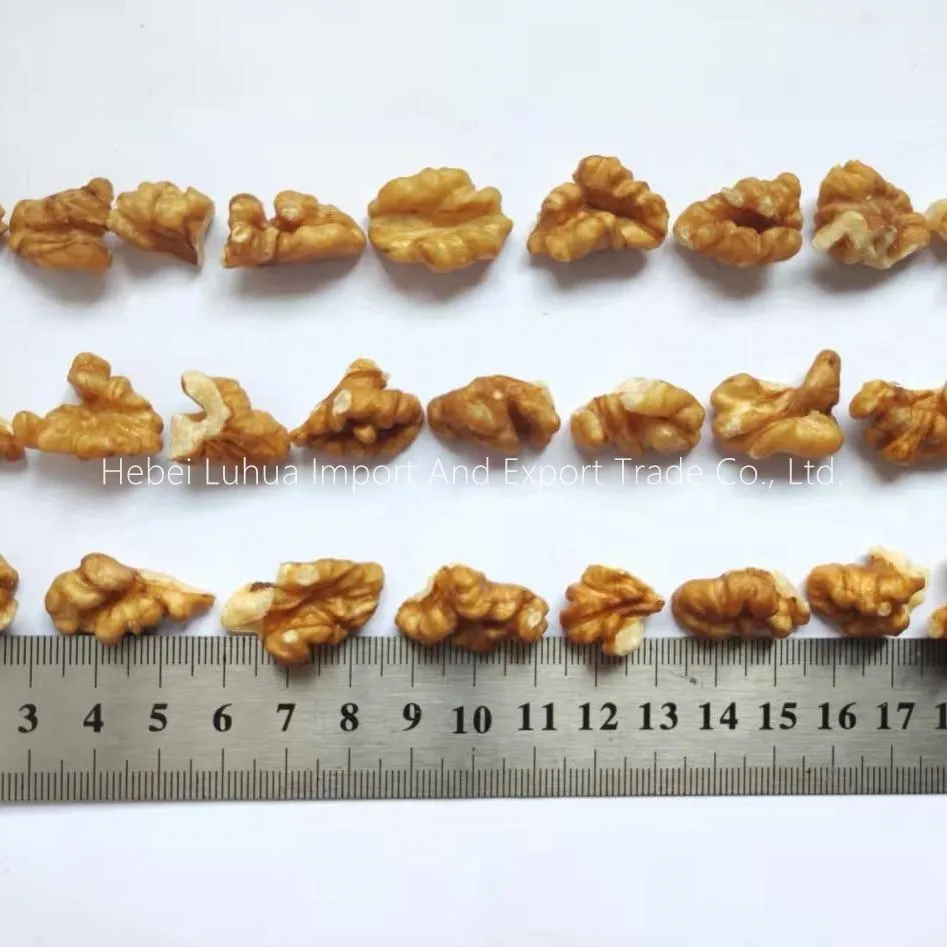
| Images | Specification | Color |
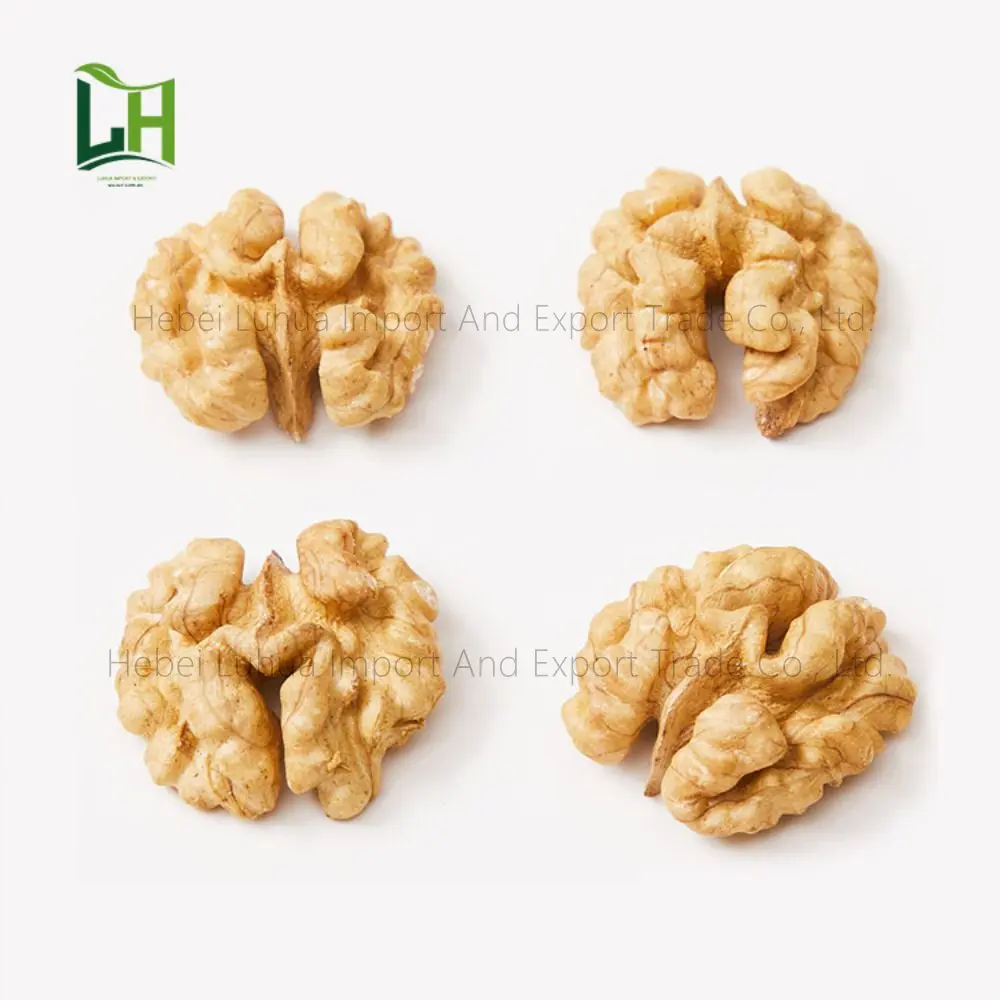
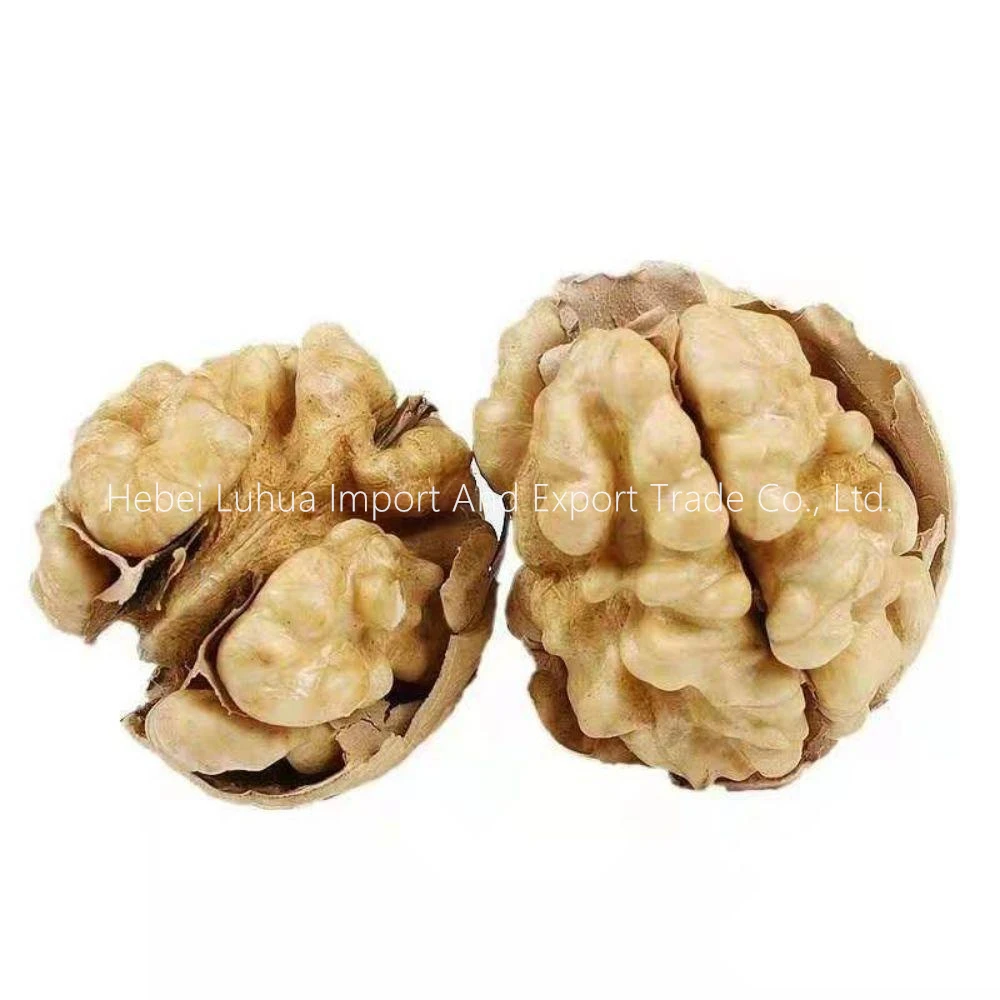
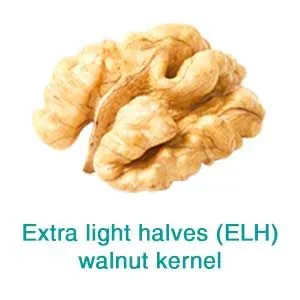 | Extra Light Halves(ELH) | Extra Light |
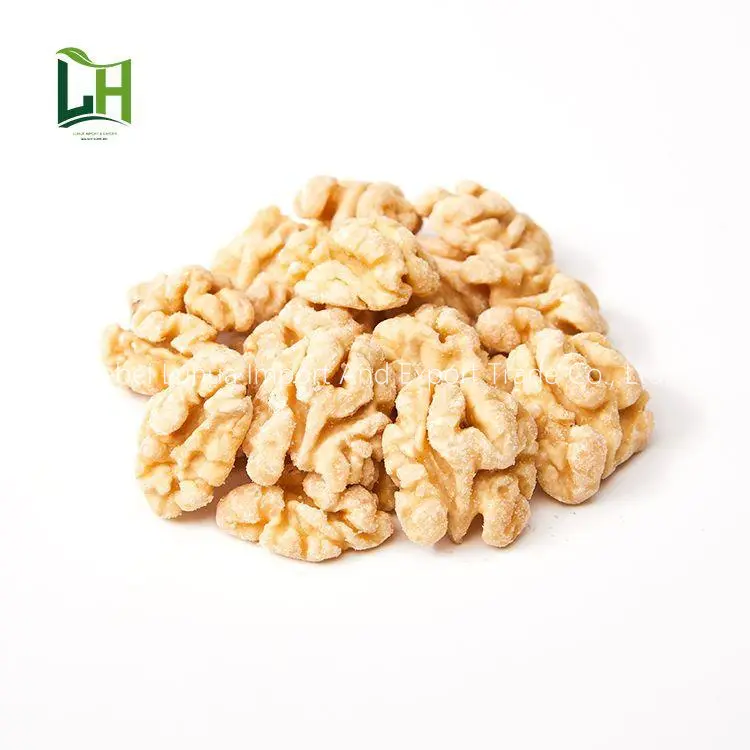
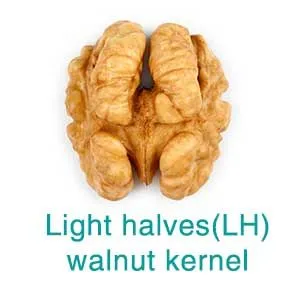 | Light Halves(LH) | Light |
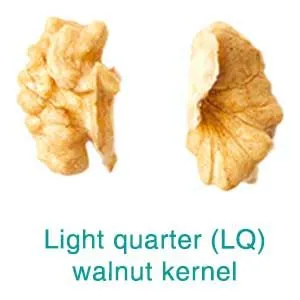 | Light Quarters(LQ) | Light |
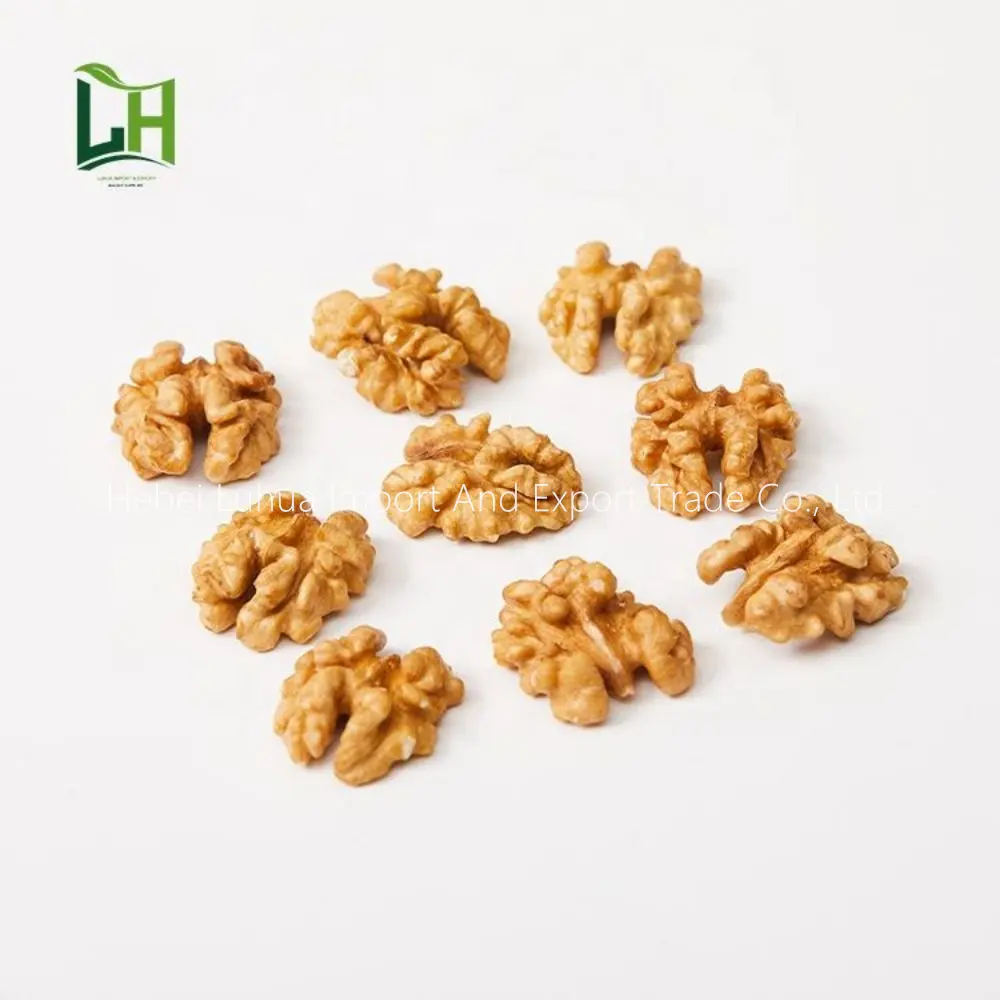
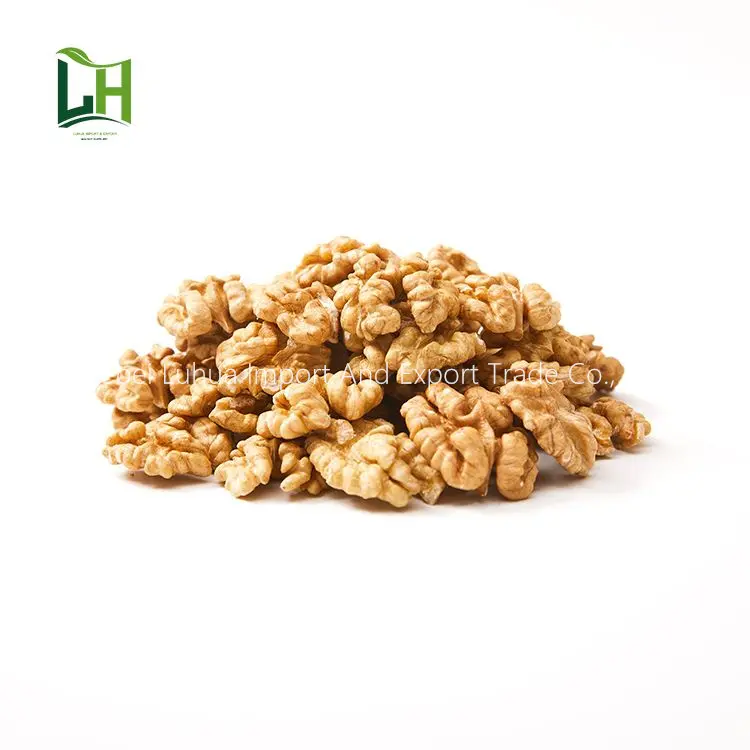
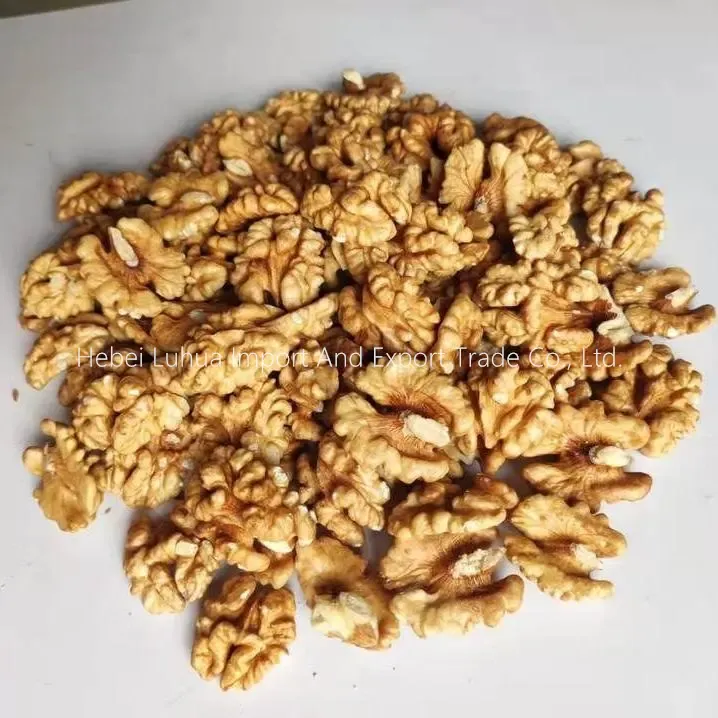
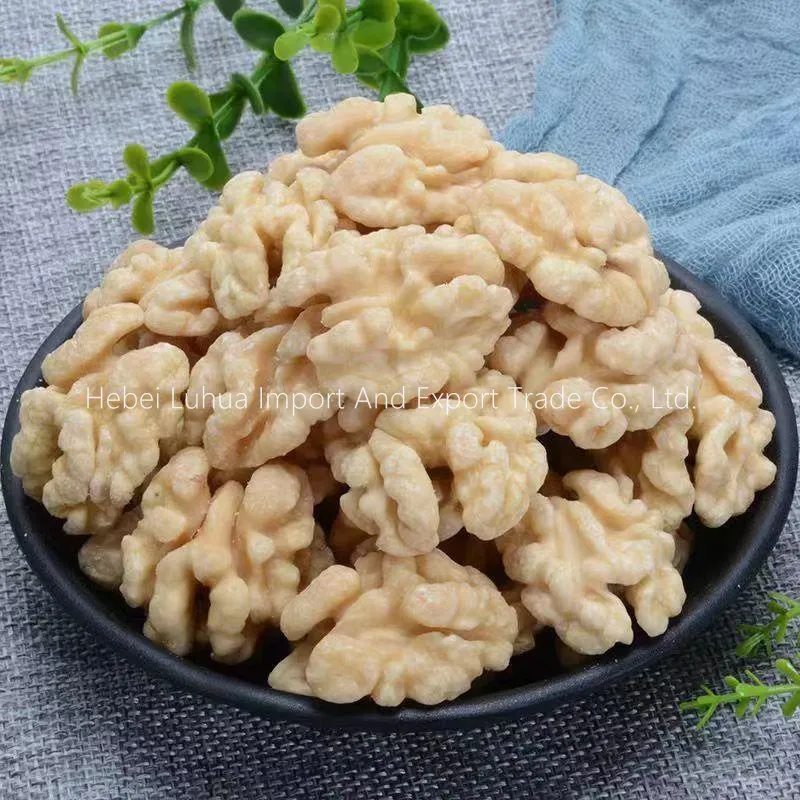
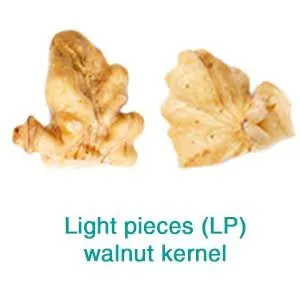 | Light Pieces(LP) | Light |
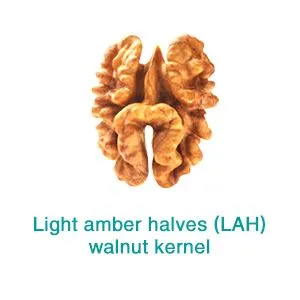 | Light Amber Halves(LAH) | Light Amber |
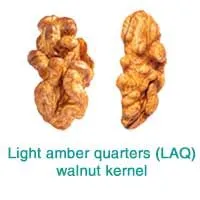 | Light Amber Quarters(LAQ) | Light Amber |
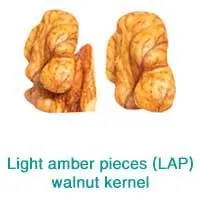 | Light Amber Pieces(LAP) | Light Amber |
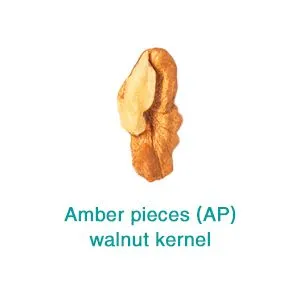 | Amber Pieces(AP) | Amber |
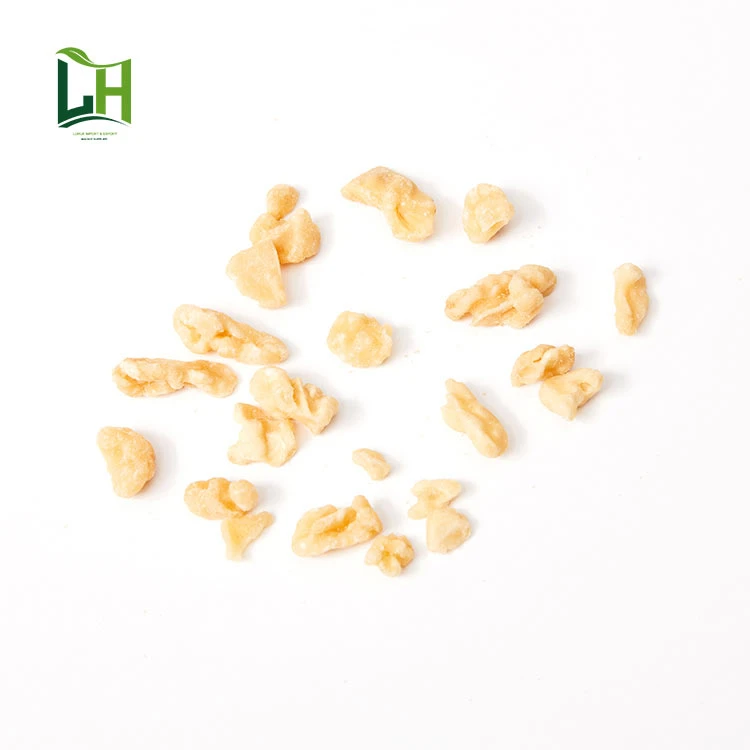
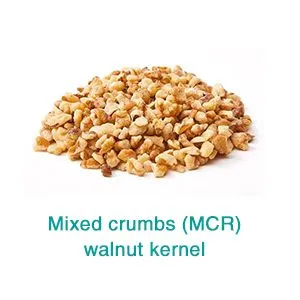 | Mixed Crumbs(SMALLEST ) | Light,Amber |
Hebei Luhua Import and Export Trade Co., Ltd is a professional walnut and walnut kernel export factory. As a real factory, we are a company that integrates factory trade. The factory has passed the provincial BRC quality system certification. We provide OEM/ODM customization services, label customization, packaging customization, free sample services, source factories, and mass production. We have year-round inventory to ensure on-time and timely delivery. The factory has a complete and scientific quality management system, professional production lines, mature logistics channels, and its own planting base to ensure product quality and provide comprehensive after-sales service, presenting high-uality, healthy and delicious Chinese walnuts to the world. Welcome to visit the factory and discuss cooperation matters.
Production Details
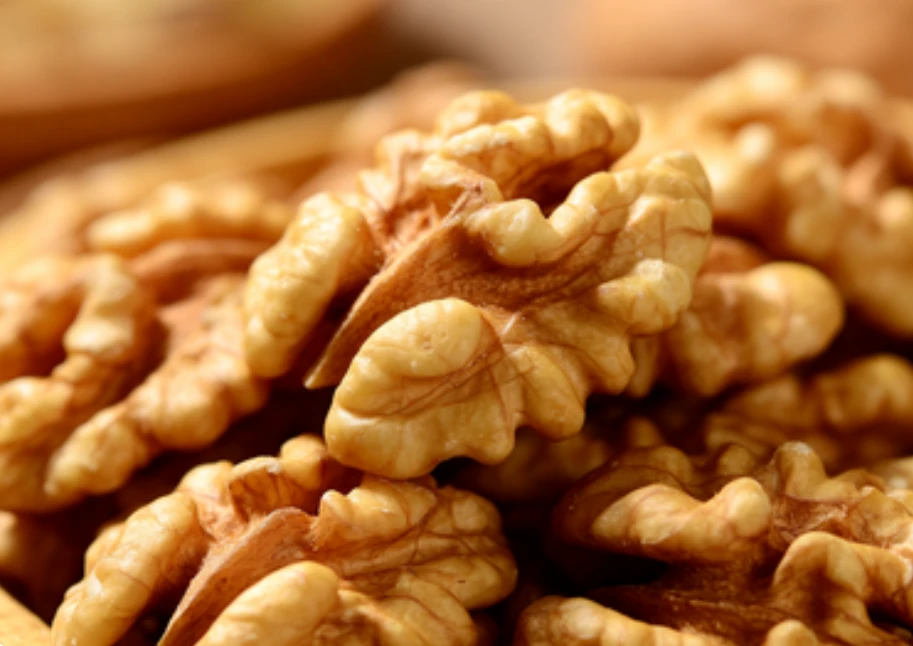
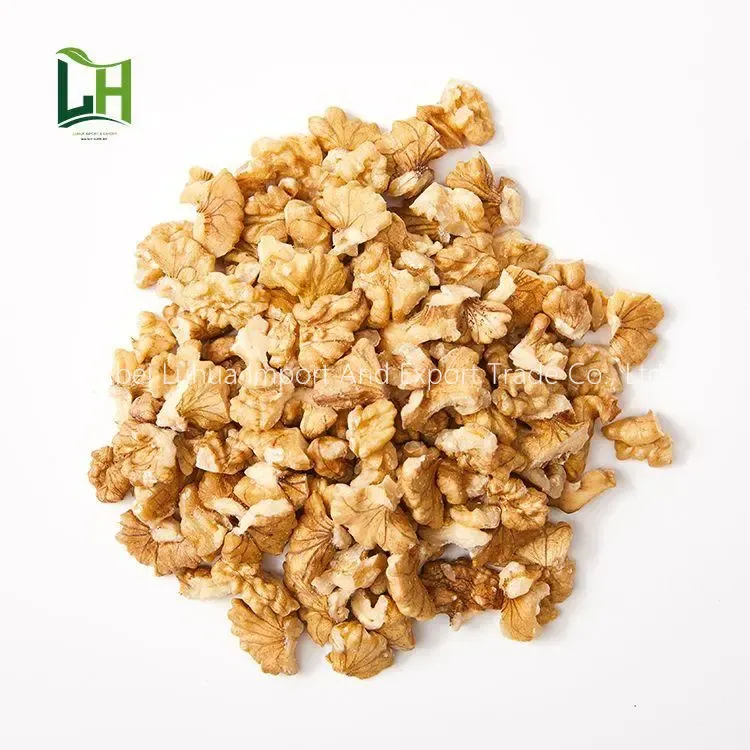
As a professional walnut kernel export factory, we offer Light pieces (LP) and Mixed Crumbs (SMALLEST) walnut kernel crumbs. These chopped walnuts have multiple uses and can be used as raw materials for food and baking pastries, bread, etc.
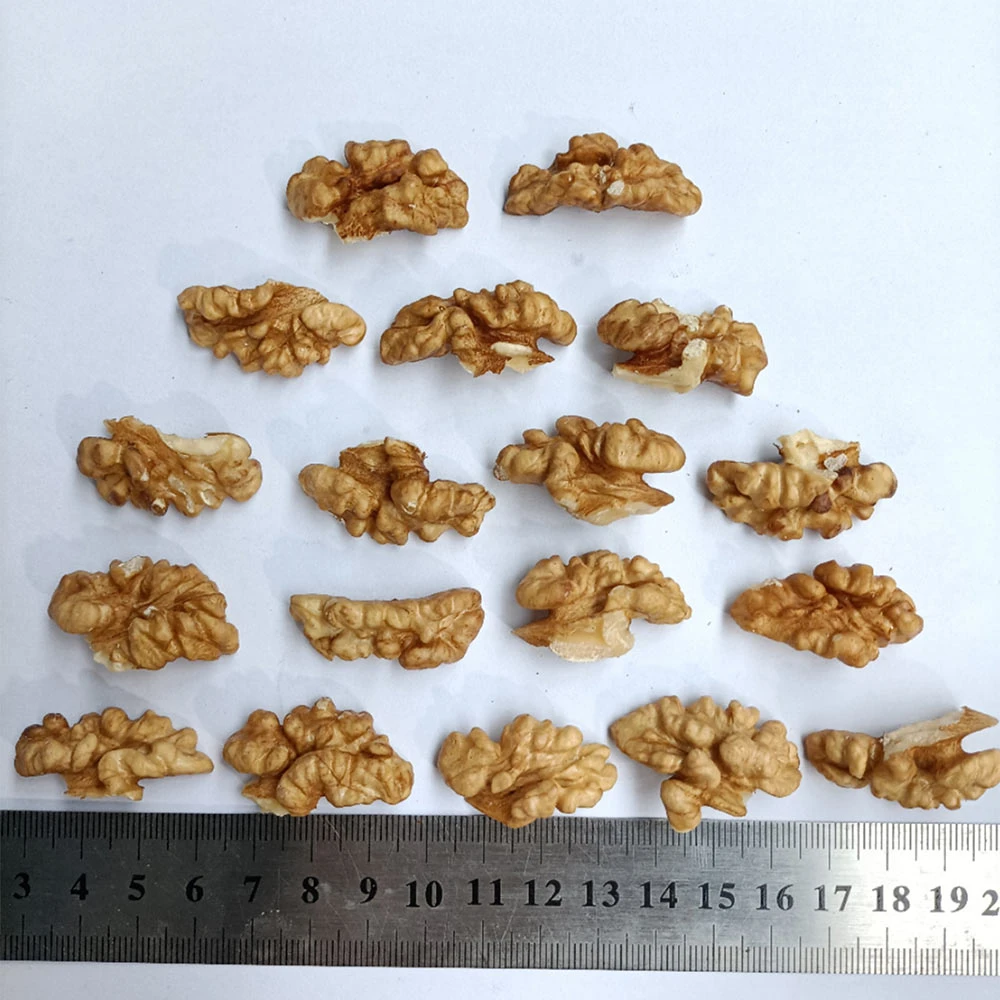
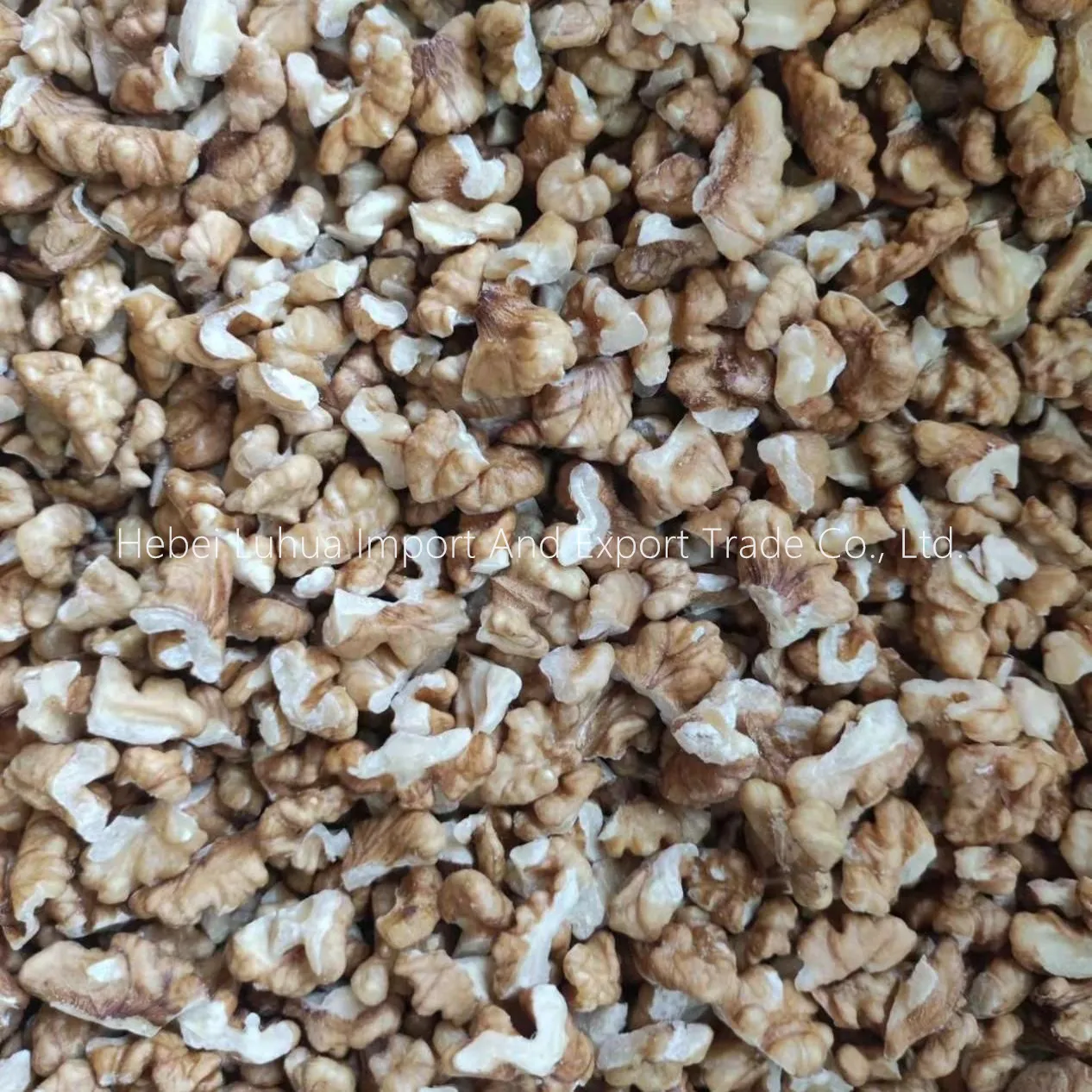
Light pieces (LP) Walnut crush is one-eighth of the whole walnut kernel, with a relatively uniform particle size. This crushed walnut has a good texture and a crispy texture. Due to its uniform size, LP walnut crush is ideal for baking and pastry making. It can add texture and aroma to foods, bringing richer nutty flavors to pastries and pastries. In addition, LP walnut crush can also be used as an ideal choice for baking pastries, bread, etc fillings, making baking pastries, bread, etcs more delicious and delicious.s.
The Mixed Crumbs (SMALLEST) walnut kernels are Smaller than Light pieces (LP) . This kind of walnut kernel is more finely chopped and more suitable for fillings. SMALLEST Walnut Crush is suitable for a wider range of applications and can be added to a variety of food products such as cereals, cereals, pastries, etc. They provide foods with an extra nutty texture and rich nutrition, while also adding layers of flavor and texture to foods. For baking pastries, bread, etcs making, SMALLEST walnut kernels can bring more taste changes to baking pastries, bread, etcs fillings and increase the fun of food. Whether it is LP walnut kernels or SMALLEST walnut kernels, our products maintain high quality and fresh taste.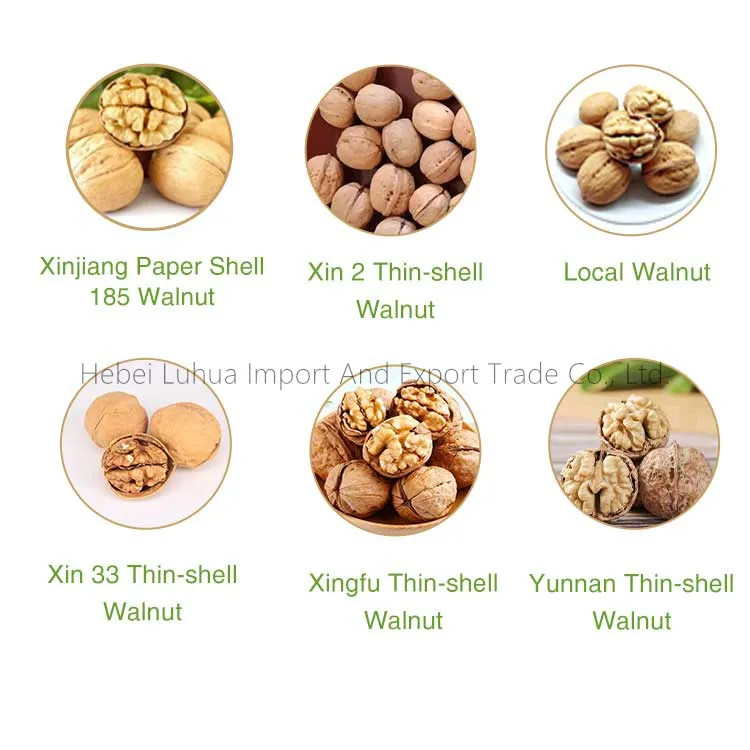
Our factory has passed BRC certification and is a strong premium walnut kernel manufacturer for nearly 30 years. Our walnut kernels come from selected high-quality raw materials and undergo strict processing techniques. We pay great attention to the hygiene and safety of our products to ensure that we provide customers with high-quality walnut kernels. Our walnut kernels have been successfully exported to many countries and regions, and are highly recognized by customers.
Our factory has advanced equipment and an experienced technical team, which can meet the needs of large orders and ensure timely delivery. If you need high-quality chopped walnuts as food or baking pastries, bread, etc ingredients, we will be more than happy to assist you. Please feel free to contact us, we will try our best to meet your needs and provide you with the best products and services.
How Many Walnuts A Day For Brain Health
For brain health, eating about a small handful of walnuts daily—around 7 to 10 walnut halves—is generally recommended. This amount provides a good balance of nutrients, including omega-3 fatty acids, antioxidants, vitamins, and minerals that support cognitive function.
Walnuts are rich in alpha-linolenic acid (ALA), a type of omega-3 fat that helps maintain brain cell structure and improve communication between neurons. They also contain antioxidants like vitamin E and polyphenols, which protect brain cells from damage caused by oxidative stress and inflammation.
Consuming walnuts regularly can improve memory, focus, and overall mental performance. Studies suggest that this daily intake supports long-term brain health and may reduce the risk of cognitive decline and neurodegenerative diseases like Alzheimer’s.
However, it’s important to keep portions moderate since walnuts are calorie-dense. Eating too many could add excess calories to your diet. Adding a small handful of walnuts to your breakfast, salad, or as a snack is an easy way to include them in your routine.
Walnut Halves Vs Whole
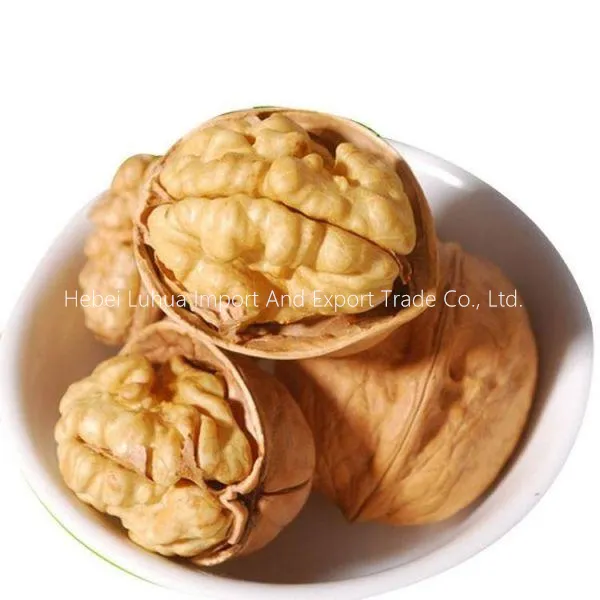
Walnut halves and whole walnuts differ mainly in their form, but both offer similar nutritional benefits. Walnut halves are the nut split into two pieces, making them easier to eat, cook with, and use as toppings in recipes. Whole walnuts, on the other hand, include the entire nut inside its shell, which must be cracked open before eating.
Walnut halves are convenient because they require less preparation and are ready to eat or add to dishes like salads, oatmeal, or baked goods. They also allow for more precise portion control since you can easily count halves. Whole walnuts, while less convenient, have a longer shelf life when stored in their shells because the shell protects the nut from air and moisture.
Nutritionally, both walnut halves and whole walnuts contain the same healthy fats, protein, fiber, vitamins, and antioxidants. The choice between them depends mostly on convenience and personal preference. If you want quick snacking or cooking, walnut halves are ideal. If you prefer to store walnuts longer or enjoy cracking nuts as a snack, whole walnuts are better.
In summary, both forms provide excellent health benefits, and choosing between them depends on your lifestyle and how you plan to use the walnuts.
Broken Walnut Kernels vs Whole Kernels: Which Is Better for Your Business?
Choosing between broken walnut kernels and whole kernels is a strategic decision that directly impacts your bottom line, product quality, and manufacturing efficiency. While both come from the same high-quality sources—such as premium Chinese walnuts—their applications in the global market differ significantly.
Cost-Efficiency and Industrial Application
For many B2B buyers, price is the primary driver. Broken walnut kernels are generally more cost-effective than their whole counterparts. Because they are a natural byproduct of the shelling process, they offer a lower price point without sacrificing nutritional value or flavor.
Best for: Commercial bakeries, confectionery manufacturers, and snack bar producers.
The Advantage: If your end product requires chopped nuts (like brownies or granola), purchasing broken kernels eliminates the labor and equipment costs of further processing.
Aesthetic Appeal and Premium Branding
Whole kernels (halves) are often viewed as the "gold standard" in the nut industry. If your business focuses on retail packaging or luxury gift sets, the visual integrity of the nut is paramount.
Best for: High-end retail brands, salad toppings, and decorative culinary use.
The Advantage: Whole kernels command a higher retail price and signal premium quality to the consumer. For instance, high-yield varieties like the 33 walnut are prized for producing beautiful, intact halves that look impressive in transparent packaging.
Shelf Life and Logistics
When purchasing bulk walnuts in shell, you have the most flexibility, but when buying kernels, surface area matters. Whole kernels have less exposed surface area than broken bits, which slightly slows the rate of oxidation. However, for industrial-scale turnover, broken kernels are often vacuum-sealed to maintain the same freshness levels as whole ones.
The "better" option depends entirely on your specific use case. If you are focused on industrial food processing, broken kernels provide the best ROI. If your brand relies on visual excellence and premium positioning, investing in whole kernels is essential. Many savvy businesses balance their inventory by sourcing both—utilizing broken pieces for "hidden" ingredients and whole kernels for "visible" garnishes.
Types of Walnut Kernel Pieces: Halves, Quarters, and Broken Grades
Understanding the different types of walnut kernel pieces is essential for importers, wholesalers, and food manufacturers. Each grade—halves, quarters, and broken walnut kernels—offers unique advantages depending on application, visual requirements, and cost considerations. The table below provides a clear comparison:
| Type | Description | Appearance Quality | Typical Uses | Price Level | Key Advantages |
|---|---|---|---|---|---|
| Walnut Halves | Full, intact half kernels with uniform shape and light color | ⭐⭐⭐⭐⭐ | Retail snacks, gift packaging, premium products | High | Best visual appeal appearance, ideal for direct consumption |
| Walnut Quarters | Kernels naturally split into smaller, fairly uniform pieces | ⭐⭐⭐⭐ | Bakery, cereals, salads | Medium | Good balance between appearance and cost |
| Broken Walnut Kernels | Irregular pieces ranging from large chunks to small fragments | ⭐⭐ | Baking, chocolate, ice cream, food processing | Low | Cost-effective, ready-to-use, reduces labor costs |
From a business perspective, walnut halves are considered the premium grade due to their visual appeal, making them suitable for high-end retail markets. Walnut quarters provide a practical middle option, maintaining decent appearance while offering better cost efficiency. In contrast, broken walnut kernels are the most economical and widely used in large-scale food production, where uniformity in size is less critical than cost and processing convenience.
Choosing the right grade depends on your specific needs. If presentation and branding are key, walnut halves are the best option. However, for manufacturers focused on efficiency and cost control, broken walnut kernels are often the most practical and profitable choice.
Health Benefits of Broken Walnut Kernels in Daily Diets
While they may not have the uniform look of whole halves, broken walnut kernels pack the exact same nutritional punch. In fact, for many consumers, these smaller pieces are the most practical way to integrate the superfood benefits of Chinese walnuts into a busy daily routine. From heart health to cognitive support, the "broken" form makes it easier to reach the recommended daily intake.
A Powerhouse of Heart-Healthy Fats
The primary reason to include walnuts in your diet is their high concentration of alpha-linolenic acid (ALA), a plant-based omega-3 fatty acid. Broken kernels are a convenient way to boost your ALA intake, which is scientifically proven to reduce inflammation and improve cholesterol levels.
Easier Incorporation: Because they are already bite-sized, broken pieces can be seamlessly stirred into morning oatmeal or yogurt.
Bioavailability: Some studies suggest that smaller nut pieces, when thoroughly chewed or finely ground in recipes, may allow the body to more easily access the healthy oils compared to whole nuts.
Brain Food and Cognitive Protection
Often called "brain food" due to their appearance, walnuts—specifically the high-yield 33 walnut varieties—contain neuroprotective compounds. These include Vitamin E, folate, and melatonin, as well as various polyphenols. Regular consumption of walnut pieces has been linked to improved memory and processing speed in older adults. Since broken kernels are budget-friendly, they allow for consistent, long-term consumption, which is key to seeing these cognitive benefits.
Weight Management and Gut Health
Contrary to the myth that nuts lead to weight gain, the fiber and protein in broken walnut kernels promote satiety, helping you feel full longer.
Prebiotic Effects: Walnuts act as a prebiotic, feeding the beneficial bacteria in your gut. Smaller pieces provide more surface area for gut enzymes to interact with, potentially enhancing these digestive benefits.
Controlled Portions: It is often easier to measure a specific weight or "handful" of broken pieces for caloric tracking than varying sizes of whole nuts.
Maximizing Freshness
To get the most health benefits, ensure your supply is fresh. While purchasing bulk walnuts in shell remains the best way to preserve nutrients long-term, broken kernels should be stored in airtight containers in the fridge to prevent the oxidation of their delicate omega-3s. By making these nutritional powerhouses a staple, you are investing in long-term wellness with every crunch.
Broken Walnut Kernels FAQs
What are broken walnut kernels?
Broken walnut kernels are pieces of walnut meat that result from the cracking and shelling process. Instead of remaining as whole halves, the kernels are naturally split into smaller fragments such as quarters or irregular pieces. Despite their shape, they maintain the same taste, texture, and nutritional value as whole walnuts, making them a popular choice for both food manufacturers and home use.
Are broken walnut kernels as nutritious as whole walnuts?
Yes, broken walnut kernels offer the same nutritional benefits as whole kernels. They are rich in healthy fats, plant-based protein, dietary fiber, vitamins, and minerals. The breaking process does not affect their core nutrients, so they remain an excellent source of omega-3 fatty acids and antioxidants that support overall health.
What are broken walnut kernels used for?
Broken walnut kernels are widely used in the food industry due to their convenience and cost-effectiveness. They are ideal for bakery products like bread, cookies, and cakes, as well as for chocolate, ice cream, cereals, and snack mixes. Their smaller size makes them easy to incorporate into recipes without additional cutting or processing.
Why are broken walnut kernels cheaper than whole kernels?
Broken kernels are typically more affordable because they are by-products of the sorting process, where whole halves are separated for premium markets. Since appearance is less important for many applications, broken walnut kernels provide a budget-friendly alternative without sacrificing quality or flavor.
How should broken walnut kernels be stored?
To maintain freshness, broken walnut kernels should be stored in a cool, dry place away from direct sunlight. Because walnuts contain natural oils, they can become rancid if exposed to heat and air for long periods. For longer shelf life, it is recommended to keep them in airtight containers, and refrigeration can further preserve their quality.
Can broken walnut kernels be used for bulk processing?
Yes, broken walnut kernels are highly suitable for bulk processing and industrial use. Their ready-to-use form reduces labor costs and improves production efficiency. This makes them a preferred choice for large-scale food manufacturers looking for consistent quality and cost savings.
Are broken walnut kernels good for daily consumption?
Absolutely. Broken walnut kernels are a healthy addition to everyday diets. They can be easily added to oatmeal, yogurt, salads, or smoothies, providing essential nutrients such as omega-3 fatty acids, magnesium, and antioxidants. Their convenience and nutritional value make them an excellent choice for regular consumption.
Are broken walnuts good?
Yes, broken walnut kernels are just as good as whole walnuts in terms of nutrition and taste. The only real difference lies in their appearance. During the cracking and sorting process, some kernels naturally break into smaller pieces, but they still retain the same levels of healthy fats, protein, vitamins, and minerals. For food manufacturers and home users alike, broken walnuts are often a more practical choice because they are ready to use and require little to no additional chopping. They are especially ideal for baking, cooking, and mixing into foods like oatmeal, yogurt, and salads. In fact, many businesses prefer broken walnut kernels because they reduce processing time and cost without compromising quality.
Do walnuts help lower triglycerides?
Yes, walnuts have been widely recognized for their role in supporting heart health, including helping to lower triglyceride levels. Broken walnut kernels, like whole walnuts, are rich in omega-3 fatty acids—particularly alpha-linolenic acid (ALA). These healthy fats can help reduce blood triglycerides, which are a type of fat linked to an increased risk of heart disease when present at high levels. Regular consumption of walnuts, as part of a balanced diet, may contribute to improved cholesterol profiles and better cardiovascular health. Including a small handful of walnut pieces in your daily meals is a simple and natural way to support heart function.
Are walnuts good for magnesium?
Absolutely, walnuts are a good source of magnesium, an essential mineral that plays a key role in many bodily functions. Broken walnut kernels provide magnesium that supports muscle function, nerve signaling, bone health, and energy production. Magnesium is also important for maintaining a healthy heart rhythm and regulating blood pressure. Since many people do not get enough magnesium in their daily diet, adding walnuts can be an easy and effective way to boost intake. Whether consumed as a snack or incorporated into meals, broken walnut kernels offer a convenient and nutritious option for increasing magnesium levels naturally.
organic walnut pieces
piece of walnut
walnut pieces 1kg