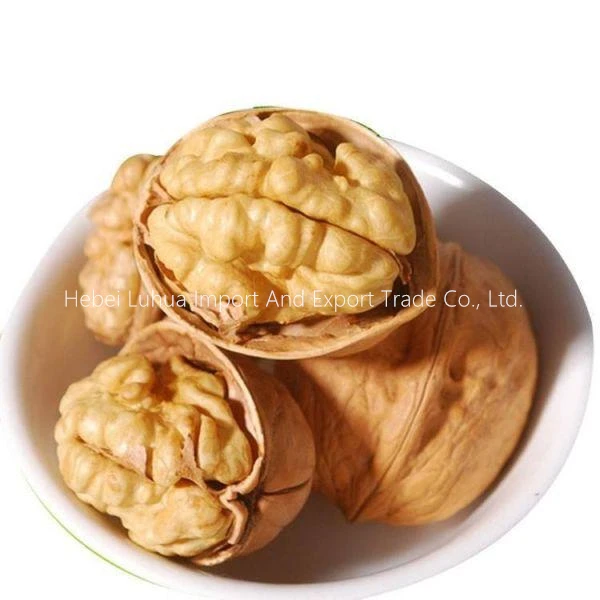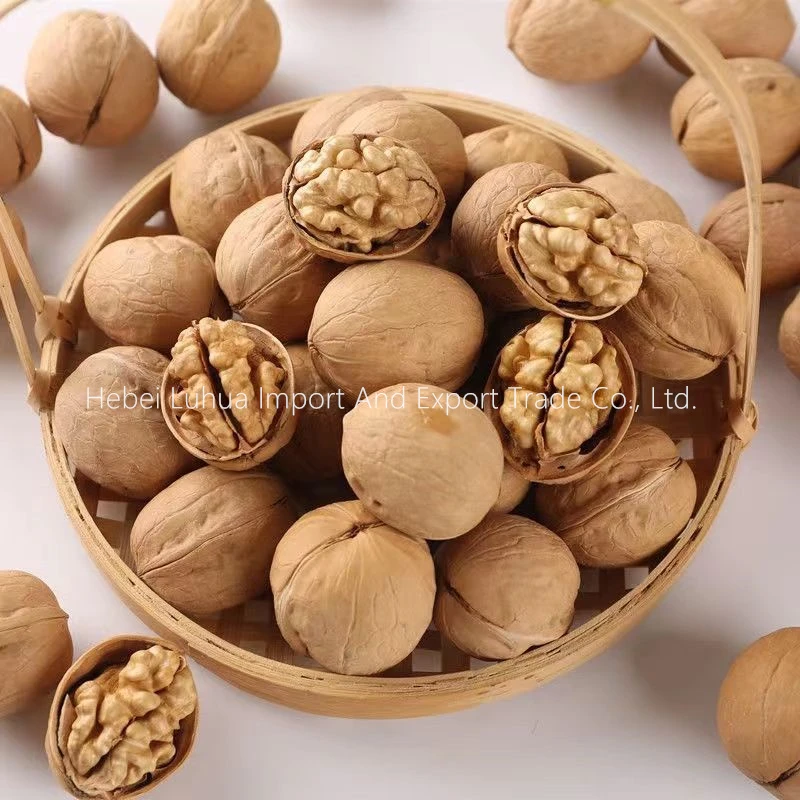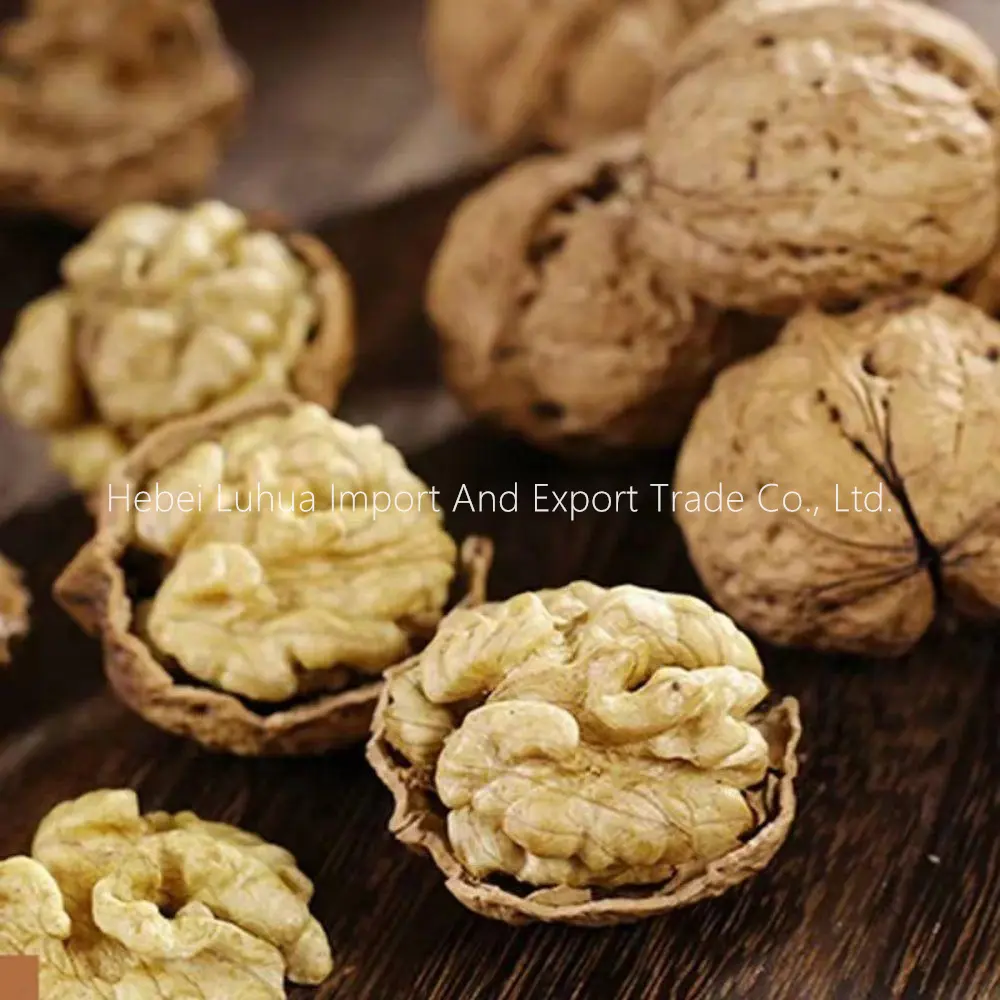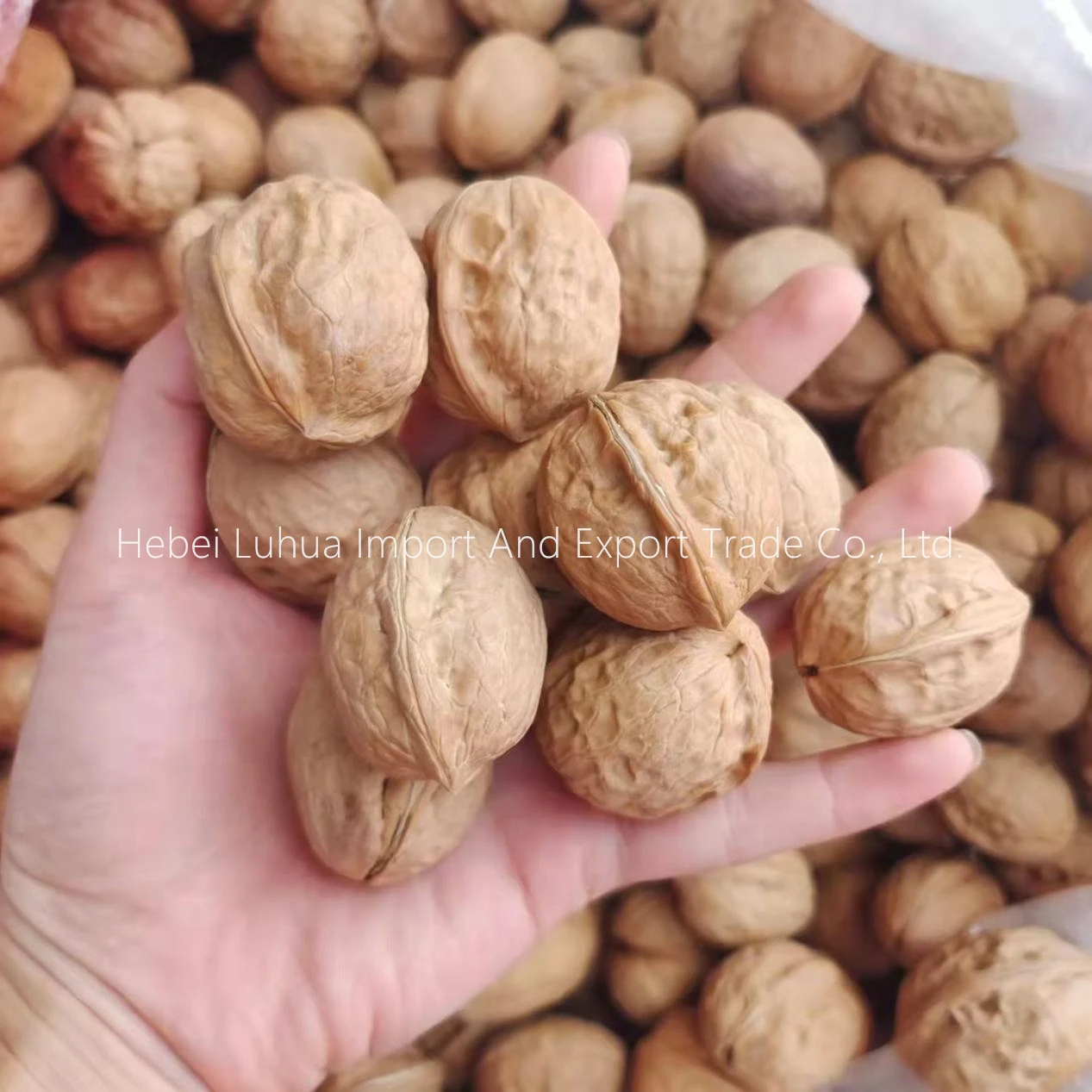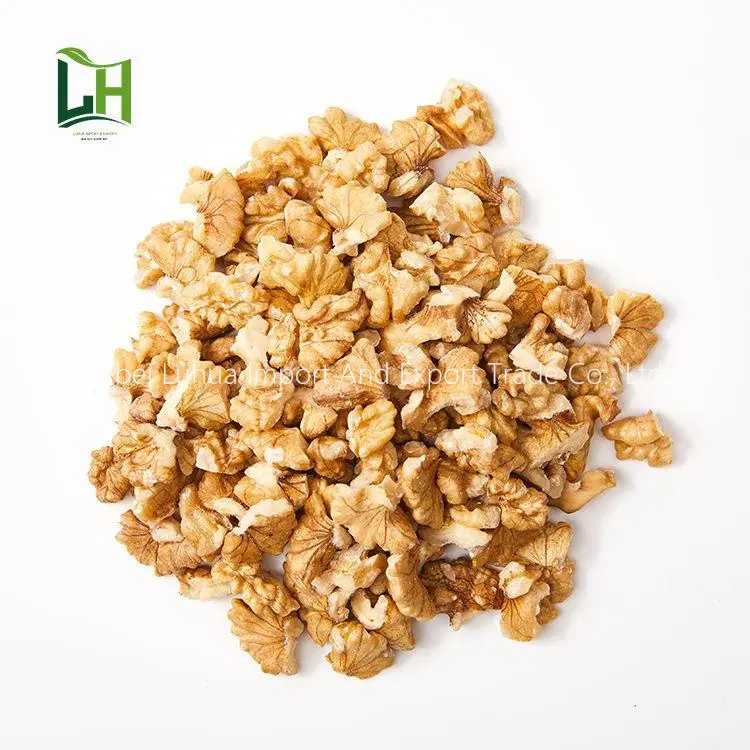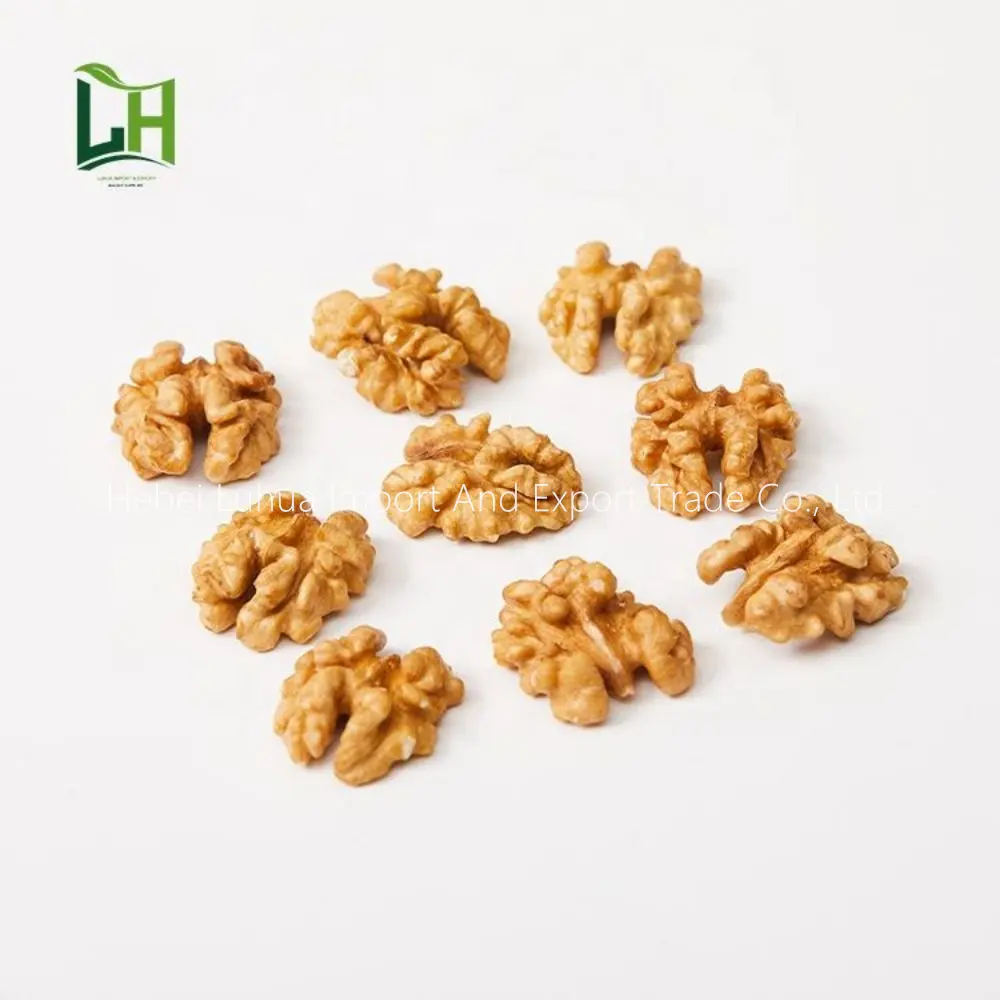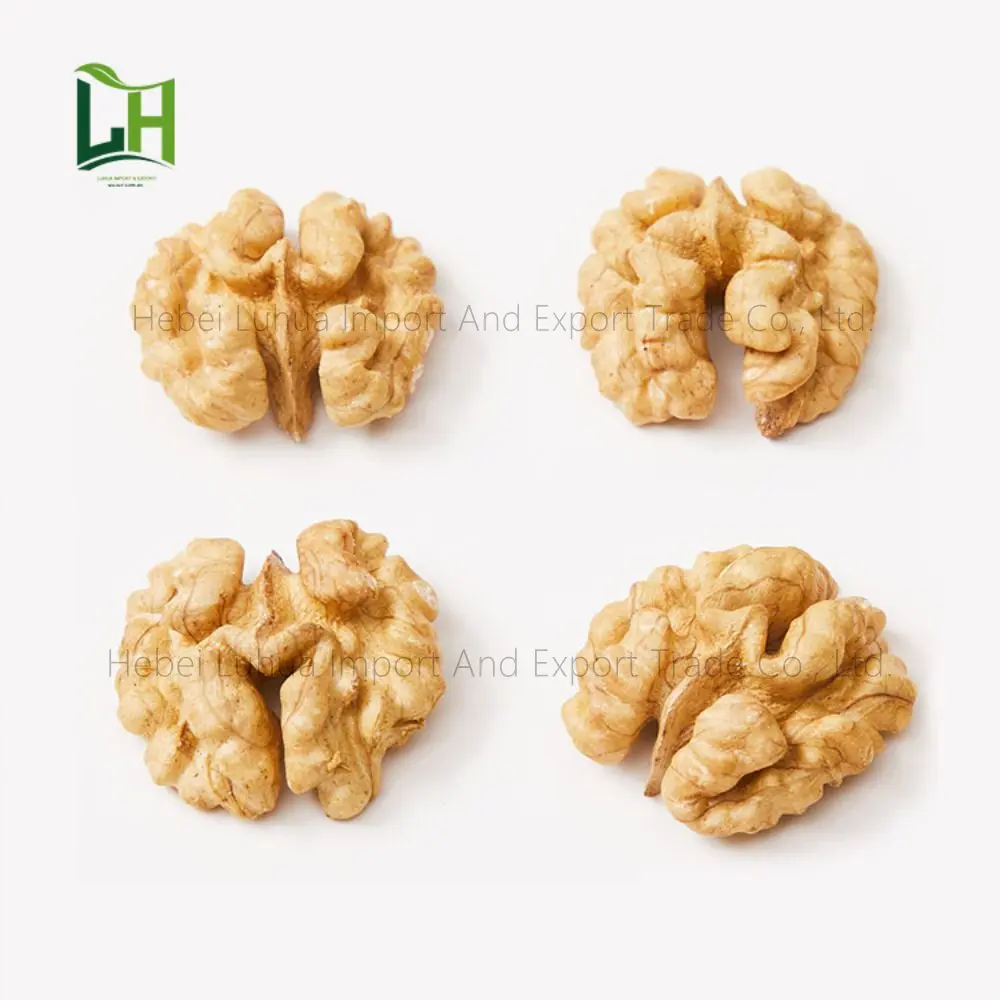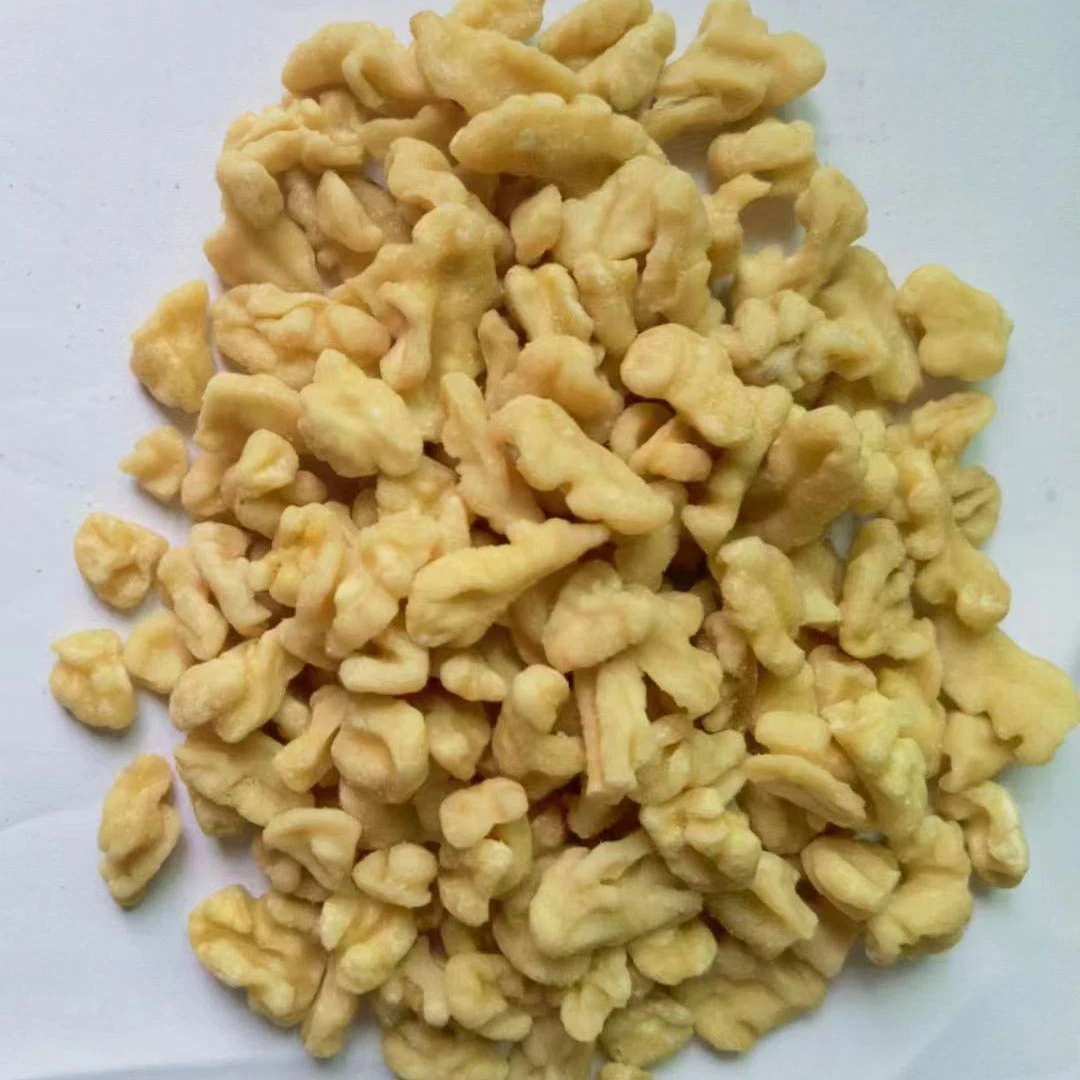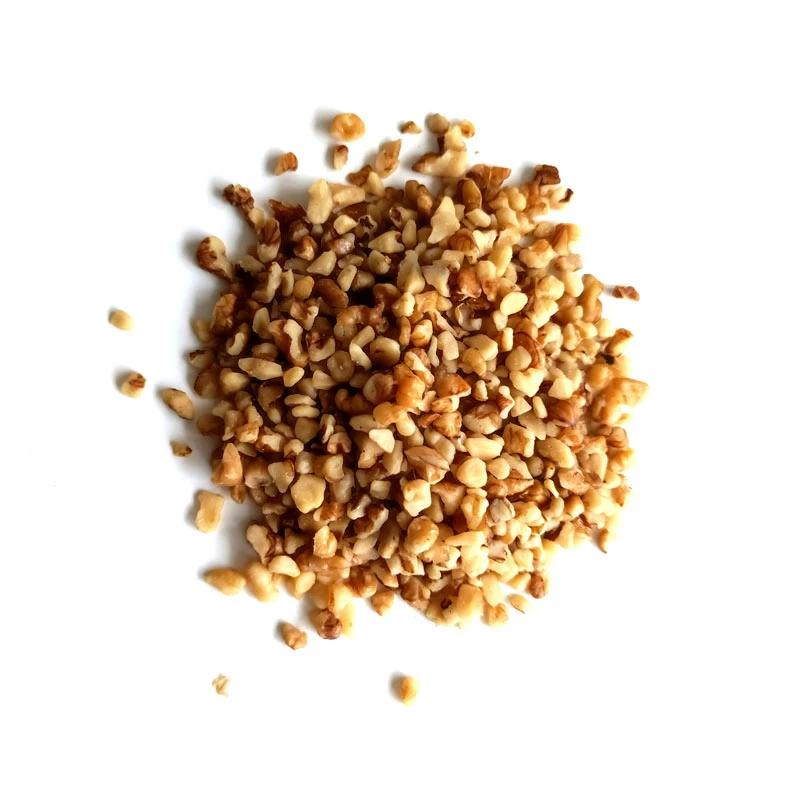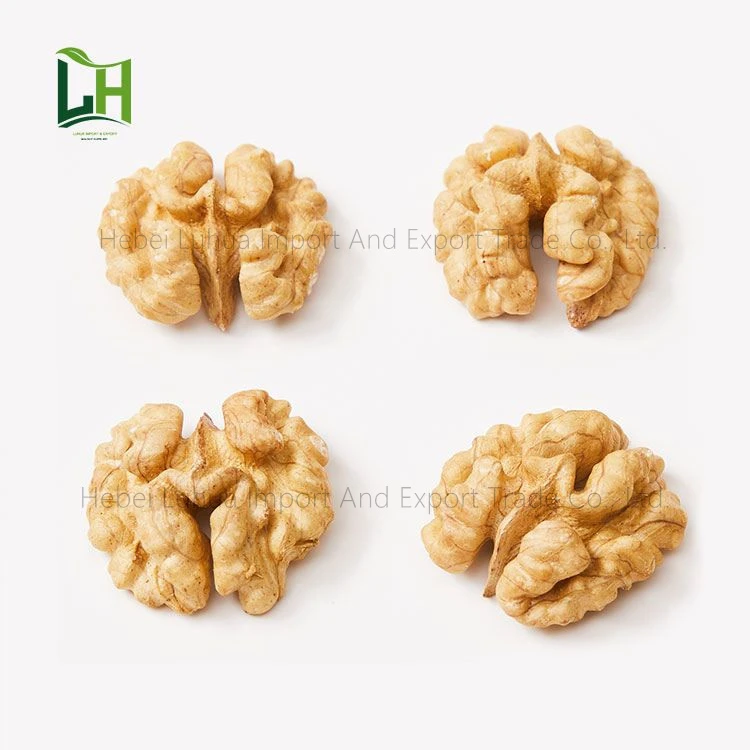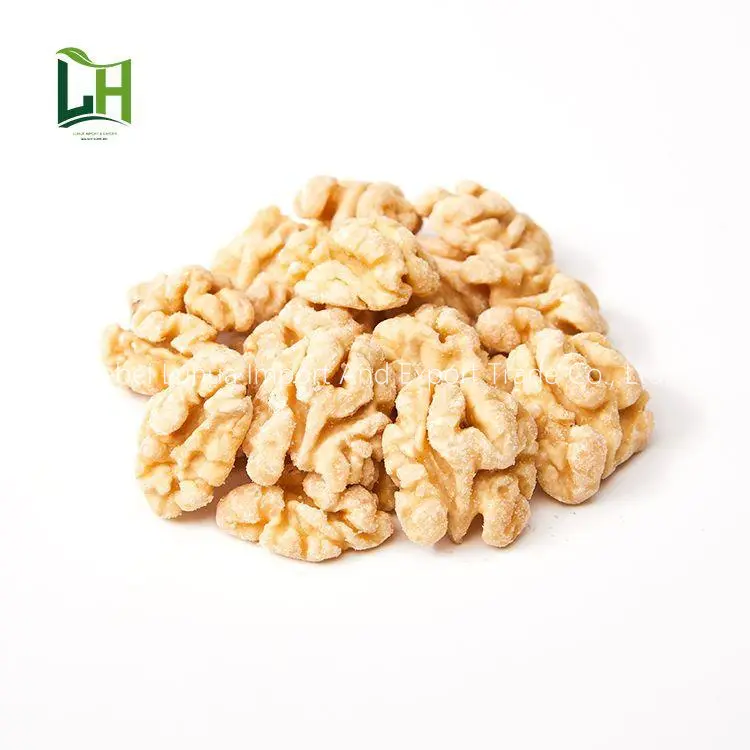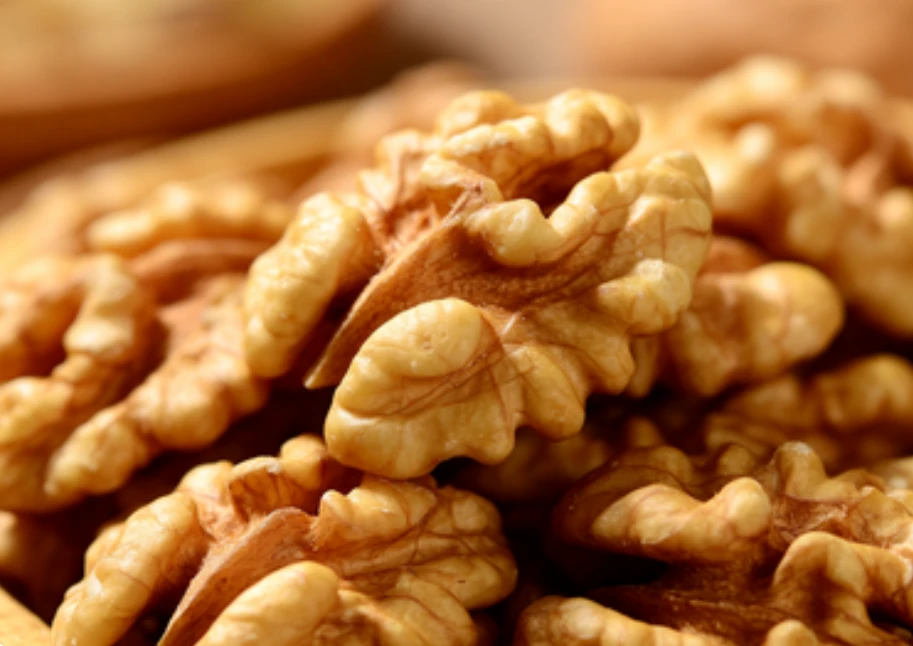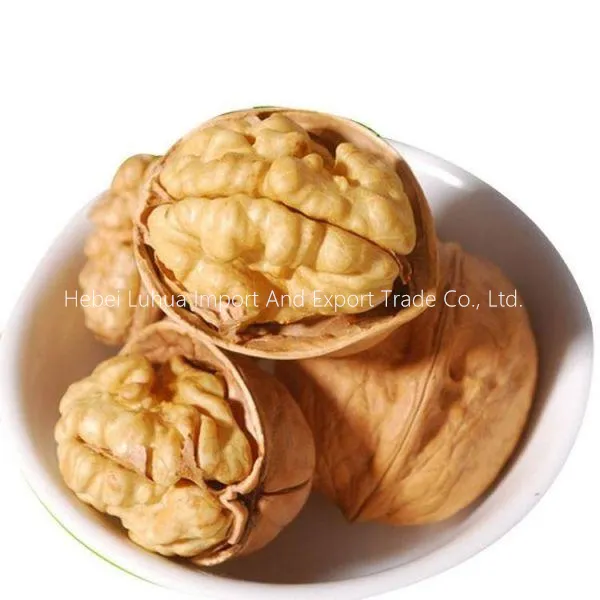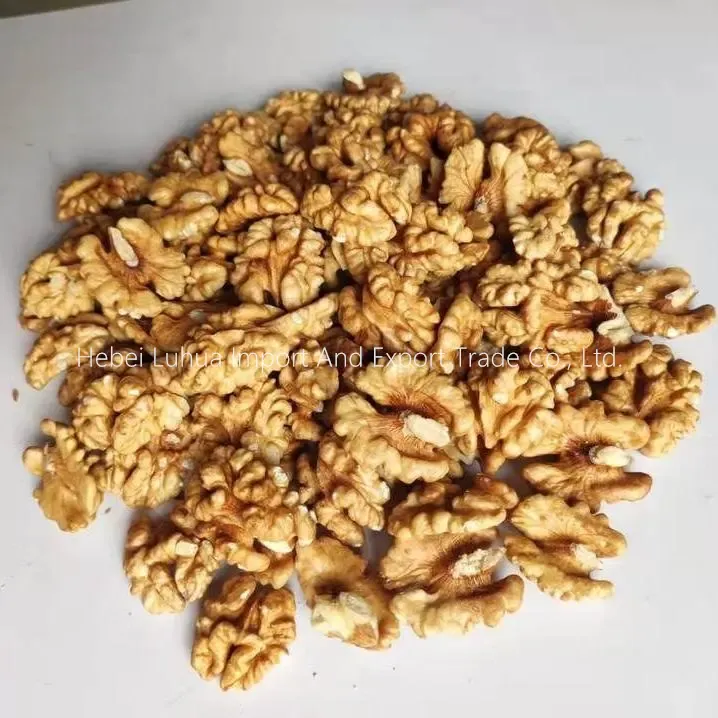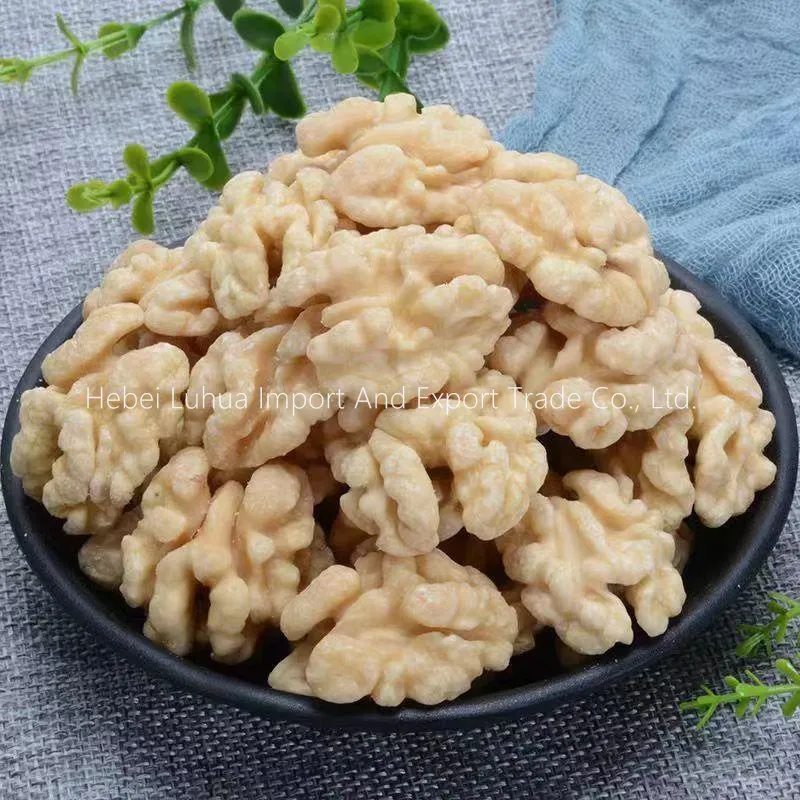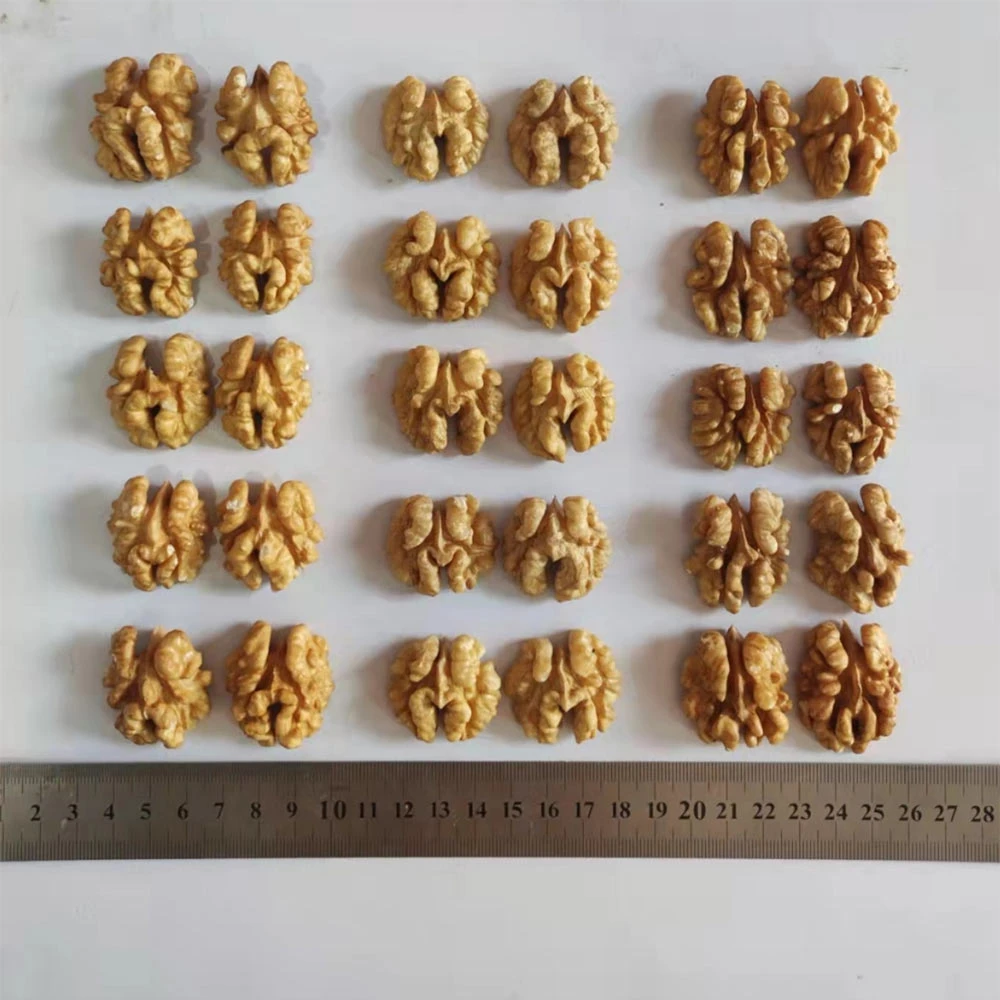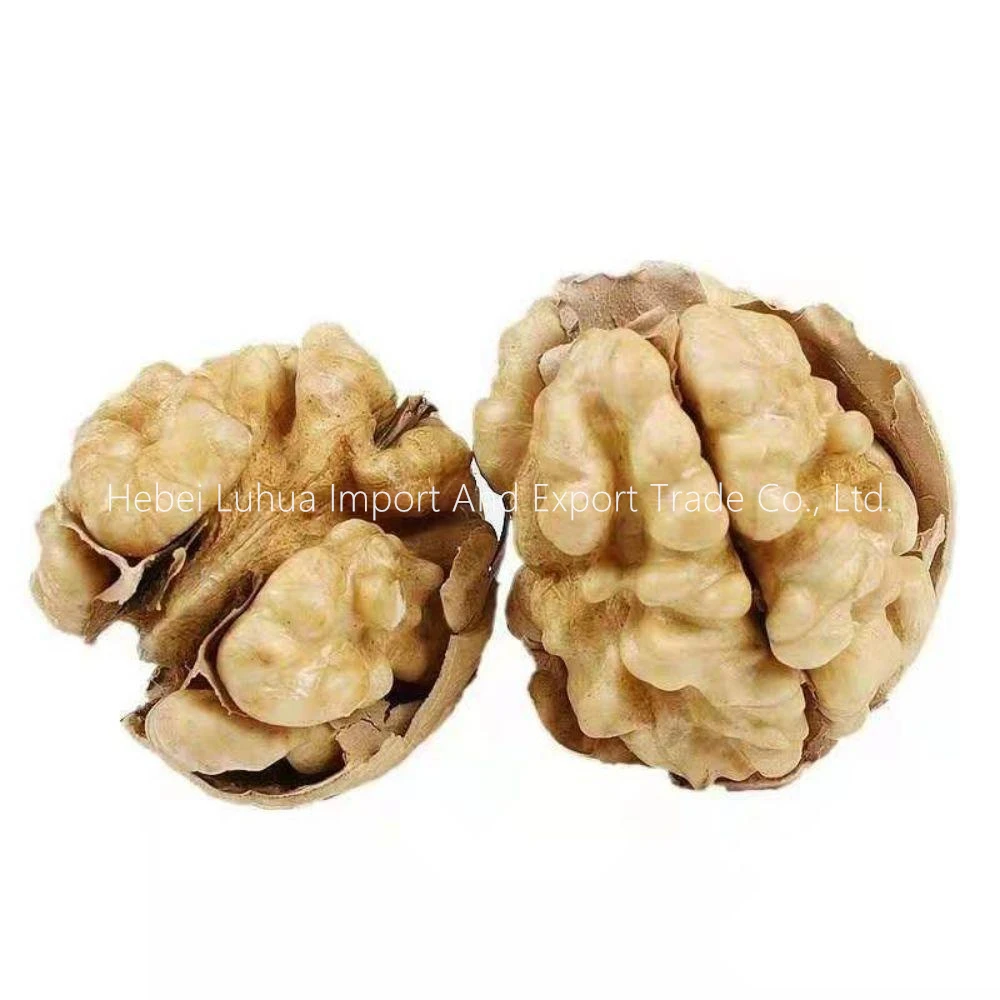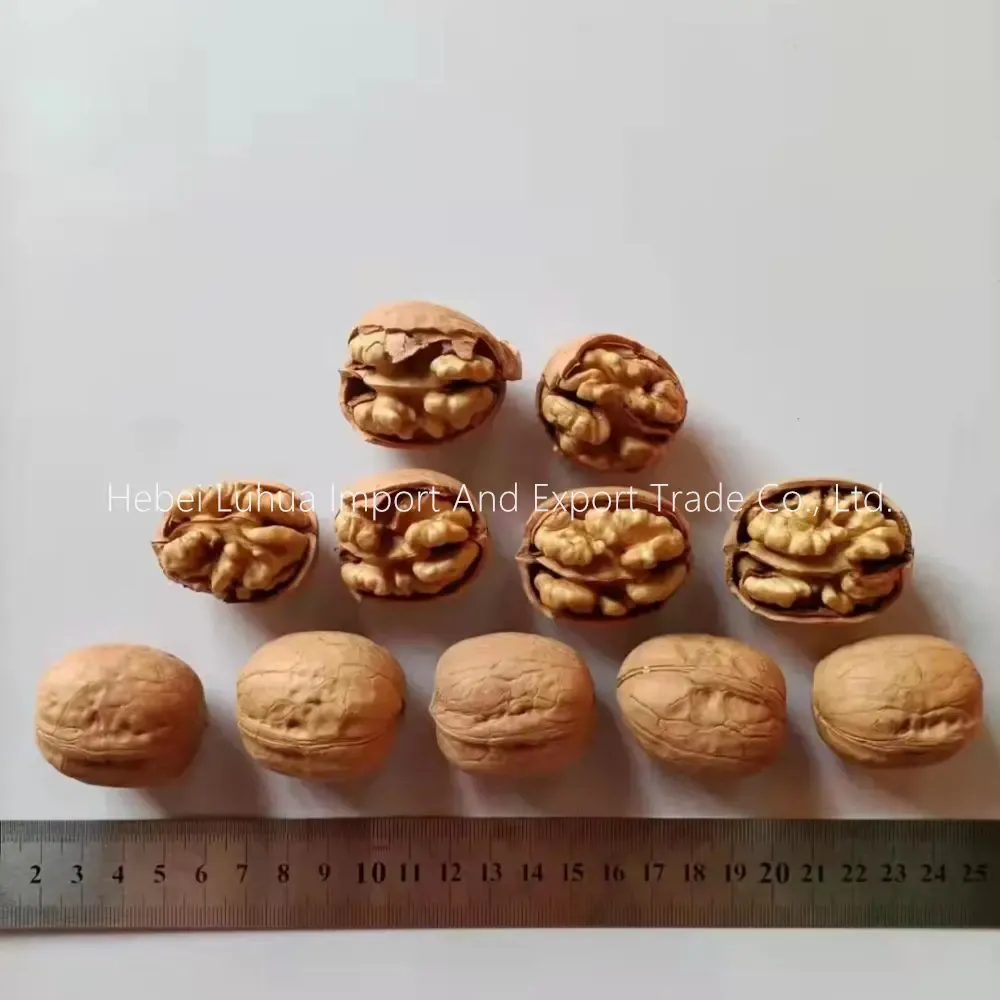
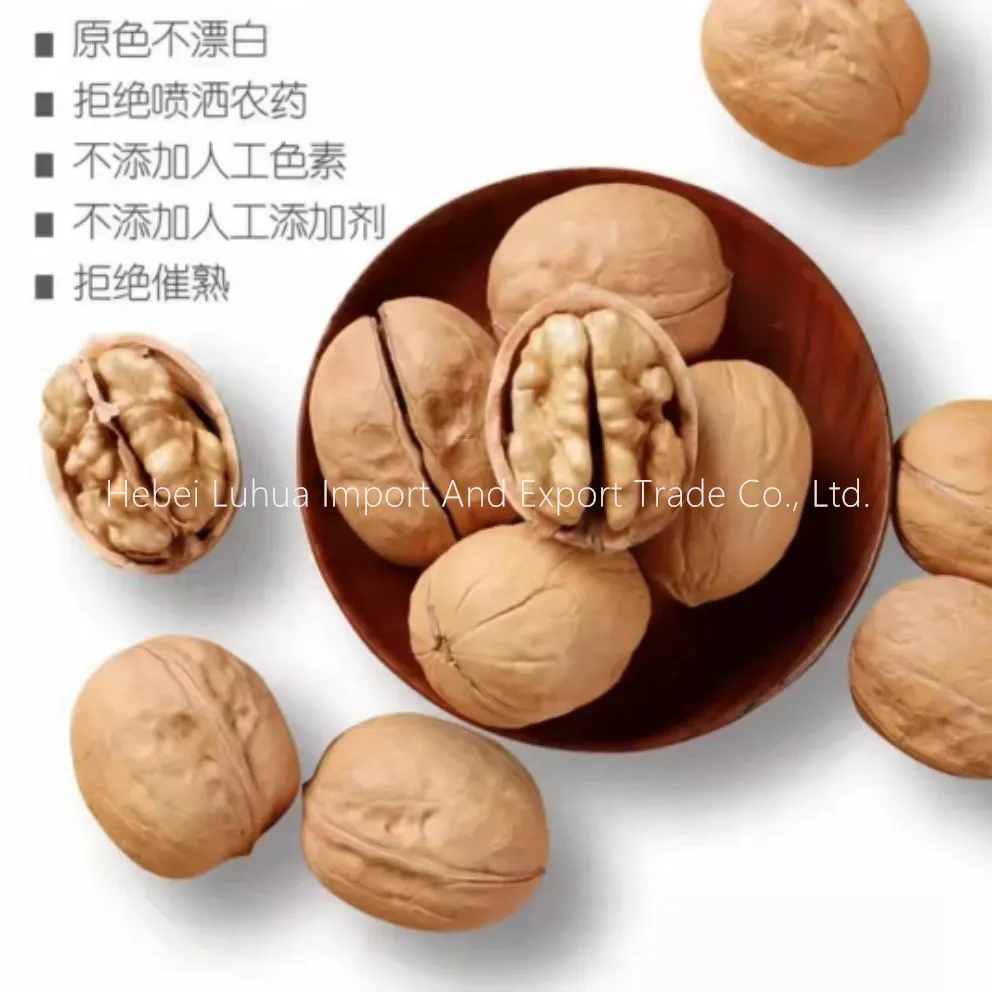
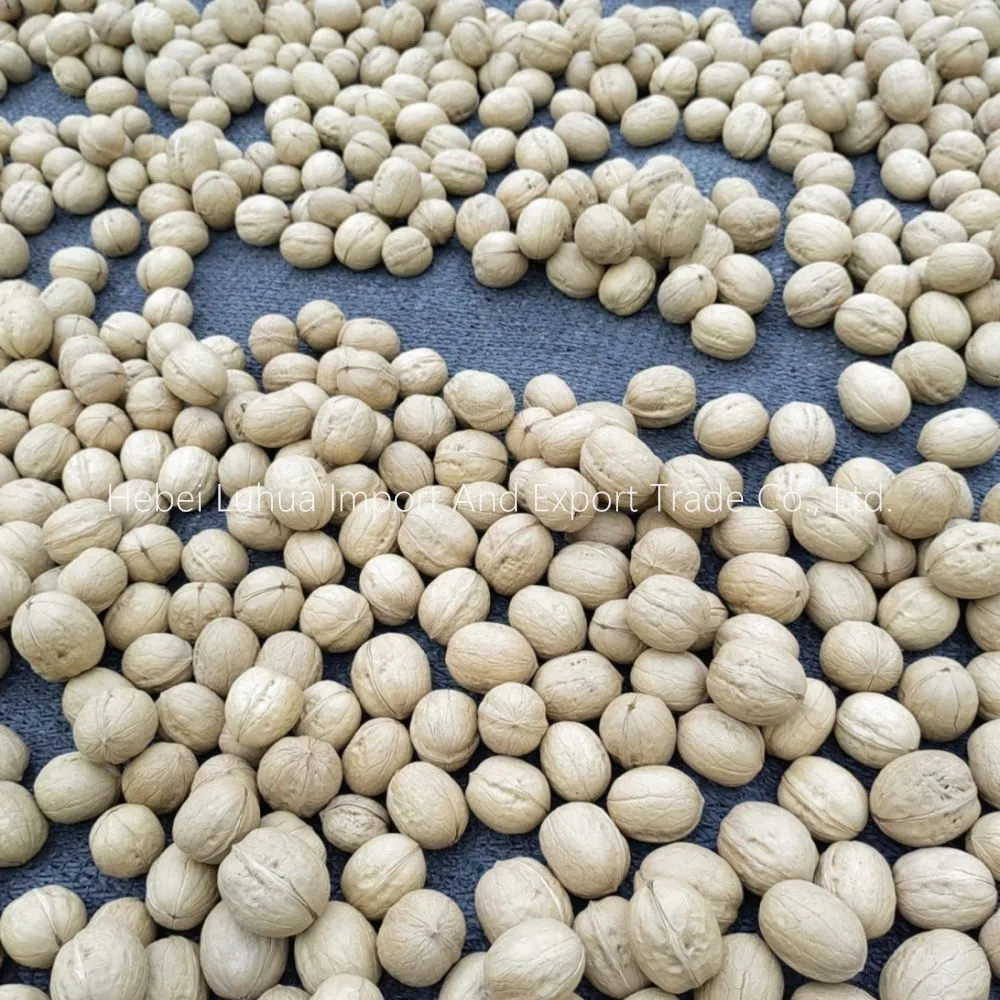
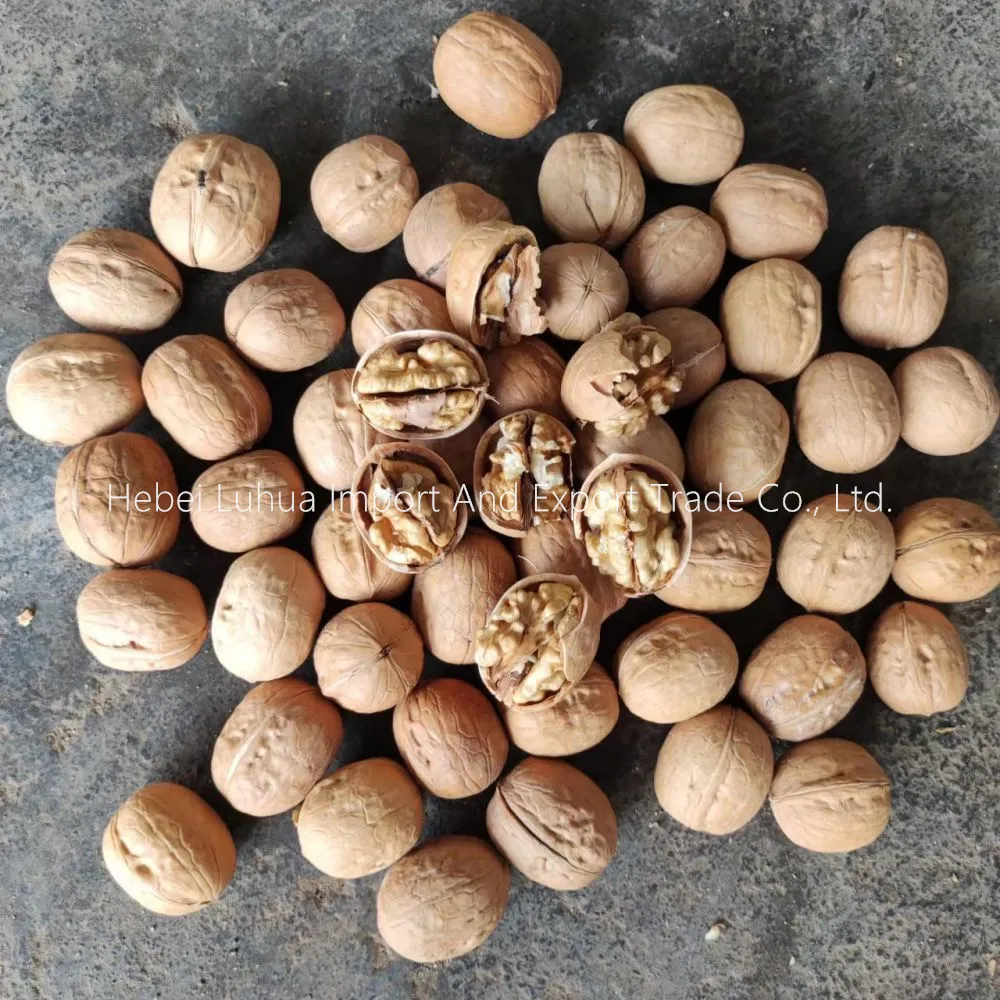
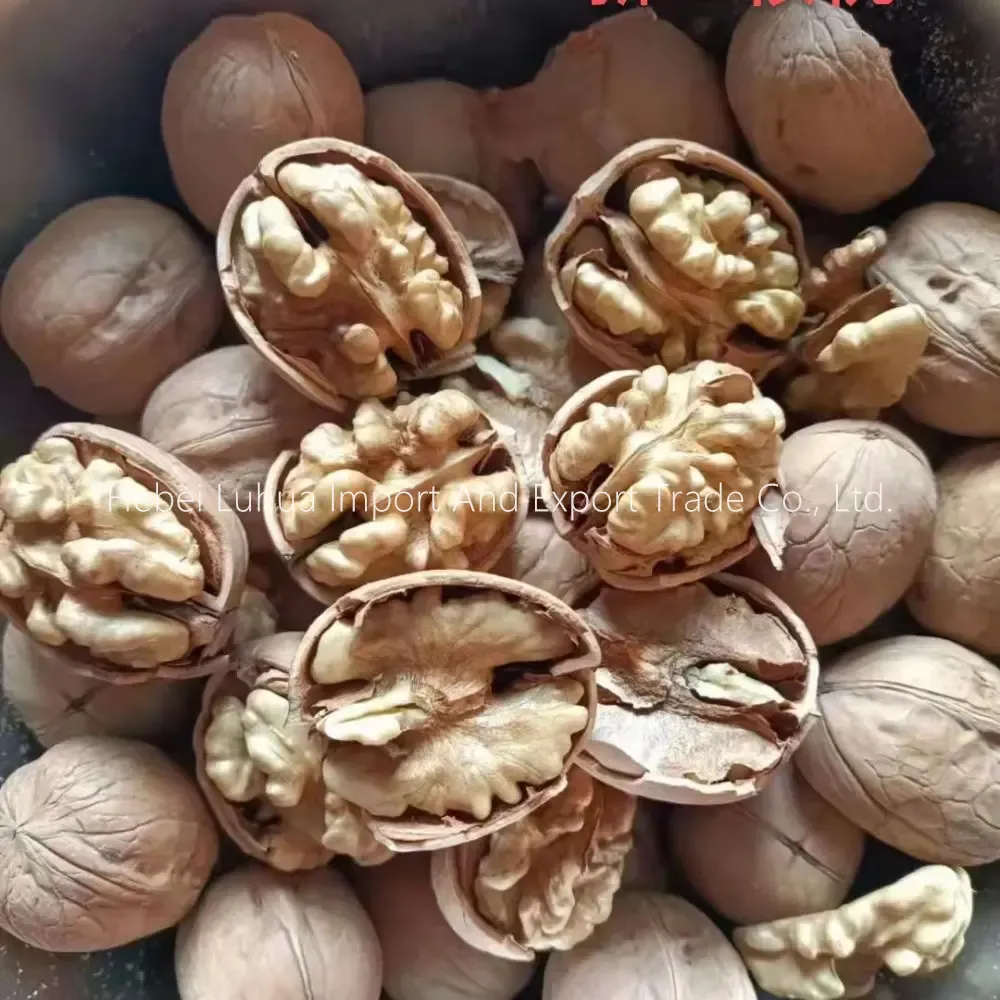
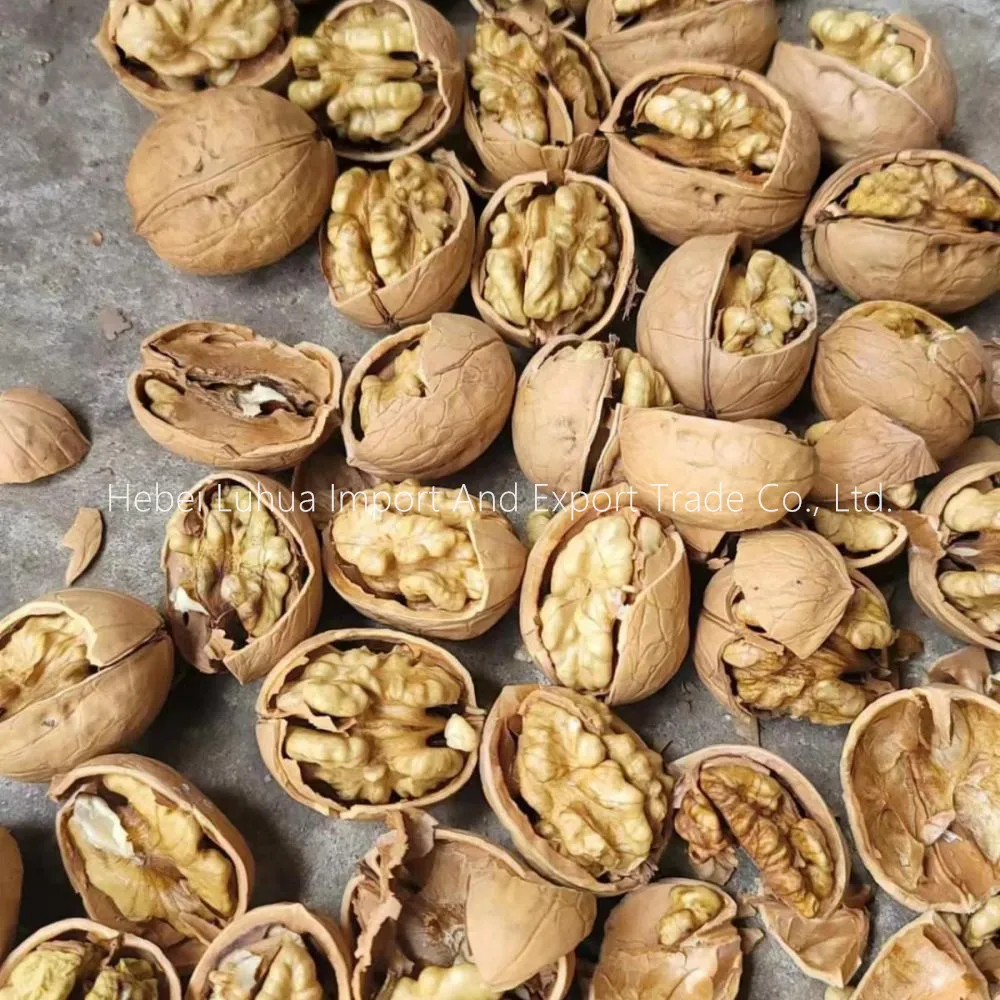
Noix à peau fine du Xinjiang Xin 2 noix en coque
| Noix ltem | Fonctionnalité | RENDEMENT% | Taille | Humidité max. (%) |
| Coquille de papier Xinjiang 185 Noyer | Coque la plus fine, de bonne taille, peut s'ouvrir d'une seule main | 60%-65% | 30 mm+/32 mm+ | Moins de 5% |
| Noix à coque mince Xin 2 | Bonne taille, coquille blanche et lisse, meilleur goût | 52%-55% | 30 mm+/32 mm+ | Moins de 5% |
| 33 Noix à coque mince | Bonne taille, meilleure vue | 48%-51% | 31 mm+/37 mm+ | Moins de 5% |
| Noix à coque mince Xinfeng | Grande taille, prix compétitif | 47%-50% | 32 mm-37 mm | Moins de 5% |
| Noix à coque mince du Yunnan | Noyau unique et à coque fine, blanc sur le dessus | 51%-53% | 30 mm+/32 mm+ | Moins de 5% |
Hebei Luhua Import and Export Trade Co., Ltd est une usine professionnelle d'exportation de noix et de cerneaux de noix. Véritable usine, nous intégrons le commerce de détail. Notre usine a obtenu la certification provinciale du système qualité BRC. Nous proposons des services de personnalisation OEM/ODM, d'étiquetage et d'emballage, des échantillons gratuits, des usines d'approvisionnement et une production de masse. Nous disposons de stocks permanents pour garantir des livraisons ponctuelles. Notre usine dispose d'un système de gestion de la qualité complet et scientifique, de lignes de production professionnelles, d'une logistique performante et de notre propre base de plantation pour garantir la qualité de nos produits et offrir un service après-vente complet, afin de proposer des noix chinoises de haute qualité, saines et savoureuses. N'hésitez pas à venir visiter notre usine et à discuter de vos projets de coopération.
Détails de production
Hebei Luhua Import and Export Trade Co., Ltd. is a true Chinese walnut export factory, a company that integrates factory trade and professional production lines. Walnuts are carefully selected. The machine screens and removes non compliant items. Machine blowing, screening out empty shells, and removing fruits that are not full. Manually select and recheck the quality. Automatic weighing. Automatic sealing. Make labels and weights as needed. With excellent quality, reliability, and comprehensive after-sales service, our products are sold in over 100 countries and regions worldwide, making us a reliable partner for your global business expansion!
Les noix du Yunnan sont non seulement très appréciées sur le marché intérieur, mais aussi largement exportées vers le Moyen-Orient, l'Europe, l'Amérique, l'Asie et d'autres régions. Elles sont reconnues et appréciées des consommateurs nationaux et internationaux pour leur qualité unique et leur valeur nutritionnelle supérieure. Fort de près de 30 ans d'expérience dans l'exportation de noix, notre usine dispose d'une ligne de production professionnelle et d'un service après-vente irréprochable, garantissant la qualité des produits et la ponctualité des livraisons.
Nous disposons d'un stock disponible et pouvons répondre aux besoins et spécifications de différents clients. En conclusion, la noix du Yunnan, fruit de haute qualité, est appréciée pour sa richesse nutritionnelle et son goût unique. Nous sommes disposés à vous fournir des produits à base de noix du Yunnan de haute qualité. Si nos produits vous intéressent, n'hésitez pas à nous contacter.
Différents types de noix
Il existe plusieurs variétés de noix, chacune possédant des caractéristiques uniques. La plus courante est la noix anglaise (aussi appelée noix de Perse), à la coque fine et au goût doux. Elle est largement utilisée en pâtisserie, en snacks et pour la production d'huile. La noix noire, originaire d'Amérique du Nord, possède une coque épaisse et dure et un goût prononcé et terreux. Elle est souvent utilisée dans les plats spéciaux et le travail du bois grâce à son arôme riche et à la durabilité de son bois. Les noix blanches, aussi appelées butternuts, sont originaires de l'est de l'Amérique du Nord et ont une texture beurrée et un goût doux, bien qu'elles soient moins disponibles dans le commerce. En Chine, les noix à coque tendre sont appréciées pour leur coque facile à casser et leurs cerneaux sucrés et croquants. Chaque variété de noix offre une valeur nutritionnelle élevée, riche en acides gras oméga-3, en antioxydants et en vitamine E. Le choix de la noix idéale dépend de vos préférences gustatives et de l'usage que vous souhaitez en faire, qu'il s'agisse de la consommer crue, de la cuisiner ou d'en extraire de l'huile.
Variétés de noix
Il existe plusieurs variétés de noix, chacune possédant des caractéristiques distinctes. La plus populaire est la noix commune (Juglans regia), réputée pour sa coque fine, sa saveur douce et son gros cerneau facile à extraire. Elle est largement cultivée aux États-Unis, en Chine et en Iran. Le noyer noir (Juglans nigra), originaire d'Amérique du Nord, possède une coque épaisse et dure et une saveur prononcée et terreuse. Il est souvent utilisé en cuisine gastronomique et en ameublement grâce à la valeur de son bois. Le noyer blanc ou butternut (Juglans cinerea), plus rare, présente une texture huileuse et un goût doux et sucré. En Chine, de nombreuses variétés de noix à coque tendre ont été développées, appréciées pour leur facilité de craquage et leur forte teneur en huile. Chaque variété offre des saveurs, des textures et des utilisations uniques, mais toutes sont riches en bonnes graisses, en protéines et en antioxydants. Comprendre ces différences permet aux consommateurs de choisir la noix idéale pour le grignotage, la pâtisserie ou pour ses bienfaits pour la santé.
What Makes Xinjiang Walnuts in Shell Unique Compared to Other Walnuts
When discussing premium walnuts in the global market, Xinjiang walnut in shell products stand out for their superior quality and distinctive growing environment. Xinjiang, located in northwest China, is widely recognized as one of the best walnut-producing regions in the world. The region’s unique continental climate — characterized by long sunshine hours, large temperature differences between day and night, low humidity, and clean irrigation water from snow-fed mountains — creates ideal conditions for cultivating high-quality noix en coque en gros.
One of the defining characteristics of Xinjiang walnut varieties is their naturally developed thin shell structure. Compared to ordinary walnuts grown in other regions, many thin shell walnut varieties from Xinjiang are easier to crack while still providing excellent protection for the kernel during growth and transportation. This balance between shell strength and easy opening significantly enhances consumer convenience without compromising freshness.
In addition to shell quality, the kernel of a premium walnut in shell from Xinjiang is typically plump, light-colored, and rich in natural oils. The large temperature variation during the growing season promotes higher oil accumulation, resulting in a sweeter taste and stronger nut aroma. These sensory advantages make Xinjiang walnuts highly competitive in both domestic and export markets.
Furthermore, Xinjiang has a long history of walnut cultivation, and farmers have accumulated extensive experience in orchard management and post-harvest handling. Modern grading, sorting, and packaging processes ensure consistent quality for international buyers. As a result, Xinjiang walnut in shell products are often regarded as a premium category within the global walnut trade.
Nutritional Benefits of Xinjiang Thin Shell Walnut for Health and Wellness
The nutritional value of Xinjiang thin shell walnut products is one of the primary reasons for their growing popularity worldwide. As a natural source of essential nutrients, a high-quality walnut in shell provides a balanced combination of healthy fats, plant-based protein, dietary fiber, vitamins, and minerals.
Like other walnuts, Xinjiang walnut kernels are rich in polyunsaturated fatty acids, particularly omega-3 alpha-linolenic acid (ALA). These healthy fats are widely recognized for supporting heart health and helping maintain normal cholesterol levels when consumed as part of a balanced diet. Because thin shell walnuts are harvested and stored in-shell, the natural protective layer helps preserve these valuable oils from oxidation.
In addition to beneficial fats, a premium thin shell walnut offers a meaningful amount of plant protein, making it a valuable addition to vegetarian and plant-forward diets. The combination of protein and fiber also contributes to satiety, supporting balanced eating habits.
Minerals such as magnesium, phosphorus, and zinc are naturally present in walnut in shell products. These nutrients play important roles in supporting bone health, energy metabolism, and immune function. The presence of antioxidants, including vitamin E and polyphenolic compounds, further enhances the overall nutritional profile of Xinjiang walnut varieties.
Because thin shell walnuts are easier to crack, consumers are more likely to enjoy them regularly as a snack or ingredient. Whether eaten raw, lightly roasted, or incorporated into meals, Xinjiang thin shell walnut products provide both nutritional benefits and excellent taste, making them a smart choice for health-conscious consumers.
How to Choose High-Quality Xinjiang Walnuts in Shell: Tips for Buyers
Selecting premium Xinjiang walnuts in shell requires attention to several key quality indicators. For wholesalers, retailers, and consumers alike, understanding how to identify a superior Xinjiang walnut can help ensure better taste, freshness, and overall value.
First, examine the shell appearance. A high-quality thin shell walnut should have a clean, natural light-brown color without dark stains, cracks, or signs of mold. The shell surface should be relatively smooth and uniform. While minor natural variations are normal, excessive blemishes may indicate improper storage or lower grading.
Second, consider shell thickness and hardness. Premium walnut in shell products from Xinjiang are known for their balanced thin shell structure. The shell should be easy to crack using light pressure or a standard nutcracker, but still firm enough to protect the kernel during transportation. Extremely thick shells reduce kernel yield, while overly fragile shells may result in damage.
Weight and sound also provide useful clues. When shaken gently, a fresh Xinjiang walnut in shell should not produce a hollow sound, which could indicate shriveled or dried kernels. Heavier walnuts typically contain fuller kernels with higher oil content.
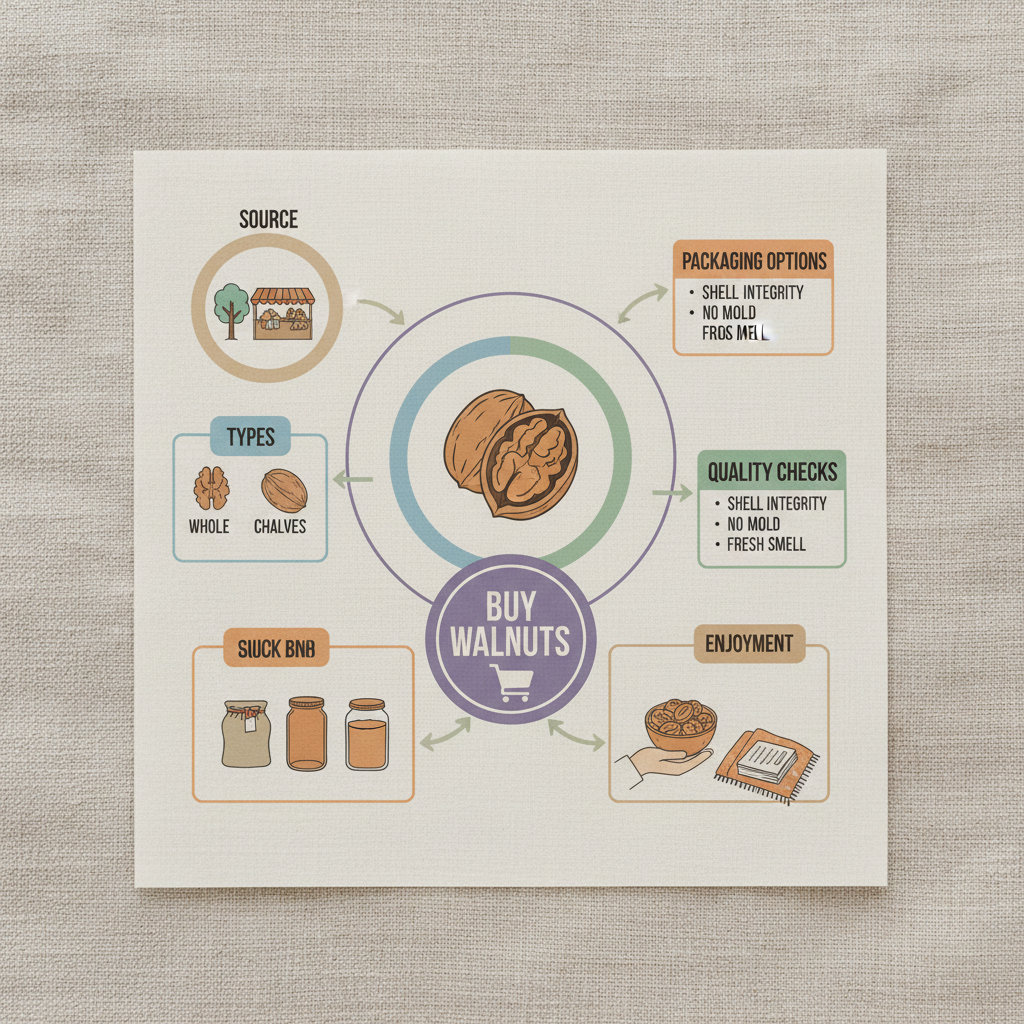
Finally, verify origin and grading standards. Reputable suppliers often provide clear information about walnut variety, size classification (such as diameter in millimeters), moisture control, and packaging specifications. By evaluating these factors carefully, buyers can confidently select high-quality thin shell walnut products that meet both consumer expectations and international trade requirements.
Xinjiang Thin Shell Walnut Varieties and Their Market Value
Xinjiang is widely recognized for producing premium Xinjiang walnut varieties, especially high-yield and export-oriented thin shell walnut cultivars such as 185, Xin2, 33, and Xinfeng. Each variety offers distinct characteristics in shell thickness, kernel color, oil content, and market positioning, making walnut in shell products from Xinjiang highly competitive in global trade.
185 walnut is one of the most well-known commercial varieties. It is valued for its stable yield, relatively uniform size, and smooth shell surface. As a representative thin shell walnut, 185 typically features easy cracking performance while maintaining strong shell integrity during transport. The kernel is often light in color and rich in natural oils, which enhances both flavor and grading potential. Due to its balance of quality and output, 185 Xinjiang walnut in shell products are popular in bulk export markets.
Xin2 walnut is another widely cultivated variety recognized for its thin shell structure and high kernel percentage. Compared to standard walnuts, Xin2 generally offers easier shell separation and a higher whole-kernel rate, which is especially attractive for processing buyers. The plump kernel and pleasant aroma make this walnut in shell variety suitable for both retail and food manufacturing applications.
33 walnut is often appreciated for its larger fruit size and visually appealing appearance. Larger diameter thin shell walnut products typically command higher retail prices because of their premium look. This variety is commonly selected for high-end packaging and gift markets, where size consistency and shell smoothness influence purchasing decisions.
Xinfeng walnut is known for its adaptability and stable production. It delivers reliable quality with balanced shell thickness and consistent kernel color. As a commercial Xinjiang walnut variety, Xinfeng supports steady supply volumes for international buyers seeking dependable sourcing.
Together, these major Xinjiang thin shell walnut varieties strengthen the region’s reputation as a leading supplier of high-quality walnut in shell products. Their combination of thin yet durable shells, high kernel yield, and favorable flavor profile directly contributes to strong market demand and long-term commercial value in global walnut trade.
noix en coque en vrac
noix en coque en gros
noix entières à vendre