Understanding the market dynamics of walnut procurement is essential for wholesalers and food manufacturers worldwide. When evaluating the walnuts cost per kg, buyers must consider various factors including origin, kernel grade, and processing methods. As a global commodity, the pricing of these nutrient-dense kernels reflects the balance between agricultural yield and international demand.
From an industrial perspective, the transition from raw in-shell walnuts to stripped kernels involves complex processing that directly impacts the final market value. The cost is not merely a number but a reflection of quality standards, such as BRC certification and the precision of stripping techniques. Ensuring a stable supply chain allows businesses to manage their budgets effectively while maintaining high product standards.
For those seeking premium Chinese walnuts, the walnuts cost per kg is influenced by the specific grade—whether they are Extra Light Halves or Amber Pieces. By sourcing directly from integrated factory-trade companies like Hebei Luhua, buyers can optimize their procurement costs while ensuring they receive healthy, delicious, and high-quality baking ingredients.
Factors Influencing Walnuts Cost Per Kg
Several core variables determine the final price of walnut kernels. Primarily, the color of the kernel plays a significant role; "Extra Light" kernels are generally more prized and command a higher premium than "Amber" varieties. This aesthetic preference in the baking and confectionery industries directly correlates to the walnuts cost per kg, as lighter kernels are often associated with fresher processing and specific cultivation conditions.
Additionally, the physical form—halves, quarters, or pieces—affects the pricing. Halves are the most expensive due to the care required during the stripping process to keep the kernel intact. Conversely, pieces and crumbs are more affordable, making them ideal for industrial applications where the visual whole nut is not required, but the nutritional profile and taste must remain consistent.
Grading Systems and Price Variations
The industry utilizes a strict grading system to standardize the market. For instance, Extra Light Halves (ELH) sit at the top of the pyramid, offering the most visual appeal and a clean taste. As you move down to Light Halves (LH) and then to Light Amber Halves (LAH), the price adjusts to reflect these subtle changes in color and appearance.
Beyond color, the size and integrity of the kernel are vital. Quarters (LQ, LAQ) and Pieces (LP, LAP) provide versatile options for manufacturers. When calculating the walnuts cost per kg, these grades allow buyers to select a product that fits their specific budget without sacrificing the essential quality of the Chinese walnut.
Consistency in grading is guaranteed by certifications such as the BRC quality system. A factory that integrates planting bases with professional production lines can offer more stable pricing because they control the entire value chain, reducing the volatility often found in middleman-heavy trade.
The Impact of Processing on Market Value
The method of skin removal is a critical factor in determining the value of stripped kernels. Using a physical process to remove the outer skins ensures that the kernels do not taste bitter, which is a hallmark of high-quality processing. This attention to detail prevents the loss of the walnut's natural sweetness and directly enhances the walnuts cost per kg by increasing the product's marketability.
Furthermore, the application of low-temperature roasting technology is a game-changer. Unlike high-heat methods that can scorch the nut and destroy nutrients, low-temperature roasting preserves the nutritional value and sweetness. This technical superiority justifies a higher walnuts cost per kg because the resulting product has a superior shelf life and a more refined flavor profile.
Ultimately, the investment in advanced production equipment and experienced staff ensures that the quantity and quality of the output remain stable. When a factory can provide OEM/ODM customization, including specific label and packaging needs, it adds a layer of service value that goes beyond the raw commodity price.
Comparative Analysis of Sourcing Models
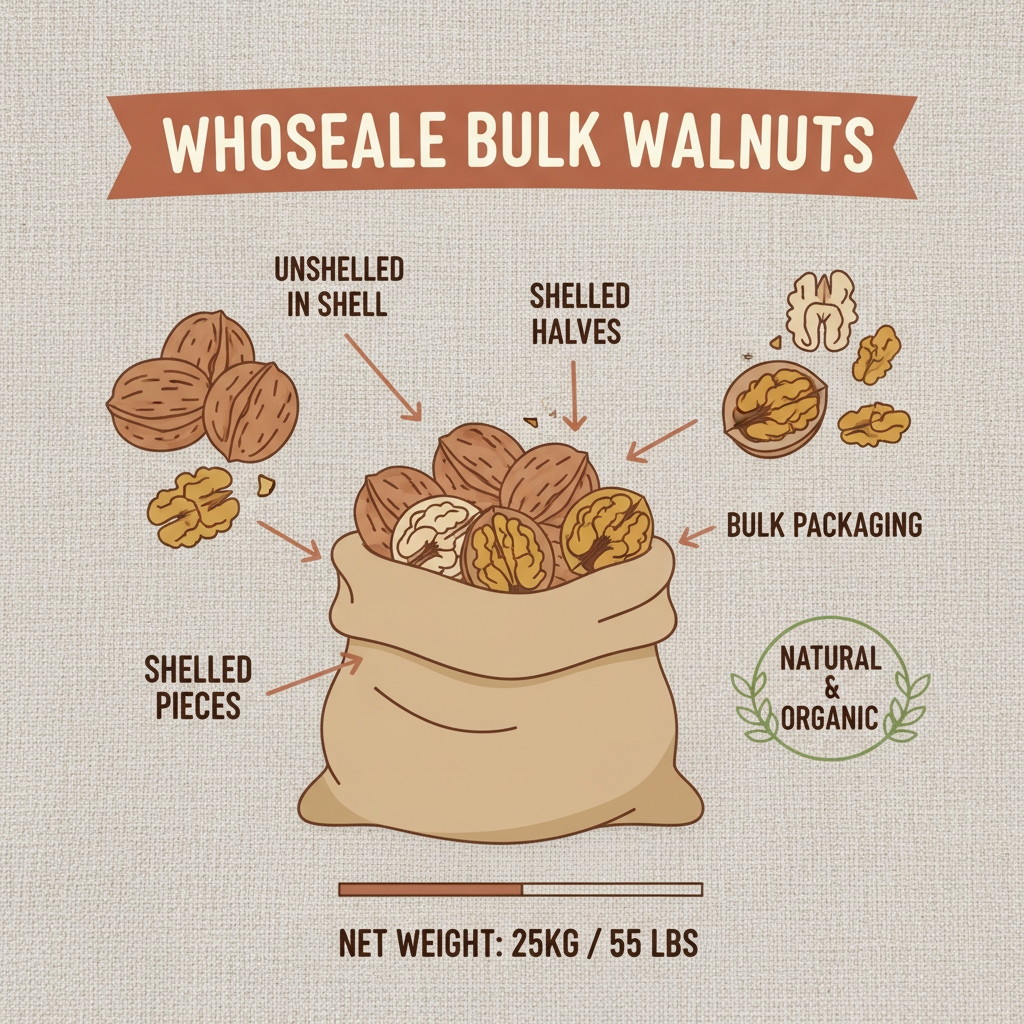
Choosing between sourcing in-shell walnuts versus stripped kernels is a strategic decision based on convenience and shelf life. In-shell walnuts are naturally protected from air and moisture, which can lower the immediate walnuts cost per kg in terms of processing fees, but increase labor costs for the end-user who must crack them.
Stripped kernels, while carrying a higher initial price per kg, offer immense operational efficiency for bakeries and food factories. The removal of the shelling step reduces waste and speeds up production cycles, meaning the higher "cost per kg" is offset by lower overall operational overhead.
Sourcing Efficiency vs. Walnuts Cost Per Kg
Global Supply Chain and Logistics Costs
The journey of a walnut from a Chinese planting base to a customer in Europe or North America involves several cost layers. Shipping, customs clearance, and specialized packaging—such as vacuum sealing in 10kg or 12.5kg bags—all contribute to the final walnuts cost per kg.
To mitigate these costs, professional exporters utilize mature logistics channels and maintain year-round inventory. This ensures that delivery times remain within 7-15 days, preventing costly production delays for the importer and stabilizing the price regardless of seasonal fluctuations in the harvest.
Storage Solutions and Long-term Value
Proper storage is the only way to protect the investment made in the walnuts cost per kg. Because shelled walnuts are exposed to oxygen, they can become rancid if not stored correctly. The industry standard suggests using airtight containers and refrigeration or freezing to maintain nutritional quality.
With a shelf life of up to 24 months when properly handled, bulk buyers can purchase during peak harvest seasons to lock in lower prices. This strategic stockpiling allows companies to maintain a consistent cost of goods sold (COGS) throughout the fiscal year.
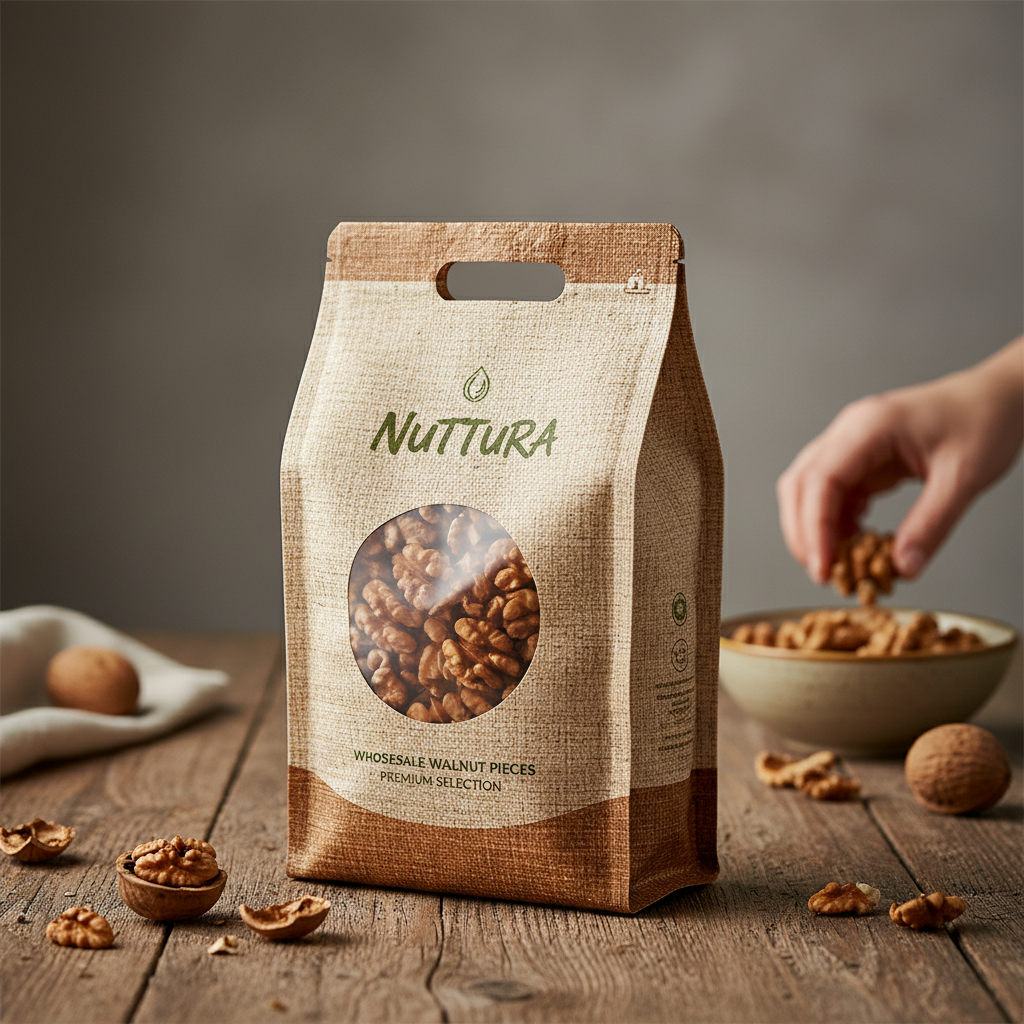
The use of vacuum packaging, as offered by Hebei Luhua, significantly extends the freshness of the kernels. By removing air from the 2x5kg or 12.5kg packs, the oxidation process is slowed, ensuring that the "Extra Light" color and sweet taste are preserved until the moment of use.
Strategic Procurement and Cost Optimization
For wholesalers, the key to optimizing the walnuts cost per kg is to partner with a source factory that integrates production and trade. This eliminates the margins added by multiple intermediaries, providing a direct-from-factory price that is competitive on the global stage.
Leveraging OEM and ODM services also allows brands to customize their packaging and labels, creating a retail-ready product without the need for secondary processing. This integration reduces the overall "landed cost" of the product, increasing the profit margin for the distributor.
Ultimately, the most cost-effective procurement strategy involves balancing volume, grade, and delivery speed. Whether ordering a small batch for testing or a mass production run, working with a BRC-certified facility ensures that the quality is guaranteed, reducing the risk of costly product returns or losses.
Analysis of Walnut Kernel Grades and Value Metrics
| Kernel Grade |
Visual Appeal |
Market Demand |
Cost Index (1-10) |
| Extra Light Halves |
Excellent |
Very High |
10 |
| Light Halves |
High |
High |
8 |
| Light Amber Halves |
Moderate |
Medium |
7 |
| Light Quarters |
Good |
High (Industrial) |
6 |
| Amber Pieces |
Basic |
Medium |
5 |
| Mixed Crumbs |
Low |
Industrial Only |
4 |
FAQS
The most significant factors are the color grade (Extra Light vs. Amber), the form (Halves vs. Pieces), and the processing method. Low-temperature roasting and physical skin removal increase the value by improving taste and nutrition. Additionally, BRC certification and the reliability of the supply chain play a role in the final wholesale price.
It depends on your operational needs. In-shell walnuts have a lower initial cost per kg and longer natural shelf life. However, stripped kernels reduce labor costs, eliminate waste, and are ready for immediate use in baking and food production, often providing a better overall return on investment for commercial businesses.
The best way is to source from a BRC-certified factory that integrates its own planting base. This ensures full traceability and quality control. Requesting free samples and verifying the processing techniques (like low-temperature roasting) will help you ensure that the product matches the specified grade and price.
Stripped walnut kernels generally have a shelf life of 24 months if stored correctly. To maintain this, they should be kept in airtight, vacuum-sealed packaging and stored in a cool, dry place or refrigerated to prevent the healthy fats from oxidizing and becoming rancid.
Yes, professional exporters like Hebei Luhua provide comprehensive OEM and ODM services. This includes customized labels, various packaging sizes (10kg, 12.5kg, or 2x5kg vacuum packs), and specific grade mixes to meet the exact requirements of your target market.
The ideal time to purchase is during the peak harvest season when supply is highest. By partnering with a factory that maintains year-round inventory, you can lock in favorable prices and ensure a steady supply, avoiding the price spikes that occur during off-peak months.
Conclusion
Navigating the complexities of the walnuts cost per kg requires a deep understanding of grading, processing, and supply chain logistics. By prioritizing quality markers such as BRC certification and low-temperature roasting, buyers can ensure they receive a product that offers both nutritional value and commercial appeal. The balance between kernel grade and form allows for strategic procurement that aligns with specific budget and production needs.
Looking forward, the trend toward healthy, natural ingredients will continue to drive demand for premium stripped walnut kernels. For businesses aiming to scale, partnering with an integrated source factory is the most reliable way to ensure quality consistency and cost efficiency. We invite you to explore our professional export services and find the perfect walnut solution for your business. Visit our website: www.luhuawalnut.com