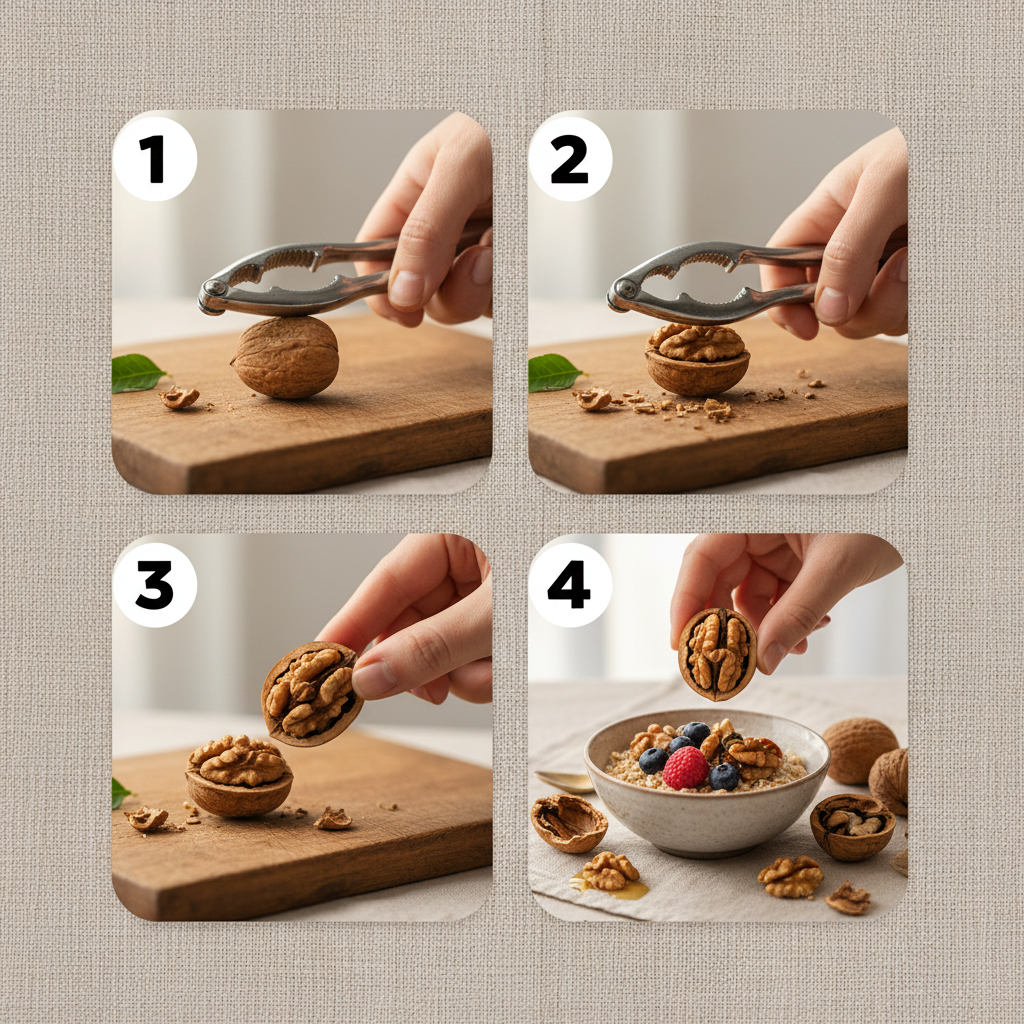
Understanding the dynamics of the walnut with shell price is essential for wholesalers, food manufacturers, and retail distributors operating in the global nut trade. As a staple of the health-food industry, the cost of in-shell walnuts is influenced by harvest yields, regional climate shifts, and the growing demand for natural, nutrient-dense snacks. For businesses, monitoring these price fluctuations ensures optimal procurement timing and sustainable profit margins.
From an industrial perspective, the walnut with shell price serves as the baseline for calculating the value of processed derivatives, such as walnut kernels and broken pieces. While the shell provides a natural protective barrier that extends shelf life, the cost of procurement must be balanced against the labor and machinery required for shelling. This economic relationship dictates whether a company sources whole nuts or pre-shelled kernels.
Navigating the complexities of the market requires a partnership with a reliable source factory that can offer stable pricing and certified quality. By analyzing the walnut with shell price, importers can make informed decisions that balance cost-efficiency with the high nutritional standards expected by modern consumers.
Global Market Drivers of Walnut with Shell Price
The global walnut with shell price is primarily driven by the intersection of agricultural supply and shifting consumer dietary trends. As more populations shift toward plant-based diets and recognize the brain-boosting benefits of Omega-3 fatty acids, the demand for raw walnuts has surged. This increased demand often puts upward pressure on prices, especially when major producing regions face adverse weather conditions or crop diseases.
Furthermore, geopolitical stability and trade agreements play a significant role in determining the landed cost of walnuts. Tariffs, shipping lane availability, and export quotas in primary growing regions like China can create volatility in the walnut with shell price. Companies that secure long-term contracts with source factories are better positioned to hedge against these unpredictable market swings.
The Relationship Between Shelling and Cost Efficiency
For many B2B buyers, the decision to purchase walnuts in-shell versus as kernels is a matter of operational cost efficiency. Purchasing based on the walnut with shell price offers the advantage of maximum freshness and a longer natural shelf life, as the shell acts as a biological vacuum seal. However, this requires the buyer to possess the industrial shelling equipment and labor necessary to extract the kernels.
Conversely, sourcing processed kernels eliminates the need for onsite shelling but usually involves a higher per-kilogram cost to cover the factory's processing overhead. When evaluating the walnut with shell price, businesses must calculate the "break-even" point—comparing the cost of raw nuts plus processing labor against the price of ready-to-use kernels.
Ultimately, the most cost-effective strategy often depends on the final product. For example, a company selling premium gift sets of whole walnuts will find the in-shell price most relevant, whereas a commercial bakery focusing on brownies or granola will prioritize the price of broken kernels to maximize their ROI.
Quality Certifications and Their Impact on Market Value
Quality assurance is a non-negotiable factor that directly influences the walnut with shell price in the international market. Certification from recognized bodies, such as the BRC (British Retail Consortium) quality system, signals to global importers that the factory adheres to strict hygiene, safety, and traceability standards. This certification allows a manufacturer to command a premium price due to the reduced risk of contamination.
When a factory integrates planting bases with a complete scientific quality management system, the stability of the walnut with shell price becomes more predictable. By controlling the raw material from the orchard to the packing line, the manufacturer can ensure consistent kernel yield and color, which are primary metrics used by buyers to determine fair market value.
Moreover, the ability to offer OEM and ODM customization services adds value to the baseline walnut with shell price. When a factory provides label and packaging customization, they are no longer selling a mere commodity but a market-ready retail product, which significantly enhances the overall value proposition for the distributor.
Comparative Analysis of Walnut Procurement Options
Choosing the right form of walnut procurement requires a deep understanding of how the walnut with shell price translates into usable product weight. In-shell walnuts are the most stable for long-term storage, but they carry the weight of the shell, which does not contribute to the final nutritional product.
For industrial food processing, the focus shifts toward broken kernels and mixed crumbs. While these lack the aesthetic appeal of whole halves, they offer the highest ROI because they are naturally occurring by-products of the shelling process, making them significantly more affordable than whole kernels.
Procurement Value Analysis Relative to Walnut with Shell Price
Strategic Sourcing for Large-Scale Manufacturing
For large-scale confectionery and bakery manufacturers, sourcing strategies revolve around minimizing the impact of the walnut with shell price on the final product's COGS (Cost of Goods Sold). These enterprises typically prioritize "Broken Kernels" and "Mixed Crumbs" for fillings and doughs, where the visual shape is irrelevant, but the nutty flavor and nutritional profile must remain intact.
By establishing a direct relationship with a source factory that possesses its own planting base, manufacturers can bypass intermediaries, effectively lowering the walnut with shell price they pay. This direct-from-factory model ensures a year-round inventory, preventing production halts during off-season periods and ensuring a consistent supply chain.
Logistical Factors Influencing Final Delivery Costs
The nominal walnut with shell price is only one part of the total landed cost; logistics and packaging are equally critical. In-shell walnuts are bulkier and heavier than kernels, which increases shipping costs per unit of actual edible nut. However, they are more resilient during transport, requiring less specialized protective packaging than vacuum-sealed kernels.
Packaging options, such as 10kg, 12.5kg, or 2x5kg vacuum packs, allow buyers to optimize their warehouse storage and reduce spoilage. The ability of a factory to offer customized packaging ensures that the product arrives in a state that minimizes further handling, thereby protecting the investment made based on the initial walnut with shell price.
Furthermore, a delivery timeframe of 7-15 days is a competitive benchmark in the industry. Fast and reliable logistics channels reduce the capital tie-up for the importer, making the effective cost of the walnut with shell price more attractive by increasing inventory turnover rates.
Economic Breakdown of Walnut Grade Pricing
The market segments walnuts into various grades, and each grade has a different economic relationship with the base walnut with shell price. Extra Light Halves (ELH) represent the premium tier, commanding the highest price due to their visual appeal and suitability for high-end retail.
As the grade moves toward Light Amber Pieces (LAP) or Mixed Crumbs, the price drops, providing an opportunity for industrial buyers to reduce costs. This grading system allows businesses to "mix and match" their inventory—using premium halves for garnishes and crumbs for internal fillings.
Understanding this hierarchy is key to optimizing a budget. A savvy procurement manager doesn't just look at the general walnut with shell price but analyzes the yield of each grade to ensure they are not paying a premium for aesthetics that the end consumer will not see.
Comparison of Walnut Grades and Their Value Proposition
| Grade Type |
Visual Quality |
Market Price Level |
Primary Use Case |
| Extra Light Halves |
Highest (Premium) |
High |
Luxury Retail / Gifting |
| Light Quarters |
Good |
Medium |
Bakery / Salads |
| Light Pieces (LP) |
Moderate |
Low-Medium |
Pastry Fillings |
| Mixed Crumbs |
Low (Fragmented) |
Lowest |
Industrial Food Processing |
| Amber Halves |
Standard |
Medium |
General Consumption |
| In-Shell Raw |
Natural |
Baseline |
Long-term Storage / Shelling |
FAQS
The price is primarily influenced by agricultural yields, weather conditions in major growing regions like China, and global demand for Omega-3 rich foods. Additionally, shipping costs, import tariffs, and the timing of the harvest cycle can cause short-term price volatility.
It depends on your infrastructure. Buying based on the walnut with shell price is cheaper per unit of raw material and better for long-term storage. However, if you lack industrial shelling equipment, purchasing pre-processed kernels is more efficient as it saves on labor and machinery costs.
BRC certification ensures a higher standard of food safety and quality management. While this may lead to a slightly higher walnut with shell price, it provides buyers with a guarantee of hygiene and traceability, which is essential for entering premium retail markets and reducing the risk of costly product recalls.
Broken kernels are a natural byproduct of the shelling and sorting process. Since they lack the visual perfection required for high-end retail packaging, they are positioned as a budget-friendly option for industrial users who prioritize taste and nutrition over appearance.
To protect the investment made at the walnut with shell price, walnuts should be stored in a cool, dry place away from sunlight. For kernels, airtight vacuum packaging and refrigeration are recommended to prevent the oxidation of healthy oils, which can lead to rancidity.
Yes, professional export factories offer OEM/ODM services, including customized labels and vacuum packaging (e.g., 10kg or 12.5kg bags). This allows businesses to bring products to market more quickly without needing additional packaging facilities.
Conclusion
Analyzing the walnut with shell price is more than a simple exercise in cost-tracking; it is a strategic necessity for any business in the nut processing or retail sector. By understanding the interplay between raw agricultural costs, processing grades, and quality certifications like BRC, importers can optimize their supply chains to ensure both profitability and product excellence. The transition from raw in-shell walnuts to specialized grades like Extra Light Halves or Mixed Crumbs allows for a flexible procurement strategy that caters to different market segments.
Looking forward, the integration of direct-from-factory sourcing and sustainable planting bases will likely stabilize the walnut with shell price and improve transparency in the global trade. We recommend that businesses focus on building long-term partnerships with certified manufacturers to hedge against market volatility. For those seeking high-quality Chinese walnuts with professional export services, we invite you to visit our website: www.luhuawalnut.com