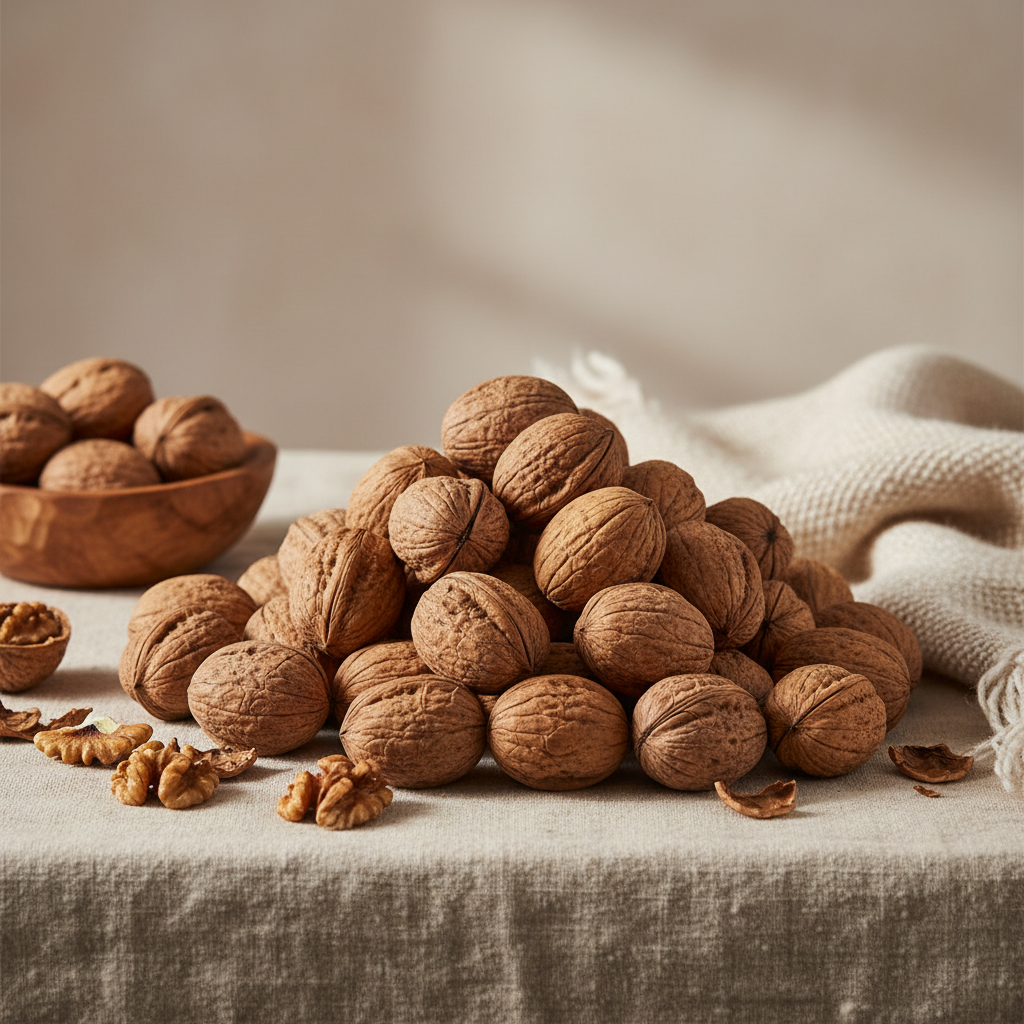
Understanding the role of whole walnut shells is essential for anyone involved in the nut processing industry, as these protective exteriors serve as the first line of defense for the nutrient-dense kernels within. Globally, the demand for high-quality walnuts has grown, leading to a deeper appreciation for the structural integrity and preservation capabilities offered by the natural shell.
The significance of maintaining the shell extends beyond simple protection; it plays a pivotal role in the logistics of shelf-life extension and flavor preservation. By understanding the properties of whole walnut shells, processors and wholesalers can optimize their supply chains to ensure that the delicate oils in the kernels do not oxidize before reaching the end consumer.
Ultimately, whether a consumer chooses shelled kernels for convenience or prefers the longevity of nuts in their original casing, the chemistry and physics of whole walnut shells remain the foundation of the industry. This guide explores the balance between convenience and preservation, providing an educational overview of how these natural barriers impact the global nut market.
Global Relevance of Whole Walnut Shells
On a global scale, whole walnut shells act as a natural packaging system that allows the trade of walnuts across vast distances. In markets like North America, Europe, and Asia, the ability to transport nuts in their shells significantly reduces the risk of rancidity, which is a common challenge in the edible oil and nut industry.
The industrial challenge addressed by the shell is the vulnerability of omega-3 fatty acids to air, moisture, and light. By maintaining the kernel within the whole walnut shells, the food industry can adhere to international food safety standards and reduce the reliance on artificial preservatives or vacuum packaging during the primary transport phase.
Defining the Structure of Whole Walnut Shells
In simple terms, whole walnut shells are the hard, woody endocarps that enclose the seed (the kernel). This biological structure is designed by nature to protect the embryo from pests, fungi, and environmental extremes, ensuring that the walnut can survive until the conditions are right for germination.
In the context of modern industry, these shells are not merely waste products but are essential for the "in-shell" market segment. The structural density of whole walnut shells determines the ease of mechanical cracking and the overall yield of intact halves, which are highly prized in the culinary and baking sectors.
From a humanitarian and nutritional perspective, providing walnuts in their shells ensures that the nutrients remain bio-available and untainted for longer periods. This is particularly useful in regions with limited cold-chain infrastructure, where the shell serves as the primary means of food security for this high-protein crop.
Core Protective Components of Whole Walnut Shells
The durability of whole walnut shells is derived from their complex lignin composition, which provides a rigid barrier against external pressure. This physical toughness ensures that kernels are not crushed during mass production and shipping.
Another critical factor is the airtight seal provided by whole walnut shells. By limiting the ingress of oxygen, the shell prevents the oxidation of unsaturated fats, which is the primary cause of the bitter "off-flavor" found in poorly stored shelled walnuts.
Cost efficiency is also linked to the shell; since the natural casing reduces the need for expensive moisture-barrier plastics in bulk storage, whole walnut shells contribute to a more sustainable and cost-effective agricultural supply chain.
Practical Applications and Value Factors
The application of whole walnut shells varies based on the end-user's priority. For the long-term stockpiler, the shell is an indispensable tool for freshness. In contrast, for the industrial baker, the shell is a barrier to be removed efficiently to access the kernels.
The value of the product is often measured by the "crackability" and the integrity of the shell, as damaged whole walnut shells can lead to premature kernel spoilage.
Comparative Value of Whole Walnut Shells Processing
Industrial Use Cases for Whole Walnut Shells
In the food processing industry, the separation of the kernel from the whole walnut shells is a precision operation. Using low-temperature roasting and physical removal processes, factories can ensure that the kernels remain sweet and nutritious while the shells are collected for secondary uses.
Beyond food, whole walnut shells are utilized in industrial abrasive blasting. Because they are hard yet biodegradable, they are used to clean delicate surfaces without causing the structural damage that metal abrasives might, making them a favorite in the aerospace and automotive restoration industries.
Long-Term Value of Natural Preservation
The long-term value of maintaining walnuts in whole walnut shells lies in the reduction of food waste. When kernels are exposed, they have a significantly shorter window of peak quality. By selling in-shell, producers empower the consumer to "harvest" the nut exactly when needed, ensuring maximum freshness.
From a sustainability angle, the shell is the ultimate eco-friendly packaging. Unlike plastic vacuum bags, whole walnut shells are fully compostable, returning organic matter to the soil and reducing the carbon footprint of the global nut trade.
Furthermore, the trust associated with "in-shell" products is higher among health-conscious consumers. The presence of the whole walnut shells serves as a visual guarantee that the product is in its most natural state, free from excessive processing or additive preservatives.
Future Trends in Walnut Shell Processing
The future of the industry is moving toward "Zero Waste" processing. Innovations are being developed to convert the lignin in whole walnut shells into bio-plastics or high-energy biofuels, transforming a byproduct into a primary revenue stream for factories.
Digital transformation is also playing a role, with AI-driven sorting machines now able to analyze the thickness and integrity of whole walnut shells before cracking. This ensures that only the highest quality kernels are extracted, reducing waste and improving the consistency of the final product.
As global regulations on single-use plastics tighten, we expect a resurgence in the popularity of whole walnut shells as the preferred delivery method for premium nuts, combining luxury, health, and environmental responsibility.
Comparative Analysis of Whole Walnut Shell Applications
| Application Area |
Primary Benefit |
Sustainability Score |
Market Demand |
| Food Preservation |
Oxidation Prevention |
10/10 |
Very High |
| Industrial Abrasives |
Non-destructive Cleaning |
9/10 |
Moderate |
| Bio-fuel Production |
Renewable Energy |
8/10 |
Emerging |
| Horticultural Mulch |
Soil Moisture Retention |
10/10 |
High |
| Animal Bedding |
Absorbency & Texture |
7/10 |
Low |
| Eco-Packaging |
Plastic Replacement |
9/10 |
Increasing |
FAQS
Whole walnut shells act as a natural airtight seal that prevents oxygen, moisture, and light from reaching the kernel. Since walnut kernels are high in polyunsaturated fats, they are prone to oxidation. The shell significantly slows this process, preventing the nuts from becoming rancid and maintaining their natural sweet flavor for a much longer period.
Yes, whole walnut shells are 100% biodegradable and organic. They can be added to compost piles to provide carbon-rich material or used in gardens as a natural mulch to suppress weeds and retain soil moisture. In industrial settings, they are often recycled into abrasive blasting media or biomass fuel.
The shells do not change the nutrition of the kernel, but they protect it. By shielding the kernel from environmental degradation, whole walnut shells ensure that the omega-3 fatty acids, antioxidants, and proteins remain intact from the moment of harvest until the shell is cracked.
Absolutely. For long-term storage, in-shell walnuts are the superior choice. While shelled kernels require airtight containers and refrigeration or freezing to prevent spoilage, walnuts in their shells can stay fresh for significantly longer in a cool, dry place due to their natural protective casing.
Professional factories use precision mechanical cracking equipment designed to apply the exact amount of pressure needed to break the whole walnut shells without crushing the internal kernel. This process is often followed by air-sorting to separate the shells from the halves and pieces.
The primary risk is moisture. If whole walnut shells are stored in an overly humid environment, moisture can seep through micro-cracks, potentially leading to mold. Ensuring a cool, dry, and well-ventilated storage area is key to maximizing the shell's protective benefits.
Conclusion
In summary, whole walnut shells are far more than just a byproduct of the nut industry; they are a sophisticated natural delivery system that ensures quality, safety, and sustainability. From their role in preventing oxidation to their emerging applications in green industrial technology, the shell provides immense value to both the producer and the consumer.
As the world moves toward more sustainable food systems, the reliance on natural packaging like the walnut shell will likely increase. We encourage wholesalers and consumers alike to appreciate the balance between the convenience of stripped kernels and the unparalleled preservation of the whole nut. For high-quality walnut products and professional export services, visit our website: www.luhuawalnut.com