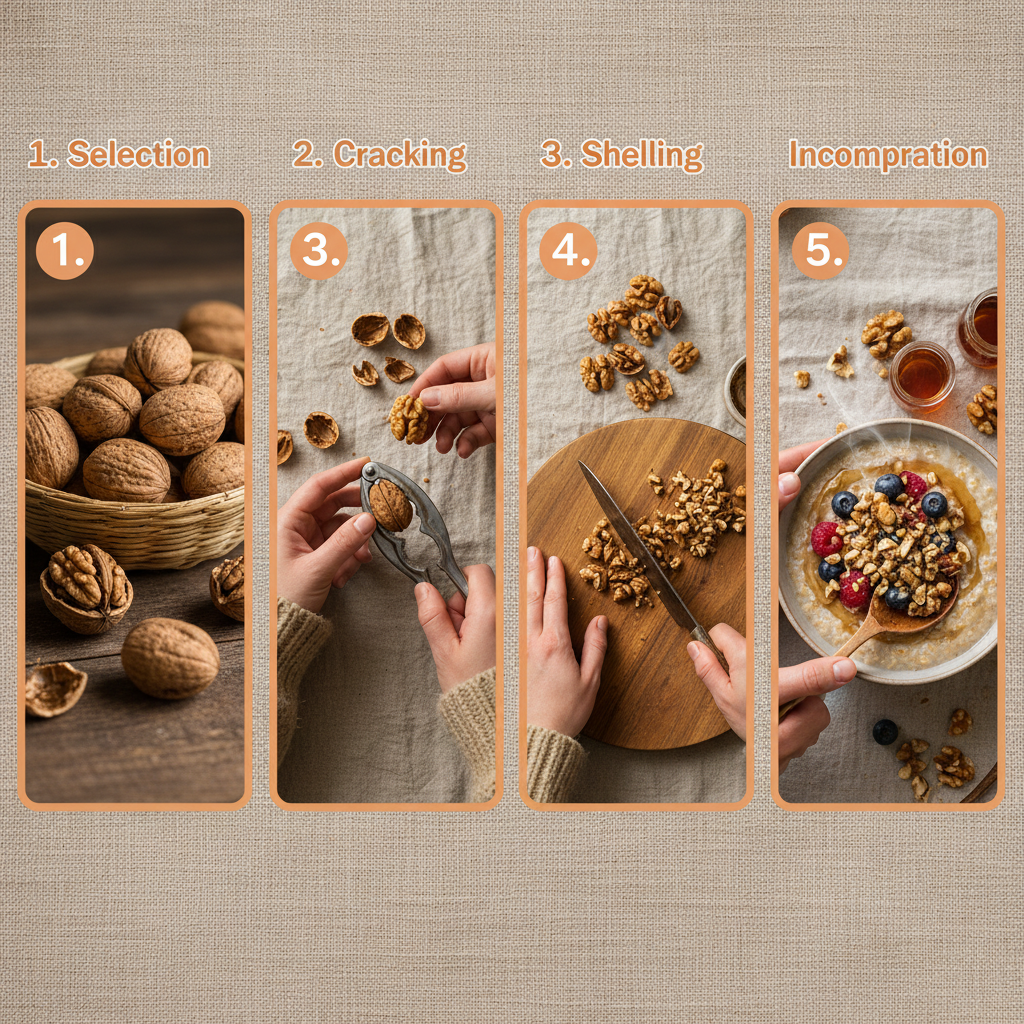
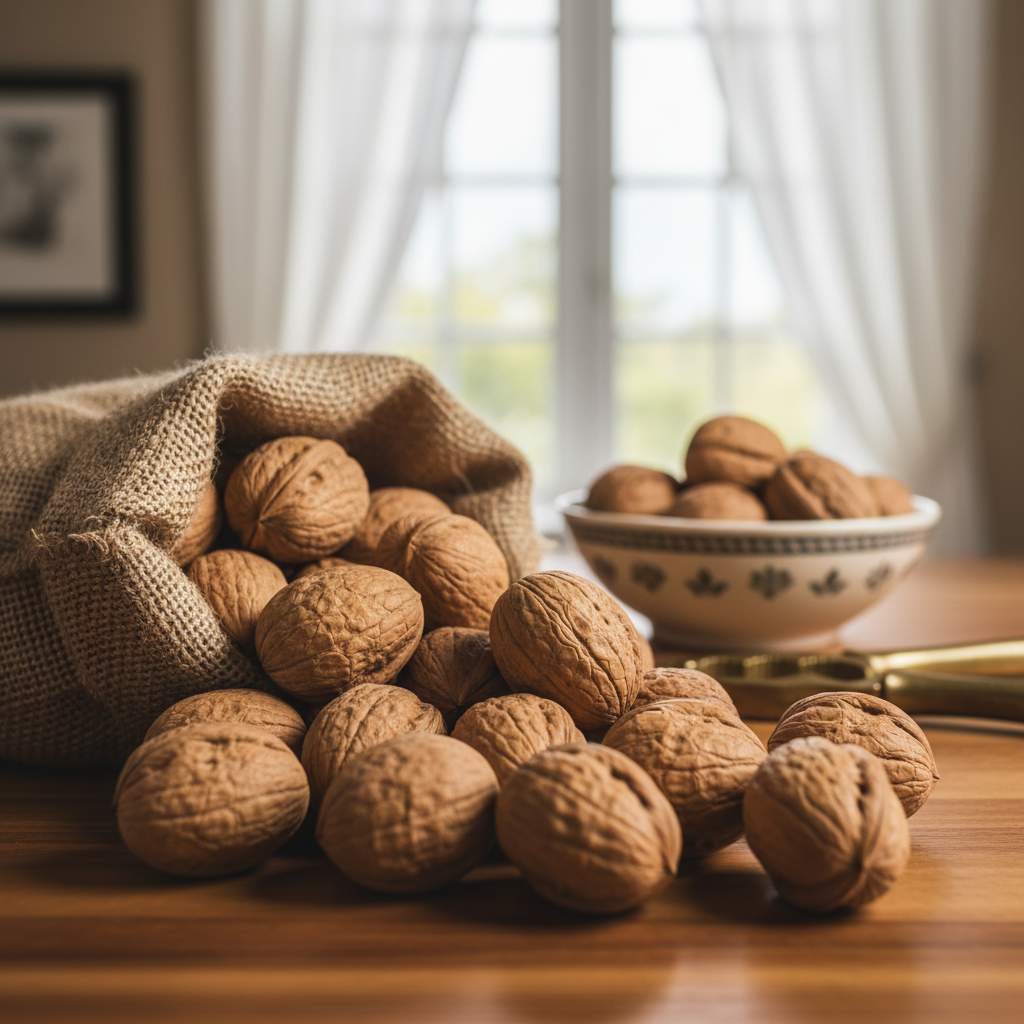
The global appetite for nutrient-dense superfoods has catapulted fresh walnuts into the spotlight of the functional food industry. Unlike their dried counterparts, fresh walnuts retain a distinct moisture profile and a creamy texture that appeals to gourmet culinary applications and health-conscious consumers alike. Understanding the journey from the orchard to the table is essential for distributors and retailers aiming to maximize the shelf-life and nutritional integrity of this premium crop.
From a macroeconomic perspective, the trade of fresh walnuts is influenced by climatic stability and evolving agricultural technologies. As demand surges in Asia and Europe, the industry is shifting toward more sustainable harvesting methods that minimize bruising and oxidation. This transition not only preserves the delicate omega-3 fatty acids but also ensures that the final product meets the stringent quality standards of international food safety certifications.
However, the volatility of the fresh produce market presents significant challenges, particularly regarding cold-chain logistics and oxidation prevention. By focusing on the intersection of traditional farming and modern processing, stakeholders can unlock the full commercial potential of fresh walnuts, transforming a seasonal harvest into a stable, high-value global commodity.
Global Market Dynamics of Fresh Walnuts
The international trade of fresh walnuts has seen a steady incline, driven largely by the "healthy snacking" trend. According to agricultural trade data, the demand for raw, unprocessed nuts is increasing as consumers move away from salted or roasted alternatives. This shift has forced producers to optimize their supply chains to ensure that the "fresh" status is maintained from the moment of hulling to the point of consumption.
Geographically, production hubs in North America and Central Asia are refining their export strategies to enter the high-end European and East Asian markets. The challenge remains in balancing the high moisture content of fresh walnuts with the need for long-distance transport, necessitating a sophisticated blend of vacuum packaging and temperature-controlled logistics to prevent rancidity.
Defining Quality in Fresh Walnuts
In the context of professional processing, fresh walnuts are defined as those harvested and processed within a narrow window to maintain a specific hydration level and nutrient density. Unlike fully cured nuts, fresh walnuts possess a milder flavor profile and a higher percentage of volatile oils, which contribute to their characteristic aroma and creamy mouthfeel.
From an industrial standpoint, "freshness" is quantified by the lack of oxidation in the polyunsaturated fats. When walnuts are exposed to air for too long without proper sealing, these fats break down, leading to a bitter taste. Therefore, the industry defines quality through a combination of visual shell integrity, kernel color (ranging from creamy white to light gold), and a low peroxide value.
This definition is crucial for humanitarian and nutritional programs where high-calorie, nutrient-dense foods are required. By maintaining the "fresh" state, these walnuts provide maximum bioavailability of alpha-linolenic acid (ALA), making them an indispensable resource for dietary supplementation in remote or underdeveloped regions.
Core Components of Fresh Walnut Processing
The scalability of fresh walnuts production depends heavily on the efficiency of the hulling process. Mechanical hullers must be calibrated to remove the outer green husk without damaging the hard shell, as any breach in the shell can lead to premature oxidation and mold growth, compromising the entire batch.
Cost efficiency is achieved through integrated drying systems that slowly reduce moisture levels without shocking the nut. For fresh walnuts, the goal is not total dehydration but a controlled reduction that stabilizes the kernel while preserving the "fresh" sensory characteristics that premium buyers demand.
Durability in the supply chain is the final core component. This involves the use of Modified Atmosphere Packaging (MAP), which replaces oxygen with nitrogen to inhibit the growth of aerobic bacteria and slow down the enzymatic reactions that lead to spoilage, ensuring the walnuts arrive at their destination in peak condition.
Performance Metrics for Storage Methods
Selecting the right storage methodology for fresh walnuts is a critical decision that impacts both the bottom line and the consumer experience. Different methods offer varying levels of protection against the three main enemies of freshness: heat, light, and oxygen.
By analyzing the degradation rates across different storage environments, producers can determine the optimal window for shipping. The following data illustrates how different preservation techniques score in terms of maintaining the nutritional and taste integrity of the product over a 6-month period.
Fresh Walnuts Preservation Effectiveness Comparison
Industrial Applications and Use Cases
In the culinary world, fresh walnuts are prized for their versatility. High-end pastry chefs use them to create emulsions and creams that are impossible to achieve with dried kernels, as the natural oils in fresh nuts provide a smoother, more cohesive texture. This has led to a surge in demand from the luxury confectionery industry in regions like France and Belgium.
Beyond the kitchen, fresh walnuts are utilized in the pharmaceutical and cosmetic sectors. The raw oils extracted from fresh kernels are rich in antioxidants, which are incorporated into anti-aging serums and skin-repair creams. In remote industrial zones, these nuts are also provided as high-energy supplements for workers in extreme climates, where the caloric density and brain-boosting properties of the walnuts are highly valued.
Long-Term Economic and Health Value
Investing in the production of fresh walnuts offers substantial long-term economic advantages. By moving up the value chain from bulk commodities to "premium fresh" products, growers can command significantly higher price points. This value addition is supported by the growing consumer willingness to pay for transparency, traceability, and "farm-to-table" freshness.
From a health perspective, the long-term value is evident in the prevention of chronic diseases. Regular consumption of fresh walnuts is linked to improved cardiovascular health and cognitive function. Because fresh walnuts maintain a higher concentration of polyphenols than those subjected to high-heat roasting, they offer superior anti-inflammatory benefits.
Ultimately, the trust established between the producer and the consumer is the most valuable asset. When a brand consistently delivers fresh walnuts that are free from rancidity and rich in nutrients, it creates a loyal customer base that transcends seasonal fluctuations, ensuring a stable revenue stream for the agricultural enterprise.
Future Innovations in Walnut Preservation
The future of fresh walnuts lies in the integration of "Smart Packaging" and IoT monitoring. Future shipments will likely feature sensors that track temperature and humidity in real-time, alerting distributors the moment a cold-chain breach occurs. This digital transformation will virtually eliminate waste and ensure that only the highest quality nuts reach the consumer.
Sustainability is also driving innovation, with a shift toward biodegradable, oxygen-barrier films made from cornstarch or seaweed. These materials aim to replace traditional plastics while maintaining the anaerobic environment required to keep fresh walnuts from oxidizing, aligning the industry with global green energy and waste-reduction policies.
Furthermore, the adoption of AI-driven sorting technology is revolutionizing quality control. Hyperspectral imaging can now detect internal defects or early-stage mold in fresh walnuts that are invisible to the human eye, allowing producers to remove compromised nuts before they contaminate a larger shipment.
Comparative Analysis of Preservation Technologies for Fresh Walnuts
| Technology Type |
Freshness Retention |
Cost Efficiency |
Sustainability Score |
| Cold Chain Logistics |
High |
Medium |
6/10 |
| Nitrogen Flushing |
Very High |
High |
8/10 |
| Vacuum Packaging |
High |
High |
7/10 |
| Bio-Polymer Films |
Medium |
Low |
10/10 |
| Controlled Atmosphere |
Maximum |
Low |
5/10 |
| Traditional Drying |
Low |
Maximum |
9/10 |
FAQS
The primary difference lies in the moisture content and the state of the natural oils. fresh walnuts have a higher hydration level, resulting in a creamier texture and a milder, more buttery flavor. Dried walnuts are more stable for long-term storage but lose some of the volatile aromatic compounds and a small percentage of heat-sensitive nutrients during the curing process.
Rancidity is caused by the oxidation of omega-3 fatty acids. You can identify this through a sharp, paint-like or bitter smell and a lingering acrid taste. Visually, the kernels may appear slightly darker or oily on the surface. To prevent this, always store fresh walnuts in airtight containers in a cool, dark environment or a refrigerator.
Yes, generally they are. High-heat roasting can degrade some of the delicate polyphenols and healthy fats found in fresh walnuts. While roasting improves flavor and crunch, the raw, fresh version provides the maximum amount of antioxidants and alpha-linolenic acid (ALA) in their most bioavailable form.
Without professional preservatives or specialized packaging, fresh walnuts have a short shelf life at room temperature, often only a few weeks. However, if kept refrigerated in a vacuum seal, they can maintain their quality for several months. For commercial long-term storage, nitrogen flushing is the industry standard.
Mostly, yes, but the texture varies. Because fresh walnuts are softer, they are superior for raw vegan cheesecakes, pesto, and creams. For baking recipes that require a strong "crunch" or a toasted flavor, you may want to lightly toast the fresh walnuts first to remove excess moisture.
Importing fresh walnuts requires a partner who specializes in cold-chain logistics. Ensure the supplier uses MAP (Modified Atmosphere Packaging) and provides phytosanitary certificates. It is also recommended to request a "peroxide value" report to confirm that the nuts have not begun to oxidize before shipment.
Conclusion
In summary, fresh walnuts represent a high-value intersection of agriculture, nutrition, and industrial precision. By mastering the delicate balance of moisture control, oxidation prevention, and cold-chain logistics, producers can deliver a product that satisfies the growing global demand for authentic, nutrient-dense superfoods. The transition from bulk commodity to premium fresh produce not only enhances the economic returns for farmers but also provides consumers with a superior health product.
Looking ahead, the integration of AI-sorting and sustainable bio-packaging will further solidify the viability of the fresh walnut market. For businesses and consumers alike, the key to success lies in prioritizing quality and traceability over sheer volume. We invite you to explore our premium selection and learn more about our sustainable harvesting processes. Visit our website: www.luhuawalnut.com