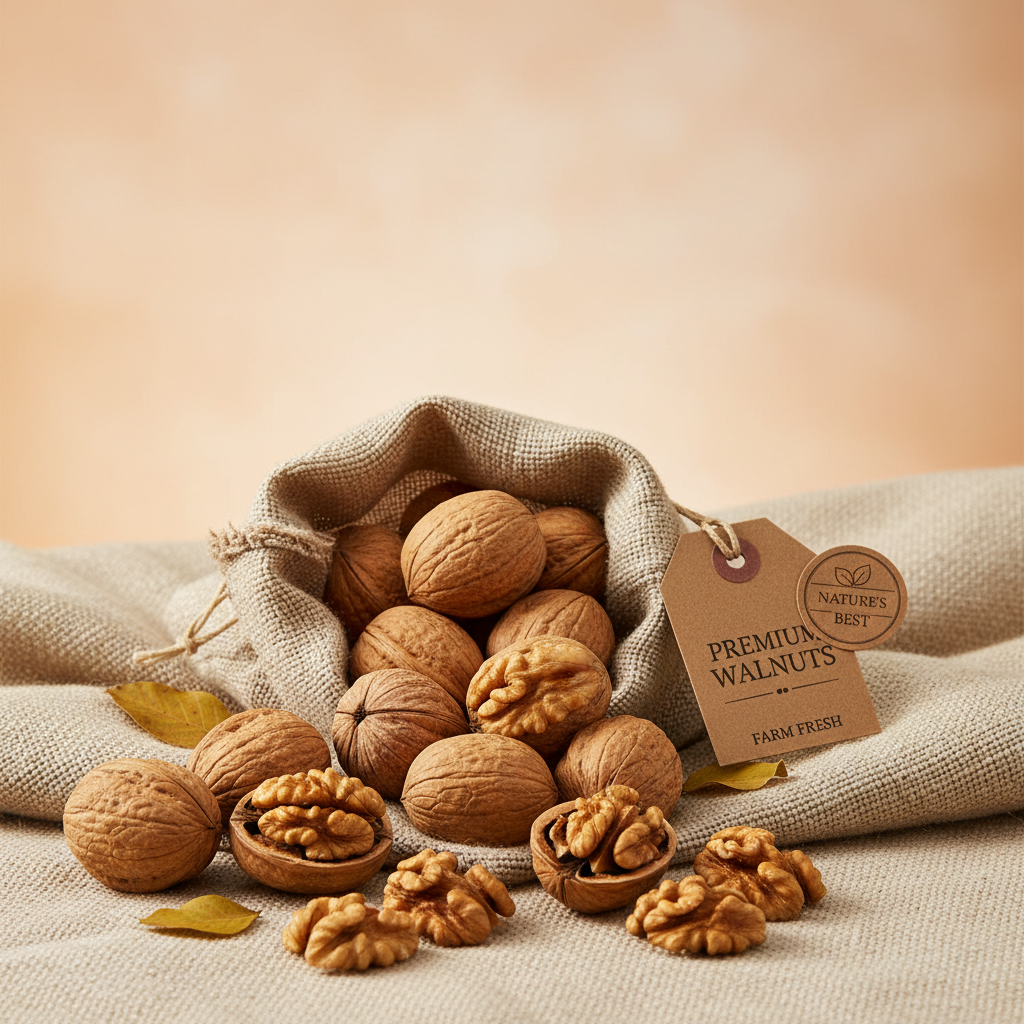
Understanding the dynamics of the walnut market often begins with analyzing the 1 2 kg walnut price, a critical metric for both wholesale buyers and retail consumers. In the global agricultural trade, this specific weight bracket serves as a benchmark for assessing the value of high-quality walnut kernels, particularly those sourced from the nutrient-rich regions of Northern China.
For distributors and food processors, the 1 2 kg walnut price is not just a number but a reflection of harvest yields, processing efficiency, and the specific grade of the kernel, such as Extra Light Halves or Amber pieces. As the demand for healthy, plant-based proteins rises, the transparency of pricing for these standard quantities becomes essential for maintaining a stable supply chain.
Whether you are a boutique bakery or a large-scale health food importer, keeping a close eye on the 1 2 kg walnut price allows for better budget forecasting and procurement strategies. By understanding the factors that influence this price, businesses can ensure they are receiving premium Chinese walnut kernels that meet strict BRC quality standards while remaining cost-competitive.
Global Market Trends of 1 2 kg walnut price
The global appetite for healthy fats has pushed the 1 2 kg walnut price into a spotlight for international trade. As consumers shift away from processed snacks toward nutrient-dense seeds, the demand for standardized packaging—often measured in 1 to 2 kg increments—has surged. This trend is particularly evident in the import of Chinese walnuts, where the consistency of size and color determines the market value.
Market volatility often affects the 1 2 kg walnut price, driven by climatic conditions in the Northern planting bases and shifts in global shipping costs. However, the integration of factory-direct trade, such as that provided by Hebei Luhua, helps stabilize these prices by removing unnecessary intermediaries and streamlining the process from the orchard to the final vacuum-sealed package.
Understanding Grading and the 1 2 kg walnut price
The most significant variable affecting the 1 2 kg walnut price is the grade of the kernel. In the industry, kernels are categorized by color and shape, ranging from Extra Light Halves (ELH) to Amber Pieces (AP). Extra Light Halves, characterized by their white or yellowish appearance and rich, mellow aroma, typically command a premium price due to their high demand in the premium snacking and confectionery markets.
Light Halves (LH) and Light Quarters (LQ) offer a more balanced 1 2 kg walnut price point, providing a similar nutritional profile and rich taste but with a slightly darker hue. These are often preferred by industrial food processors who require a consistent taste and quality without the extreme price premium associated with the "Extra Light" category.
Finally, the lower end of the pricing spectrum includes Light Amber Pieces and Amber Mixed Crumbs. While the 1 2 kg walnut price for these fragments is lower, they remain highly valuable for the baking industry, where they provide the essential walnut flavor and crunch in cakes and breads without the need for whole halves.
Cost Factors Influencing 1 2 kg walnut price
Several core components dictate the final 1 2 kg walnut price. First is the origin and cultivation method; Northern native walnuts are prized for their mellow taste and sweetness, which naturally elevates their market value. The quality of the planting base directly impacts the kernel's size and oil content, which are primary drivers of cost.
Processing and certification also play a pivotal role. A factory that has passed the provincial BRC quality system certification can justify a slightly higher 1 2 kg walnut price because it guarantees safety, hygiene, and international quality standards. This certification reduces the risk for the importer and ensures that the product is fit for global consumption.
Packaging options further refine the 1 2 kg walnut price. Vacuum packaging, available in 10kg, 12.5kg, or customized 2x5kg formats, preserves the freshness and extends the shelf life up to 24 months. The cost of these high-barrier materials is integrated into the final price to ensure the product arrives without oxidation or rancidity.
Price Efficiency Across Different Walnut Grades
When analyzing the cost-to-quality ratio, it becomes clear that the 1 2 kg walnut price varies significantly based on the intended application. For high-end retail, the investment in ELH is necessary. However, for mass-market nutrition bars, LH or LQ provides the most efficient balance between cost and sensory appeal.
By diversifying the purchase across different grades, companies can optimize their overall expenditure. For instance, mixing Extra Light Halves for topping and Amber Pieces for the interior of a product allows a brand to maintain a competitive retail price while still offering a premium product experience.
Comparative Quality vs 1 2 kg walnut price Rating
Logistics and Delivery Impact on 1 2 kg walnut price
The final landed cost is heavily influenced by the delivery timeline and logistics efficiency. With a standard delivery time of 7-15 days, professional exporters can maintain a lean inventory, which prevents the 1 2 kg walnut price from spiking due to prolonged warehousing costs. Mature logistics channels ensure that the kernels are transported under optimal conditions to avoid spoilage.
Moreover, the ability to offer OEM/ODM customization means that packaging is optimized for shipping density. By reducing wasted space in containers, the per-unit shipping cost is lowered, which in turn keeps the 1 2 kg walnut price stable for the end buyer, regardless of the destination country.
Long-term Value of Sourcing Quality Walnuts
Investing in premium kernels may seem like a higher upfront cost, but the long-term 1 2 kg walnut price value is found in product stability and consumer trust. High-quality kernels with a 24-month shelf life reduce waste and allow for better inventory management, meaning fewer losses due to oxidation or mold.
From a nutritional perspective, the value extends beyond the price tag. Walnuts rich in omega-3 fatty acids, protein, and fiber provide a health benefit that justifies the cost. When consumers recognize the superior taste and mellow aroma of Northern Chinese walnuts, brand loyalty increases, creating a sustainable return on investment.
Furthermore, sourcing from a factory that integrates planting, production, and trade eliminates the "middleman markup." This transparency ensures that the 1 2 kg walnut price reflects the actual quality of the crop and the efficiency of the processing line, rather than speculative market inflation.
Strategic Procurement for 1 2 kg walnut price
To achieve the best 1 2 kg walnut price, procurement managers should leverage year-round inventory. By partnering with a source factory that maintains a constant stock, buyers can avoid the seasonal price spikes that occur immediately after harvest or during peak holiday demand.
Customization is another strategic tool. By specifying the exact color grade (e.g., Extra Light vs. Light Amber) and packaging requirements, buyers can avoid paying for features they do not need. This precision allows for a tailored 1 2 kg walnut price that aligns perfectly with the product's end-use case.
Ultimately, the goal is to establish a partnership based on quality and reliability. Free sample services allow buyers to verify the specifications before committing to mass production, ensuring that the paid 1 2 kg walnut price translates into a product that meets all sensory and safety requirements.
Analysis of Walnut Grade Specifications and Pricing Influence
| Kernel Grade |
Color Profile |
Price Impact |
Primary Use Case |
| Extra Light Halves |
White/Yellowish |
Highest |
Premium Retail/Snacking |
| Light Halves |
Light Yellow/Brown |
Moderate-High |
General Confectionery |
| Light Quarters |
Light Tone |
Moderate |
Mixed Nut Packs |
| Light Pieces |
Light Tone |
Competitive |
Industrial Baking |
| Light Amber Halves |
Amber/Golden |
Moderate |
Roasted Nut Products |
| Mixed Crumbs |
Variable Amber |
Lowest |
Fillings & Pastries |
FAQS
The 1 2 kg walnut price is primarily driven by the color grade (Extra Light being the most expensive), the shape (halves vs. pieces), the origin of the crop, and the certification of the processing facility. Additionally, packaging methods like vacuum sealing and current global shipping rates can impact the final landed cost.
BRC certification ensures that the factory follows strict international food safety and quality management systems. While this may lead to a slightly higher 1 2 kg walnut price, it provides buyers with peace of mind regarding hygiene, contaminant control, and consistency, which reduces the risk of costly product recalls.
Yes, vacuum packaging usually adds a small premium to the 1 2 kg walnut price. However, it is a worthwhile investment as it prevents oxidation and extends the shelf life up to 24 months, ensuring the mellow taste and nutritional value are preserved during long-distance transit.
Absolutely. Many businesses optimize their 1 2 kg walnut price by purchasing a mix of grades. For example, using Extra Light Halves for visual appeal on top of a cake and Light Amber Pieces for the batter allows you to maintain quality while lowering the average cost per kilogram.
Regardless of the 1 2 kg walnut price you pay, moderation is key. It is generally recommended to eat about 7 to 10 walnut halves (roughly 1 ounce) per day. This amount provides essential omega-3 fatty acids and antioxidants without excessive calorie intake.
For professional export factories like Hebei Luhua, the standard delivery time is typically 7-15 days. This efficient turnaround helps keep the 1 2 kg walnut price stable by reducing the need for expensive long-term storage and ensuring the product reaches the customer while fresh.
Conclusion
Navigating the complexities of the 1 2 kg walnut price requires a deep understanding of quality grading, certification standards, and supply chain efficiency. From the premium Extra Light Halves to the versatile Amber Pieces, the value of Northern Chinese walnuts lies in their mellow taste, nutritional density, and the professional processing standards that ensure a shelf life of up to 24 months. By sourcing directly from a BRC-certified factory, businesses can mitigate market volatility and secure a consistent supply of high-quality kernels.
Looking forward, the integration of sustainable planting bases and advanced vacuum packaging will continue to refine the value proposition of walnut exports. We suggest that procurement officers prioritize transparency and factory-direct partnerships to optimize their costs without compromising on quality. To explore our full range of specifications and get a current quote, visit our website: www.luhuawalnut.com