The global demand for nutrient-dense superfoods has propelled fresh walnuts in shell into the spotlight of the international agricultural trade. These natural powerhouses are not merely snacks but are recognized globally for their extraordinary concentration of omega-3 fatty acids and antioxidants, making them indispensable for health-conscious consumers from North America to East Asia.
Understanding the nuances of sourcing and processing high-quality walnuts is critical for wholesalers and retailers. The integrity of the shell acts as a natural protective barrier, preserving the delicate oils and mellow flavor of the kernel, which is why many industrial buyers prefer the "in-shell" format to ensure maximum freshness and a longer shelf life during transit.
In an era where transparency and traceability are paramount, the journey of fresh walnuts in shell from the groves of northern China to global markets reflects a sophisticated intersection of traditional farming and modern quality control. By mastering the selection of these drupes, businesses can provide consumers with a product that balances gourmet taste with proven medicinal benefits.
Global Market Dynamics of Fresh Walnuts in Shell
The global trade of fresh walnuts in shell is influenced by shifting dietary trends and an increasing awareness of cardiovascular health. With the rise of plant-based diets, the demand for high-protein, healthy-fat sources has surged, leading to a competitive market where quality certifications like BRC become essential for market entry.
Historically, northern regions have dominated the production of premium varieties due to the specific climatic conditions that enhance the mellow taste of the kernel. As supply chains become more digitized, the ability to source directly from the factory—integrating planting, processing, and trade—has become the primary strategy for reducing costs and ensuring a steady year-round inventory.
Defining Quality Standards for In-Shell Walnuts
Defining the "perfect" walnut starts with the external shell. For fresh walnuts in shell, a smooth, uncracked exterior is the first indicator of a high-quality kernel. Any breach in the shell can expose the fatty acids to oxygen, leading to rancidity and a loss of the characteristic creamy flavor that defines premium northern varieties.
Beyond the shell, the internal grading—ranging from Extra Light Halves (ELH) to Amber Pieces—determines the commercial value. The "Extra Light" designation is particularly prized in the gourmet and confectionery industries because the lighter color often correlates with a more delicate sweetness and a visually appealing presentation in final products.
From a technical standpoint, the moisture content of the shell must be carefully controlled during the curing process. If the walnuts are too moist, they are prone to mold; if they are over-dried, the kernels may shrink or lose their succulent texture, emphasizing the need for scientific quality management systems in the factory.
Core Components of Walnut Preservation
The preservation of fresh walnuts in shell relies heavily on temperature and humidity control. Because walnuts are rich in polyunsaturated fats, they are hypersensitive to heat, which can trigger oxidative stress and degrade the nutritional profile of the seed.
Effective storage of fresh walnuts in shell involves utilizing vacuum packaging or modified atmosphere packaging (MAP) for the kernels, while the in-shell products are kept in cool, dry, and well-ventilated warehouses to prevent the accumulation of moisture and the growth of fungal spores.
Moreover, the integration of a complete scientific quality management system ensures that each batch is tested for aflatoxins and other contaminants. This rigorous approach guarantees that the product reaching the consumer maintains its organic integrity and health-boosting properties.
Industrial Applications and Versatility
The versatility of fresh walnuts in shell extends far beyond simple snacking. In the industrial food sector, they serve as a primary ingredient for high-end bakeries, vegan dairy alternatives, and health supplements. The ability to offer various specifications, such as Light Halves (LH) or Light Quarters (LQ), allows manufacturers to optimize their recipes for texture and cost.
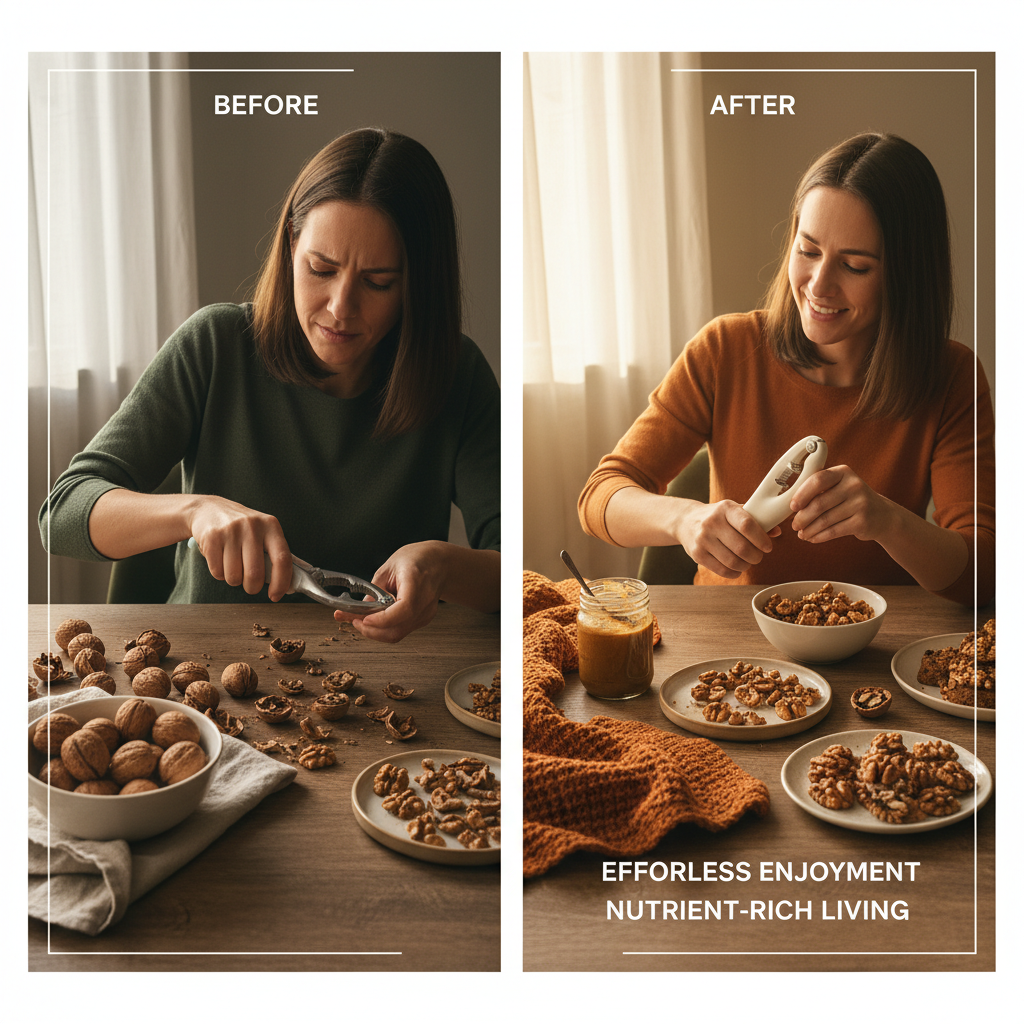
Furthermore, the in-shell format is increasingly popular in the retail "experience" market, where consumers value the ritual of cracking a fresh nut. This trend has led to an increase in demand for aesthetically pleasing, uniform shells that suggest premium quality and origin.
Comparative Quality Rating of Fresh Walnuts in Shell Grades
Sustainable Sourcing and Environmental Impact
Sustainability is no longer an option but a requirement in the processing of fresh walnuts in shell. Modern plantations are adopting regenerative agriculture techniques to maintain soil health and reduce the reliance on chemical fertilizers, ensuring that the walnut groves remain productive for generations to come.
Additionally, the industry is focusing on the "zero-waste" concept by utilizing walnut shells—often a byproduct of kernel extraction—as a sustainable biomass fuel or as an abrasive in industrial cleaning. This circular economy approach not only reduces the environmental footprint but also adds an additional revenue stream for the processing factories.
Long-Term Economic Value and Investment
Investing in a stable supply of fresh walnuts in shell provides a strategic hedge against the volatility of the nut market. Because walnuts have a long shelf life when kept in the shell (up to 24 months for processed kernels), they act as a tangible asset that retains value while meeting a consistent global demand for healthy fats.
For B2B partners, collaborating with a factory that integrates planting and trade reduces the risks associated with middleman markups and quality inconsistencies. The ability to request OEM/ODM customization for packaging and labels further allows brands to differentiate themselves in a crowded marketplace.
Ultimately, the long-term value of these nuts lies in their dual nature as both a luxury gourmet item and a medicinal food. As global healthcare trends lean toward preventive nutrition, the demand for the specific Omega-3 profile found in premium walnuts is expected to grow steadily.
Future Innovations in Walnut Processing
The future of fresh walnuts in shell processing is being shaped by automation and AI-driven sorting. Optical sorting technology can now identify shell defects and kernel color with precision far exceeding human capability, ensuring that only the highest "Extra Light" grades reach the premium packaging lines.
Digital transformation is also hitting the supply chain through blockchain traceability. Soon, consumers will be able to scan a QR code on a bag of walnuts to see the exact grove they came from, the date of harvest, and the quality certificates passed during the BRC audit process.
Furthermore, innovations in eco-friendly vacuum packaging are extending the freshness of kernels without the need for chemical preservatives, aligning the product with the global shift toward "clean label" foods.
Technical Analysis of Fresh Walnuts in Shell Processing Standards
| Grade Specification |
Color Profile |
Market Application |
Quality Score (1-10) |
| Extra Light Halves (ELH) |
White/Yellowish |
Premium Confectionery |
10 |
| Light Halves (LH) |
Light Yellow to Brown |
General Retail Snacking |
8 |
| Light Quarters (LQ) |
Light Amber |
Bakery Fillings |
7 |
| Light Pieces (LP) |
Consistent Light |
Granola & Cereal |
6 |
| Amber Halves (LAH) |
Deep Amber |
Industrial Processing |
5 |
| Mixed Crumbs |
Varied Amber |
Nut Butters/Pastes |
4 |
FAQS
The hard shell of fresh walnuts acts as a natural vacuum seal, protecting the kernels from oxygen and moisture. Since walnuts are high in omega-3 oils, they oxidize quickly when exposed to air. Keeping them in the shell significantly slows down this process, preserving the mellow taste and nutritional integrity for a much longer period compared to kernels, which require specialized vacuum packaging to maintain freshness.
The primary difference is the color and the resulting flavor profile. ELH walnuts are the highest grade, appearing white or yellowish, and are prized for a more delicate, sweet, and mellow aroma. LH walnuts are slightly darker, ranging from light yellow to light brown. While both are highly nutritious, ELH is typically preferred for gourmet products where visual appeal and a subtle taste are critical.
First, verify that the supplier has a certified quality system, such as BRC. Second, check the "shell integrity"—a high percentage of unbroken shells indicates better quality. Third, request a sample to check for the "mellow taste" and ensure there is no rancidity. Finally, ensure the moisture content is within industry standards to avoid mold during transit.
Yes, walnuts are relatively sustainable when sourced from integrated factories that use regenerative planting. Furthermore, the shell is a biodegradable byproduct that is increasingly used as biomass fuel or industrial abrasive, reducing waste. Sourcing directly from the factory also reduces the carbon footprint by eliminating unnecessary middleman logistics.
Nutritionists generally recommend a daily serving of about 1 ounce, which translates to roughly 7 to 10 walnut halves. This amount provides sufficient omega-3 fatty acids and antioxidants to support brain and heart health without exceeding daily calorie limits, as walnuts are energy-dense.
Absolutely. Professional export factories offer comprehensive OEM/ODM services. This includes customizing the packaging size (e.g., 10kg or 12.5kg), designing private labels, and adjusting the grade of the kernels (from ELH to Amber) to match the specific branding and pricing strategy of your target market.
Conclusion
In summary, fresh walnuts in shell represent a perfect harmony of natural protection and nutritional density. From the rigorous grading of Extra Light Halves to the implementation of BRC-certified quality systems, the journey of the walnut from the northern groves to the global consumer is a testament to industrial precision. By focusing on shell integrity, sustainable sourcing, and scientific storage, businesses can ensure they deliver a product that is not only delicious but also provides significant long-term health value.
Looking forward, the walnut industry will likely see a deeper integration of AI sorting and blockchain traceability, further enhancing consumer trust and product consistency. For wholesalers and retailers, the key to success lies in partnering with integrated source factories that can provide year-round inventory and customized OEM solutions. We invite you to explore the pinnacle of walnut quality and elevate your product line today. Visit our website: www.luhuawalnut.com