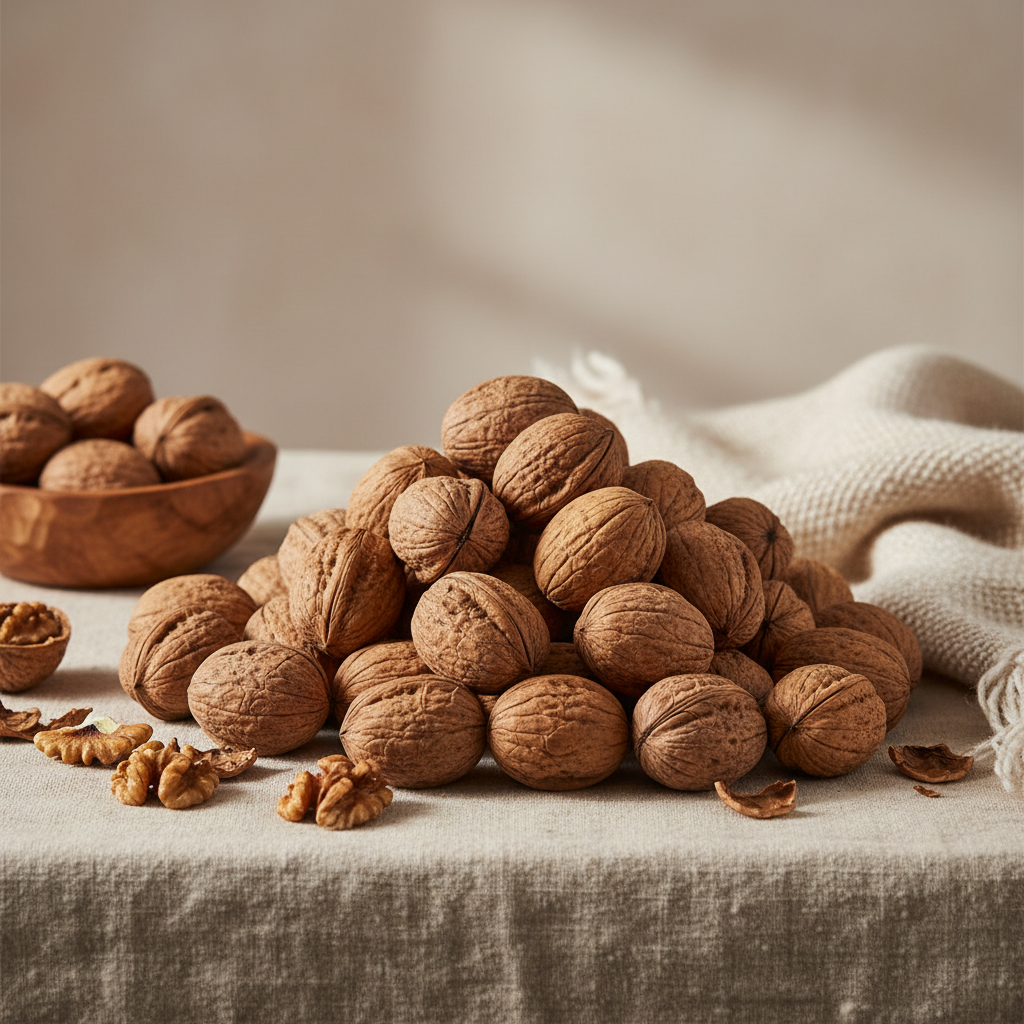
In the evolving landscape of global nutrition, organic walnuts have emerged as a cornerstone of the health-conscious diet, bridging the gap between traditional agriculture and modern wellness. These nutrient-dense kernels are more than just a snack; they represent a commitment to ecological balance and a rejection of synthetic chemical interventions in food production.
The shift toward organic certification in the nut industry is driven by a growing consumer demand for transparency and purity. As global markets lean toward sustainable sourcing, understanding the intricacies of organic cultivation allows buyers and distributors to ensure they are receiving a product that preserves both the soil's integrity and the consumer's health.
From the rich groves of temperate regions to the tables of urban centers, organic walnuts provide essential omega-3 fatty acids and antioxidants without the residue of pesticides. This comprehensive guide explores the industrial standards, health benefits, and future trajectories of this premium agricultural product.
Global Market Context of Organic Walnuts
The global demand for organic walnuts has seen a significant uptick over the last decade, mirrored by a broader shift toward plant-based and clean-label eating. According to agricultural trade data, the organic nut segment is expanding at a compound annual growth rate that outpaces conventional nuts, as consumers in North America, Europe, and Asia prioritize pesticide-free produce to mitigate long-term health risks.
However, this surge in demand presents a critical challenge: the scarcity of certified organic land and the rigorous transition periods required for conventional orchards to become organic. This supply-demand gap often leads to price volatility, urging the industry to find more scalable ways to implement organic farming without compromising the strict ISO and USDA organic standards.
Defining Organic Standards in Walnut Processing
In simple terms, organic walnuts are those grown without the use of synthetic fertilizers, prohibited pesticides, or genetically modified organisms (GMOs). This definition extends beyond the field into the processing facility, where the nuts must be handled in a way that prevents cross-contamination with conventional crops, ensuring that the "organic" label remains a guarantee of purity.
From an industrial perspective, the connection to modern humanitarian and health needs is profound. By reducing the chemical load on the environment, organic walnut production protects the biodiversity of the soil and the health of the farmers. This holistic approach aligns with the global push for "One Health," acknowledging that human health is intrinsically linked to the health of the ecosystem.
For the commercial buyer, organic certification serves as a proxy for trust. It eliminates the guesswork regarding chemical residues, making these walnuts an ideal choice for baby foods, high-end confectionery, and therapeutic dietary plans where chemical purity is non-negotiable.
Core Components of Organic Quality
The primary pillar of high-quality organic walnuts is Soil Vitality. Unlike conventional farming that relies on synthetic nitrogen, organic growers use compost and cover cropping to maintain nutrient levels. This natural approach often results in a more complex flavor profile and a higher concentration of micronutrients within the kernel.
Another critical factor is Pest Management Scalability. Organic walnut farming utilizes biological controls—such as introducing beneficial insects or using pheromone traps—to manage pests. While more labor-intensive than chemical spraying, this method ensures the long-term resilience of the orchard by avoiding the "pesticide treadmill" where pests evolve resistance.
Finally, Traceability and Certification form the backbone of the industry. Every batch of organic walnuts must be traceable from the specific grove to the final packaging. This rigorous documentation ensures that the product meets international standards, providing the necessary legal and commercial security for exporters and importers worldwide.
Industrial Applications and Use Cases
The application of organic walnuts extends far beyond simple snacking. In the gourmet food industry, they are utilized in artisanal breads, vegan cheeses, and high-end pastries where the clean, buttery taste of an organic kernel enhances the overall product. Because they are free from synthetic residues, they are particularly favored by organic-certified bakeries that must maintain strict ingredient lists.
In the pharmaceutical and nutraceutical sectors, organic walnut oil is extracted for its high alpha-linolenic acid (ALA) content. This oil is used in the formulation of organic skin creams and dietary supplements, where the absence of solvent residues from the extraction process is a key selling point for health-conscious consumers.
Comparative Performance of Organic Walnuts Sourcing Methods
Long-term Value and Sustainability
Investing in organic walnuts offers profound long-term value, primarily through the lens of environmental sustainability. Organic orchards act as carbon sinks more effectively than conventional ones due to the higher organic matter in the soil. This contributes to a reduction in the carbon footprint of the food supply chain, appealing to the "green" investor and the eco-conscious consumer.
Beyond the environment, there is a significant social impact. Organic farming encourages traditional knowledge and sustainable land stewardship, often supporting smaller, family-owned farms. This fosters a sense of dignity and economic stability for rural communities, ensuring that the agriculture of tomorrow is not just productive, but ethical and just.
Future Trends in Organic Nut Production
The future of organic walnut production is being shaped by "AgTech" or Agricultural Technology. We are seeing the rise of precision organic farming, where AI-driven sensors monitor soil moisture and nutrient levels in real-time, allowing growers to apply organic fertilizers only where needed. This reduces waste and optimizes the growth cycle of the walnut trees.
Furthermore, the integration of blockchain technology is revolutionizing the supply chain. Future buyers will be able to scan a QR code on a package of organic walnuts and see the entire journey—from the date of harvest to the specific organic certification number of the orchard—providing an unprecedented level of transparency.
Sustainability is also moving toward "Regenerative Organic" certification. This goes a step beyond standard organic by requiring farmers to actively improve the soil health and enhance biodiversity, turning walnut groves into thriving ecosystems that support local wildlife while producing premium food.
Overcoming Challenges in Organic Supply Chains
Despite the benefits, the organic walnut industry faces hurdles, most notably the risk of contamination during transport. When organic nuts are shipped in containers previously used for conventional products, there is a risk of residue transfer. The solution lies in dedicated organic logistics chains and rigorous cleaning protocols that are audited by third-party inspectors.
Another challenge is the lower yield typically associated with organic farming. To overcome this, industry experts are focusing on the development of organic-compatible bio-stimulants—natural compounds that boost plant immunity and increase yield without violating organic standards. This allows for a more stable supply and more competitive pricing.
Finally, the complexity of international certification alignment can be a barrier. An organic walnut certified in one country may not be automatically recognized in another. The solution is the adoption of global equivalency agreements, which simplify the trade process and allow organic producers to reach a wider global audience more efficiently.
Analysis of Organic Walnut Supply Chain Dimensions
| Metric |
Conventional Method |
Organic Method |
Impact Score (1-10) |
| Soil Health |
Chemical Dependent |
Compost-Based |
9 |
| Pesticide Residue |
Present (Low/Med) |
Zero/Negligible |
10 |
| Production Cost |
Lower (Automated) |
Higher (Labor) |
6 |
| Market Premium |
Standard Price |
High Premium |
8 |
| Biodiversity |
Low |
High |
9 |
| Consumer Trust |
Moderate |
Very High |
10 |
FAQS
The primary difference lies in the cultivation process. Organic walnuts are grown without synthetic pesticides, herbicides, or chemical fertilizers. Instead, farmers use natural methods like crop rotation and organic compost to nourish the soil. This not only removes chemical residues from the final product but also typically results in a richer, more natural flavor and a healthier ecosystem surrounding the orchard.
While both types provide essential omega-3s and antioxidants, some studies suggest that organic farming practices can increase the concentration of certain polyphenols and minerals because the plants must develop their own natural defense mechanisms against pests. More importantly, the "nutrition" of organic walnuts includes the absence of toxic chemical residues, which is a significant health advantage for long-term consumption.
Look for recognized certification seals such as the USDA Organic, EU Organic leaf, or JAS (Japanese Agricultural Standard). Genuine organic walnuts will come with a certificate of analysis (COA) and a traceability document that links the batch back to a certified organic farm. Be wary of terms like "natural" or "pesticide-free," which are not legally regulated certifications.
Not necessarily. The shelf life of walnuts is primarily determined by the stability of their oils and the quality of the packaging (oxygen barriers). Since organic walnuts are not treated with synthetic preservatives, proper storage in a cool, dark place or refrigeration is essential to prevent rancidity, just as it is for conventional walnuts. Vacuum sealing is highly recommended for long-term storage.
Yes, from both an environmental and a health perspective. The price premium covers the increased labor costs of organic weed and pest control, the cost of organic certification, and the lower yields associated with natural farming. When you buy organic, you are paying for the elimination of synthetic toxins and supporting agricultural practices that preserve the planet for future generations.
Absolutely. They are increasingly used in the "clean label" industry. Many organic food brands use them as a base for plant-based milks, organic spreads, and healthy snacks. The key is ensuring that the entire production line—from the sheller to the packager—is organic-certified to prevent cross-contamination with non-organic ingredients.
Conclusion
Throughout this exploration, it has become evident that organic walnuts are not merely a luxury item but a vital component of a sustainable global food system. By prioritizing soil health, eliminating synthetic toxins, and embracing transparent supply chains, the organic walnut industry provides a blueprint for how we can feed a growing population without destroying the natural environment. The combination of nutritional density and ecological integrity makes them an unmatched choice for the modern consumer.
Looking forward, the continued integration of AgTech and regenerative practices will likely make organic walnuts more accessible and consistent in quality. We encourage businesses and health-conscious individuals to support certified organic producers to ensure a healthier future for both people and the planet. To source the highest quality organic walnuts and explore our full product range, visit our website: www.luhuawalnut.com.