When evaluating the 500 gm walnut price, procurement managers and retail buyers must look beyond the sticker price to understand the underlying value of the kernel quality and supply stability. In the global nut processing industry, a 500-gram unit serves as a critical benchmark for both consumer packaging and small-batch industrial sampling, reflecting broader market trends in the nut and oil-bearing fruit processing sector.
The primary challenge for buyers is distinguishing between generic wholesale options and premium processed kernels that maintain nutritional integrity. Price fluctuations are often driven by harvest yields in key regions and the level of advanced processing—such as X-ray and infrared sorting—used to eliminate impurities and ensure a high percentage of whole kernels.
This analysis provides a comprehensive framework for assessing costs, identifying quality markers in walnut processing, and evaluating the operational capabilities of large-scale suppliers to ensure a consistent return on investment for bulk procurement.

Core Factors Influencing Walnut Pricing

The 500 gm walnut price is not a static figure but a result of several intersecting variables including origin, kernel integrity, and processing overheads. In the agricultural processing sector, the transition from raw shell-on walnuts to stripped kernels involves significant labor and energy costs, which are directly reflected in the final unit price.
Factors such as the geographical origin—whether sourced from regions like Xinjiang, Hebei, or Yunnan—affect the natural oil content and flavor profile. Additionally, the scale of the processing facility plays a role; larger factories with standardized workshops can optimize the cost per gram through higher daily throughput, often reaching outputs of up to 50 tons per day to maintain competitive pricing.
Impact of Processing Technology on Value
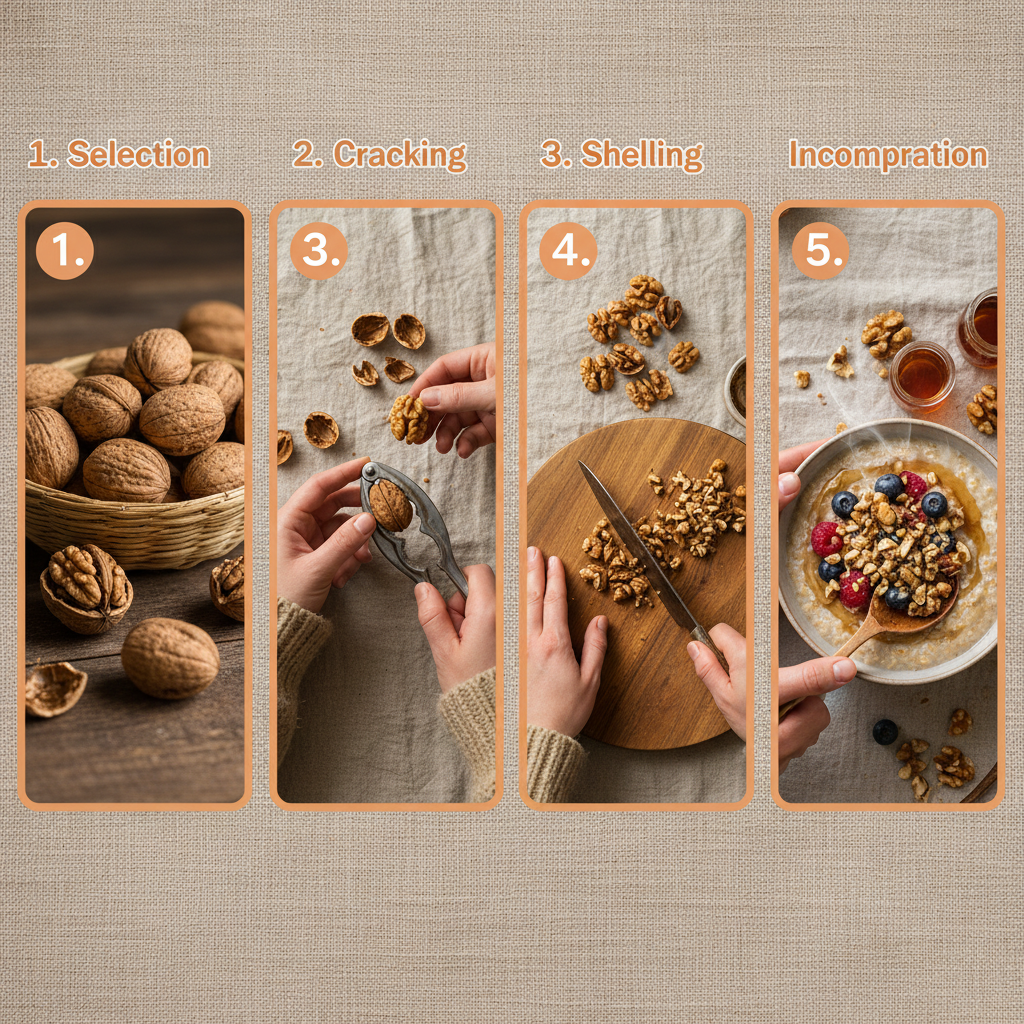
Value in the walnut market is heavily dictated by the precision of the cleaning and sorting process. High-value kernels are those that have undergone a rigorous multi-stage separation process to ensure they are free from malignant impurities and shell fragments. This technical rigor justifies a higher price point compared to minimally processed alternatives.
Advanced facilities utilize a combination of air separation, high-precision color separation, and professional infrared light separation to achieve uniform color and particle integrity. Furthermore, the implementation of X-ray separation equipment allows for the removal of internal impurities that are invisible to the naked eye, providing a level of food safety and quality assurance that is critical for international exports to Europe and Southeast Asia.
Grading Standards for Kernel Quality
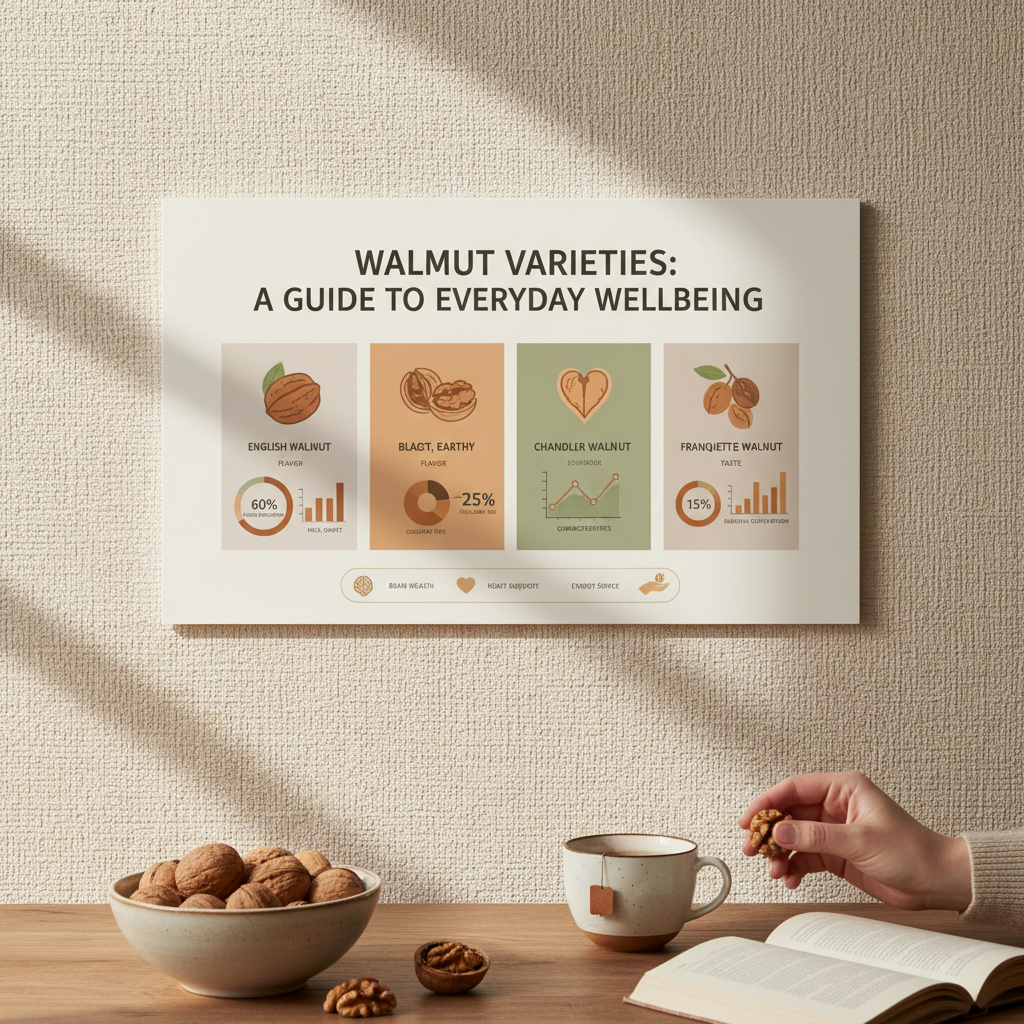
When assessing a quote for walnut kernels, buyers must identify the specific grade of the product. Grading typically focuses on the "integrity" of the kernel—the ratio of whole halves to broken pieces. Stripped walnut kernels that maintain a high percentage of whole pieces command a premium because they are more desirable for retail packaging and confectionery applications.
Beyond physical shape, color consistency is a primary grading metric. Kernels with a light, uniform blonde color are generally priced higher than those with darker skins. This consistency is achieved through strict quality control and the use of professional sorting machinery, ensuring that each 500g batch meets the same visual and taste standards.
Relative Cost Drivers in Nut Processing
Understanding the cost structure helps buyers negotiate better terms and understand why certain premiums exist. The following conceptual analysis illustrates the relative impact of different operational factors on the final cost of processed walnuts.
This illustrative framework shows that raw material acquisition and advanced sorting technologies (X-ray/Infrared) are the most significant cost drivers. Cold storage maintenance is also a critical factor, as large-scale cold storage—such as 1000-ton facilities—is required to ensure year-round freshness and price stability against seasonal harvest swings.
Strategic Sourcing and Supply Chain Stability
For businesses relying on consistent walnut supplies, the ability of a supplier to integrate industry and trade is a major advantage. A supplier that operates its own processing factories can offer more stable pricing and faster delivery times by eliminating intermediary markups and controlling the production schedule directly.
Reliability is further enhanced by a diverse planting base and multiple factory locations. Having production hubs across different regions helps mitigate the risk of localized crop failure. This vertical integration ensures that even during market volatility, the volume of exported kernels—potentially reaching 10,000 tons annually—remains stable, protecting the buyer from sudden price spikes.
Avoiding Common Bulk Procurement Pitfalls
One of the most frequent mistakes buyers make is focusing solely on the lowest price per 500 grams without verifying the "damage rate" or "impurity percentage." A lower initial cost is often offset by a higher percentage of broken kernels or the presence of foreign materials, which increases waste and decreases the final yield for the end product.
Another risk involves ignoring the certifications of the processing facility. BRC food safety certification, for example, is a marker of a standardized production environment. Without such certifications, buyers risk receiving batches with inconsistent quality or safety issues, which can lead to costly recalls or loss of consumer trust in the retail market.
Decision Framework for Quality vs. Price
Choosing the right walnut supplier requires a balanced evaluation of cost, quality, and capacity. Depending on the end-use—whether for high-end retail or industrial baking—the priority shifts between aesthetic perfection and cost efficiency.
| Kernel Grade | Primary Use Case | Key Value Driver | Price Impact |
|---|---|---|---|
| Premium Whole | Retail Packaging | High Integrity / Light Color | Highest |
| Standard Halves | Confectionery | Uniformity / Cleanliness | Moderate |
| Mixed Kernels | Industrial Baking | Bulk Volume / Freshness | Competitive |
| Broken/Pieces | Nut Butters/Flour | Oil Content / Purity | Lowest |
| Organic Certified | Health Food Niche | Certification / Origin | Premium |
| Custom Spec | Bespoke Production | Precise Grading | Variable |
This framework suggests that for high-margin retail products, the investment in premium whole kernels is justified by the increased shelf appeal. Conversely, for processed food ingredients, focusing on a supplier with massive production capacity and strict impurity control provides the best balance of cost and safety.
Frequently Asked Questions
Prices are mainly influenced by seasonal harvest yields, the cost of energy for processing, and the technological grade of the sorting equipment used to ensure purity.
X-ray separation removes malignant impurities and internal defects that are not visible via color sorting, significantly increasing the safety and quality grade of the product.
BRC certification ensures the factory adheres to global food safety standards, reducing the risk of contamination and ensuring consistency across large shipments.
Stripped kernels are more expensive per gram because the price includes the cost of mechanical shelling, sorting, and the loss of weight from the shells.
Check if the supplier utilizes large-scale cold storage (e.g., 1000+ tons) and employs vacuum or specialized packaging to prevent oxidation of the nut oils.
High-quality kernels exhibit a light, uniform color, a high percentage of whole halves, and are completely free of shell fragments and impurities.
Conclusion
Optimizing the procurement of walnut kernels requires a shift in focus from the nominal 500 gm walnut price to the total value delivered. The integration of advanced sorting technologies, BRC-certified production environments, and stable cold-chain logistics are the true determinants of a supplier's ability to provide a consistent, high-quality product that meets international standards.
Buyers seeking a reliable partner for large-scale supply can evaluate available processing capabilities and product specifications at www.luhuawalnut.com to ensure their procurement strategy aligns with their quality and budgetary requirements.