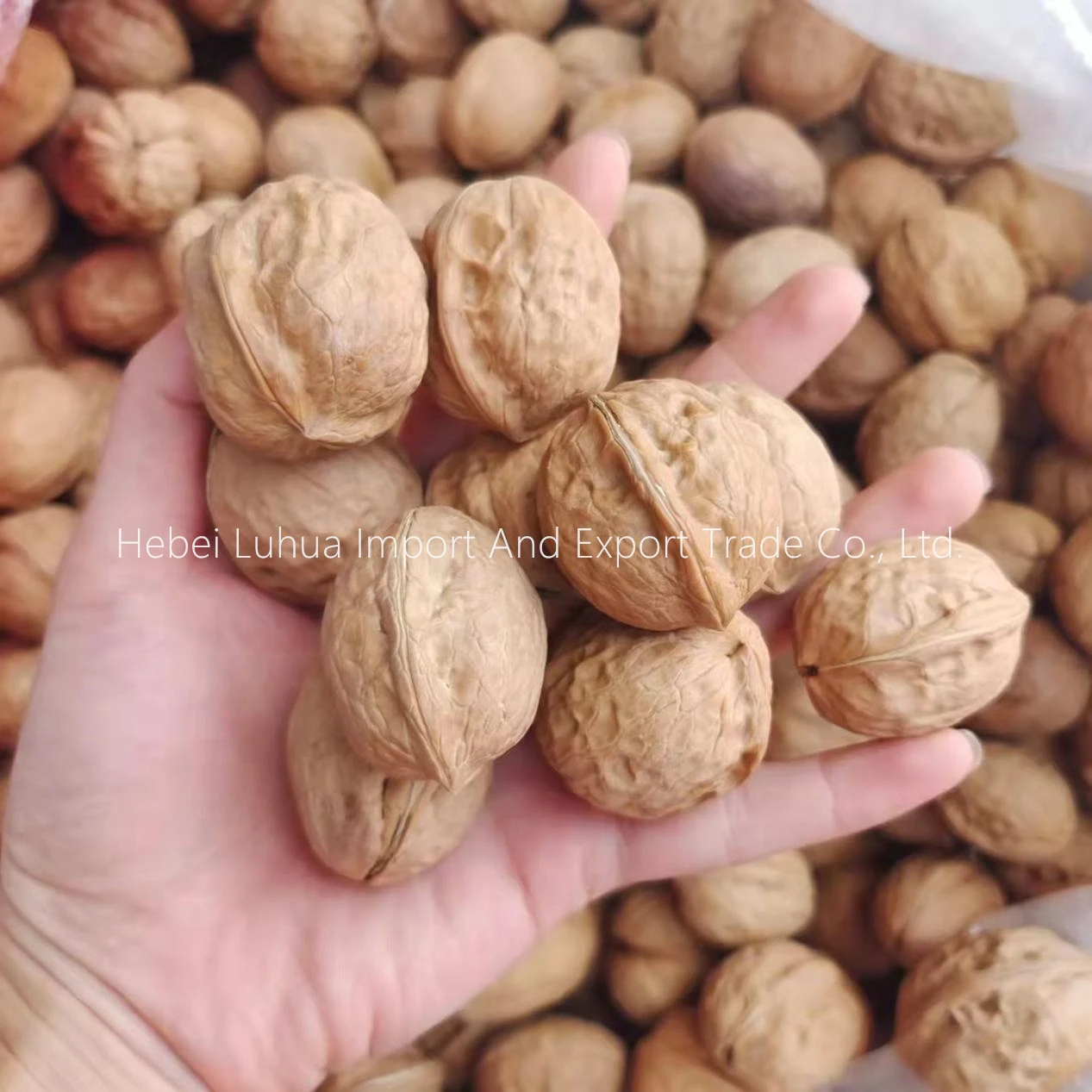
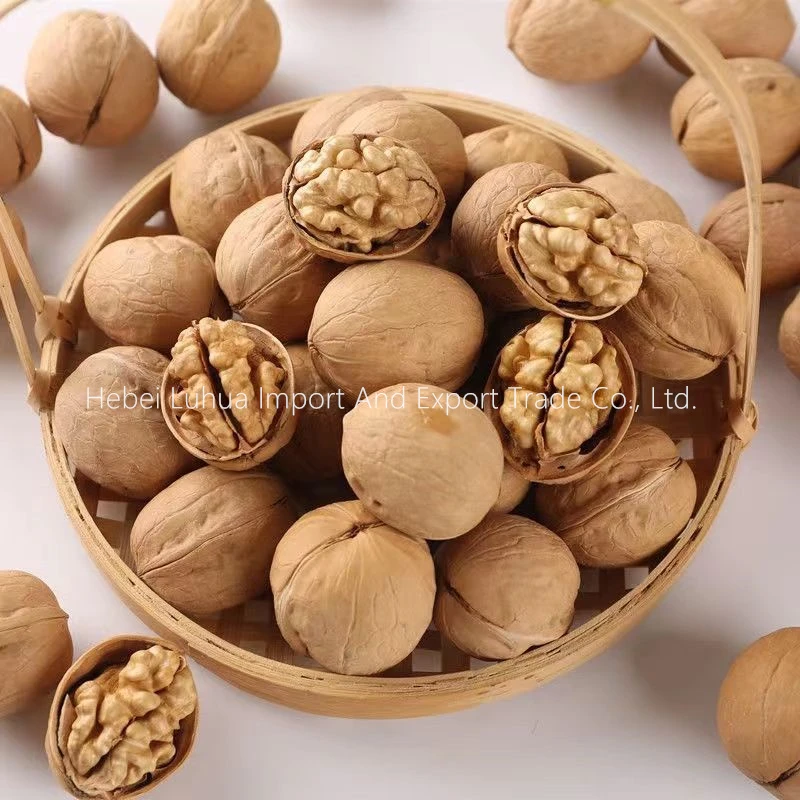
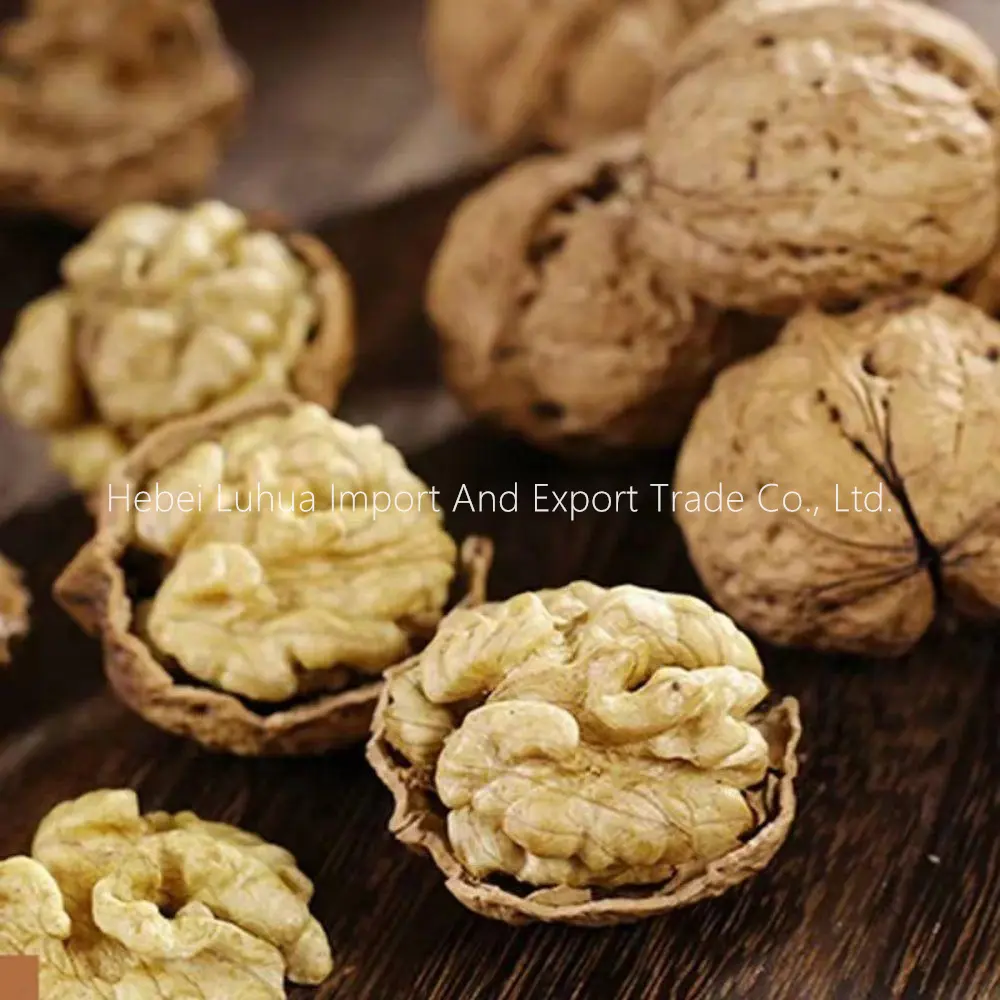
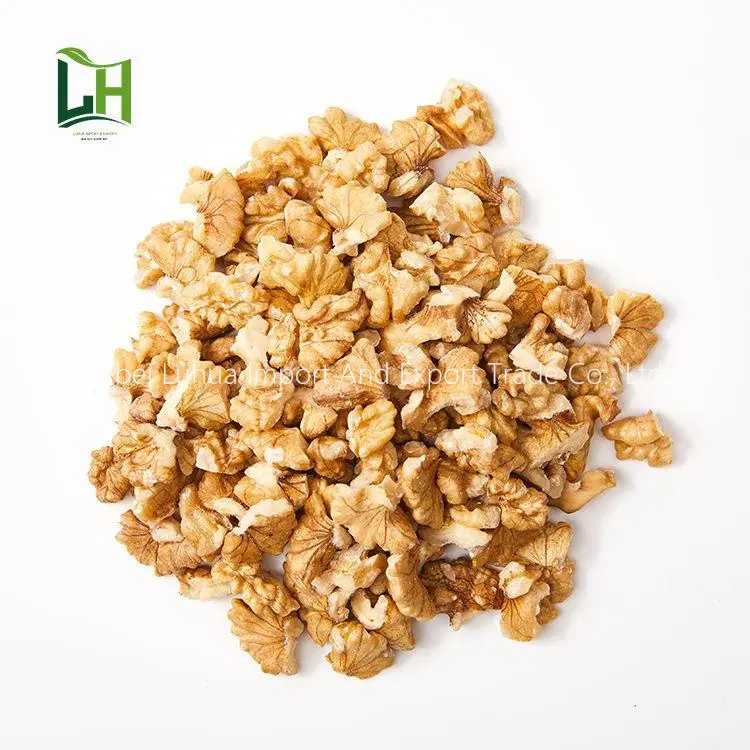
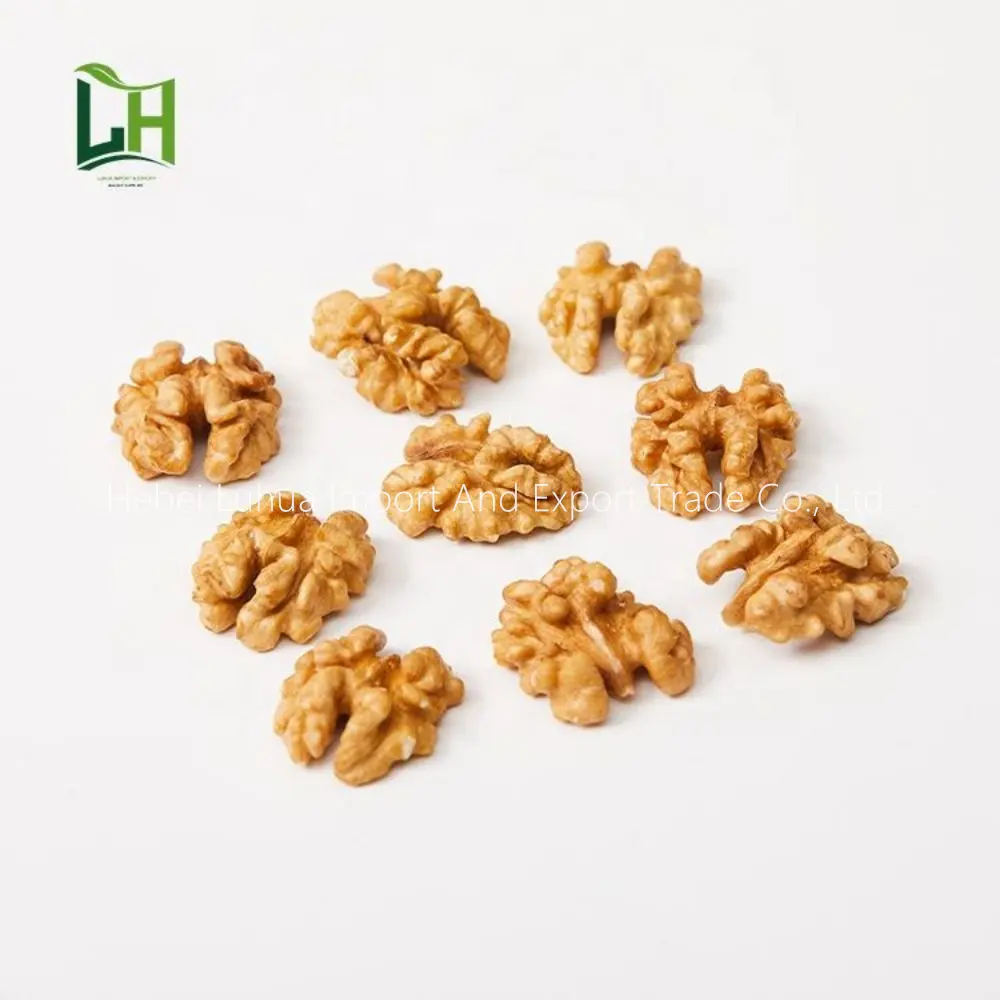
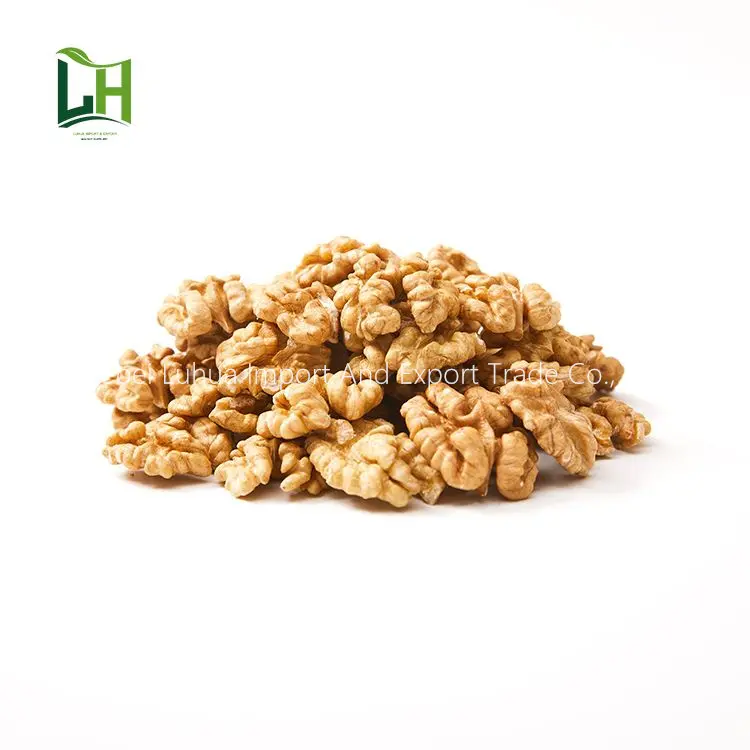
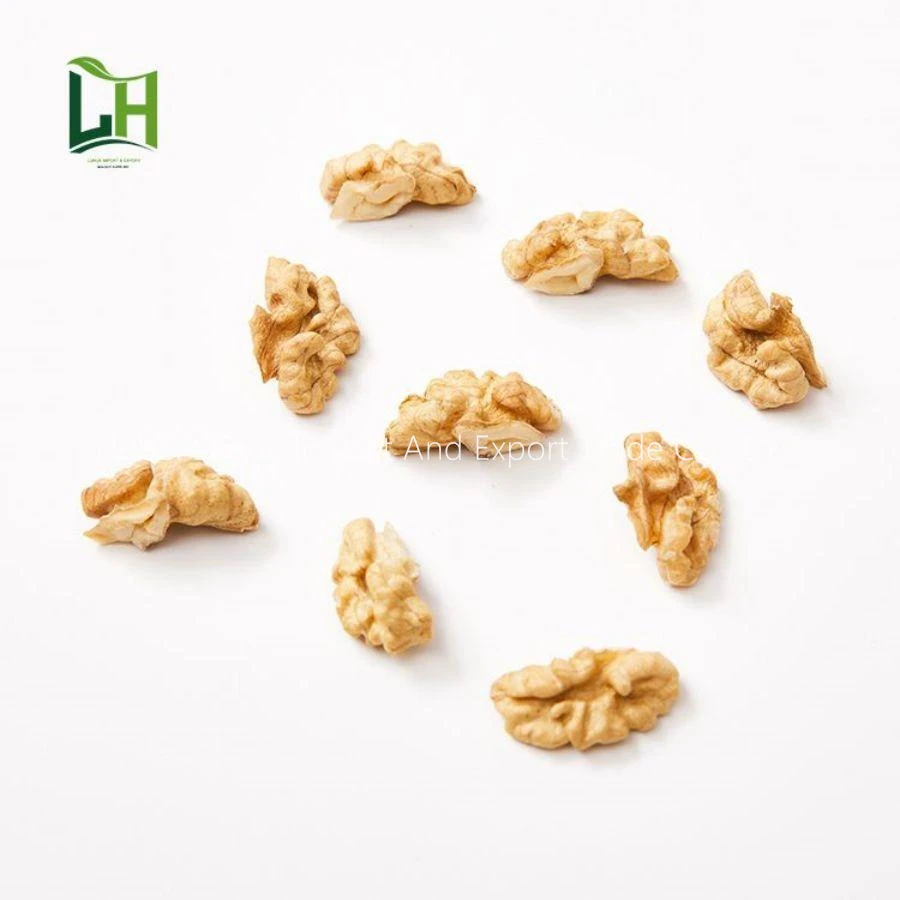
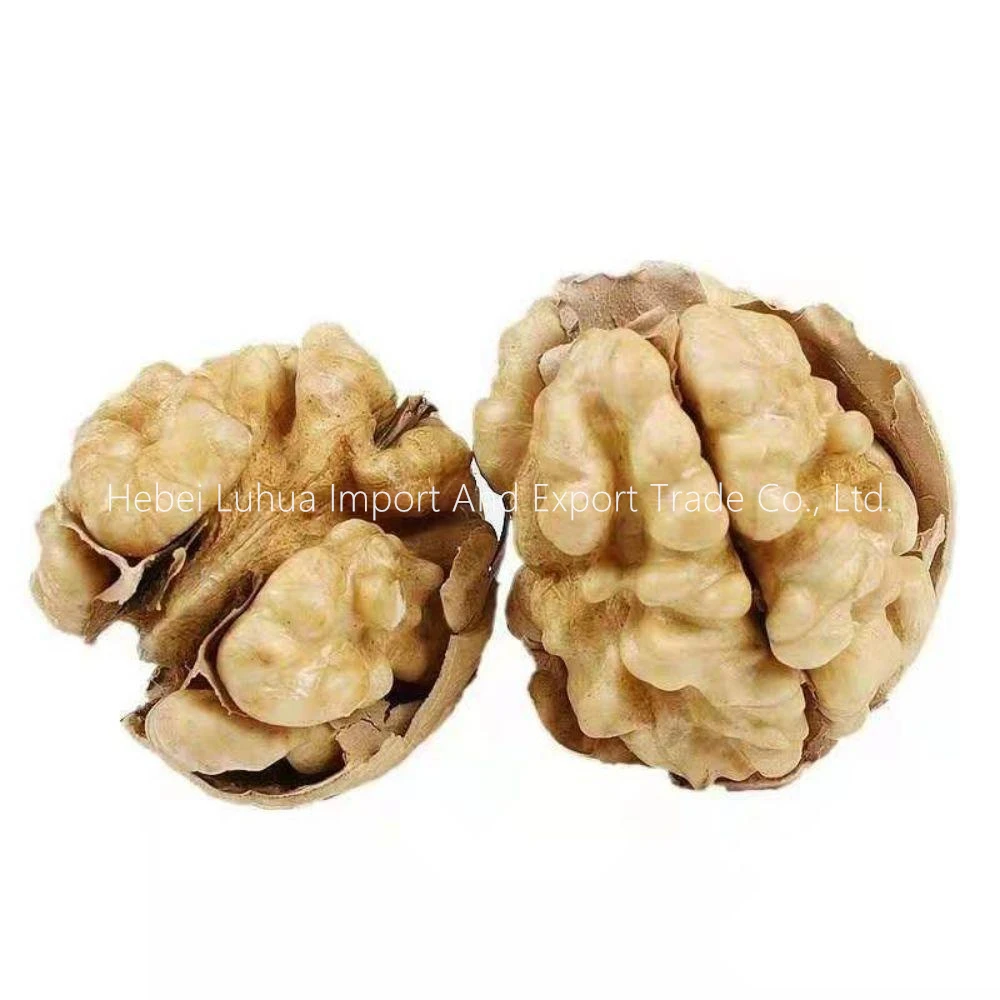
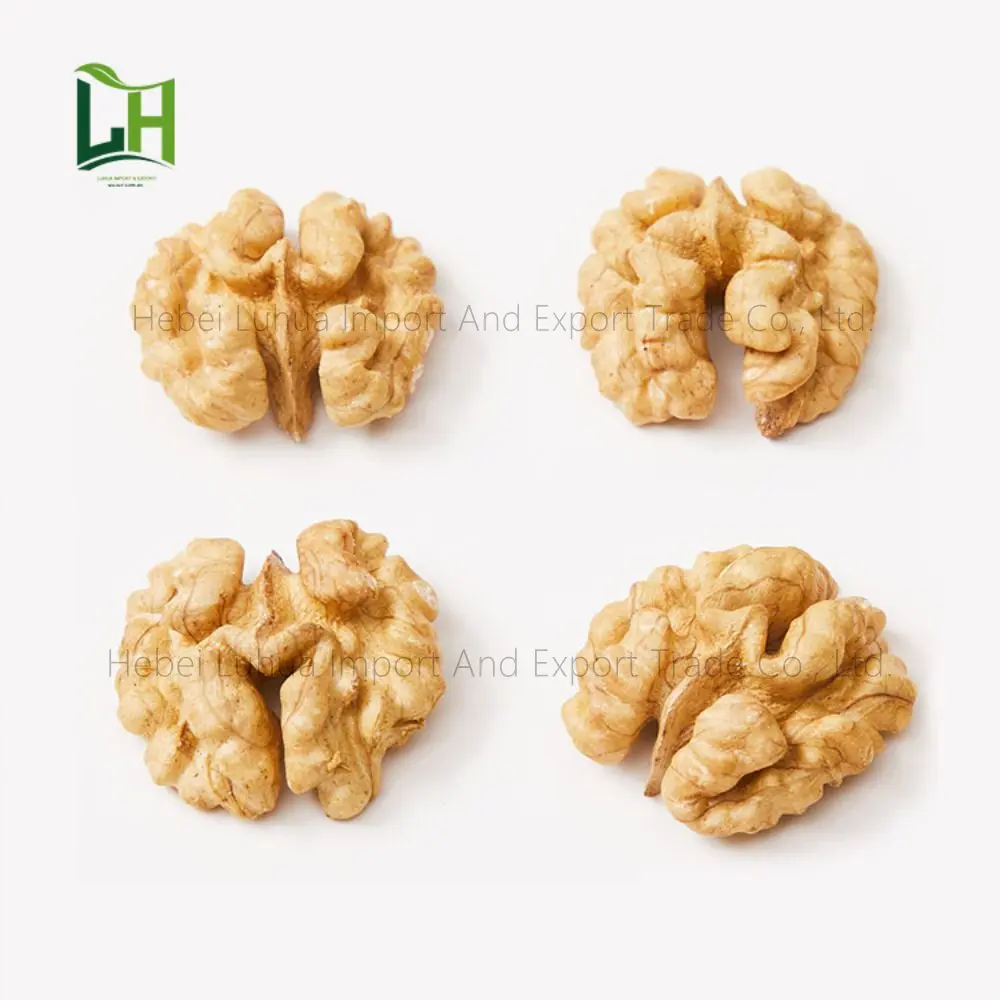
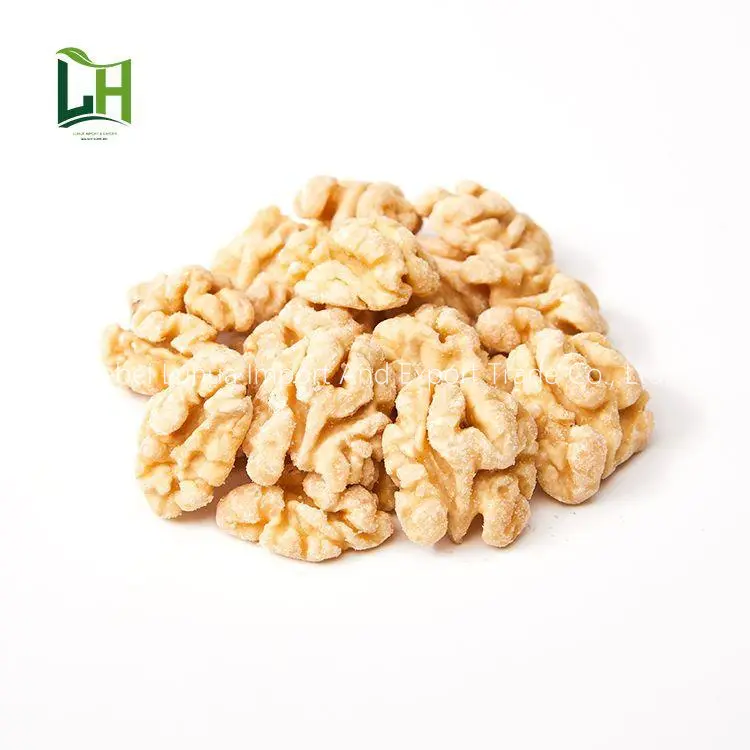
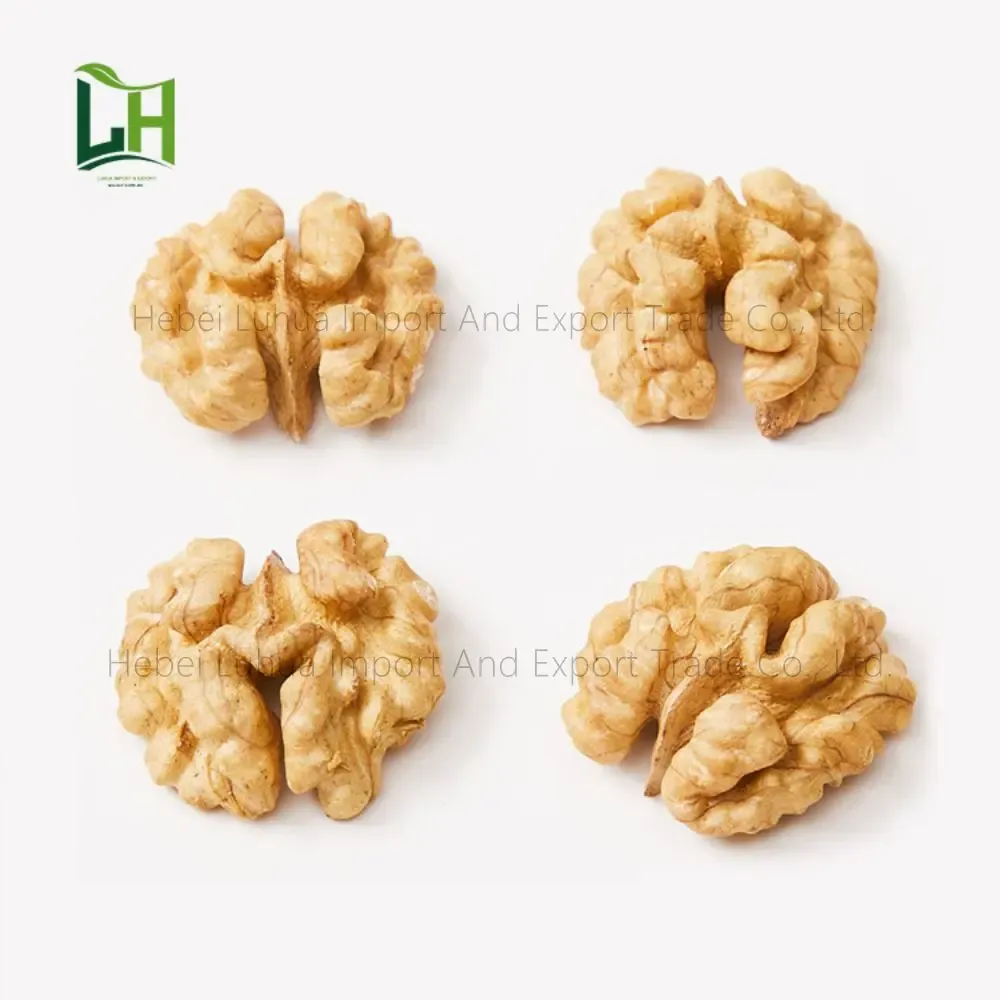
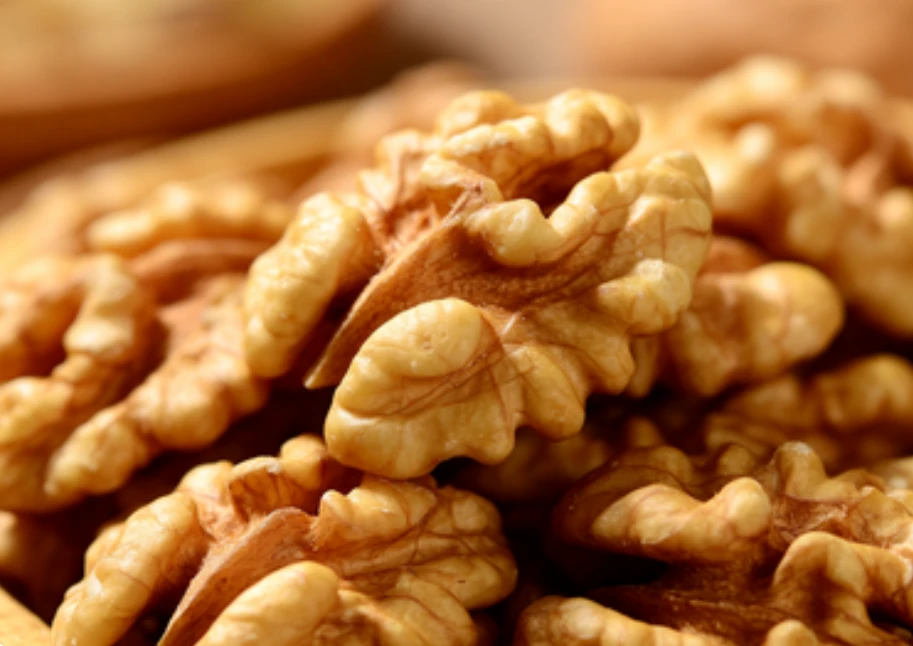
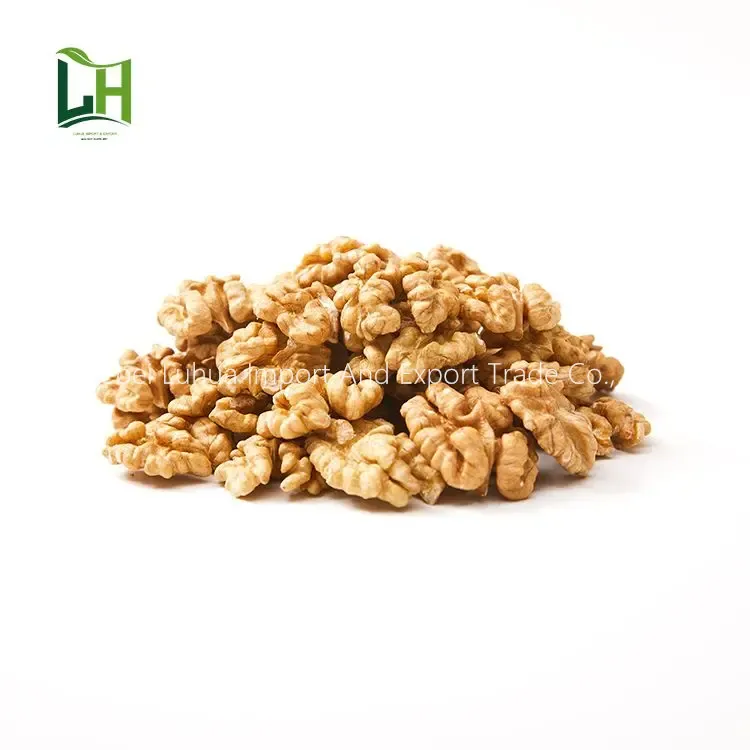
In recent years, walnut kernels have become increasingly popular in the global snack and health food market. As consumers shift toward nutrient-dense and plant-based diets, walnuts are gaining recognition as a versatile ingredient for both traditional snacks and modern functional foods. Walnut kernels are widely used in granola bars, trail mixes, bakery products, and ready-to-eat snack packs because of their rich nutritional profile and convenient consumption format. The growing demand for healthy snacks and plant-based ingredients is driving steady expansion in the global walnut industry, with consumption reaching more than 4 million metric tons worldwide in recent years.
Today’s consumers are increasingly interested in foods that offer both taste and health benefits, and walnut kernels meet these expectations. Their combination of healthy fats, plant protein, and micronutrients makes them ideal for inclusion in balanced diets. As a result, walnut kernels are becoming a key ingredient in modern snack innovation and healthy food trends.
Nutritional Value of Walnut Kernels
Walnut kernels are widely recognized as a nutrient-rich food that supports overall health. They contain polyunsaturated fats, including omega-3 alpha-linolenic acid (ALA), as well as fiber, vitamins, and minerals. These nutrients support heart health, cognitive function, and metabolic balance.
Scientific studies show that adding approximately 28 grams of walnuts per day to the diet can improve overall diet quality and increase intake of nutrients such as magnesium, potassium, and folate.
Walnut kernels also contain antioxidants and polyphenols that help reduce inflammation and oxidative stress. Because of these benefits, walnuts are often recommended as a replacement for snacks high in saturated fat or refined sugar.
These health advantages make walnut kernels a preferred ingredient for functional foods and healthy snack products.
Walnut Kernels as a Popular Healthy Snack
Walnut kernels are particularly suited for healthy snacking due to their convenience and nutritional density. They can be consumed raw, roasted, or mixed with dried fruits and seeds to create balanced snack combinations.
Modern snacking habits favor foods that are easy to carry and ready to eat. Walnut kernels meet these needs while providing long-lasting energy from healthy fats and protein. Many consumers choose walnuts specifically for heart health and as a source of beneficial fatty acids.
In addition, walnut kernels are increasingly included in:
-
Trail mixes
-
Protein snack packs
-
Yogurt toppings
-
Oatmeal and breakfast bowls
-
Energy bars
Globally, around 37% of walnut consumption is linked to snacks and confectionery products, showing the strong role walnuts play in the snack industry.
This trend reflects a broader shift away from processed snacks toward more natural and minimally processed foods.
Walnut Kernels in Plant-Based and Functional Foods
Plant-based eating is one of the most important food trends worldwide, and walnut kernels fit naturally into this movement. Their plant protein content and healthy fats make them a valuable ingredient in vegetarian and vegan diets.
Walnuts are often used as a plant-based substitute for meat or dairy ingredients in recipes such as walnut spreads, vegan sauces, and meat alternatives. Consumption of walnuts in plant-based diets has grown significantly as more consumers adopt vegetarian and flexitarian lifestyles.
Food manufacturers are also incorporating walnut kernels into functional foods such as fortified cereals, nutrition bars, and health beverages. Nearly 39% of food manufacturers now include walnuts in functional food products, demonstrating strong industry adoption.
Because walnut kernels offer both nutrition and flavor, they are considered a premium ingredient in modern health-focused product development.
Walnut Kernels in Bakery and Processed Foods
Walnut kernels are widely used in bakery and processed food applications. Their rich flavor and crunchy texture enhance products such as bread, cakes, cookies, and pastries.
The bakery sector represents a significant share of walnut consumption worldwide, with walnuts commonly used in premium baked goods and desserts.
Common applications include:
-
Walnut bread
-
Muffins and cakes
-
Cookies and brownies
-
Breakfast cereals
-
Granola mixes
Walnut kernels also improve the nutritional value of processed foods by adding fiber and healthy fats. This makes them attractive to food manufacturers looking to develop healthier versions of traditional products.
As consumers demand better-for-you alternatives, walnut-enriched bakery products are becoming increasingly common in supermarkets and specialty stores.
Market Trends Driving Walnut Kernel Demand
Several key trends are supporting the rapid growth of walnut kernels in the global food industry.
1. Growth of Healthy Snacking
Consumers are increasingly replacing sugary or processed snacks with nutrient-dense alternatives. Walnuts are often chosen because they provide healthy fats and plant protein in a natural form.
2. Rising Interest in Functional Foods
Functional foods that provide additional health benefits are becoming more popular. Walnut-based products are frequently introduced as part of this category.
3. Expansion of Plant-Based Diets
Vegetarian and vegan diets are expanding worldwide, increasing demand for plant-based protein sources such as walnut kernels.
4. Increasing Market Size
The global walnut market continues to grow steadily due to rising awareness of nutritional benefits and increasing use in snacks and processed foods.
These factors indicate strong long-term growth potential for walnut kernel products.
Why Walnut Kernels Fit Modern Healthy Lifestyles
Modern consumers want foods that are natural, nutritious, and convenient. Walnut kernels combine all three characteristics, making them ideal for contemporary diets.
They can be easily incorporated into daily meals or eaten alone as a snack. Regular consumption may support heart health, nutrient intake, and overall dietary balance.
Walnut kernels are also versatile enough to fit into many eating patterns, including:
-
High-protein diets
-
Plant-based diets
-
Mediterranean-style diets
-
Low-processed-food diets
Because of these advantages, walnut kernels are expected to remain a key ingredient in healthy snacks and functional foods for years to come.
Conclusion
Walnut kernels are becoming an essential ingredient in modern snack products and healthy food innovations. Their nutritional value, convenience, and versatility make them highly attractive to both consumers and food manufacturers.
As demand for plant-based nutrition and healthy snacks continues to grow, walnut kernels will play an increasingly important role in global food trends. Whether used in snack mixes, bakery products, or functional foods, walnut kernels provide a natural and nutritious solution for today's health-conscious consumers.
Post time:feb . 24, 2026 14:39