Wholesale walnut pieces represent a crucial component in a diverse range of industries, from food processing and confectionery to cosmetics and even specialized industrial applications. The global demand for high-quality walnut pieces continues to rise, driven by increasing health consciousness and the versatile nature of the product. Understanding the sourcing, processing, and market dynamics of wholesale walnut pieces is essential for businesses seeking reliable supply chains and competitive pricing.
The importance of wholesale walnut pieces extends beyond simply being an ingredient. They contribute significantly to international trade, supporting agricultural economies and providing livelihoods for countless individuals. Navigating the complexities of international regulations, quality control standards, and logistical challenges within the wholesale walnut pieces market requires specialized knowledge and reliable partners.
Choosing the right wholesale supplier for walnut pieces is paramount. Factors such as origin, processing methods, certifications (like ISO 22000), and sustainable practices all play a critical role in ensuring product quality and ethical sourcing. A deep understanding of these aspects empowers businesses to make informed decisions and build long-term, mutually beneficial relationships.
The Global Significance of Wholesale Walnut Pieces
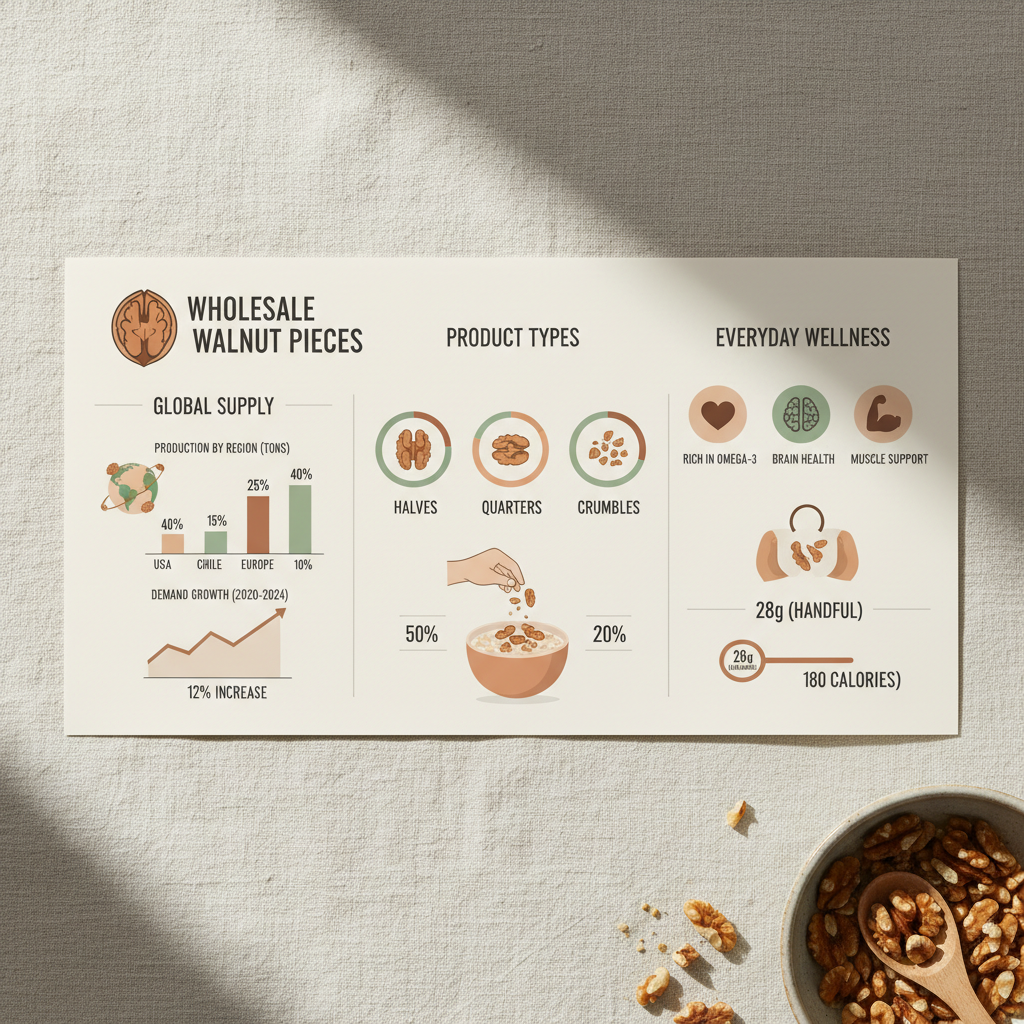
The global market for walnuts, and consequently wholesale walnut pieces, is a multi-billion dollar industry. According to data from the Food and Agriculture Organization of the United Nations (FAO), walnut production has steadily increased over the past two decades, with major producing countries including China, the United States, Turkey, and Iran. This growth reflects both rising demand and advancements in agricultural techniques.
The significance extends beyond purely economic factors. Walnuts are recognized as a superfood due to their high concentration of omega-3 fatty acids, antioxidants, and vitamins. This has fueled demand from health-conscious consumers and manufacturers of nutritional products, driving the need for consistent, reliable supplies of wholesale walnut pieces.
Defining Wholesale Walnut Pieces
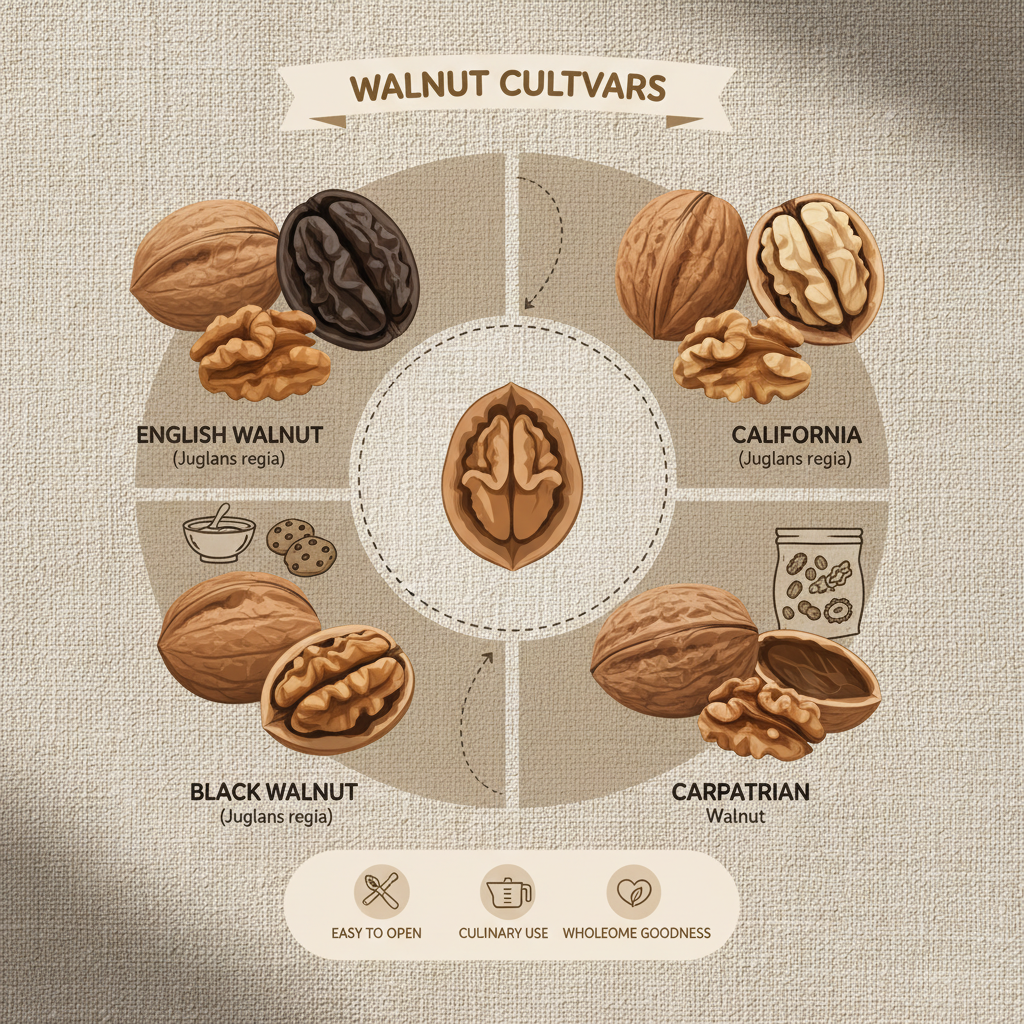
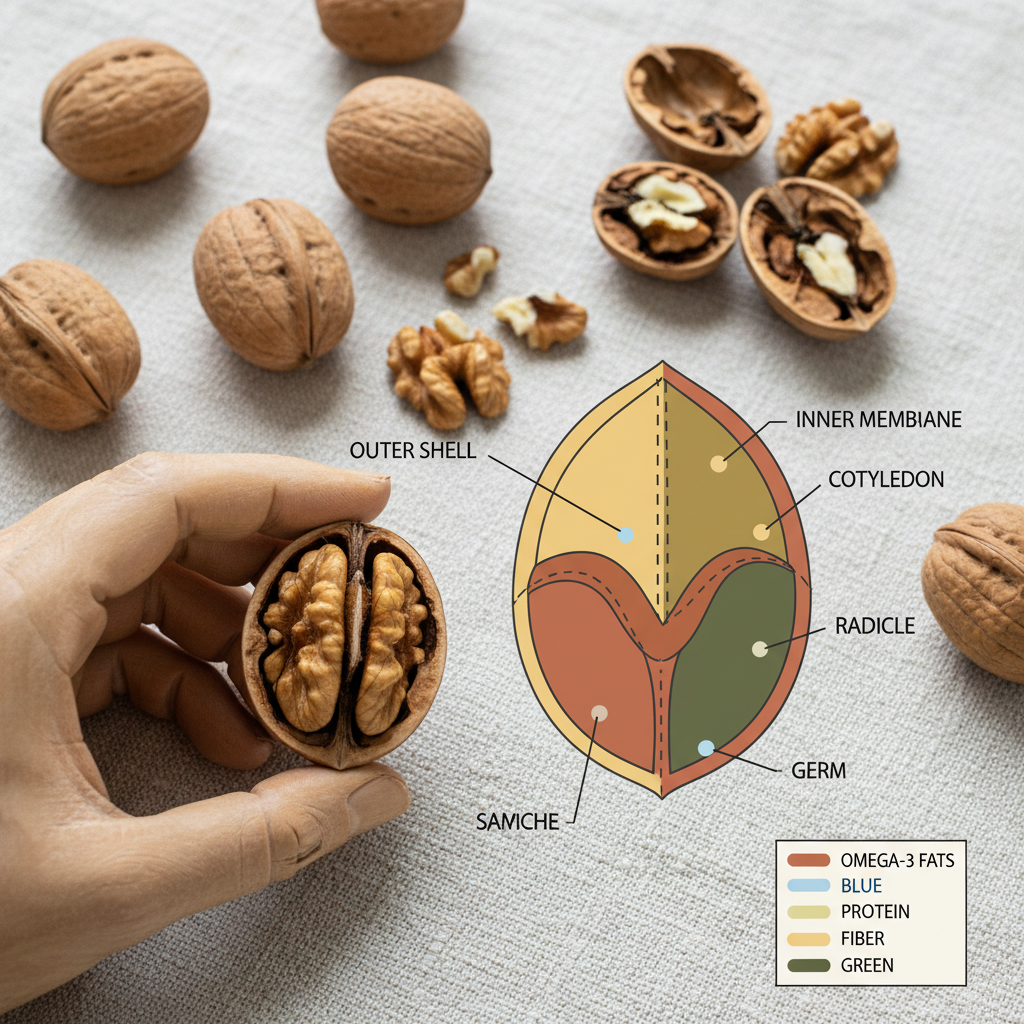
Wholesale walnut pieces refer to shelled walnut kernels that are sold in bulk quantities to businesses, rather than directly to consumers. These pieces vary in size, shape, and color, depending on the walnut variety and processing techniques. Common classifications include halves, quarters, and broken pieces, each catering to different applications and price points.
Unlike whole walnuts intended for retail, wholesale walnut pieces are primarily utilized as an ingredient in a vast array of food products – baked goods, confectionery, snacks, and salads being prime examples. They are also finding increasing use in cosmetic formulations for their exfoliating properties, and in certain industrial processes requiring natural fillers.
The definition also encompasses the quality standards associated with these products. Wholesale walnut pieces are typically graded based on color, size, cleanliness, and moisture content, with stringent requirements often mandated by food safety regulations and industry best practices.
Key Characteristics of Quality Wholesale Walnut Pieces
Several key characteristics define the quality of wholesale walnut pieces. Color is a crucial indicator, with lighter, more uniform shades generally signifying fresher and better-stored nuts. The absence of rancidity, insect damage, or mold is paramount for food safety and consumer acceptance.
Moisture content is another critical factor. Optimal moisture levels (typically around 8-10%) prevent the development of mold and maintain the crisp texture of the walnut pieces. Proper packaging and storage are essential for preserving this moisture balance throughout the supply chain. Certifications like HACCP and ISO 22000 demonstrate a commitment to food safety and quality control.
Size and uniformity can also impact usability in specific applications. For example, confectionery manufacturers may require consistently sized pieces for automated processing, while bakeries might prefer a mix of sizes for texture and visual appeal. Understanding the specific requirements of your application is vital when selecting wholesale walnut pieces.
Factors Influencing the Cost of Wholesale Walnut Pieces
The price of wholesale walnut pieces fluctuates based on a complex interplay of factors. Crop yields are a primary driver, with weather conditions and agricultural practices directly impacting supply. A poor harvest in a major producing region can lead to significant price increases.
Demand also plays a substantial role. Seasonal peaks, such as the holiday baking season, often result in increased demand and corresponding price adjustments. Global economic conditions and currency exchange rates can further influence pricing, particularly for importers and exporters.
Cost Factors in Wholesale Walnut Pieces
Global Applications and Industry Sectors
Wholesale walnut pieces are integral to numerous industries worldwide. The food industry is the largest consumer, utilizing them in baking, confectionery, ice cream, salads, and trail mixes. Growing demand for plant-based protein has also expanded their use in vegan and vegetarian products.
Beyond food, the cosmetics industry incorporates walnut shell powder (derived from processing walnut pieces) as a natural exfoliant in scrubs and cleansers. Certain industrial applications leverage walnut shells as a renewable filler material. Furthermore, the health and wellness sector values walnut pieces for their nutritional benefits, driving demand for inclusion in dietary supplements.
Advantages of Sourcing Wholesale Walnut Pieces
Sourcing wholesale walnut pieces offers significant advantages for businesses. Cost efficiency is a primary benefit, as bulk purchasing typically yields lower per-unit prices compared to retail options. Reliable suppliers can ensure consistent quality and availability, minimizing disruptions to production processes.
Building strong relationships with wholesale suppliers fosters collaboration and potential for customized solutions, such as specific grading requirements or packaging options. Furthermore, partnering with suppliers committed to sustainable and ethical sourcing practices enhances brand reputation and appeals to environmentally conscious consumers.
Future Trends in the Wholesale Walnut Pieces Market
The wholesale walnut pieces market is poised for continued growth, driven by emerging trends. Increased focus on sustainability will lead to greater demand for organically grown and responsibly sourced walnuts. Technological advancements in processing and sorting will improve efficiency and reduce waste.
The development of new walnut varieties with enhanced nutritional profiles or improved shelling characteristics is also anticipated. Furthermore, expanding applications in plant-based foods and innovative cosmetic formulations will contribute to overall market expansion. Digital platforms and traceability systems will play a larger role in ensuring transparency and food safety throughout the supply chain.
The rise of e-commerce will further streamline the sourcing process for businesses, connecting them directly with wholesale suppliers globally. Automation in handling and packaging is also expected to increase efficiency and lower costs within the industry.
FAQS
The shelf life of wholesale walnut pieces varies depending on storage conditions. Properly stored in airtight containers in a cool, dry, and dark environment, they can typically last for 6-12 months. However, the oil content in walnuts can eventually lead to rancidity, so monitoring for off-flavors or odors is crucial. Vacuum sealing and nitrogen flushing can extend the shelf life considerably.
Key certifications to look for include HACCP (Hazard Analysis and Critical Control Points), ISO 22000 (Food Safety Management System), and organic certifications (like USDA Organic or EU Organic) if you require organic walnuts. These certifications demonstrate a commitment to food safety, quality control, and responsible production practices. Additionally, consider suppliers with Fair Trade certifications for ethical sourcing.
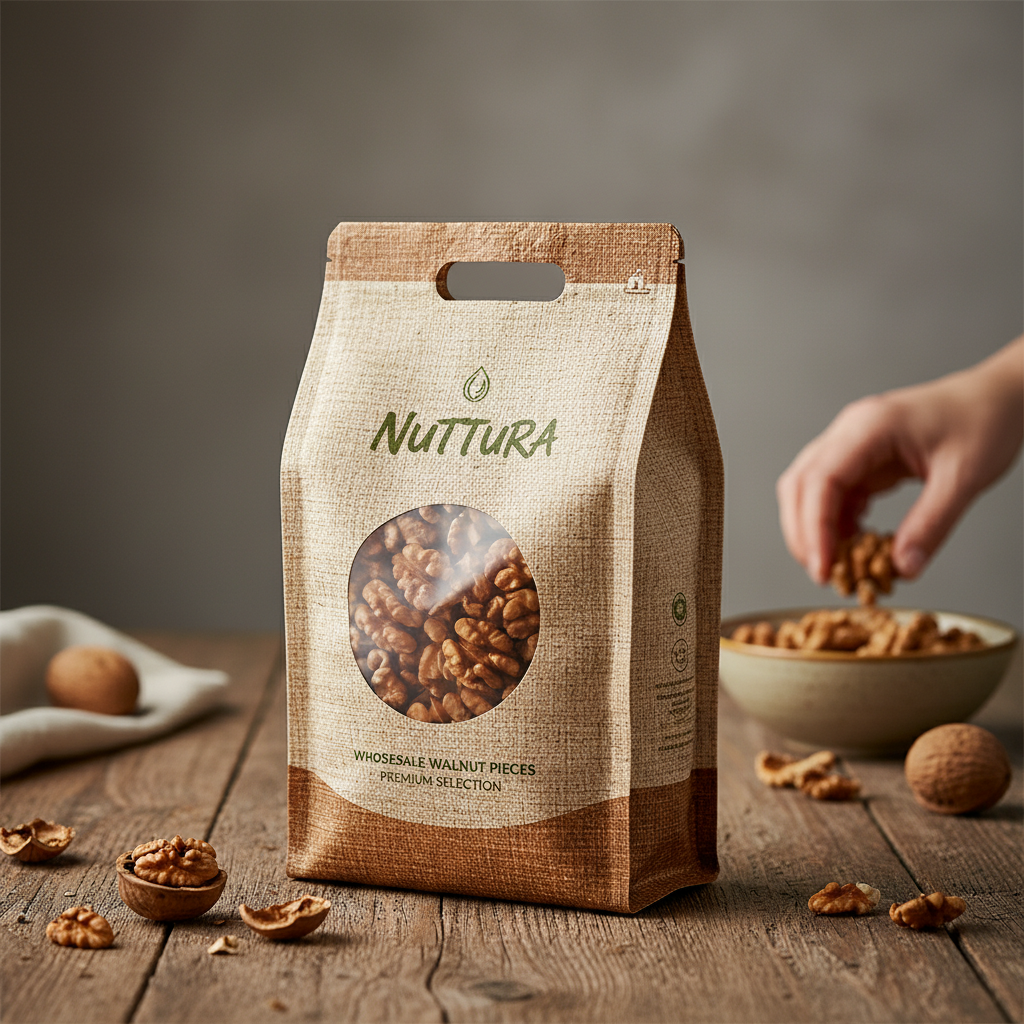
Wholesale walnut pieces are commonly packaged in multi-walled paper bags, vacuum-sealed pouches, or cardboard boxes lined with plastic. Palletized shipments are standard for larger orders. The packaging is designed to protect the walnuts from moisture, light, and physical damage during transit. Custom packaging options are often available upon request.
Grading systems vary, but common classifications include “Halves,” “Quarters,” and “Broken.” Halves are the largest, most intact pieces, commanding the highest price. Quarters are smaller, while broken pieces are typically used in products where appearance is less critical. Grading also considers color, cleanliness, and the presence of defects.
Import regulations vary significantly by country. Generally, you’ll need to comply with food safety regulations, phytosanitary requirements (to prevent the spread of pests and diseases), and customs duties. Import permits and certificates of origin may also be required. Consulting with a customs broker or import specialist is highly recommended.
Store wholesale walnut pieces in a cool, dry, dark, and well-ventilated area. The ideal temperature is between 50-60°F (10-15°C). Avoid exposure to direct sunlight, heat, and moisture. Airtight containers are essential to prevent oxidation and rancidity. Freezing can extend shelf life, but may slightly alter the texture.
Conclusion
In conclusion, wholesale walnut pieces represent a valuable and versatile ingredient with broad applications across numerous industries. Understanding the factors that influence quality, pricing, and supply chain dynamics is crucial for businesses seeking a reliable and cost-effective source. The increasing focus on sustainability, health consciousness, and technological innovation will continue to shape the future of this dynamic market.
As demand for wholesale walnut pieces continues to grow, proactive businesses should prioritize building strong relationships with reputable suppliers committed to quality, ethical sourcing, and sustainable practices. Exploring emerging technologies and adapting to evolving market trends will be key to long-term success in this ever-changing landscape. Visit our website at wholesale walnut pieces to learn more and explore our range of products.