Walnut Price in China: A Comprehensive Guide for Buyers
Understanding the walnut price in China is crucial for importers, distributors, and businesses relying on this versatile nut. China is a major producer and exporter of walnuts, offering a wide range of varieties and price points. This article provides a detailed overview of the factors influencing walnut prices, current market trends, key varieties available, and tips for sourcing high-quality walnuts from China. We'll explore how to navigate the market and secure competitive pricing.
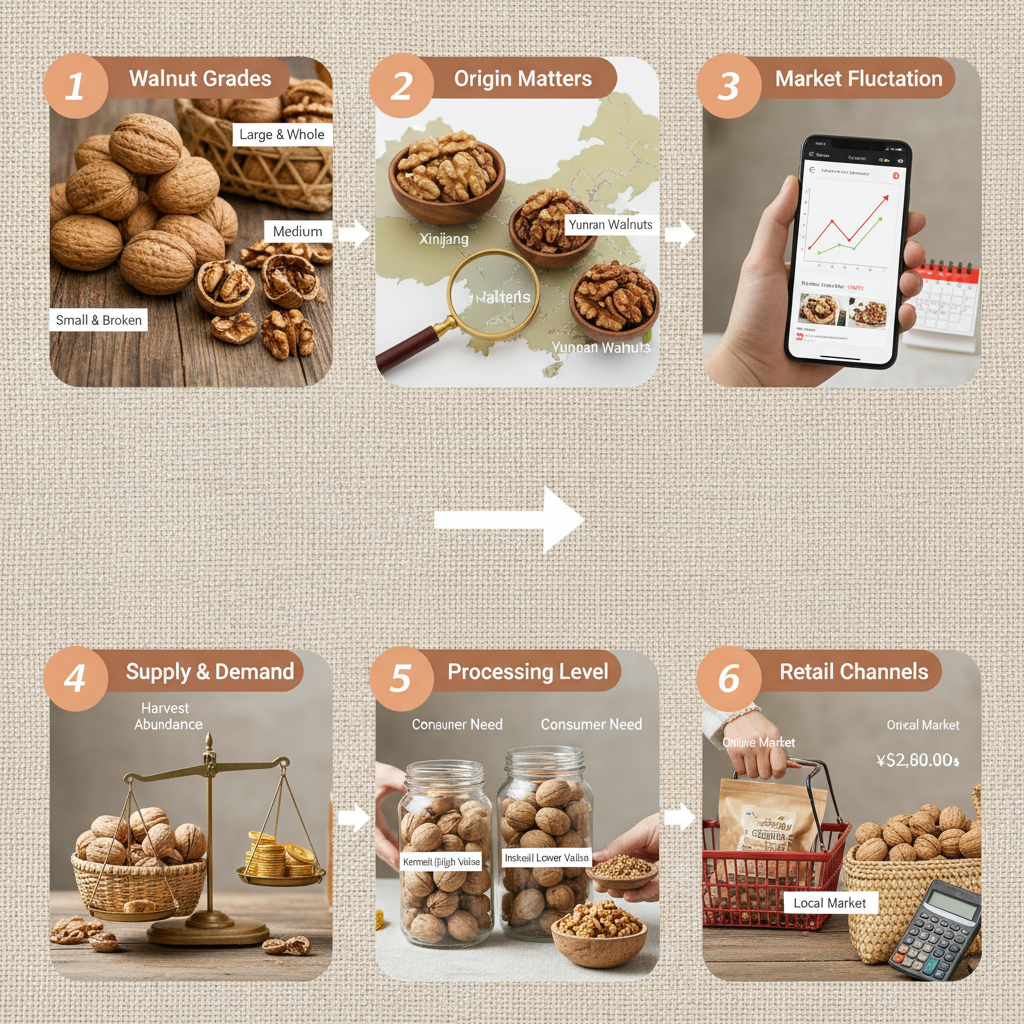
Factors Influencing Walnut Price in China
Several key factors contribute to fluctuations in the walnut price in China. These include harvest yields, demand from both domestic and international markets, quality of the nuts, processing costs, and transportation expenses. Weather conditions play a significant role; unfavorable weather during crucial growth stages can lead to reduced yields and higher prices. Government policies, such as export tariffs and subsidies, also impact market dynamics. Moreover, global economic conditions and currency exchange rates can influence the competitiveness of Chinese walnuts in the international market. Understanding these factors is essential for making informed purchasing decisions.
Key Highlights: Harvest yields, demand, quality, processing costs, transportation, weather, government policies, and global economic factors all play a part.
Major Walnut Varieties and Their Price Ranges
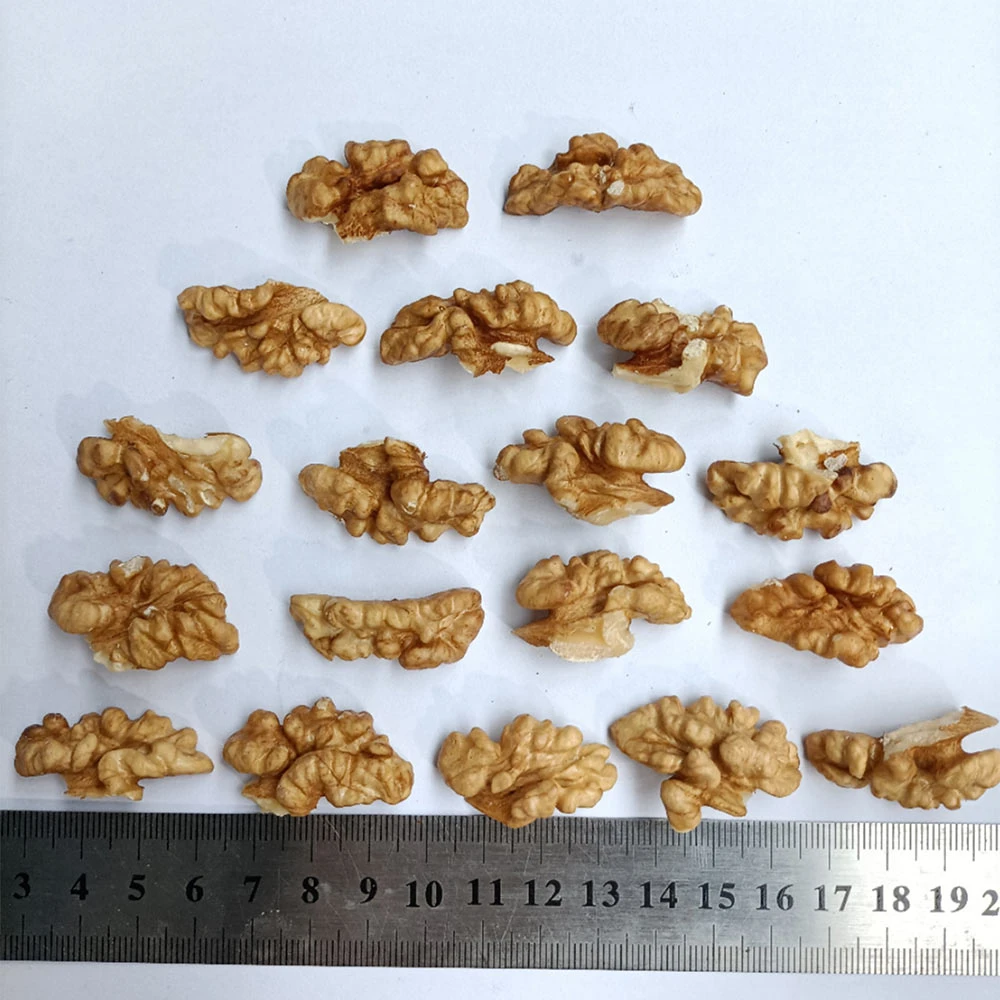
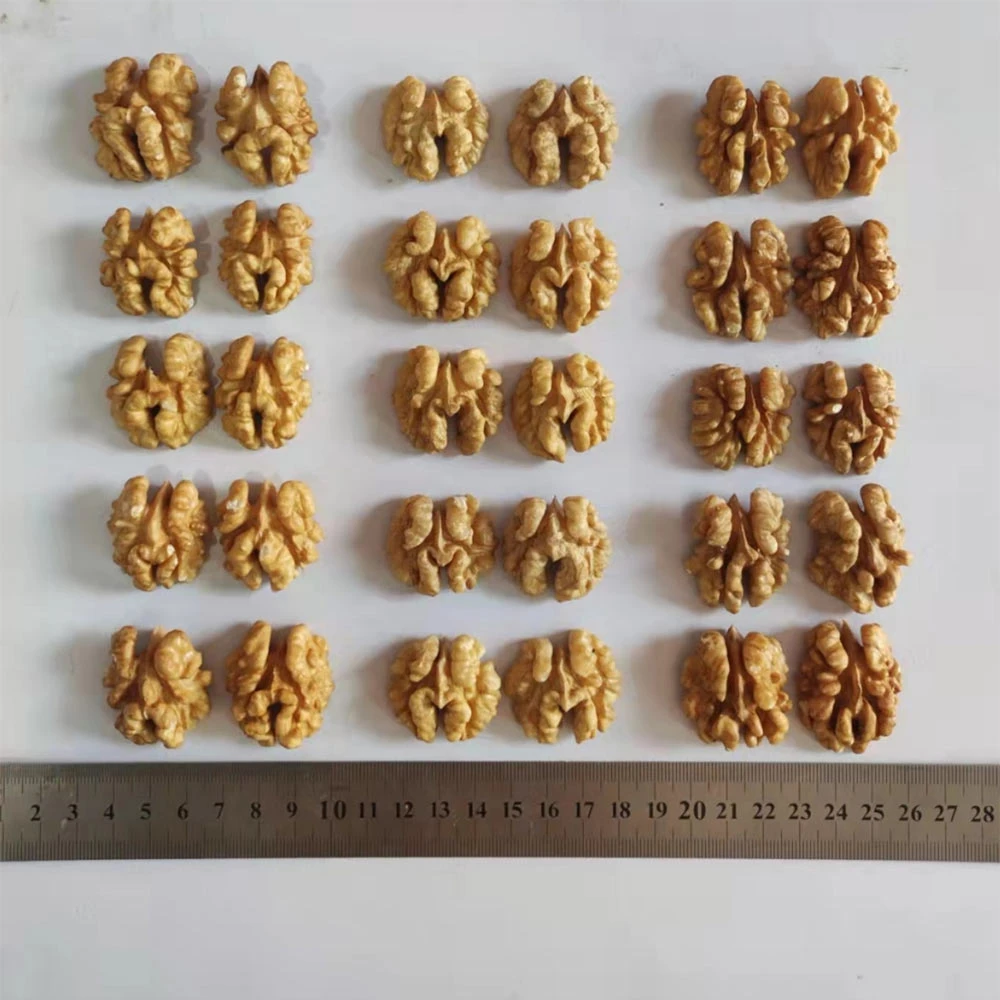
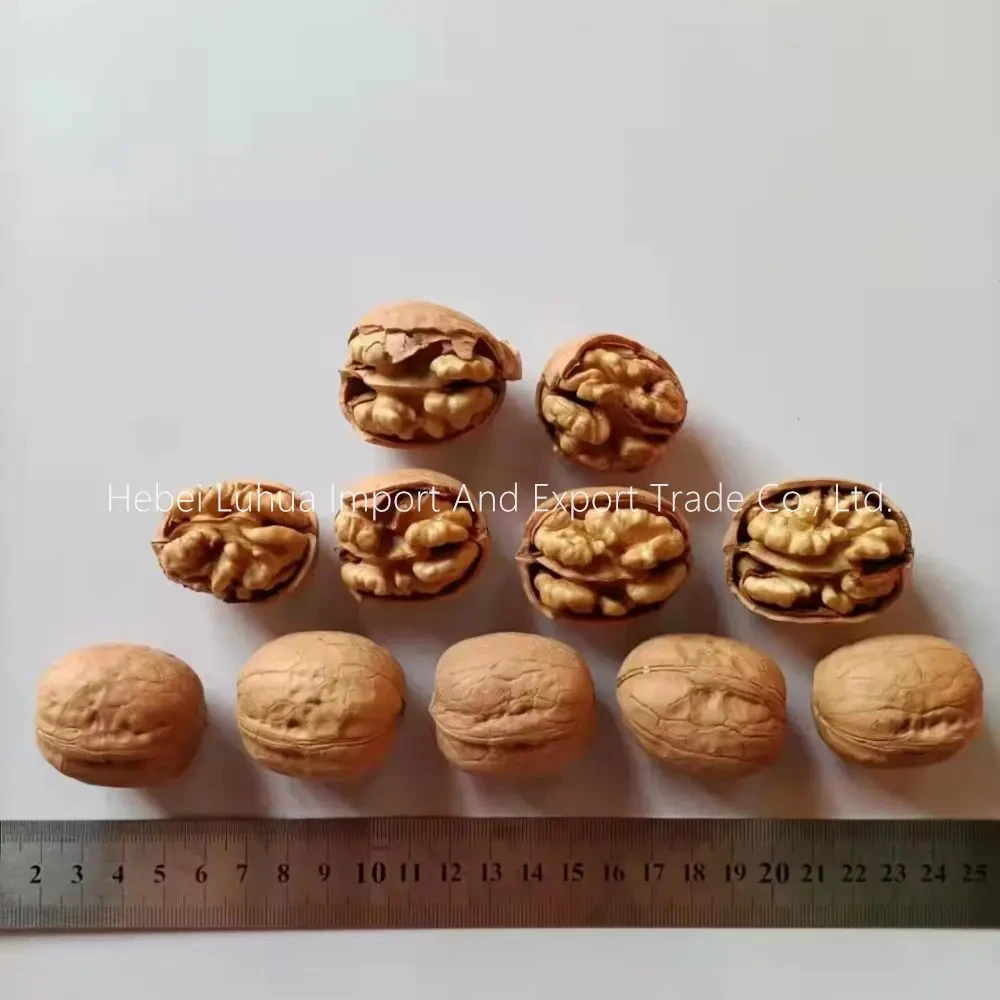
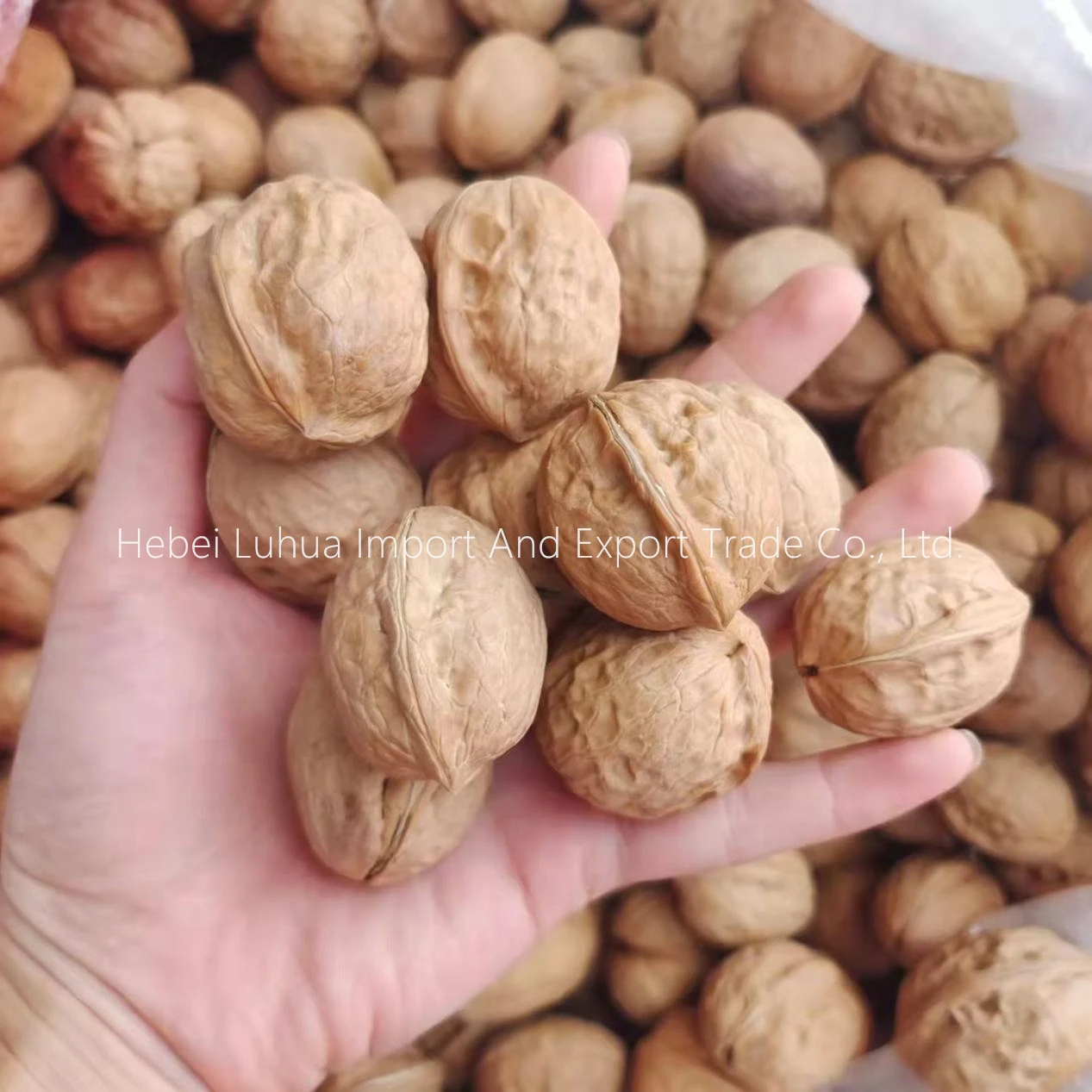
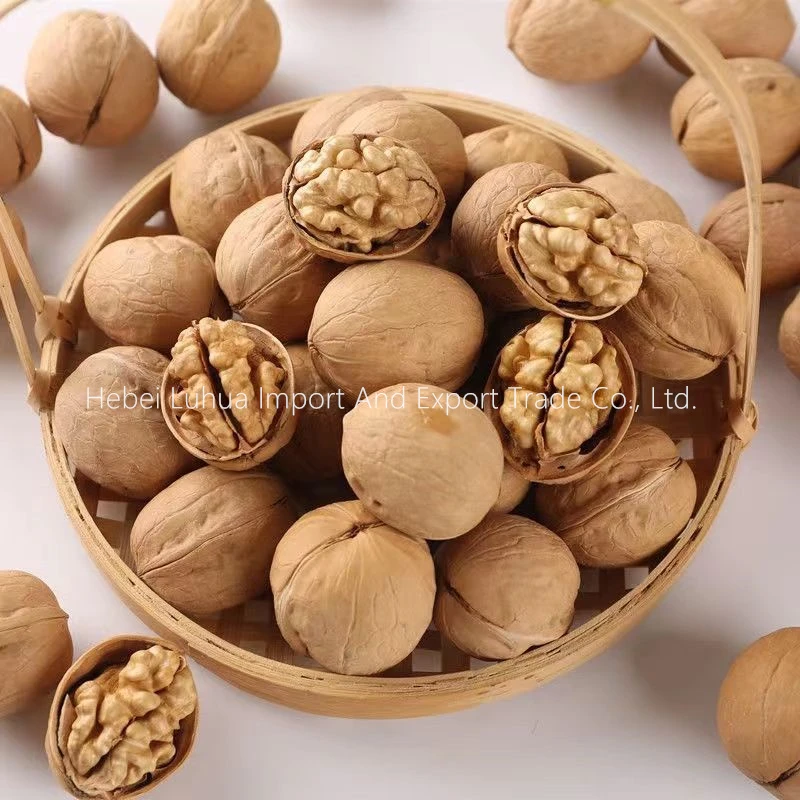
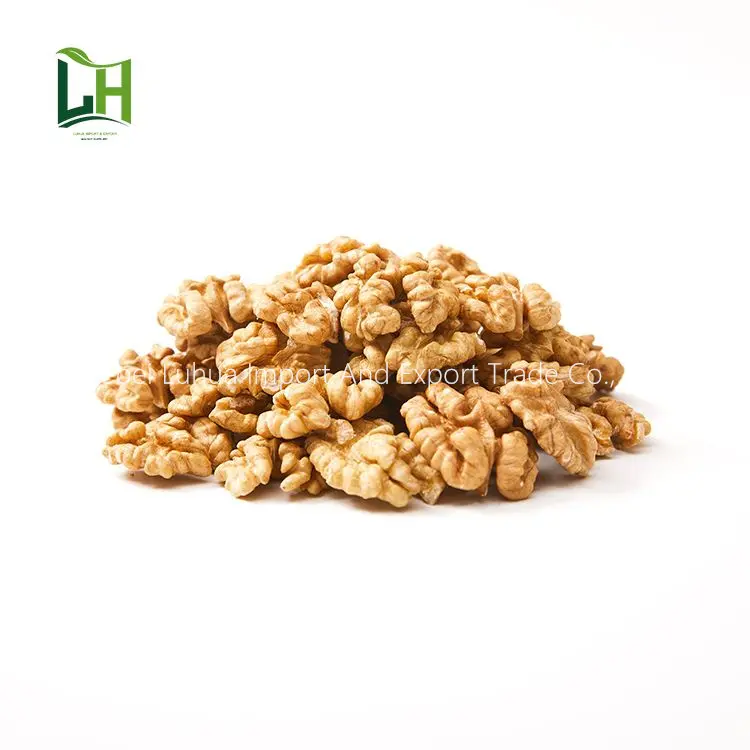
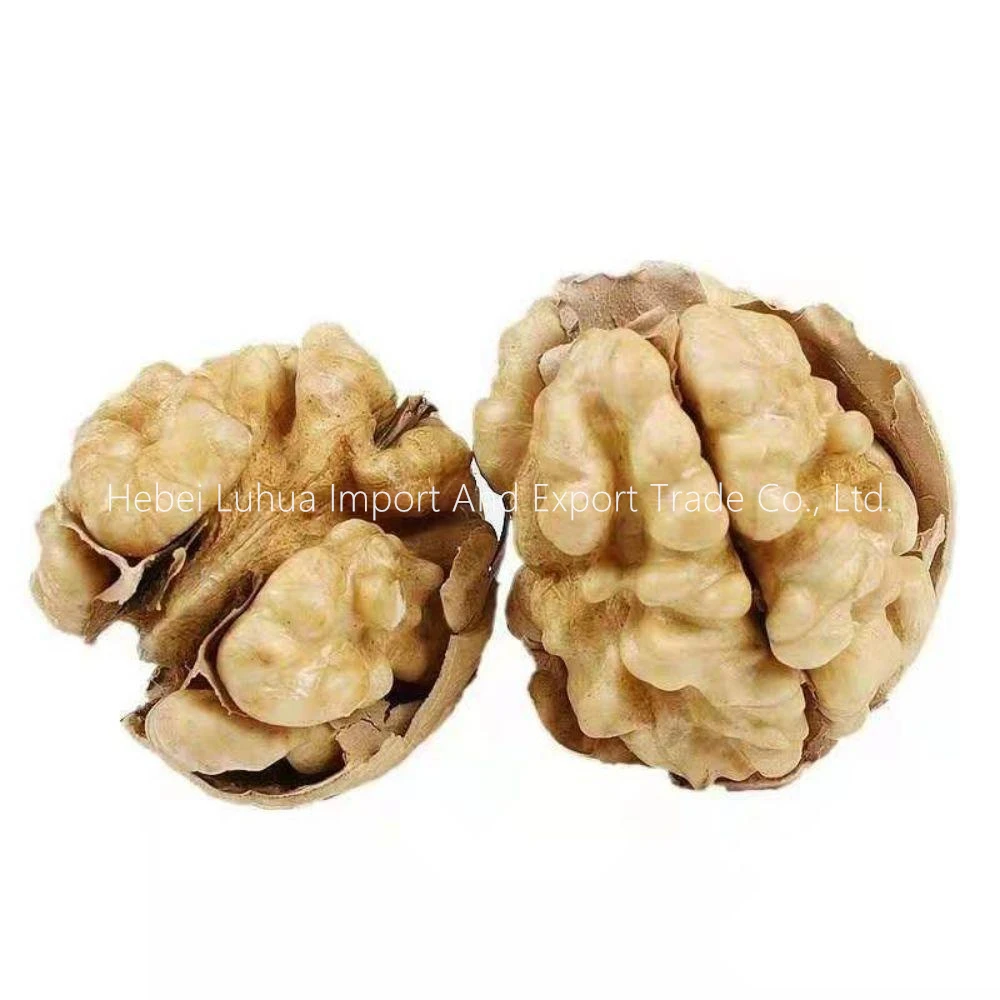
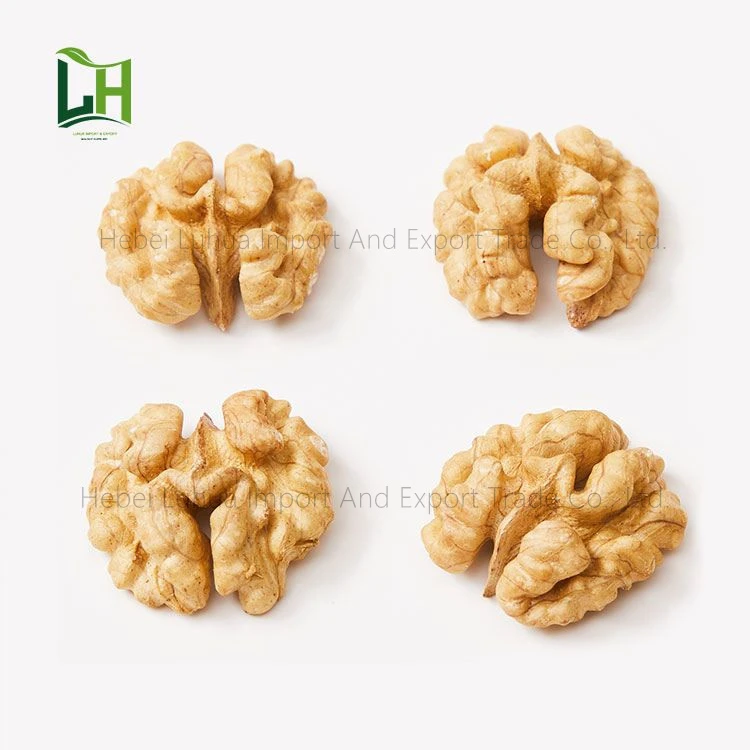
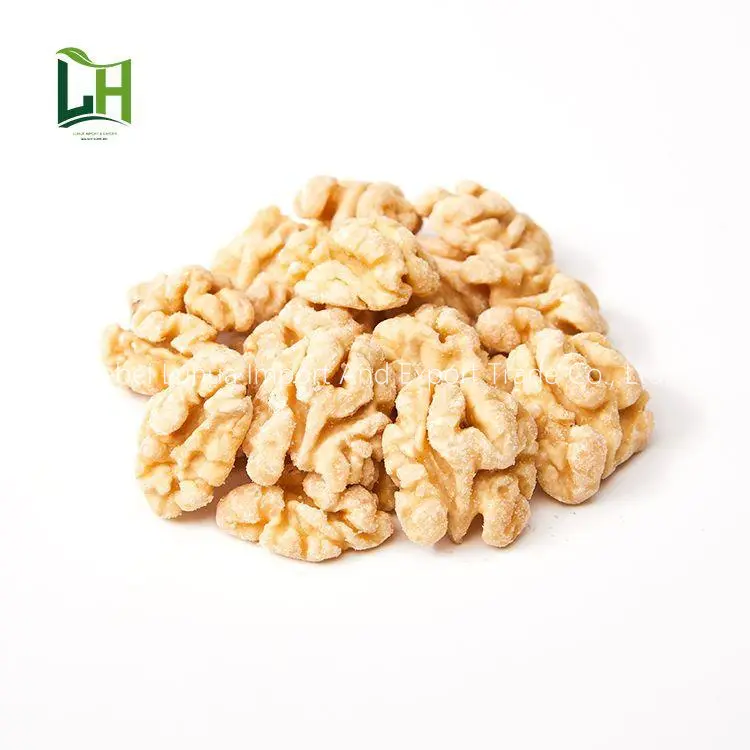
China cultivates various walnut varieties, each with unique characteristics and price points. Xinjiang walnuts, known for their large size and rich flavor, are typically among the most expensive. Hebei walnuts, a more common variety, offer a balance of quality and affordability. Other significant varieties include Yunnan walnuts and Henan walnuts. The price differences are determined by size, kernel quality (percentage of kernel weight to shell weight), moisture content, and overall appearance. Below is a general price comparison (as of late 2023/early 2024):
Current Market Trends for Walnuts in China
The walnut market in China has seen steady growth in recent years, driven by increasing domestic consumption and expanding export opportunities. There’s a growing demand for organic and sustainably sourced walnuts. The COVID-19 pandemic initially disrupted supply chains, leading to temporary price increases, but the market has largely stabilized. Current trends indicate a focus on value-added products like shelled walnuts, walnut oil, and walnut snacks. Online sales channels are also becoming increasingly important for distributing walnuts to both consumers and businesses. Staying abreast of these trends is critical for capitalizing on emerging opportunities.
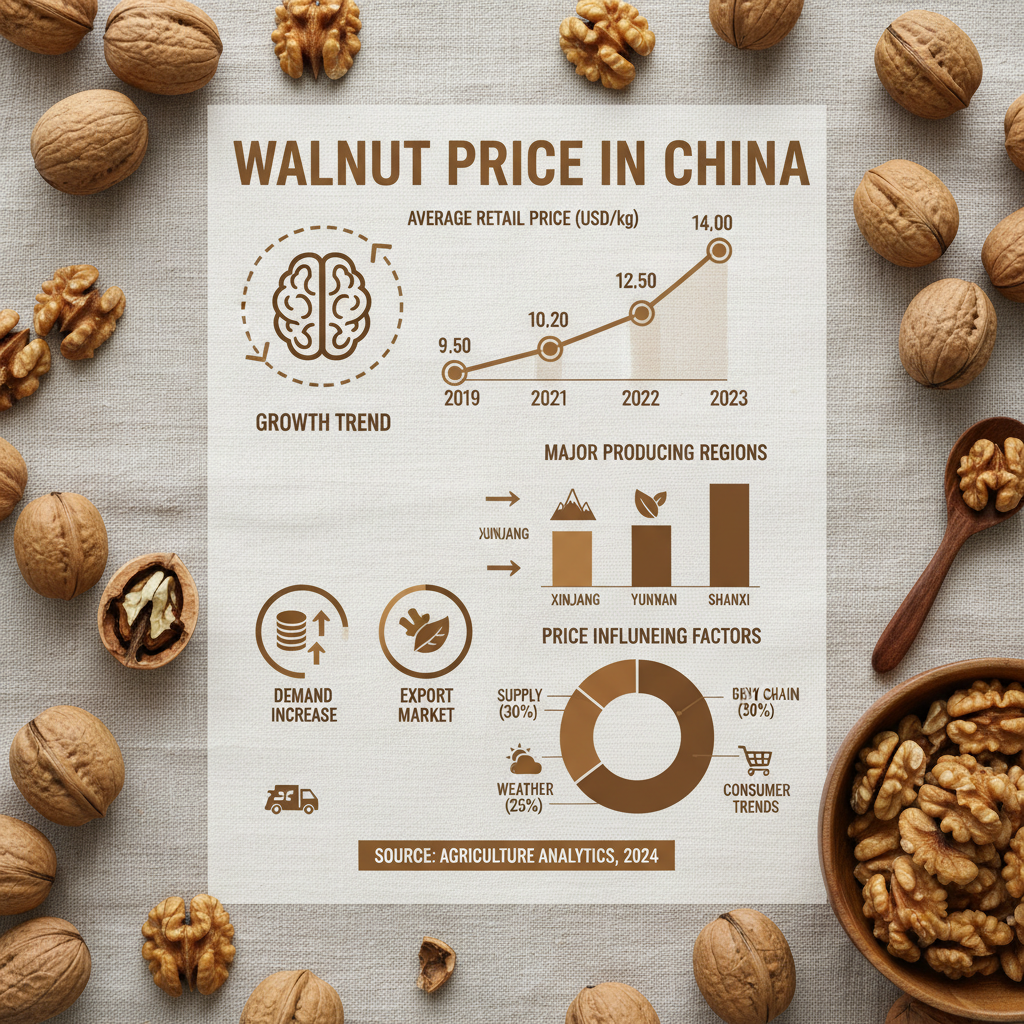
Sourcing Walnuts from China: Tips for Buyers
When sourcing walnuts from China, it's essential to work with reputable suppliers. Thoroughly vet potential suppliers by checking their certifications (e.g., ISO, HACCP), production capabilities, and quality control processes. Request samples to assess the quality of the nuts before placing a large order. Negotiate pricing and payment terms carefully. Consider using a third-party inspection service to ensure the walnuts meet your specifications. Finally, establish clear communication channels with your supplier to address any issues promptly. Luhuawalnut.com provides a reliable platform for sourcing high-quality walnuts directly from China.
Understanding Walnut Grades and Quality Standards
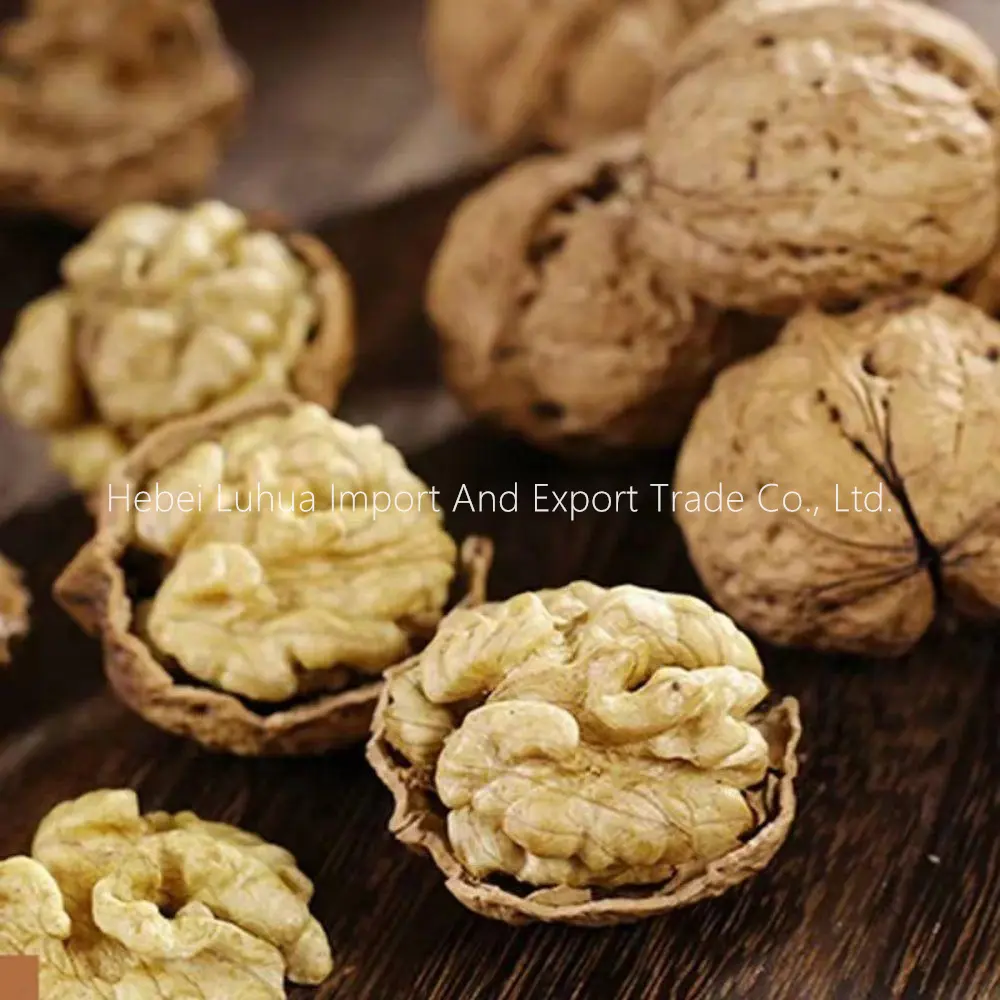
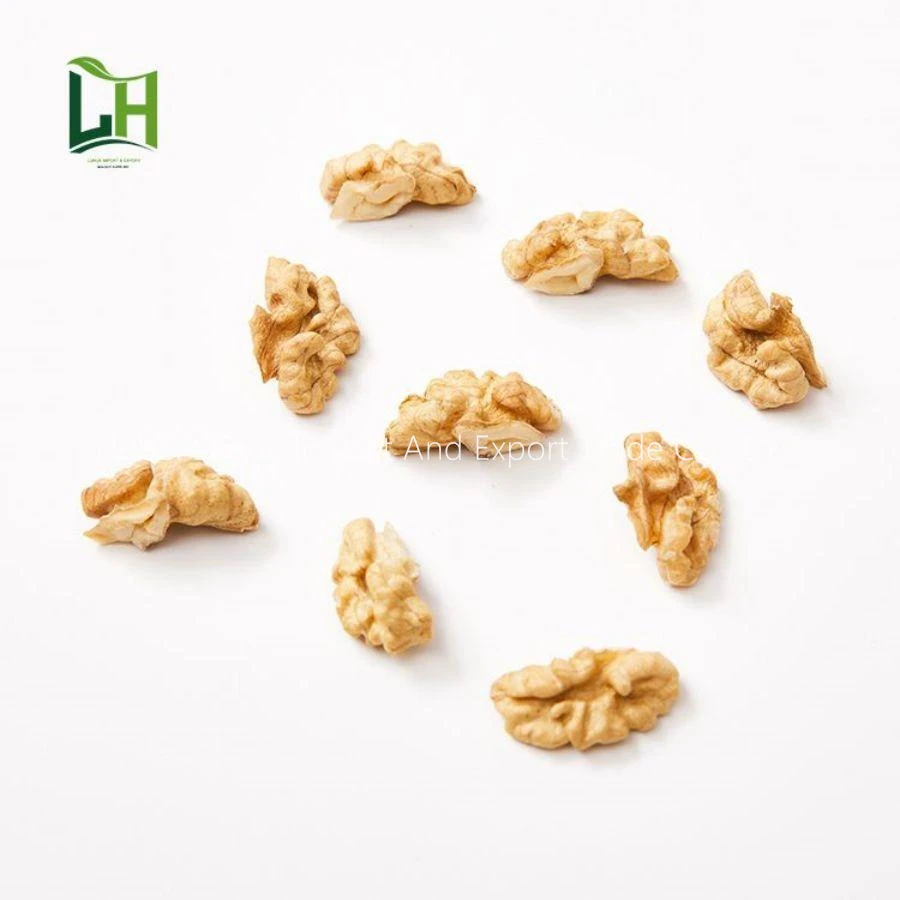
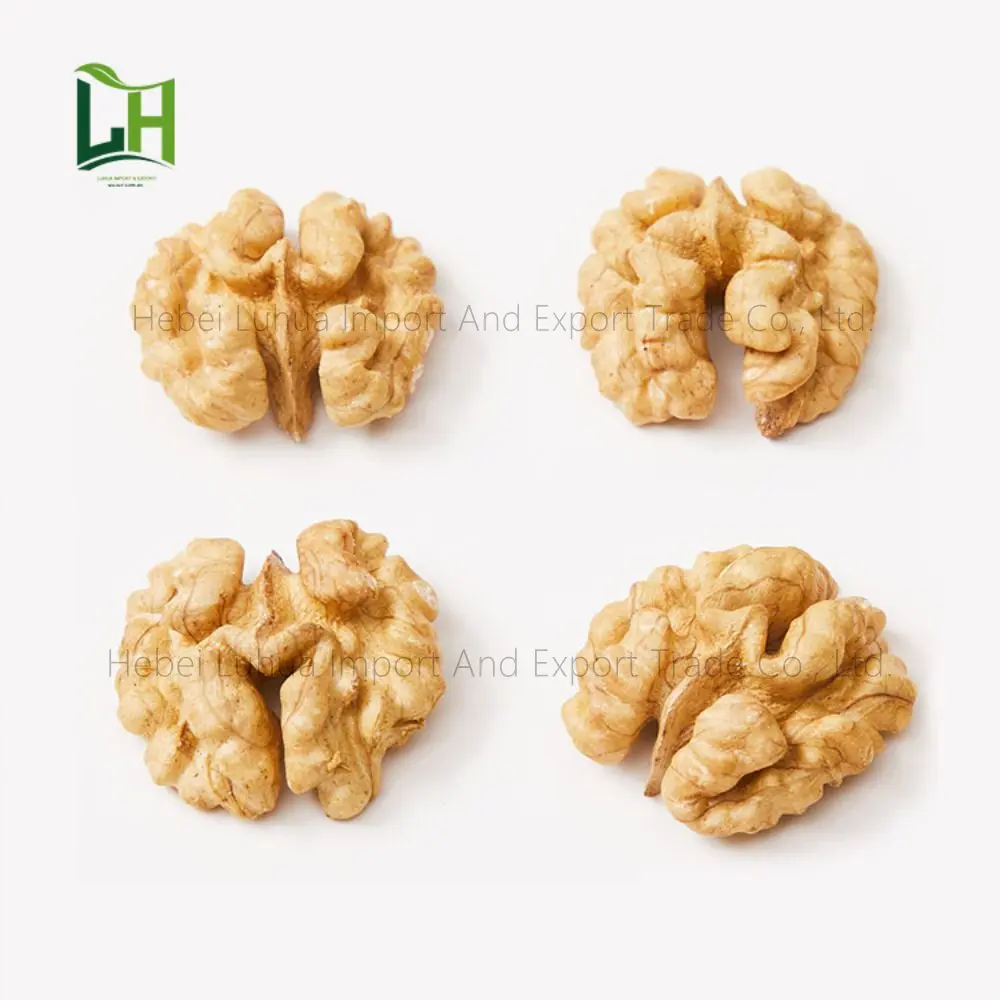
Walnut quality is assessed based on several criteria, including kernel size, kernel color, moisture content, and the presence of defects. Higher grades command premium prices. Moisture content is particularly important, as excessive moisture can lead to mold growth and spoilage. Typically, a moisture content of 8% or less is preferred. Grades are often categorized as Extra Grade, Grade One, and Grade Two, with Extra Grade representing the highest quality. Suppliers should provide detailed specifications and quality reports for each batch. Always ask for certification of quality and adherence to relevant food safety standards.
Conclusion: Navigating the Chinese Walnut Market
The walnut price in China is influenced by a complex interplay of factors. By understanding these factors, researching available varieties, and partnering with reliable suppliers, buyers can secure competitive pricing and high-quality walnuts. Careful planning and due diligence are essential for success in this dynamic market.
Frequently Asked Questions (FAQs)
What is the best time of year to buy walnuts in China?
The optimal time to purchase walnuts in China is typically during and immediately after the harvest season, which generally runs from September to November. Prices tend to be lower during this period due to increased supply. However, it’s important to note that prices can fluctuate based on weather conditions and overall market demand. Buying directly from suppliers during the harvest season can often secure the best deals.
How can I ensure the quality of walnuts I import from China?
To ensure quality, prioritize working with certified suppliers who adhere to strict quality control standards. Request samples for inspection before placing a bulk order. Employ a third-party inspection service to verify quality and quantity before shipment. Check for certifications like ISO, HACCP, and organic certifications. Pay close attention to moisture content and the absence of defects like mold or insect damage.
What are the typical payment terms when purchasing walnuts from Chinese suppliers?
Common payment terms include a 30% deposit upfront, with the remaining 70% payable upon presentation of shipping documents (e.g., bill of lading). Letter of Credit (L/C) is also a frequently used option, particularly for larger orders. Negotiating favorable payment terms is crucial, and it's important to establish a clear agreement with the supplier before finalizing the order.
What are the import regulations for walnuts entering my country?
Import regulations vary significantly by country. It's crucial to research and comply with the specific requirements of your destination country, including import permits, phytosanitary certificates, and labeling regulations. Check with your local customs authorities and agricultural departments for detailed information. Failure to comply with import regulations can result in delays, penalties, or rejection of the shipment.
Post time:Mar . 28, 2026 02:55