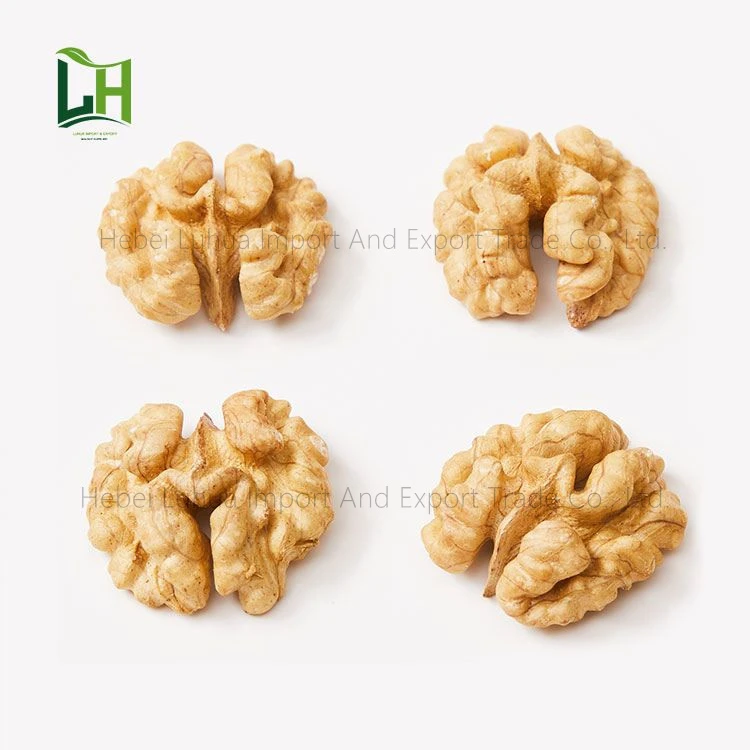
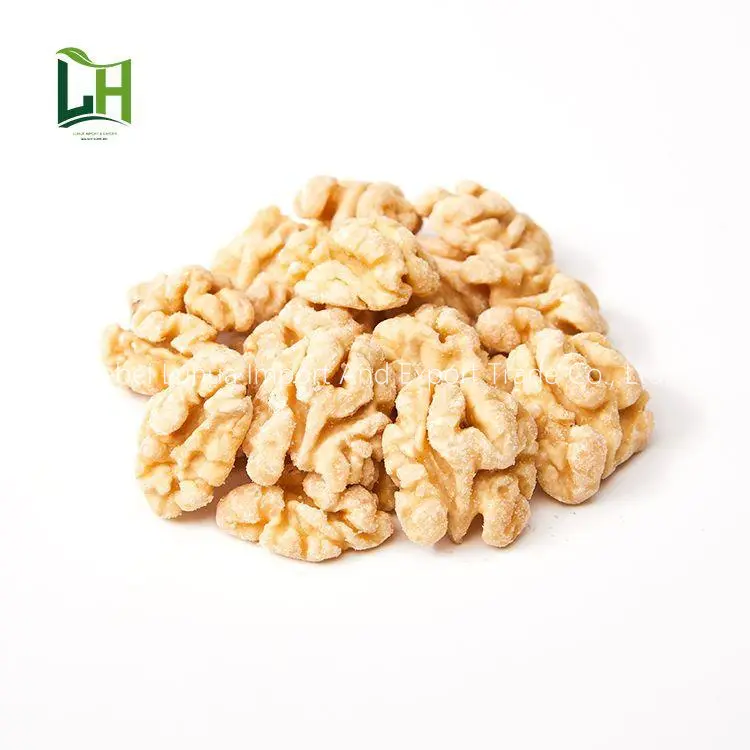
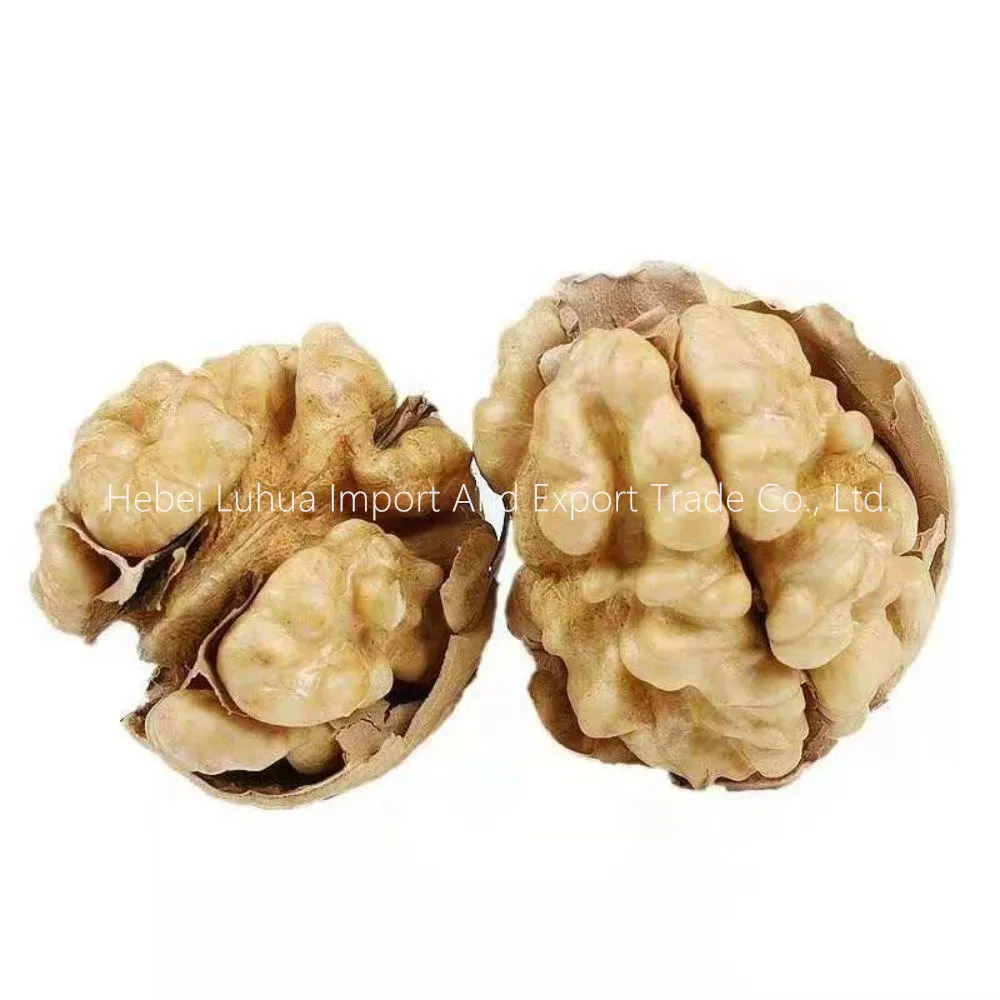
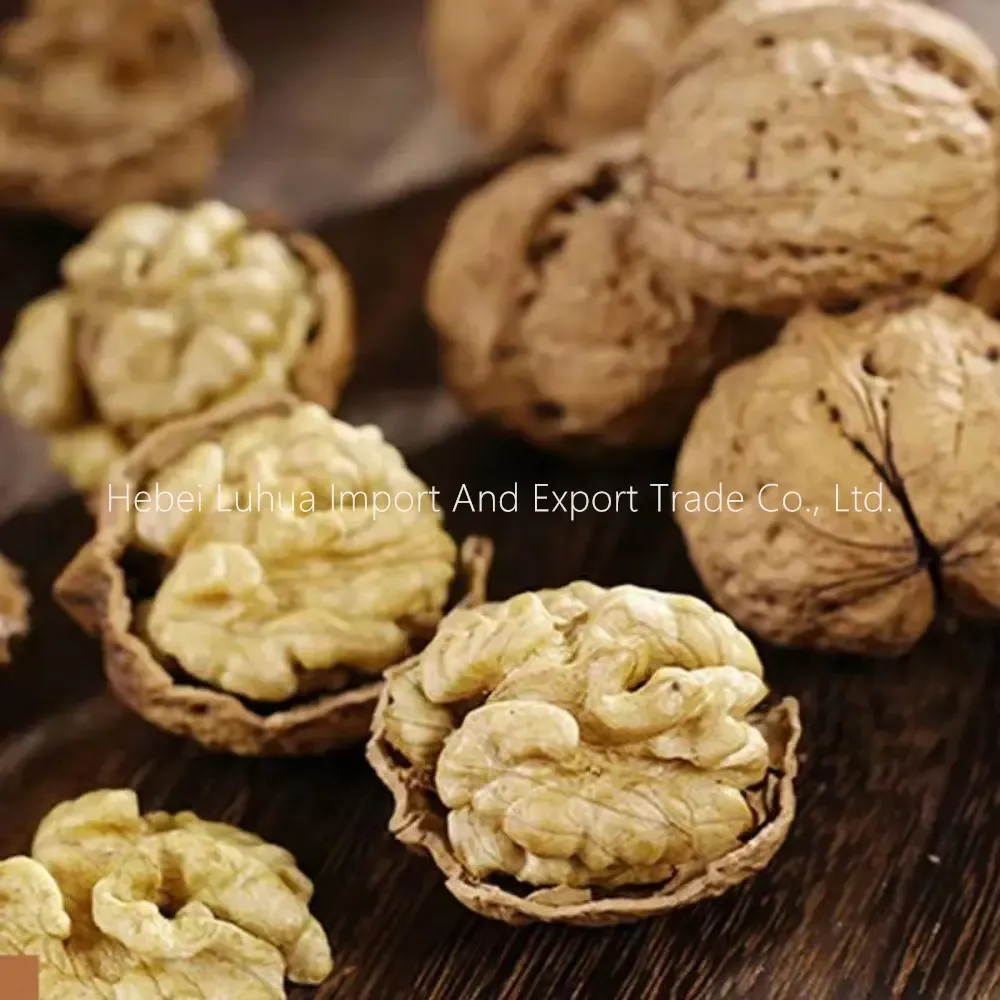
Why Buy Whole Walnuts? Insights From Industry Experience
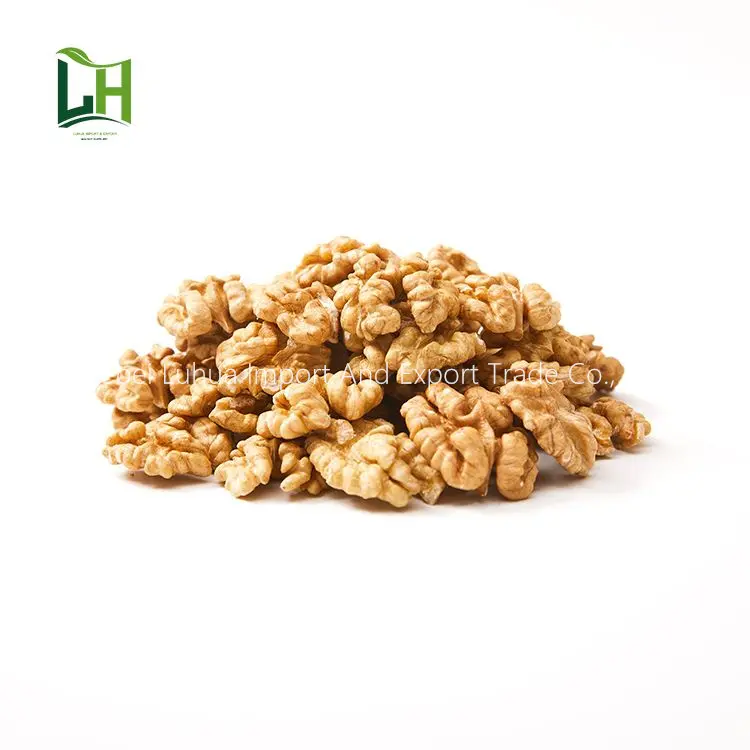
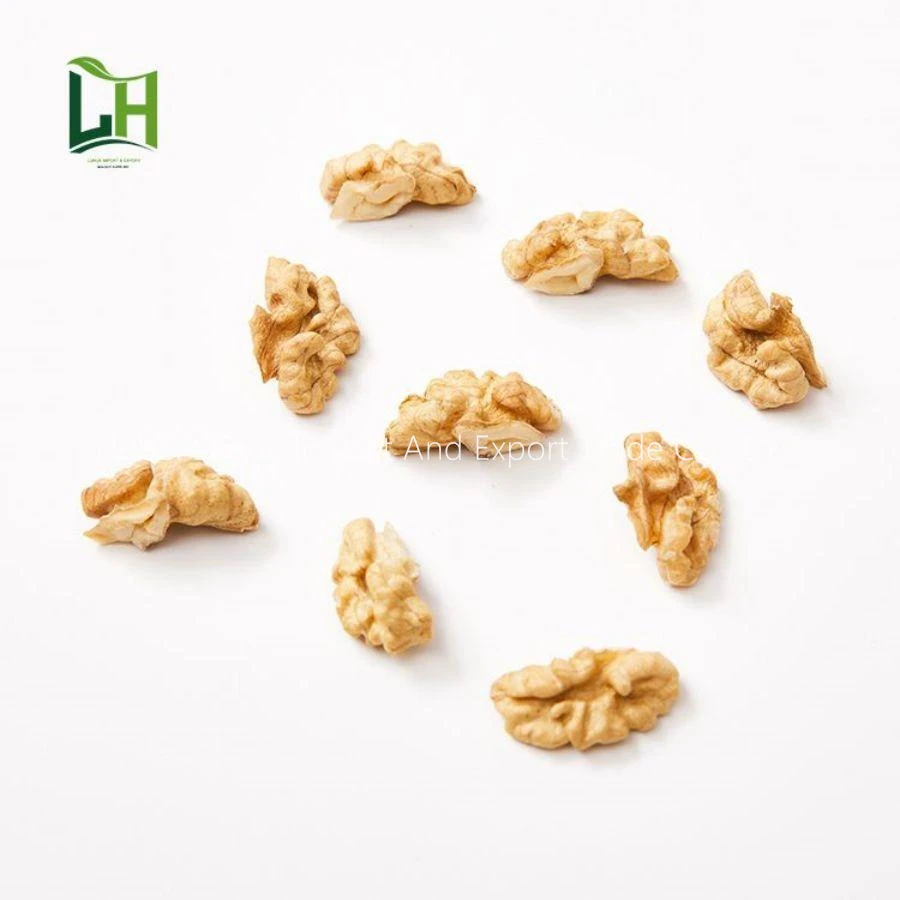
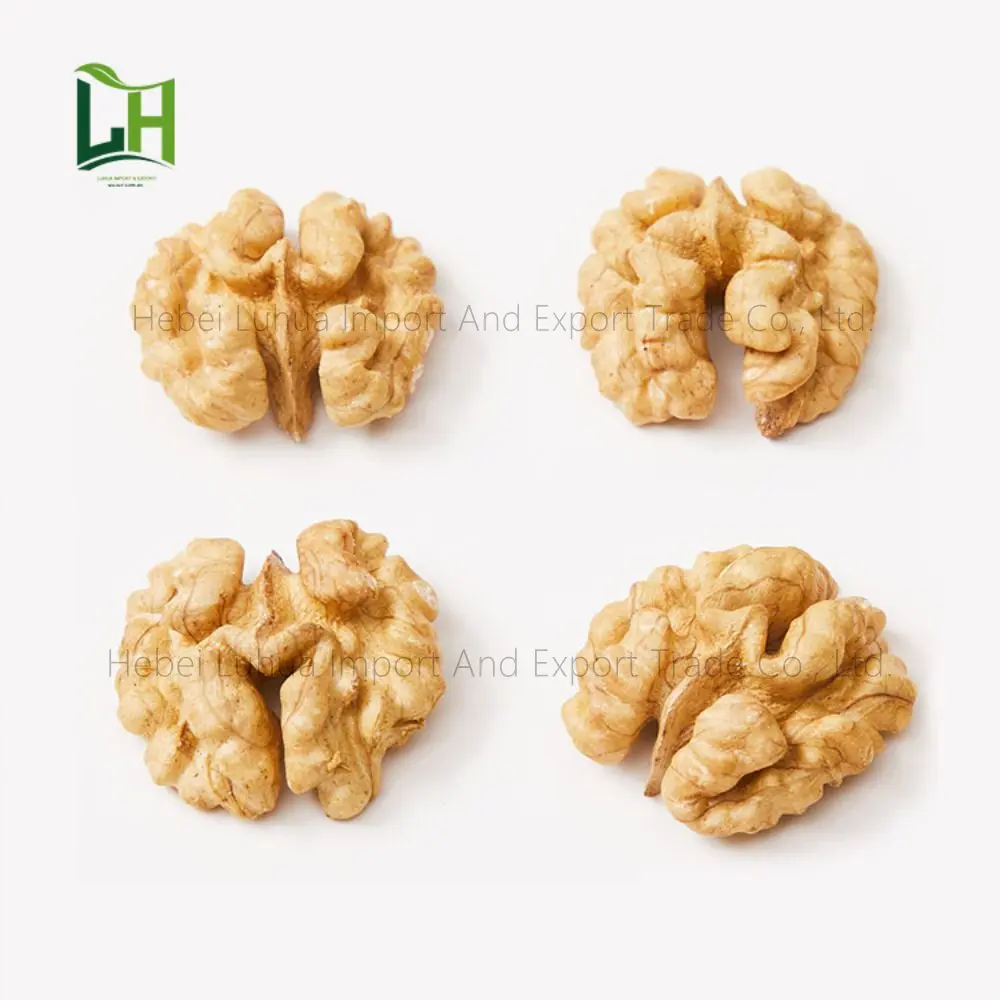
Having spent quite a few years around the industrial processing and food distribution sectors, I can tell you there’s something oddly satisfying about purchasing whole walnuts. You might wonder why anyone wouldn’t just grab walnuts pre-shelled or chopped, but in real terms, whole walnuts carry so many advantages — not just in freshness but in flexibility and quality assurance.
Now, before we dig deeper, let me drop a quick link if you want to buy whole walnuts directly from a reputable supplier. I’ve seen them stand up pretty well on delivery times and quality—more on that later.
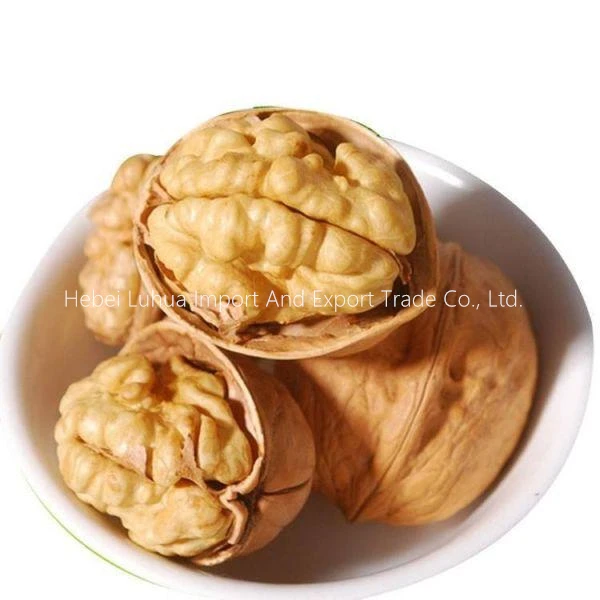
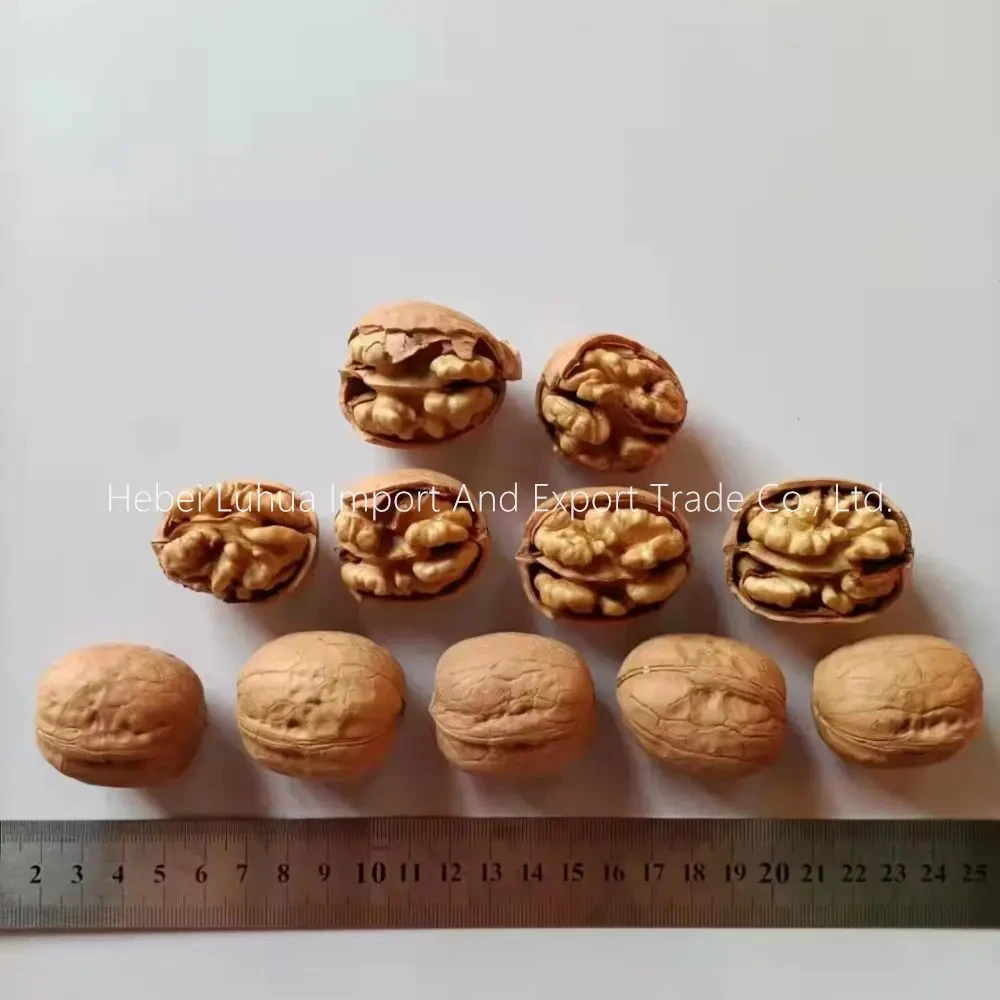
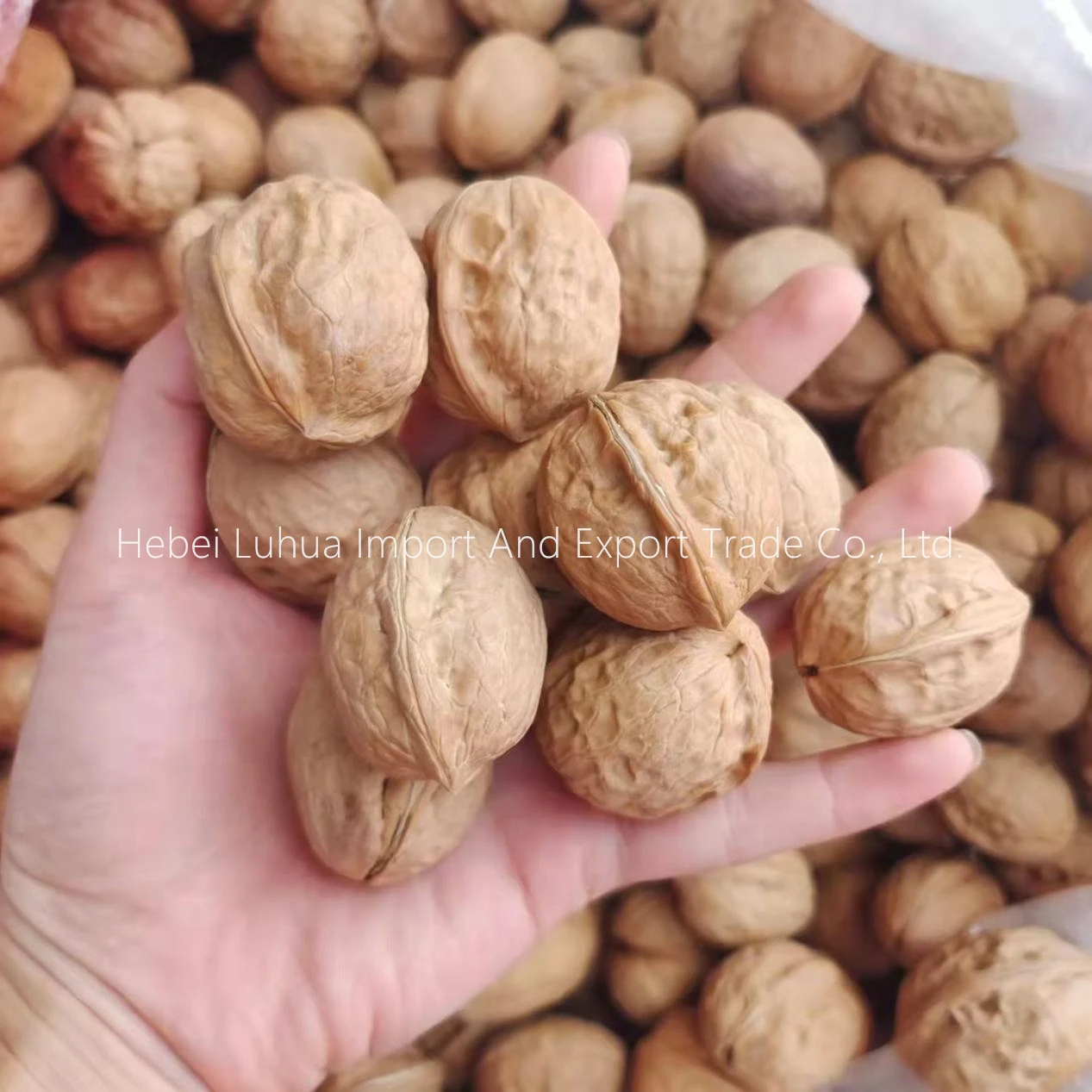
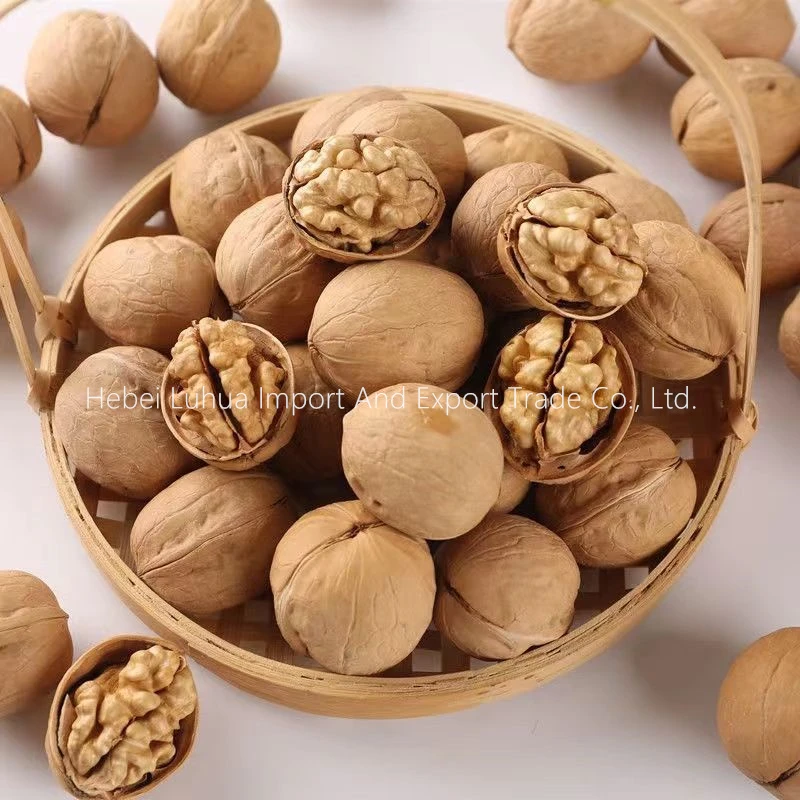
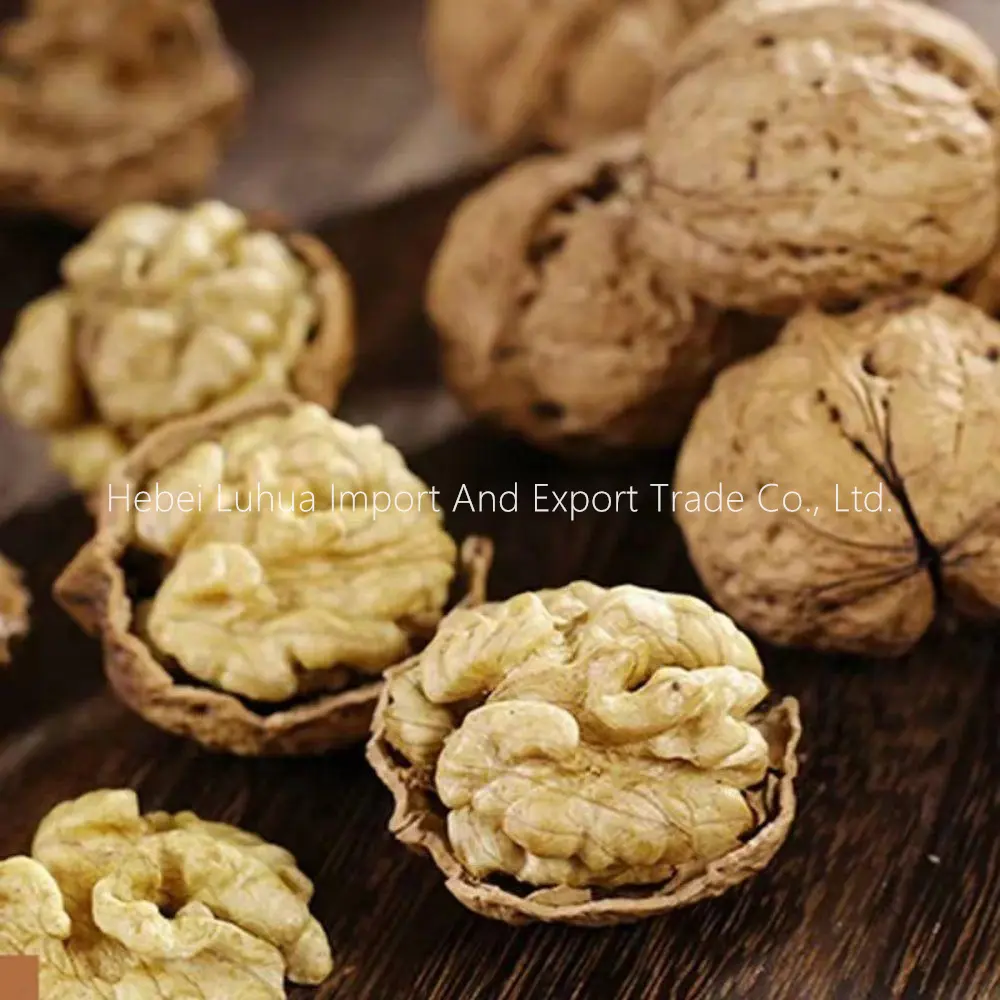
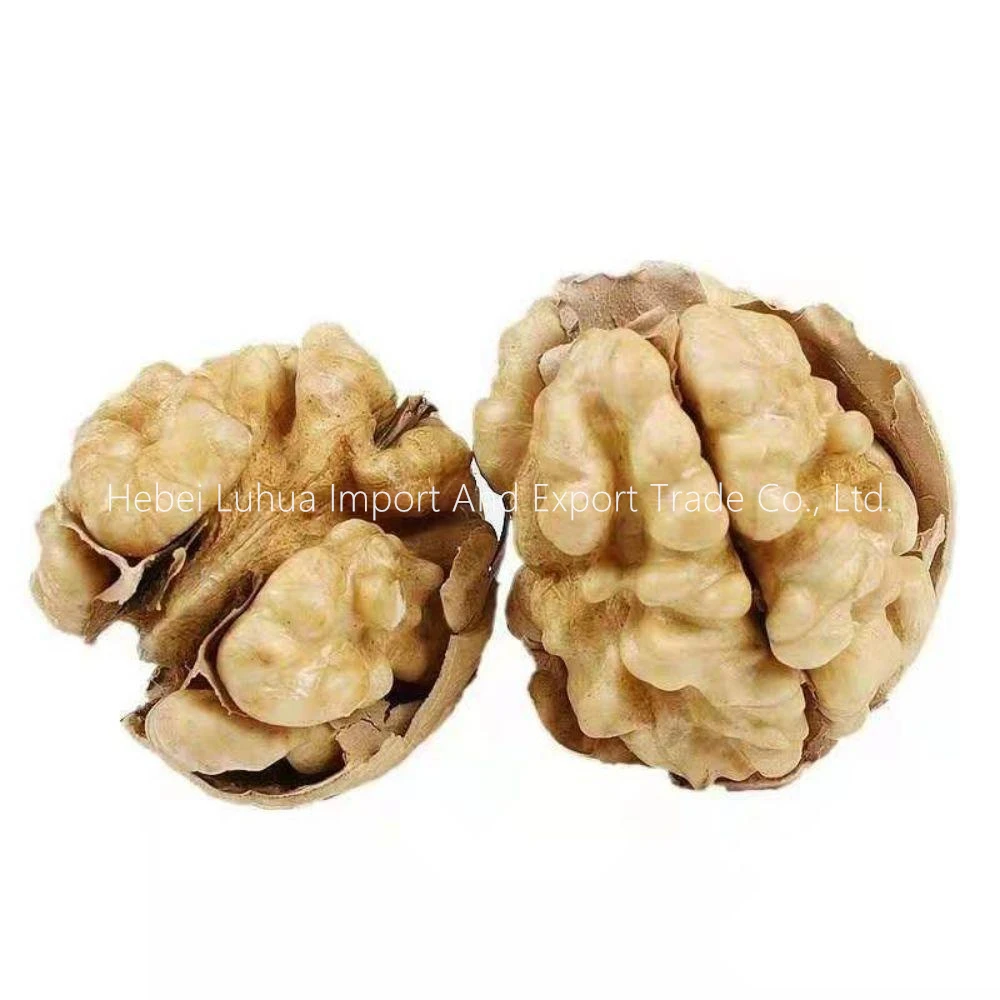
One thing I noticed early in my career was how the condition of the walnut shell can tell you a lot. It’s sort of like a seal of freshness — nuts with intact, unblemished shells tend to maintain their oils and aroma better, which frankly translates into richer taste and longer shelf life. Of course, this demands careful handling from growers to sellers.
Industrial Specs You Should Know
| Specification | Details |
|---|---|
| Variety | Juglans regia (English walnut) |
| Average Weight per Nut | 10-12 grams |
| Shell Thickness | Around 1.5 mm |
| Moisture Content | 4-6% |
| Shelf Life (in shell) | 6-12 months when stored properly |
In real-world conditions, especially if stored in cool, dry warehouses with good airflow, these nuts can last a good while, keeping their flavor intact. I remember one client who stored several tons through a humid summer and still got great results — but they were meticulous about temperature control.
Choosing the Right Vendor: A Quick Comparison
You know, not all walnut suppliers are created equal. Factors like nut grading, sorting technology, and export experience matter. Here’s a quick rundown I put together from reputable sources and direct industry observations:
| Supplier | Product Quality | Certification & Testing | Delivery Time | Customization Options |
|---|---|---|---|---|
| Luhua Walnut | Consistent premium-grade whole nuts | ISO, HACCP certified; regular lab testing | Avg. 7-10 days | Packing & size sorting available |
| Generic Grower A | Variable quality, mostly bulk | Limited certifications | 15+ days | Minimal |
| Importer B | Good consistency but higher pricing | Standard certificates | 10-14 days | Standard packaging only |
Many engineers and industry folks I've chatted with agree: while price definitely matters, it’s the quality consistency and certifications that tip the scale for bulk walnut purchases. Oddly enough, quality issues in raw nuts can cause entire production lines to halt, which nobody wants.
Speaking of real-world usage, one telltale story behind buying whole walnuts comes from a bakery client of mine. They insisted on whole nuts not just for the nutty flavor but because the shells naturally protected the kernels during transport and mixing — reducing fragmentation and giving their decorative bakery goods that perfect final look.
And frankly, there’s nothing quite as fresh or as reassuring as cracking open a nut fresh from a whole batch. It feels like quality control in your own hands, right?
If you want to source walnuts that meet stringent quality standards, and appreciate some insider insight on what to look for (and what to avoid), I can’t recommend enough to check out buy whole walnuts options there. It’s where I’d start if I needed premium supply tomorrow.
To wrap up, whether it’s the shell integrity, moisture regulation, or trusted vendor partnerships, whole walnuts remain a smart, versatile choice in the industrial and commercial arena.
In short: whole walnuts pack more than flavor—they bring peace of mind.
References:
1. International Nut and Dried Fruit Council Global Statistical Review, 2023
2. USDA Walnut Quality Standards, 2022
3. Interview with Walnut Processing Engineers, 2021
Post time:Jan . 03, 2026 04:50