Akhrot Per Kg Price: A Comprehensive Guide to Walnut Costs
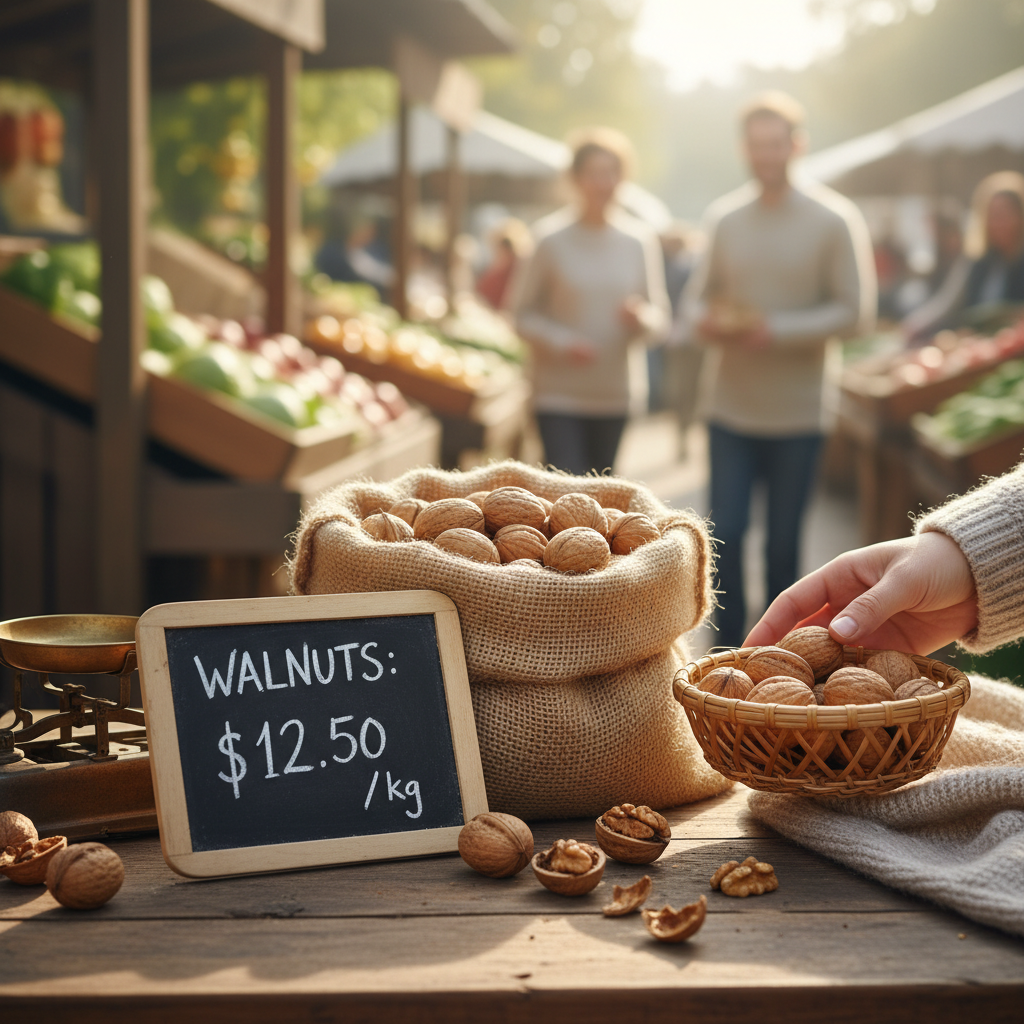
Understanding the akhrot per kg price is crucial for both consumers and businesses involved in the trade of walnuts. This article provides a detailed overview of the factors influencing walnut prices, current market trends, different grades, and where to find competitive pricing. We'll cover everything from farm-gate prices to retail costs and explore how global demand impacts the price of akhrot. Whether you're a buyer, seller, or simply a walnut enthusiast, this guide will equip you with the knowledge to navigate the walnut market effectively.
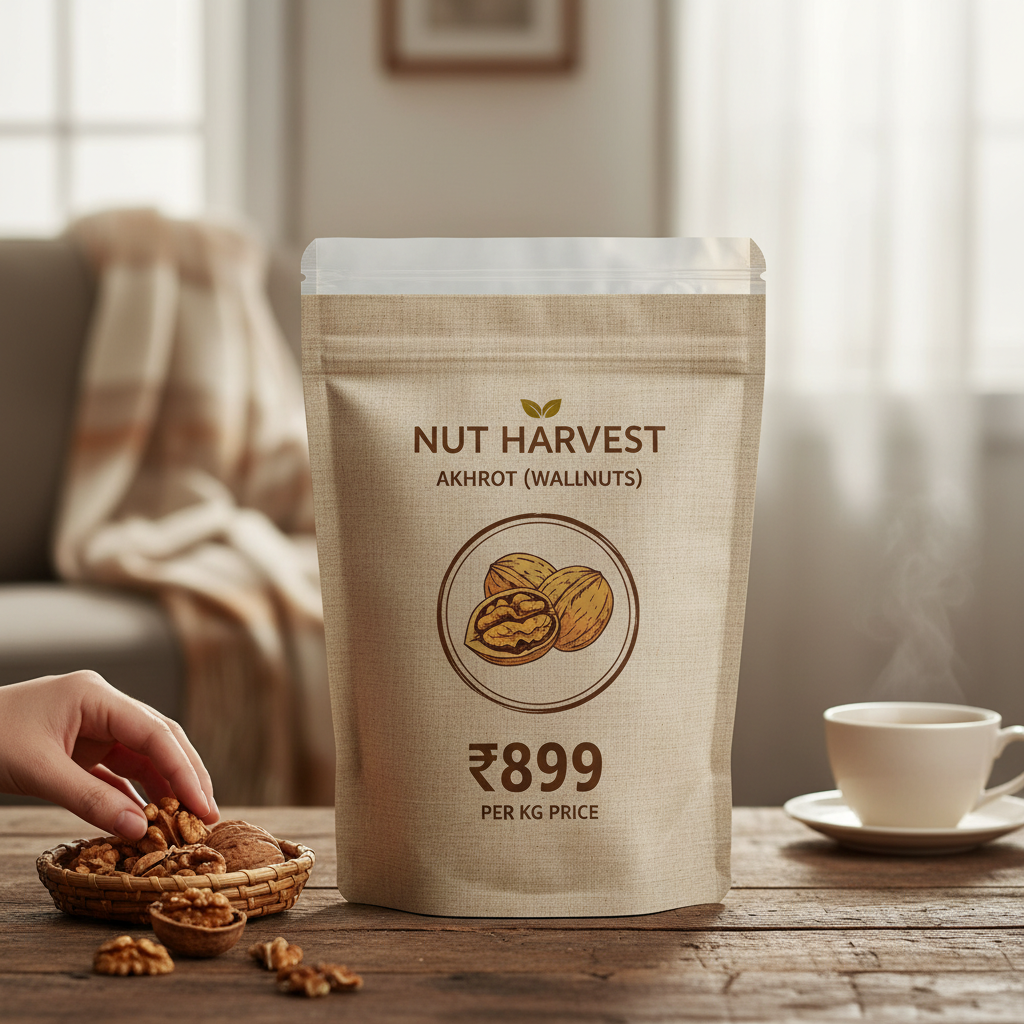
Factors Influencing Akhrot Per Kg Price
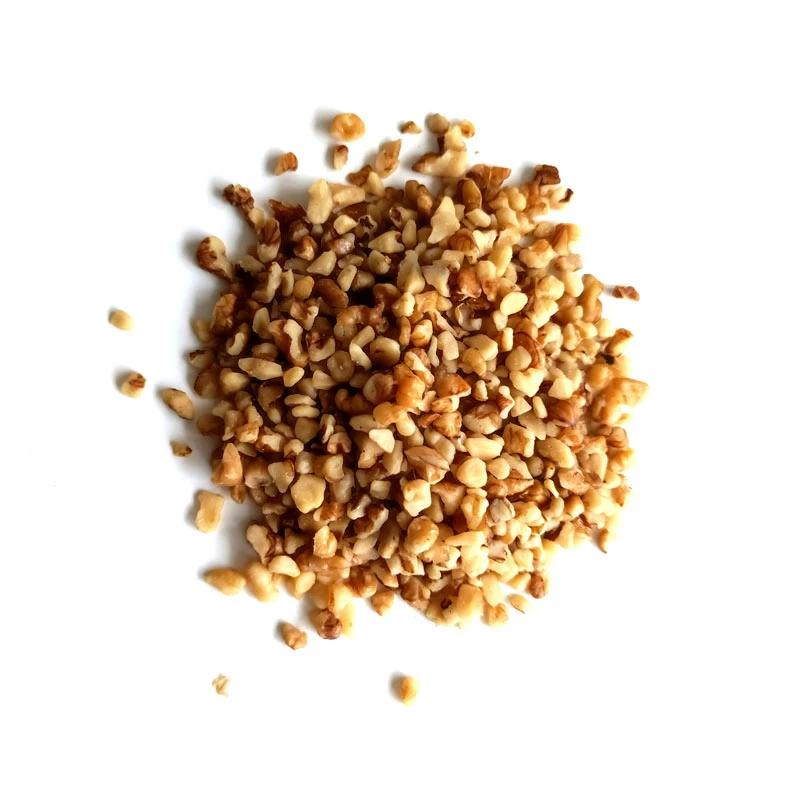
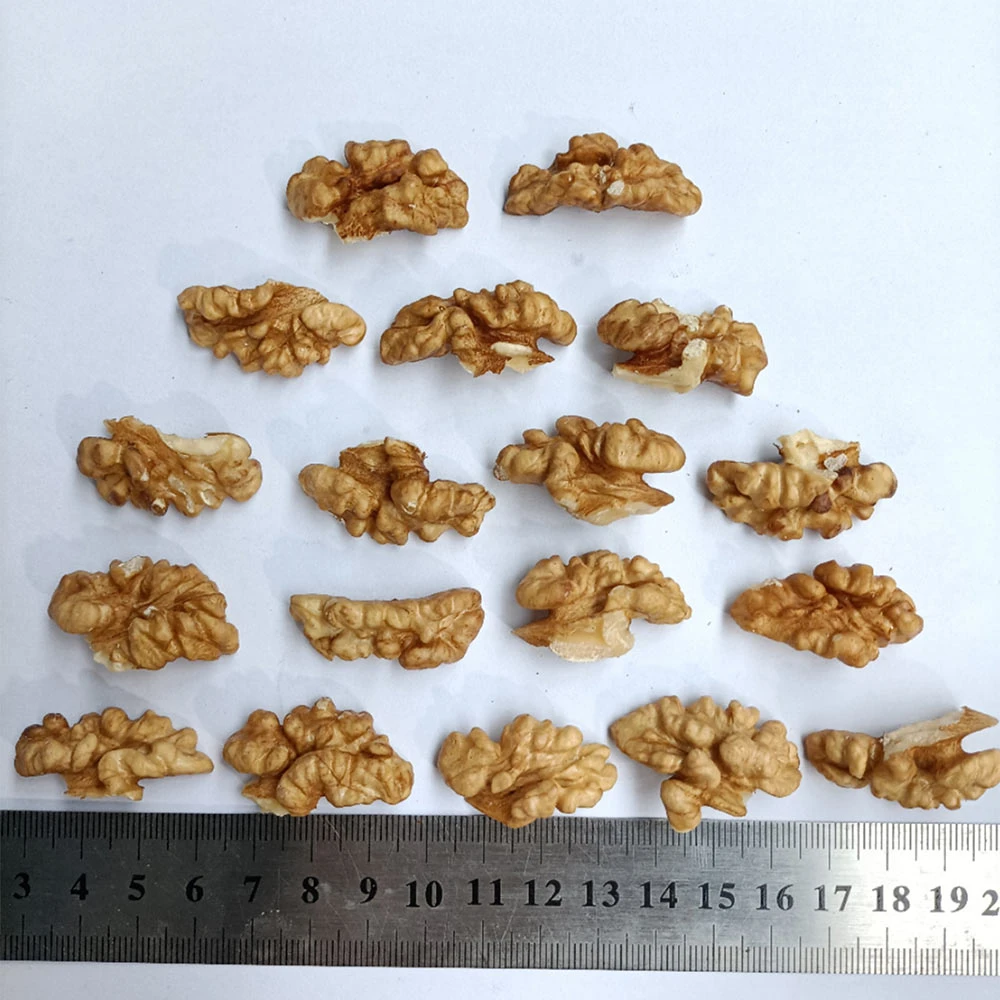
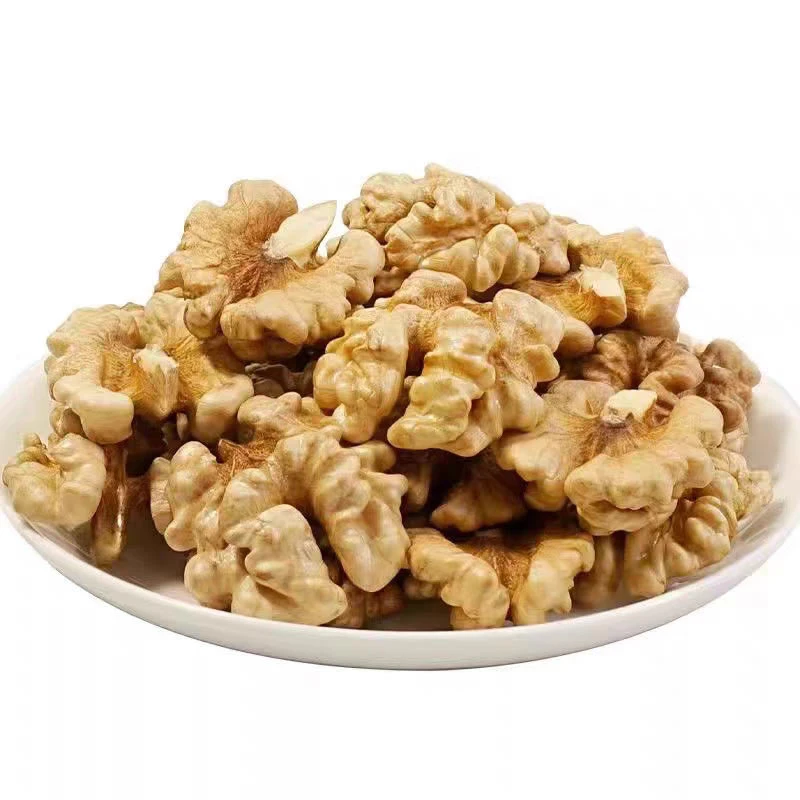
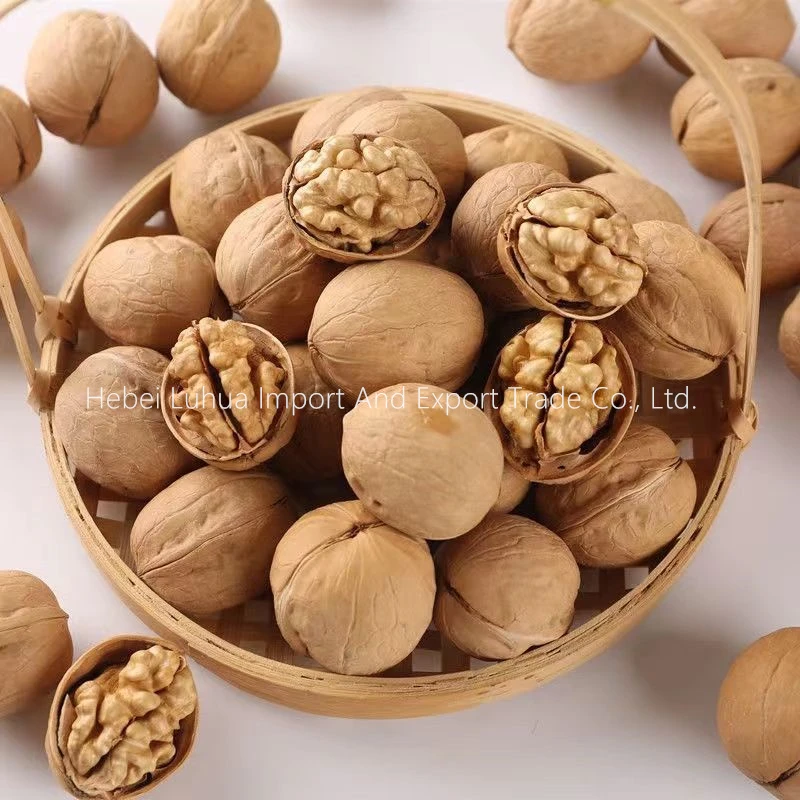
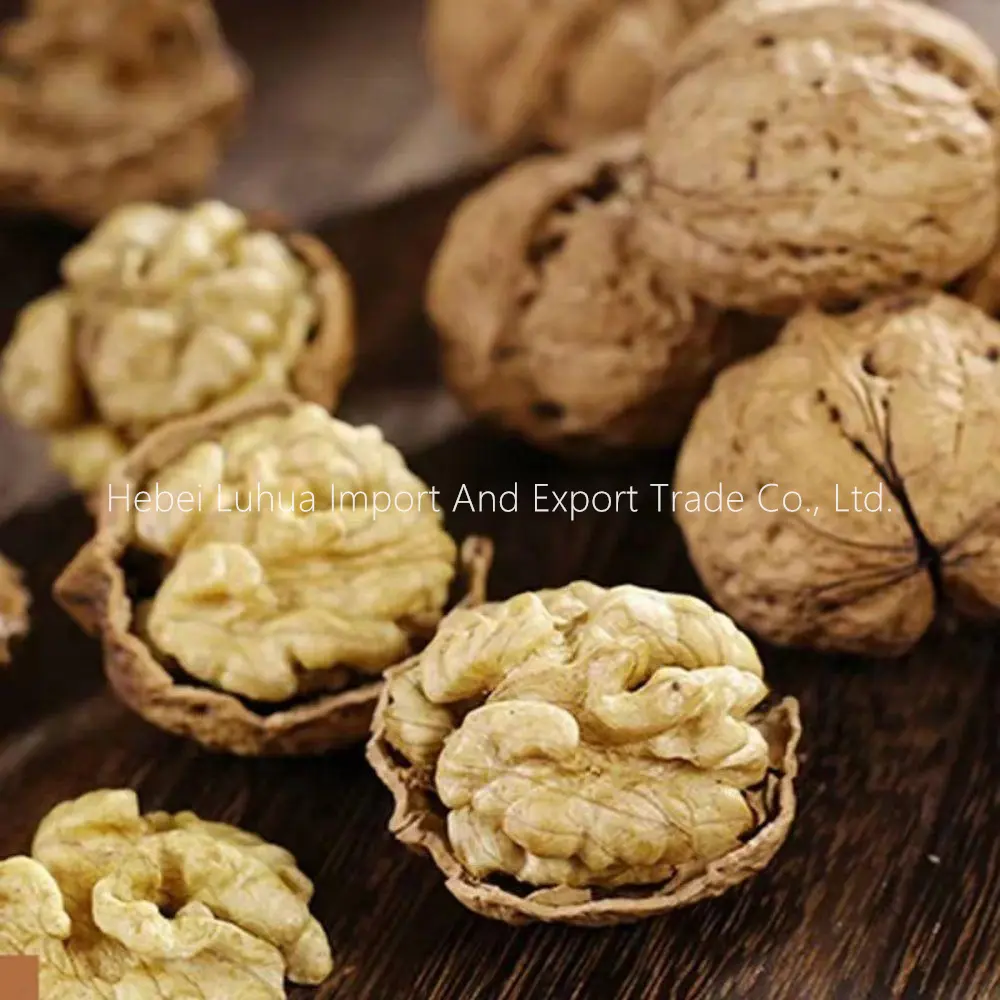
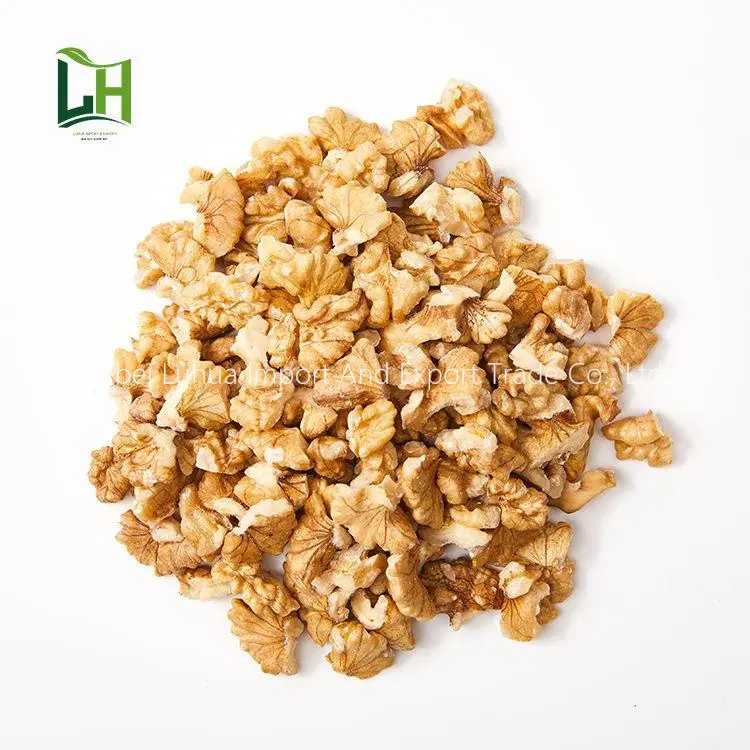
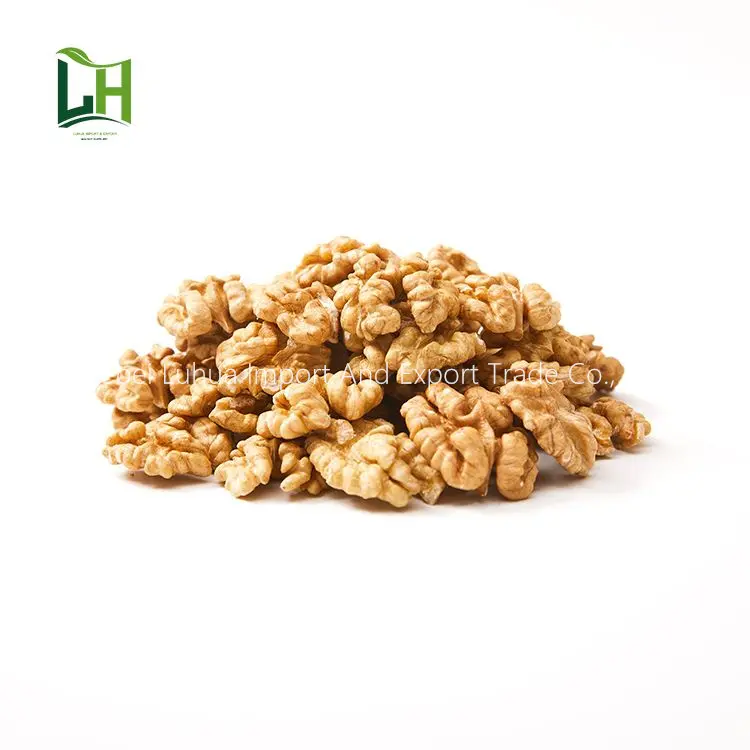
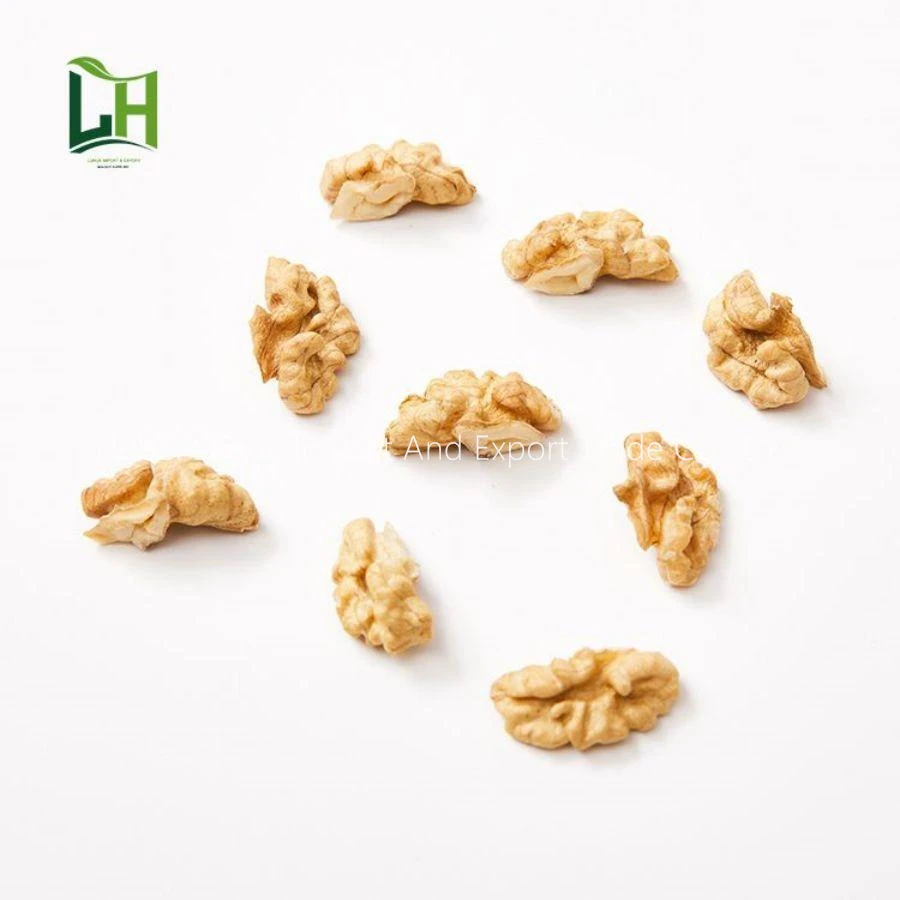
Several key factors determine the akhrot price per kg. These include the walnut variety (e.g., Chandler, Howard, Hartley), the quality and size of the kernels, the origin of the walnuts, seasonal availability, and overall market demand. Weather conditions during the growing season significantly impact the yield and, consequently, the price. Transportation costs, import duties (for international buyers), and currency exchange rates also play a role. Furthermore, the level of processing (in-shell, shelled, or kernel pieces) directly affects the cost.
Key Influencers: Weather, Variety, Quality, Processing Level, Demand, and Transportation.
Current Market Trends & Akhrot Price Fluctuations
The global walnut market experiences price fluctuations throughout the year. Generally, prices are higher during the off-season (typically late spring/early summer) when supply is limited. Prices tend to decrease during harvest season (fall) when supply increases. Recent years have seen increased demand from emerging markets like China and India, putting upward pressure on prices. Geopolitical events and trade policies can also create volatility in the market. Monitoring these trends is essential for making informed purchasing decisions. At Luhua Walnut, we stay updated with the current trends to provide the most competitive prices.
Market Insights:
• Increased demand from China and India.
• Seasonal price fluctuations based on harvest cycles.
• Geopolitical factors influencing supply chain.
• Consistent monitoring of market trends for best pricing.
Understanding Different Grades of Walnuts and Their Prices
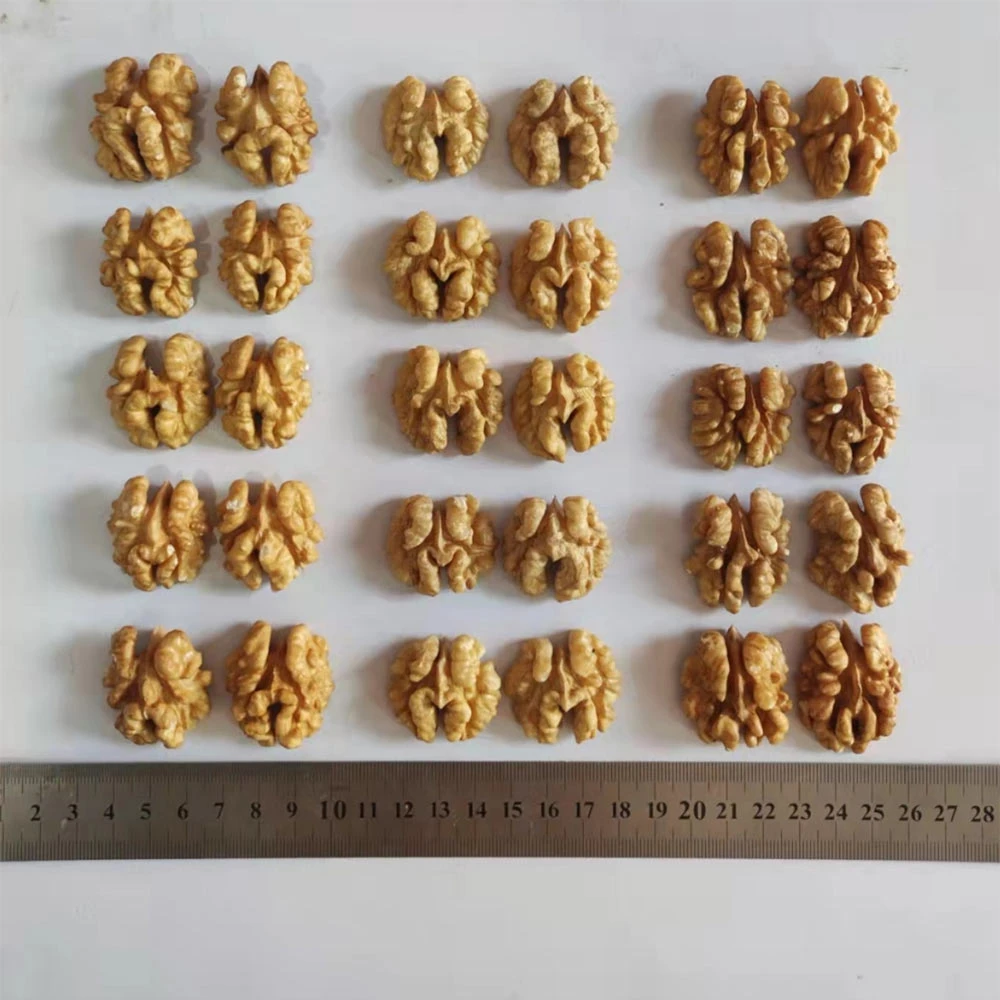
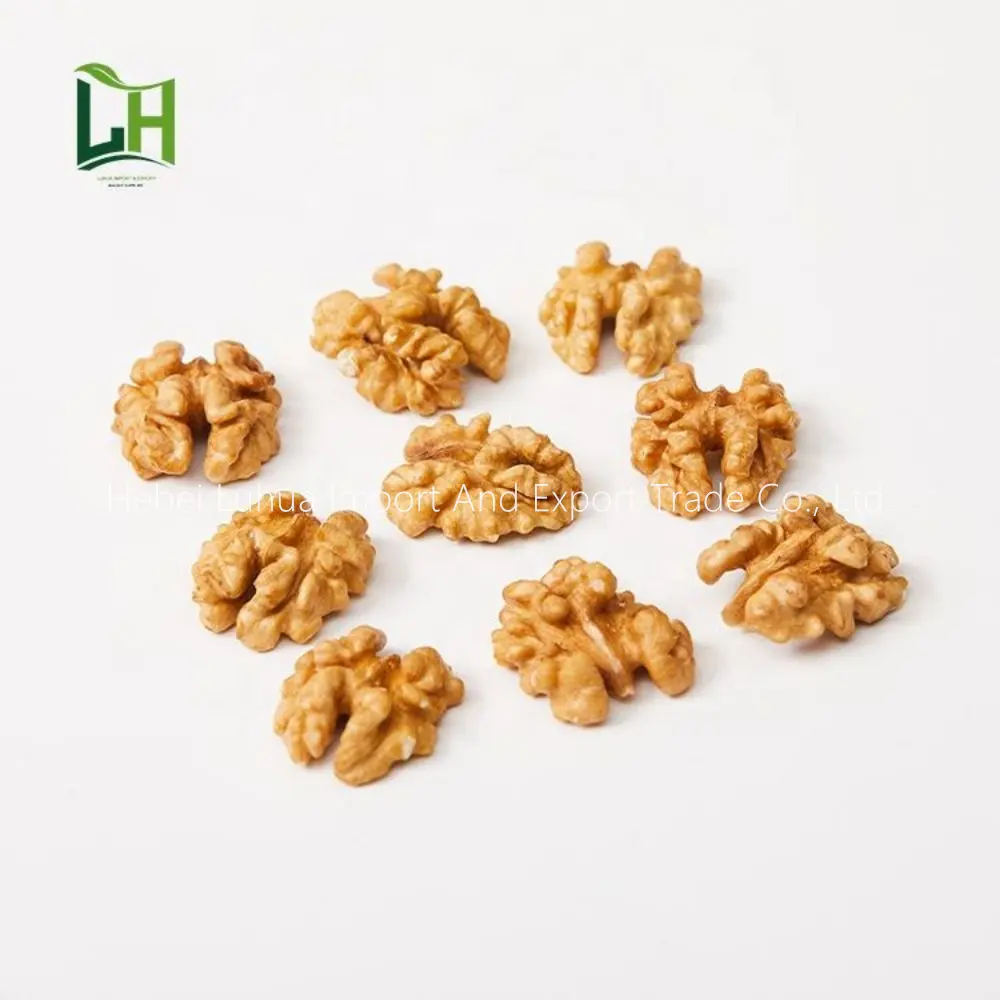
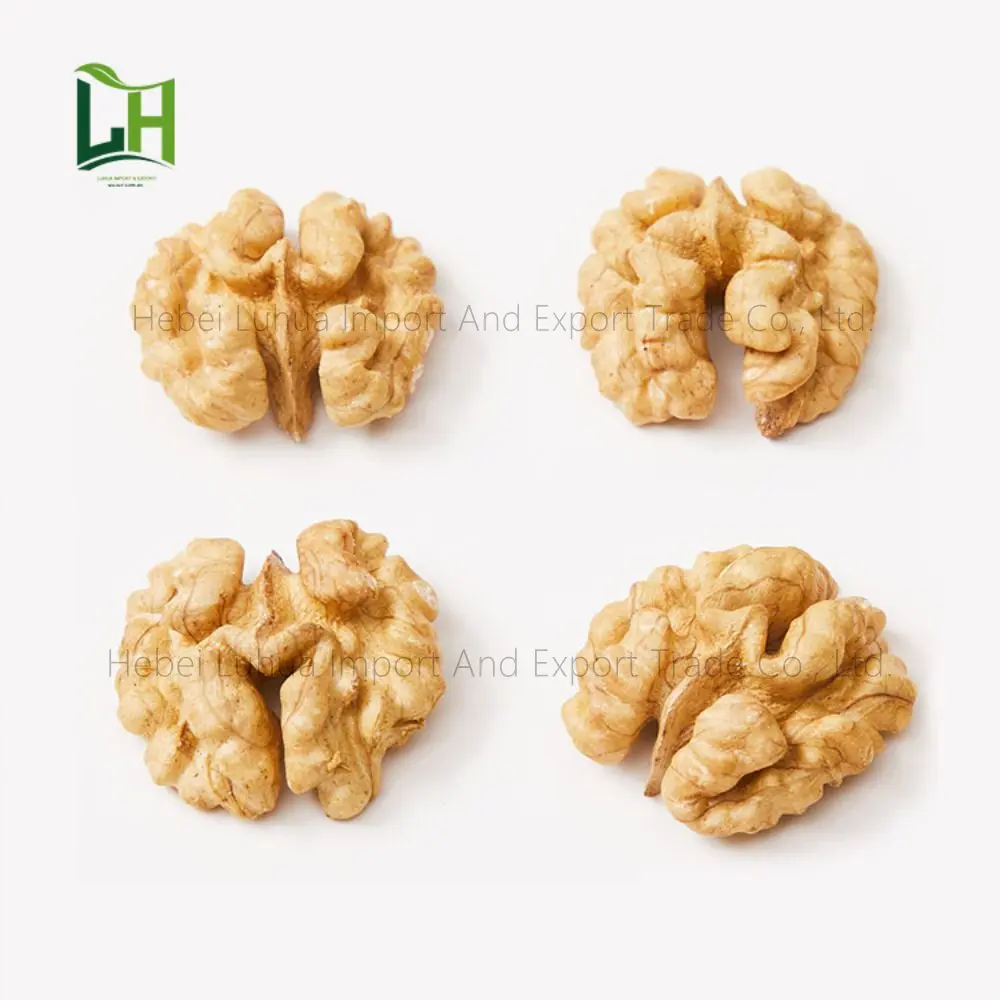
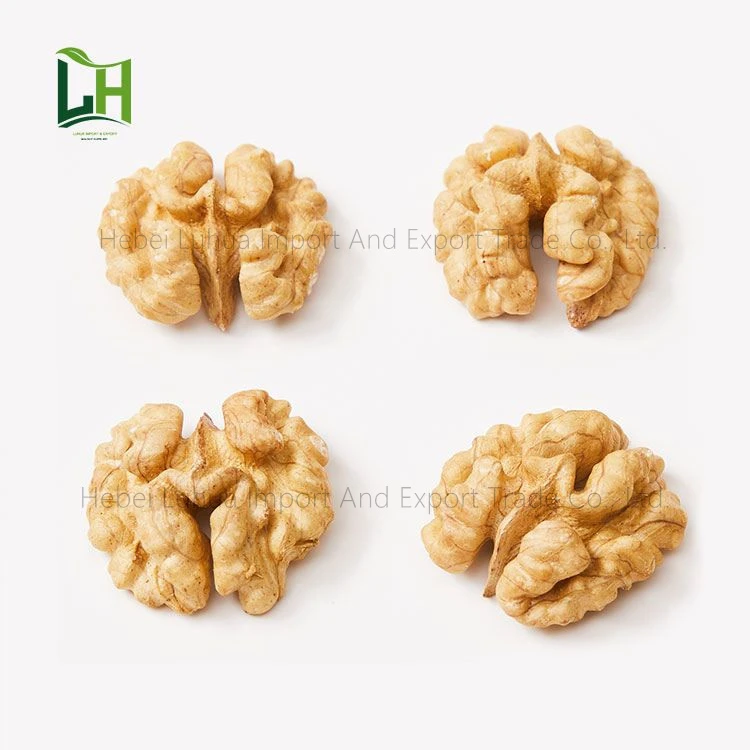
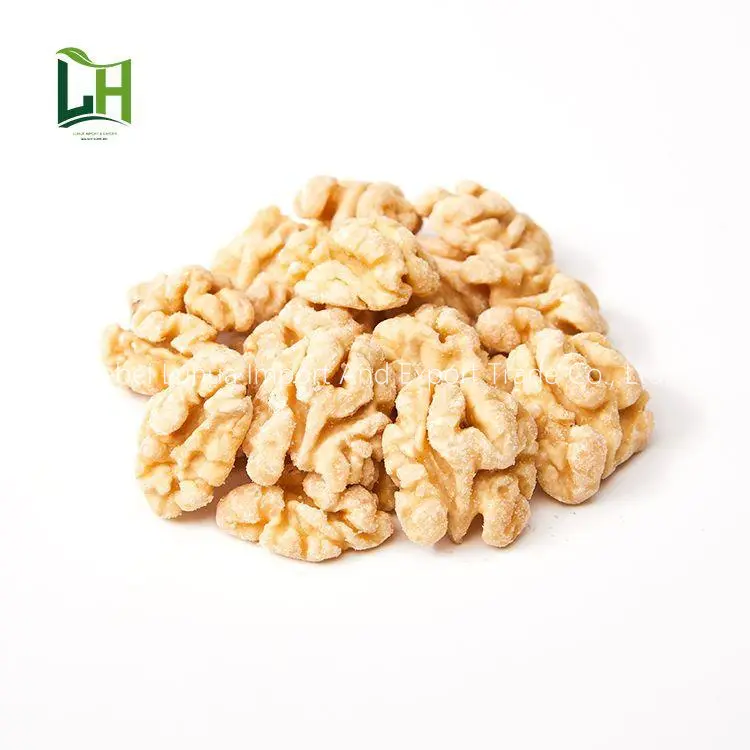
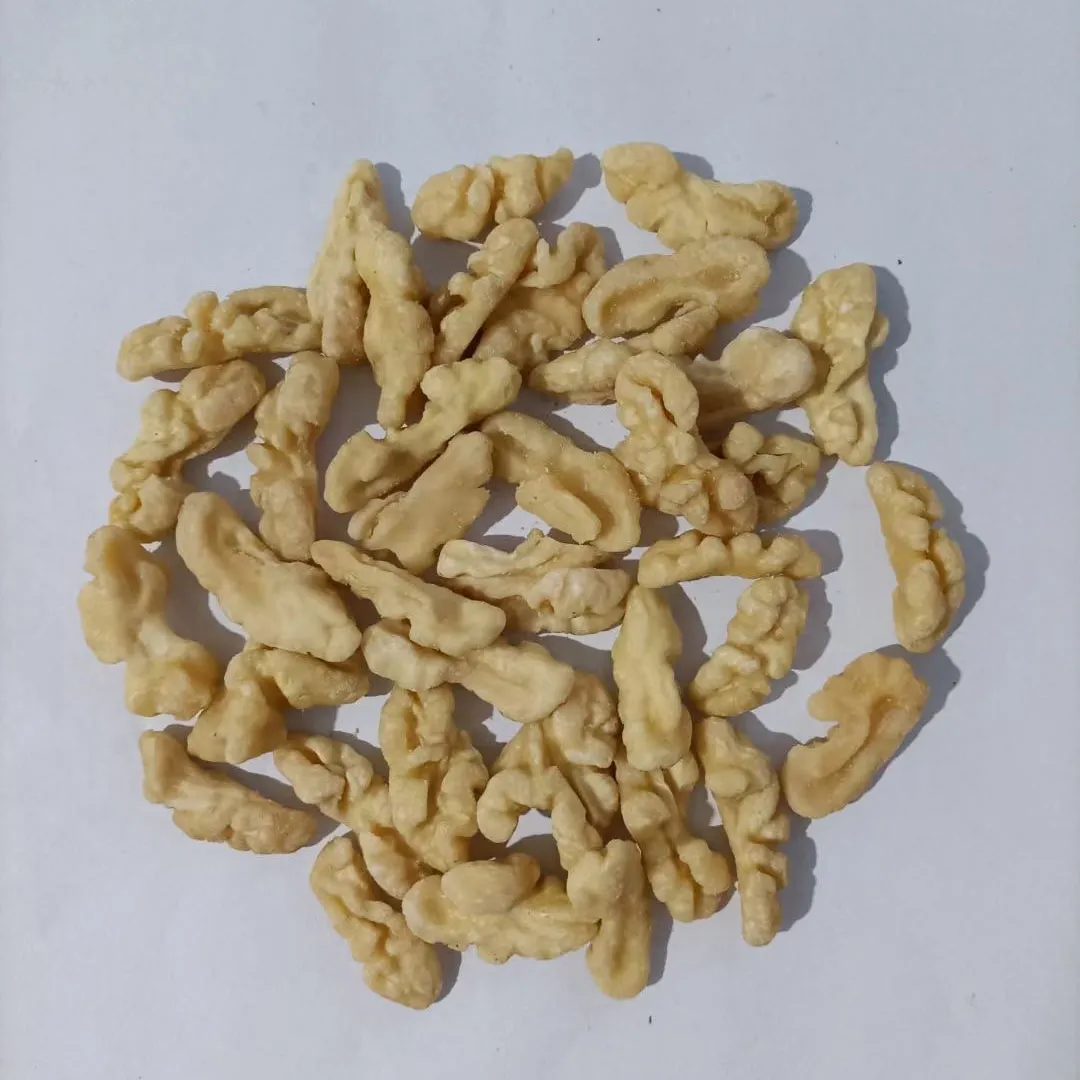
Walnuts are graded based on several factors, including kernel size, color, and the presence of defects. Higher grades, such as Jumbo and Large, command a premium price due to their larger kernel size and superior quality. Lower grades, like Medium and Small, are typically used in processed food products and are priced accordingly. Color is also important; lighter-colored kernels are generally preferred. The akhrot per kg price varies significantly depending on the grade, with Jumbo kernels being the most expensive.
Where to Buy Walnuts at Competitive Prices: Luhua Walnut
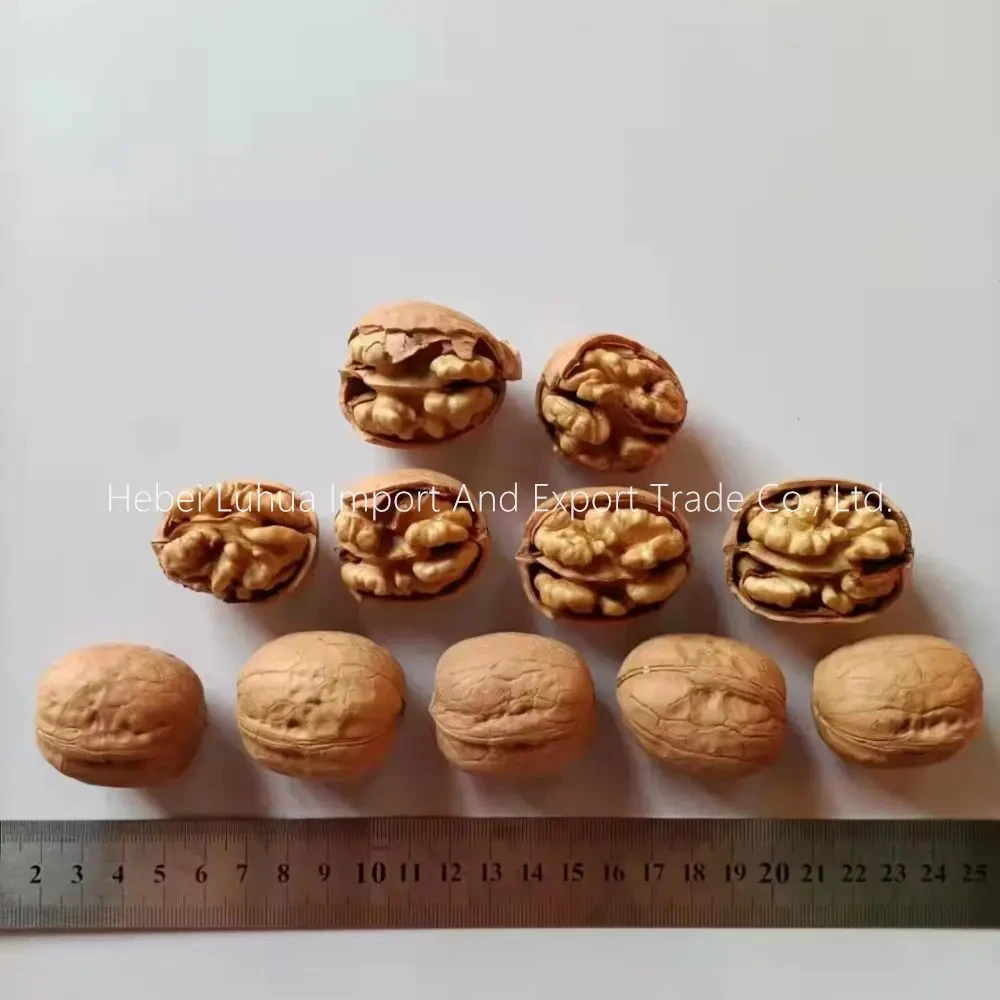
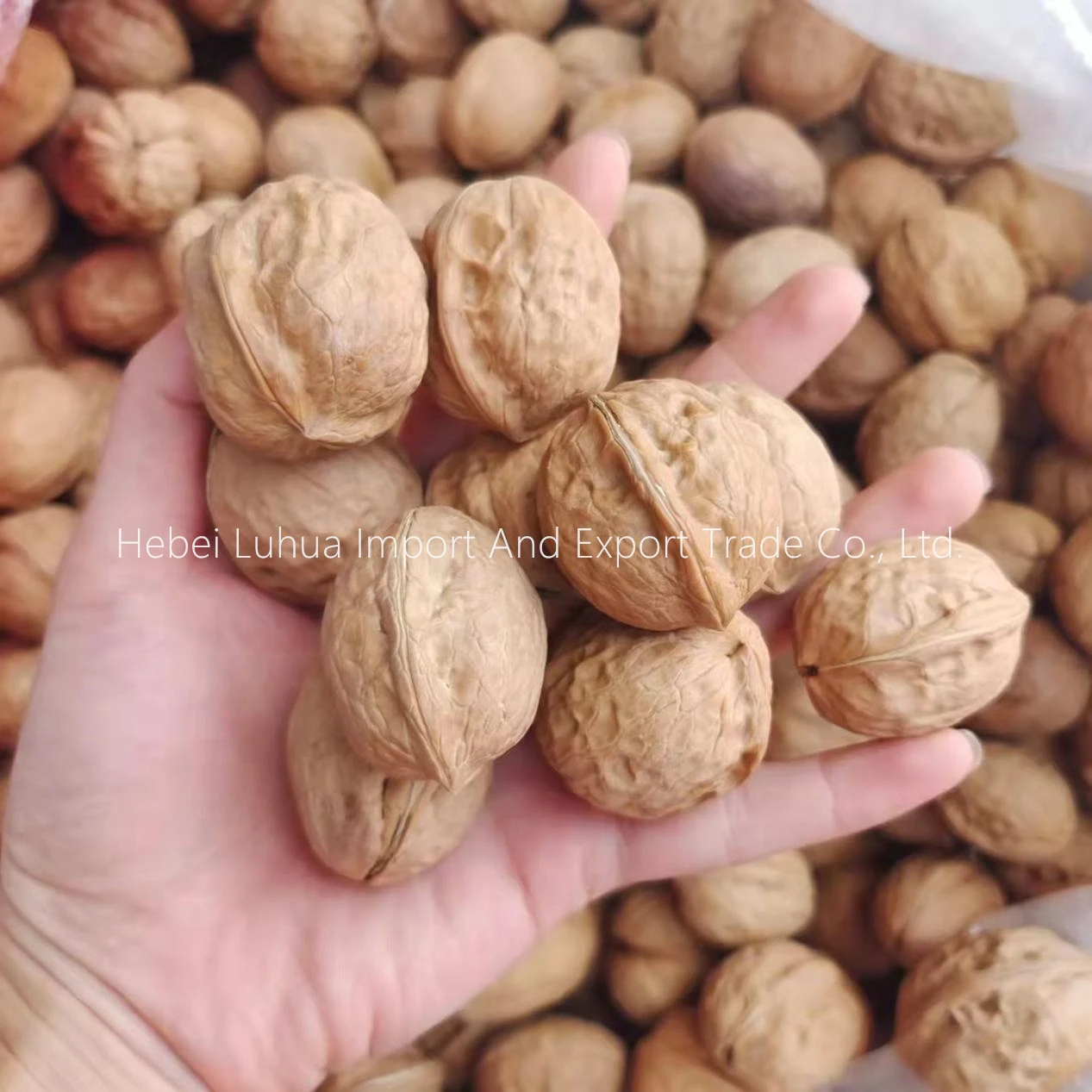
Finding a reliable supplier offering competitive akhrot per kg price is crucial. Luhua Walnut is a leading supplier of high-quality walnuts, offering a wide range of grades and processing options. We source directly from trusted growers, ensuring consistent quality and competitive pricing. Our efficient supply chain and commitment to customer satisfaction make us a preferred partner for businesses worldwide.
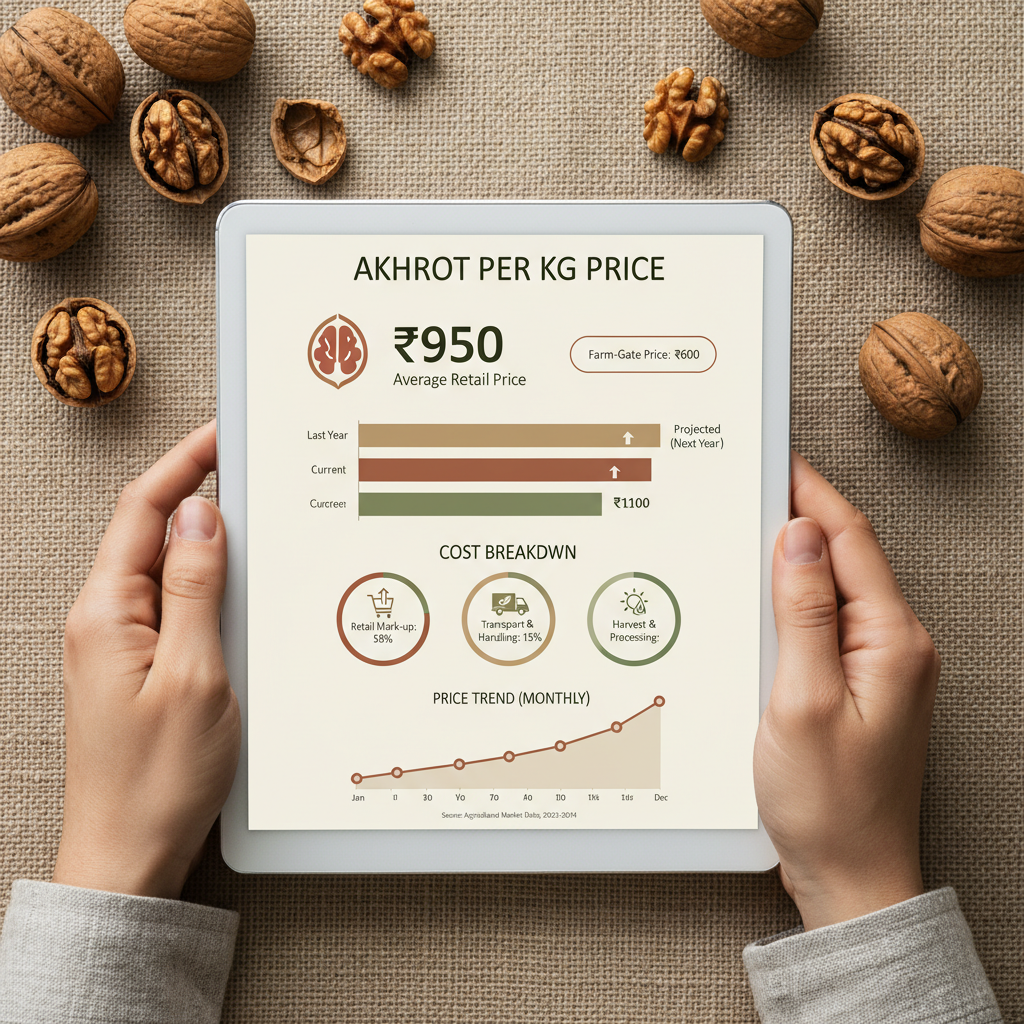
Product Specifications
Here’s a glimpse into our key product specifications:
Conclusion: Your Partner for Quality Walnuts
Understanding the akhrot per kg price and navigating the walnut market requires knowledge and a reliable partner. Luhua Walnut offers quality products, competitive pricing, and exceptional customer service. Contact us today to discuss your walnut needs and experience the Luhua difference!
Frequently Asked Questions (FAQs)
What factors cause the most significant fluctuations in walnut prices?
The most significant fluctuations in walnut prices are typically caused by weather patterns during the growing season (affecting yield), global demand, particularly from emerging markets like China and India, and currency exchange rates. Unforeseen events like trade disputes or geopolitical instability can also contribute to price volatility. A good harvest generally leads to lower prices, while a poor harvest results in higher prices. Understanding these dynamics is crucial for making informed purchasing decisions and mitigating risk.
What is the difference between in-shell and shelled walnut prices?
Shelled walnuts are considerably more expensive than in-shell walnuts. This is because shelling walnuts is a labor-intensive process that adds to the production cost. In-shell walnuts require less processing and handling, making them more affordable. The price difference can vary depending on the grade and quality of the walnuts, but generally, shelled walnuts can be 2-3 times the price of in-shell walnuts.
How can I get a quote for bulk walnut purchases?
You can easily obtain a quote for bulk walnut purchases by contacting Luhua Walnut through our website or by contacting our sales team directly. Please provide details regarding the desired quantity, grade, processing type (in-shell, shelled, etc.), and your delivery location. Our team will respond promptly with a competitive quote tailored to your specific requirements.
What is the typical shelf life of shelled walnuts?
Shelled walnuts have a relatively short shelf life due to their high oil content, which can lead to rancidity. Properly stored in an airtight container in a cool, dark place, shelled walnuts can last for 6-12 months. For longer-term storage, it's recommended to freeze them. Freezing can extend the shelf life to 1-2 years. It’s best to check for any off-flavors or smells before consuming walnuts that have been stored for an extended period.
Post time:Mar . 24, 2026 02:55